These Are The Florida Vegetables Worth Growing In June Before Summer Rainy Season Peaks
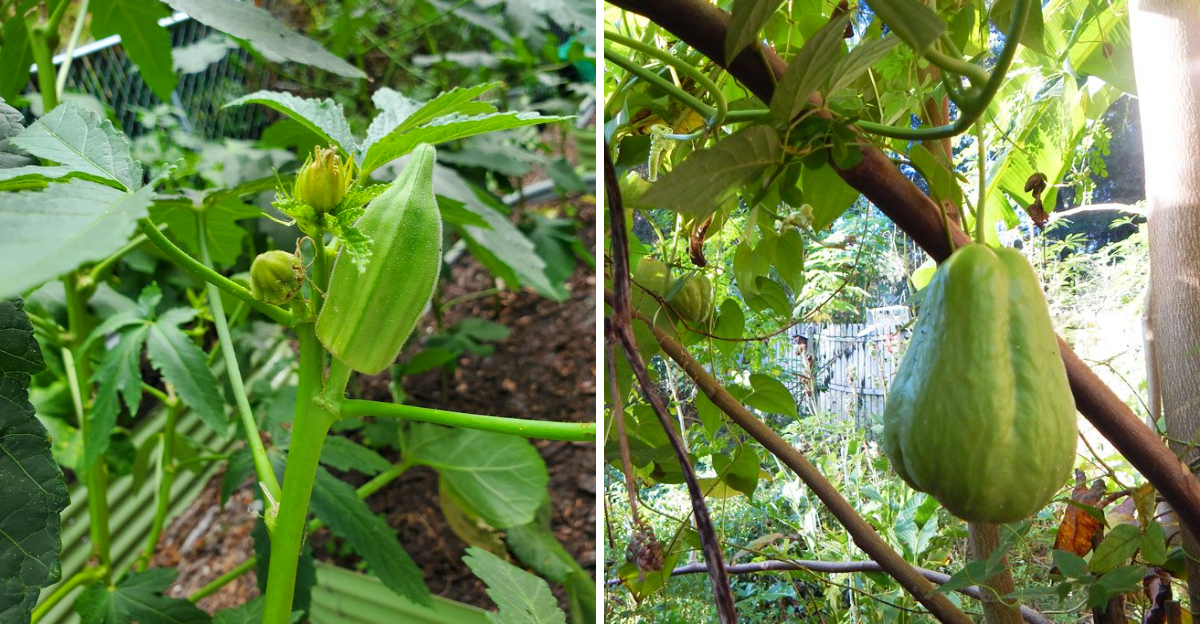
June arrives in Florida and the garden shifts gears completely. Cool-season crops are done, the heat is building fast, humid mornings are the new normal, and afternoon storms are not far behind.
Weeds love this weather, drainage suddenly matters a lot more, and the planting calendar looks completely different depending on where in the state you garden.
But productive June gardening is absolutely possible when you know which vegetables are actually suited to these conditions.
Some crops thrive in exactly the kind of heat, humidity, and summer rainfall that June delivers, and getting them in the ground at the right time sets the tone for a strong summer harvest.
Region matters here too, so knowing your specific planting window for North, Central, or South Florida is a solid place to start.
1. Okra Handles June Heat Well
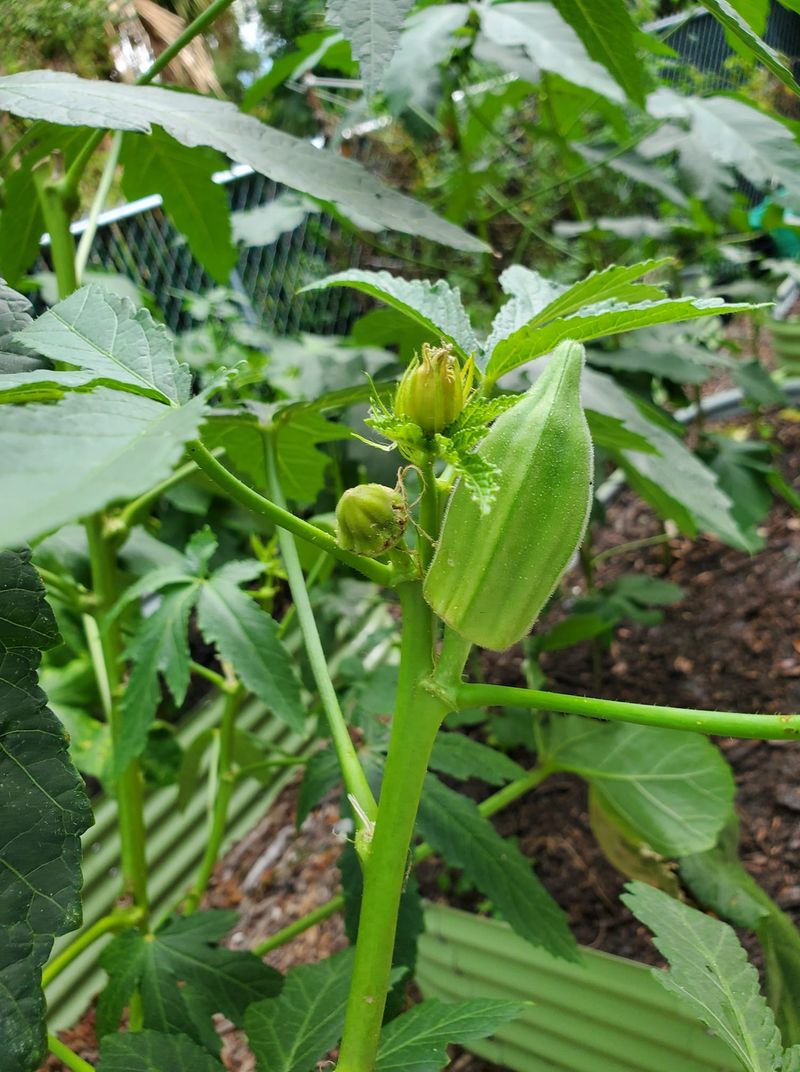
Few vegetables take on Florida’s intense June sun with as much confidence as okra.
This tall, productive crop thrives when temperatures climb and humidity builds, making it one of the smartest choices for North and Central Florida gardeners planting in early summer.
South Florida gardeners should check local timing guidance, since okra’s best planting windows can shift depending on region.
Okra grows quickly in warm soil and can begin producing pods within about 50 to 65 days after planting. In Florida’s sandy soils, good drainage matters because standing water after heavy rains can stress roots.
Raised beds can help manage moisture and improve growing conditions during the rainy season.
Spacing plants well and keeping good airflow between them reduces the chance of fungal issues, which can become more common as summer rain increases.
Pods should be harvested while still small and tender, usually around 3 to 4 inches long, because they become tough and fibrous quickly in the heat.
Checking plants every couple of days during peak production keeps harvests coming steadily. Aphids and stink bugs can show up, so watching plants regularly and addressing pest pressure early helps protect the crop without waiting for problems to build up.
2. Southern Peas Grow Through Summer
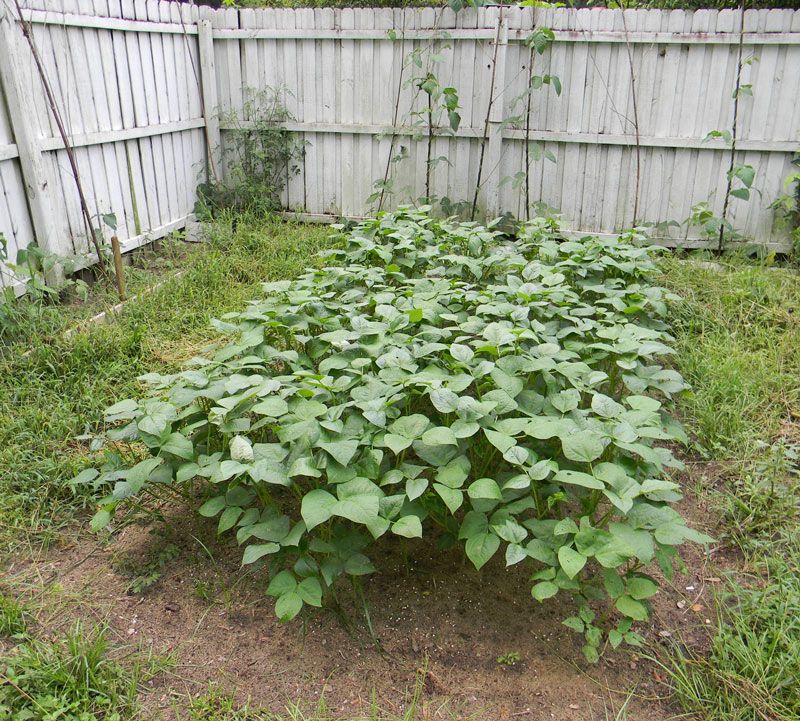
Walk through almost any productive North or Central Florida summer garden and there is a good chance you will spot a row of Southern peas working quietly in the heat.
Also called field peas or cowpeas, these legumes have been a warm-season staple in home gardens for generations, and June is one of their most reliable planting windows in those regions.
Southern peas fix nitrogen in the soil as they grow, which can benefit garden beds over time. They handle high heat and some drought stress better than many other warm-season crops, though consistent moisture during pod development improves yield.
In South Florida, the timing for Southern peas can differ from North and Central Florida, so checking regional planting guides before sowing is a worthwhile step.
These plants prefer well-drained soil and do not respond well to waterlogged conditions, which is worth keeping in mind as summer rains increase through July.
Spacing rows to allow airflow can help reduce disease pressure in humid conditions.
Your Florida Garden Changes Every Week. Your Plan Should Too.
Gardening in Florida changes quickly throughout the season. Every Friday you’ll receive a simple weekly plan showing exactly what to plant, prune, fertilize, harvest, and protect so you never miss the right timing.
Bush varieties work well in smaller garden spaces, while vining types may need light support. Pods can be harvested at the green shell stage for fresh eating or left to dry on the vine for storage.
Either way, Southern peas offer real productivity for Florida summer gardens with relatively modest care.
3. Sweet Potatoes Settle In Before Rain Peaks
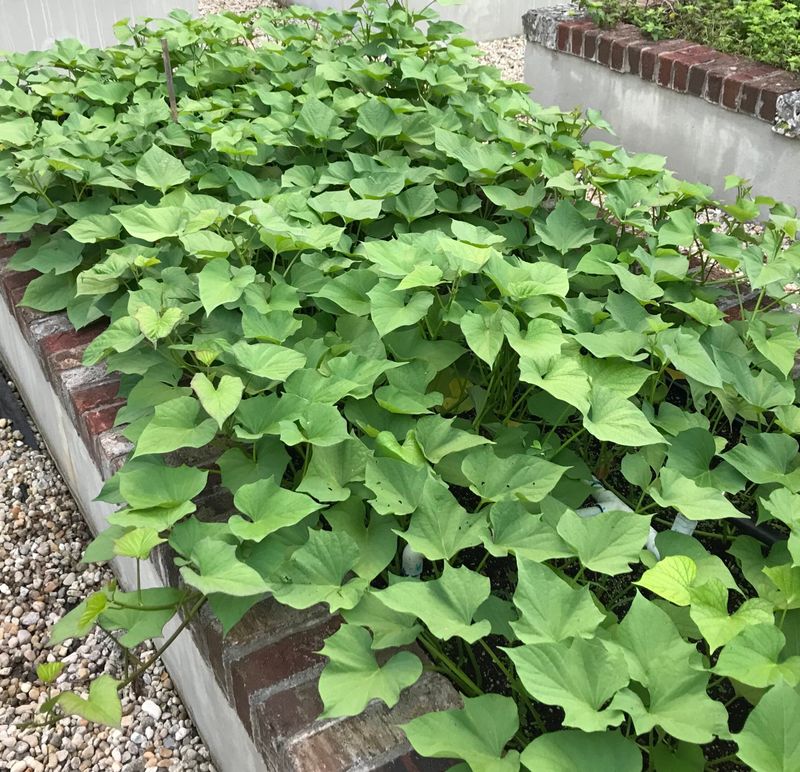
Getting sweet potato slips into the ground in June gives the vines time to establish before the heaviest summer rains arrive in Florida.
Unlike many crops that struggle once the rainy season is in full swing, sweet potatoes are listed as a solid planting option across North, Central, and South Florida in June, with planting windows extending into July in many parts of the state.
Sweet potatoes prefer loose, well-drained soil because waterlogged conditions can cause roots to rot before harvest.
In Florida’s sandy soils, that drainage often comes naturally, but raised beds can add an extra layer of protection during particularly heavy rain events.
Slips should be planted at a slight angle with the base buried a few inches deep to encourage strong root development.
Vines spread quickly and can cover a wide area of ground, which is useful for crowding out weeds but also means sweet potatoes need room to run. In smaller garden spaces, some gardeners redirect vines rather than letting them sprawl beyond the bed.
Harvest typically happens around 90 to 120 days after planting, depending on variety.
Consistent moisture during early establishment matters, and once vines are established, sweet potatoes are relatively resilient in Florida summer conditions, making June a productive time to get them started.
4. Tropical Spinaches Keep Greens Coming
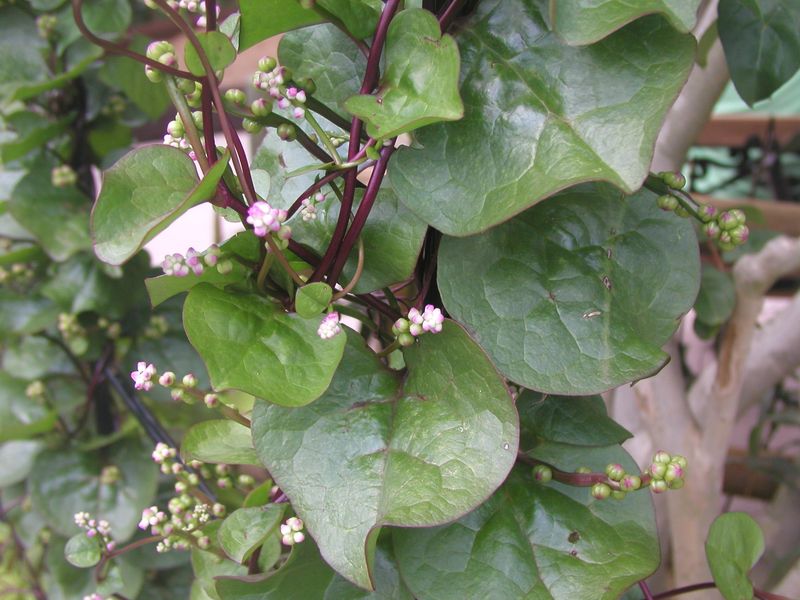
Finding reliable leafy greens during a Florida summer is one of the trickier parts of warm-season gardening, and tropical spinaches fill that gap better than almost anything else available for June planting.
Varieties like Malabar spinach, Okinawa spinach, and longevity spinach are all listed as June options across North, Central, and South Florida, making them some of the most broadly useful greens for the season.
Malabar spinach is a vigorous climbing vine that benefits from a sturdy trellis or fence to grow on. Its thick, glossy leaves hold up well in heat and humidity, and regular harvesting of young leaves and stem tips encourages continued production.
Okinawa spinach and longevity spinach have different growth habits and are more spreading or low-growing, so they work differently in garden layouts.
All three handle Florida’s humid summer conditions better than traditional spinach, which tends to bolt quickly in warm weather.
Soil moisture matters because tropical spinaches prefer consistent watering, though good drainage still prevents root problems during heavy rain periods.
Malabar spinach in particular can become quite large by midsummer, so giving it enough vertical space pays off. Leaves can be used fresh in salads when young or cooked like traditional spinach.
For gardeners who want to keep eating homegrown greens through the summer months, tropical spinaches are a genuinely practical option.
5. Amaranth Brings Heat-Friendly Leaves
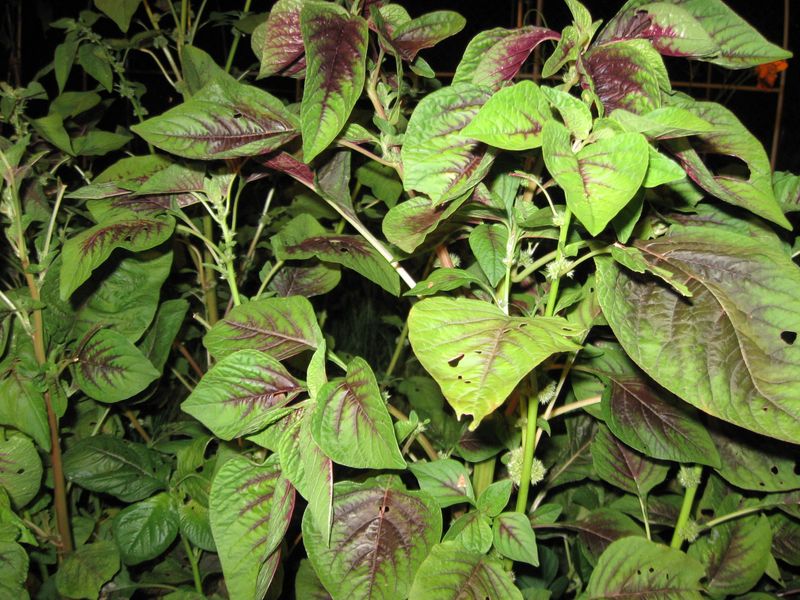
Amaranth has a long history as both a food crop and an ornamental plant, and its ability to produce edible leaves in serious heat makes it worth knowing for Florida summer gardens.
Listed as a June transplant option across North, Central, and South Florida, vegetable amaranth provides leafy greens during a season when most traditional options have faded out.
Young amaranth leaves can be harvested and used much like spinach, either raw in salads or lightly cooked. The flavor is mild, and the leaves are tender when picked at a young stage.
As plants mature, leaves become a bit tougher, so regular harvesting while growth is active keeps the texture more pleasant. Transplanting with care during June is recommended because seedlings can be sensitive to transplant stress in hot conditions.
Amaranth grows upright and can reach a few feet tall by midsummer, which makes it useful in garden layouts where vertical space is available.
It handles Florida’s summer humidity reasonably well, though good airflow around plants helps reduce disease pressure as rainy season rains increase.
Sandy, well-drained soil suits amaranth well, and it does not need heavily amended beds to perform.
Watching for caterpillars and other chewing insects is worthwhile because they can move through young plants quickly during warm, wet summer conditions in Florida.
6. Seminole Pumpkin Handles Summer Pressure
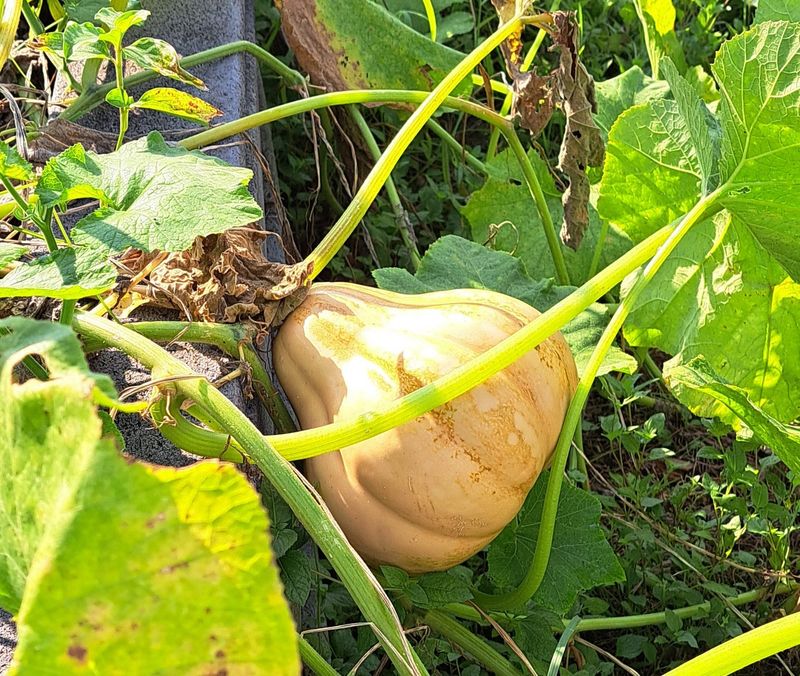
Bred for Florida conditions long before modern gardening guides existed, the Seminole pumpkin has a reputation for toughness that is hard to argue with.
This historical Florida crop is listed as a June planting option mainly for North and Central Florida, and it brings a level of heat and disease tolerance that traditional pumpkin varieties simply cannot match during the summer rainy season.
Seminole pumpkins produce round to slightly oblong fruits with tan or buff-colored skin. Vines are vigorous and can spread quite widely, so gardeners without a large ground area might consider training them over a fence or sturdy trellis.
Either way, space is a real consideration before planting because these vines are not compact growers.
One of the most practical qualities of the Seminole pumpkin is its ability to handle the fungal pressure that comes with Florida’s humid summer conditions better than many other squash types.
Powdery mildew and other common squash diseases tend to hit harder on traditional varieties, while Seminole pumpkins show more natural resistance.
Fruits can stay on the vine for a while after maturity, which gives gardeners some flexibility in harvest timing. Fruits also store reasonably well after harvest.
For North and Central Florida gardeners looking for a productive summer squash crop that can handle real rainy-season pressure, Seminole pumpkin is a genuinely worthwhile option to consider.
7. Calabaza Thrives In Warm Weather
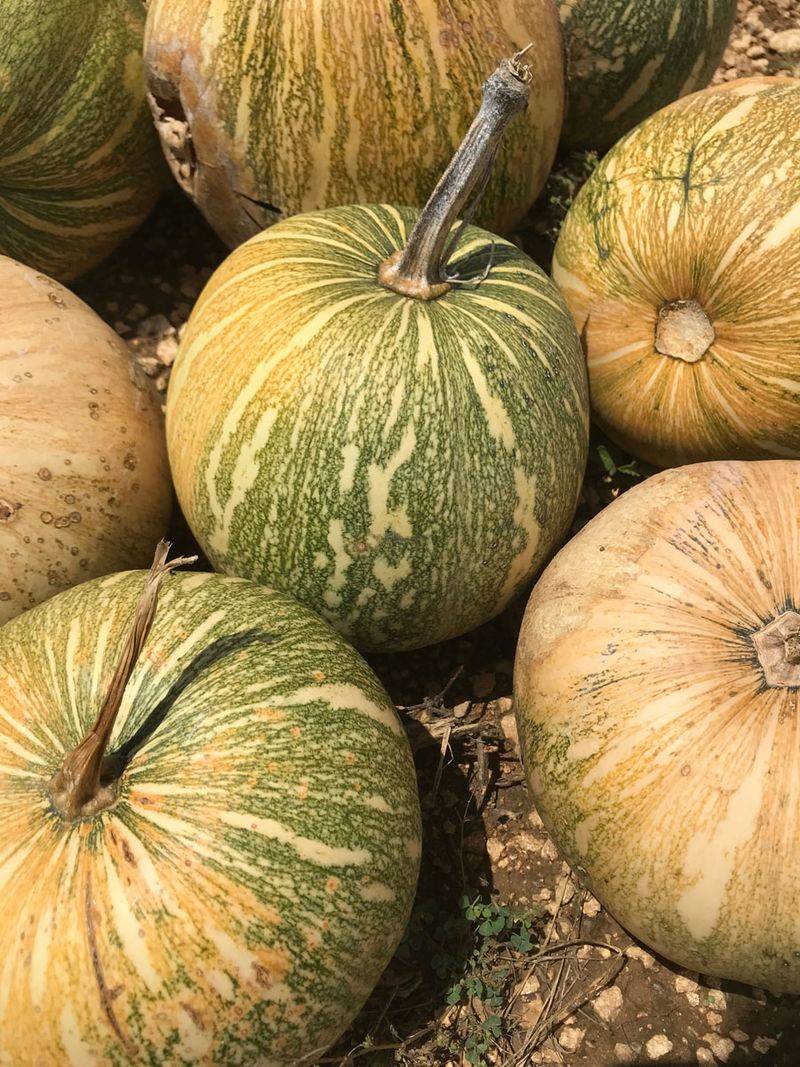
Traditional summer squash tends to struggle in Florida’s rainy season, falling to disease and pest pressure faster than most gardeners would like. Calabaza, a tropical squash with deep roots in Caribbean and Latin American cooking, is a different story.
Listed as a June option mainly for North and Central Florida, calabaza handles warm, wet conditions with more resilience than its cool-season cousins.
Calabaza vines are large and spreading, producing fruits that can vary in shape from round to elongated and in color from green to tan with mottled patterns.
The flesh is dense, sweet, and well-suited for soups, stews, and roasting, making it a flavorful addition to any summer harvest.
Fruits can grow quite large, sometimes reaching several pounds at maturity.
Like other members of the squash family, calabaza benefits from well-drained soil and good airflow between plants to manage fungal pressure during heavy rain periods.
Raised beds or slightly mounded planting rows can help prevent root problems when summer storms drop large amounts of water in a short time.
Vine borers and squash bugs can still be a concern, so checking plants regularly and managing pest pressure early is worthwhile.
For Florida gardeners who want a productive warm-season squash that fits the actual conditions of a June through summer growing window, calabaza is one of the stronger choices available for North and Central Florida plots.
8. Chayote Climbs Through Rainy Season
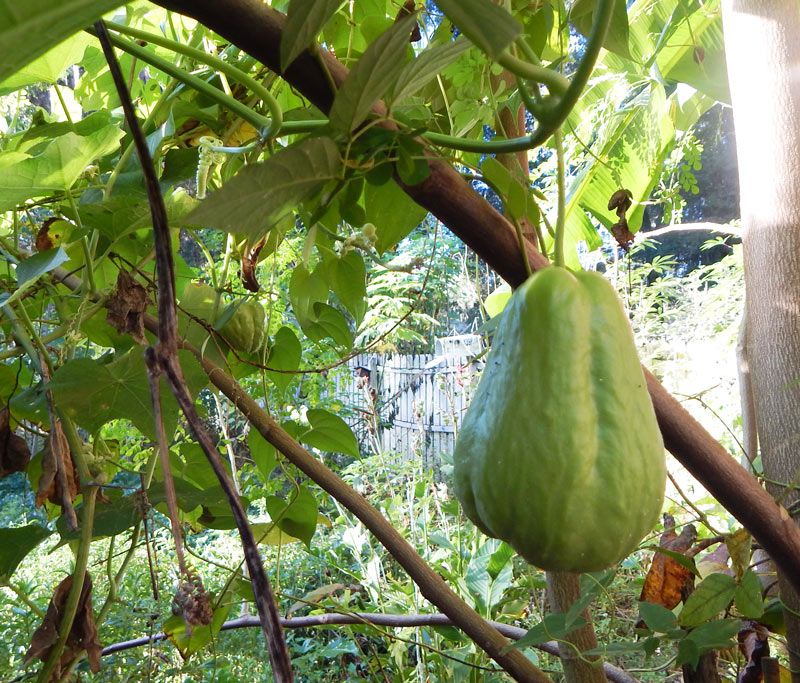
A single chayote fruit planted at the right time can turn into a sprawling, productive vine that feeds a household through Florida’s rainy season.
Listed as a June planting option across North, Central, and South Florida, chayote is one of the broader statewide choices on this list, though it needs real support and space to perform well.
Chayote is planted using the whole fruit rather than seeds extracted from the fruit. The fruit is placed at a slight angle in the soil with the stem end just barely exposed, and from there the vine begins to climb.
A strong trellis, fence, or arbor is not optional with chayote because the vine grows vigorously and can become quite heavy with fruit by midsummer and fall.
The pear-shaped green fruits have a mild, slightly crisp flavor and can be eaten raw, cooked, or pickled. Leaves and young shoots are also edible, adding more value to the plant over the growing season.
Chayote prefers consistent moisture and well-drained soil, and Florida’s rainy season often provides enough water once the vine is established.
Airflow around the vine matters as humidity increases, so training the plant upward rather than letting it sprawl on the ground helps reduce disease pressure.
For gardeners with vertical space and a sturdy support structure, chayote is a rewarding summer vine worth planting in June.