The Fall Lawn Job New Jersey Law Won’t Let You Do After Mid-November
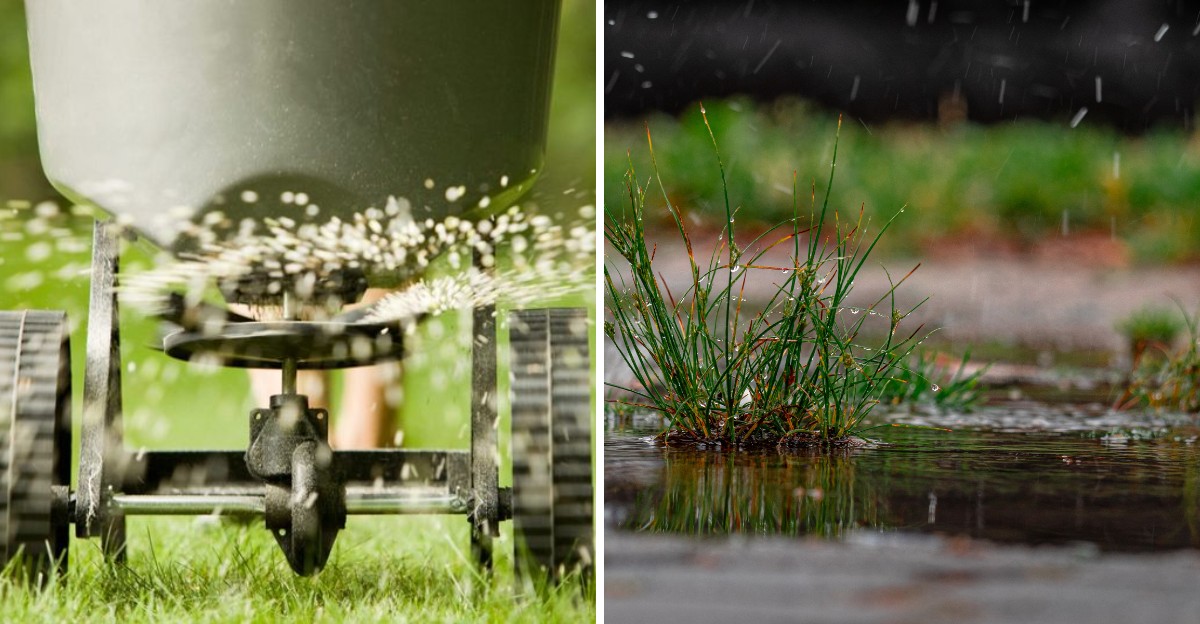
You could owe your town money for feeding your lawn this fall. New Jersey bars you from spreading fertilizer after mid-November.
That blackout runs until March, so your spreader stays parked through winter. Hire a landscaper, and you gain a short grace period into December. Frozen ground stays off-limits for you, whatever the calendar says. Why such strict timing?
Cold grass absorbs less, so rain can wash your fertilizer into storm drains. From there, it flows toward Barnegat Bay and the Raritan River.
Extra nitrogen fuels algae blooms that strip oxygen from the water. Crabs, clams, and fish struggle to breathe in those murky patches.
Phosphorus demands proof from a soil test in New Jersey, unless you seed fresh turf. Violations can trigger fines, and repeat offenses cost you more. Patience pays, because your dormant turf stores energy until spring.
The November Fifteenth Cutoff For Fertilizer
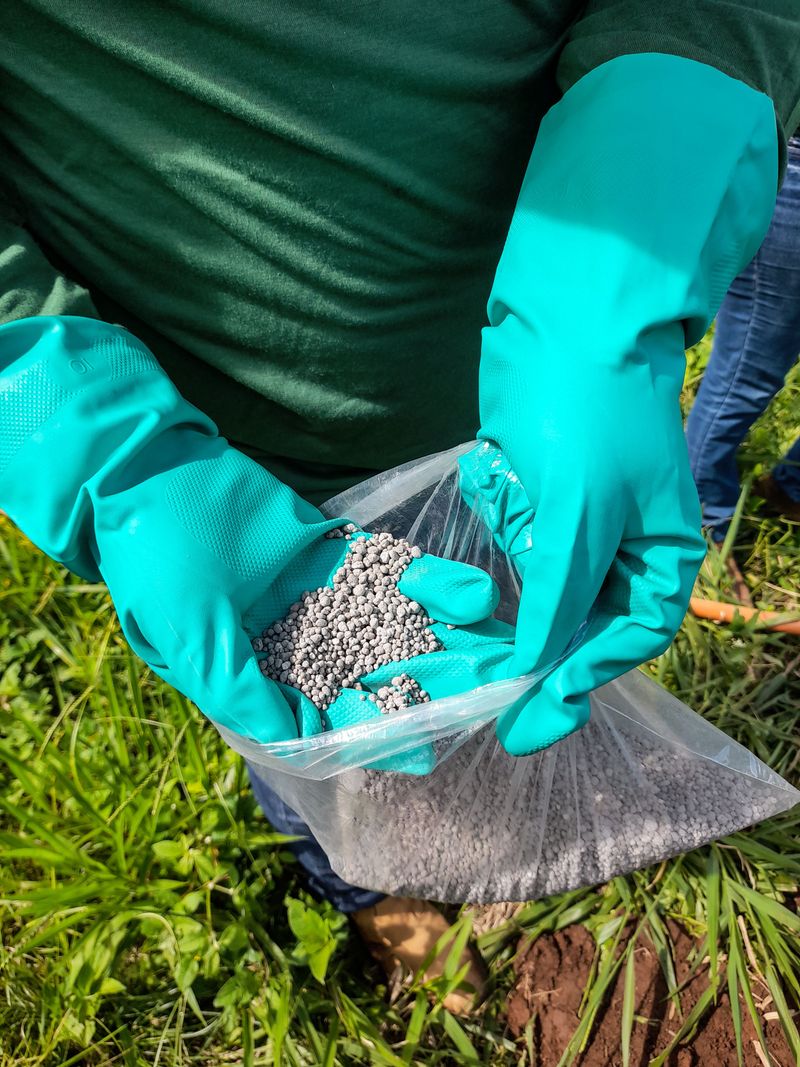
Mark November 15 on your calendar before the season slips away. After that date, New Jersey homeowners may not spread nitrogen or phosphorus fertilizer until March 1.
The rule comes from a state law signed in 2011, more detailed than laws in many states. Lawmakers wanted to cut down on nutrients washing into streams, lakes, and the ocean.
Professional lawn care companies get a little more time, with a cutoff of December 1. That extra two weeks is for trained, certified workers, not for weekend helpers.
So if you do your own yard work, the middle of November is your firm cutoff. Plan your last feeding for well before that date to stay on the safe side.
The law covers more than timing, which new homeowners may not expect. You cannot spread fertilizer on frozen ground or when heavy rain is in the forecast.
Keeping it at least 25 feet away from lakes, ponds, and streams is another must. Using a drop spreader can shrink that buffer to 10 feet in many cases.
Lawn fertilizers sold in New Jersey stores must meet the state rules for ingredients. Still, reading the label takes two minutes and saves you from a costly guess.
Your town may play a part in enforcing the state rules on local lawns. A quick call to your township office can answer enforcement questions fast.
Think of mid-November as the moment your spreader goes into hibernation. Your lawn gets a rest, and you get a good excuse to watch football instead.
The Science Behind The Winter Ban
Picture a sleepy brown bear curled up in a cozy cave for the winter. Cool-season grass acts a lot like that bear once the weather turns cold.
As soil cools, grass slows down, and frozen ground can’t hold fertilizer. Roots take in far less food, so extra nutrients can sit on the surface.
Nitrogen and phosphorus are the two big ingredients in most lawn products. Both help grass grow but can harm water quality once they reach open water.
Winter rain and melting snow carry those leftover nutrients into storm drains. From there, they flow straight into rivers, lakes, and eventually places like Barnegat Bay.
Your New Jersey Garden Changes Every Week. Your Plan Should Too.
Gardening in New Jersey changes quickly throughout the season. Every Friday you’ll receive a simple weekly plan showing exactly what to plant, prune, fertilize, harvest, and protect so you never miss the right timing.
In the water, the extra nutrients feed large blooms of algae. These green mats block sunlight and use up the oxygen that fish and crabs need to breathe.
Some algae blooms even make lakes unsafe for swimming, boating, or letting pets splash around. Lake Hopatcong faced harmful algae blooms and swim advisories in 2019.
The winter ban is a simple way to reduce that problem at the source. Food that grass cannot use should not be sitting on the lawn at all.
Scientists call this nonpoint source pollution, and it builds up from many small yards combined. One lawn seems tiny, but a whole state of lawns adds up quickly.
Understanding the science makes the rule feel less like a chore and more like teamwork. Your lawn rests, less fertilizer reaches the bay, and summer water benefits.
A Common Mistake With Frozen Ground
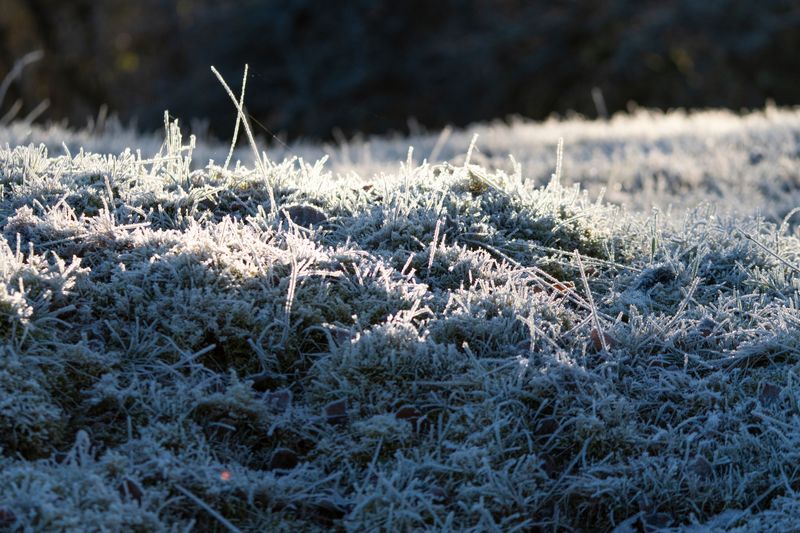
Picture a neighbor who spreads a whole bag of lawn food on a frosty December morning. By spring, much of it could wash down the street and into the storm drain.
That neighbor means well, but he is making a lawn mistake that happens often. He assumes a late feeding will give his grass a head start next year.
Frozen soil works like a sheet of glass for anything sitting on top. Water cannot soak in, so granules slide away with the first rain or thaw.
New Jersey law bans spreading fertilizer on frozen ground at any time of year. That includes a surprise cold snap in October or a late freeze in March.
Another slip is sweeping stray granules into the street instead of back onto the grass. Those little pellets on the pavement head straight to the nearest drain.
People also forget to check the weather before they head outside with a spreader. A heavy storm within a day or two can wash away much of it.
To test your soil, press a screwdriver into the lawn on a chilly morning. If it will not go in easily, the ground is too hard for feeding.
Waiting a few weeks costs you nothing but a little patience. Rushing can cost you money, wasted product, and a possible fine from your town.
The simple fix is to keep your spreader locked up right after Halloween. Your lawn stays healthy, and your driveway stays free of stray granules.
The Right Early Fall Feeding Plan
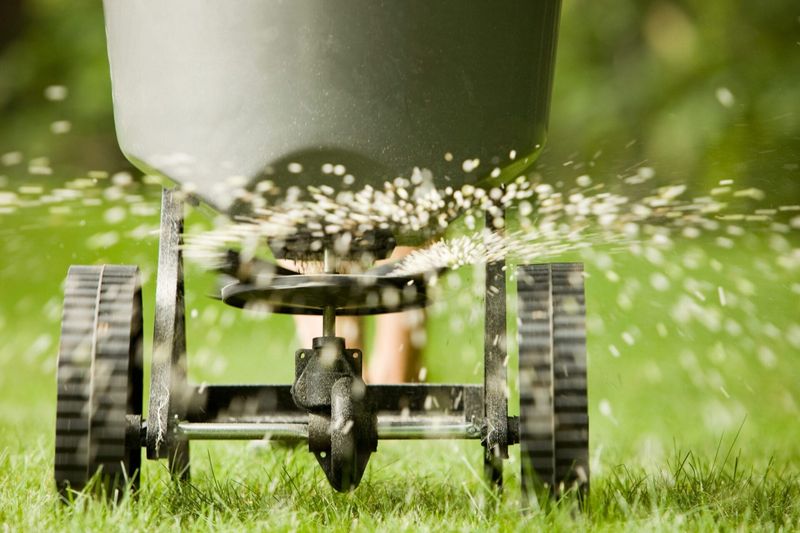
Turf experts widely agree on one point: fall is the most important feeding season for local cool-season lawns. Cool nights and warm soil help grass grow strong roots instead of floppy leaves.
For most New Jersey lawns, early September is the sweet spot for the first fall feeding. A second, lighter round can follow in mid to late October.
That timing gives roots several weeks to soak up nutrients before the soil cools. Your grass stores that energy like a squirrel stashing acorns for winter.
Pick a product with at least 20 percent slow-release nitrogen, which New Jersey requires. Slow-release food feeds grass gently over weeks, not all in one big gulp.
Skip phosphorus unless a soil test shows your lawn truly needs it. Check that the middle number on the bag shows no phosphorus, like 24-0-10.
Rutgers Cooperative Extension offers affordable soil tests for Garden State homeowners. The results tell you exactly what your lawn is missing, so you stop guessing.
Follow the bag directions carefully and resist the urge to add a little extra. More food does not mean greener grass, just more waste washing away.
Water lightly after spreading so the granules settle into the soil. A quarter inch of water is plenty to help without causing runoff.
Mowing around three inches tall also helps fall-fed grass stay thick. Taller blades shade out weeds and shield roots from wind.
Set a phone reminder for Labor Day weekend so the first round does not slip by. Early fall feeding does the most good, well before mid-November arrives.
Fines And Cleaner Waterways Down The Road
A township letter about your lawn habits is easy to avoid. Breaking the fertilizer law can lead to fines set by the state and local towns.
Penalties vary by town, can reach hundreds of dollars, and repeat offenses cost more. That is a costly result for fertilizer your grass cannot use yet.
Enforcement approaches vary from town to town across the state, so check locally. Professional companies must be certified and face even tougher state rules.
The bigger payoff, though, shows up in the water around you. Since the law passed, groups like Save Barnegat Bay have worked hard to cut nutrient pollution.
Cleaner water means fewer algae blooms on hot, calm August afternoons. It also means healthier clams, crabs, and fish for anglers and hungry seagulls alike.
Shore towns depend on clean water for tourism, fishing, and summer fun. Beach closures can affect local shops, restaurants, and boat rentals along the coast.
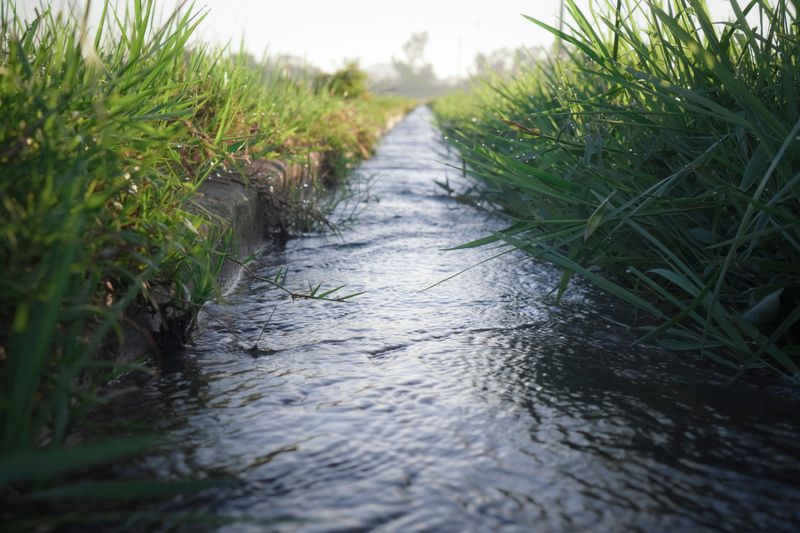
Your backyard choices connect to that whole chain, even if you live far inland. Runoff from inland lawns can travel miles through rivers like the Raritan.
Following the calendar is one of the easiest ways to help without spending a dime. You simply wait, and local water quality benefits as a result.
Kids can get involved too by helping track feeding dates on a family calendar. It turns lawn care into a small science lesson about your local watershed.
Picture your grass as one small member of a very large team. When enough yards follow the calendar, less fertilizer reaches New Jersey’s rivers and bays.
A Spring Restart Without Runoff
March 1 feels like opening day for lawn lovers across New Jersey. Still, the calendar date alone does not mean your grass is ready to eat.
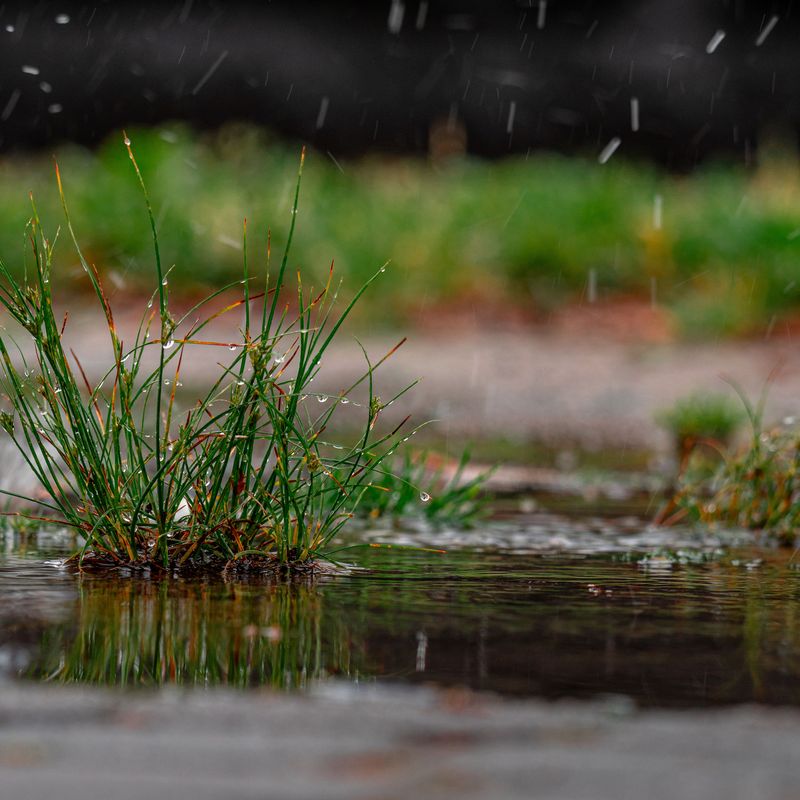
Early spring soil can stay cold, soggy, or even frozen for weeks. Feeding too soon sends nutrients straight into puddles instead of hungry roots.
Wait until the grass is actively growing and you have mowed at least once. For many yards, that happens between mid-April and early May.
Spring feedings should be lighter than fall ones, since strong fall roots already did the heavy lifting. A thin meal now keeps growth steady without too much mowing.
Many homeowners also use spring to spread pre-emergent products that block crabgrass. Time it when forsythia bushes bloom bright yellow, a handy natural signal.
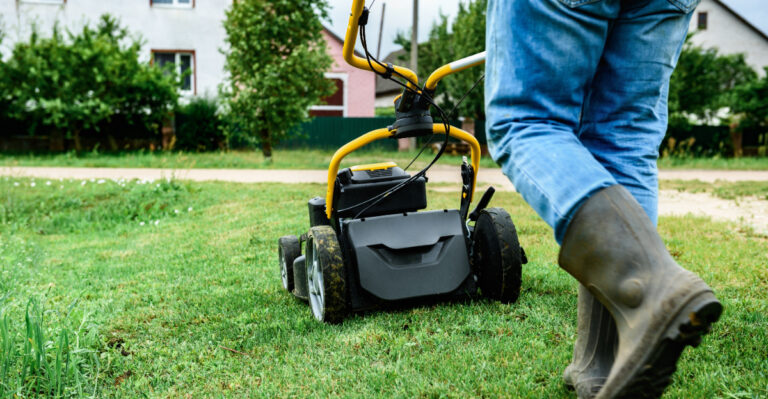
During the off-season, clean and store your spreader somewhere dry. Check the settings and wheels so it spreads evenly when the time comes.
Leftover bags need a cool, dry spot off the garage floor. Seal them tightly so moisture does not turn the granules into hardened clumps.
Winter is also a great time to plan with a fresh soil test. Mailing a sample in late winter gets results back before the spring rush.
Leaving fallen leaves chopped up by the mower adds free, gentle nutrients over the cold months. It feeds the soil naturally without breaking any rules.
Treat the winter break as a pause button, not an ending. Come spring, your lawn wakes up rested and ready for new growth.