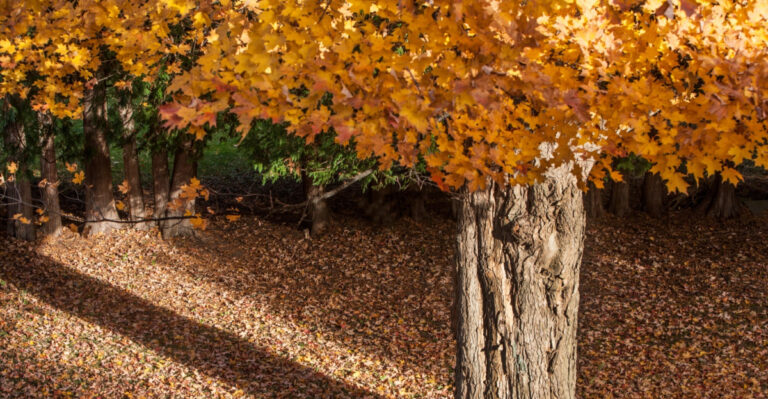
Indiana Trees That Turn Red Early May Be Signaling Stress
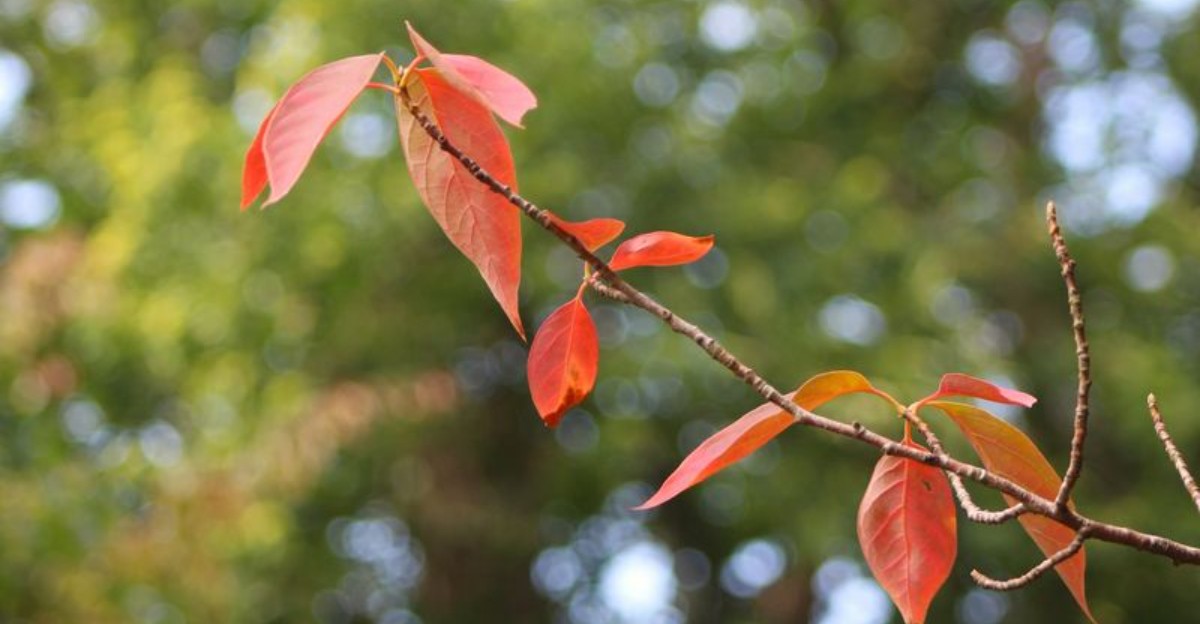
Every September, a few Indiana yards get a sneak preview of autumn that nobody asked for. One branch blazes scarlet while the rest of the neighborhood stays green, calm, and a little bit smug.
You might admire it from the kitchen window, coffee steaming, thinking the tree just loves fashion. Early color can look like a party, but sometimes it is more like a polite request for attention.
Leaves make green chlorophyll all summer, and that pigment hides the yellows and oranges waiting underneath. When a tree struggles, it stops making chlorophyll sooner, and fresh red pigment forms in the leaves, so the color show starts weeks early.
Across Indiana, gardeners who learn to read these colorful hints can step in before small problems grow. Luckily, fall is a friendly season for fixing things, with cool nights and softer sunshine helping out.
Neighbors tend to blame the weather or a lucky patch of sunshine. That flashy tree might not be trendy at all, just the neighborhood drama queen with a sore foot.
Early Red Leaves Signal A Tree Under Pressure
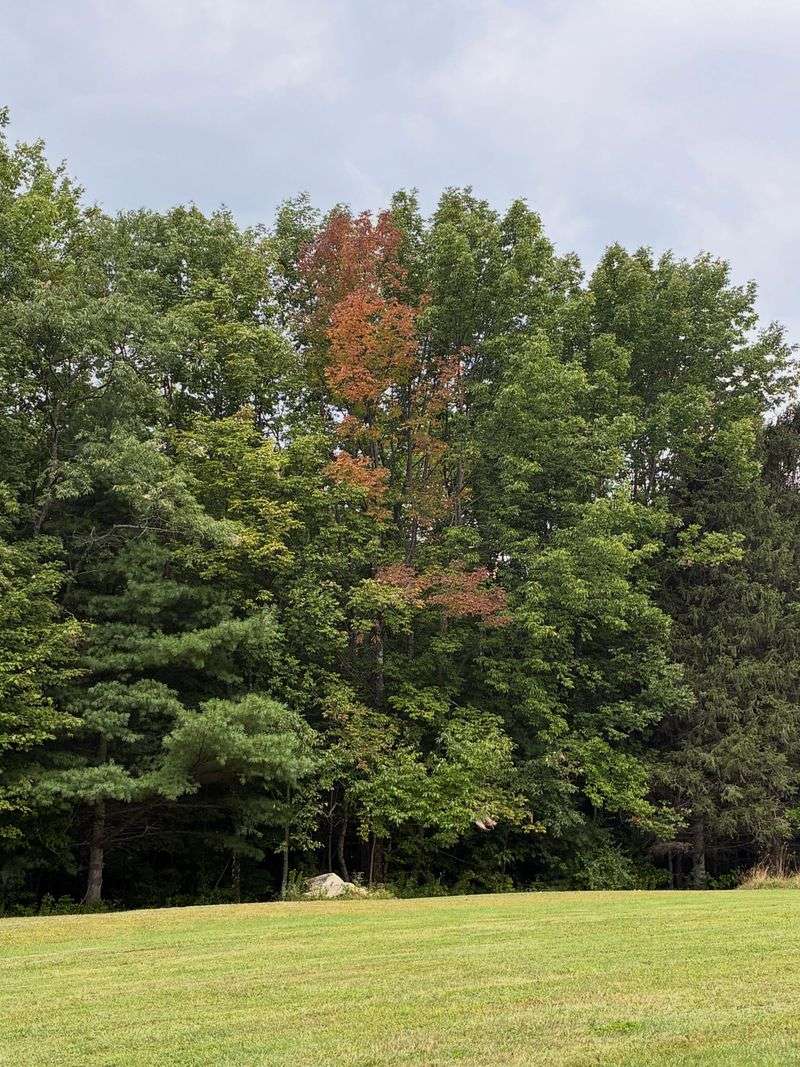
Picture a red maple on an Indiana street, glowing like a stoplight while every neighbor stays summer green. That early flash is not a bonus show, because it often means the tree is under some kind of stress.
Leaves make green chlorophyll all summer, and that pigment hides the reds and yellows waiting underneath. When a tree struggles, it stops making chlorophyll sooner, so the hidden colors show up weeks early.
Think of it like a tired runner slowing down before the finish line, conserving energy for the colder months. The tree shuts down its food factories early because it cannot afford to keep them running anymore.
Maples, sweetgums, and dogwoods are the most common early reddeners across Indiana towns and farm country. Sometimes only one side or a single branch turns, which points to trouble in that specific area.
A whole tree turning red at once often hints at root or soil problems affecting the entire system. One lonely red branch, on the other hand, may point to an injury, canker, or boring insect nearby.
Fun fact: some stressed trees can shift color a couple of weeks ahead of healthy trees nearby. That gap is big enough that early color is often a reason for arborists to take a closer look.
So enjoy the pretty view, but treat it as a message rather than just a lovely photo opportunity. Your tree is speaking in color, and learning its language could add many healthy years to its life.
Root Trouble Beneath The Surface
Grab your detective hat, because one of the biggest clues behind early red leaves often hides underground. Roots do the heavy lifting for a tree, pulling up water and nutrients every single day.
Indiana summers can bring long dry spells, and thirsty roots struggle to keep leaves supplied with moisture. By September, a drought-stressed tree may simply give up on its leaves and start the color show early.
Your Indiana Garden Changes Every Week. Your Plan Should Too.
Gardening in Indiana changes quickly throughout the season. Every Friday you’ll receive a simple weekly plan showing exactly what to plant, prune, fertilize, harvest, and protect so you never miss the right timing.
Soil compaction is another sneaky culprit, especially in yards with heavy foot traffic, parked cars, or construction. Pressed-down soil squeezes out air pockets, so roots cannot breathe or spread the way they need to.
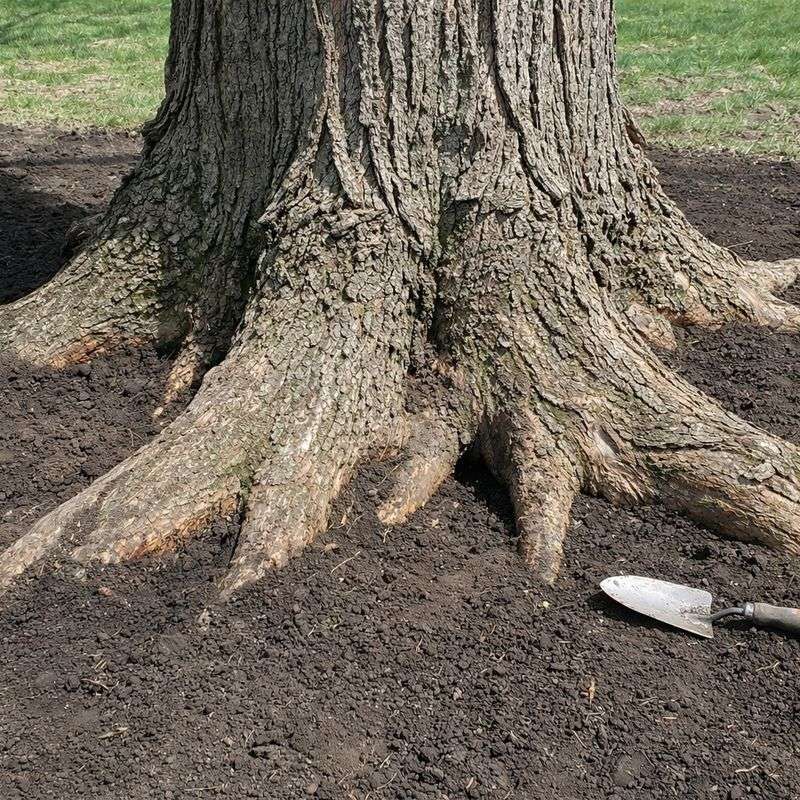
Girdling roots are a strange problem where a root wraps around the trunk and slowly squeezes it over time. Check the base of your tree, and if it looks like a straight pole with no flare, investigate.
Mulch volcanoes, those tall piles heaped against the trunk, can also trap moisture and invite rot. A healthy tree should show a gentle flare at the bottom, almost like a foot spreading into the soil.
Damage from trenching, new sidewalks, or driveway work can cut roots, even when the tree looks fine for months. Trees often show the injury a year or two later, and early red color is a common first sign.
Poke a screwdriver into the soil around the drip line to test how hard or dry it feels. If the tool barely sinks in, your roots probably need water, air, or both right now.
The Calendar Clue Of Early Autumn Color
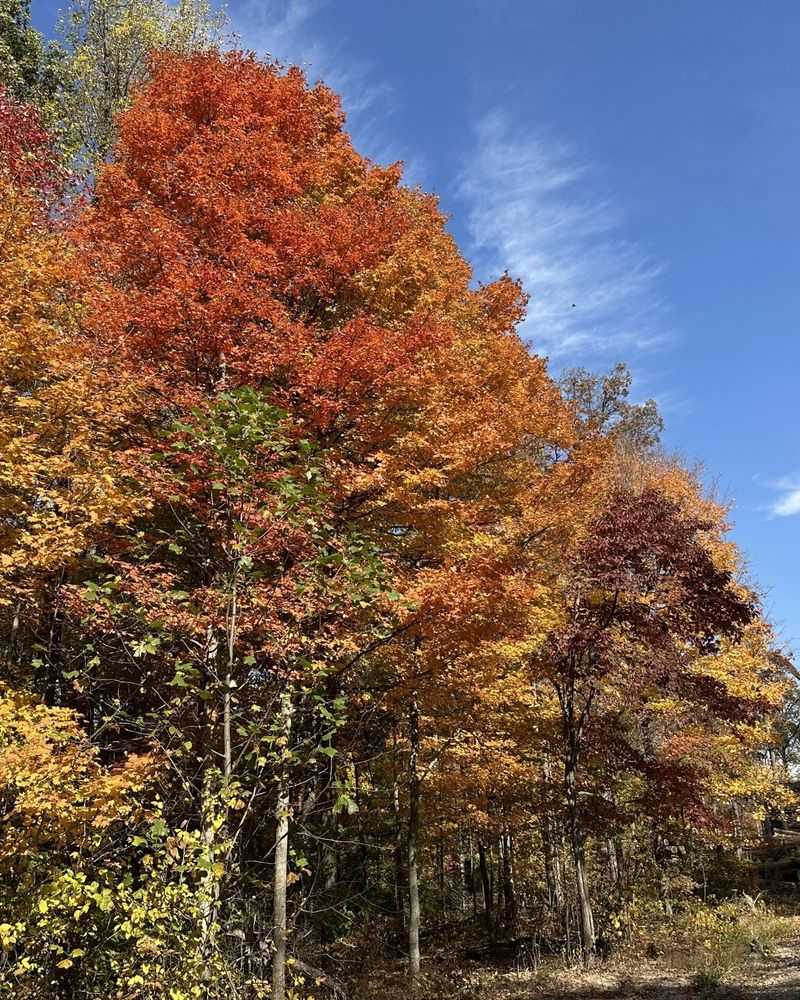
Peak color in Indiana usually arrives around mid-October, which makes an early September blaze stand out even more. That rhythm still holds for most healthy trees.
In northern Indiana, normal color usually peaks around mid-October, while central and southern counties follow a week or two later. Brown County hills, famous for leaf peeping, often glow brightest in mid to late October.
A tree turning bright red in late August or early September is running well ahead of that familiar schedule. Compare it with other trees of the same kind nearby, because species naturally change at different speeds.
Sumac often starts early by nature, so its early color is less worrying than a maple’s. A lone sugar maple going red while three identical neighbors stay green is the real red flag.
Keeping a simple photo diary each fall can help you spot these patterns over several seasons. Snap a picture of your yard every week from September through October, then compare dates year to year.
If one tree keeps turning earlier each season, it is likely declining and needs attention soon. A tree that turns early only once, after a very dry summer, may bounce back with some care.
Weather records help too, since hot, dry Augusts in Indiana often lead to earlier and duller fall color. Knowing the calendar turns you into a smarter observer, and your trees will thank you in their own way.
The Costly Habit Of Admiring Without Checking
Confession time: plenty of us have posted a photo of an early red tree with a caption about cozy vibes. It feels harmless, but treating early color as pure decoration is a mistake many homeowners make.
Waiting until next spring to investigate can give pests, disease, or root problems a full season to spread. By then, a fixable issue might turn into a costly removal job that nobody wants to pay for.
Another slip is reaching for fertilizer right away, thinking a hungry tree simply needs a quick snack. Feeding a stressed tree in fall can push tender new growth that frost will damage within a few weeks.
Some folks also prune heavily in autumn, hoping to tidy up the tree and cheer it up somehow. Big cuts in fall leave fresh openings for fungi, and the tree has little energy left to heal.
Overwatering is the sneaky twin of drought, especially when worried owners soak the same spot every evening. Soggy soil starves roots of air, much like hard, dry soil does, so more water is not automatically better.
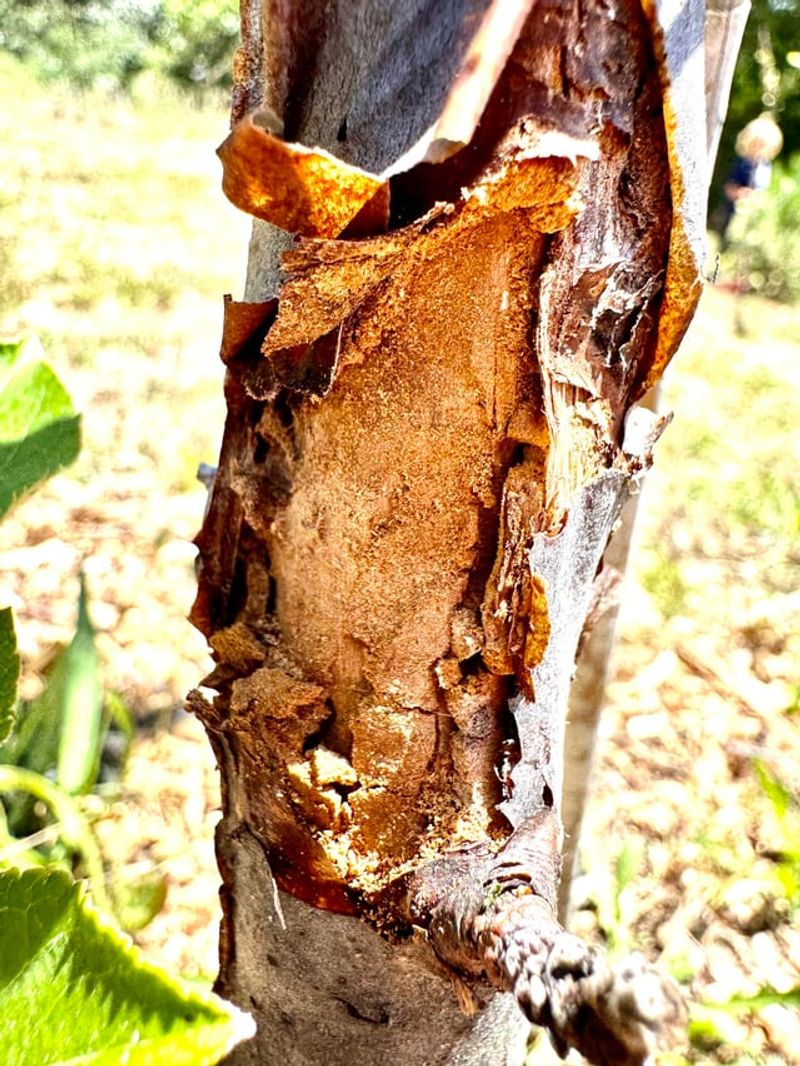
Ignoring the trunk is a final blunder, since cracks, oozing sap, or tiny holes can explain a lot. Walk a slow circle around the tree with a flashlight, and you might spot clues you missed for years.
Enjoying the color is fine, of course, and nobody is asking you to delete your autumn photos. Pair that admiration with a quick checkup, and you will be both a fan and a friend to your tree.
Gentle Fall Care For A Stressed Tree
Early October is a surprisingly great window to help a struggling tree, thanks to cooler air and softer sunshine. Roots keep growing until the ground freezes, so the care you give now pays off all winter long.
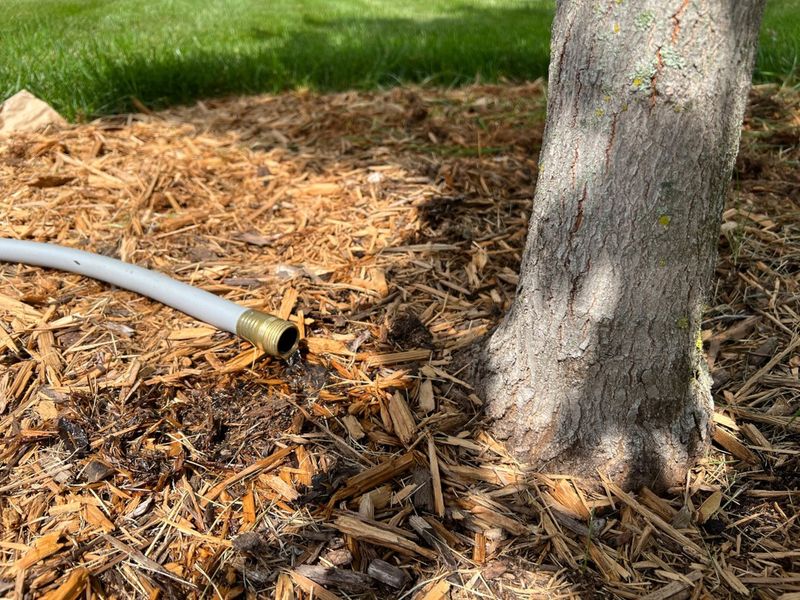
Start with deep, slow watering if rainfall has been light, aiming for about an inch each week. A soaker hose snaked around the drip line for a few hours works better than a quick spray.
Next, pull any mulch away from the trunk and spread a flat layer two to three inches deep instead. Shredded leaves from your own yard make free, earthy mulch that feeds the soil as it breaks down.
If compaction is the problem, a certified arborist can loosen soil with an air spade without harming roots. The tool pushes air into the ground, and it sounds like a leaf blower having a very dramatic day.
Only remove branches that are broken, hanging, or clearly damaged, and save bigger pruning jobs for late winter. Dormant trees tend to recover well from pruning, and bare branches make the structure easier to see.
Suspect a pest or disease, like cankers, borers, or root rot, instead of drought or soil trouble? Purdue Extension county offices can help identify problems, and some offer free or low-cost help.
Skip the fertilizer for now, and wait until spring when a soil test shows what is truly missing. Patience feels boring, but steady, gentle care gives a stressed tree its best chance at a greener comeback.
Long-Term Prevention For Healthier Autumns
Planting the right tree in the right spot solves a surprising number of problems before they ever start. Fall happens to be one of the best planting seasons in Indiana, since cool soil helps roots settle in.
Choose species that handle local conditions, such as swamp white oak for wet spots or bur oak for tough sites. Red maples planted in alkaline soil often struggle, and that stress can show up as early color.
Give roots room to spread by keeping cars, sheds, and heavy equipment off the area under the canopy. A wide ring of mulch works like a welcome mat, reminding everyone to walk around instead of over.
Water young trees through dry spells for their first three years, because that is when roots are weakest. Older trees benefit too, especially during the long, hot stretches that Indiana summers seem to love lately.
Mixing different species in your yard helps too, since one pest rarely targets every kind of tree. Indiana saw this firsthand when emerald ash borer spread through streets lined with only ash.
Schedule a checkup with a certified arborist every few years, much like taking your car in for an oil change. Catching small issues early costs far less than paying for major tree work later.
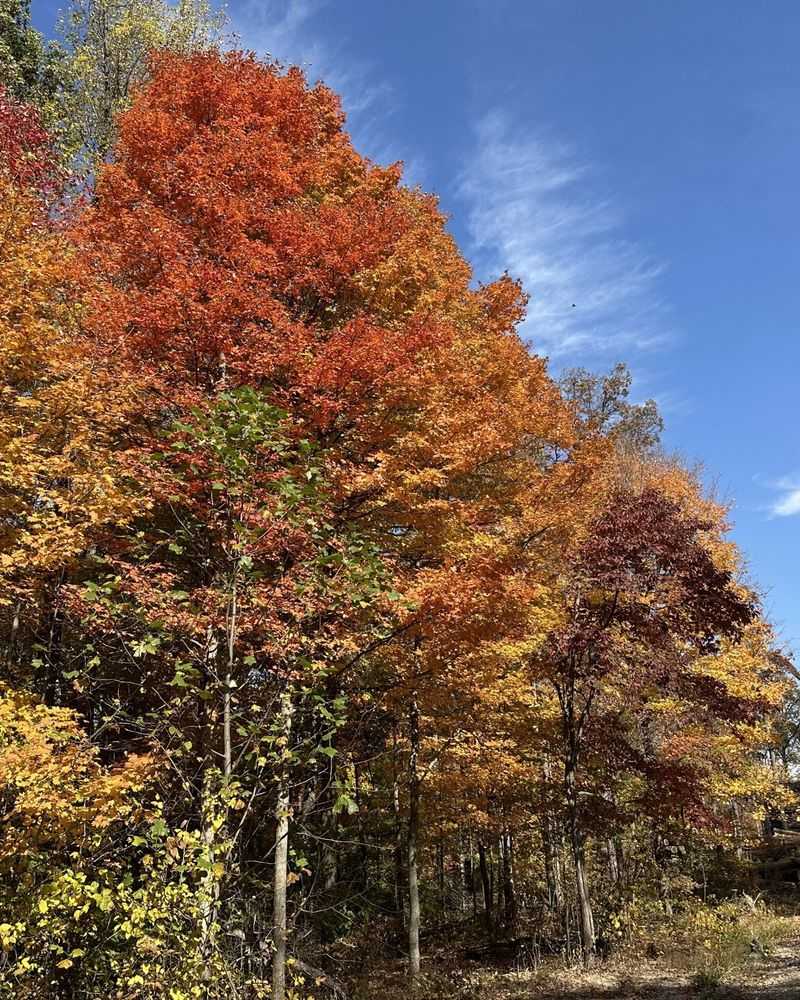
With steady care, that once-worried tree can return to turning red right on time with its neighbors. Imagine an October where your whole street glows together, and nobody is the odd one out anymore.