Orange Beetles Gathering On Sunny Indiana Walls Are Looking For A Place To Spend Winter

Step outside on a bright October afternoon in Indiana, and your siding might look freckled overnight. Tiny orange dots crawl across the warm boards, glowing like spilled candy corn in fall light.
Get a little closer, and you will notice the dots are moving, climbing, and bumping together. Some even take off, buzzing past your nose like they have somewhere very important to be.
Across Indiana, neighbors trade stories about finding these little visitors on windowsills, curtains, and coffee mugs. The crowd often grows bigger on sunny days, especially on the south and west walls.
They are not here for the view, though the fall leaves are admittedly quite lovely now. They are house hunting, and your cozy home with tiny cracks looks like a fancy hotel.
One grandmother swears a beetle rode inside on her shoulder and stayed for the family dinner. Nobody invited it, yet it somehow ended up sitting closest to the warm pumpkin pie again.
Sun-Warmed Walls Signal A Winter Hideout Hunt

Picture a beetle checking real estate listings, because that is basically what happens on your sunny siding every fall. The orange crowds you see are Asian lady beetles, and they are searching for a safe winter shelter.
In their home region of eastern Asia, these beetles spend winter tucked inside rocky cliffs and mountain cracks. Natural cliffs are scarce near most Indiana neighborhoods, so light-colored houses standing out against the landscape become the next best choice.
Warmth is the big draw, since sunny walls heat up quickly on crisp October afternoons after chilly nights. South and west sides soak up the most light, so they usually host the biggest beetle parties.
The beetles also release a special scent that tells other beetles this spot looks like a promising place. That scent can linger on a building, which may explain why the same houses get crowded year after year.
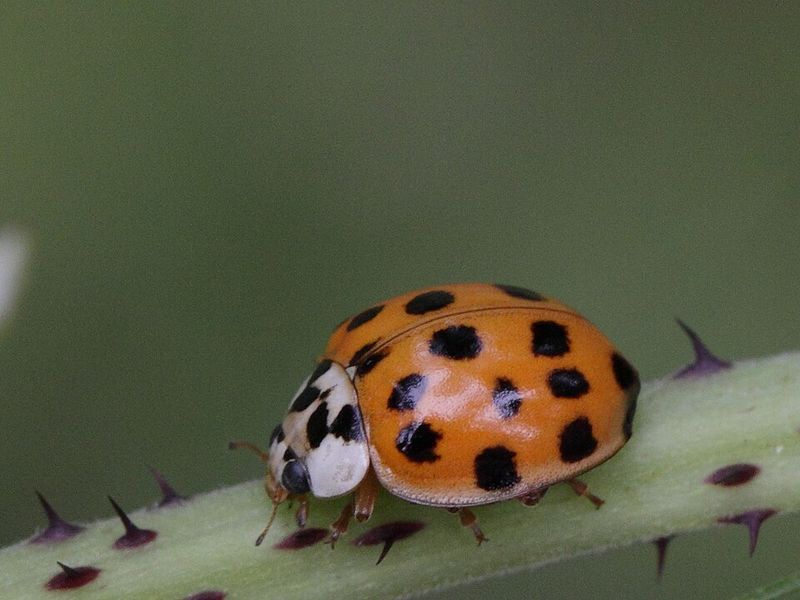
Many people mistake them for native ladybugs, but Asian lady beetles often have a black M shape behind their heads. Their colors range from pale yellow to deep orange, with anywhere from zero to nineteen spots.
Fun fact, these beetles were brought to the United States on purpose to help farmers control crop-eating aphids. They did that job well, but few people predicted they would move into houses once the weather cooled.
So when your siding looks orange and busy, you are watching a winter move-in day in full swing. Learning their plan gives you a real chance to keep them outdoors.
Peak Swarm Season In October

Mark your calendar, because October is often the busiest stretch of the year for beetle sightings in Indiana. The swarms often kick off after the first cold snap of fall.
Right after that chilly spell, a warm and sunny day arrives, and the beetles take flight all at once. Temperatures in the sixties or low seventies seem to be the perfect signal for their big move.
Your Indiana Garden Changes Every Week. Your Plan Should Too.
Gardening in Indiana changes quickly throughout the season. Every Friday you’ll receive a simple weekly plan showing exactly what to plant, prune, fertilize, harvest, and protect so you never miss the right timing.
Afternoons are prime time, when the walls feel the warmest. You might see very few beetles in the morning and a big crowd by late afternoon.
Soybean fields and orchards play a role too, since harvest season pushes beetles away from their food supply. Homes near farmland or wooded edges can notice larger groups than homes in dense city areas.
The swarming season does not last forever, which is a relief for anyone tired of sweeping windowsills. Most activity fades by early November, as steady cold weather settles across the state.
A handy trick is checking the weather forecast for the first warm day after a frosty night. That day is your cue to keep doors shut, screens closed, and pets from carrying beetles inside.
Some families even joke that the beetles arrive right on schedule, just like the first pumpkin spice drinks. Knowing the timing lets you prepare a week or two ahead instead of scrambling during the rush.
The Cleanup Mistake Most Homeowners Make

Press one beetle with a tissue, and you will quickly learn a lesson your nose will not forget. Asian lady beetles defend themselves by releasing a yellow fluid from their leg joints when they feel threatened.
Scientists call this reflex bleeding, and the liquid smells bitter, musty, and a bit like old peanuts. Worse still, that fluid can leave orange stains on white walls, curtains, carpets, and light furniture.
Pressing them also releases a strong odor that lingers in the room, which is the opposite of what you want. Handling them gently keeps the smell from spreading through the house.
Another common slip is spraying strong bug sprays indoors, hoping to clear the room in one quick blast. Indoor sprays rarely solve the problem, and they can bother kids, pets, and anyone with sensitive lungs.
Some people also grab a broom and sweep beetles into a pile, which often leads to more stains. Bristles press on the beetles, and the stressed insects leak their smelly yellow fluid all over the floor.
A few folks worry about bites, and yes, these beetles sometimes pinch skin. The nip feels like a tiny poke, and it rarely causes more than a small red mark.
Staying calm is the smartest move, even when a beetle lands on your homework or sandwich unexpectedly. A gentle approach keeps your walls clean, your house fresh, and your beetle problem much easier to manage.
A Vacuum Trick For Indoor Beetle Removal
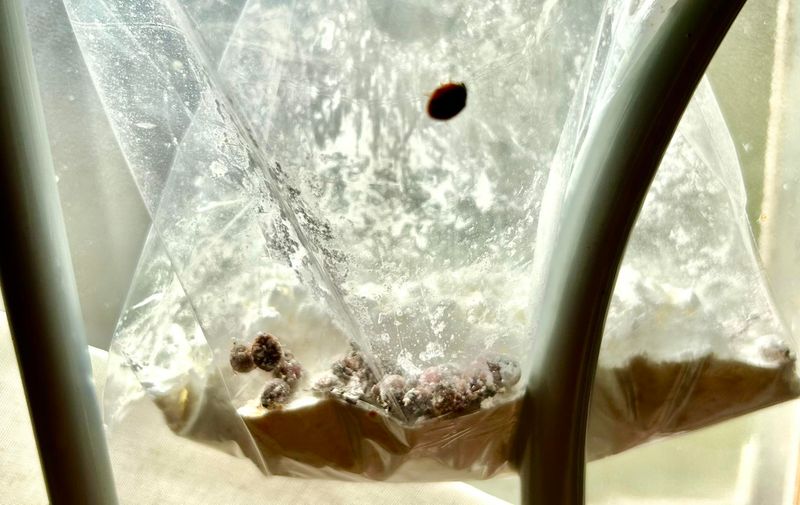
Grab the vacuum cleaner and a knee-high stocking, because this simple combo is a beetle-catching champion. Many pest experts recommend this method since it removes beetles without pressing or staining anything.
Start by stretching the stocking over the end of the vacuum hose, then push part of it inside. Secure it with a rubber band so the stocking forms a little pouch that catches beetles before the bag.
Once the pouch fills, pull it out carefully, tie it shut, and carry the beetles outdoors. You can release them far from your house or place the bundle in a sealed trash bag.
Using a stocking keeps the vacuum from smelling like beetle fluid, which can happen fast with regular bags. If you skip the stocking, empty the canister right away so the odor does not spread around rooms.
Light traps are another helpful tool, especially in attics, closets, and dark rooms where beetles gather at night. The beetles fly toward the glowing light, slide into a container, and stay trapped until you empty it.
For just one or two wanderers, a small cup and a sheet of paper work surprisingly well. Slide the paper under the cup, walk the beetle outside, and wish it luck finding a tree.
Checking sunny windows every afternoon during October helps you catch small groups before they spread through the house. A few quick minutes with the vacuum each day beats one giant cleanup session later in the fall.
Winter Life Inside Your Walls
Once the beetles squeeze through a crack, most of them settle into walls, attics, and quiet corners. There they slow down and enter a resting state, a bit like a bear taking a long nap.
The beetles do not eat, lay eggs, or chew on wood while they wait out the cold months. They are not like termites, so your house frame and wiring stay safe from chewing damage.
Trouble starts on warm winter days, when heat from the sun or furnace tricks beetles into waking up. Confused and sleepy, they wander toward light and end up crawling across ceilings, lamps, and windows.
Those indoor wanderers usually cannot find food, since homes are too dry and offer little for them to eat. You may find small piles of beetles near windows, which are easy to vacuum up with a stocking.
Some people with allergies notice sneezing or itchy eyes when large numbers of beetles gather inside homes. Pets can be affected too, since a curious dog that chews beetles may drool or feel sick.
By March or April, the survivors grow restless and start looking for a quick way back outside. They gather on sunny windows again, buzzing against the glass like kids waiting for recess to begin.
Opening a window on a mild day lets many of them leave on their own without any fuss. It is a rather polite ending to a houseguest story that started with an uninvited October arrival.
Sealed Cracks For A Beetle-Free Home
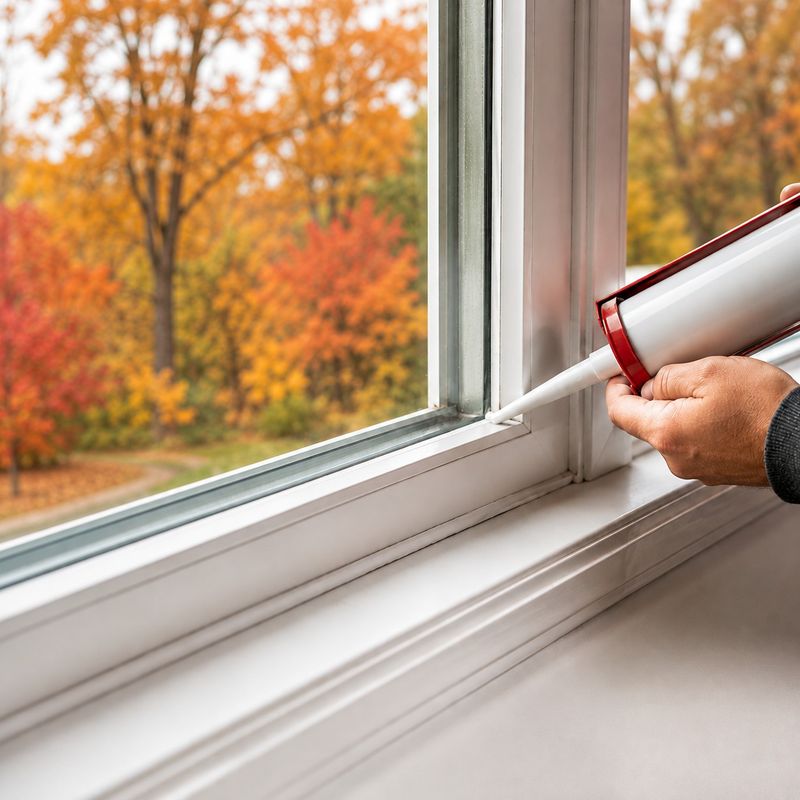
An ounce of caulk is worth a pound of vacuuming, as many homeowners have learned the hard way. Sealing gaps in late September, before the biggest swarms arrive, can greatly reduce how many beetles get inside.
Walk around your house and look closely at spots where different materials meet, like siding and window frames. Beetles can slip through openings as thin as a pencil line, so even tiny cracks deserve some attention.
Silicone or latex caulk works well for small gaps around windows, doors, pipes, and outdoor faucets. Larger holes, such as spaces around cables or vents, can be packed with foam or copper mesh.
Door sweeps and weather stripping help too, since the bottom edge of a door is a favorite entrance. Hold a flashlight behind a closed door at night, and any light sneaking through shows a gap to fix.
Window screens need a quick checkup as well, because even a small tear can let beetles in. Patch kits from the hardware store cost only a few dollars and take just minutes to apply.
Attic vents and chimneys are sneaky entry points, so covering them with fine screen mesh is smart. Some families hire a licensed pest professional to treat outside walls in late September or early October.
Blocking the doorways is a gentle plan, since the beetles can move on to trees or rocks. Your house stays cozy, your windowsills stay clean, and the orange visitors find another winter hotel nearby.