Should You Keep Mowing Your New York Lawn In October? Here’s When To Stop
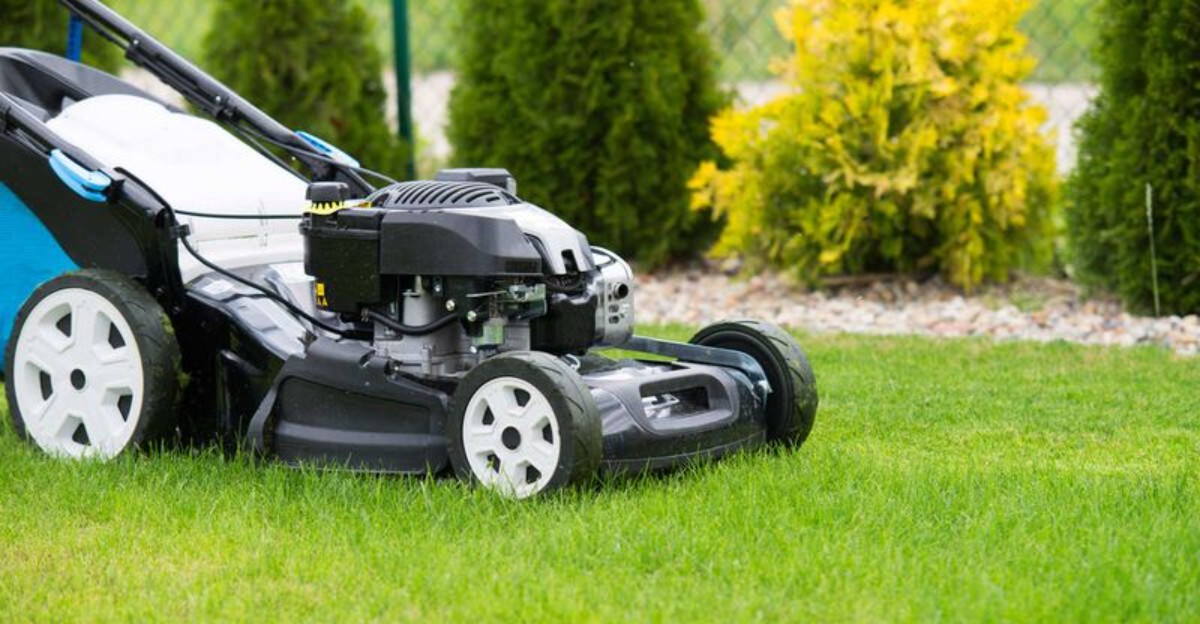
There’s wood smoke in the air, cider on the counter, and a suspicious pile of damp leaves taking over the curb. Meanwhile, your mower is sitting in the garage giving you the side eye, silently asking if its shift is finally over.
Some folks retire it way too early. Others keep pushing it around the yard long after the grass has basically given up.
Both moves can mess with how your lawn looks come spring, so neither one gets a gold star.
New York weather does not make this easy either. One week it is sunny and warm, the next it is frosty and dramatic, like your yard is starring in its own little soap opera.
Good news though, your grass is basically handing you clues the whole time. Learn to spot them, and figuring out that final mow becomes way less of a guessing game.
1. Why New York Grass Still Grows In October
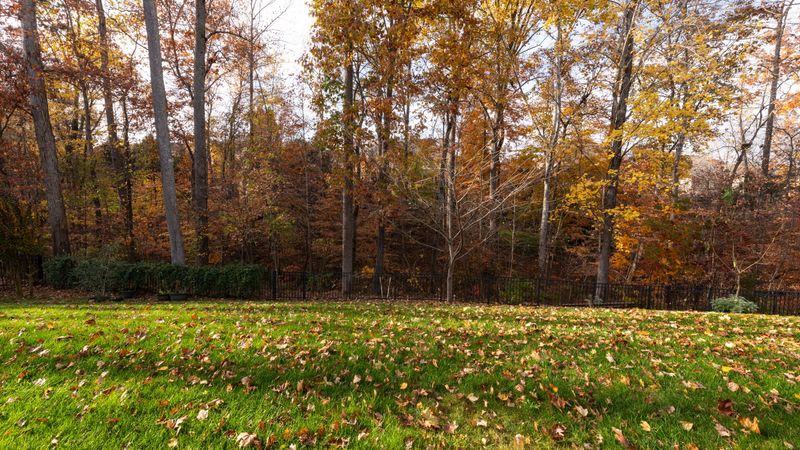
Picture a crisp fall afternoon, sweater weather, and your lawn looking greener than it did in August. That surprise has a simple reason behind it.
Most New York lawns are made of cool-season grasses like Kentucky bluegrass, fine fescue, and perennial ryegrass. These grasses love temperatures between 60 and 75 degrees, which is exactly what early fall often brings.
During summer heat, those grasses slow down to save energy. When cooler air arrives, they wake up and start growing again, sometimes quite fast.
Cool-season grasses spend fall building roots and storing food. Underground growth can be busier than what you see on top.
So yes, your grass is likely still growing in early and mid October. Ignoring it for weeks can leave the blades long, floppy, and more likely to mat down under leaves and snow.
A good habit is to watch how fast the lawn gets shaggy. If it needs a trim every seven to ten days, the grass is still active and mowing is still helpful.
Think of October mowing as a way of helping your lawn finish the season strong. Keeping it tidy now means fewer problems once winter moves in.
Your mower is not done yet, but it is getting close to its winter nap. The trick is spotting the right moment to stop.
2. The 50 Degree Rule For New York Lawns
Here is a number worth remembering: 50 degrees. Grass growth slows way down once daytime temperatures stay near or below that mark.
When highs hover in the 40s for several days, cool-season grass mostly stops pushing up new blades. At that point, mowing does very little except wear out you and the turf.
Across the state, that shift usually happens sometime between mid October and early November. Upstate areas like the Adirondacks often get there first, while Long Island may keep growing a few weeks longer.
A cheap outdoor thermometer or a quick look at a weather app can help. Watch the forecast for a stretch of cool days in a row, not just one chilly morning.
Soil temperature matters too. Once soil drops below about 50 degrees, roots slow down and top growth pretty much pauses.
Your New York Garden Changes Every Week. Your Plan Should Too.
Gardening in New York changes quickly throughout the season. Every Friday you’ll receive a simple weekly plan showing exactly what to plant, prune, fertilize, harvest, and protect so you never miss the right timing.
Another easy test is simple observation. If you mowed a week ago and the lawn barely looks different, the grass is telling you it is ready to rest.
Follow the temperature, and you will rarely guess wrong. It is one of the easiest tools a homeowner has for deciding when to put the mower away.
Nature gives the signal, and you just need to notice it. Think of that 50 degree line as your lawn’s bedtime alarm.
3. Upstate Vs. Downstate New York Timing
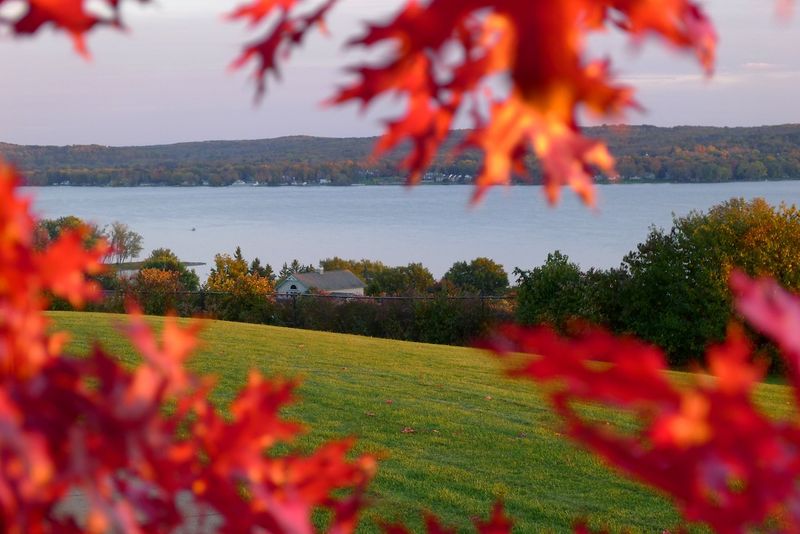
Ask a neighbor in Buffalo and a friend in Brooklyn when they stop mowing, and you may get two very different answers. Both could be right.
New York is a big state with a wide mix of climates. Lake-effect weather, mountains, and the ocean all change how fast fall cools down.
In the North Country and Adirondacks, the last mow often happens in early to mid October. Frost can arrive in September there, so grass slows sooner.
Central areas like Syracuse, Rochester, and Albany often wrap up in late October. Some warm years stretch things into early November.
Down in New York City, Westchester, and Long Island, the ocean holds warmth longer. Many homeowners there keep mowing into early or even mid November.
Knowing your hardiness zone can help. The state ranges from about zone 3 up north to zone 7 near the coast, and that range explains a lot.
Your own yard has quirks too. A sunny south-facing lawn may keep growing after a shady one next door has quit.
So skip copying someone across the state. Pay attention to your local weather and your specific patch of grass, and let that guide your final cut.
4. How Short To Cut The Grass Before Winter
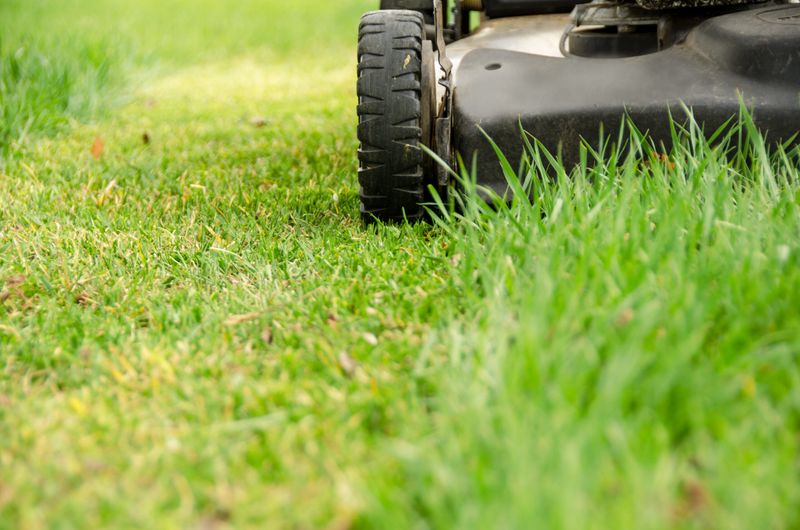
Scalping your lawn before winter feels tidy, but the grass may not thank you. Height matters more than most people think.
For your final cuts in New York, aim for about 2.5 to 3 inches. That is a little shorter than summer height, yet still long enough to protect the crown of each plant.
Grass that is too tall can flop over and trap moisture under snow. That damp, matted layer invites a fungus called snow mold, which leaves gray or pink patches in spring.
On the other hand, cutting too short stresses roots right before a long, cold season. Short grass also lets weeds sneak in when spring warms up.
Lower your mower gradually over two or three mows instead of all at once. A good rule is to remove no more than one third of the blade each time.
Say your grass is 4 inches tall. Trim it to around 3 inches first, then take it to about 2.5 inches on the next pass.
Sharp blades help too. Clean cuts heal faster, while dull blades tear the tips and leave brown, ragged edges.
A steady, step-by-step approach gives you a neat lawn that heads into winter healthy and ready.
5. Handling Falling Leaves On Your Lawn
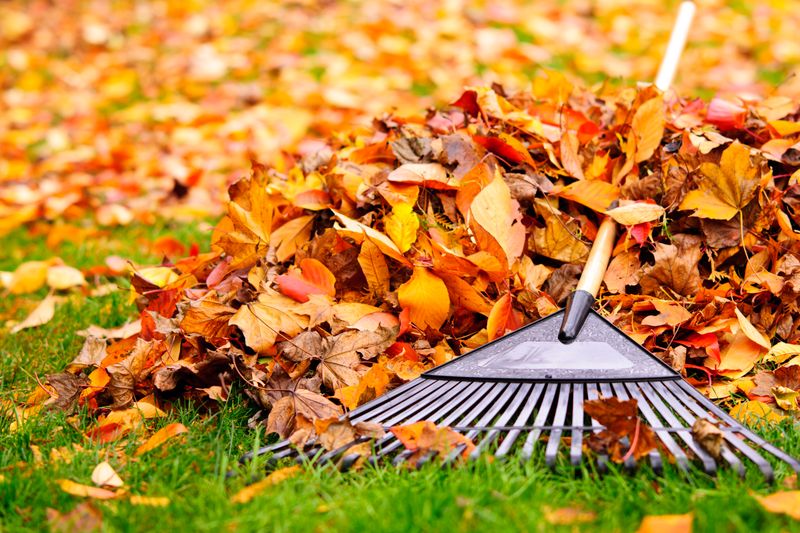
Oaks, maples, and birches put on quite a show across New York each fall. Then all those leaves land right on your grass.
A thick blanket of leaves blocks sunlight and traps moisture. Leave it too long, and you may find thin, yellow patches waiting for you in spring.
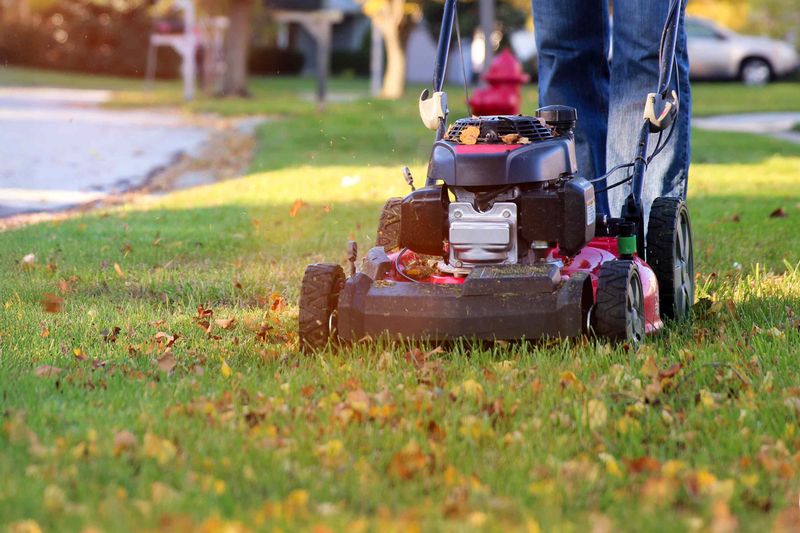
Luckily, your mower can double as a leaf helper. Running over dry leaves with a mulching mower chops them into small pieces that fall between the grass blades.
Those tiny bits break down and feed the soil with natural nutrients. Studies from several universities have shown mulched leaves can even help reduce some weeds.
The key is not letting leaves pile up too deep. If you can barely see the grass, rake or bag some first, then mulch the rest.
Try to mow when leaves are dry. Wet leaves clump, clog the mower deck, and leave soggy mats behind.
This leaf chore is one reason many people keep mowing a bit later in the season. Even after grass slows down, a quick pass can clean things up.
Bonus tip: extra shredded leaves make great mulch for flower beds or a compost pile. Your garden gets free food, and the curb stays clear.
6. Frost Signs Every Homeowner Should Watch
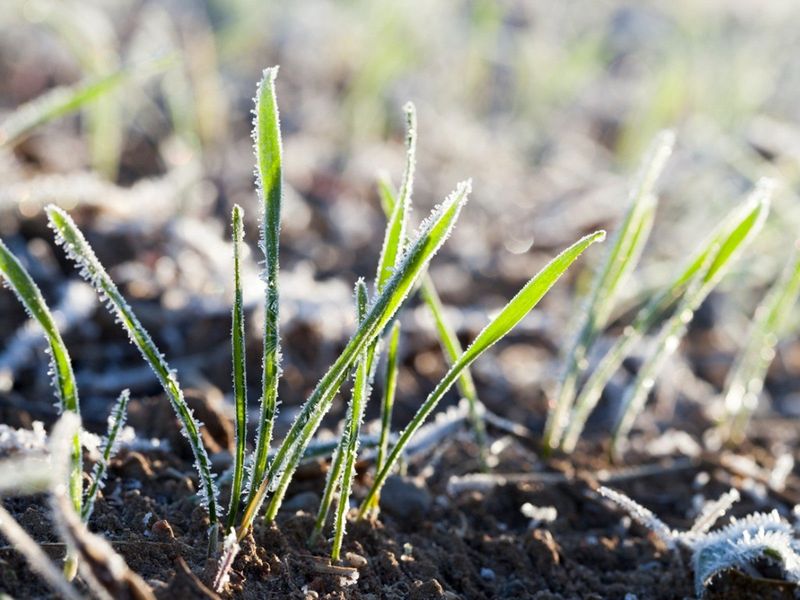
Walk outside on a cold October morning and you might hear a faint crunch underfoot. That sparkly white coating is frost, and it changes the mowing game.
Frozen grass blades are stiff and brittle. When you mow or even walk on them, the ice crystals inside can break the plant cells.
Later that day, you may notice brown footprints or mower tracks across the lawn. Those marks show where the grass got bruised.
So here is a simple rule: wait until the frost melts before mowing. Late morning or early afternoon usually works best after a chilly night.
Frequent frosts also hint that the season is winding down. Once hard freezes, around 28 degrees or lower, show up regularly in New York, grass growth nearly stops.
Keep an eye on local weather alerts. The National Weather Service posts frost and freeze warnings, which are handy clues for planning your final mows.
Try not to let kids or pets run across frosty grass too much either. A little is fine, but heavy traffic can leave marks that last for weeks.
Frost is your lawn quietly saying it is getting sleepy. Respect it, and your grass will bounce back nicely when spring warmth returns.
7. Pairing Your Last Mow With Fall Care
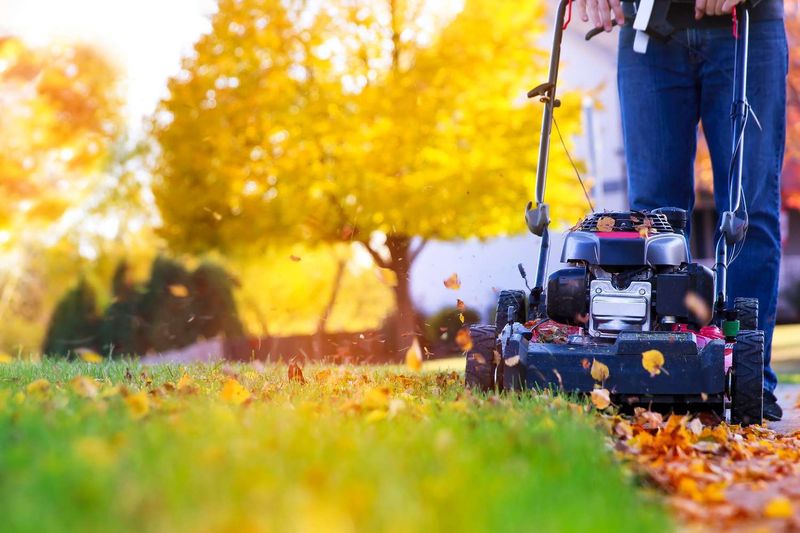
Some yard tasks work better as a team, like peanut butter and jelly. Your final mows fit nicely with other fall lawn jobs.
Many experts suggest a late fall fertilizer application. Feeding the lawn in late October or early November helps roots store energy for a quicker green-up in spring.
Always check local rules first. New York has laws limiting phosphorus in lawn fertilizer unless a soil test shows a need, and no fertilizer may go down after December 1.
Early fall is also prime time for aerating and overseeding. Those jobs are best finished by late September or early October, so new grass can settle in before cold weather.
If you seeded recently, go easy on mowing. Wait until the new grass reaches about 3 to 4 inches, then trim it lightly with a sharp blade.
Watering needs drop in fall, but dry spells still happen. If rain skips a couple of weeks, give the lawn a good drink.
Planning helps a lot here. Make a short checklist with mowing, feeding, leaf cleanup, and watering, then tick items off as you go.
A little effort now pays off in a thicker, happier lawn next year.
8. Getting Your Mower Ready For Winter
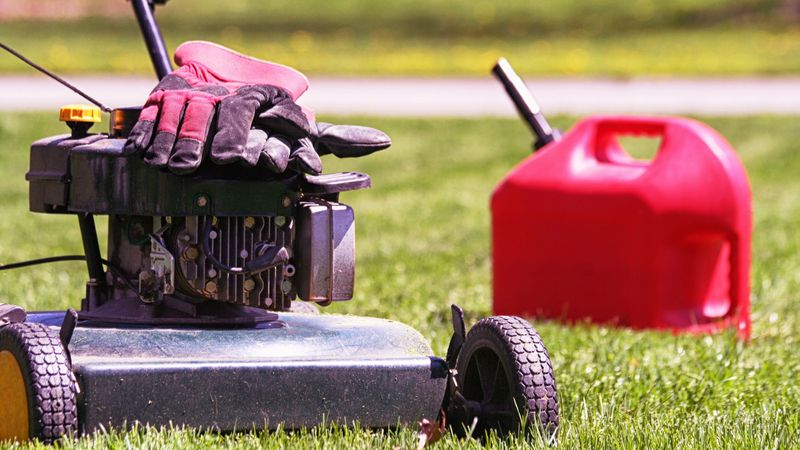
Your trusty mower has worked hard since April. Before it hibernates through a New York winter, it deserves a little care.
Start by dealing with the gas. Fuel left sitting for months can go stale and gum up the engine, so either run the tank empty or add a fuel stabilizer.
Next, clean the deck. Tip the mower safely, following the owner’s manual, and scrape off packed grass and leaf bits that hold moisture and cause rust.
Winter is a great time to sharpen or replace the blade. Doing it now means you will be ready for that first spring cut without a rush.
Check the spark plug and air filter too. Both are cheap and easy to swap, and they help the engine start smoothly next year.
Battery-powered mower owners have a simpler list. Store the battery indoors, away from freezing temps, and keep it partly charged.
Finally, park the mower in a dry garage or shed. Cover it loosely to keep dust off while still letting air move.
Here is a fun thought: a well-kept mower can last ten years or more. Spending thirty minutes now can save you a costly repair bill and a frustrating spring morning.
9. Knowing Your Final Mow Day In New York
So when exactly should you stop? Think of it like reading a recipe, with a few signs that come together to tell you it is done.
First, check the temperature. Several days in a row with highs under 50 degrees mean growth is slowing to a crawl.
Second, watch the grass itself. If a week goes by and the lawn looks nearly the same, it has likely stopped growing for the year.
Third, notice the frost. Regular frosty mornings and a hard freeze or two are strong hints that winter is on the way.
When those signs line up, make one final pass at about 2.5 inches. Clear away leftover leaves at the same time so nothing smothers the grass.
For most of the state, that last mow falls somewhere between late October and mid November. Colder spots finish earlier, while coastal yards often go a bit longer.
Do not stress about hitting a perfect date. A mow or two early or late will not ruin things, as long as the lawn is not too long or too short going into snow.
Once you finish, enjoy the break. Grab a warm drink, watch the snow fall, and dream about that fresh green lawn waiting for spring.