10 Ways To Overwinter Potted Figs And Citrus Indoors
Something strange happens every October when the porch gets chilly and the patio pots start looking nervous. Those leafy summer guests shiver a little, and suddenly you are eyeing your living room like a hotel manager.
Cool air smells like crunchy leaves and woodsmoke, but your sunny potted friends would rather smell anything else. Both trees come from warm climates, so a chilly porch is the opposite of what they like.
Bringing them inside sounds easy until you realize your house is dry, dim, and full of curious pets. One wrong move and those glossy leaves start dropping onto the carpet like confetti after a party.
A few smart habits can keep these sun lovers comfortable until warmer days return. You do not need a fancy greenhouse, just some patience, a sunny window, and a watering can.
Some gardeners park a pot in a bright bathroom for the extra moisture in the air. The plant enjoys the steam, though the shower curtain is not thrilled about the new roommate.
1. Bring Them Inside Before The First Frost Bites
Early October nights can sneak below fifty degrees, and citrus trees start sulking long before any actual frost arrives. Figs are tougher and handle a light chill, but a hard freeze can damage their tender potted roots quickly.
Keep an eye on your local forecast, and plan the big move when nighttime temperatures start dropping toward the low fifties. Moving early gives you calm weather for cleaning pots, checking leaves, and finding the right indoor spot for each plant.
A sudden transfer from bright patio to dim living room can shock plants and cause a messy leaf drop. Try parking pots in a shady porch corner for a week so they slowly adjust to lower light.
Heavy containers are tricky, so grab a plant dolly or a friend before your sore back starts filing complaints. Rolling caddies with locking wheels make the journey smoother and let you shift pots around all winter easily indoors.
Hardier types like satsumas and kumquats handle brief dips near thirty-two degrees, but lemons, limes, and young potted trees are far more sensitive. Moving a little early is low risk, while waiting too long can cost you part of next summer’s fruit crop.
2. Pick A Bright South Window For Sunny Citrus
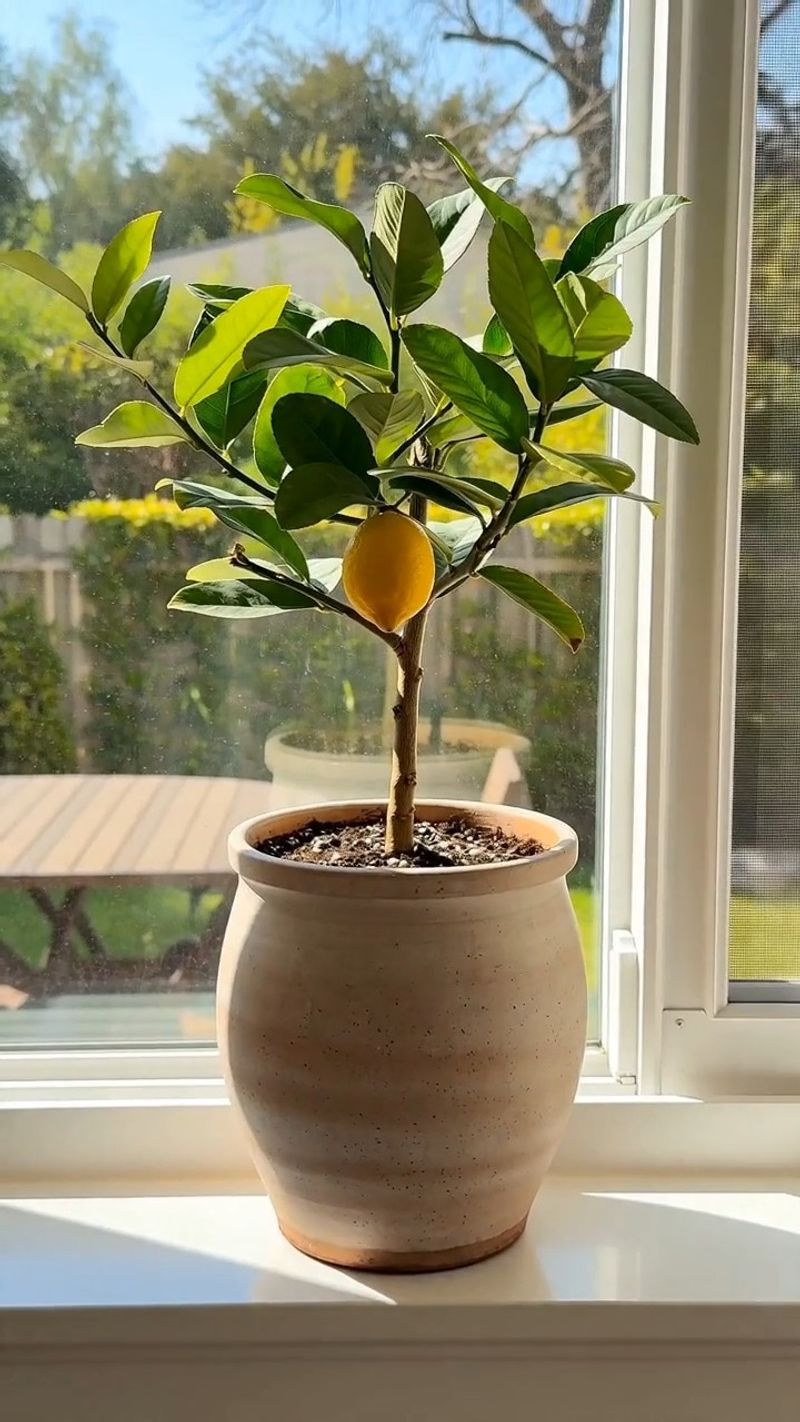
Citrus trees are basically sunbathers in leaf form, and they crave as much winter light as you can offer. A south-facing window usually wins the contest, delivering the most hours of direct sunshine on short fall days.
West windows come in second place, giving warm afternoon rays that lemons, limes, and oranges can use well. North windows are mostly too dim, so save those spots for houseplants that enjoy a quieter, shadier indoor life.
Place the pot as close to the glass as possible, since light strength drops fast with every extra foot. Just keep leaves from touching cold panes at night, because frosty glass can leave brown, crispy little spots behind.
Give the container a quarter turn every week or two so all sides of the tree get equal sunshine. Without turning, branches lean toward the window like curious kids pressing their noses against a candy store display case.
Clean windows matter too, since a dusty pane can block a surprising amount of light from reaching thirsty leaves. A quick wipe with vinegar and water in October gives your citrus a brighter, happier winter home to enjoy.
3. Let Your Fig Snooze In A Cool Dark Spot
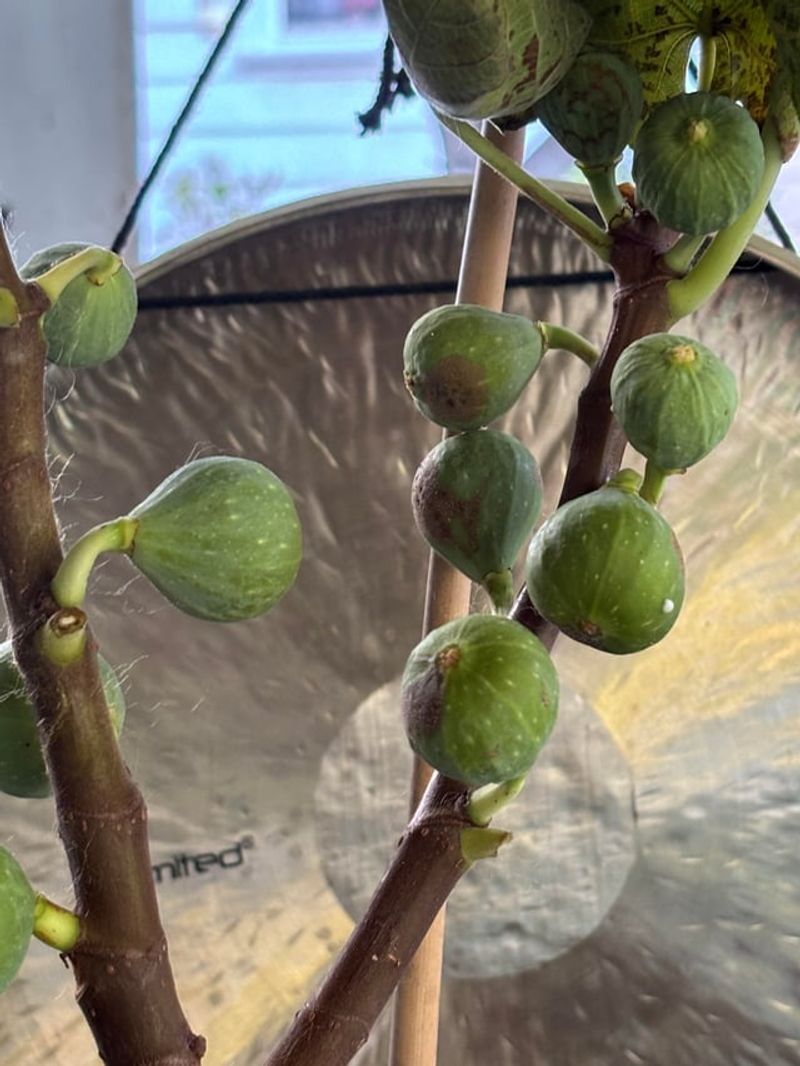
Here is a secret many beginners miss, figs actually enjoy a long winter nap instead of a sunny indoor vacation. Once cool weather arrives, their big leaves turn yellow and fall, which is perfectly normal and nothing to fear.
An unheated garage, basement, or shed that stays between thirty and fifty degrees makes a cozy bedroom for dormant figs. Light is not needed during this rest, so a dim corner works fine as long as freezing stays away.
Wait until most leaves have dropped before moving the pot, letting the tree finish its natural slowdown outdoors first. A few light frosts can actually help trigger dormancy, so do not panic when the first chilly morning appears.
Sleeping figs need very little water, maybe a small drink once a month to keep roots from drying out. Soggy soil in a cold room invites rot, so check moisture with your finger before reaching for the can.
Some gardeners wrap pots in old blankets or bubble wrap for extra root protection during surprise cold snaps in garages. Come spring, your bare little stick should wake up and push out fresh green leaves.
4. Debug Every Pot Before It Crosses The Threshold

Picture bringing your lemon tree inside, then finding tiny bugs throwing a party on your kitchen windowsill a week later. Outdoor pots often carry hidden hitchhikers like spider mites, scale, mealybugs, and aphids that love warm indoor air.
Before moving anything, flip leaves over and look closely at the undersides, stems, and spots where the branches meet. Sticky residue, fine webbing, or small brown bumps are clues that unwanted guests have already moved into your tree.
Give each plant a good shower with the garden hose, spraying firmly enough to knock loose any clinging pests. After the leaves dry, coat them with insecticidal soap or horticultural oil, following the label directions very carefully each time.
Check the soil surface too, because fungus gnats and ants sometimes hide in the top layer of potting mix. Scraping away an inch of old soil and adding fresh mix gives you a cleaner, safer fresh start indoors.
Keep new arrivals apart from your other houseplants for about two weeks so any pests you missed stay away from the rest. Catching trouble early is much easier than handling a full infestation in February when your patience runs thin.
5. Water With A Lighter Hand All Winter Long
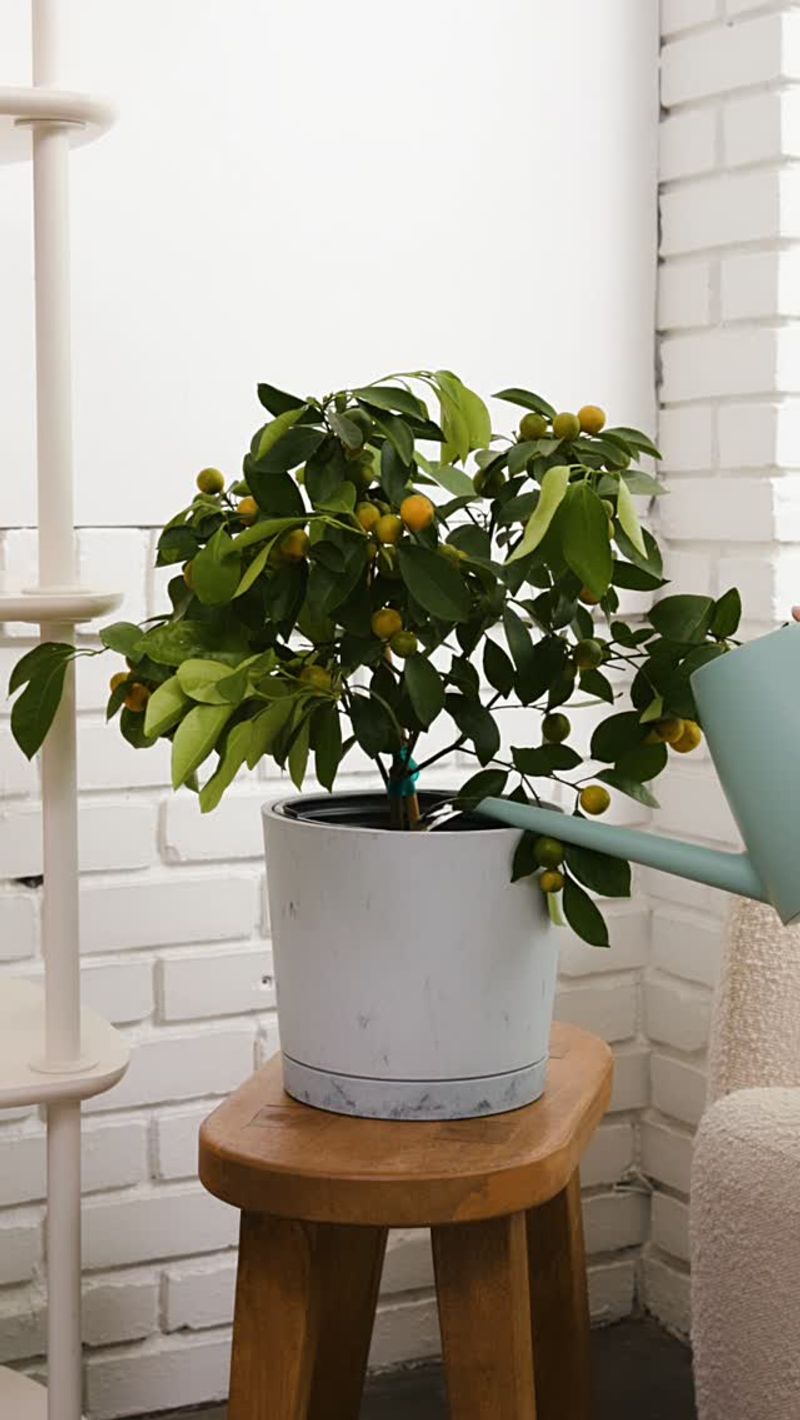
Overwatering causes more winter trouble for potted fruit trees than almost anything else, according to many experienced home growers. Indoor plants grow slower in cool months, so their roots sip water instead of gulping it down like summer.
The finger test is your best friend, so poke a knuckle deep into the soil before giving any drink. If it feels dry about two inches down, water slowly until a little trickles out the bottom drainage holes.
Citrus usually needs water every week or two indoors, while active figs kept warm may want slightly more often. Inexpensive moisture meters take the guessing out of the routine for nervous plant parents.
Empty saucers within thirty minutes, because roots sitting in puddles can rot faster than you might ever expect indoors. Using room temperature water also helps, since cold tap water can chill tender roots.
Yellow leaves that drop while the soil stays soggy are a classic warning sign you are being too generous. Think of winter watering like seasoning soup, because a little goes a long way and too much ruins dinner.
6. Boost The Humidity For Thirsty Citrus Leaves
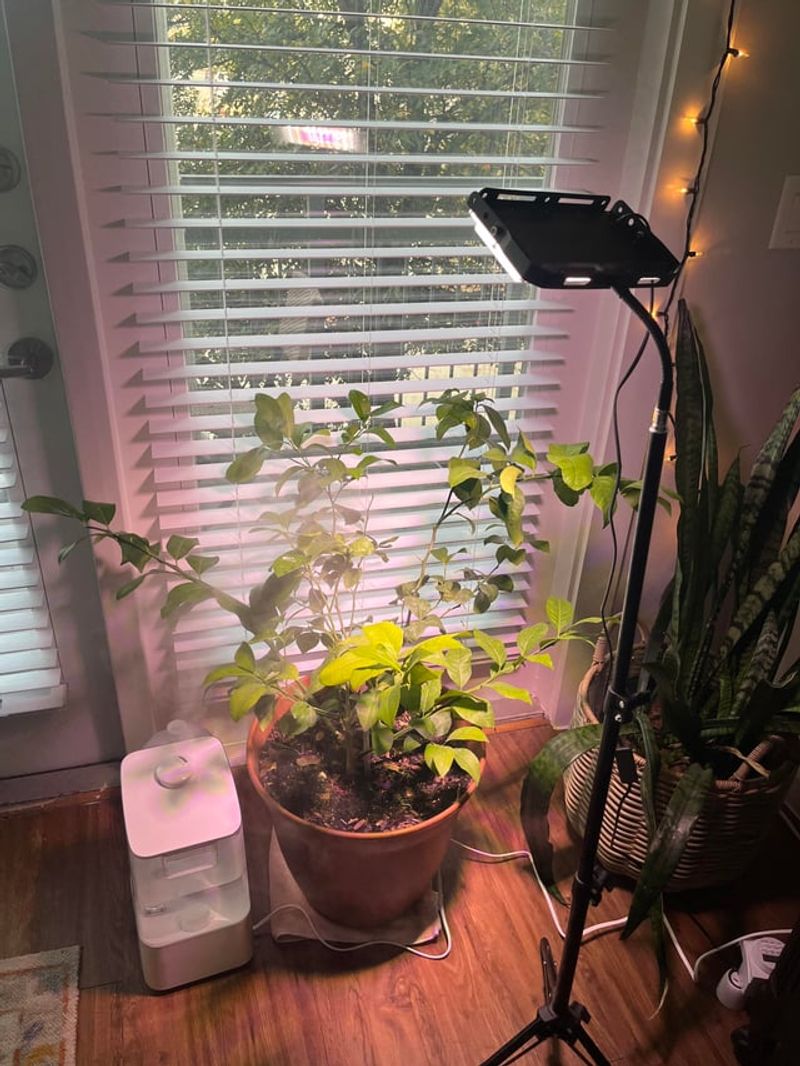
Heated homes in winter are often very dry, with indoor humidity sometimes dropping below twenty percent. Citrus leaves notice right away, curling up at the edges and dropping off as if they are quietly complaining.
A pebble tray is an easy fix, made by filling a shallow dish with stones and a little water. Set the pot on top so it stays above the waterline, which adds a small amount of moisture around the leaves.
Small room humidifiers work even better, especially when several plants share one sunny corner like a leafy little club. Grouping pots together also helps, since plants release moisture through their leaves and create a friendlier little microclimate nearby.
Misting feels helpful, but the effect fades within minutes and wet leaves can sometimes invite fungal spots later on. Save the spray bottle for dusting off dirty leaves, then focus on steady humidity from trays or machines instead.
Aim for roughly forty to fifty percent humidity, which also happens to feel nicer on your own dry skin. A cheap digital hygrometer shows the number at a glance, so you can adjust before your citrus starts sulking.
7. Add Grow Lights When The Days Get Short
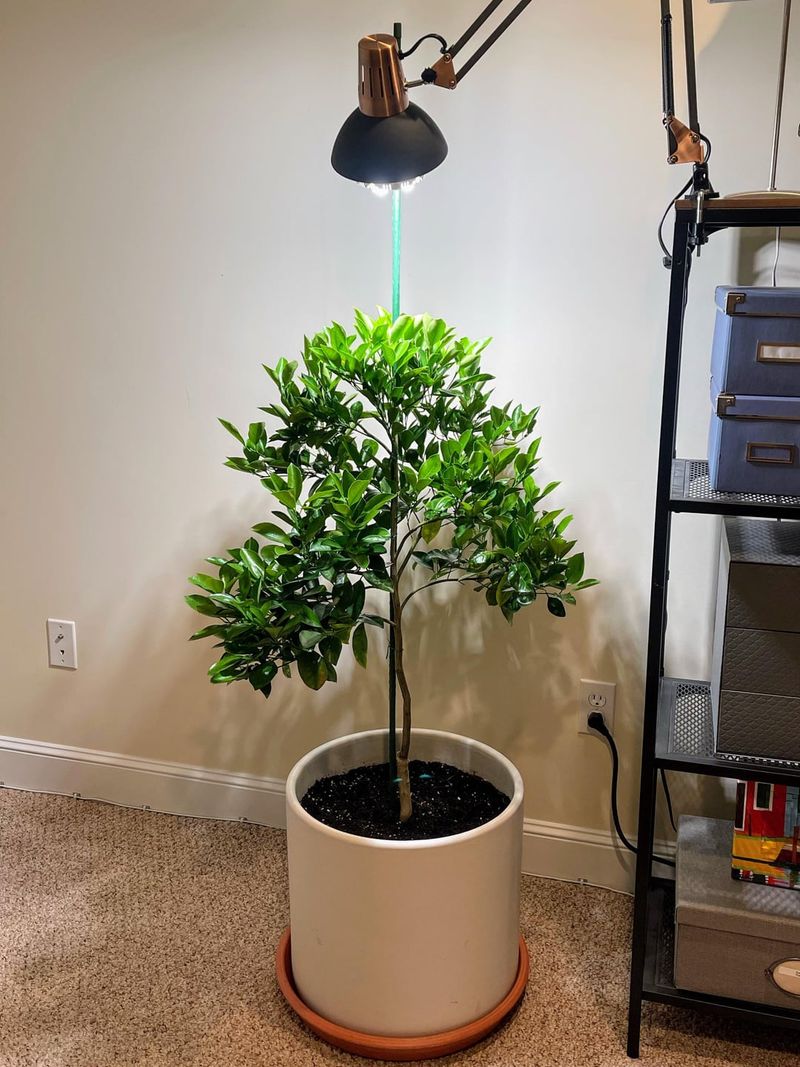
By early winter, some northern areas get barely nine hours of daylight, and much of that is gray and weak. Even a sunny window struggles to keep citrus happy when clouds hang around for days like unwanted holiday houseguests.
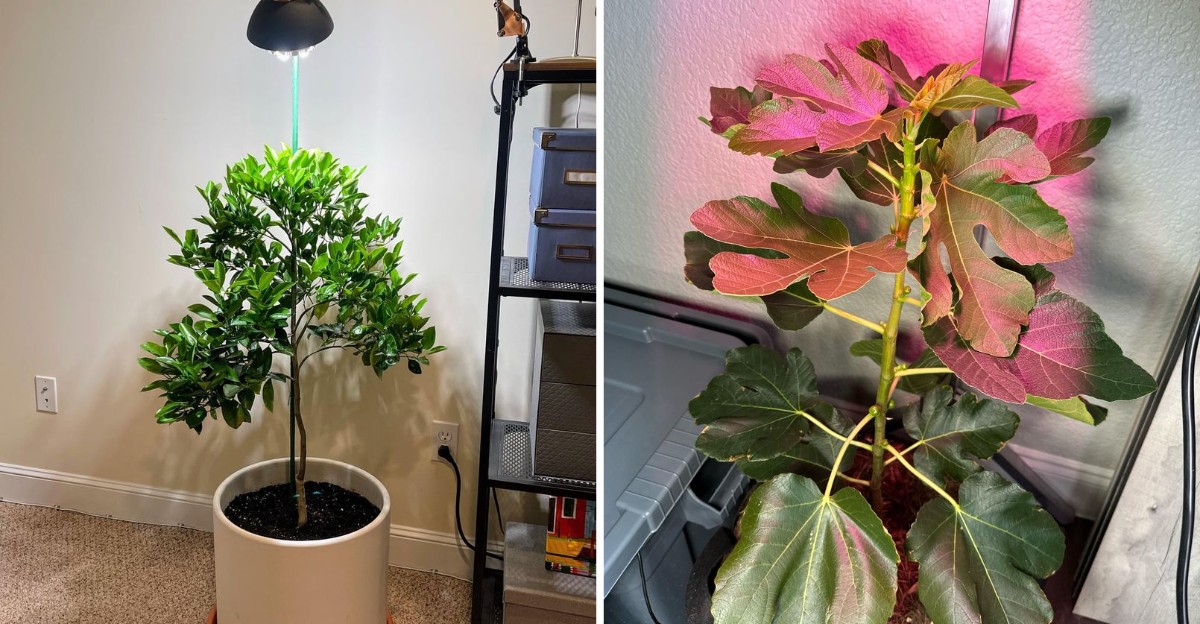
Full spectrum LED grow lights fill the gap nicely, and modern versions use little electricity and run cooler than older bulbs. Hang the light about twelve to eighteen inches above the leaves, adjusting as the tree grows taller or wider.
Plug lights into a simple outlet timer so they run twelve to fourteen hours daily without you remembering anything. Consistent light keeps citrus leaves green and glossy and may even encourage fragrant blossoms in the middle of winter.
Figs you choose to keep awake indoors also appreciate the boost, since they otherwise stretch into pale, floppy branches. Clip-on lamps or stand-mounted panels work nicely for one or two pots in a cozy living room corner.
Here is a fun bonus, the soft glow can brighten your own mood during those long, dreary winter afternoons. A small grow light corner can also make a cozy spot for a winter reading chair.
8. Keep Cold Drafts And Hot Vents Far Away

Imagine sitting next to an open door in a T-shirt while someone blasts a hair dryer at your face. That mix of chilly gusts and hot air is exactly what potted fruit trees feel near doors and vents.
Sudden temperature swings stress citrus leaves, causing them to yellow and drop even when everything else seems perfectly fine. Heating vents also dry out soil and foliage quickly, leaving crispy edges that make the whole plant look tired.
Walk around your home on a breezy evening and hold your hand near windows to feel for sneaky drafts. Spots near exterior doors, drafty hallways, and fireplaces are usually poor choices for sensitive potted fruit trees in winter.
Keep pots at least three feet from radiators, space heaters, and forced air registers whenever your floor plan allows. If a vent sits under the only sunny window, a simple plastic deflector can redirect the airflow away nicely.
Ideal indoor temperatures sit around sixty to seventy degrees during the day, with slightly cooler nights welcomed by most trees. Steady conditions help your plants relax, and relaxed plants hold onto their leaves much better until spring returns.
9. Hold Off On Fertilizer Until Late Winter
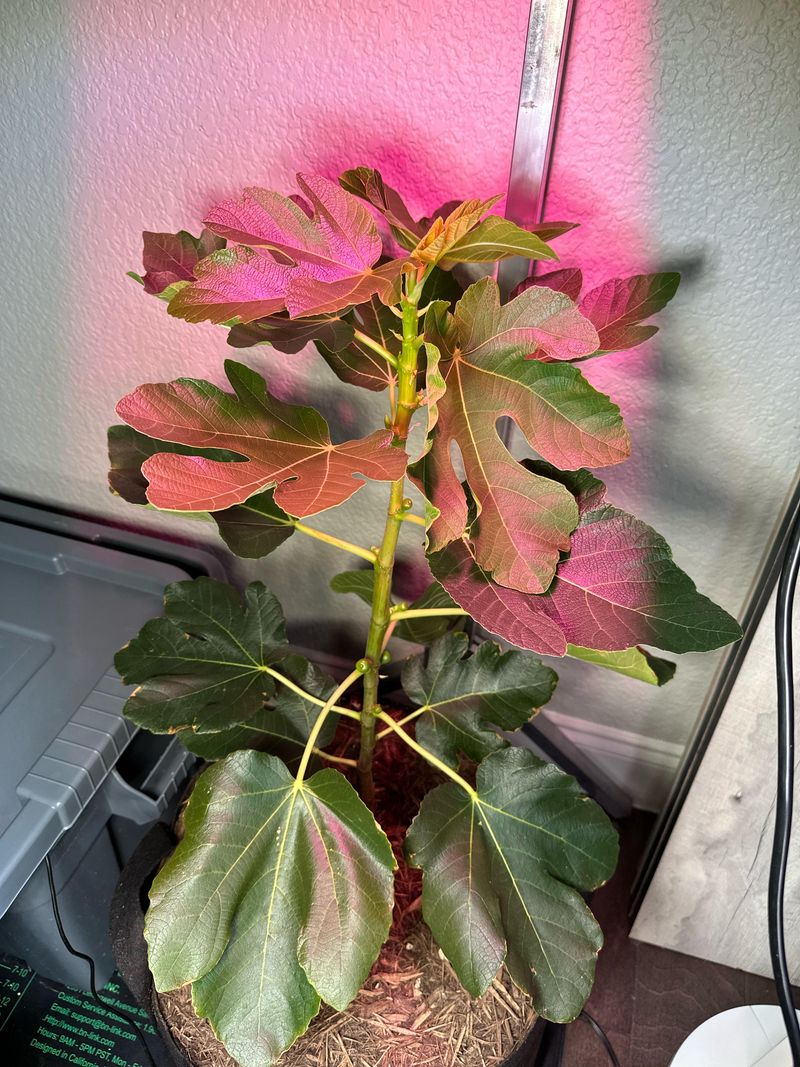
Feeding a resting plant is like serving a giant breakfast to someone who is still sound asleep in bed. Most potted figs and citrus slow their growth indoors, so extra nutrients simply pile up unused in the soil.
That buildup of fertilizer salts can burn tender roots and leave a crusty white layer on the pot rim. Stop feeding dormant figs once you bring them inside, and let them rest with plain water until late winter.
Citrus kept in bright light may still enjoy a light snack, so use a gentle half-strength citrus fertilizer monthly. Look for formulas with iron, magnesium, and zinc, since these trace minerals keep the leaves a rich, deep green.
If you spot white crust on the soil, flush the pot with lots of clean water in the sink. Let it drain fully afterward, then return it to its sunny window to recover in peace and quiet.
Around late February, when days grow longer, you can slowly restart regular feeding as fresh green buds begin swelling. Patience now pays off later with stronger branches, healthier leaves, and possibly a bigger crop of sweet, juicy fruit.
10. Ease Them Back Outside With Patience
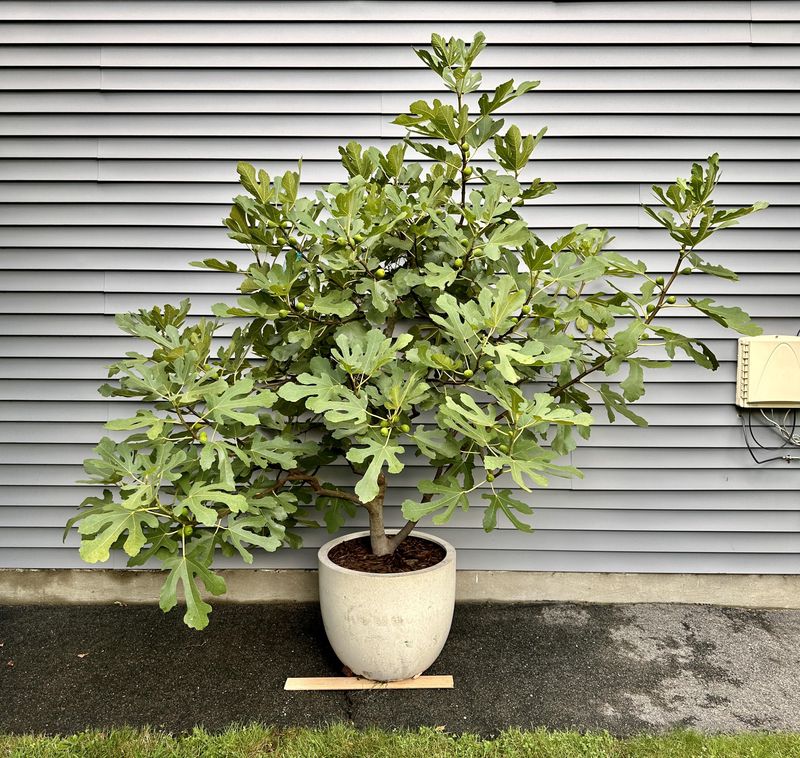
Months from now, when spring finally warms things up, the urge to rush your trees outside will feel enormous. Planning that move now, during October, helps you avoid a sunburn surprise on tender indoor leaves next year.
Leaves grown indoors are softer and thinner, so direct outdoor sunshine can scorch them in a single afternoon. Gardeners call the gradual adjustment process hardening off, and it usually takes about one to two weeks to finish.
Start with a few hours in full shade, then slowly add morning sun as the warm days pass by. Bring pots back inside on chilly nights until temperatures stay above fifty degrees after the sun goes down each evening.
Write a simple reminder on your calendar now, noting your area’s average last frost date for next spring. Having that date ready keeps you from guessing and helps you schedule the gradual move with confidence and ease.
Wind can also be rough on soft new growth, so choose a sheltered spot near a wall or fence. Treat the whole journey like a slow vacation, and your figs and citrus have a much better shot at a fruitful summer.