The Meaning Behind Finding A Garter Snake In Your Pennsylvania Garden Beds
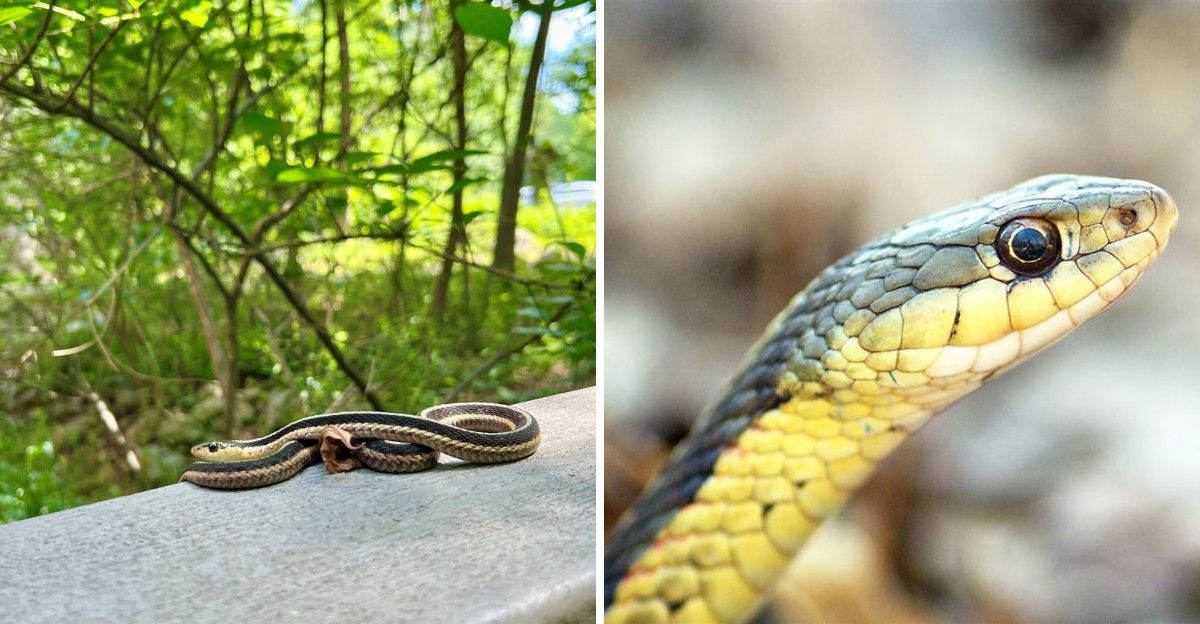
Finding a snake in your garden might not feel like a compliment. In this case, it kind of is. Garter snakes are the most common snakes in Pennsylvania, and they’re harmless to people.
You’ll usually spot one sunning itself on warm mulch or hiding under a flat rock near the edge of a bed. Their striped bodies and quick getaways make them easy to recognize.
These snakes don’t show up by chance. They go where the food is, and their favorite meals include slugs, snails, and other pests that chew through your plants.
Moist soil, thick groundcover, and plenty of earthworms are exactly what they’re looking for.
In fall, their visits can also mean something else. They’re searching for a safe place to spend the winter, sometimes alongside dozens of other snakes.
1. Your Garden Is A Healthy Habitat
Good news often comes in odd packages. A striped snake in your tomato bed is one of them. Wildlife experts call garter snakes a sign of a balanced backyard.
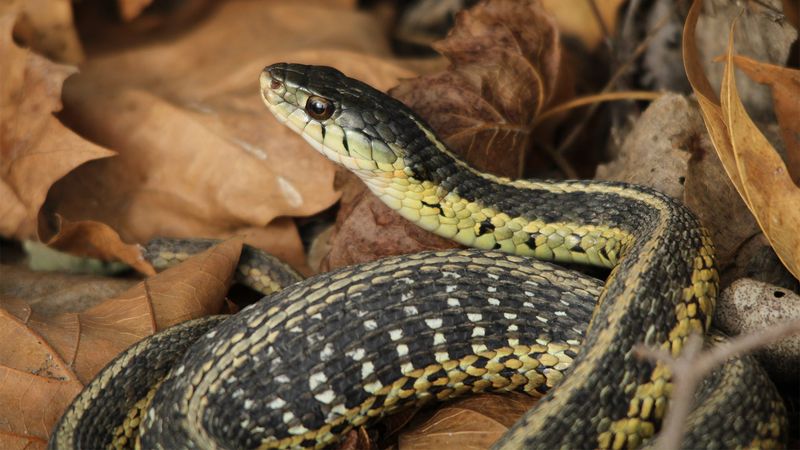
The eastern garter snake is the most common snake in Pennsylvania. You can find it in cities, suburbs, farms, and forests.
Still, it does not settle just anywhere. It needs food, water, and safe places to hide. When all three are close together, the snake moves in.
Think of it as a report card for your yard. If a garter snake chooses your beds, you are probably doing a lot of things right.
Your soil likely holds moisture well. Your plants give good cover. You may also be using fewer harsh sprays, which lets small creatures thrive.
Snakes sit in the middle of the food web. They eat small animals, and bigger animals like hawks, foxes, and herons eat them.
So a snake in your garden hints that many other creatures are living there too. Birds, toads, beetles, and worms all play a part.
Want to keep your yard this healthy? Try a few easy habits. Leave a small pile of rocks or logs in a quiet corner.
Plant native flowers like black-eyed Susans and coneflowers. Keep a shallow dish of water or a small pond nearby.
You can also cut back on chemical pesticides. They can harm the worms and insects that feed so many animals. A more natural yard supports more life.
Fun fact: garter snakes live in more places in North America than almost any other reptile. They can even be found as far north as Canada. Your Pennsylvania garden is in very good company.
2. There Is Plenty Of Food Nearby
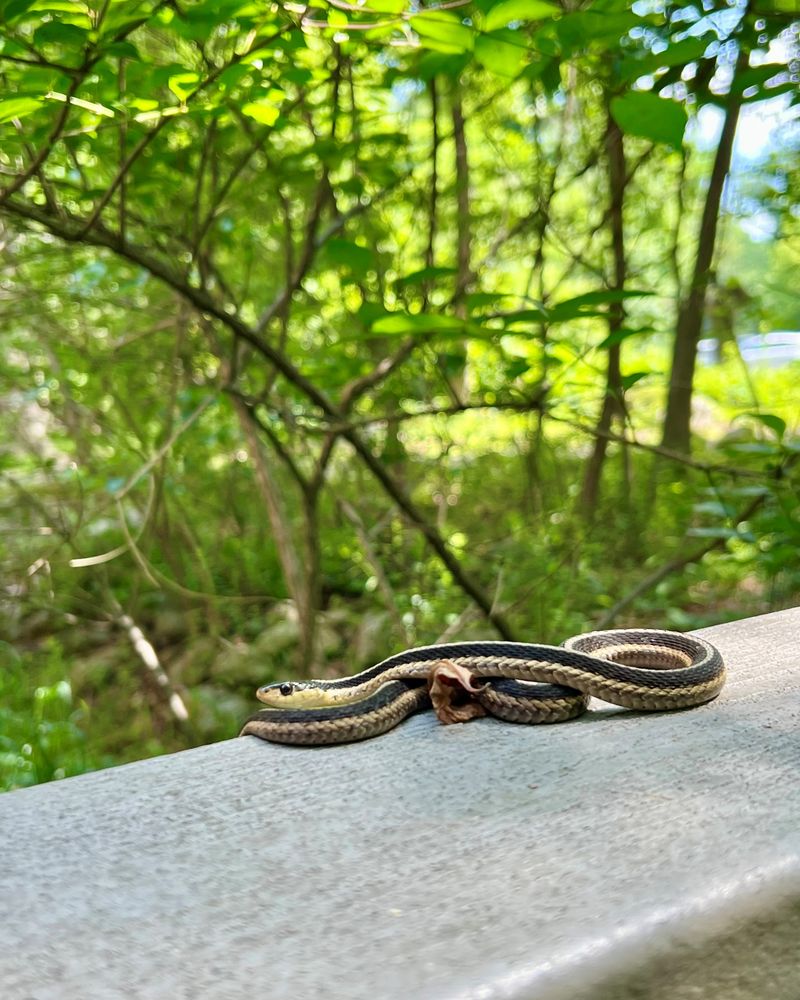
Snakes are like hungry teenagers. They go wherever the snacks are. If a garter snake hangs around your garden, it has likely found a great buffet.
So what is on the menu? Garter snakes eat earthworms, slugs, snails, and many kinds of insects. They also catch small frogs, toads, and salamanders.
Young snakes stick mostly to worms and tiny bugs. Adults can handle bigger meals.
Earthworms are a favorite. Worms love dark, damp soil filled with rotting leaves and compost.
Your Pennsylvania Garden Changes Every Week. Your Plan Should Too.
Gardening in Pennsylvania changes quickly throughout the season. Every Friday you’ll receive a simple weekly plan showing exactly what to plant, prune, fertilize, harvest, and protect so you never miss the right timing.
When a snake finds lots of worms, it tells you something about your dirt. Your soil is probably loose, rich, and full of life.
That is great news for your plants. Worms dig tunnels that let air and water reach roots. They also leave behind castings, a natural plant food. A snake following the worms means your garden has a strong underground crew.
Frogs and toads are another clue. They need moisture and places to hide. If garter snakes hunt them in your beds, your yard likely has water nearby, like a pond, a ditch, or a soggy corner.
Here are a few tips to support this food chain. Add compost to your beds each spring. Keep a layer of shredded leaves or mulch on the soil. Water deeply rather than lightly, so the ground stays moist below the surface.
Did you know? Garter snakes swallow their food whole. They do not chew at all. Their jaws can stretch wide to fit prey bigger than their heads.
Some even have mildly toxic saliva that helps calm wiggly worms and frogs, but it is harmless to people.
3. You Have A Natural Pest Controller
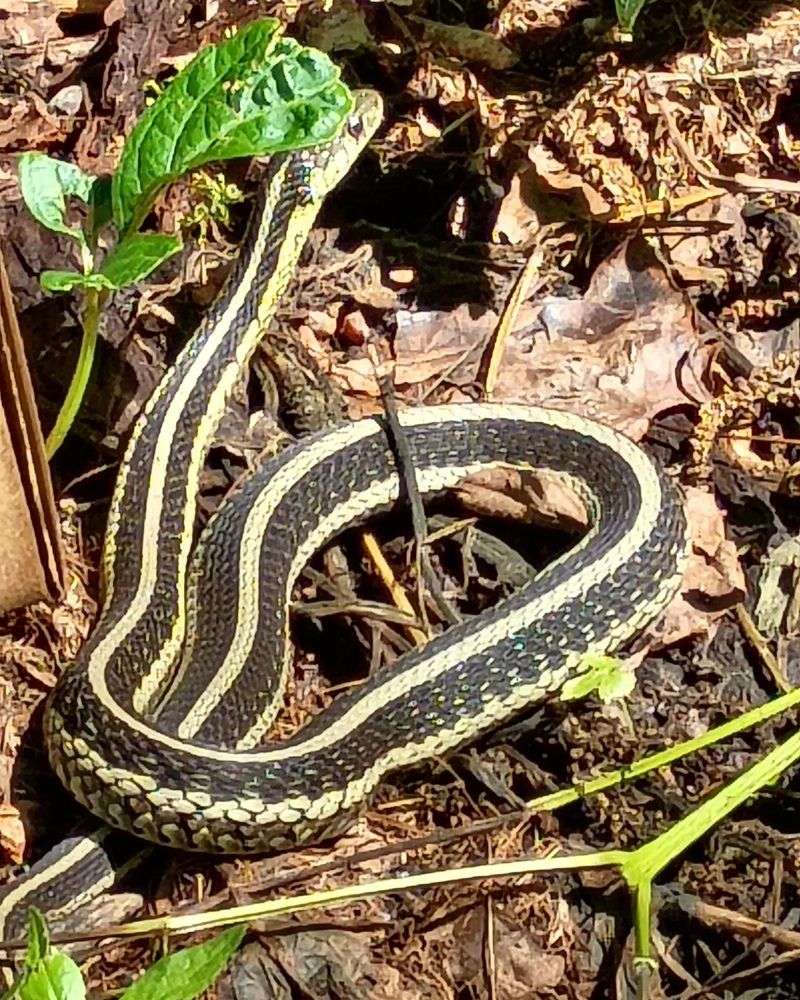
Ever walked outside to find your lettuce full of holes? Slugs are sneaky thieves. They munch at night and leave slimy trails behind. Lucky for you, a garter snake may already be on the job.
Garter snakes are one of the few animals that happily eat slugs. Many birds skip them because of the slime.
The snakes do not seem to mind. They also snack on crickets, grasshoppers, and other insects that nibble your plants.
Best of all, this help is totally free. No sprays, no traps, and no pellets are needed. You get pest control without adding chemicals to your food or soil. That is safer for kids, pets, bees, and birds too.
Of course, one snake will not wipe out every bug. It works best as part of a team. Toads, ground beetles, birds, and spiders all pitch in. Together they keep pests from getting out of hand.
You can make your garden more welcoming for these helpers. Avoid slug bait that contains metaldehyde, which can harm wildlife.
Try copper tape around pots or hand-pick slugs at dusk instead. Leave a few flat stones or boards where snakes can rest during the day.
Be careful with mowers and string trimmers near beds. Snakes often hide in tall grass at the edges. Mowing a bit higher and walking the area first can keep them safe.
Here is a neat bit of history. Some farmers once called garter snakes garden snakes because they showed up so often near crops. Many old-timers saw them as a lucky sign for a good harvest.
4. It Is Warming Up In The Sun
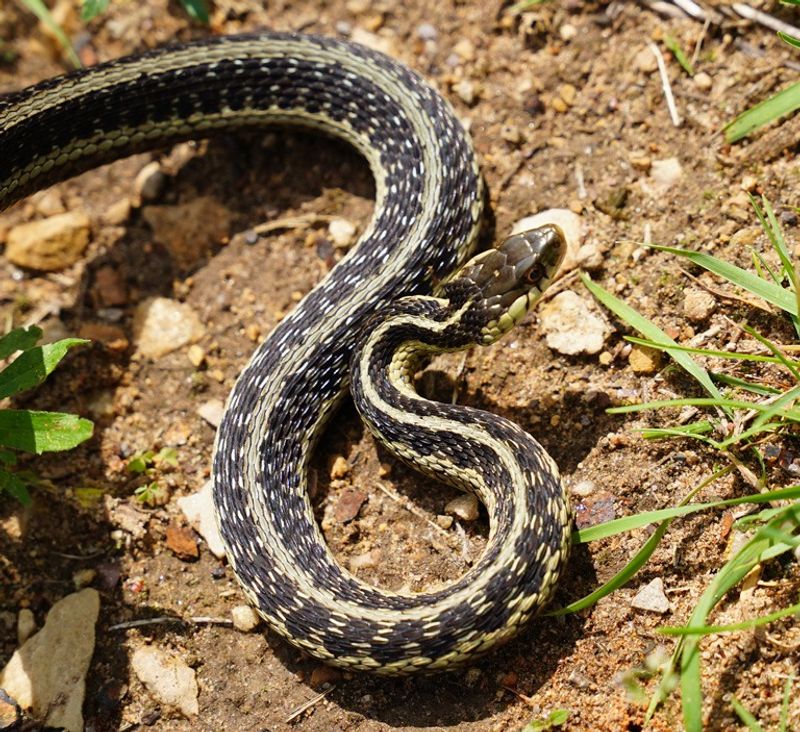
On a chilly spring morning, you might sip hot cocoa to warm up. A garter snake does something similar. It stretches out in a sunny spot and soaks up the heat.
Snakes are cold-blooded, which means their bodies cannot make their own heat. They depend on the world around them to stay warm.
When they are cold, they move slowly. When they warm up, they can hunt, digest food, and escape danger.
Your garden beds are perfect for this. Dark mulch, flat stones, and bare soil soak up sunlight fast. Paths made of brick or stepping stones hold heat too. A snake may lie on these surfaces for a while each morning.
Pennsylvania weather makes basking extra important. Spring and fall mornings can be quite cool.
That is why you may spot snakes more often early in the day during these seasons. By hot summer afternoons, they usually hide in the shade.
If you see one basking, give it space. A cold snake may not move away quickly, so it is easy to startle. Step around it and let it finish warming up. It will slide off once it feels ready.
Want to watch without bothering it? Stand still a few feet away. Look for the three yellowish stripes running down its back. Some garter snakes in Pennsylvania look greenish, brown, or even nearly black.
Fun fact: garter snakes are often the first snakes out in spring. They can become active when temperatures are only in the 40s or 50s. That toughness helps them live in cooler northern places.
5. It Is Looking For Shelter And Moisture
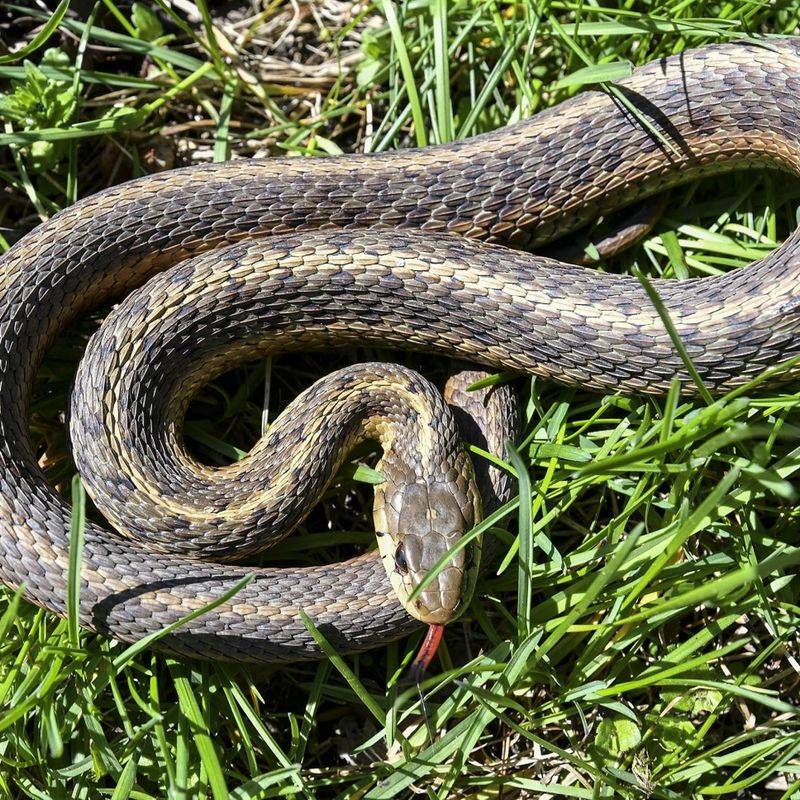
Hide and seek is serious business for a snake. Hawks, raccoons, cats, and even crows would love a snake snack. So a garter snake spends a lot of time tucked out of sight.
Your garden gives it lots of great hiding places. Thick plants like hostas, ferns, and daylilies make leafy tents. Mulch and fallen leaves create cozy blankets. Under these layers, the ground stays cool and damp.
Moisture matters a lot to garter snakes. They like living near water and wet ground. Damp spots also help them shed their skin more easily. Plus, their favorite foods, like worms and slugs, love wet places too.
During a hot July afternoon, the sun can bake open ground. Snakes can overheat, just like people. They slip under plants or mulch to cool off. That is why you may spot one only when you move a pot or pull back some leaves.
So what should you do if you find a hiding snake? Simply put the cover back and walk away. It was resting, not causing trouble.
Wearing gloves while weeding is a smart habit anyway, since you never know what is under the leaves.
If you would rather have fewer snakes near your door, you can adjust things a bit. Keep grass short near the house.
Move woodpiles and brush piles farther out in the yard. Keep mulch a few inches thinner right by walkways.
Quick tip: a shed snakeskin in your garden is a clue. It means a snake has been living nearby and growing. Kids often think these papery skins are a cool treasure to find.
6. It May Be Tied To The Season
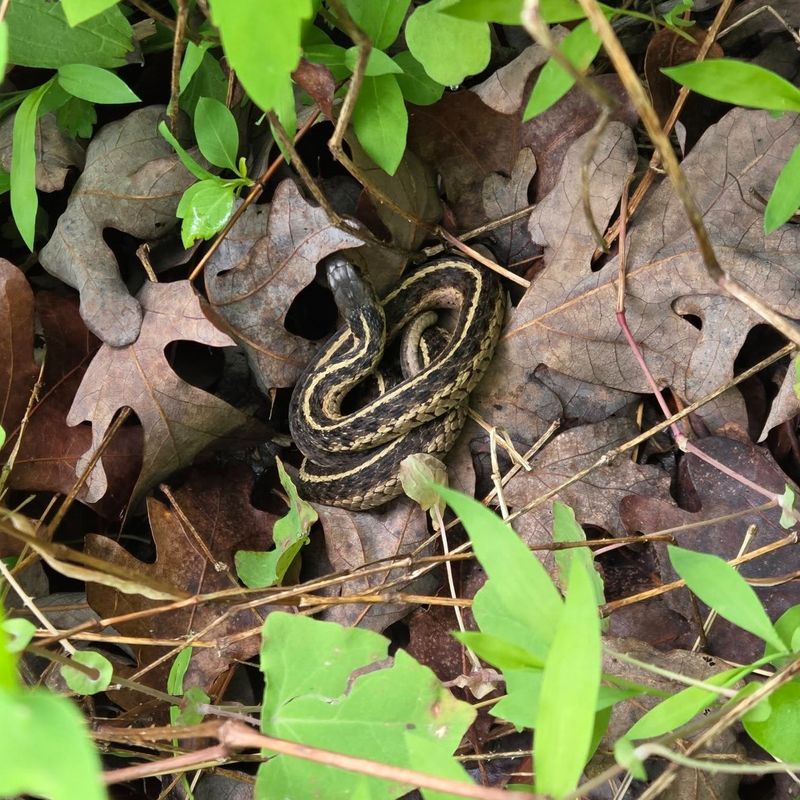
Late August brings sweet corn, ripe tomatoes, and sometimes a surprise. You might find a tiny snake no longer than a pencil. That little wiggler is probably a newborn garter snake.
Unlike many snakes, garter snakes do not lay eggs. The mother gives birth to live babies. In Pennsylvania, this usually happens from late July through early September. One mother can have 10 to 40 babies at once, and sometimes even more.
The babies are on their own right away. No one feeds or protects them. They spread out to find food and hiding spots. That is why gardens can seem full of little snakes in late summer.
Fall brings another busy time. As days cool, garter snakes start heading toward winter dens.
These spots are called hibernacula. Snakes may use rock cracks, old animal burrows, stone walls, or small gaps in house foundations.
You may notice snakes crossing your yard more often in September and October. They are simply traveling. Some return to the same den year after year. Dozens of snakes may even share one den to stay safe through winter.
If you do not want snakes wintering under your house, check your foundation in late summer. Seal cracks and gaps with caulk or mortar. Fix loose basement windows and cover vents with fine screen.
In spring, the process flips. Snakes pop out of their dens, warm up, and find mates. Then they spread back into gardens, meadows, and yards.
Watching this yearly cycle can be a fun way to learn how wildlife follows the seasons in Pennsylvania.
7. It Is No Cause For Alarm
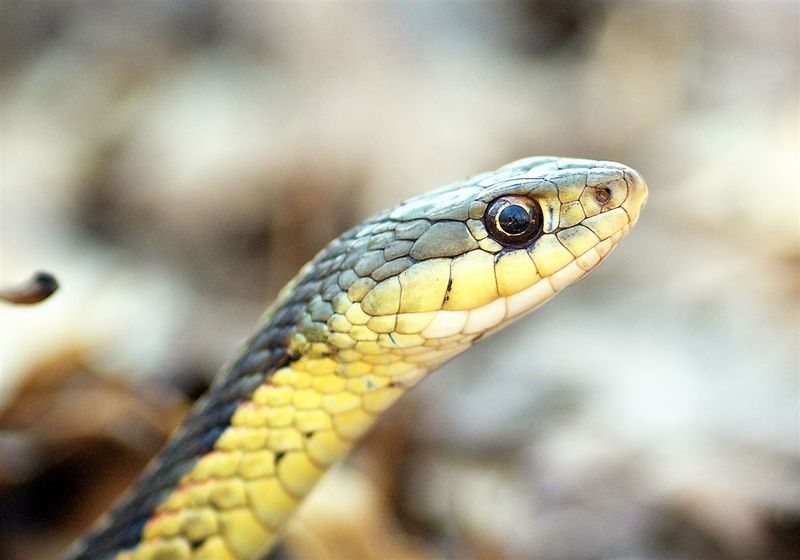
Take a deep breath. That striped visitor is not out to get you. Garter snakes are harmless to people and would much rather hide than fight.
They do have a few tricks to scare off enemies. If you pick one up, it may release a stinky musk. The smell is strong and hard to wash off your hands. It might also wiggle, flatten its body, or give a quick nip.
A bite from a garter snake feels like a small scratch. It is not dangerous. Just wash the spot with soap and water. Still, the easiest way to avoid any of this is to leave the snake alone.
Teaching kids about snakes can help them feel calm too. Show them how to spot the yellow stripes. Explain that the snake is a helper, not a monster. Remind them to look but not touch.
Pets are another concern for some families. Dogs and cats may chase snakes out of curiosity. Keep an eye on them outdoors, and call them away if they find one. This protects both your pet and the snake.
Pennsylvania does have a few venomous snakes, like the timber rattlesnake and copperhead.
But they are rare in most backyards and look very different. If you are ever unsure, keep your distance and snap a photo to identify it later.
In the end, a garter snake is a quiet partner in your garden. It eats pests, points to healthy soil, and asks for nothing in return. Let it slide on its way, and get back to enjoying your flowers and veggies.