An Old-Fashioned Way To Clean Up The Yard Returns To 12 Alabama Counties In Just A Few Weeks
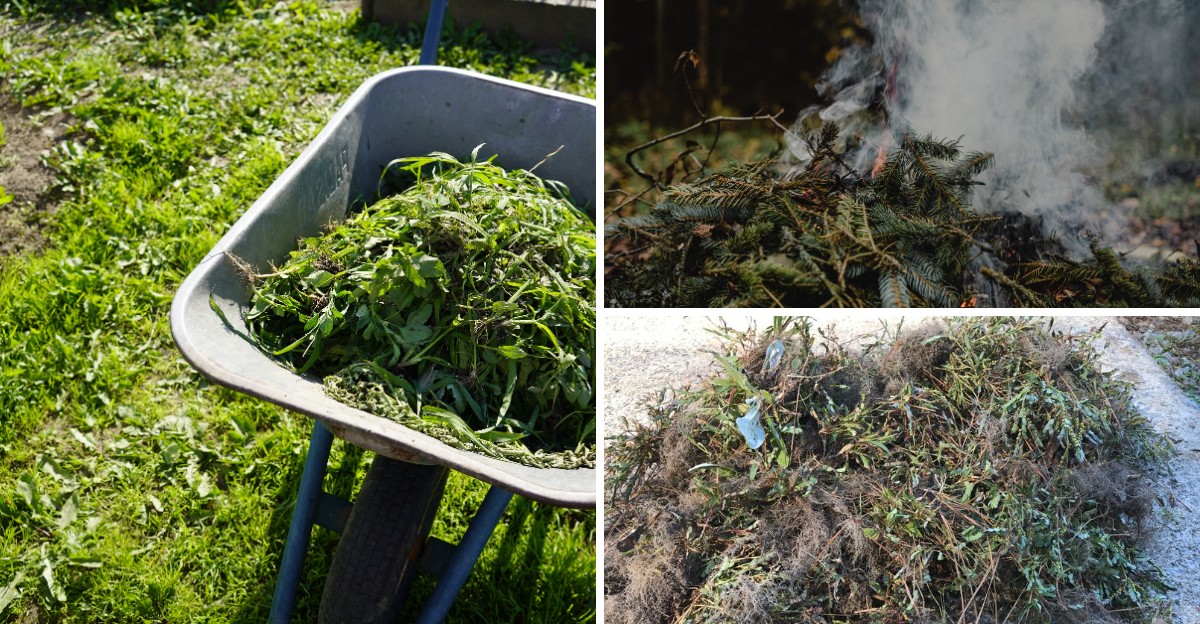
That oak next door dropped another fresh load across your lawn overnight. Bagging it eats hours and fills curbside bins long before the pile shrinks.
Lighting it feels faster, cheaper, and far more satisfying. Across several Alabama counties, though, you have waited all summer for permission.
State air regulators hold you to a seasonal outdoor fire limit aimed at ozone. Once October ends, that restriction lifts, and your match finally gets its turn.
Still, that new outdoor freedom arrives with fine print you should read carefully. Leaves, limbs, and brush qualify, while igniting trash or tires can earn you penalties.
Large piles, or piles near grass, may need an Alabama Forestry Commission permit. Wind, dry spells, and local ordinances can also pause your plans without warning. Knowing these rules keeps your fire legal, your neighbors calm, and your wallet intact.
Brush Pile Season Returns On November 1
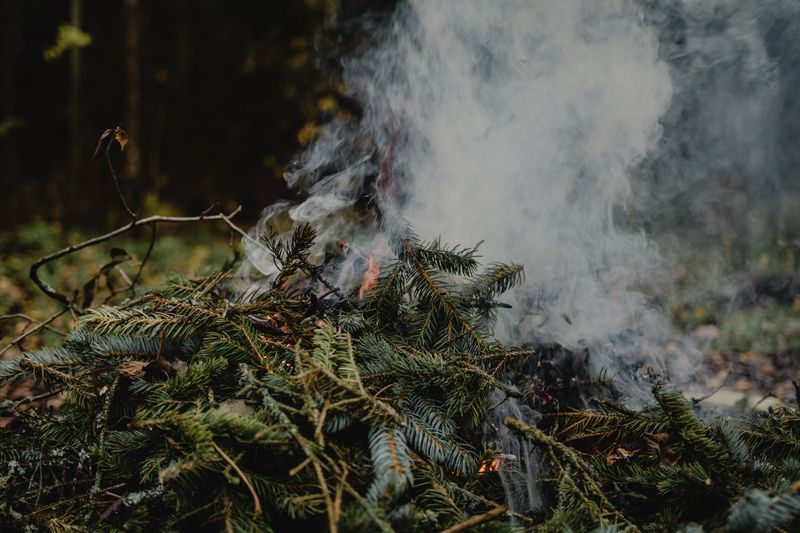
Starting November 1, that pile of leaves and brush can be burned again, unless drought restrictions are in effect.
Alabama has a seasonal open burning rule that runs from May 1 through October 31. It covers 12 counties where summer air quality tends to struggle, though outdoor fireplaces and campfires remain allowed unless drought rules apply.
Once the calendar flips to November, the seasonal rule ends for another year. Homeowners in most of those counties can burn leaves, limbs, and trimmings once more, though Jefferson County has stricter local rules.
Some families see this as a return to a long-standing habit. Leaf burning was a common way to clear yards before leaf blowers became widespread.
Burning is cheap, quick, and handy for folks with big wooded lots. Hauling a truckload of limbs to the landfill can take several hours.
Still, the end of the seasonal ban is not a free pass. Other rules and local fire alerts can still apply on any given day.
Many cities also have their own burning ordinances, and some ban it inside city limits. A quick call to your city hall clears up any confusion.
Rural residents often face fewer local restrictions, though ordinances vary by city and county. Smoke drifting into a neighbor’s window can quickly strain relations.
Think of November 1 as an unlocked door, not an open invitation. Check the weather, check the rules, and then grab the matches.
Summer Smog And The Ozone Connection
Ever notice how summer air in Birmingham can feel heavy and hazy? That hazy feeling is partly ground-level ozone, and it explains the whole seasonal rule.
Ozone forms when certain pollutants mix with heat and bright sunshine. Alabama summers deliver plenty of both, sometimes for weeks at a stretch.
Smoke from backyard fires adds fine particles and gases to that mix. On a hot, still day, those pollutants hang around instead of blowing away.
The Alabama Department of Environmental Management, known as ADEM, created the May through October restriction. The goal is to protect air quality in areas with a history of pollution problems.
Breathing polluted air is hard on kids, older adults, and anyone with asthma. Even healthy people can feel scratchy throats and tight chests on bad air days.
Your Alabama Garden Changes Every Week. Your Plan Should Too.
Gardening in Alabama changes quickly throughout the season. Every Friday you’ll receive a simple weekly plan showing exactly what to plant, prune, fertilize, harvest, and protect so you never miss the right timing.
Cooler fall weather changes the picture in a big way. Shorter days and lower temperatures mean ozone forms much more slowly.
That shift is the reason burning returns in November instead of midsummer. The rule follows the science of sunshine, not a random date on a calendar.
A backyard pile might seem tiny next to highway traffic or big factories. Yet many small fires across a county can add up quickly.
So the summer pause is a team effort for cleaner air. Your patience in July helps your neighbor with asthma breathe a little easier.
Twelve Counties Under The Seasonal Rule
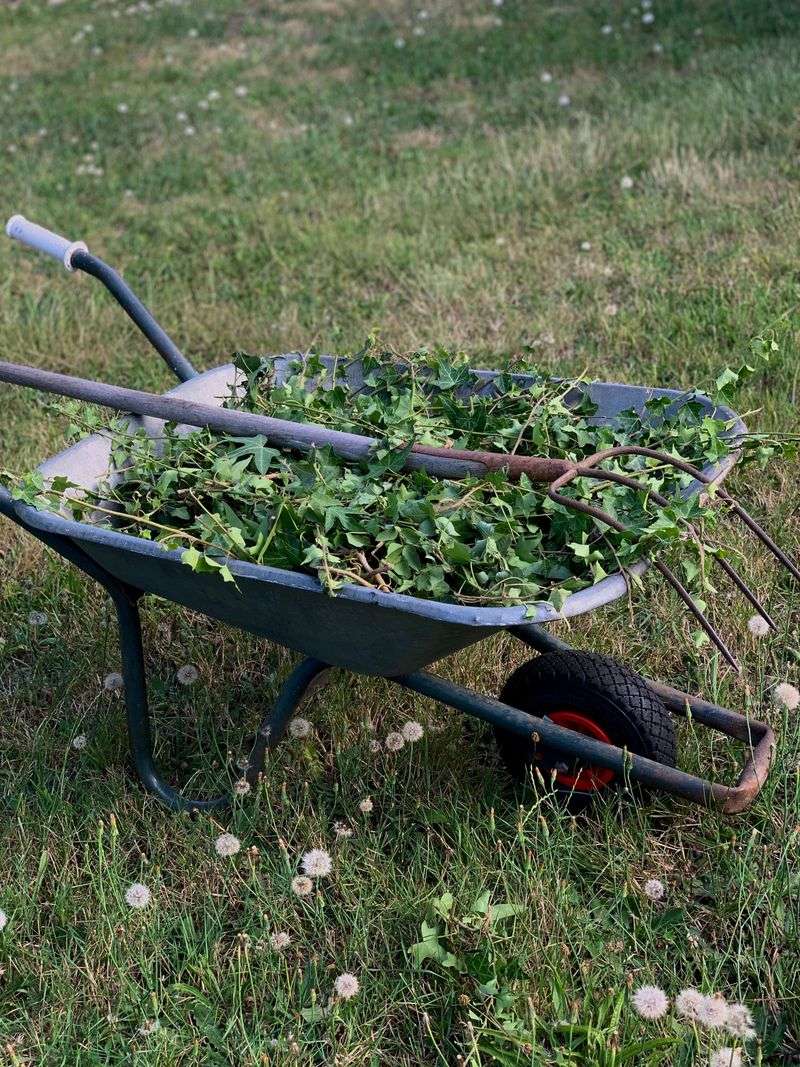
Not every corner of Alabama plays by the same summer burning rules. The seasonal restriction targets 12 counties, including several metro areas and industrial hubs.
The list includes places like Jefferson, Shelby, Madison, Morgan, Mobile, and Baldwin counties. Those areas have larger populations, more traffic, and more pollution sources.
Jefferson County residents also need prior approval from the county health department, even after November 1.
If you live elsewhere, summer burning may have been allowed with permits and common sense. Folks inside the 12 counties had to hold their piles until fall.
Not sure which side of the line you are on? The ADEM website lists every covered county and explains the open burning rules in plain terms.
County lines can be tricky for people living near the edge. A home in one county might sit just a mile from a covered neighbor.
Your mailing address town is not a reliable guide either. Some addresses carry a city name from a different county altogether.
Checking your property tax bill is an easy way to confirm your county. It takes about two minutes and saves a possible fine.
Breaking the seasonal rule can lead to penalties from state regulators. Local fire departments may also respond if a neighbor reports heavy smoke.
Knowing your county puts you ahead of the game this fall. It also makes you the go-to expert when neighbors start asking questions.
Drought Alerts And No-Burn Orders Come First
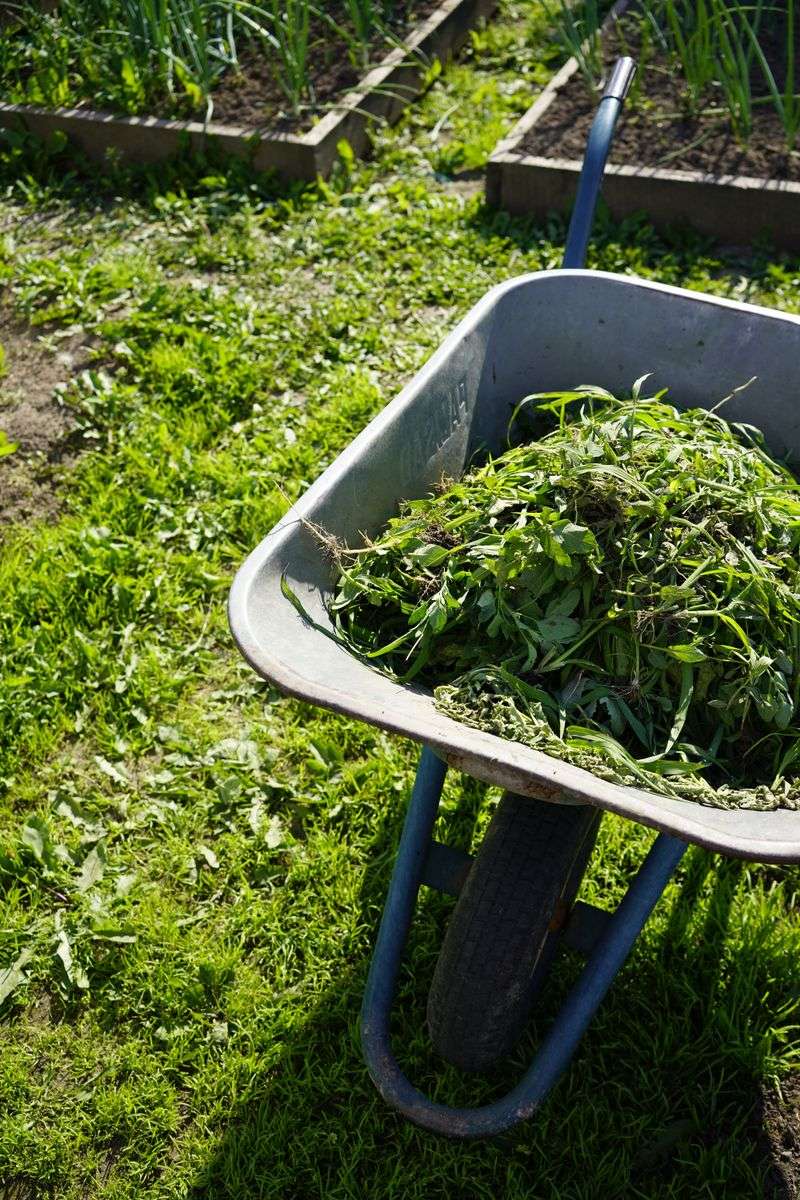
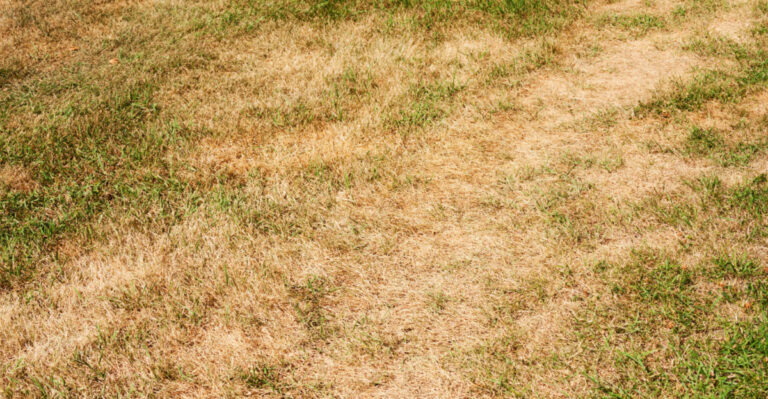
November 1 feels like a green light, but dry weather can flip it right back to red. Drought has returned to parts of Alabama this fall, and a statewide Fire Alert is currently in effect.
The Alabama Forestry Commission watches fire danger across the whole state. During dry spells, it can issue fire alerts, and the Governor can issue a No Burn Order.
A fire alert means burn permits get limited, and extra caution is required. A No Burn Order goes further and bans all outdoor burning, including campfires.
Those orders stand apart from the seasonal ozone rule run by ADEM. So even after November 1, a fire alert or No Burn Order can still block your fire.
Dry leaves and grass catch sparks quickly. One gust of wind can carry an ember across a fence line in seconds.
Many Alabama wildfires start from debris burning that got away. Plenty of those fires began with someone who felt sure the pile was safe.
Before lighting anything, visit the Forestry Commission website or check its social media pages. Local news stations also share alerts during dry weeks.
State law requires a permit for burns over a quarter acre or within 25 feet of woods or grass.
Waiting a few extra days for rain is a smart trade. A rainy weekend beats a fire that spreads out of control.
Clean Vegetation Only, No Trash Or Tires
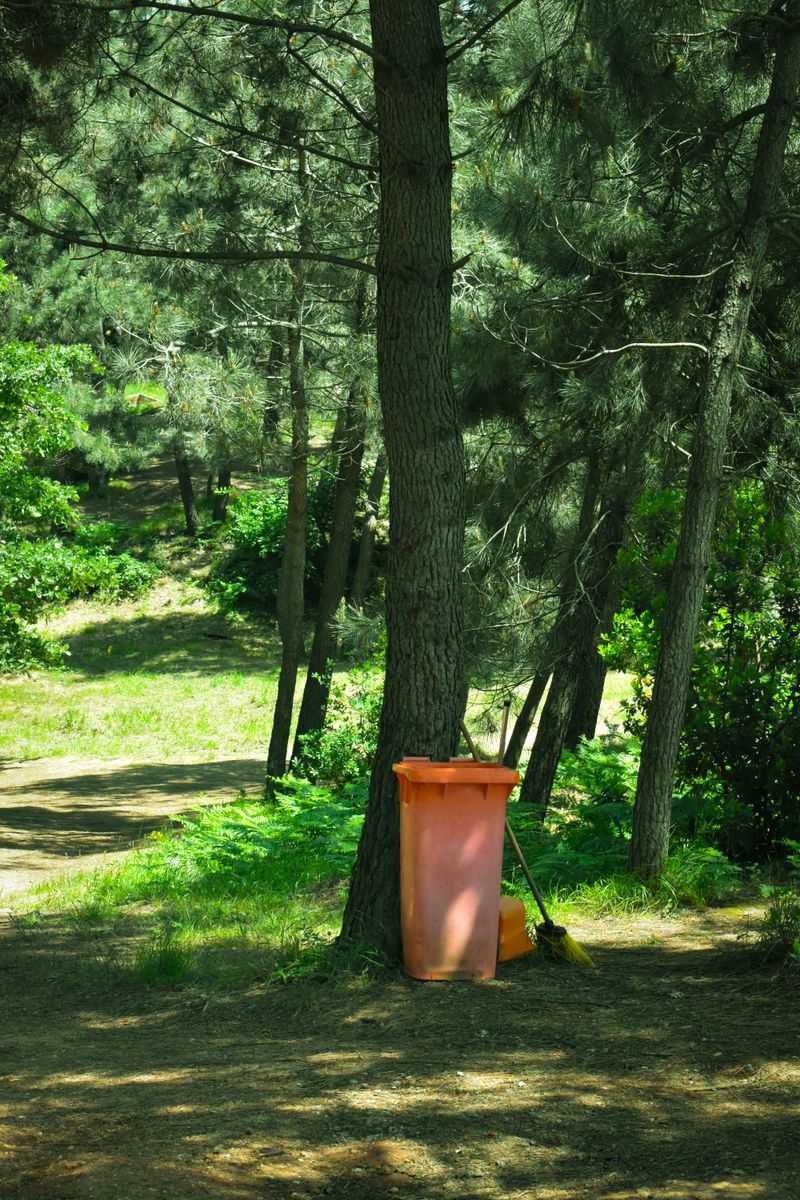
Grandpa might have tossed an old tire on the pile, but those days are long gone. Alabama rules allow only clean yard vegetation in a backyard fire.
Clean vegetation means leaves, pine straw, brush, limbs, and tree trimmings. It should come straight from your yard without paint, plastic, or chemicals mixed in.
Household trash is off the table, including paper plates, cardboard boxes, and food scraps. Burning garbage releases strong fumes that linger in the neighborhood air.
Tires, shingles, treated lumber, and furniture are not allowed. They can release smoke with harmful chemicals that affect lungs and soil.
Plastic might look harmless melting in a pile of leaves. In reality, it gives off harmful gases with a strong odor.
Sorting before you burn takes just a few extra minutes. Walk around the pile and pull out stray bottles, bags, or old toys.
Wet green branches can smolder and create thick, heavy smoke. Letting fresh trimmings dry for several weeks helps them burn cleaner and faster.
Leftover junk belongs with your trash service or the county landfill. Some cities and counties also host cleanup days for bulky items.
A clean pile is kinder to your lungs and your neighbors. Your nose will notice the difference the moment the first flames catch.
Safe Habits For A Well-Behaved Fire
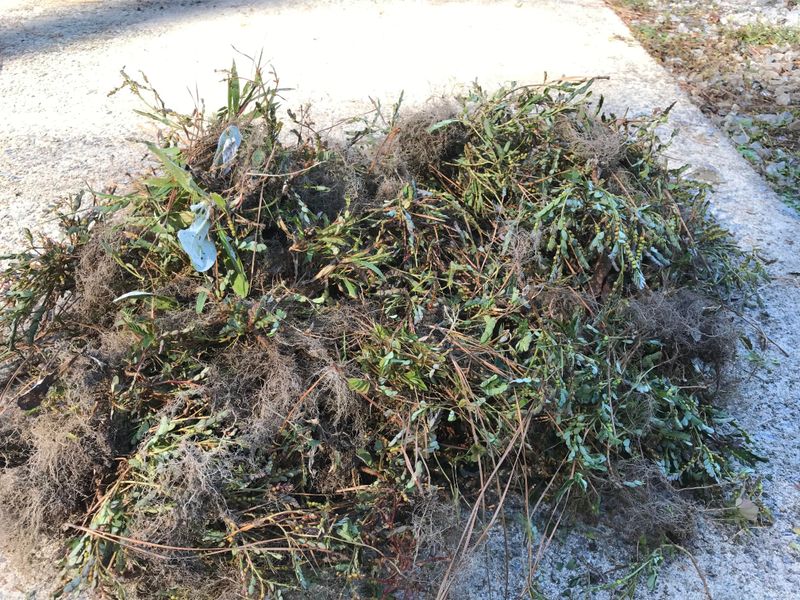
A good yard fire is like a well-trained dog, calm and easy to manage. An unmanaged one can spread quickly and cause real damage.
Fire safety experts recommend a spot at least 50 feet from your house, sheds, and trees. Clear a ring of bare dirt around the pile to stop creeping flames.
Keep piles small and add material a little at a time. A huge heap throws taller flames and more sparks than you can control.
Check the wind before striking a match, even on a cool morning. Calm days are best, and breezy afternoons are a clear signal to wait.
Have a garden hose, rake, and shovel ready before the fire starts. Filling a bucket of water beforehand buys precious seconds in an emergency.
Stay with the fire the whole time it burns. Stepping inside for a quick snack is how many backyard mishaps begin.
Kids and pets should watch from a safe distance, if at all. Toasting marshmallows is fine, as long as a grown-up runs the show.
When the flames settle, soak the ashes and stir them with a shovel. Buried embers can stay hot for hours or even days and restart a fire later.
Burning during daylight gives you time to watch the pile go out. Some local rules and permits also require fires to be out before dark.