9 Fruit Trees That Thrive In New York Heavy Clay For Decades Of Harvests
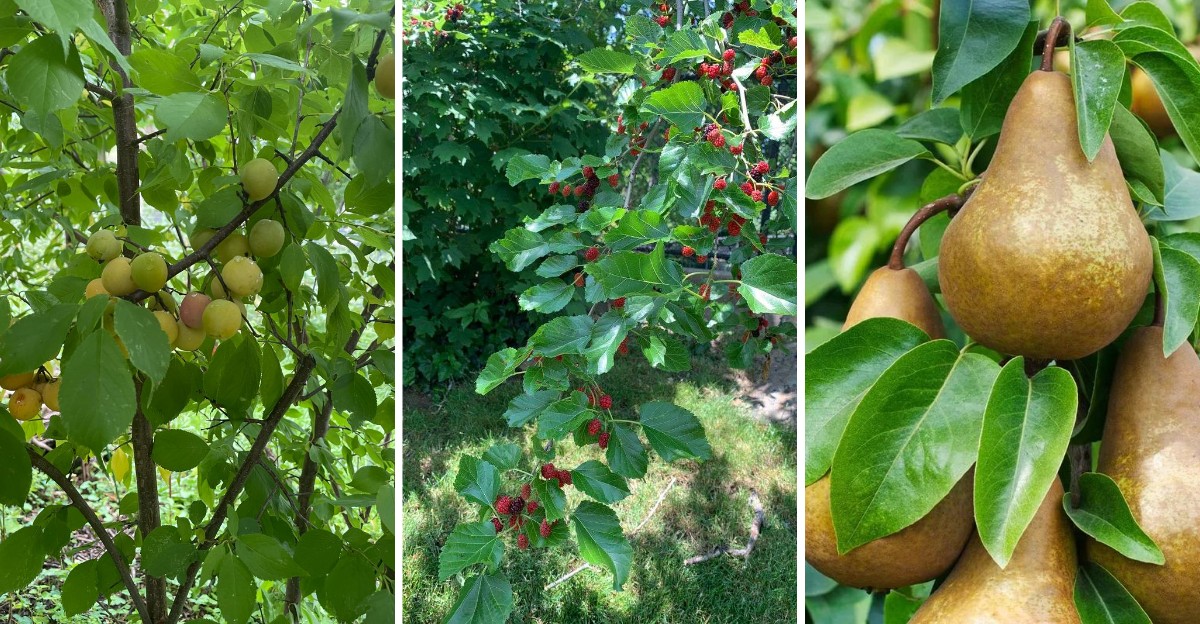
If your shovel squeaks, sticks, and refuses to budge, you probably garden in clay. Plenty of New York yards sit on ground that turns to pudding in April and brick by August.
Luckily, clay holds water and nutrients like a treasure chest. The trick is choosing trees that can unlock it instead of sulking in it.
Some fruit trees hate heavy soil and fade within a few seasons. Others shrug off clay, sink deep roots, and keep producing for decades.
Picture juicy pears in late summer, fragrant quince on the counter, and sweet persimmons after the first frost. Serviceberries even ripen in June while the neighbors are still waiting on tomatoes.
The trees below turn stubborn clay into a long-term orchard. A few of them might surprise you.
1. European Pears That Tolerate Heavy Ground
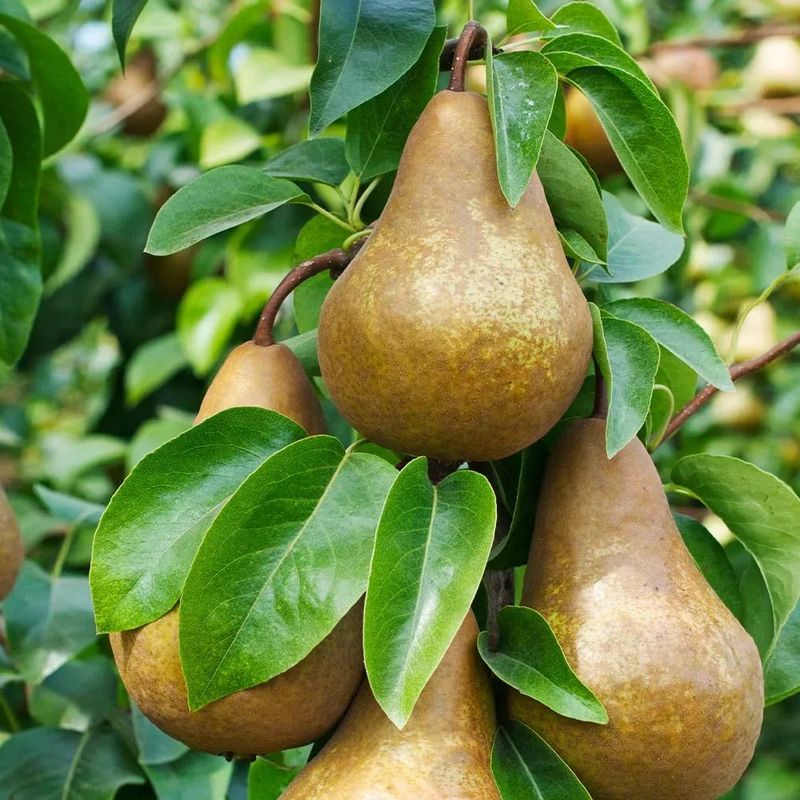
Grandparents across New York often planted a pear by the back fence, and many of those trees still bear today. Pears handle heavy ground better than most fruit trees, which explains their long lives.
Deep roots let pears push through dense clay without much fuss. They still dislike standing water, so pick a spot where puddles vanish within a day.
Variety matters a lot in colder parts of the state. The Highland pear came from Cornell’s New York Agricultural Experiment Station and handles Zone 4 winters.
Bosc is another smart pick for clay lovers. Its russet skin and honeyed flavor make it a favorite for baking and snacking.
Summercrisp offers crunchy fruit and strong cold hardiness. Kieffer is tougher still, tolerating both drought spells and brief flooding with surprising grace.
Planting well makes a huge difference in clay. Dig a wide hole, rough up the smooth sides, and set the tree slightly high on a gentle mound.
Skip filling the hole with rich potting soil. Roots may circle in the soft pocket instead of reaching into the surrounding ground.
Harvest timing surprises many new growers. European pears ripen best off the tree, so pick them while still slightly firm.
Leave picked pears on the counter for several days. Their texture turns buttery and sweet instead of gritty or mushy at the core.
Plant two different varieties for better pollination and bigger crops. With decent care, your pears could outlast your mortgage and feed your grandkids someday.
2. Standard-Size Apple Trees That Outlast Dwarfs
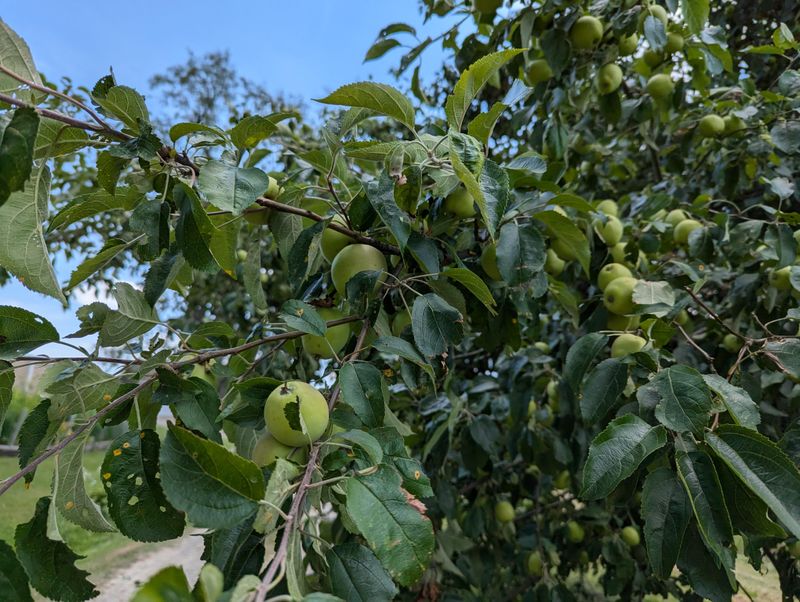
Dwarf apple trees are cute, but they rarely stick around for the long haul in clay. Standard trees grow bigger roots, stronger trunks, and far longer lifespans.
Rootstock is the secret most shoppers overlook. The root part of a grafted apple decides size, toughness, and how well it handles your soil.
M-111 is a popular choice for heavy ground. Growers worldwide praise its tolerance for clay and its resistance to several root diseases.
Trees on vigorous roots can bear for fifty years or more. Dwarfs often need staking and may fade after twenty seasons in tough soil.
Apples grow well in Zones 3 through 8. Nearly every corner of the state falls inside that friendly range.
Your New York Garden Changes Every Week. Your Plan Should Too.
Gardening in New York changes quickly throughout the season. Every Friday you’ll receive a simple weekly plan showing exactly what to plant, prune, fertilize, harvest, and protect so you never miss the right timing.
Honeycrisp, Gala, Fuji, and Granny Smith all perform nicely in clay. Liberty deserves special praise because it resists scab, a common problem in humid summers.
Prep work pays off for decades. Mix compost into a wide area around the planting spot, not just the hole itself.
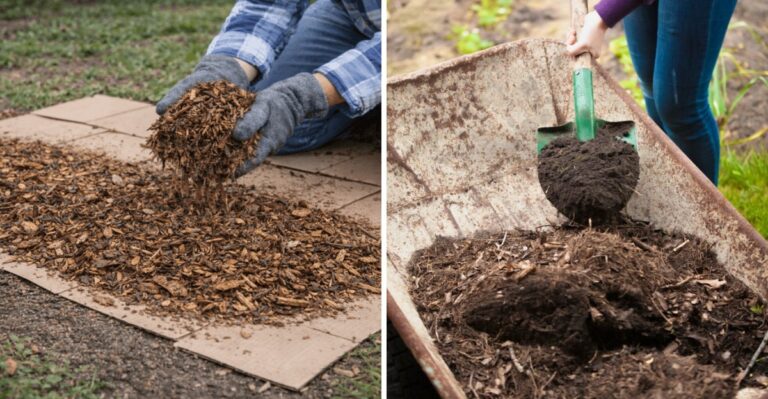
Mulch helps too, but keep it a few inches from the trunk. A wood chip ring holds moisture and slowly improves clay structure over time.
Plan for size before you plant. Standard trees can reach twenty feet wide, so give them plenty of elbow room.
Yearly pruning keeps fruit within reach. Remove crossing branches each late winter, and the tree will reward you with baskets every fall.
3. Quince For Fragrant, Old-Fashioned Fruit
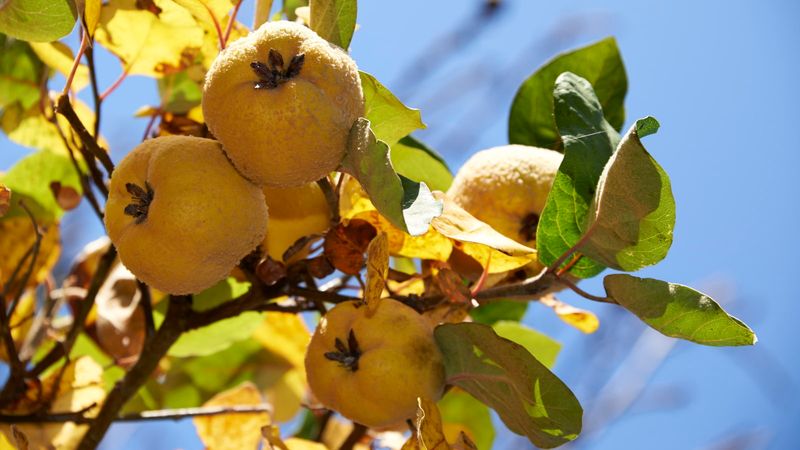
One ripe quince can perfume an entire kitchen. Colonial cooks prized the fruit, and old farmhouse gardens often kept a tree near the door.
Soggy clay does not scare this plant. Quince handles wet, poorly drained spots better than almost any other fruit tree you can buy.
Soil pH between 6.0 and 7.5 suits it well. A simple test kit from a garden center tells you where your yard stands.
Spring brings large pink and white blossoms that look like wild roses. Flowers open later than many fruit trees, dodging most late frosts.
Fruit turns golden and fuzzy by fall. Rub off the fuzz, and you will find a lumpy, lemon-colored treasure underneath.
Raw quince is rock hard and very sour. Cooking changes everything, turning pale flesh into a rosy pink with a honey and pear flavor.
Try quince jelly, poached slices, or a spoonful in apple pie. Spanish cooks make a firm paste called membrillo that pairs beautifully with cheese.
Trees stay small, usually around fifteen feet tall. A compact shape fits well in suburban yards where space feels tight.
Fire blight can trouble quince in humid years. Prune out blackened shoots quickly, cutting well below the damage and cleaning tools afterward.
Most varieties set fruit alone, so one tree is enough. Plant a single quince, and you gain a charming heirloom crop for decades.
4. Cornelian Cherry For Tart Red Fruit And Early Blooms
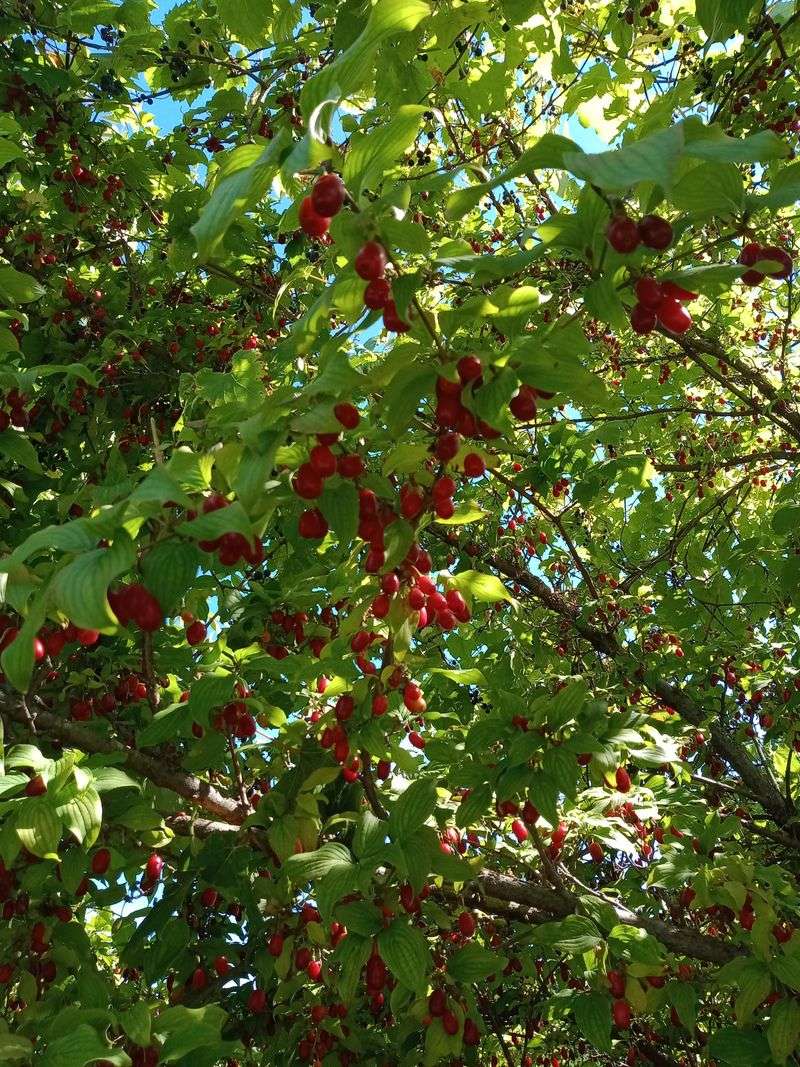
Snow still dusts the lawn when cornelian cherry starts blooming. Clouds of tiny yellow flowers light up bare branches as early as March.
Despite the name, it is a dogwood, not a true cherry. People in Europe have grown it for thousands of years for fruit and hard wood.
Clay suits it just fine. Cornelian cherry adapts to many soils and handles pH from about 5.5 to 7.5.
Full sun gives the biggest harvest. Partial shade still works, which makes it handy near buildings or larger trees.
Early flowers shrug off frosty nights that would ruin peach or plum blossoms. Bees love the first meal of the season, too.
Glossy red fruit ripens slowly through late summer. Each one looks like an oblong cherry and tastes tangy, like a cranberry crossed with sour cherry.
Let fruit soften and drop before eating fresh. Spread a sheet under the branches and give a gentle shake for easy picking.
Jelly, syrup, and tart fillings showcase the bold flavor. Some folks even brine unripe fruit like olives for a fun kitchen experiment.
Hardiness runs from Zone 5 through 8. Colder upstate spots may struggle, so check your zone before ordering.
Plant two different varieties for fruit. Pests and diseases rarely bother it, so the plant can thrive for generations with little attention.
5. American Persimmon For Sweet Fruit After Frost
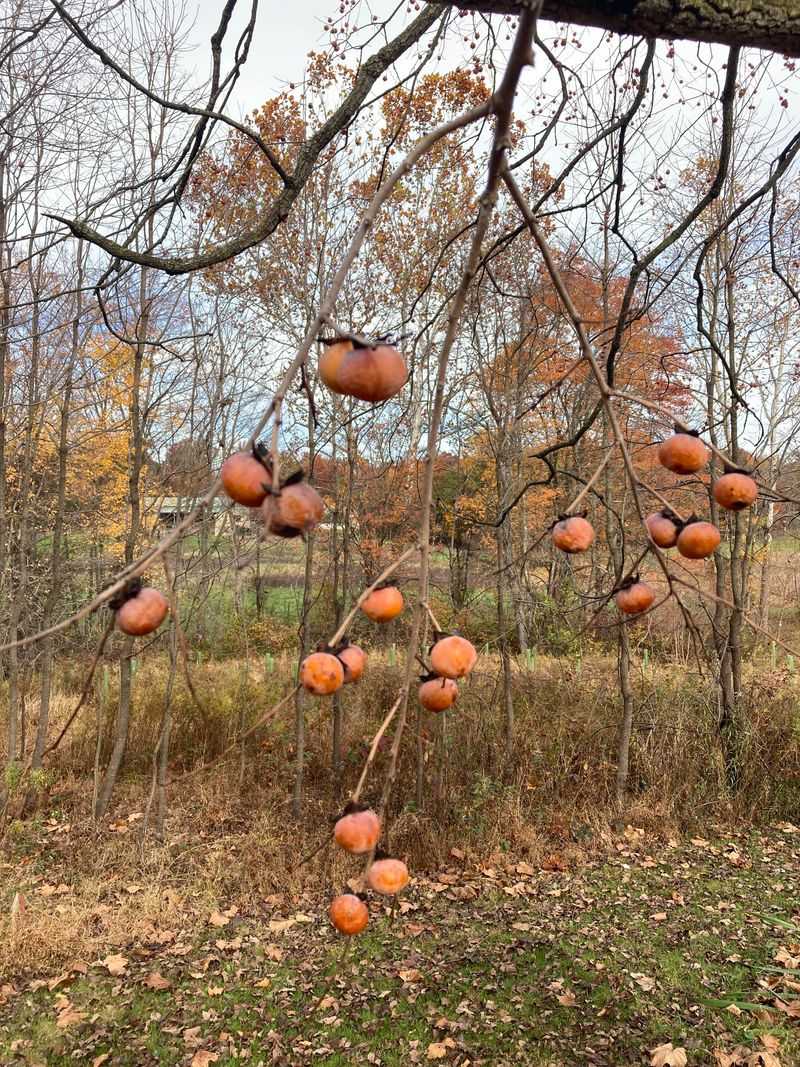
Bite an unripe persimmon, and your mouth puckers like a raisin. Wait until the fruit turns soft and wrinkly, and it tastes like sweet custard.
Native to eastern America, this tree grows wild in tough places. Rocky hills, sandy clay, and wet clay fields all suit it nicely.
Growers in Western New York report strong results in heavy clay. Its long taproot drills deep, finding water during summer dry spells.
Hardiness from Zone 4 through 9 covers much of the state. Named varieties like Prok and Meader handle northern winters especially well.
Bark makes the tree worth growing even without fruit. Deep blocky ridges look like alligator skin and add interest all winter.
Fruit ripens in fall, often after the first frost. Orange globes cling to bare branches like tiny lanterns.
Pick only fruit that feels mushy and drops easily. Many growers simply collect persimmons from the ground each morning.
Pulp works wonderfully in breads, cookies, and puddings. Freeze extra pulp in bags for a sweet treat in midwinter.
Plant young trees rather than big ones. Taproots dislike being moved, so small container trees settle in faster.
Many wild persimmons need both male and female trees. Meader sets fruit alone, making it a handy pick for small lots and patient gardeners.
6. Pawpaw For Tropical Flavor In A Hardy Tree
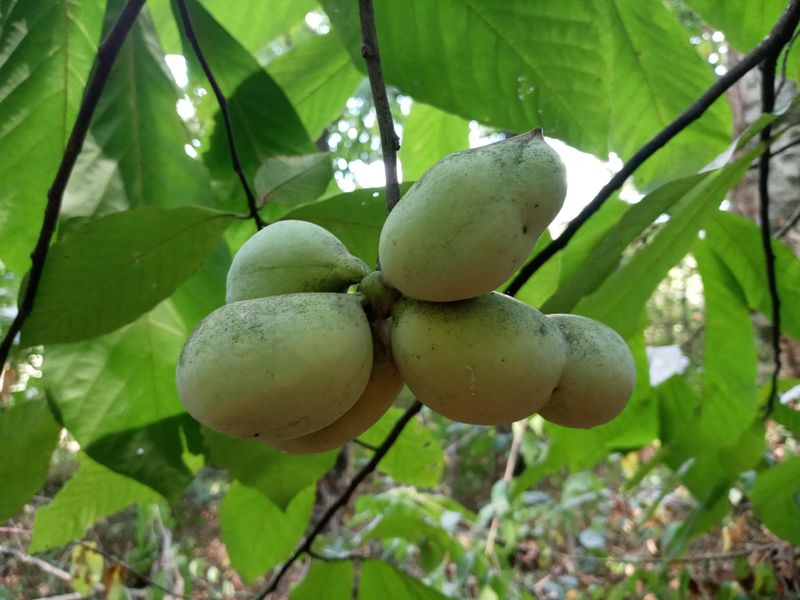
Imagine a banana and a mango sharing a creamy custard, and you have a pawpaw. Few people expect such tropical flavor from a tree that handles snow.
It is actually the largest edible fruit native to North America. George Washington reportedly enjoyed chilled pawpaws as a dessert.
Native range covers the eastern United States, with hardiness in Zones 5 through 9. Many parts of New York fit that window.
Pawpaws prefer rich, slightly acidic, well-drained ground. They can adapt to clay, though long periods of soggy soil cause trouble.
Mounding is your best friend here. Build a low hill of topsoil and compost, then plant on top so water drains away.
Young seedlings like some shade their first year or two. Tree tubes, burlap screens, or an old patio umbrella can protect tender leaves.
Mature trees need full sun to fruit well. Plan the spot for the tree’s future, not its size today.
Pollination needs two different varieties. Flies and beetles handle the job, so some growers hang fish scraps nearby to invite them.
Ripe fruit gives slightly when squeezed, like a peach. It spoils quickly, so eat it fresh or freeze the pulp for smoothies.
Deer usually ignore pawpaw leaves. For suburban growers battling hungry herds, that trait alone feels like winning the lottery.
7. Native Red Mulberry For Heavy Summer Crops
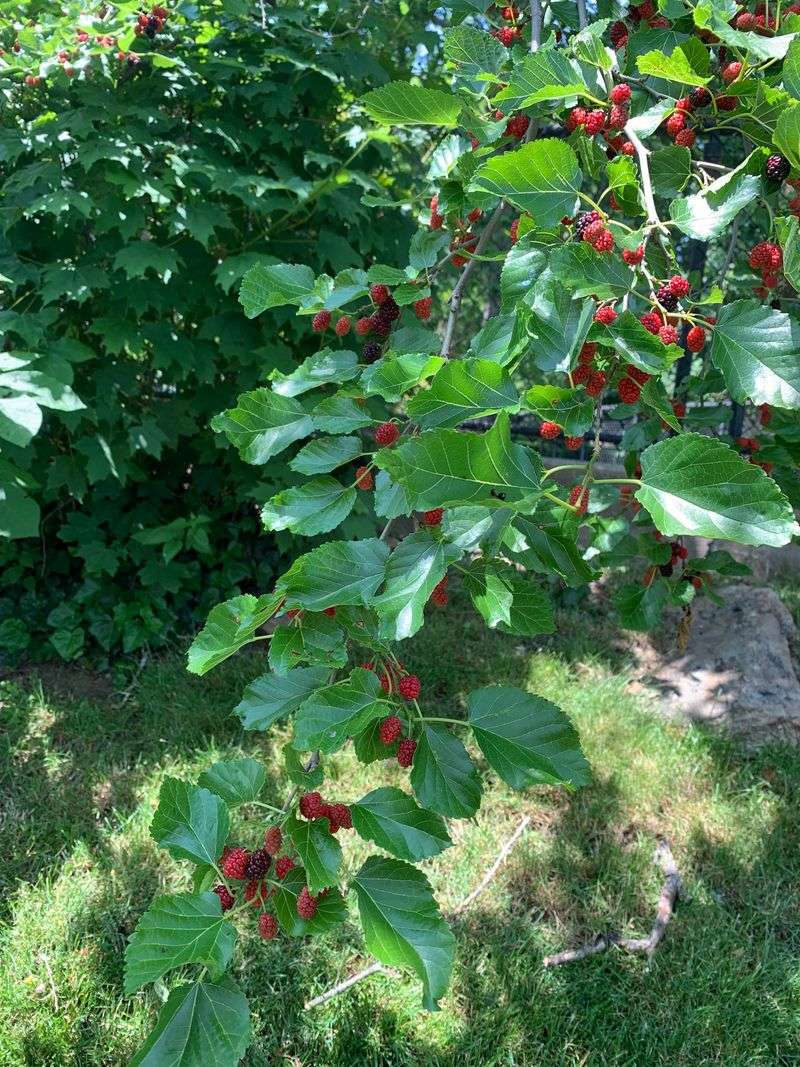
Kids with purple fingers usually mean a mulberry tree is nearby. Few fruit trees produce so much, so fast, with so little help.
Morus rubra is the only mulberry native to eastern North America. It grows wild in New York and feels right at home in heavy clay.
Wet, dry, or even alkaline soil suits this tree. In nature, it often shows up along flood plains and damp woods.
Speed is a big bonus. Some young trees start bearing juicy berries within one or two years of planting.
Hardiness runs from Zone 4 or 5 through 8. Full sun brings the heaviest crops in early summer.
Berries look a lot like long blackberries. Flavor ranges from sweet to gently tangy, perfect for eating fresh or making jam.
Harvesting is simple and fun. Lay an old sheet under the branches, shake gently, and gather a bowl in minutes.
Many red mulberries grow as separate male and female trees. Planting a few improves your odds of getting fruit.
Keep trees away from driveways and patios. Dropped berries stain concrete and cars, and birds will spread purple spots everywhere.
Wildlife adores this tree, from cardinals to box turtles. Native red mulberries also face competition from white mulberry, so buy from trusted native plant nurseries.
8. Serviceberry For Early Berries And Spring Flowers
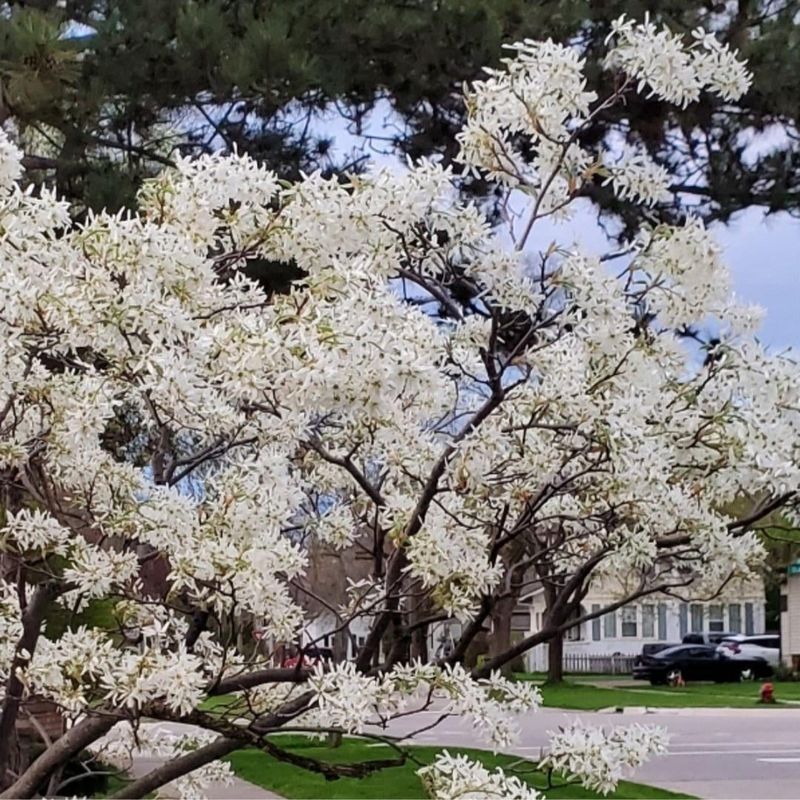
Old-timers say serviceberry blooms when the ground thaws enough for spring church services. Whether true or not, the name stuck around for centuries.
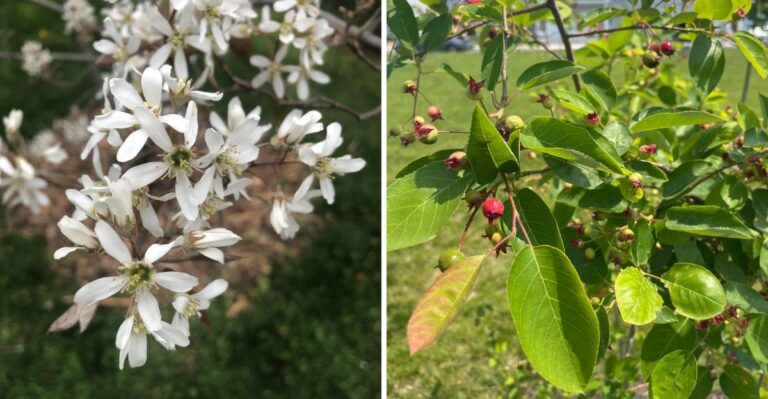
White blossoms appear in April or May across New York. Airy flowers cover the branches before most trees even show leaves.
By June, clusters of purple berries follow. Flavor hints at blueberry, almond, and cherry, all in one soft bite.
Clay soil is acceptable for this adaptable native. Moist, slightly acidic ground with a pH of 5.0 to 7.0 works best.
Compost helps prevent root rot in very heavy clay. Work it into a broad circle so roots can spread outward easily.
Hardiness covers Zones 4 through 8. Even chilly northern counties can grow serviceberry with confidence.
Self-fruitful plants set berries without a partner. A single tree can still give you a satisfying summer bowl.
Full sun boosts both flowers and fruit. Partial shade works too, making it great near woodland edges.
Birds race you for the harvest, so check daily as berries darken. Netting a small tree saves plenty of fruit for pies and pancakes.
Fall color adds one more reason to plant it. Leaves glow orange and red, giving you beauty in three seasons from one tidy tree.
9. American Plum For A Tough, Thicket-Forming Native
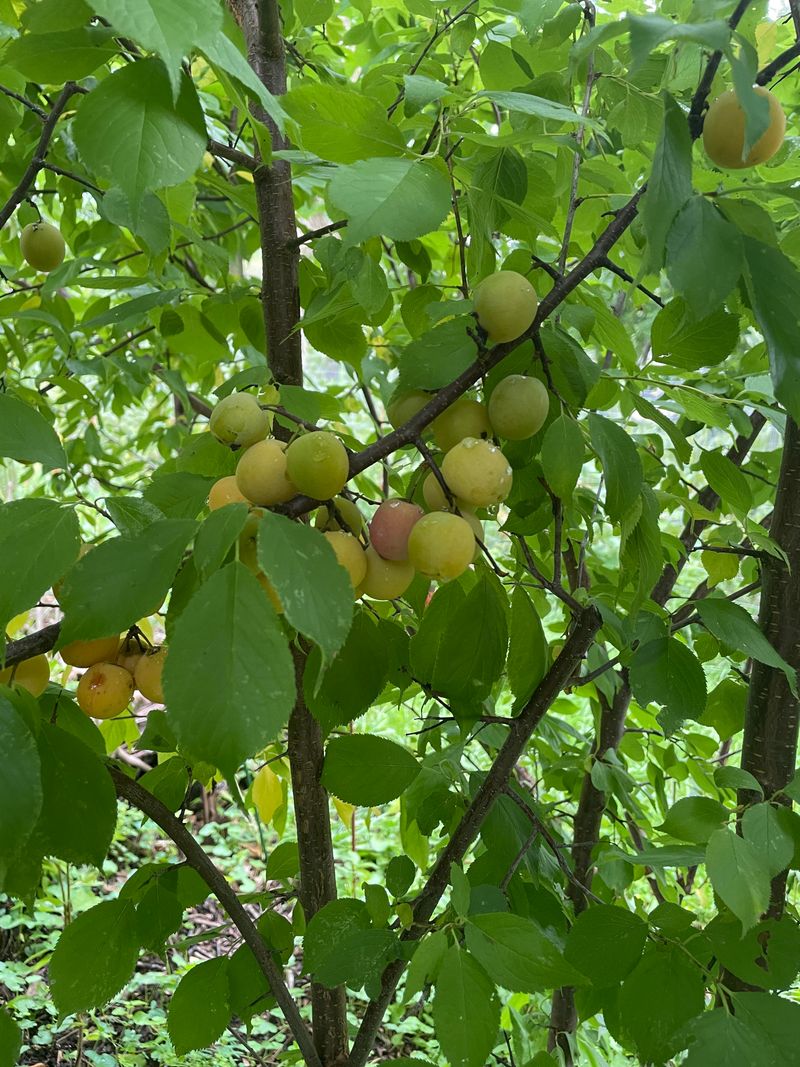
Tough as old boots, American plum laughs at soil that frustrates fancier fruit trees. Pioneers found it growing wild along creeks and fence lines.
Prunus americana tolerates almost any ground. Heavy clay, gravelly slopes, flood plains, and alkaline patches all work.
Hardiness reaches Zone 4, handling harsh upstate winters easily. Cold snaps that damage European plums rarely bother this native.
Fragrant white flowers open in spring before leaves appear. Bees and early butterflies flock to the sweet-smelling branches.
Small plums ripen red and yellow by late summer. Raw fruit tastes tart, yet it cooks into bright, tangy jam and jelly.
Root suckers make this plant form dense thickets over time. You can mow them down or let them spread into a living hedge.
Thickets offer shelter for songbirds, rabbits, and pollinators. They also make a friendly windbreak or privacy screen along a property line.
For a single tree shape, clip suckers every spring. Choose one strong trunk and remove competing shoots at ground level.
Plant at least two for better pollination. Wild plums cross easily, so each tree may taste slightly different.
Pests seldom cause serious harm to this rugged native. It rounds out a clay-friendly orchard that can feed people and wildlife for decades.