Don’t Touch This Beautiful But Toxic Pennsylvania Mushroom
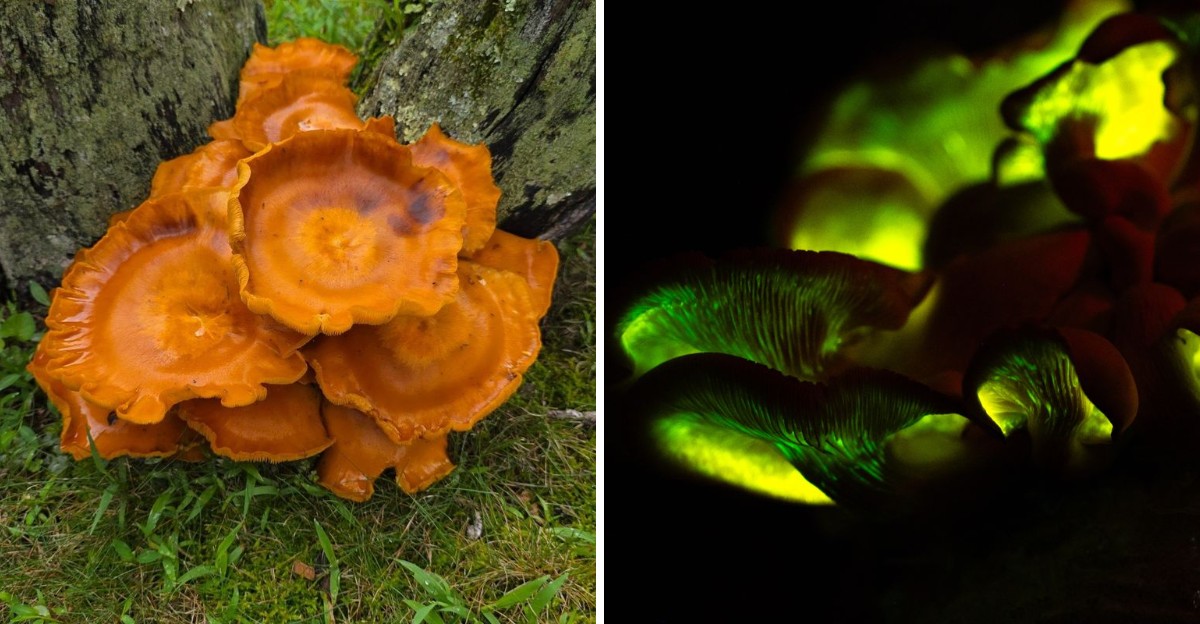
It’s bright orange, it grows in big, eye-catching clusters, and it shows up right on time for fall. At first glance, it almost looks like a seasonal decoration someone left at the base of a tree. Don’t let its good looks fool you.
This striking mushroom pops up across Pennsylvania from late summer through autumn, usually on stumps, buried roots, or around the trunks of hardwood trees.
It’s so vivid that hikers and homeowners often stop to snap a photo. Some even take it home, thinking they’ve found a prized wild edible.
That’s where the trouble starts. This lookalike is often confused with chanterelles, but eating it can lead to severe stomach cramps, vomiting, and a very rough couple of days. It even has a strange trick up its sleeve. In the dark, its gills can give off a faint, eerie glow.
Meet The Jack-O’-Lantern Mushroom
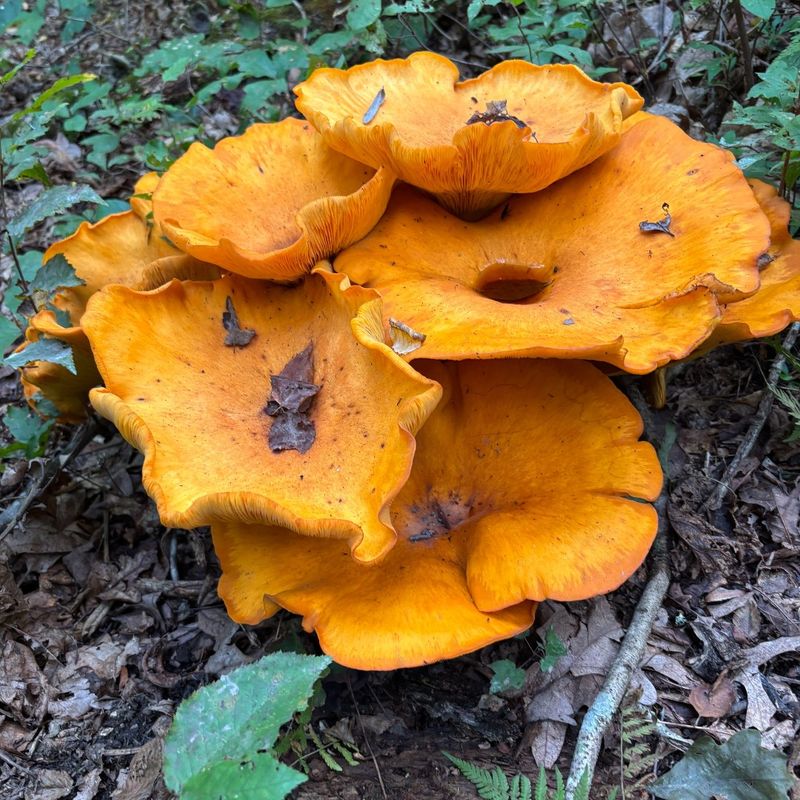
Nature loves a good disguise, and few things prove it better than the jack-o’-lantern mushroom. Its name fits perfectly. The bright orange color looks just like a carved pumpkin on a porch in October.
You can find it across eastern North America, and Pennsylvania is one of its favorite homes. It shows up in forests, parks, and even suburban yards. Oak trees seem to be a special favorite, though it grows near other hardwoods too.
Timing matters when you are looking for it. The mushroom usually appears from late summer through fall. After a stretch of warm, rainy weather, it can seem to pop up overnight.
One single mushroom would be easy to miss. The jack-o’-lantern rarely grows alone, though. Instead, it forms big, showy clusters that can hold dozens of caps packed together.
Scientists call the eastern species Omphalotus illudens. The word illudens comes from Latin and means something like to deceive or to trick. That is a pretty honest name for a mushroom that fools so many people every year.
Fun fact: a close cousin grows on the West Coast and has an olive tint. Different regions have their own versions, but all of them are unsafe to eat.
So why should you care about a mushroom? Knowing its name is the first step to staying safe. When you can say, hey, that looks like a jack-o’-lantern, you are already thinking like a smart nature explorer.
Snap a photo, make a note of where you saw it, and enjoy it with your eyes only. Next time you walk the trails in fall, keep a lookout for that glowing orange pile.
Clues That Give It Away
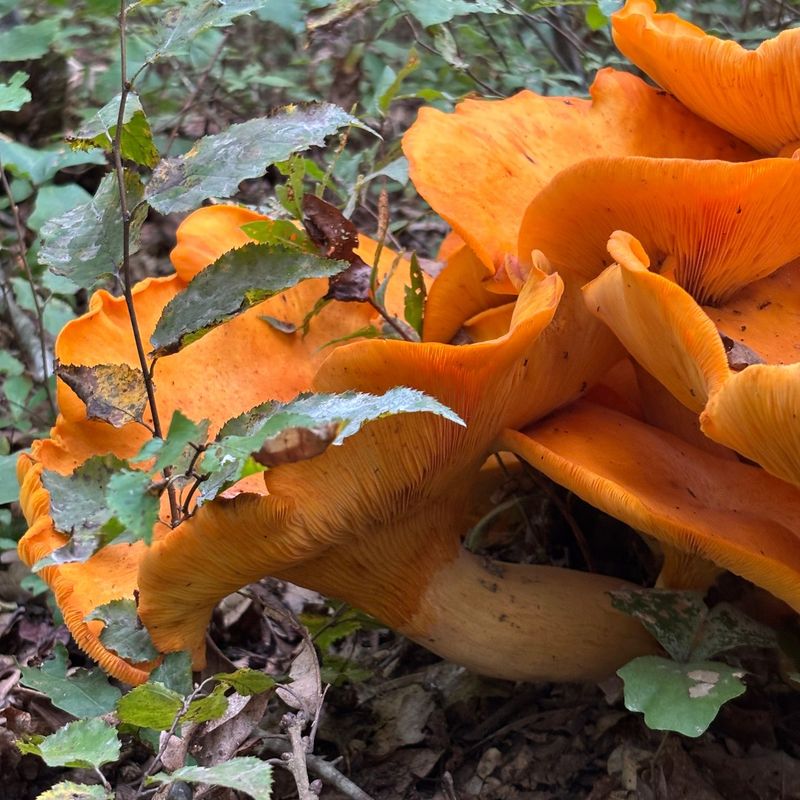
Think of yourself as a detective with a magnifying glass. Every mushroom leaves clues, and the jack-o’-lantern has some very clear ones. Once you know them, spotting it gets much easier.
Start with the cap. It is smooth and bright orange, sometimes with a hint of yellow. Young caps are rounded, while older ones flatten out or even dip in the middle like a shallow bowl.
Your Pennsylvania Garden Changes Every Week. Your Plan Should Too.
Gardening in Pennsylvania changes quickly throughout the season. Every Friday you’ll receive a simple weekly plan showing exactly what to plant, prune, fertilize, harvest, and protect so you never miss the right timing.
Next, flip your attention to the underside, but do not touch with bare hands. Use a stick or wear gloves if you want a closer look. You will see true gills, which look like thin, sharp blades lined up in rows.
Those gills do something special. They run down the stem instead of stopping at the edge of the cap. Experts call this decurrent, but you can just remember that the gills slide down the stalk.
Now check where it is growing. The jack-o’-lantern loves dry hardwood stumps and old roots. Sometimes the wood is buried under the soil, so the mushroom looks like it is sprouting from bare ground.
That last clue tricks lots of people. If you see orange mushrooms in the grass, dig a little with a stick. You might find rotting wood hiding just below. Here is a quick checklist to remember:
Bright orange all over, including the inside flesh. Sharp, blade-like gills running down the stem. Tight clusters with stems joined at the base. Growing from wood, even if the wood is hidden.
Keep that list on your phone during fall hikes. When most of the boxes are checked, you have likely found a jack-o’-lantern.
A Spooky Green Glow
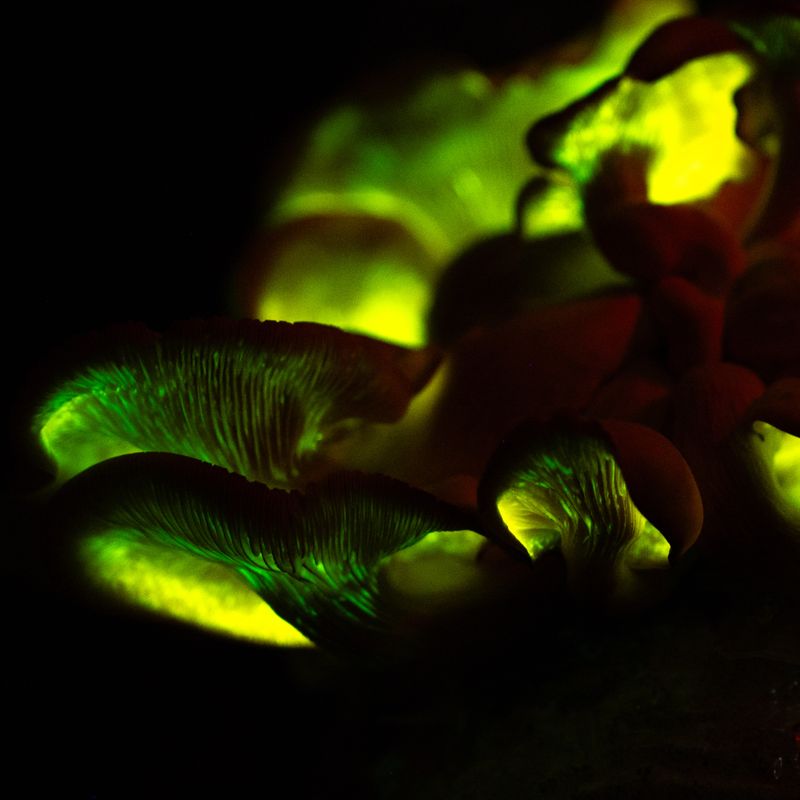
Believe it or not, some mushrooms can light up the night. The jack-o’-lantern is one of them. Its gills can give off a soft, eerie green glow in total darkness.
Scientists have a big word for this. It is called bioluminescence, which simply means light made by a living thing. Fireflies do it, and so do some deep-sea fish.
Inside the mushroom, a chemical reaction creates the light. A substance mixes with oxygen and a helper protein, and a gentle glow appears. No heat is involved, so it is often called cold light.
Old stories tell of campers who saw strange lights in the woods at night. People called it foxfire. Some of those spooky sightings were likely glowing fungi like this one.
Want to see it yourself? You will need patience and the right conditions. The glow is faint, so only very fresh mushrooms tend to shine. Try these tips:
Find a fresh cluster and take one cap home in a paper bag, wearing gloves. Bring it into a room that is completely dark with no nightlights. Let your eyes adjust for about 10 to 15 minutes before you look.
Many people give up too soon. Your eyes need time to get used to the darkness before the glow becomes clear. Some folks say it looks like a tiny ghost.
Nobody knows for sure why the mushroom glows. One idea is that the light attracts insects that help spread its spores. Either way, it makes for an amazing science project.
Just remember to wash your hands and toss the mushroom in the trash afterward.
Why It Can Make You Sick
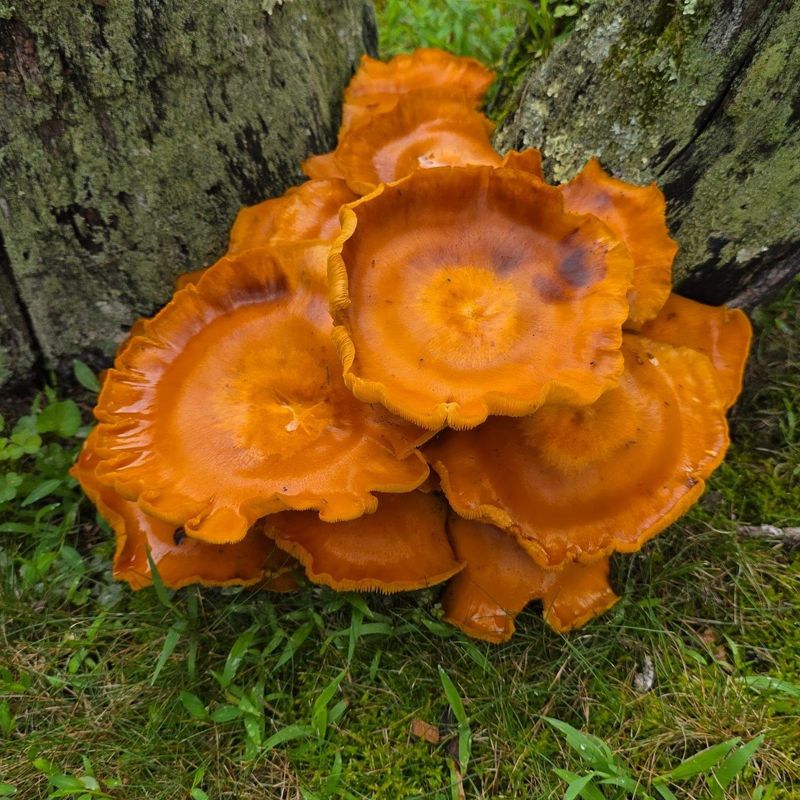
Pretty does not mean safe, and this mushroom proves it. Eating even a small amount of jack-o’-lantern can lead to a very rough day. Poison control centers get calls about it every fall.
The trouble comes from a toxin called illudin. It upsets the stomach and gut in a big way. Symptoms usually start within a few hours after eating it.
What happens? People often have severe vomiting, painful cramps, and diarrhea. Some also feel weak, sweaty, or dizzy. The sickness can last a day or two.
For most healthy adults, it is rarely life-threatening. Still, nobody wants to spend a weekend curled up in misery. Losing that much fluid can also cause dehydration, which is serious.
Some groups face bigger risks. Little kids have small bodies, so a tiny bite can hit them hard. Older adults and people with health problems may also struggle more.
Pets deserve extra attention too. Dogs love to sniff and chew things in the yard. A dog that eats this mushroom may vomit, drool, or act very tired.
Cooking will not help. Heat does not make the toxin go away, so frying or boiling it is still a bad idea.
If someone eats one, act fast and call Poison Control. For pets, call your vet or an animal poison hotline right away.
Try to save a piece of the mushroom or snap a photo. That helps experts figure out what was eaten and how to help. Quick action makes a big difference.
Chanterelle Or Imposter?
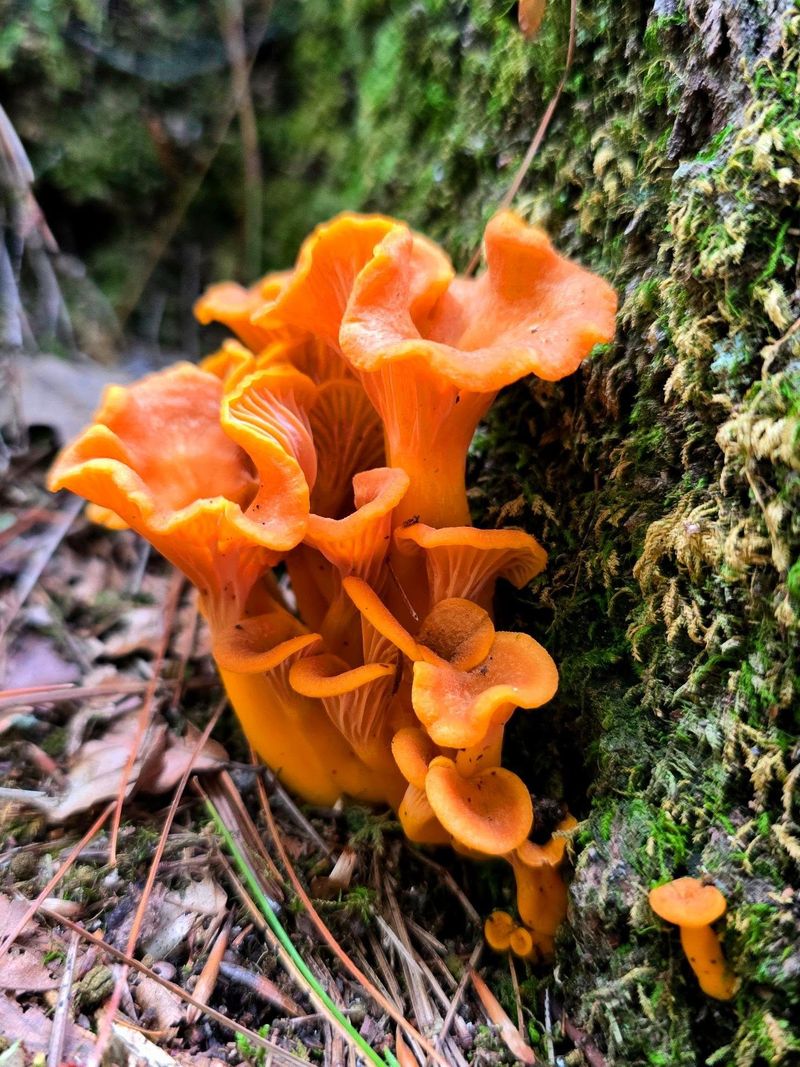
Ask any experienced forager about their scariest mix-up, and the chanterelle often comes up. Chanterelles are delicious, golden mushrooms that chefs love. Sadly, the jack-o’-lantern looks a lot like them at first glance.
Both share that warm orange color. Both show up in summer and fall. Both like hardwood forests in Pennsylvania, which makes things even trickier.
Luckily, a few key differences can save you. Start by looking at how they grow. Chanterelles usually pop up alone or scattered on the ground, a few inches apart.
Jack-o’-lanterns, on the other hand, crowd together in tight bunches. Their stems often fuse at the base like a bouquet. They also grow from wood, even when it is buried.
Now check underneath. Chanterelles have blunt, wavy ridges that fork and look almost melted. Jack-o’-lanterns have true gills that are thin and sharp like knife blades.
Here is one more test. Tear a chanterelle open and the inside is pale, white, or cream colored. A jack-o’-lantern is orange all the way through. Quick comparison:
Chanterelle: single or scattered, on soil, blunt forked ridges, pale inside. Jack-o’-lantern: tight clusters, on wood, sharp true gills, orange inside.
Even with these tips, beginners should never eat a wild mushroom based on a blog post. Join a local group like the Western Pennsylvania Mushroom Club to learn from experts. They lead walks and help people identify finds in person.
A good rule to live by is simple. When in doubt, throw it out. No meal is worth a trip to the emergency room.
Spotted One? Here’s Your Game Plan
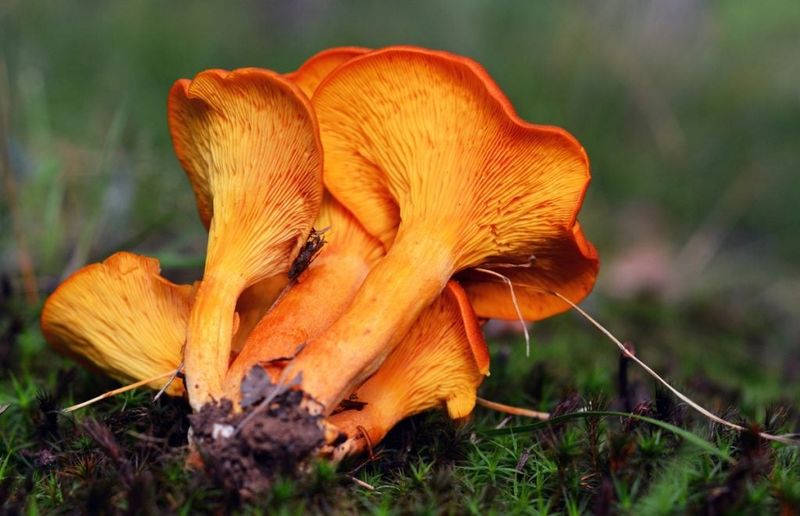
Finding a jack-o’-lantern in your yard can feel like discovering a surprise gift. It is bright, bold, and kind of amazing. Still, you need a smart plan to keep everyone safe.
First, admire it from a distance. Take pictures and enjoy the colors. There is no need to panic, since touching it briefly is not dangerous, but eating it is.
Next, round up the little ones. Kids are curious and may think it looks like candy or a toy. Explain in simple words that this mushroom is only for looking at.
Pets need a watchful eye as well. Keep dogs on a leash near the spot. Walk them in a different part of the yard until the mushrooms are gone.
Want to remove it? Put on gloves and pull the whole cluster out. Seal it in a plastic bag and place it in the trash, not the compost pile.
Wash your hands well afterward, even if you wore gloves. Clean any tools you used too. These small steps add an extra layer of safety.
Remember that the mushroom may come back. It feeds on old roots or stumps underground. As long as that wood is there, new clusters can appear each fall.
Grinding out an old stump can help reduce future crops. A local tree service can handle that job for you.
Finally, share what you learned. Tell neighbors, friends, and family about this glowing orange imposter. The more people who know, the fewer tummy aches and vet visits there will be in your Pennsylvania community.