The Virginia Native Evergreen That Looks Like Boxwood Without The Headaches
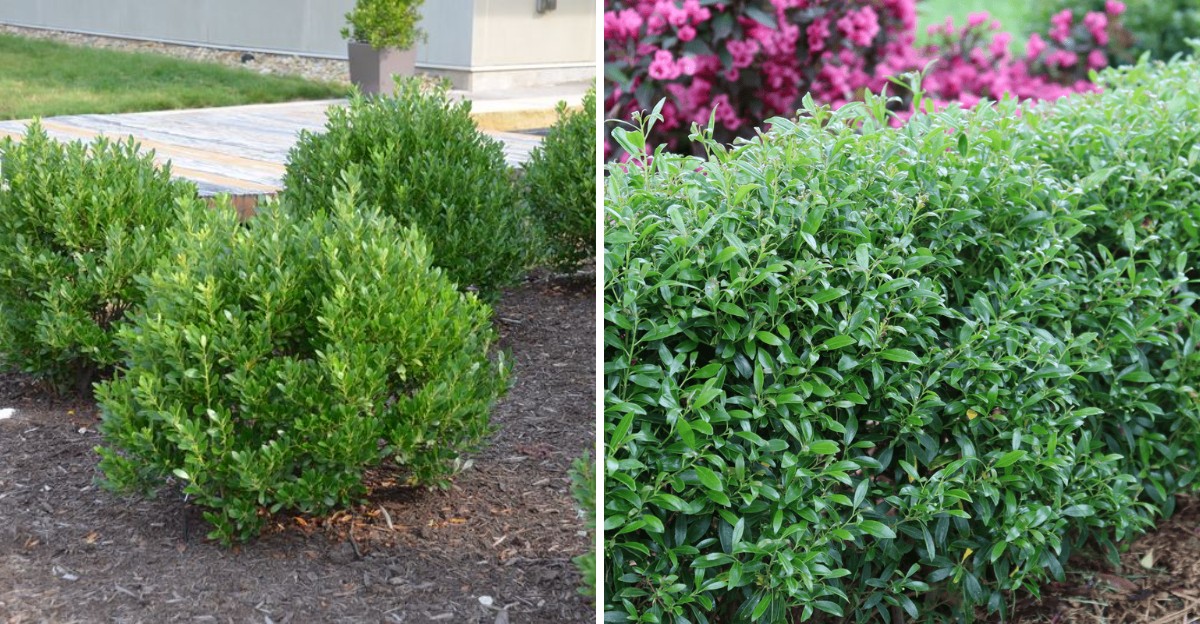
Boxwood has ruled Virginia yards for centuries, lining colonial gardens and grand front walks. Lately, though, it has brought more heartbreak than charm.
Blight and pests have left many gardeners staring at brown, patchy shrubs. Some hedges that took decades to grow have thinned out in a single season.
Luckily, a homegrown hero has been thriving in local swamps and pinewoods all along. Its leaves shine, its berries feed birds, and its spring flowers hum with bees.
Best of all, it keeps that classic clipped look without constant rescue missions. It also shrugs off soggy soil that would sink a boxwood.
The guide below shows why this native makes such a smart swap. If you love formal lines but hate fussy plants, this one deserves a spot in your yard.
Inkberry Holly Is The Swap Worth Making
Walk through any old Virginia neighborhood and you will spot boxwoods lining brick paths. Many look tired now, with bare spots and brown patches.
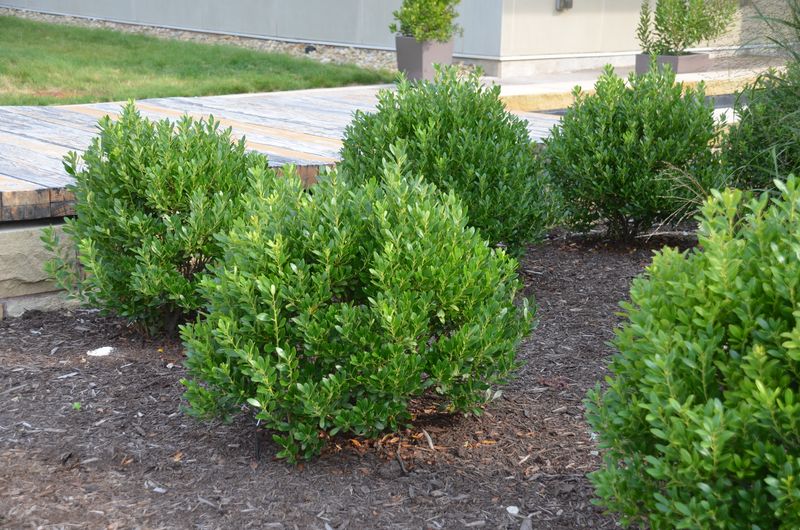
Meet Ilex glabra, better known as inkberry holly. Gardeners across the state recommend it as a native stand-in for European and Asian boxwoods.
Native plants belong to local ecosystems, so they fit right in. Inkberry grows wild in the central and southern Coastal Plain of Virginia.
Year-round structure is the big selling point. Your garden keeps its green bones in January, just like it would with boxwood.
Fewer troubles come along for the ride, too. Inkberry faces far fewer disease and insect problems than its imported lookalikes.
Planting is simple for beginners and pros alike. Dig a hole twice as wide as the root ball and set the shrub level with the ground.
Water deeply once or twice a week during the first summer. After that, the roots settle in and need much less help from you.
Cost is another quiet perk worth mentioning. Replacing sick boxwoods over and over adds up faster than most people expect.
Local nurseries often carry inkberry in several sizes and forms. Ask for it by its scientific name to be sure you get the right plant.
Think of the switch as an upgrade rather than a sacrifice. You keep the polished look while gaining a plant built for local weather.
Start small with one bed if you feel unsure. Once you see how easy it is, you may want to swap every tired shrub.
Glossy Evergreen Leaves Look Like Boxwood
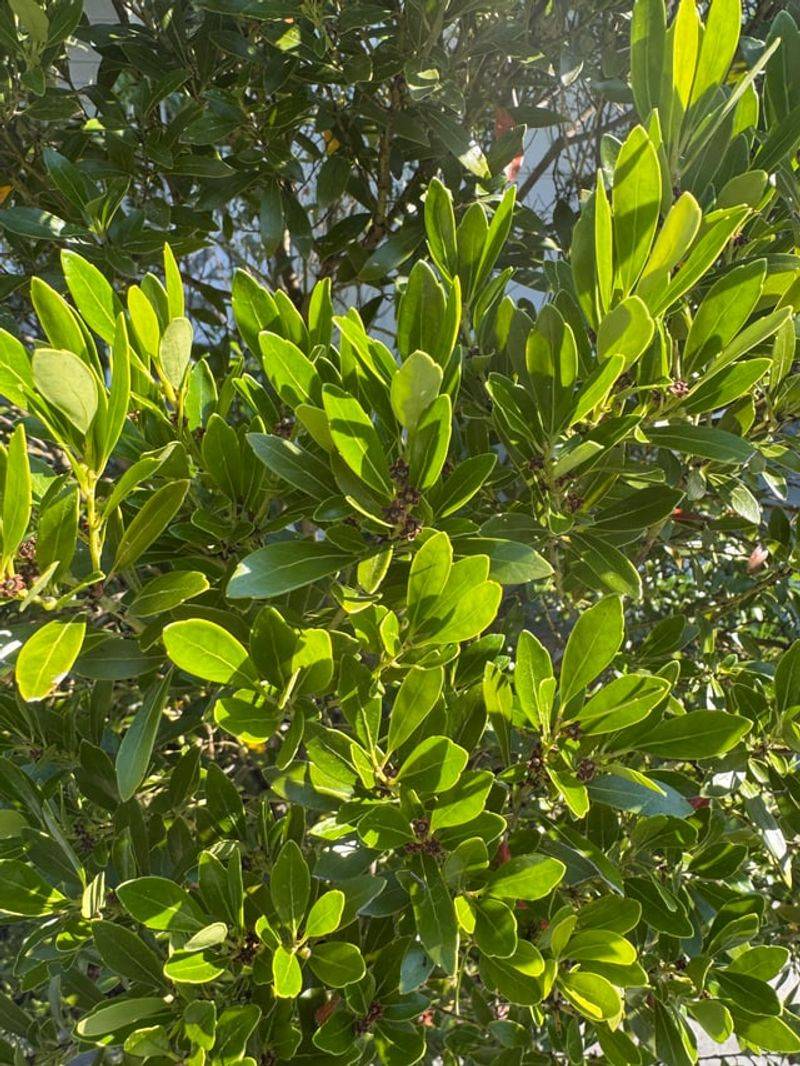
Squint at an inkberry hedge from across the yard. Chances are, you will guess it is boxwood without a second thought.
Small, narrow leaves create that familiar fine texture. Each leaf is dark green and shaped a bit like a slim oval or lance tip.
Shine is where inkberry adds its own flair. The leaves carry a glossy finish that catches sunlight and looks freshly polished.
Unlike many hollies, inkberry has no sharp spines. You can brush past it or trim it without getting poked in the arms.
Look closely and you might notice a few blunt teeth near the leaf tips. Most edges stay smooth, which adds to the tidy appearance.
Your Virginia Garden Changes Every Week. Your Plan Should Too.
Gardening in Virginia changes quickly throughout the season. Every Friday you’ll receive a simple weekly plan showing exactly what to plant, prune, fertilize, harvest, and protect so you never miss the right timing.
Boxwood leaves are rounder and pack together tightly on the stems. Inkberry leaves grow a bit longer, yet the overall effect reads nearly identical.
Winter color can shift slightly in cold, exposed spots. Some plants take on a bronze or purple tint during the chilliest weeks.
Shelter from harsh winter wind helps keep leaves deep green. Planting near a house wall or fence offers helpful protection.
Designers love fine-textured shrubs for framing doors and paths. Inkberry fills that role nicely in both formal and relaxed gardens.
Pair it with bold-leaved plants like hostas or oakleaf hydrangea. The contrast makes each plant stand out in a pleasing way.
Here is a fun fact for your next garden chat. Early settlers once used inkberry leaves to brew a tea substitute.
Boxwood Blight Isn’t A Concern
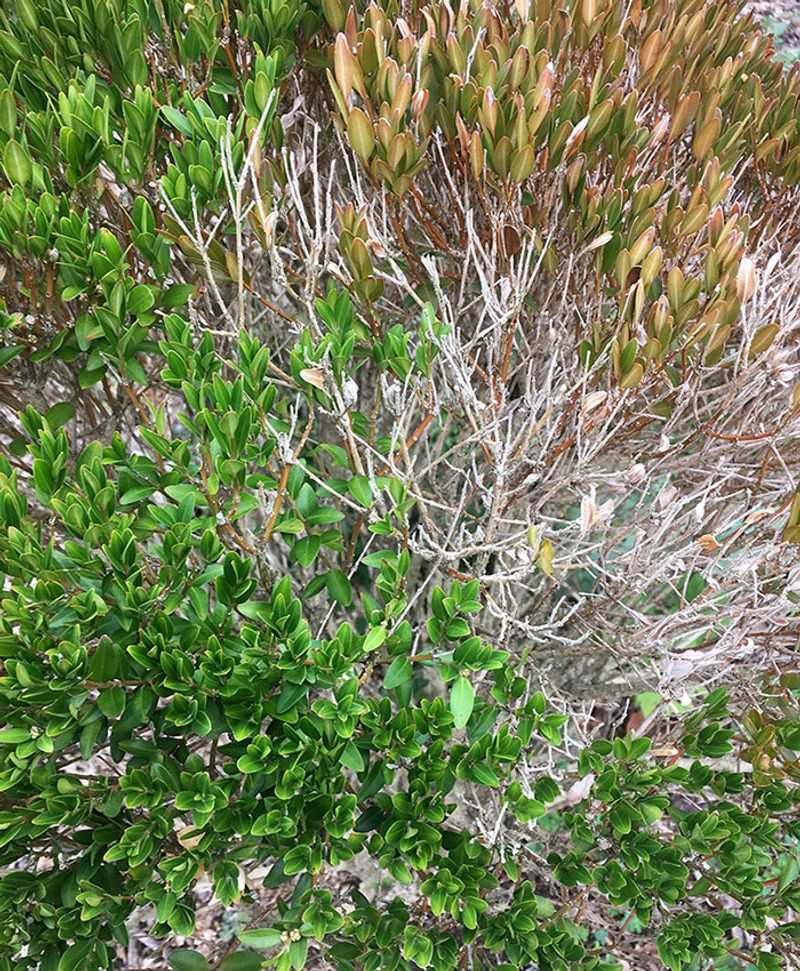
Few things sting like watching a beloved boxwood turn brown in a single season. Boxwood blight has done exactly that to many gardens.
Blight is a fungal disease that spreads quickly in warm, humid weather. Leaves develop dark spots, then drop, leaving bare stems behind.
Spores travel on tools, shoes, gloves, and even rain splash. Once it arrives, controlling it can feel like a losing battle.
Good news arrives in the form of inkberry holly. It is not susceptible to boxwood blight at all.
Beyond blight, inkberry has no serious disease or insect problems. That means fewer sprays, fewer worries, and more free weekends.
Removing infected boxwoods takes care, though. Bag the plants and fallen leaves, then throw them away rather than composting them.
Clean pruners and shovels with rubbing alcohol after handling sick shrubs. Doing so helps protect any healthy plants nearby.
Wait a little while, then plant inkberry in the same spot. Since blight does not bother it, the bed can stay green again.
Healthy habits still help any shrub thrive. Give plants good airflow and water at the base instead of spraying leaves.
Many homeowners have already made this exact swap. Their hedges look lush while neighbors keep battling brown spots.
Peace of mind might be the greatest gift here. Your garden becomes a place to relax, not a constant repair project.
It Handles Both Wet And Dry Soil
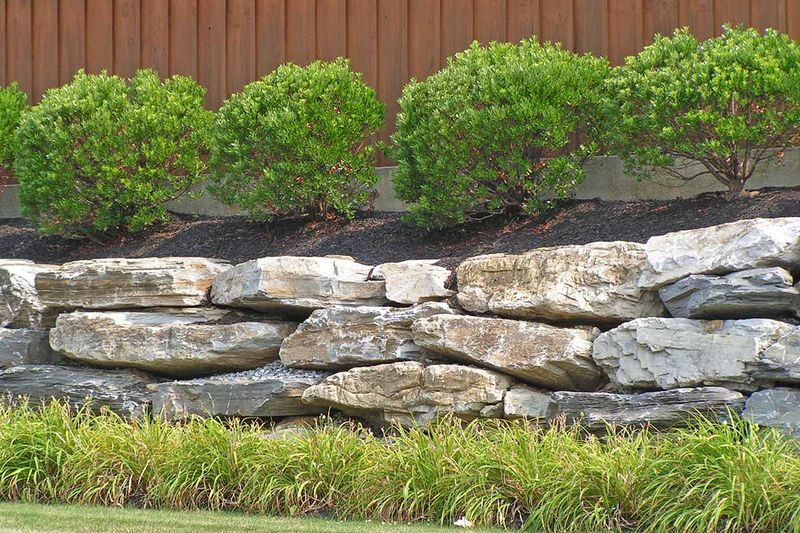
Soggy corner by the downspout? Parched strip near the driveway?
Inkberry can often handle both without much complaint.
Wild inkberry grows in swamps, bogs, and sandy pine flats. Such a varied home range gives it impressive flexibility in gardens.
Acidic, well-drained soil suits it best. Still, it tolerates moist ground and even spots that flood now and then.
Boxwood, by contrast, sulks in wet feet and often develops root rot. Inkberry shines in places where boxwood struggles to survive.
Rain gardens make a great home for this shrub. Plant it along the edges where water collects briefly after storms.
Drought tolerance kicks in once roots are established. Give it a year or two, and it can ride out dry spells fairly well.
Mulch helps in both situations. A two-inch layer of shredded bark keeps moisture steady and roots cool in summer.
Keep mulch a few inches away from the stems, though. Piling it against the trunk can invite rot and pests.
Test your soil if leaves turn yellow between the veins. High pH can block iron, so adding sulfur may help.
Clay soil is common across much of Virginia. Inkberry manages clay better than many shrubs, especially with some compost mixed in.
Sun or part shade both work for this plant. Full sun produces the densest growth, while deep shade leads to thinner branches.
Compact Varieties Stay At Hedge Height
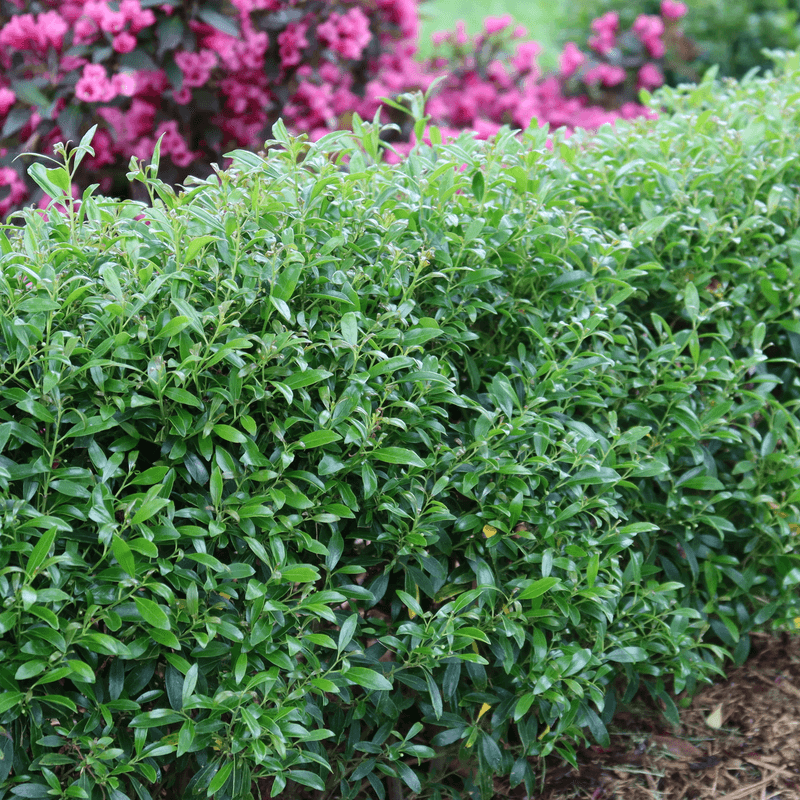
Size matters when you want a low, neat border. Luckily, inkberry comes in options for nearly every spot.
Wild inkberry typically grows five to eight feet tall and wide. Some plants even stretch up to ten feet over time.
Breeders have created shorter forms for tidy spaces. Popular picks include Gem Box, Strongbox, Compacta, and Shamrock.
Most compact types mature around two to four feet tall and wide. Such a size works beautifully for low hedges and walkway edges.
Gem Box and Strongbox were bred to mimic boxwood closely. Their dense branching and tight habit hold up well near the ground.
Shamrock offers bright green new growth and a rounded shape. It works nicely in foundation beds under windows.
Spacing is key for a solid hedge. Plant compact types about two to three feet apart, depending on the mature width listed.
Read plant tags carefully before buying. Mature size saves you from endless pruning or crowded shrubs down the road.
Bigger straight species plants still have a job to do. They make excellent privacy screens along property lines.
Mixing sizes adds depth to a garden bed. Try tall inkberry in the back and compact types in front for layers.
Picking the right cultivar is honestly half the battle. Match the plant to the space, and maintenance gets much easier.
Female Plants Produce Black Berries For Birds
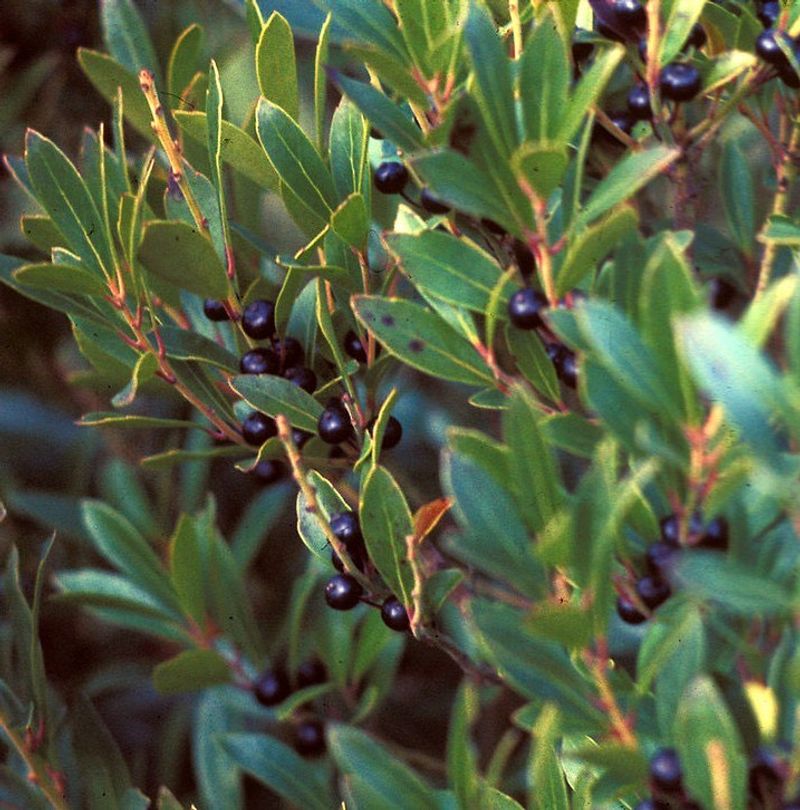
Ever wonder where the name inkberry comes from? One look at its glossy black fruit in autumn clears up the mystery.
Inkberry is dioecious, a fancy word for plants with separate sexes. Male flowers grow on one plant and female flowers on another.
Only females make berries. Each shiny fruit measures about a third of an inch across.
Berries ripen in early fall and often hang on through winter. Birds and small mammals count on them when food runs scarce.
Robins, mockingbirds, and bluebirds are frequent visitors. Watching them feast from a kitchen window can brighten a gray February day.
A male plant must grow nearby for berries to form. One male can usually pollinate several females within a reasonable distance.
Nurseries often label plants as male or female. Ask staff if tags are unclear, since many compact cultivars are one sex.
Some gardeners prefer male plants for a cleaner look. Without berries, the hedge stays uniformly green all year.
Wildlife lovers usually go the other route. Planting a mix supports birds and adds a bit of seasonal sparkle.
The berries are not meant for people to eat. Keep curious kids and pets from snacking on them, just to be safe.
Leave the fruit on the branches through winter. You will be running a free bird buffet right in your own yard.
Deer Usually Leave It Alone
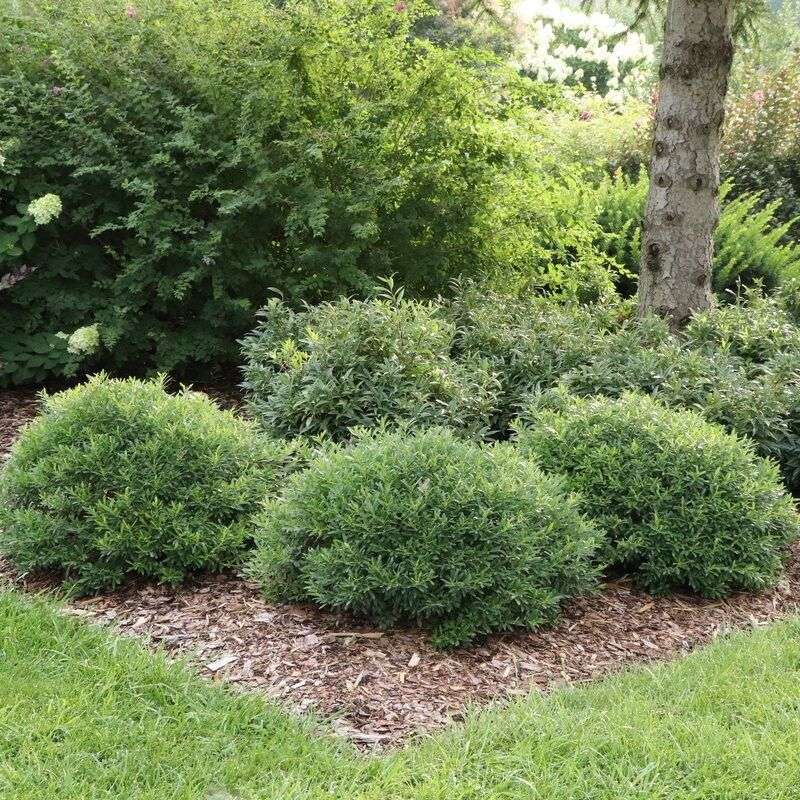
Deer can turn a lovely garden into a salad bar overnight. Anyone living near woods in Virginia knows that frustration well.
Inkberry holly is generally considered deer resistant. Its leaves taste bitter, which tends to send hungry deer elsewhere.
No plant is fully deer-proof, of course. In areas with heavy deer traffic, a curious deer may sample a few leaves.
Softer shrubs like hostas, azaleas, and arborvitae usually get eaten first. Inkberry often ends up low on the menu.
Young plants face the most risk. Tender new growth can tempt deer more than tough, mature leaves.
Protect fresh plantings with netting for the first winter. Simple stakes and deer mesh cost little and work well.
Repellent sprays offer another layer of defense. Reapply after heavy rain, and switch brands now and then so deer do not adjust.
Grouping plants helps as well. Tuck tasty perennials behind inkberry to create a bitter barrier deer avoid.
Boxwood is also deer resistant, which made it popular for generations. Inkberry keeps that benefit while skipping the blight troubles.
Watch for signs of browsing, like torn leaf edges. Deer lack upper front teeth, so they rip leaves rather than snip them.
Give it a season or two, and you will likely notice something nice. Your hedge stays full while nearby shrubs look nibbled.
Bees Flock To Its Spring Flowers
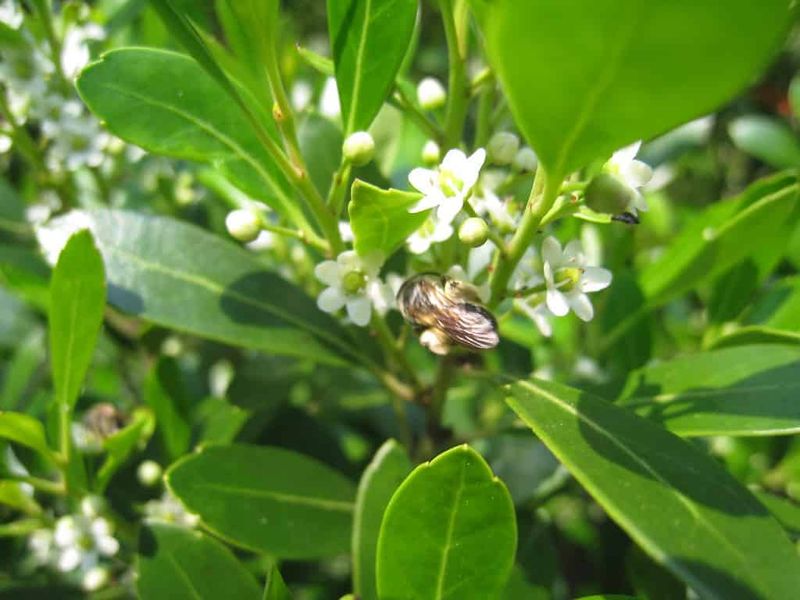
Lean in close on a warm May afternoon, and you might hear a soft buzz. Tiny flowers are hiding among the glossy leaves.
Inkberry blooms from May into June. The flowers are small, whitish-green, and easy to miss from the sidewalk.
Bees certainly do not miss them, though. Rich nectar attracts honeybees along with several specialist native bees.
Here is a sweet bit of trivia. Honeybees turn inkberry nectar into gallberry honey, a prized treat in the Southeast.
Gallberry honey has a mild, buttery flavor. Beekeepers in coastal regions often seek out large inkberry stands for it.
Boxwood flowers offer bees very little by comparison. Swapping to inkberry turns a hedge into a real pollinator pit stop.
Skip pesticides during bloom season to protect visiting insects. Even gentle sprays can harm bees feeding on the flowers.
Plant other spring bloomers nearby for a longer buffet. Native choices like golden ragwort and wild columbine pair well.
Flowers on female plants later become the black berries birds love. Pollinators help make that winter food supply possible.
Kids enjoy watching bees at work up close. Grab a magnifying glass and turn a quiet afternoon into a backyard science lesson.
Small blooms can make a big difference. Your hedge quietly supports local wildlife while still looking crisp and neat.
Suckers Help Fill Gaps Over Time
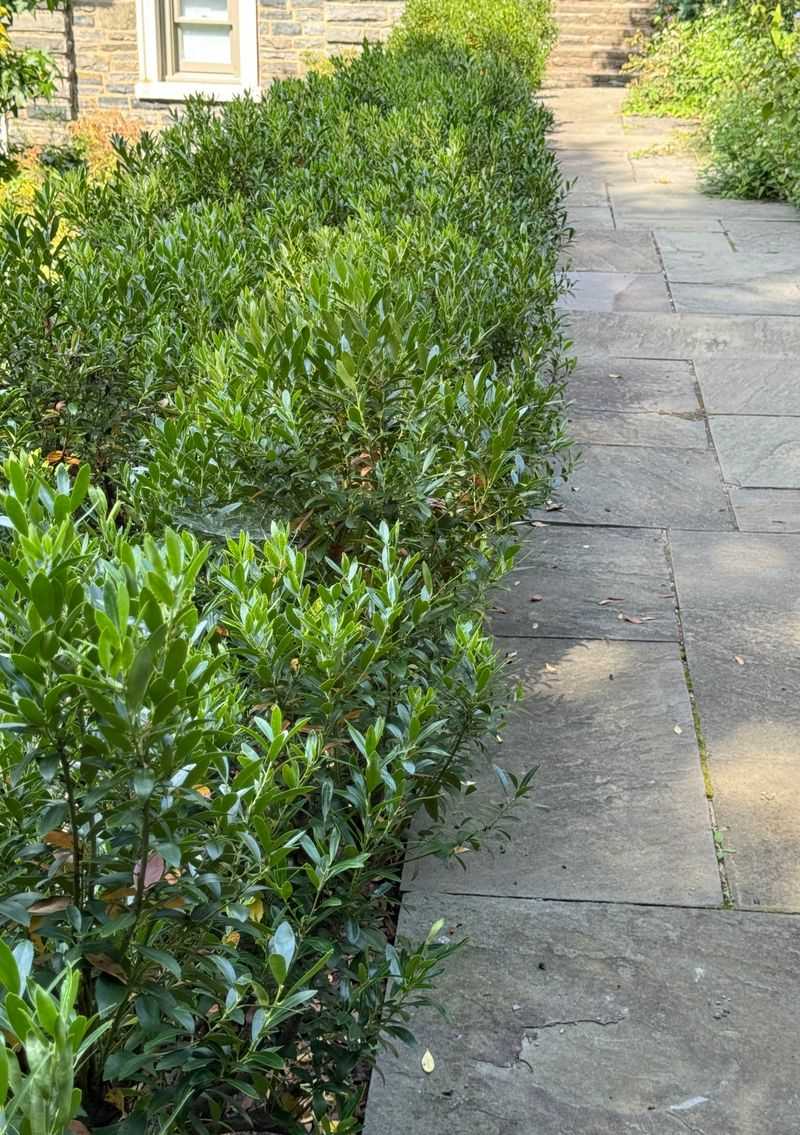
Patience pays off with inkberry, and sometimes it pays you back with extra plants. New shoots can pop up around the base over time.
Inkberry spreads through underground stems and root suckers. In the wild, it forms dense colonies across wet woodlands.
Gardeners can use that habit to their advantage. Gaps in a hedge slowly fill in without replanting.
Mass plantings benefit most from suckering. A loose group of shrubs gradually knits into one thick green mass.
Informal screens love this trait too. Spread along a back fence, inkberry can create a natural, full barrier.
Formal hedges may need more control. Snip unwanted suckers at ground level with sharp pruners.
Removing them in spring keeps the job quick. Shoots are small and easy to cut before they toughen.
Want free plants? Dig up a sucker with some roots attached and replant it in a new spot.
Water transplanted suckers well for several weeks. Small divisions dry out faster than nursery plants do.
Edging helps keep spreading in check near lawns. A simple metal or plastic barrier can guide growth where you want it.
Compact cultivars tend to sucker less than the wild species. Check with your nursery if tidy edges matter most to you.
A Light Spring Trim Keeps The Base Full
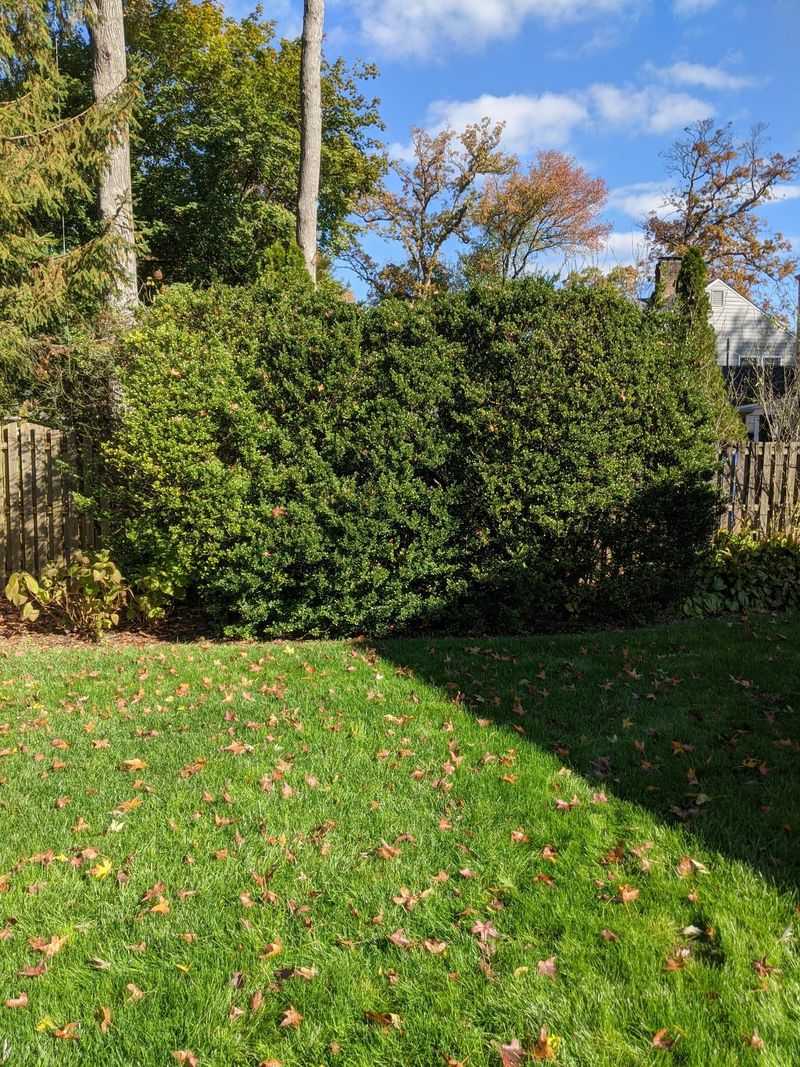
Nobody wants a hedge with bare knees. Older inkberry shrubs can lose lower leaves if they go untrimmed for years.
Pruning is the easy fix. Inkberry responds well to cutting and bounces back with thick new growth.
Timing makes a real difference. Late winter or early spring, before new shoots appear, works best in Virginia.
Shape the hedge slightly wider at the bottom than the top. Sunlight then reaches the lower branches and keeps them leafy.
Hand pruners give a more natural look than electric shears. Cut individual stems just above a leaf or side branch.
Remove a few of the oldest stems at ground level every couple of years. Fresh shoots then sprout from the base.
Overgrown plants can handle harder cuts. Trim them back by about a third to encourage new branching.
Avoid heavy pruning late in summer. New growth may not toughen up before cold weather arrives.
Keep tools sharp and clean for smooth cuts. Clean cuts heal faster and look much neater on the plant.
Female plants set berries on growth from the previous year. Light trimming keeps plenty of fruit for birds later on.
A short session each spring goes a long way. Your hedge will stay full, green, and handsome for years to come.