The Leaf Problem Virginia Gardeners Keep Misreading As Disease
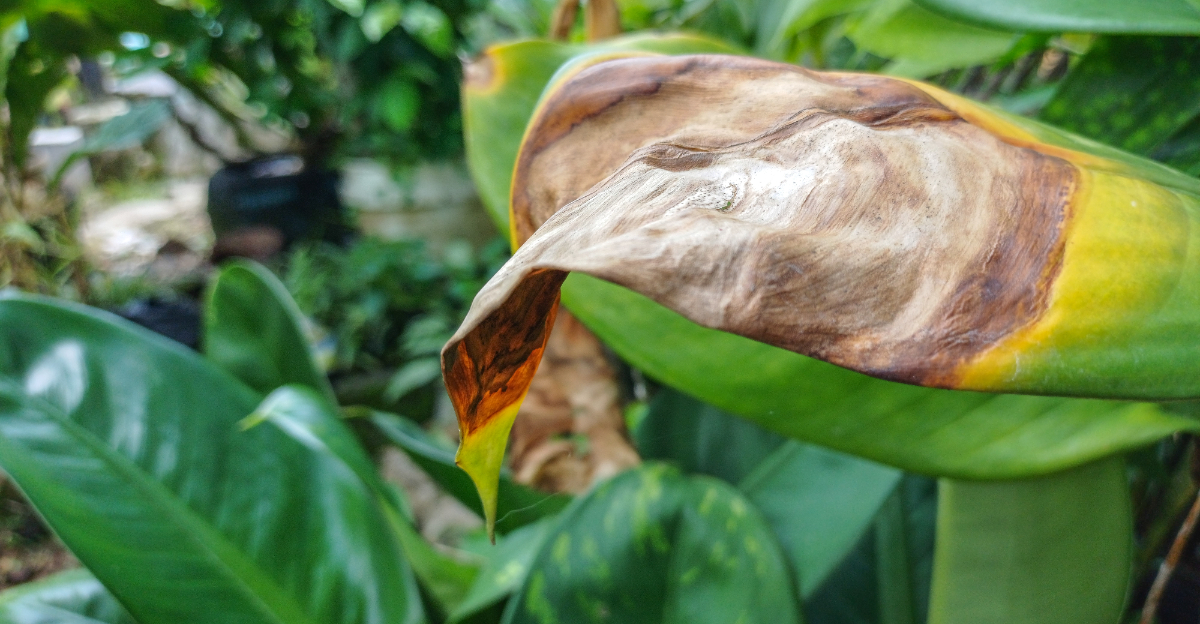
One thing stops Virginia gardeners cold every summer, leaves that look diseased but are not. The damage shows up fast: brown edges, brittle tips, foliage that looks scorched from the inside out.
Fungus is usually the first suspect, and that is exactly where things go wrong. Reaching for the wrong treatment wastes time your plants do not have.
Something else entirely is going on, and it mimics disease well enough to fool even experienced growers. Miss that distinction and you spend the season chasing a problem that was never there.
The signs are readable once you know what to look for, and in Virginia, the answer always has more to say.
Heat Scorch Is The Real Reason Behind The Damage
Leaves do not lie, but they can definitely mislead you. Heat scorch happens when a plant loses water faster than its roots can replace it.
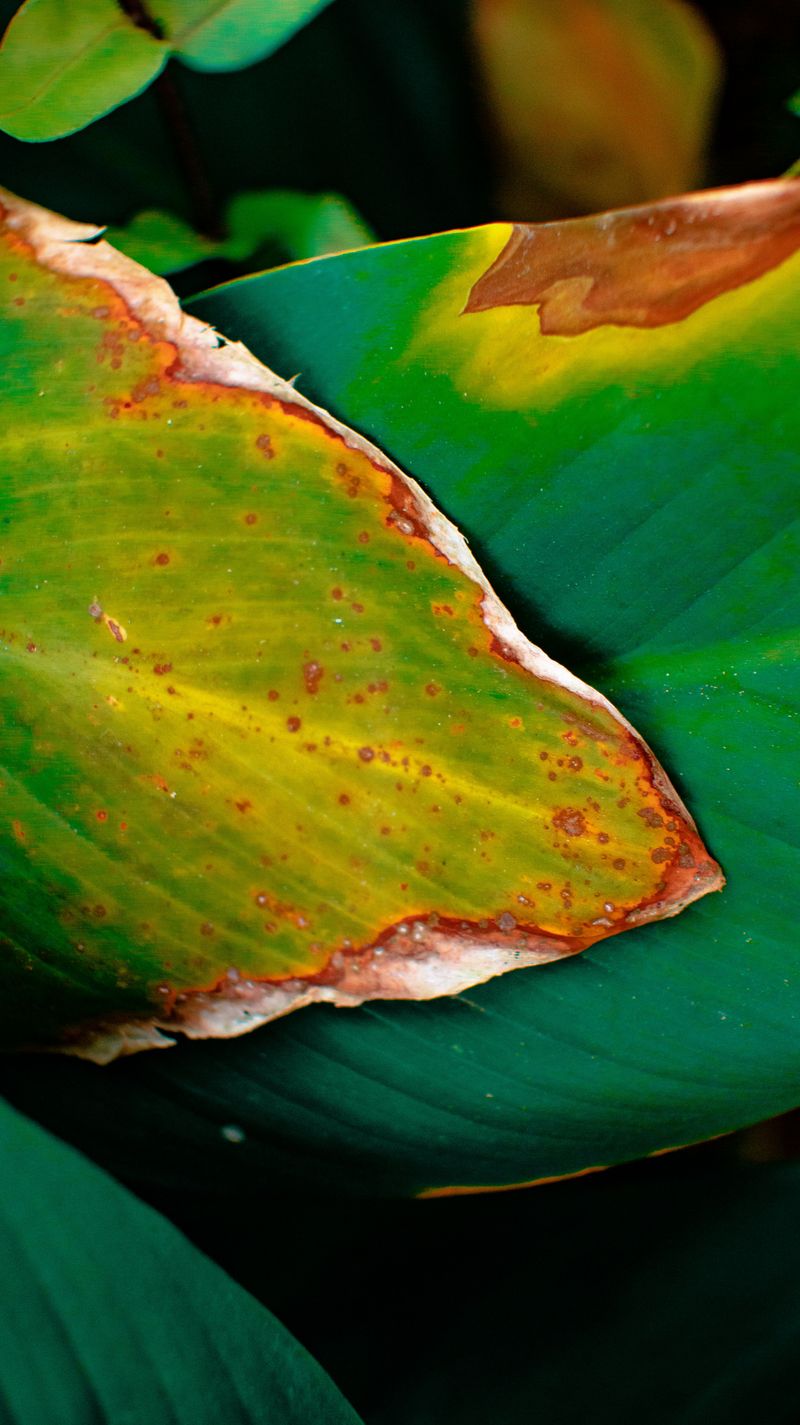
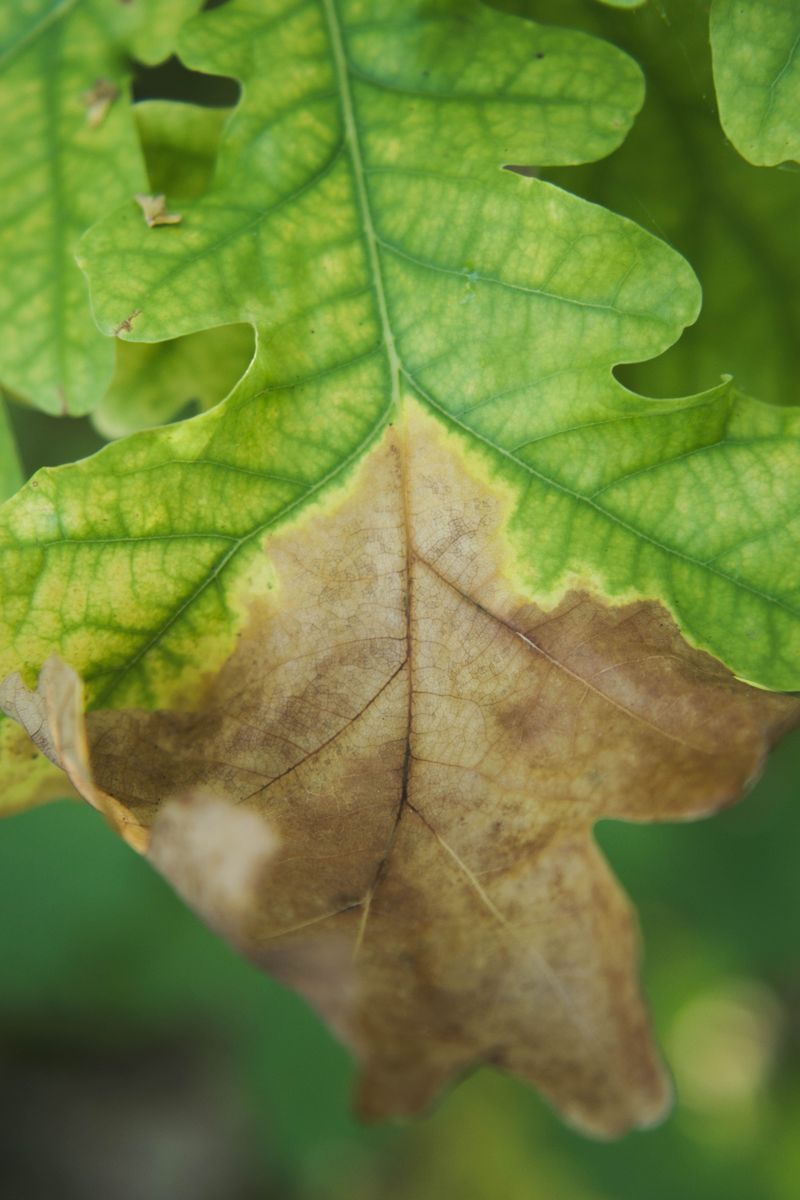
Scorching shows up as brown, papery edges on leaves that were perfectly green just days before. The damage spreads from the outer edges inward, not from spots or lesions like a fungal infection would cause.
Hot, dry air pulls moisture straight out of leaf tissue. When temperatures climb above 90 degrees, even well-watered plants can struggle to keep up.
The leaf problem Virginia gardeners keep misreading as disease is almost always triggered by heat stress combined with low humidity. Those two factors together create a brutal environment for delicate foliage.
Roots can only absorb so much water at once. When demand outpaces supply, the tips and edges of leaves are the first to suffer.
Younger leaves and newly transplanted shrubs are especially vulnerable. They have not developed deep root systems to pull water from lower soil layers.
Heat scorch does not spread. Unlike fungal disease, it will not jump from leaf to leaf or plant to plant.
Once you understand the cause, the solution becomes much clearer. Your plants are not sick, they are just stressed, and stressed plants can bounce back with the right care.
The Telltale Signs That Set This Apart From Disease
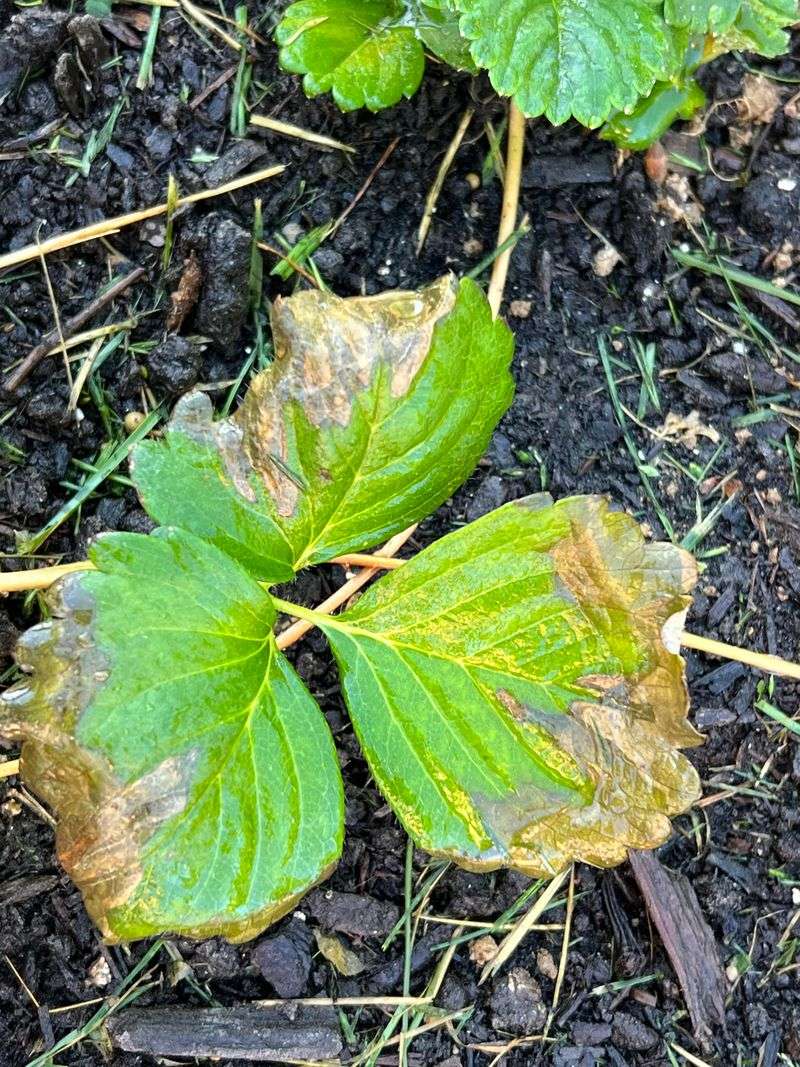
Brown leaves are not always a bad sign. Knowing the difference between scorch and disease can change everything about how you respond.
Heat scorch creates uniform browning along leaf margins. The damaged tissue looks dry and papery, almost like someone held the edge of the leaf over a flame briefly.
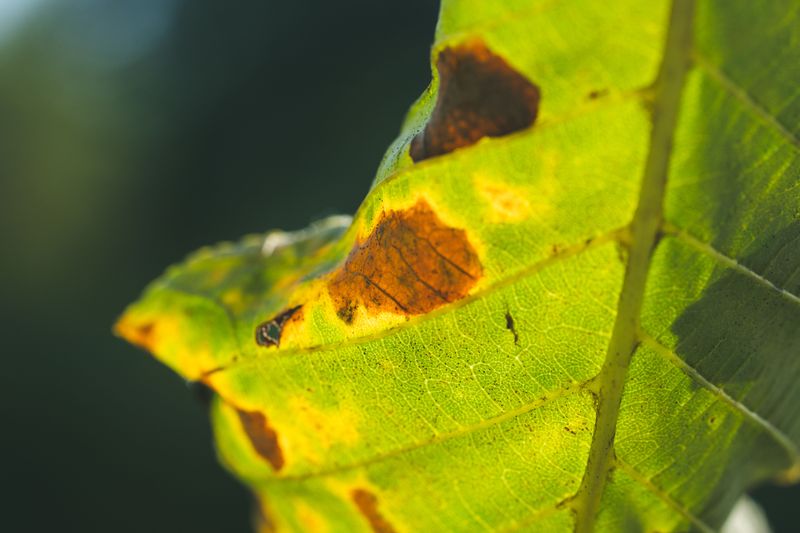
Fungal diseases, on the other hand, tend to create circular spots, powdery coatings, or irregular blotches. Those spots often have a yellow halo or dark border around them.
Bacterial infections usually cause water-soaked patches that turn brown later. The texture feels mushy or slimy before it dries out completely.
Scorch damage is typically dry and crisp from the start. The damage stays where the heat hit, edges and tips, clean and dry, going nowhere.
Another clue is location. Scorch tends to hit the most exposed leaves first, the ones facing south or getting the most afternoon sun.
Disease spreads regardless of sun exposure. It shows up on shaded leaves just as easily as on sun-drenched ones.
Your Virginia Garden Changes Every Week. Your Plan Should Too.
Gardening in Virginia changes quickly throughout the season. Every Friday you’ll receive a simple weekly plan showing exactly what to plant, prune, fertilize, harvest, and protect so you never miss the right timing.
Checking multiple plants helps too. If only the sun-facing side of your shrub looks damaged, scorch is almost certainly the culprit.
The leaf problem Virginia gardeners keep misreading as disease almost always has a very clear pattern once you slow down and look carefully. Trust what the pattern tells you before reaching for any treatment.
Why Virginia Summers Make This Worse
Summers here are not just hot, they are relentlessly humid and unpredictable. That combination creates a pressure cooker effect for garden plants.
Temperatures in July and August frequently climb into the low to mid 90s across much of the state. Add in the urban heat island effect in places like Richmond or Northern Virginia, and it gets even more intense.
Humidity sounds helpful, but it actually slows down the cooling process in plants. When air is already saturated with moisture, leaves cannot release heat efficiently through transpiration.
Then come the dry spells. Stretches of one to two weeks without meaningful rain are not uncommon from June through August.
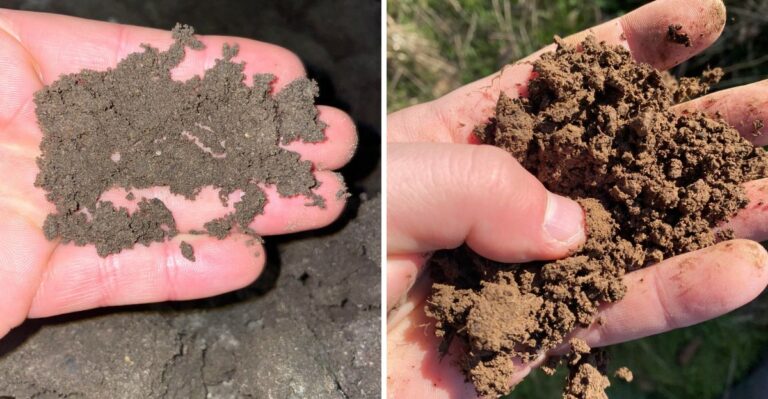
Soil bakes and hardens during those dry periods. Roots struggle to absorb water from compacted ground, even when you are watering regularly at the surface.
Hot winds make the situation worse. A dry breeze on a 94-degree afternoon can pull moisture from leaves faster than most plants can compensate.
Many popular garden plants were not bred for these specific conditions. They may thrive in the Pacific Northwest or New England but hit their limits quickly in a mid-Atlantic summer.
Understanding your local climate is half the battle. Knowing that your region creates perfect conditions for scorch helps you plan smarter from the start.
The leaf problem Virginia gardeners keep misreading as disease is not a fluke. It is a predictable outcome of a tough growing season, and awareness is your best preparation.
The Plants Most Likely To Show This Kind Of Damage
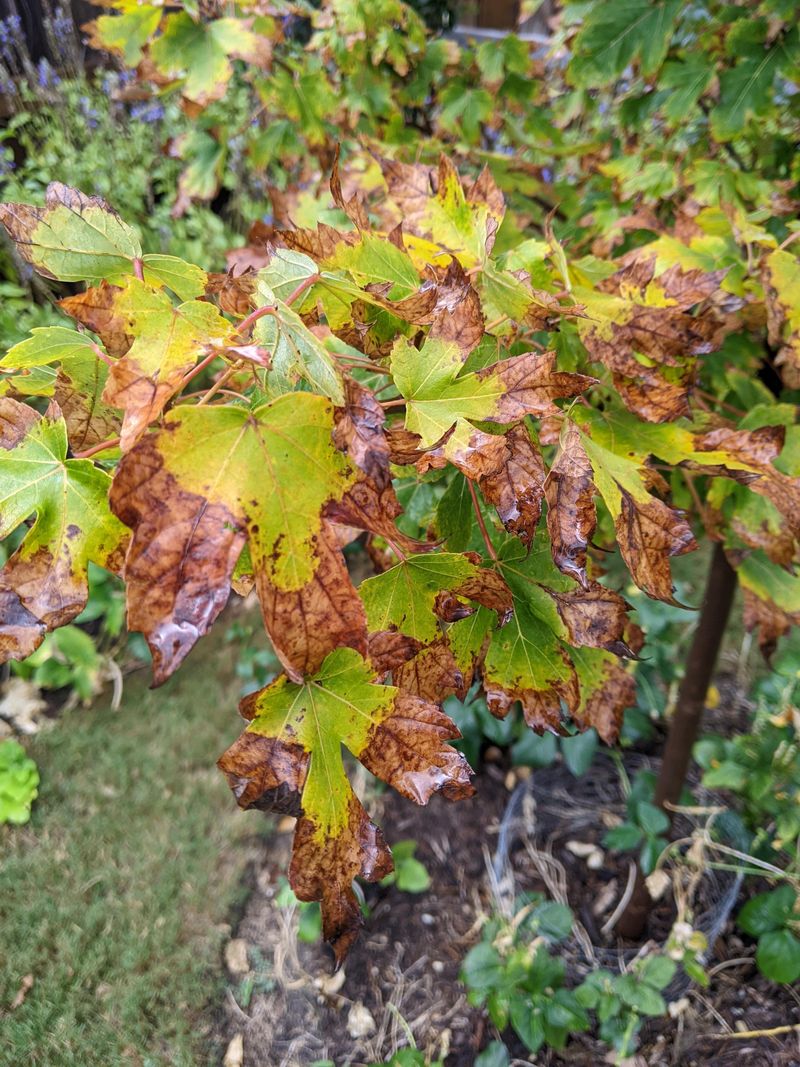
Not every plant handles heat the same way. Some species wave the white flag much sooner than others when temperatures spike.
Japanese maples are among the most dramatic reactors to heat scorch. Their thin, delicate leaves lose moisture rapidly and brown at the tips within days of a heat wave.
Hydrangeas are another classic example. Those big, bold leaves have a large surface area, which means more exposure and faster water loss during hot spells.
Rhododendrons and azaleas show scorch along their leaf margins when summer heat peaks. These plants prefer cool, moist conditions and struggle visibly when they do not get them.
Hostas planted in too much sun will show bleached, brown patches across their broad leaves. Moving them to a shadier spot often solves the problem entirely.
Dogwood trees are beloved across the region, but they are highly susceptible to leaf scorch. Brown edges on dogwood leaves in July are often heat-related, though disease can sometimes cause similar symptoms.
Ferns dry out and crisp up quickly when exposed to afternoon sun. They belong in shaded, moist spots where the soil stays consistently cool.
Even some vegetable garden favorites like beans and squash will show scorched leaf edges during extreme heat. Mulching around their base helps hold moisture and keep roots cooler.
Knowing which plants are most vulnerable helps you prioritize your watering and shading efforts. Protect the sensitive ones first, and your garden will thank you for it.
How To Help Your Garden Recover
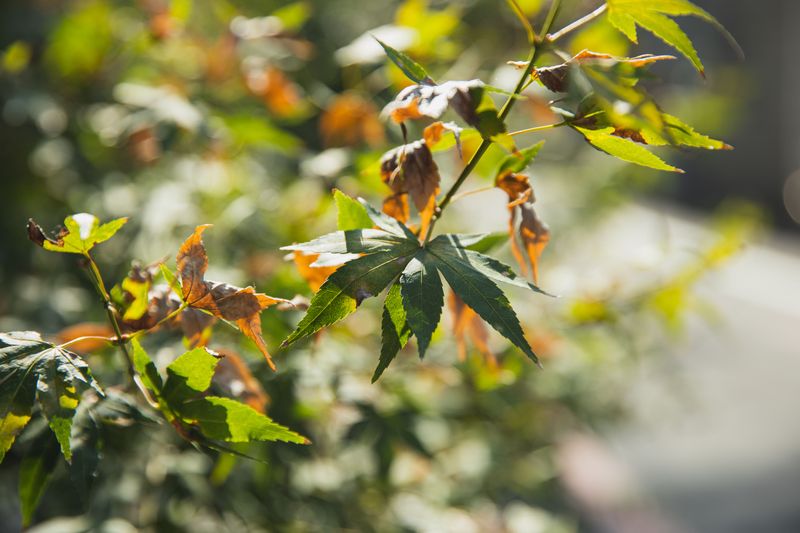
Seeing scorched leaves is frustrating, but recovery is possible. The key is acting quickly and consistently once you spot the damage.
Start with a deep watering session at the base of affected plants. Surface watering evaporates fast, so you need to soak the soil at least six inches down.
Water early in the morning when temperatures are cooler. Evening watering can leave foliage wet overnight, which can invite fungal issues over time.
Pull back any mulch that has dried out and replace it with a fresh two-to-three inch layer. Good mulch holds moisture in the soil and keeps root zones significantly cooler.
Avoid fertilizing stressed plants right after a heat event. Fertilizer pushes new growth, and new growth needs water, which is exactly what your plant is already short on.
Trim away the worst of the scorched leaves once temperatures drop a bit. Removing damaged tissue helps the plant redirect energy toward healthy new growth.
Shade cloth is a surprisingly effective short-term solution. Draping it over vulnerable shrubs during a heat wave can noticeably reduce leaf temperature during the worst of the heat.
Check your soil drainage too. Compacted or clay-heavy soil holds heat and blocks root access to deeper moisture.
Recovery from the leaf problem Virginia gardeners keep misreading as disease takes patience. Give your plants consistent care, and most will push out fresh, healthy foliage before the season ends.
Simple Steps To Prevent It Next Season
Prevention is always easier than recovery. A few smart moves before summer hits can make a huge difference for your garden.
Start by choosing heat-tolerant plants suited to your specific conditions. Native species like beautyberry, switchgrass, and black-eyed Susans handle the regional climate with ease.
Apply a thick layer of organic mulch around all your beds in late spring. Three inches of shredded hardwood or pine bark helps retain soil moisture through summer.
Group plants by their water needs. Putting thirsty plants together makes it much easier to give them the extra attention they require during dry stretches.
Install a drip irrigation system if you can. Drip lines deliver water directly to root zones, which is far more efficient than overhead sprinklers.
Plant new shrubs and perennials in fall instead of spring. Fall planting gives roots an entire cool season to establish before facing summer heat.
Add compost to your soil every year. Improved soil structure holds water longer and allows roots to grow deeper, reaching moisture that surface soil loses quickly.
Position new plantings with afternoon shade in mind. A spot that gets morning sun but afternoon shade can reduce scorch risk significantly for sensitive species.
Keeping a simple garden journal helps you track which plants struggled each summer. That record becomes a valuable guide for smarter choices next year.
Staying ahead of the leaf problem Virginia gardeners keep misreading as disease starts with preparation. A little planning now means far less stress when the heat arrives.