Red Leaves On Georgia Blueberry Bushes May Signal More Than Fall Color
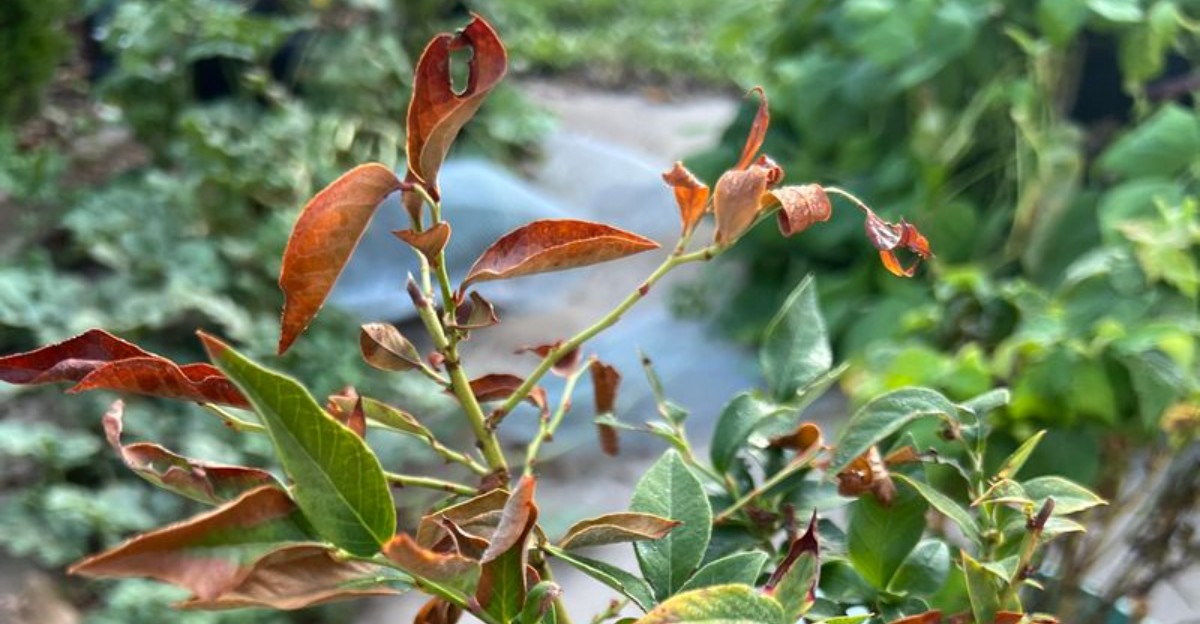
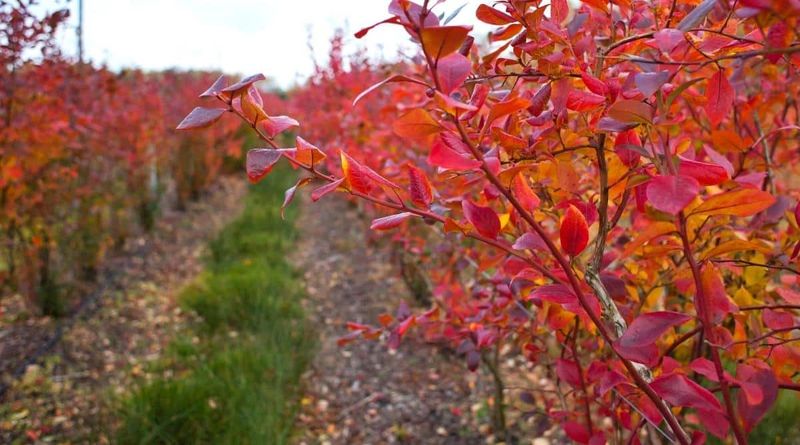
Your blueberry bushes may have turned a deep red lately, and it’s tempting to simply enjoy the show. In most Georgia yards, that color is normal as the plants head toward dormancy.
Sometimes, though, the red shows up too early or looks patchy in a way that fall color usually doesn’t.
That’s when it’s worth taking a closer look instead of assuming the season is to blame. Pay attention to whether one bush turned weeks ahead of the others nearby.
A difference like that often points to something happening below the surface rather than a simple change in weather.
Blueberries are fussy about their soil, and they tend to show stress through their leaves first.
That’s why catching trouble now gives you time to fix it before spring berries set.
1. Seasonal Color And Stress Signals Can Look Surprisingly Similar
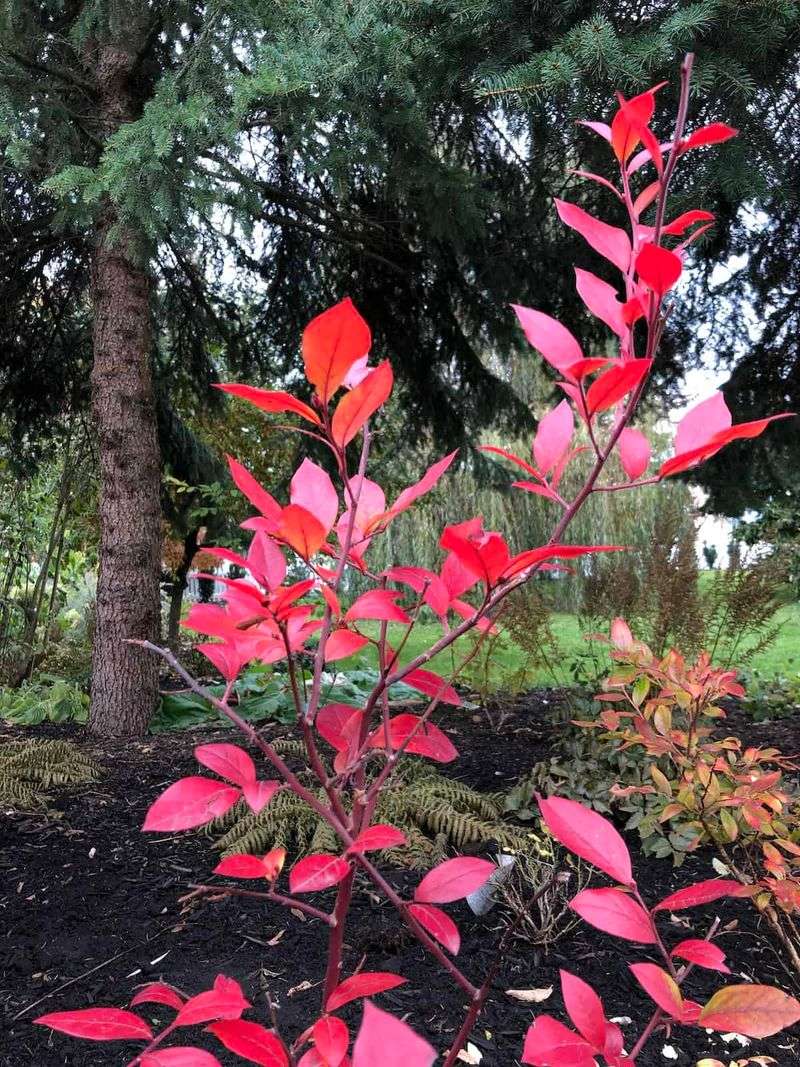
Red is red, at least from across the yard. Up close, though, a blueberry leaf changing for autumn and one reacting to stress can tell very different stories.
Both situations involve the same basic process inside the leaf.
When green chlorophyll fades or breaks down, other pigments show through, and some plants also produce red pigments called anthocyanins. Cool nights can trigger that change, but so can root trouble, drought, or poor nutrition.
So the color alone rarely gives you a clear answer.
Georgia gardeners often notice this confusion in early fall, when heat and dry spells overlap with the start of cooler weather. A stressed bush and a healthy bush may both look reddish during those weeks.
Instead of focusing only on the shade of red, try looking at the whole plant.
Check whether new growth looks healthy, whether stems feel firm, and whether the soil stays soggy or bone dry. Those details usually reveal more than the leaf color does.
Keeping simple notes can help, too.
Jot down when you first saw the color, which bushes changed, and what the weather was doing that week. Over a few seasons, you may start to see patterns that make your plants much easier to read.
2. A Gradual Fall Color Change May Be Completely Normal
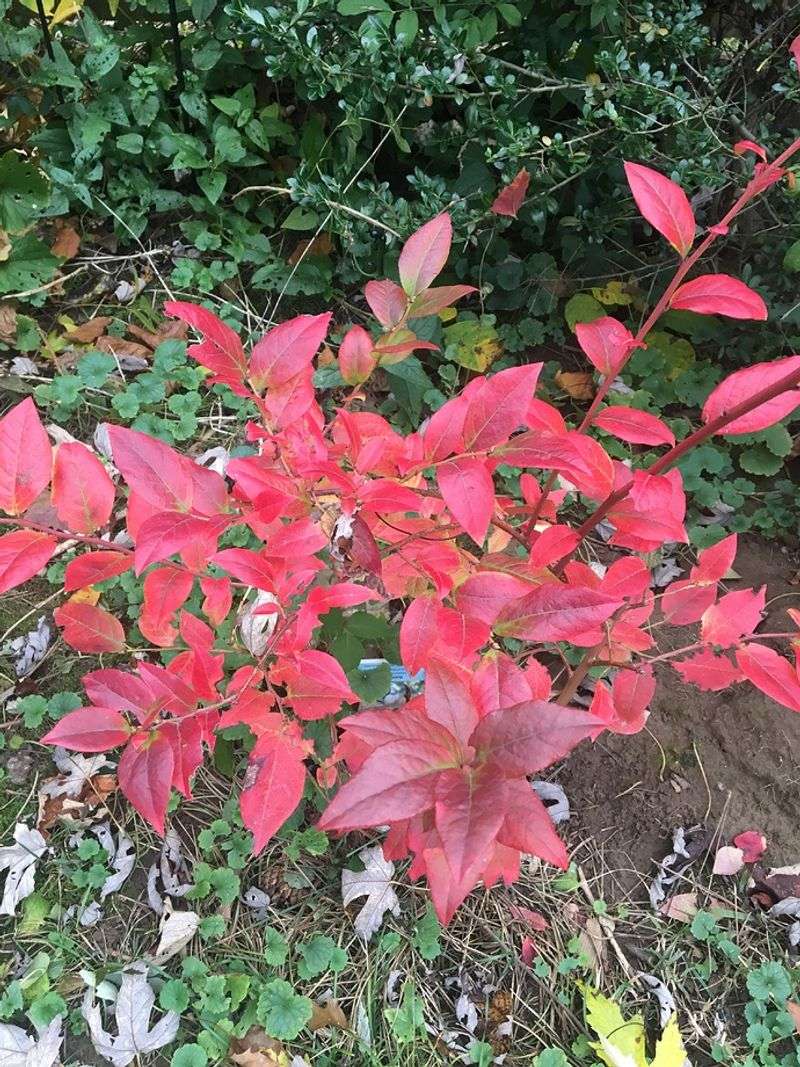
Picture a slow sunset spreading across the bush over a few weeks. That steady, even shift is what healthy autumn color usually looks like on blueberries.
Rabbiteye types, which are common in Georgia yards, often turn red, orange, or deep burgundy from mid to late fall.
Southern highbush plants may color up as well, though the timing and intensity can vary by variety and by how cold the nights get. In warmer parts of the state, the change might be milder or come later.
Healthy fall color tends to show up across most of the plant at roughly the same pace.
Leaves may start on the outer, sun-exposed branches and then move inward. Eventually they drop, and the bush heads into winter rest with plump flower buds already set for spring.
That bud set is a good sign to watch for.
Your Georgia Garden Changes Every Week. Your Plan Should Too.
Gardening in Georgia changes quickly throughout the season. Every Friday you’ll receive a simple weekly plan showing exactly what to plant, prune, fertilize, harvest, and protect so you never miss the right timing.
If your bush grew well over summer, produced berries, and now has firm, rounded buds near the branch tips, the red leaves are likely just seasonal. You probably do not need to change your care routine at all.
Enjoy the show while it lasts, and resist the urge to fertilize late in the year, since fresh growth can be more easily damaged by early frost.
3. Red Foliage Outside The Usual Fall Pattern Deserves A Closer Look
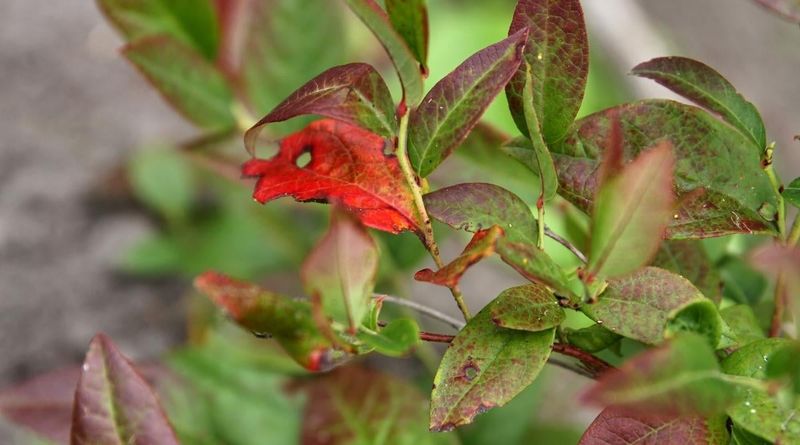
June is not October. When blueberry leaves redden in late spring or summer, the calendar itself becomes a warning sign worth taking seriously.
Timing is one of the most helpful clues a gardener has.
Out-of-season color can point to several possible problems, including root injury, stem disease, drought stress, or poor soil conditions. Each one needs a different response, so guessing can waste time and money.
Start by noticing where the red shows up.
A single branch turning red while the rest stays green may suggest a problem in that stem, such as a canker or physical damage. Scratch the bark gently, and if the tissue underneath looks brown instead of green, that cane may be struggling.
Whole-plant reddening in summer often points lower, toward the roots or soil.
Heat can play a role, too. Southern summers are long and harsh, and young plants in Georgia can show stress after weeks of high temperatures with uneven watering.
Leaf spots are another detail to check.
Small reddish or purple spots with lighter centers could be a leaf disease rather than overall color change. Taking clear photos of the leaves, stems, and whole bush makes it much easier to get accurate advice later.
4. Wet Ground Can Add Root Problems To The List Of Possibilities
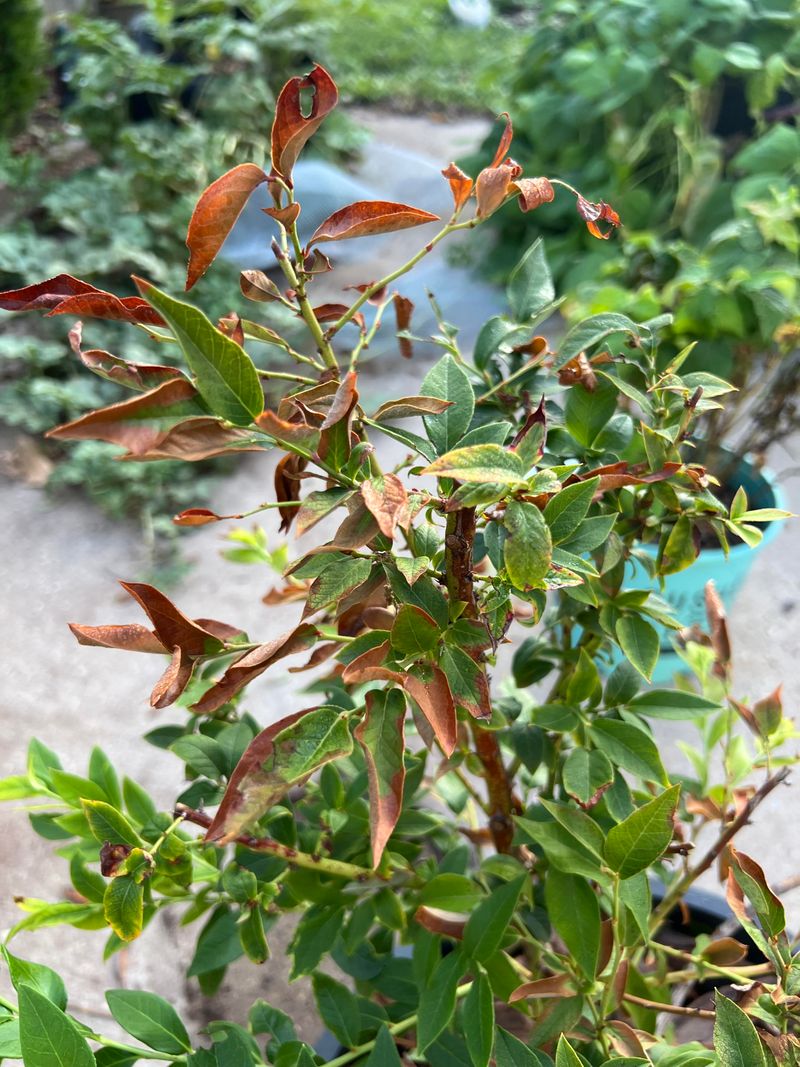
Soggy soil and blueberries rarely get along. Their fine, shallow roots need air as much as water, and puddles can quickly cut off that supply.
Heavy clay is common across much of Georgia, and it can hold water for days after a storm.
When roots sit in saturated soil, they may weaken and become open to root rot organisms, including Phytophthora. Above ground, the plant might show reddish or yellowing leaves, wilting, and poor new growth.
Oddly enough, a waterlogged bush can wilt just like a thirsty one.
Before adding more water, push a finger or trowel a few inches into the soil. If it feels wet and smells sour, watering is probably making things worse, not better.
Drainage fixes work best when done early.
Raised beds or wide planting mounds mixed with pine bark can help keep roots above standing water. Growers commonly use this method in heavy soils, though results depend on your site and rainfall.
Mulch helps keep moisture steady but should not be piled against the stems.
If a bush keeps declining in a low spot, moving it during the dormant season to higher ground may give it a better chance. Root disease cannot be confirmed by looks alone, so a lab test can be useful.
5. Nutrient Problems Can Also Change The Color Of Blueberry Leaves
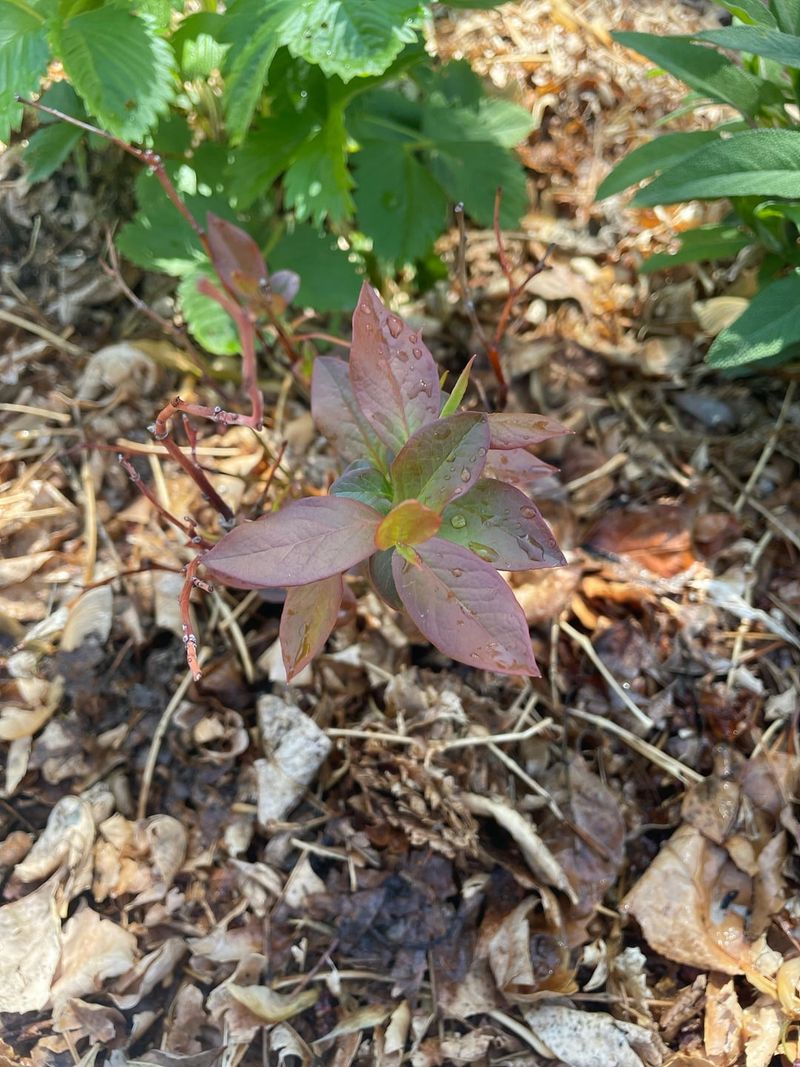
Soil chemistry plays a bigger role than most people expect. Blueberries prefer acidic ground, roughly around pH 4.5 to 5.5, and they struggle when conditions drift outside that range.
High pH can make it harder for the plant to take up iron and other nutrients, even when those nutrients are present.
Leaves may turn yellow between the veins at first. In some cases, reddish tints appear as well, especially on older foliage or when several stresses stack up together.
Nitrogen shortage can cause a general pale or reddish look across the bush.
Phosphorus and magnesium problems may also show up as color changes, though the symptoms can overlap with other issues. That overlap makes guessing risky, since adding the wrong product can shift soil balance in the wrong direction.
Here is a practical step many Georgia growers skip: testing before feeding.
A soil test shows your pH and nutrient levels, so you can adjust with sulfur or a blueberry-friendly fertilizer if needed. Changes to pH usually happen slowly, often over months.
Be careful with fertilizer amounts, because blueberry roots are sensitive to salt buildup.
Small, split applications during the growing season are generally safer than one heavy dose. Reading product labels closely helps prevent root burn.
6. Unusual Patterns May Require More Than A Visual Diagnosis
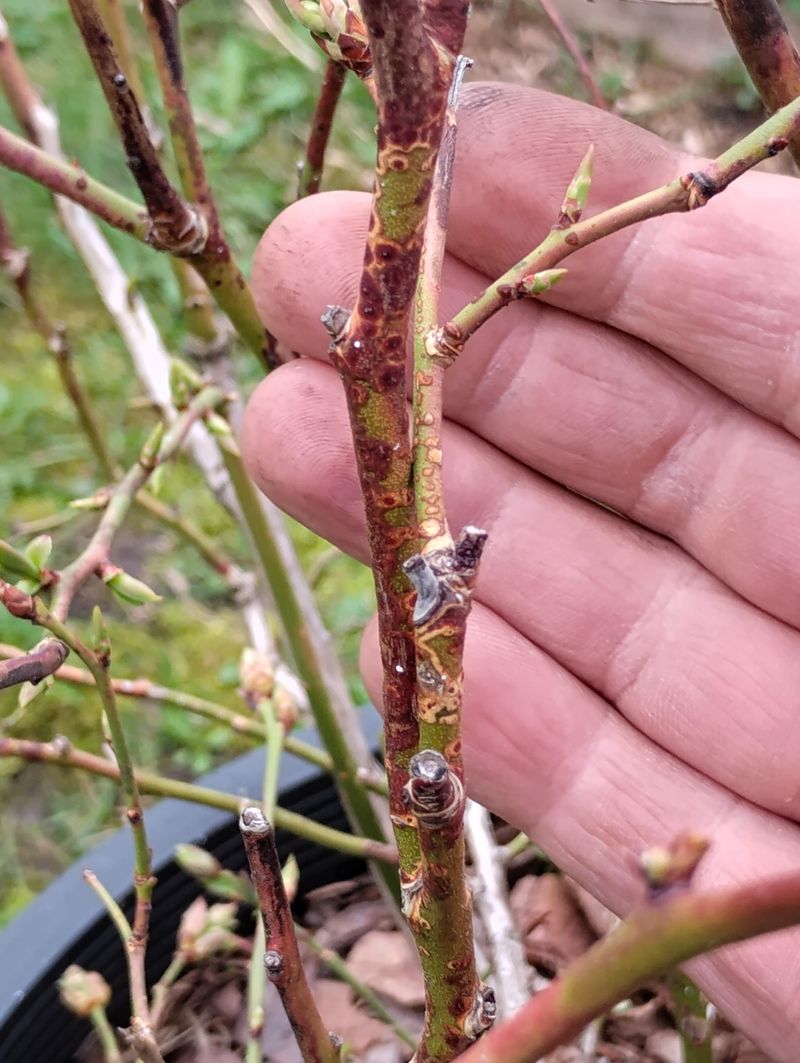
Eyes can only go so far. Some blueberry problems look almost identical on the outside, even when their causes are completely unrelated underground or inside the stem.
Viral diseases, root rot, cankers, and nutrient trouble can all produce reddish leaves.
Blueberry red ringspot virus, for example, can cause reddish rings or blotches on leaves. It is known in the Southeast, including parts of Georgia, but only testing can confirm whether a virus is actually present.
A lab can look at plant tissue in ways a quick glance cannot.
Plant disease clinics can check samples for fungi, bacteria, or viruses. Soil labs, meanwhile, measure pH and nutrients, so using both may be helpful when symptoms are confusing.
Gathering a good sample makes a real difference.
Include leaves that show early symptoms, not just the worst ones, along with a section of stem where healthy and damaged tissue meet. Wrap samples in dry paper towels and place them in a plastic bag to keep them fresh.
Watching the pattern over time adds helpful context.
Note whether the problem spreads from plant to plant, stays on one bush, or follows low areas of the yard. Those clues can steer the diagnosis in the right direction.
7. Your County Extension Office Can Help Pinpoint The Actual Cause
Help may be closer than you think. Most counties have an extension office staffed by people who know local soils, local weather, and the plant problems that come with them.
University of Georgia Cooperative Extension offers soil testing and plant sample services for home gardeners.
You can usually drop off a soil sample at your county office for a small fee, and results come back with recommendations. Fees and turnaround times can change, so calling ahead is a smart move.
Bring along photos and your notes about timing, watering, and weather.
Agents can often narrow down possible causes during a short conversation. If needed, they may send a sample to a diagnostic lab for a closer look at disease or pest issues.
Local advice matters because conditions shift from the mountains to the coast.
A bush in Blue Ridge may face different stresses than one near Savannah, and extension staff understand those differences. They can also suggest blueberry varieties that tend to handle your area better.
Extension websites offer free guides on planting, pruning, and feeding blueberries as well.
Reading those resources before trying random fixes can save money and stress. A few careful steps now may help your bushes stay productive for many seasons ahead.