What It Means When A Hawk Starts Hunting In Your Georgia Yard
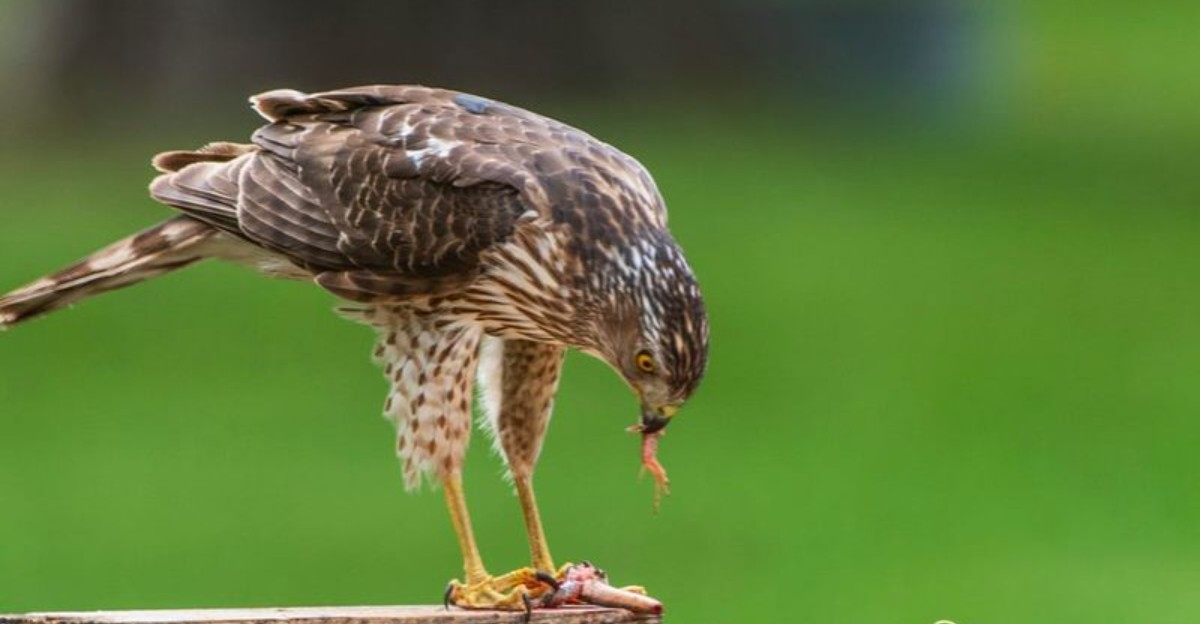
Watching a hawk swoop down near your bird feeder can be startling, especially the first time it happens.
It is easy to assume the bird showed up by accident, but hawks rarely hang around without a reason.
Most of the time, your yard is offering something it wants, and food is usually part of it.
Feeders can draw small birds into one predictable spot, and some hawks learn that pattern quickly. Others are there for the mice and voles living along fences and garden edges.
In Georgia, several hawk species visit neighborhoods, and each one hunts a little differently. Knowing which one you are seeing helps explain what it is after.
Pay attention to where it perches and what it watches, since those habits tell you a lot about it.
1. Suddenly Quiet Songbirds Can Be The First Sign A Hawk Is Nearby
Silence in a busy backyard is worth noticing. When the chatter at your feeder stops all at once, something has usually spooked the birds.
Songbirds watch the sky closely, and a hawk passing overhead is one of the most common reasons they freeze or scatter.
You might see chickadees and titmice dart into shrubs and stay still. Others may flatten against a branch and wait without making a sound.
Listen for sharp, high alarm calls right before the quiet sets in.
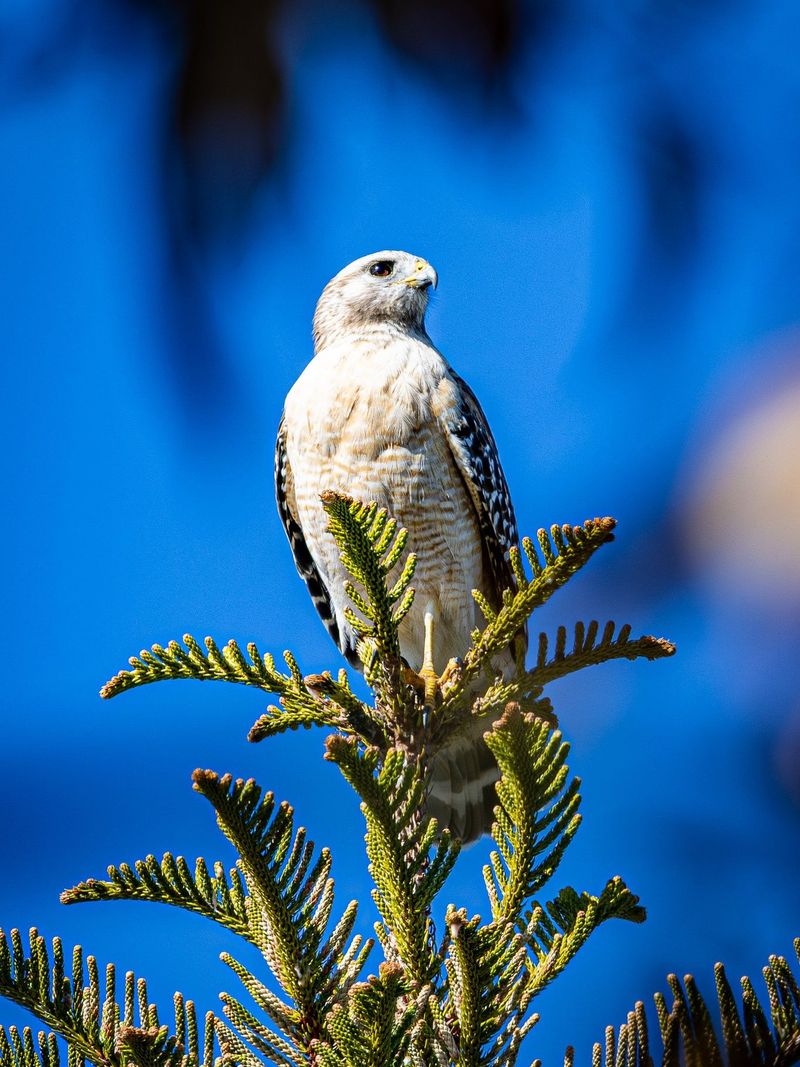
Blue jays are especially helpful here, since they often scream loudly when they spot a hawk. Oddly enough, blue jays can also imitate the call of a red-shouldered hawk, which can confuse people listening from the porch.
Not every sudden hush means a hawk is nearby, of course.
A roaming cat, a loud truck, or even a person stepping outside can cause the same reaction. Still, if the quiet lasts several minutes and birds stay hidden, scan the treetops and fence lines.
In Georgia neighborhoods, hawks often sit on power lines, bare branches, or the top of a tall pine.
Keep binoculars near a window you use often. Watching how the birds respond over a few weeks can teach you a lot about when your local hawk tends to visit.
2. Cooper’s Hawks Often Follow Small Birds Into Backyard Feeding Areas
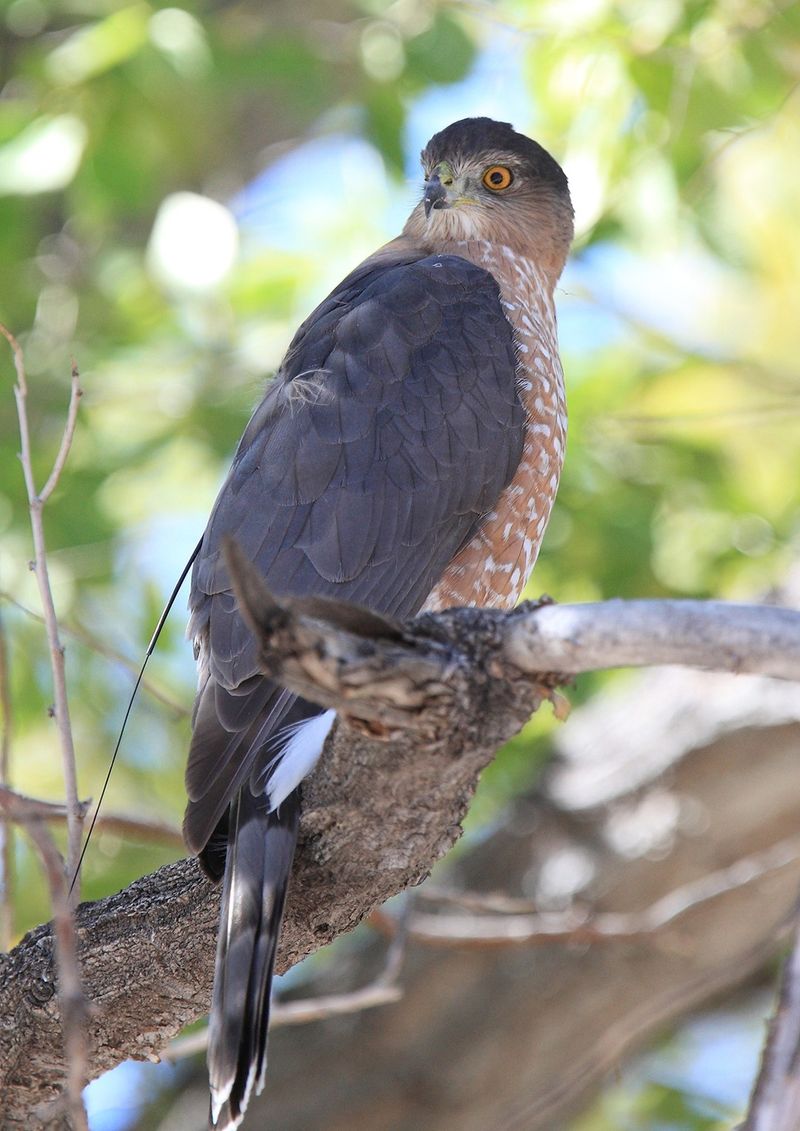
Speed and surprise are a Cooper’s hawk’s best tools. It is built with short, rounded wings and a long tail that help it twist through trees.
Most backyard hawk sightings near feeders involve this species or the smaller sharp-shinned hawk, which looks very similar.
A Cooper’s hawk usually hunts by ambush. It may sit quietly in a tree, then burst out low and fast toward a group of doves or sparrows.
Mourning doves, starlings, and robins are common targets because they are a good size for this hawk.
Telling it apart from a sharp-shinned hawk can be tricky, even for experienced birders. Cooper’s hawks tend to be larger, with a rounded tail tip and a bigger head.
Across Georgia, Cooper’s hawks live year-round, and numbers may rise a bit in winter when northern birds move south.
Your Georgia Garden Changes Every Week. Your Plan Should Too.
Gardening in Georgia changes quickly throughout the season. Every Friday you’ll receive a simple weekly plan showing exactly what to plant, prune, fertilize, harvest, and protect so you never miss the right timing.
You may notice more activity from late fall into early spring. Food is harder to find then, so feeders become an easy place for a hawk to check.
Seeing one does not mean your feeder is doing harm.
It simply means you have created a spot where wildlife gathers, and predators notice that too. Watching one hunt is a real look at nature working as it has for a very long time.
3. Red Shouldered Hawks Search Yards For Very Different Prey
Not every hawk is after your cardinals. Red-shouldered hawks usually prefer prey found on the ground, especially in damp, wooded areas.
Frogs, snakes, lizards, crayfish, voles, and mice make up much of their menu.
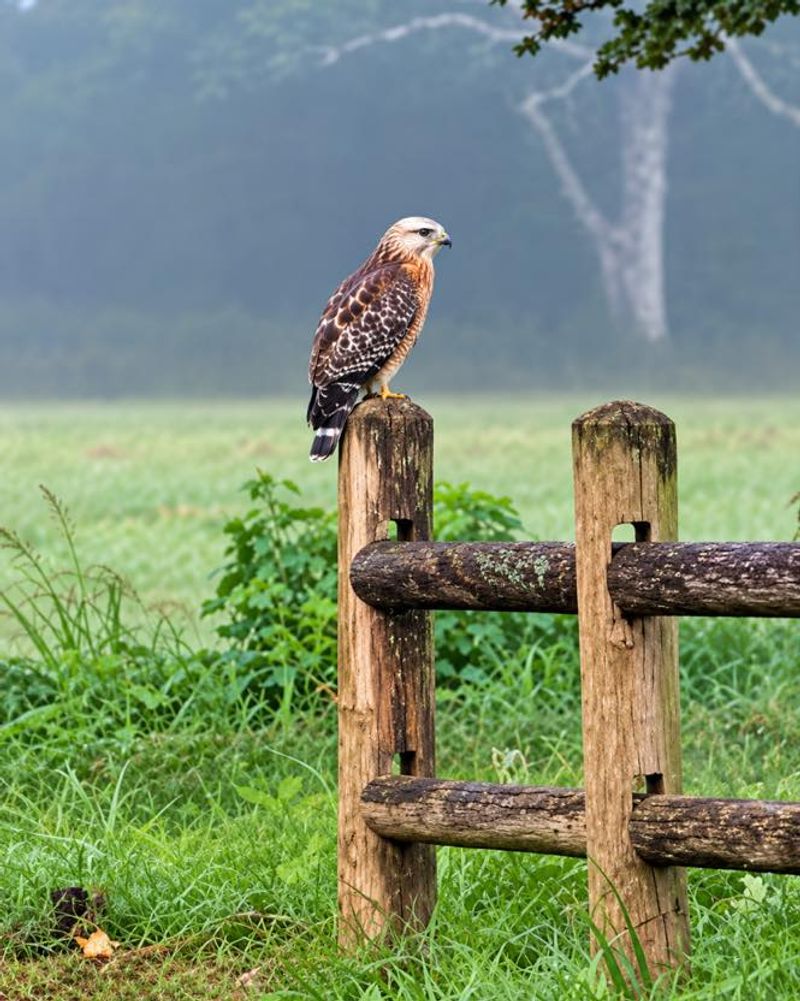
These hawks are easy to recognize once you know what to look for. They have warm reddish chests, checkered black and white wings, and a banded tail.
You will often hear them before you see them, thanks to a loud, repeated keeyah call.
In Georgia, red-shouldered hawks are common near creeks, ponds, and yards with tall hardwoods. Suburban homes backing up to wooded lots are a favorite, since they offer high perches and open ground to scan.
Watch how one hunts and you will see a patient style.
It sits on a low branch or fence post, stares at the grass, then drops down on something small. Sometimes it walks around briefly before flying back up.
A regular visitor like this can actually help around the yard.
Fewer voles and mice may mean less damage to garden beds and bulbs, though results vary with how much cover and food are available. Leaving a few natural perches, like a sturdy snag away from the house, can make your yard more inviting to them.
4. Regular Hunting Usually Means The Yard Offers A Reliable Food Source
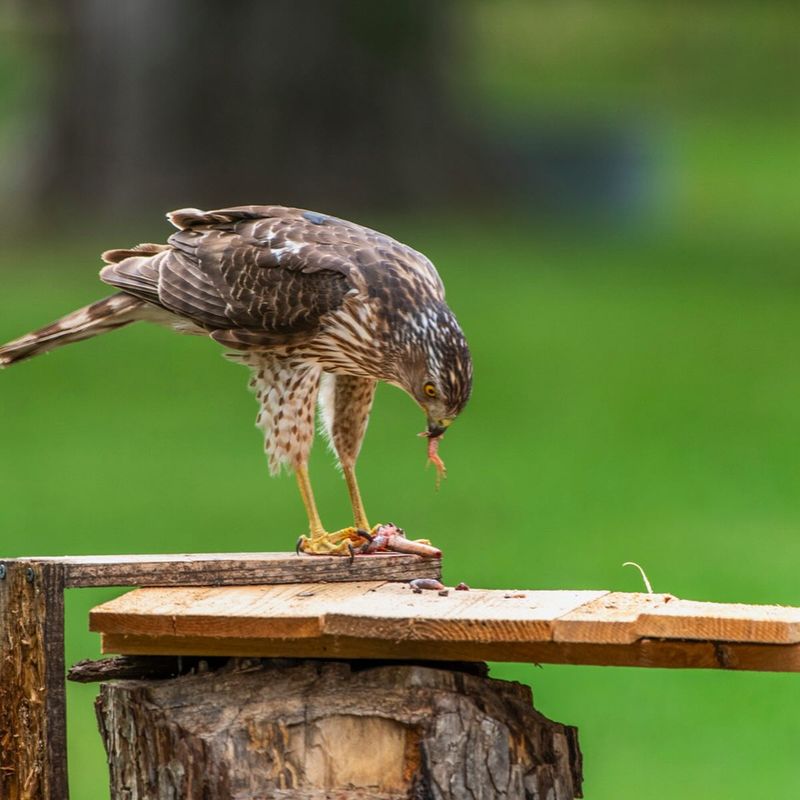
Hawks are practical animals. They return to places where hunting has paid off before, and your yard may have earned a spot on the route.
A single visit might be chance, but repeated visits usually point to steady food.
Think about what lives in your space. Brush piles, compost bins, tall grass edges, and spilled birdseed can support mice, chipmunks, and insects.
Those small animals attract birds and hawks alike, creating a small food chain right outside your door.
Some Georgia homeowners notice a hawk returning at roughly the same hour each day.
Hawks do often follow routines, though weather, season, and nesting can shift their timing. A quick note in a notebook or phone can help you spot patterns over a few weeks.
Should you worry? Usually not, since it often suggests your yard supports plenty of wildlife.
If you want fewer rodents, keeping seed off the ground and storing bags in sealed bins can help. Tidy woodpiles and trimmed grass near the house also reduce hiding places.
Small pets are worth considering too, especially very small dogs or cats outdoors alone.
Attacks on pets are uncommon, but supervising tiny animals outside is a sensible habit where hawks hunt often.
5. Feeders Can Concentrate The Small Birds Some Hawks Hunt
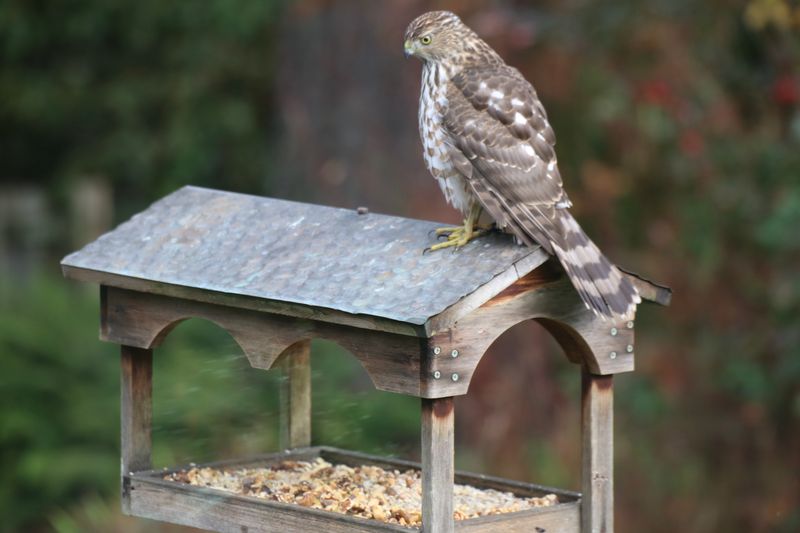
Picture a crowded diner, and you have a pretty good idea of a busy bird feeder.
Dozens of finches, sparrows, and doves gather in one small area. For a hunting hawk, that crowd is hard to ignore.
Feeders are not the problem in themselves, and they help plenty of birds through lean months.
Still, where you place them can change how exposed those birds are. A feeder in the middle of an open lawn leaves little room for escape.
Try moving feeders about 10 to 12 feet from shrubs or trees. That distance gives birds a nearby place to hide, while making ambush from cover a little harder.
Georgia winters can bring huge flocks to feeders, especially after a cold snap.
If a hawk keeps striking, some birders take feeders down for a week or two. Songbirds usually spread out, and the hawk often moves on to hunt elsewhere.
Window strikes are another concern when birds panic and flee.
Decals, screens, or placing feeders within three feet of a window can lower that risk. Keeping feeders clean matters too, since crowded feeding spots can spread illness among birds.
Small tweaks like these let you keep enjoying your feeder with fewer rough moments.
6. Native Hawks Are Protected And Should Be Left Undisturbed
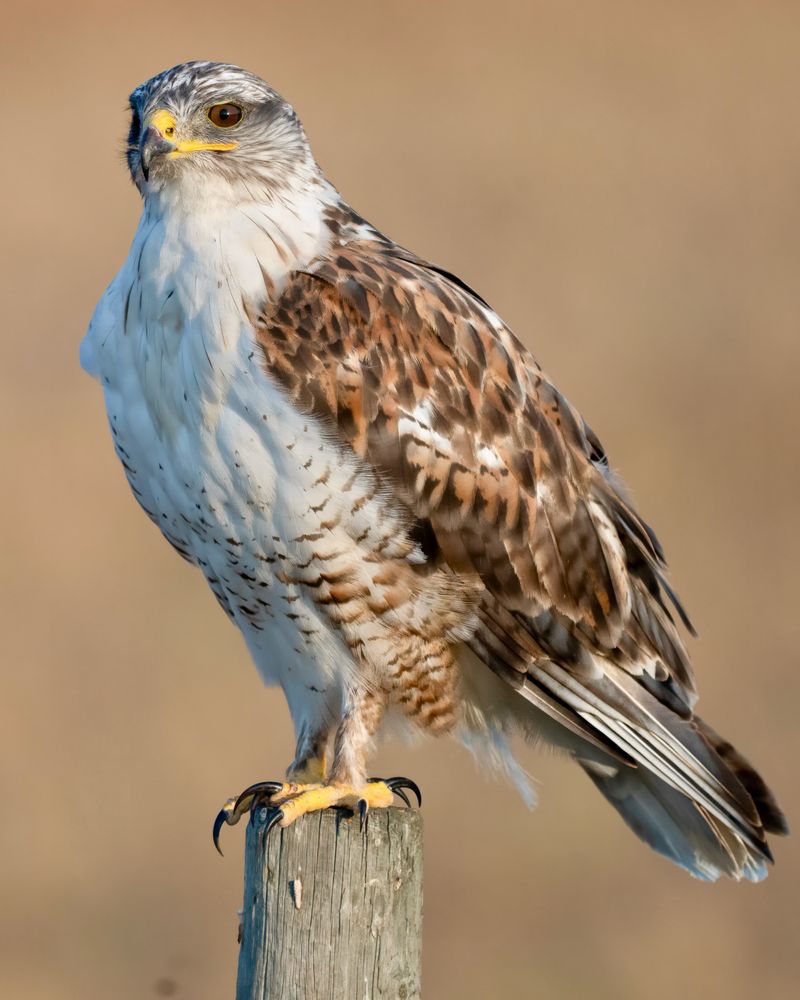
Here is something every homeowner should know. Hawks are protected under the federal Migratory Bird Treaty Act.
Harming, trapping, capturing, or taking hawks, their eggs, or active nests is generally illegal without authorization.
State wildlife rules in Georgia also protect native birds of prey. If you have a serious problem, such as a hawk repeatedly going after backyard chickens, contact the Georgia Department of Natural Resources or a local wildlife office for advice.
Chasing a hawk off in a panic rarely helps and can stress the bird.
A calmer approach works better. Covering chicken runs with netting or hardware cloth protects poultry without touching the hawk at all.
Found a hawk that seems hurt or grounded?
Keep your distance and avoid picking it up, since talons and beaks can cause real injuries. A licensed wildlife rehabilitator is the right person to call.
Young hawks sometimes act clumsy in early summer while learning to hunt.
They may sit low or seem tame, and that is often normal behavior for a fledgling. Watching from a respectful distance is usually the best choice.
Respecting these birds pays off, since hawks help keep rodent numbers in check across farms and neighborhoods.
7. Shrubs And Dense Cover Give Smaller Birds Places To Retreat
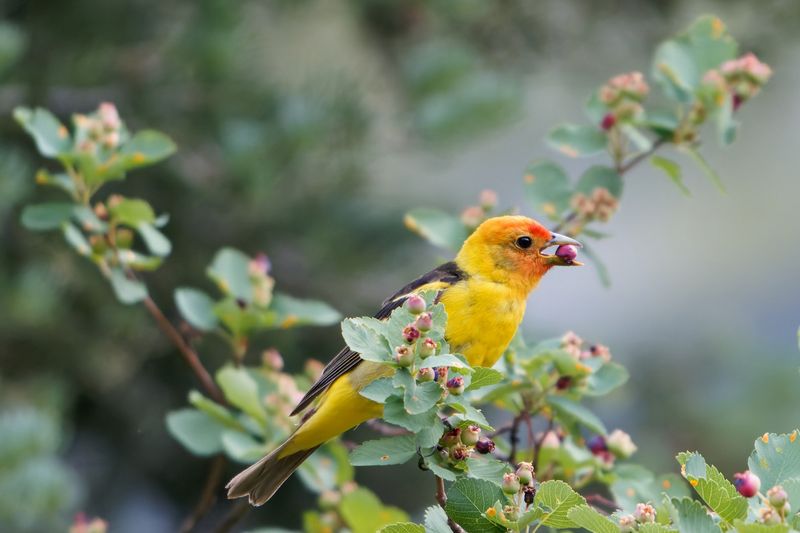
Good cover can matter even more than a good feeder. When a hawk swoops in, small birds need somewhere thick and close to hide.
Dense shrubs make it harder for a hawk to follow them through tangled branches.
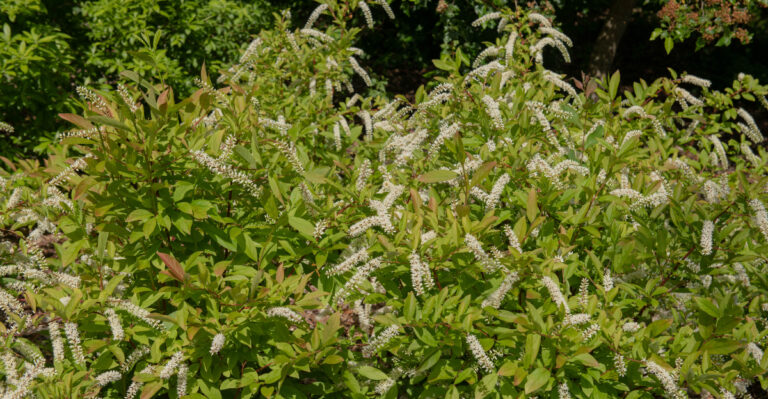
Native plants are a smart pick for many Georgia gardens. Yaupon holly, wax myrtle, American beautyberry, and inkberry all grow well across much of the state.
Evergreen options offer shelter through winter, when feeder crowds tend to be largest.
Layering works nicely if you have the room. Mix low shrubs, medium bushes, and a few small trees so birds have options at different heights.
A brush pile tucked in a back corner can also serve as a quick escape spot.
Keep in mind that plant success depends on your soil, sunlight, and rainfall. Some shrubs struggle in heavy red clay without amending, while others handle it fine, so a local nursery or extension office can help you choose.
Planting in fall usually gives roots time to settle before summer heat arrives.
Once the shrubs fill in, you may notice songbirds lingering longer and seeming more relaxed. Hawks will still hunt now and then, but your smaller visitors will have a fairer chance to slip away.