These Georgia Perennials Can Be Planted In August For Better Root Growth This Fall
Do not write off August just because the garden still feels hot.
This month can open a planting window for certain perennials.
Think beyond the flowers you see aboveground. What happens beneath the soil over the coming weeks matters just as much.
In Georgia, warm soil can keep roots active as the season moves toward fall. That gives plants time to settle in.
August planting does ask for more attention from you. Fresh perennials cannot be treated like established plants during summer heat.
The payoff comes later, when cooler days arrive and those roots have made progress. Your garden gets a head start without waiting for fall.
So save room in your beds this month. A few smart choices now can set up stronger growth for the season ahead.
1. Purple Coneflower Gets A Head Start On Fall Root Growth
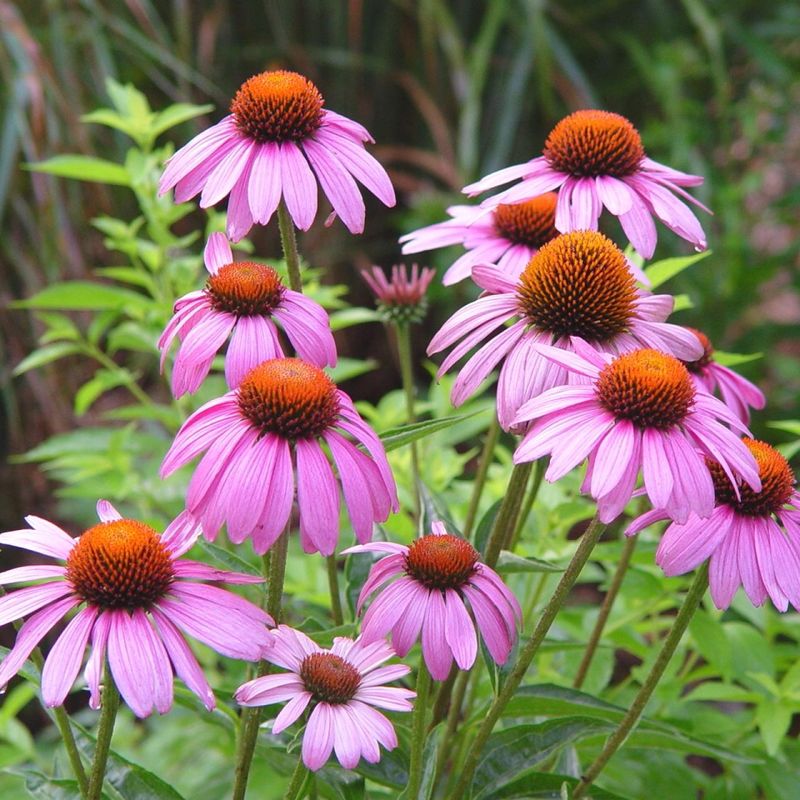
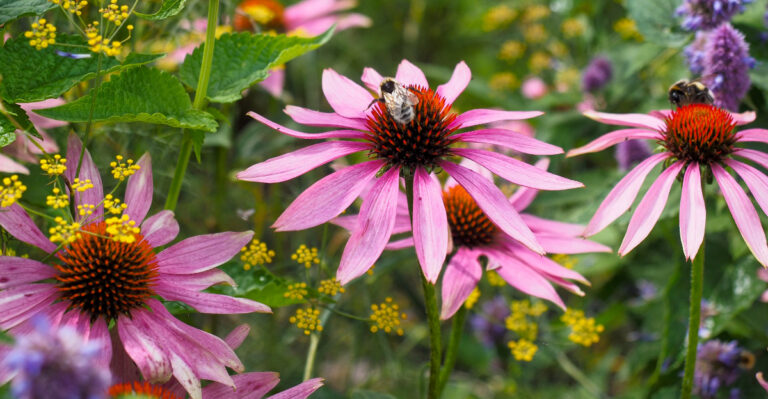
Purple coneflower is one of the most forgiving perennials you can put in the ground right now. Plant it in August and the roots get several warm weeks to spread before cooler weather arrives.
That head start pays off big when spring rolls around.
Echinacea purpurea prefers well-drained soil and at least six hours of direct sun. Sandy or loamy soil tends to work better than heavy clay, though adding compost can improve almost any planting bed.
Avoid spots where water tends to pool after rain.
Water new transplants consistently for the first two to three weeks. Once roots begin to establish, coneflowers handle dry spells reasonably well.
Mulching around the base helps retain moisture and keeps soil temperatures more stable as seasons shift.
August planting gives coneflowers enough time to anchor before the ground cools significantly. Shallow-rooted transplants struggle more through winter, so the extra weeks matter.
A well-rooted plant going into fall is far more likely to return strong the following year.
Coneflowers also attract pollinators heavily in late summer. Planting now means you might even catch some blooms before frost arrives.
Leaving seed heads standing through winter provides food for birds and adds structure to an otherwise bare garden bed.
It also gives the plant a natural look while the rest of the garden settles into the colder months.
2. Black-Eyed Susan Settles In While The Soil Stays Warm
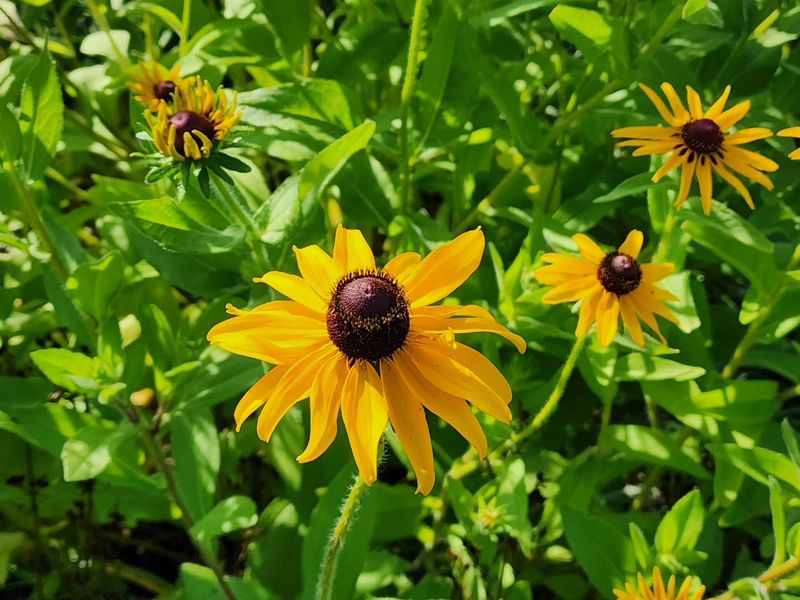
Warm soil is a secret weapon for new transplants, and black-eyed Susans use every bit of it. Planting in August gives their roots weeks of ideal ground temperatures before fall cooling begins.
That window makes a measurable difference in how well they establish.
Rudbeckia hirta is tough and adaptable. It tolerates a range of soil types, though it performs best in well-drained beds with moderate fertility.
Overly rich soil can push leafy growth at the expense of roots, so skip heavy fertilizing at planting time.
Space plants about 18 inches apart to allow good air circulation. Crowded plantings tend to develop fungal issues, especially in humid conditions.
Giving each plant room to breathe from the start reduces problems down the road.
Water regularly for the first few weeks, but avoid soaking the soil. Black-eyed Susans are prone to root problems in consistently wet ground.
Your Georgia Garden Changes Every Week. Your Plan Should Too.
Gardening in Georgia changes quickly throughout the season. Every Friday you’ll receive a simple weekly plan showing exactly what to plant, prune, fertilize, harvest, and protect so you never miss the right timing.
Once established, they handle moderate drought without much fuss.
Late summer planting means some plants may still produce blooms before the season ends. Even a few flowers signal that the plant is settling in well.
Going into winter with a healthy root system means faster, more vigorous regrowth when temperatures rise again in spring. Few perennials reward an August planting more reliably than this one.
That early start can also lead to fuller plants and a stronger flower display the following season.
3. Coreopsis Has Time To Establish Before Cooler Weather
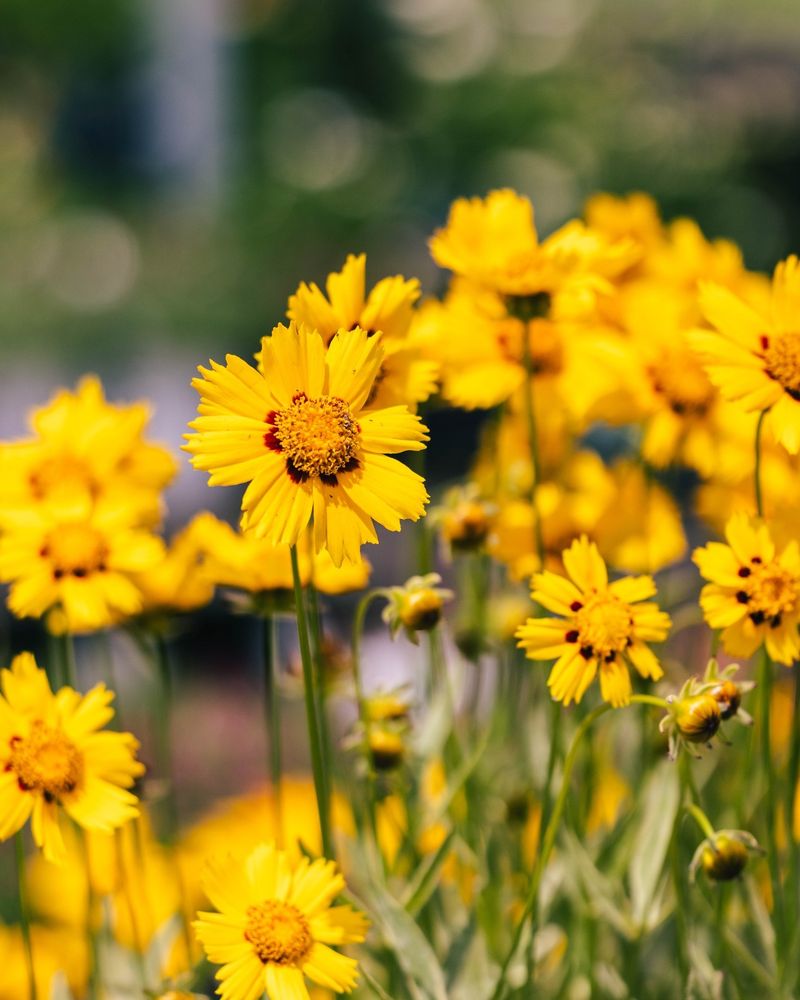
Coreopsis earns its reputation as one of the easiest perennials to grow in the Southeast. Put it in the ground in August and it barely skips a beat.
The warm soil encourages quick root development without the stress of summer heat peaks.
Threadleaf coreopsis and lanceleaf coreopsis both perform well in Georgia. Choose a variety suited to your specific light conditions.
Most types prefer full sun, but some handle partial shade without losing too much vigor.
Drainage matters more than soil richness for coreopsis. Sandy soils that drain fast are nearly ideal.
In heavier soils, raise the bed slightly or work in coarse material to improve drainage before planting.
Water new transplants every two to three days during the first two weeks. After that, pull back and let the plant adjust.
Coreopsis that gets too much water after establishment tends to develop weak stems and root problems.
One practical tip: cut transplants back by about one-third at planting time. Reducing top growth helps redirect energy into root development rather than maintaining existing foliage.
It may look harsh at first, but the plant recovers quickly and comes back fuller.
By the time frost arrives, a well-established coreopsis plant will have a compact, anchored root system ready to push new growth come spring. August planting sets that process in motion at exactly the right time.
4. Bee Balm Builds Its Root System Ahead Of Fall
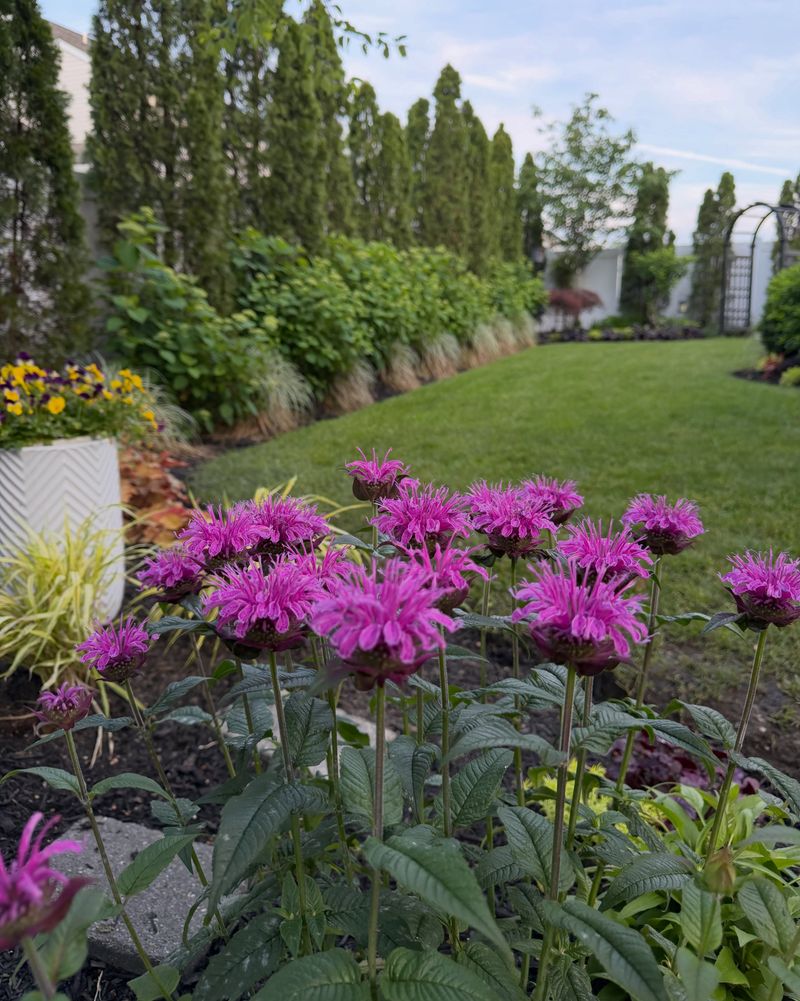
Bee balm has a striking presence in any garden, and planting it in August gives it a real advantage. Roots spread actively in warm soil, and the weeks before fall cooling arrive are prime time for establishment.
Getting this plant grounded early pays off the following spring.
Monarda prefers moist, well-drained soil and does well in full sun or light partial shade. Avoid planting in spots with poor airflow.
Bee balm is prone to powdery mildew, and good circulation from the start reduces that problem significantly.
When selecting a variety, look for mildew-resistant cultivars. Options like Monarda didyma ‘Jacob Cline’ or ‘Raspberry Wine’ tend to hold up better in humid summer conditions.
Resistance varies by variety, so check the plant tag before purchasing.
Space plants at least 18 to 24 inches apart. Bee balm spreads by underground rhizomes and can crowd itself over time.
Starting with adequate spacing prevents the need to divide too soon.
Water consistently for the first three weeks after planting. Once roots are settled, reduce watering frequency but maintain moisture during dry stretches.
Mulching helps regulate soil moisture and temperature as the season shifts toward fall.
Cutting stems back slightly at planting time encourages root focus. New growth will emerge from the base as temperatures moderate, signaling that the plant has taken hold and is ready for winter.
5. Garden Phlox Adjusts To Its New Spot Before Temperatures Drop
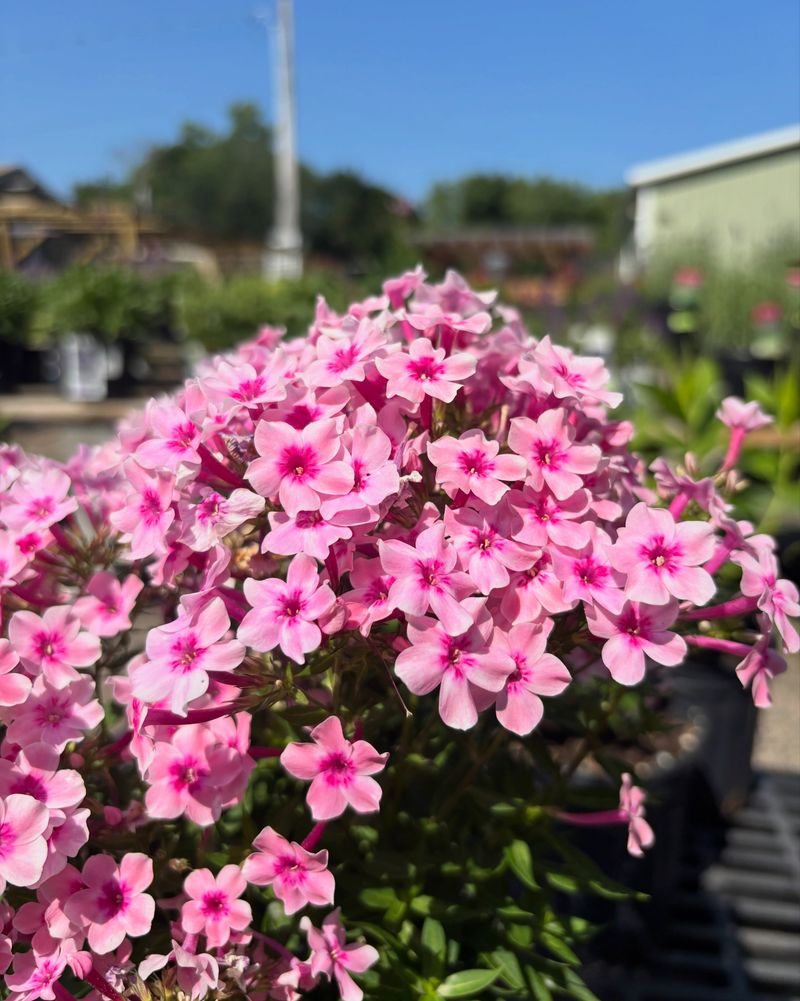
Few perennials deliver the color that garden phlox does, and timing the planting right makes a real difference in long-term performance. August is a solid window for getting phlox into the ground.
Roots establish faster in warm soil than in cool fall ground.
Phlox paniculata likes rich, moisture-retentive soil with good drainage. Amending with compost before planting gives new transplants better access to nutrients.
Avoid sandy, fast-draining spots where moisture disappears too quickly between waterings.
Mildew resistance should be a top priority when selecting a variety. Some cultivars handle humidity far better than others. ‘David,’ ‘Robert Poore,’ and ‘Jeana’ are commonly recommended for their improved resistance in humid climates.
Plant in a location with morning sun and some afternoon shade if possible. Full sun works, but afternoon shade in hot climates can reduce stress on foliage.
Good airflow around the plant also helps keep mildew from becoming a persistent problem.
Water regularly after planting and avoid wetting the foliage when possible. Watering at the base rather than overhead reduces moisture on leaves, which limits mildew conditions.
Mulching the root zone helps maintain consistent soil moisture through fall.
By late fall, a well-planted phlox will have a solid root network in place. That foundation means stronger, taller bloom stalks the following summer.
Starting in August rather than waiting for spring gives the plant a season-long head start.
6. Asters Take Advantage Of Warm Late-Summer Ground
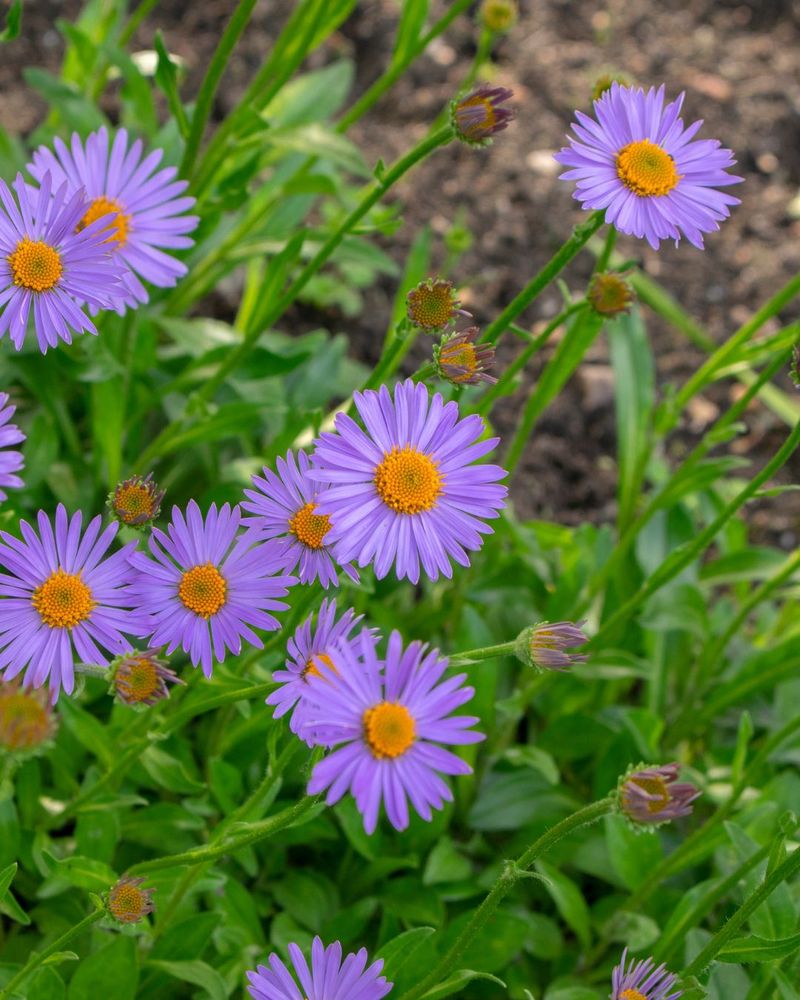
Asters are fall bloomers, which makes August planting feel perfectly timed. Roots settle into warm soil while the plant is still in a pre-bloom phase.
By the time flowers open, the plant is already anchored and drawing moisture effectively.
Native asters, including Symphyotrichum oblongifolium and Symphyotrichum novae-angliae, perform well in the Southeast. They handle variable soil and tolerate some drought once established.
Native selections tend to adapt more reliably than some hybrid cultivars in regional conditions.
Plant asters in full sun for the best bloom production. Partial shade is tolerable, but flowering is reduced.
Choose a spot with decent drainage and avoid low areas that collect standing water after heavy rain.
Water new transplants consistently during the first few weeks. Asters are not drought-tolerant immediately after planting, even though they can handle dry conditions once established.
Bridging that gap with regular watering is important for root development.
Pinching the tips of stems in early August, before transplanting, encourages bushier growth and more blooms. If the plant is already well-branched, skip this step.
Focus on root establishment rather than shaping at this stage.
Mulch around the base after planting to stabilize soil temperature and hold moisture. As fall arrives, asters will reward the August effort with a flush of color right when most other garden plants are winding down.
The timing works out well in Georgia’s fall climate.
7. Goldenrod Develops Belowground Growth After August Planting
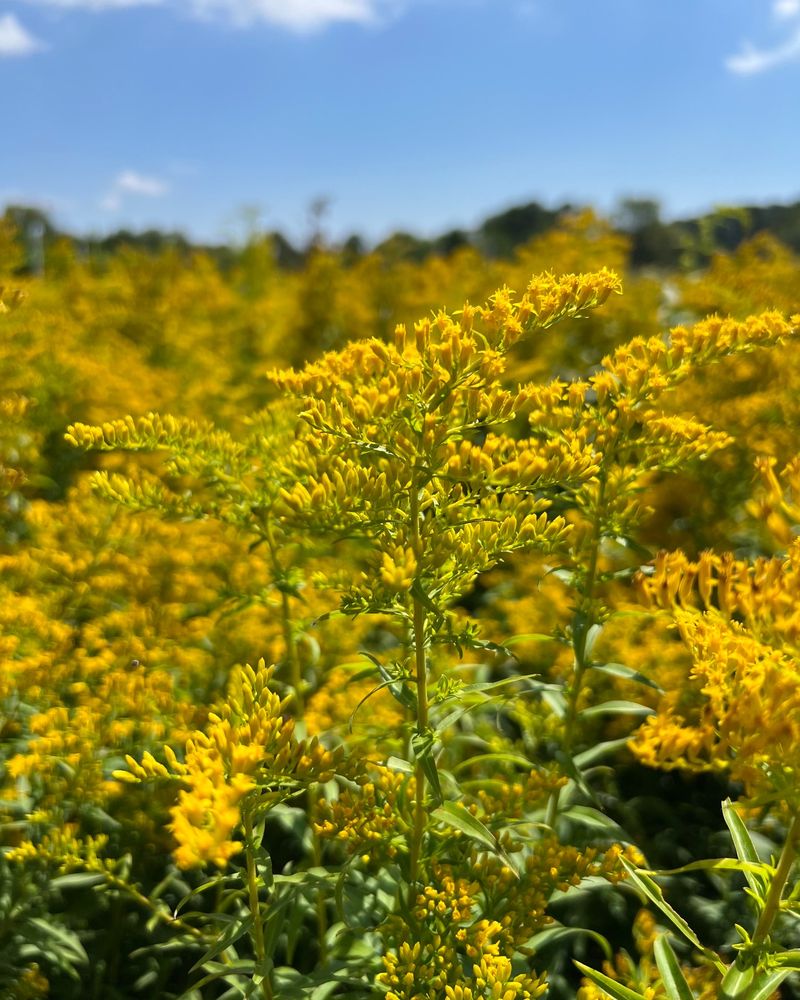
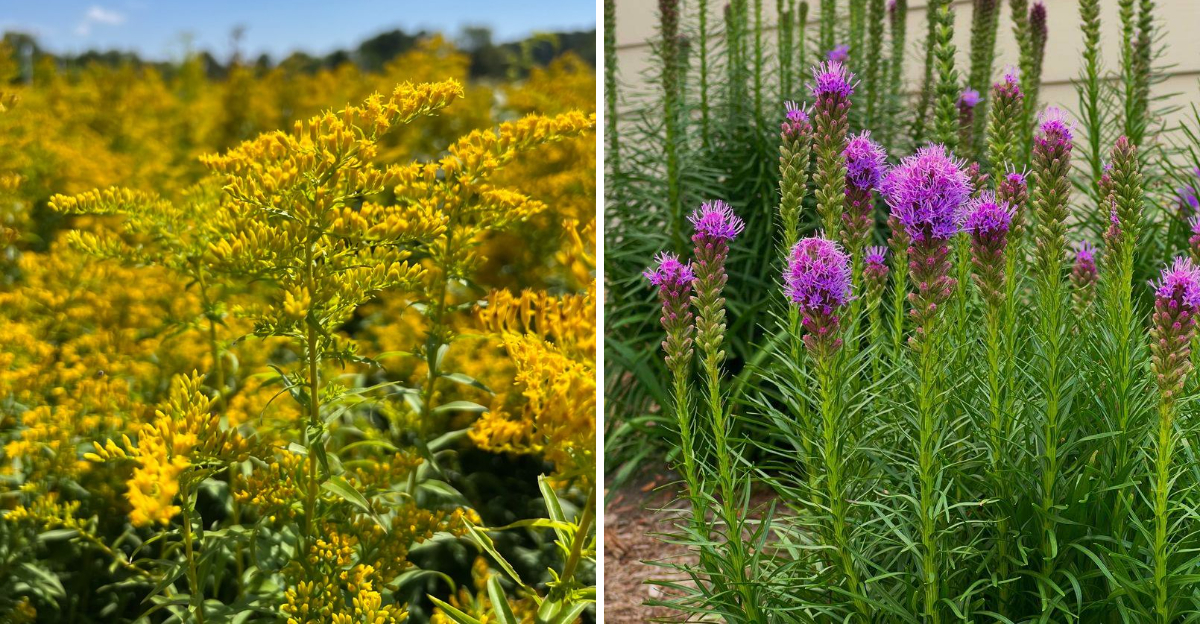
Goldenrod gets overlooked far too often, and that’s a mistake. Plant it in August and it quietly gets to work underground while most gardeners are focused on fall cleanup.
Root development happens fast in warm late-summer soil.
Solidago species are native across much of the eastern United States, and several perform well in Georgia. Solidago rugosa and Solidago odora are both solid choices for regional gardens.
Native species tend to establish more reliably than cultivated hybrids in local soil conditions.
Goldenrod thrives in average to poor soil. Rich, heavily amended soil can actually push too much leafy growth and reduce root density.
Plant it where other things struggle, and it often does surprisingly well.
Full sun is preferred, but goldenrod tolerates light shade without significant loss of vigor. Avoid heavily shaded spots where air circulation is limited.
Good airflow helps reduce foliar issues as the plant matures.
Water new transplants for the first two to three weeks, then pull back. Overwatering established goldenrod leads to weak, floppy stems.
Once roots are in place, this plant is remarkably self-sufficient through normal weather patterns.
By the time temperatures cool in October, a goldenrod planted in August will have a strong underground network established. That root system supports faster spring emergence and more robust bloom stalks the following season.
It’s a low-effort, high-reward planting choice for late summer.
8. Blazing Star Gets Established Before Winter Arrives
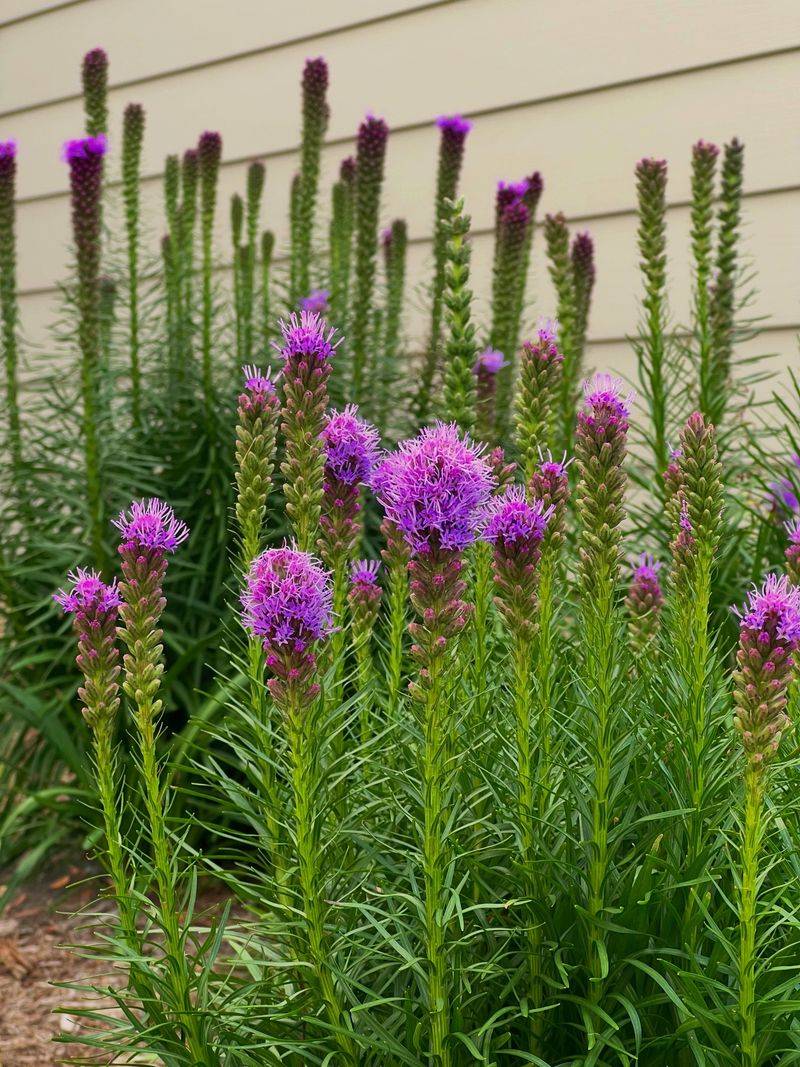
Liatris is one of those plants that looks dramatic but asks for very little in return. Planting it in August gives the corm or transplant time to anchor before cold weather settles in.
That root development window is what separates a struggling plant from a thriving one.
Liatris spicata grows from corms and prefers well-drained soil above most other conditions. Wet, heavy clay is the main obstacle to success.
If your soil stays soggy after rain, raise the bed or choose a different location before planting.
Full sun is non-negotiable for strong bloom production. Shaded plants produce fewer flower spikes and tend to lean or flop over time.
Pick the sunniest spot available and the plant will reward you for it.
Water consistently for the first three weeks after planting. Once the corm is established, blazing star handles moderate dry spells without significant setback.
Avoid overwatering, which is a more common problem than drought stress with this species.
Mulch lightly around the base after planting. A thin layer helps retain moisture and moderate soil temperature as fall approaches.
Avoid piling mulch directly against the base of the plant, which can trap moisture and cause problems.
Blazing star blooms from the top of the spike downward, which is unusual among flowering perennials. Pollinators, especially bees and butterflies, are drawn heavily to the blooms.
An August planting sets up a strong flowering display for the following summer season.