The Easiest Fruit Tree To Plant In Texas This October
Many fruit trees in Texas come with a catch. Peaches need just the right number of cold hours. Apples struggle in the heat.
Citrus can freeze during a surprise winter blast. Many trees also need a second tree nearby for pollination, plus regular spraying to keep pests and diseases away. Then there’s one tree that skips most of that hassle.
It handles Texas heat with ease, shrugs off most pests, and many varieties produce fruit without a partner tree. In fall, its leaves turn fiery shades of orange and red.
Once they drop, the branches stay loaded with bright, glossy fruit that looks almost like ornaments hanging in the yard.
October is an ideal time to plant it, too. Cooler weather gives the roots a head start before next summer’s heat arrives.
For anyone who wants homegrown fruit without the headache, this tree is hard to beat.
The Low-Fuss Fruit Tree To Plant This October
Ask any longtime Texas gardener for an easy fruit tree, and there is a good chance they will point to a persimmon.
Japanese persimmon trees came from Asia, where people have grown them for more than a thousand years. Today, they feel right at home in yards from Dallas to San Antonio.
What makes them special is how little they ask of you. Peaches, apples, and plums often need careful pruning, spraying, and lots of attention.
Persimmons are more like the quiet kid in class who always turns in their homework on time.
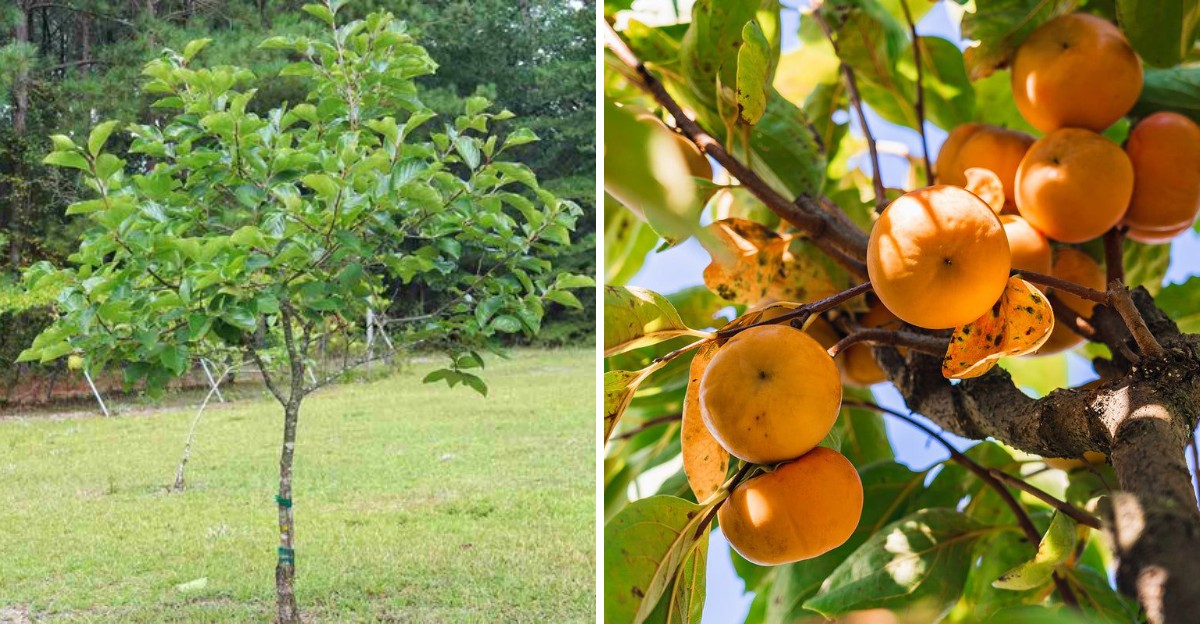
The fruit is the real star. In fall, the tree fills up with round or slightly flat orange fruit that glows in the sun.
Some types taste like honey and brown sugar, while others are crisp and mild. Many people eat them fresh, slice them into salads, or bake them into breads and cookies.
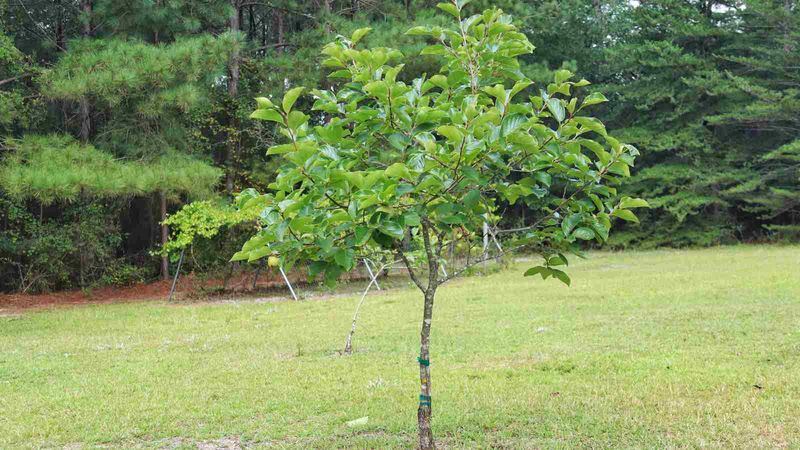
Size is another bonus. Most Japanese persimmons stay around 15 to 25 feet tall, and some are even smaller. That means they fit nicely in small or medium yards without taking over. You can even keep them shorter with a little light trimming if space is tight.
These trees also handle Texas heat better than many other fruit trees. Once they are settled, they can take hot summers and mild winters without much trouble.
They do not need as many chill hours as apples, which helps a lot in the southern half of the state.
Fun fact: the scientific name for persimmon, Diospyros, is often translated as food of the gods. After tasting a ripe one, you might agree that the name fits pretty well.
Why October Is A Great Time To Plant
Timing matters in the garden, and fall is a secret weapon in Texas. Most people think spring is the best time to plant trees. In our state, though, October often works even better.
Here is the reason. When you plant a container-grown tree in fall, the air gets cooler, but the soil stays warm for a while.
Warm soil helps roots grow and spread out. Meanwhile, the top of the tree slows down and gets ready for winter rest.
Your Texas Garden Changes Every Week. Your Plan Should Too.
Gardening in Texas changes quickly throughout the season. Every Friday you’ll receive a simple weekly plan showing exactly what to plant, prune, fertilize, harvest, and protect so you never miss the right timing.
So while you are putting up fall decorations, your new tree is busy underground. The roots keep reaching deeper during fall and mild winter days.
By the time spring shows up, the tree has a stronger root system ready to support new leaves.
Compare that to a spring-planted tree. It has only a few short months to settle in before July heat hits hard.
Young roots struggle to keep up when temperatures climb past 100 degrees. That can leave the tree stressed and thirsty all summer.
Watering is easier in fall too. Cooler days mean less water evaporates from the soil. You will not need to drag the hose out every single afternoon. Still, check the soil once or twice a week, and water when the top few inches feel dry.
Another perk is that nurseries often have good stock in October. Many garden centers bring in fresh fruit trees for fall shoppers. You may even find a nice sale as they clear space for winter plants.
A quick tip: try to plant by mid to late October. That gives roots plenty of warm soil time before the first real cold snap arrives.
Few Pest And Disease Problems
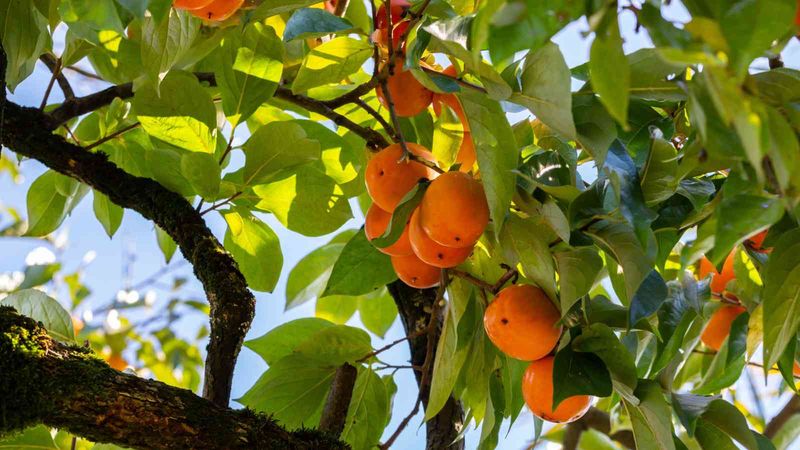
Spray schedules, fungus sprays, bug traps. If that list makes you tired, you are not alone. Many fruit trees need a strict routine just to produce a decent crop, and that can scare off new gardeners.
Persimmons break that pattern in a big way. In most home gardens, they rarely need any regular spray program at all.
You can simply let the tree grow and enjoy the fruit. That alone makes it a winner for beginners.
Peach trees, for example, often battle brown rot, borers, and plum curculio. Apples can get fire blight and cedar apple rust. Persimmons have fewer serious enemies, which saves you money, time, and a lot of worry.
That does not mean they are totally problem free. Once in a while, you might see a few leaf spots in rainy years.
Twig girdler beetles sometimes chew branches in fall, causing small twigs to drop. The fix is easy. Just pick up and throw away fallen twigs to break the beetle life cycle.
Birds and raccoons may also want a taste of your ripe fruit. To keep more for yourself, pick persimmons a little early and let them finish ripening indoors. Lightweight bird netting can help too if the tree is small.
Healthy trees fight off trouble better. Give yours enough sun, good drainage, and steady water during dry spells.
A strong tree is like a well-rested student. It handles challenges much better than one that is worn out.
Here is a helpful habit. Walk around your tree once a week and look at the leaves and branches. Catching small issues early keeps them from turning into big ones later.
No Second Tree Needed
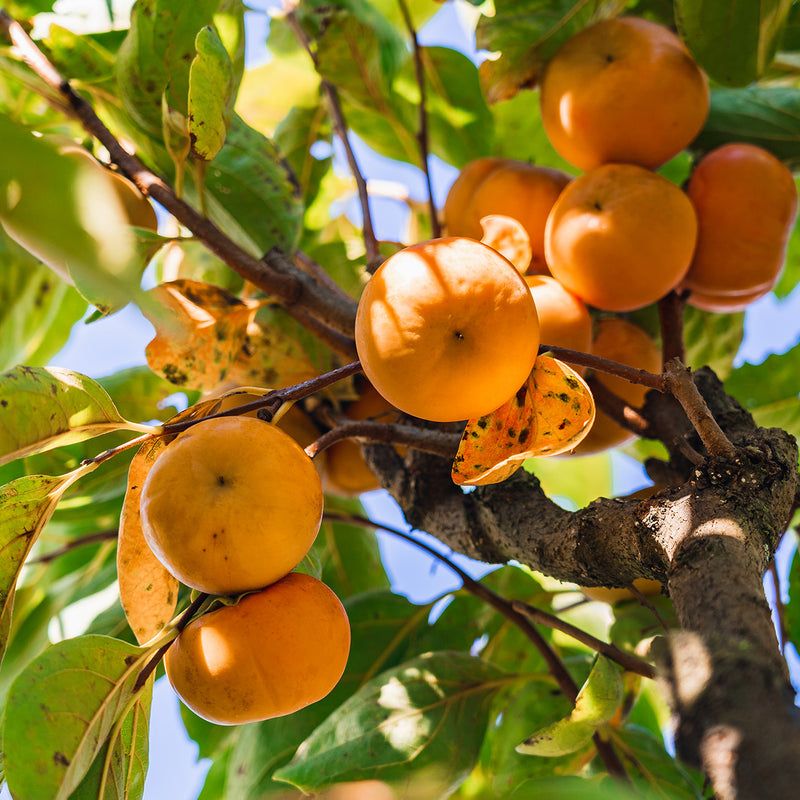
Good news for folks with small yards: one persimmon tree can be plenty. Many fruit trees need a partner nearby to make fruit. That means buying two trees and finding room for both.
Popular persimmon varieties like Fuyu and Eureka can set fruit all by themselves. Gardeners call this self-fruitful.
Without any pollinator tree, they can still give you a nice harvest. Your wallet and your yard space will both be happy.
Now, the fun part is knowing the difference between these two. Fuyu is a non-astringent type. You can eat it while it is still firm, just like an apple. Slice it up for lunch boxes, toss it in a salad, or crunch it as an afternoon snack.
Eureka is an astringent type, and that matters a lot. If you bite into one before it is ready, your mouth will pucker up fast. The flavor is chalky and dry. Many people try an unripe one once and never forget it.
Wait until an Eureka persimmon feels soft, almost like a water balloon. At that point, it turns sweet, rich, and jelly-like. Scoop it out with a spoon or use it in puddings and breads. It is worth the wait.
So which should you pick? If you want fruit you can eat right off the tree, go with Fuyu. If you love baking or enjoy super sweet, soft fruit, Eureka is a great choice. Some gardeners grow both for variety.
A little history bit: Fuyu is one of the most widely grown persimmons in Japan. It has been a favorite there for generations and is now loved across Texas too.
Beautiful In Every Season
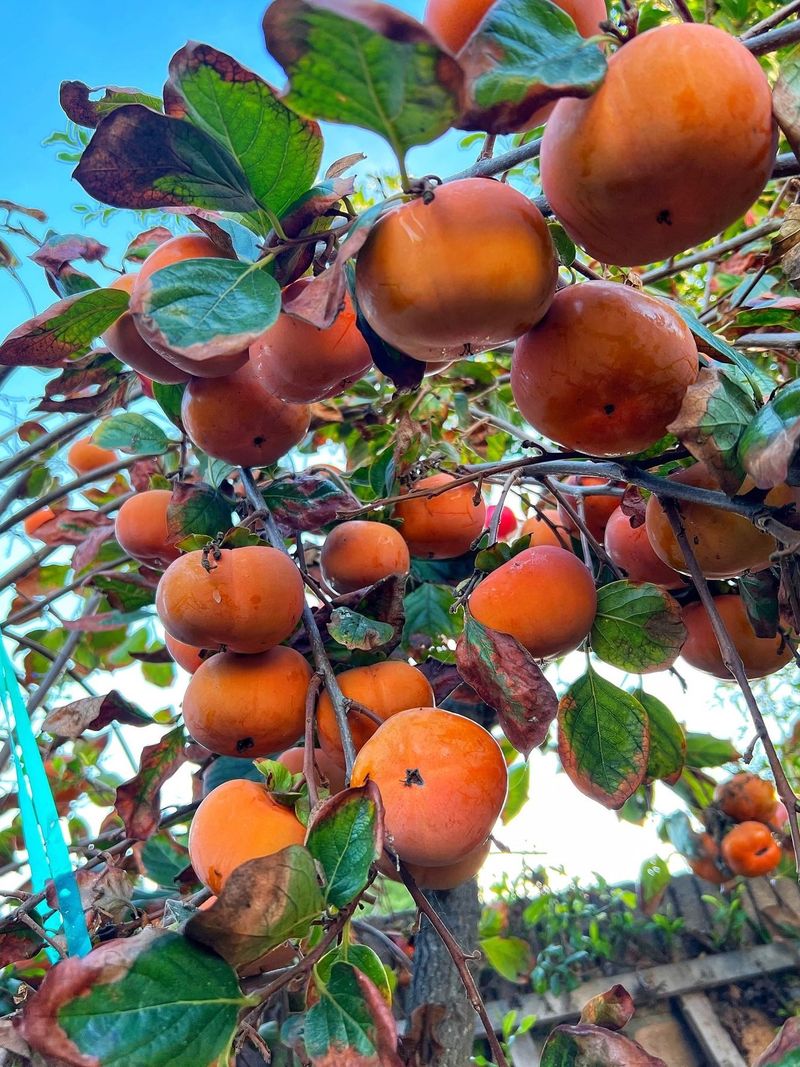
Some trees are only pretty for a few weeks. The persimmon, on the other hand, puts on a show from spring to winter. It is almost like having a living piece of art in your yard.
Spring brings fresh, bright green leaves. Small cream-colored flowers appear too, though they are easy to miss because they hide under the leaves. Bees still find them, buzzing around happily on warm mornings.
By summer, the leaves turn thick and glossy. They shine in the sunlight and give the tree a clean, polished look.
The shade is welcome on hot Texas afternoons, and the green fruit slowly swells on the branches.
Then fall arrives, and things get exciting. The leaves change to shades of orange, red, and gold. In a state where bright fall color can be hard to find, a persimmon tree really stands out on the block. Neighbors may even stop to ask what it is.
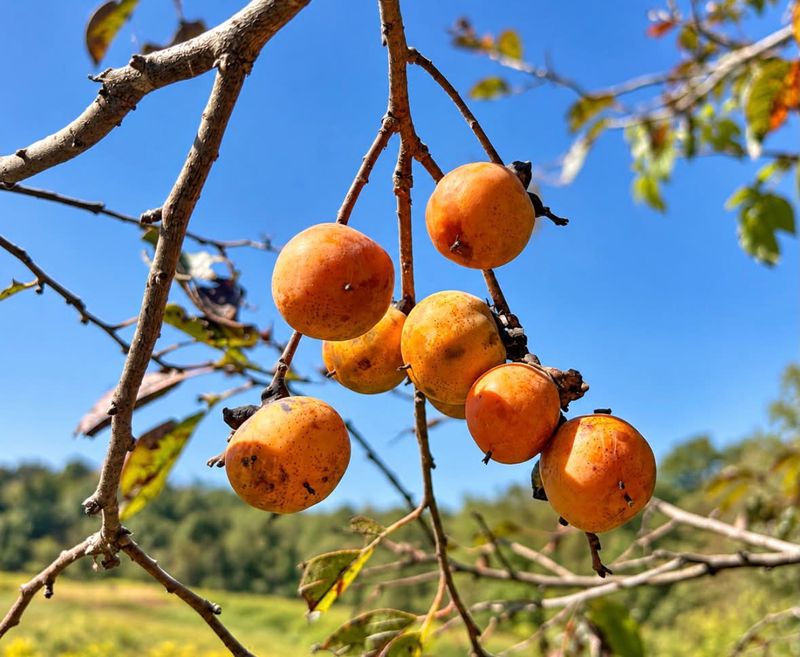
Here comes the most magical part. After the leaves drop, the orange fruit often stays hanging on the bare branches.
From a distance, it looks like someone decorated the tree with tiny lanterns. It is a lovely sight around Thanksgiving and early December.
Winter shows off the shape of the branches. The bark has a neat, blocky pattern that some people say looks like alligator skin. Even without leaves, the tree adds interest to your yard.
Want to make it pop even more? Plant it where you can see it from a kitchen or living room window. That way, you can enjoy every season from inside, with a warm drink in your hand.
Simple Planting And Care
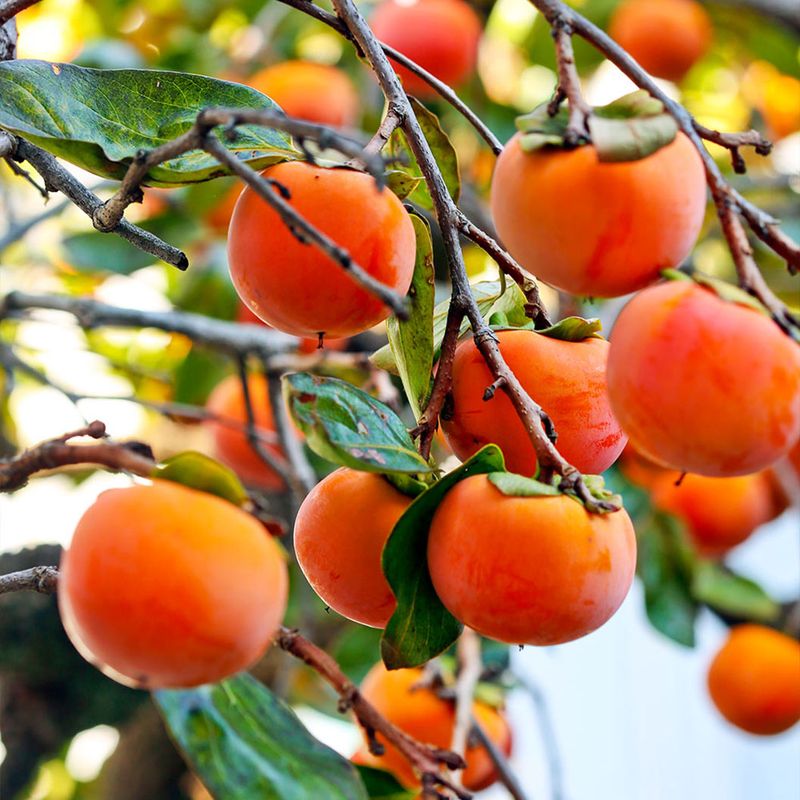
Ready to get your hands dirty? Planting a persimmon is simple, and you only need a few basic tools. A shovel, some mulch, and a garden hose will cover most of the job.
First, pick the right spot. Persimmons love full sun, so aim for at least six to eight hours each day. Good drainage is also key. If water puddles in that area after rain, choose a different place or plant on a slightly raised mound.
Next, dig a hole about twice as wide as the pot but no deeper. Plant the tree at the same depth it grew in the container. Setting it too deep can harm the trunk over time.
Be extra gentle with the roots. Persimmons have a long taproot that does not like being disturbed.
Slide the tree out of its pot carefully and avoid pulling apart the root ball. Fill in with native soil and press it down lightly.
Water deeply right after planting. During the first year, keep the soil evenly moist, especially during dry or windy spells. A slow soak once or twice a week usually works better than quick daily sprinkles.
Spread two to three inches of mulch around the base, leaving a small gap near the trunk. Mulch keeps roots cool, holds in moisture, and blocks weeds. Shredded bark or wood chips work nicely.
Pruning is refreshingly light. Just remove dry, broken, or crossing branches in late winter. There is no need for heavy cutting like with peaches.
One final tip: go easy on fertilizer. Too much can cause the tree to drop fruit early. A little compost each spring is usually enough.