How To Start A Southern Magnolia From Seed In Georgia This October
If you have a southern magnolia nearby, take a look at the fuzzy seed cones hanging from its branches right now.
Many are splitting open to show bright red seeds that are hard to miss. Those seeds can grow into a new tree, and collecting a few costs nothing.
Growing a magnolia this way takes some patience, but the process is simpler than most homeowners expect.
The seeds need some preparation before they sprout, and skipping it is a common reason first attempts fail. October in Georgia is a good time to start, since seeds are fresh and plentiful.
Fresh seeds tend to sprout far better than ones that dried out on the ground.
Pick a few of the reddest, plumpest seeds you can find, and set them aside indoors.
1. Bright Red Seeds Peeking From Split Cones Are Ready To Collect
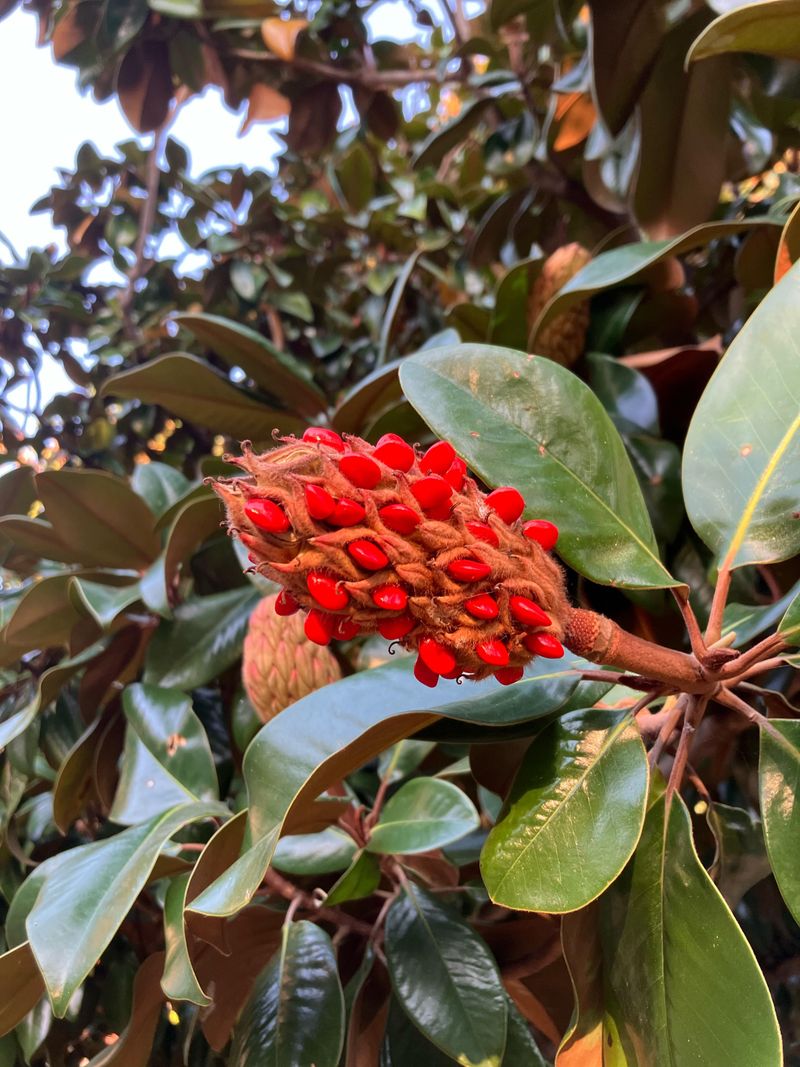
Timing matters more than luck here. Southern magnolia cones usually ripen from late September through October, and the red seeds are your clearest signal.
Look for cones that have turned brownish and started to crack along their bumpy seams.
Once the cones split, the seeds often dangle from thin white threads before dropping to the ground. Birds and squirrels notice them fast, so check your tree every few days.
Across much of Georgia, early to mid October tends to be a good window, though an individual tree may run a little early or late.
Pick seeds straight from the cone when you can, since fallen ones may already be drying or chewed. A gentle tug should free them if they are truly ripe.
Green, tightly closed cones are not ready yet, and seeds pulled from them are less likely to sprout.
Gather more seeds than you think you need, because germination rates can be uneven. A dozen or two gives you a decent chance of ending up with a few healthy seedlings.
Keep the seeds in a paper cup or small bag while you collect, then move on to cleaning the same day if possible. Quick handling helps keep them from losing moisture.
2. Soak And Rub Away The Waxy Red Coating
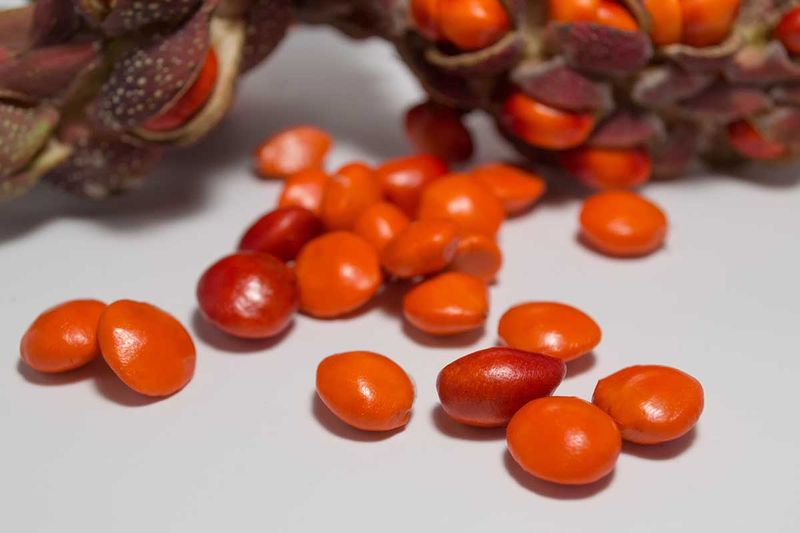
That shiny red skin looks pretty, but it can hold back sprouting. The oily coating contains substances that may slow germination, so most growers remove it before storing.
Start by dropping your seeds into a bowl of room temperature water.
Let them soak for about a day, or up to two or three days if the coating seems stubborn. Softened pulp slides off much more easily than dry pulp.
Next, rub the seeds between your fingers or against a piece of hardware cloth or a kitchen strainer.
Underneath, you will find a hard seed that is usually dark brown or black. Keep working until most of the red and orange flesh is gone, since small traces are fine.
Wearing thin gloves is a smart move because the pulp can feel greasy and stain your hands a bit.
Rinse the cleaned seeds and toss any that float, since floaters are sometimes empty or poorly formed. That float test is not perfect, so keep any doubtful seeds if you have plenty of room.
Your Georgia Garden Changes Every Week. Your Plan Should Too.
Gardening in Georgia changes quickly throughout the season. Every Friday you’ll receive a simple weekly plan showing exactly what to plant, prune, fertilize, harvest, and protect so you never miss the right timing.
Gardeners in Georgia often do this job outdoors on a porch, which keeps the messy pulp out of the kitchen sink.
3. Do Not Let The Cleaned Seeds Dry Out
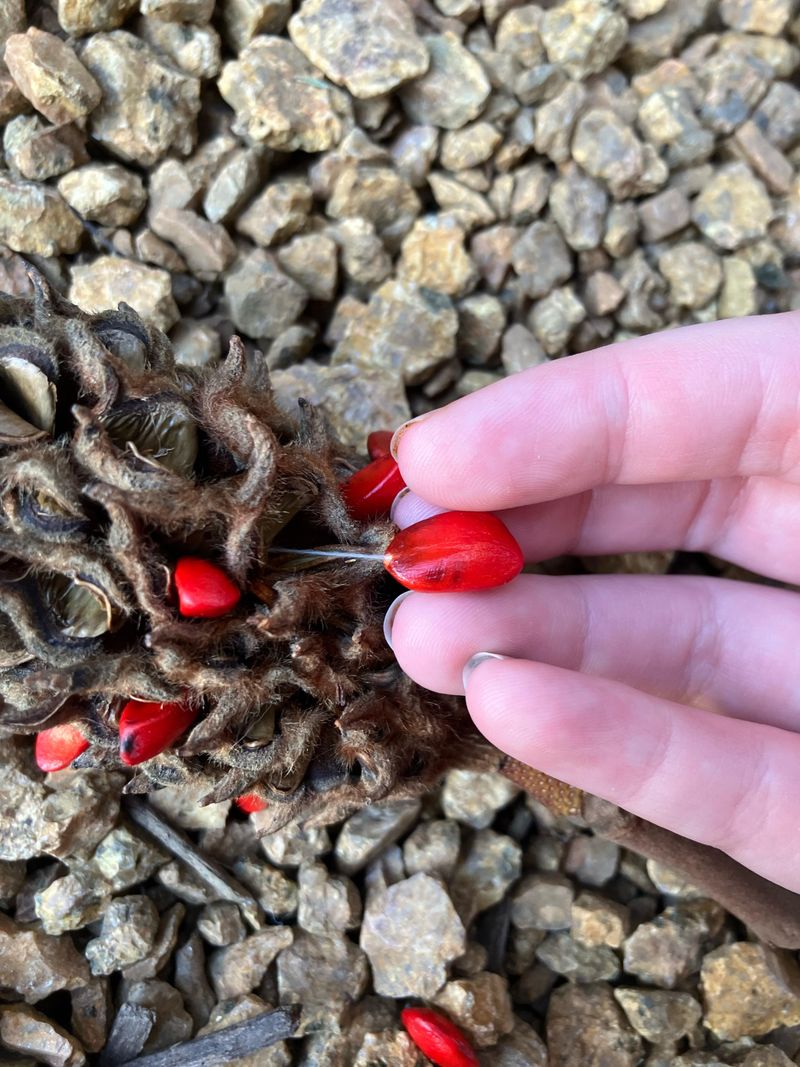
Here is where a lot of seed projects quietly fail. Magnolia seeds lose their ability to sprout if they dry out, so treat them more like fresh produce than packet seeds.
Right after cleaning, keep the seeds slightly moist while you get your storage ready.
A good holding mix is damp peat moss, sphagnum moss, or coarse sand. Squeeze out extra water until the material feels like a wrung-out sponge rather than a soggy mess.
Place the seeds and mix together in a zip-top bag or a small plastic container with a lid.
Too much water can bring mold, which is just as big a problem as drying. Poke a few tiny holes in the bag if you notice heavy condensation after a day or two.
Label the bag with the date and where you collected the seeds, especially if you gathered from more than one tree.
October afternoons in Georgia can still get warm, so avoid leaving the bag in a hot car or sunny window. Heat speeds up drying and may encourage rot.
Check the bag every week or two and add a few drops of water if the mix starts feeling dry.
4. A Few Months In The Refrigerator Provides The Needed Cold Period
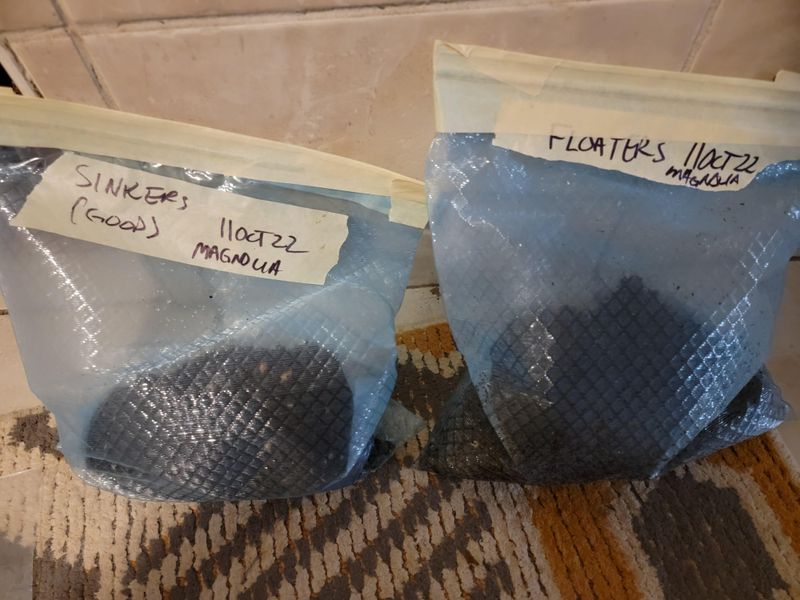
Your refrigerator can stand in for winter. Southern magnolia seeds usually need a cool, moist rest, called cold stratification, before they are ready to grow.
Set your sealed bag of seeds and damp moss in the main part of the fridge, not the freezer.
A temperature around 35 to 41 degrees Fahrenheit works well, and most home refrigerators fall close to that range. Freezing temperatures can harm the seeds, so keep them away from the back wall where ice sometimes forms.
Plan on roughly three to six months of chilling, depending on the source you follow and the seeds themselves.
If you start in October, that puts planting somewhere between January and April. Many Georgia gardeners aim for a March or early April sowing to match warming weather.
Store the bag away from ripe apples and bananas if you can, since fruit gives off ethylene gas.
Open the bag once or twice a month to check moisture and look for mold. Any fuzzy seeds can be rinsed or removed so the problem does not spread.
Sometimes a seed sprouts early in the fridge, which is a good sign that it is ready to be potted up right away.
5. Outdoor Sowing Can Provide Natural Winter Chilling Instead
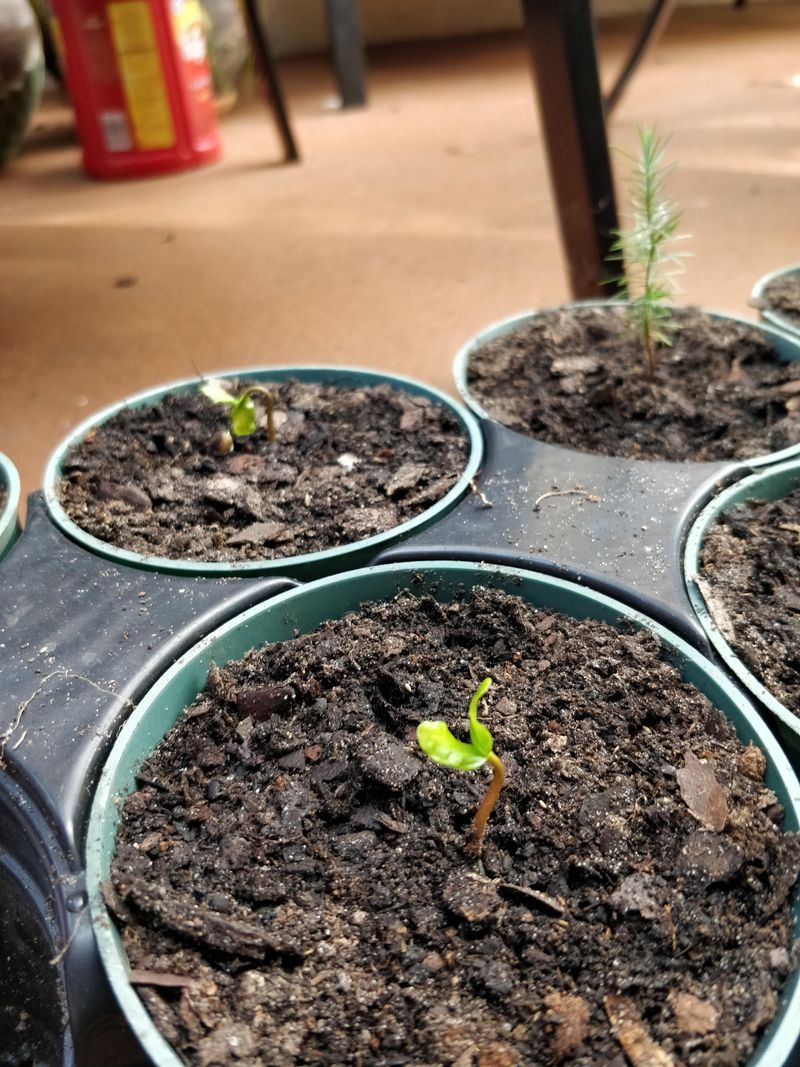
No fridge space? Mother Nature can handle the chilling for you, and plenty of gardeners prefer that simpler route.
Sow the cleaned seeds outside in fall, about a half inch to one inch deep, in loose soil or a deep pot.
Pick a spot with good drainage, because seeds sitting in soggy ground may rot before spring. Raised beds or pots filled with a mix of potting soil and compost often work better than heavy clay.
Squirrels and chipmunks love magnolia seeds, so cover your bed or pots with hardware cloth or a wire screen.
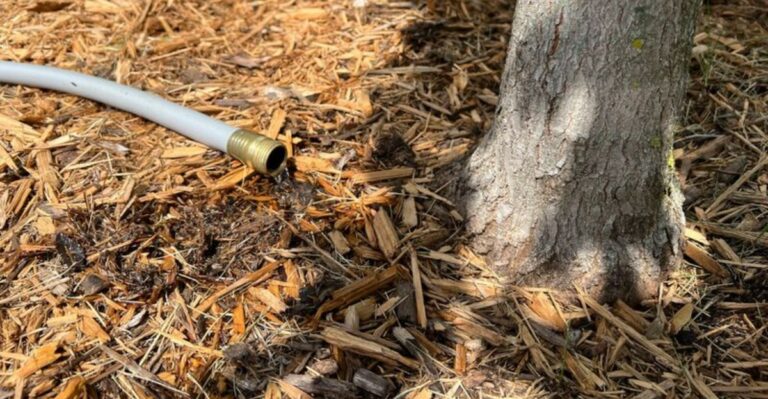
A thin layer of mulch, like pine straw or shredded leaves, helps hold moisture during dry spells. Winters in north Georgia usually bring more chilling hours than those along the coast.
South Georgia gardeners may get patchier results outdoors, since mild winters might not give every seed enough cold.
Keep the soil lightly moist through winter, watering only when a few dry weeks pass. Winter rain often covers this, but it varies from year to year.
Mark each pot or row with a label so nobody digs it up by mistake before sprouts appear in spring.
6. Warm Spring Conditions Encourage The Seeds To Germinate
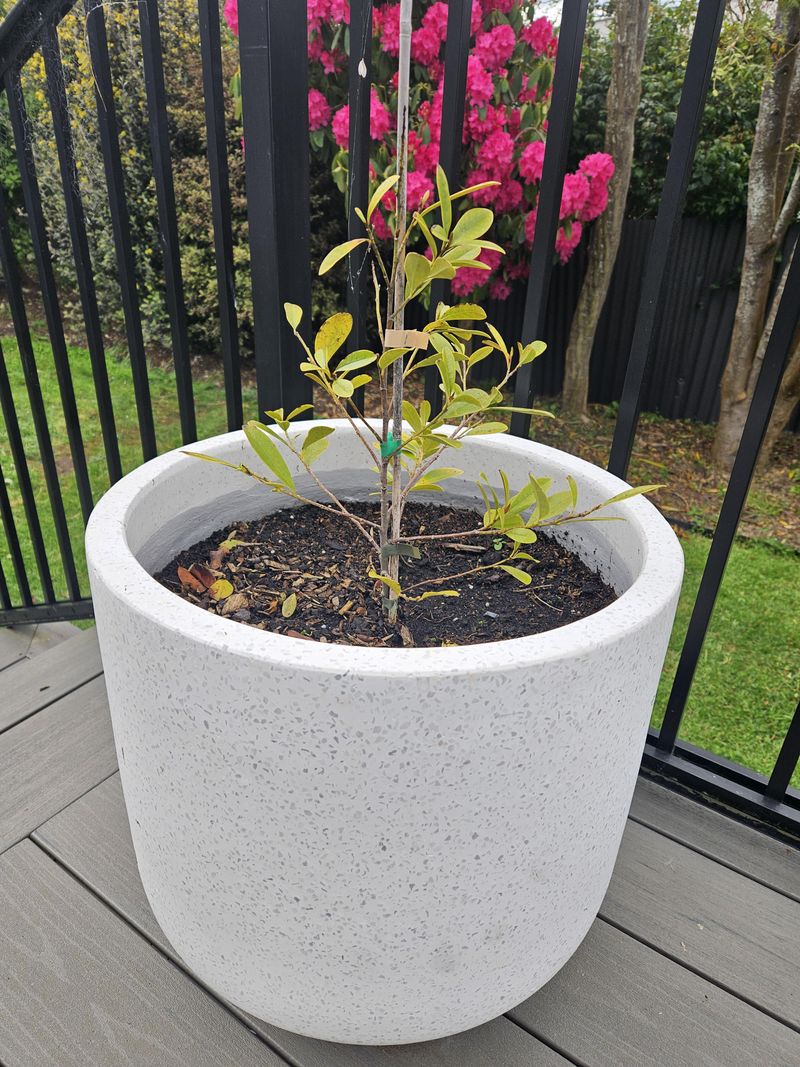
Spring is when the waiting finally pays off. Once the chill period ends, seeds respond to warmth and moisture by pushing out a root and then a small shoot.
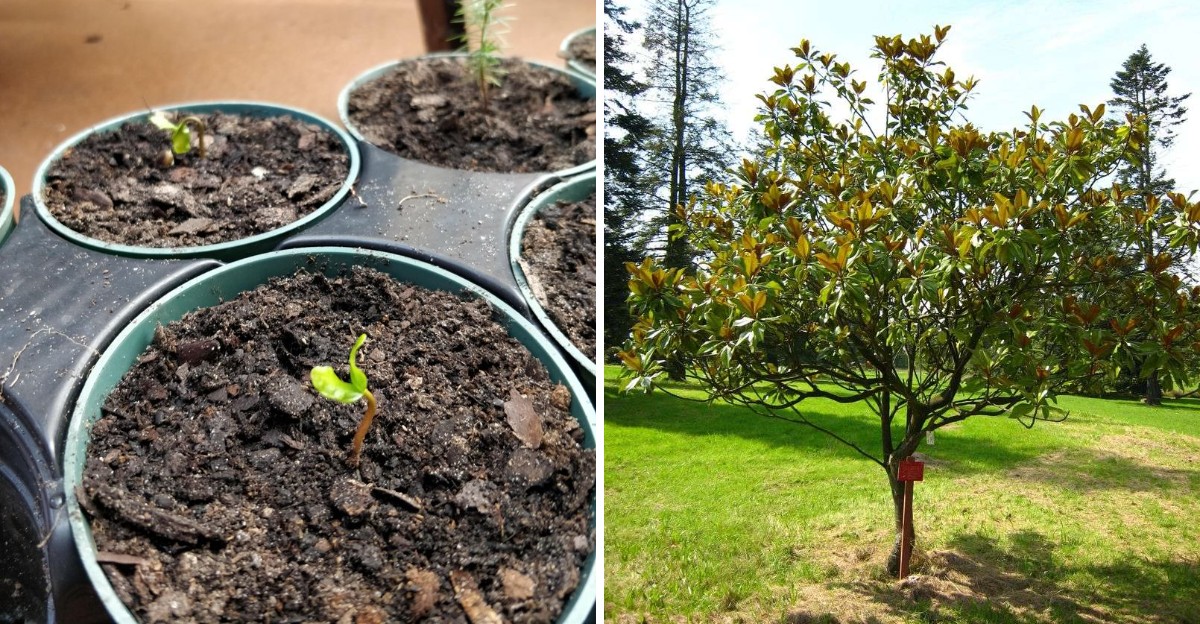
Plant refrigerated seeds about a half inch deep in pots filled with fresh, well-drained potting mix.
Soil temperatures around 70 to 80 degrees Fahrenheit tend to help things along. In Georgia, that often means waiting until April, or using a sunny windowsill or seed mat indoors.
Patience matters, since sprouts can appear in a few weeks or take a couple of months.
Keep the mix evenly damp but not muddy. Water from the bottom by setting pots in a tray, which helps avoid washing seeds loose.
Bright light is useful once leaves show, but young seedlings may scorch in harsh afternoon sun.
Morning sun with light afternoon shade suits them well at first. You can slowly give them more sun over the summer as they grow sturdier.
Magnolias grow a long taproot, so a deep pot helps. Move seedlings to bigger containers when roots start circling, and hold off on heavy feeding until they have several true leaves.
7. Seed Grown Magnolias Need Years Before Their First Flowers
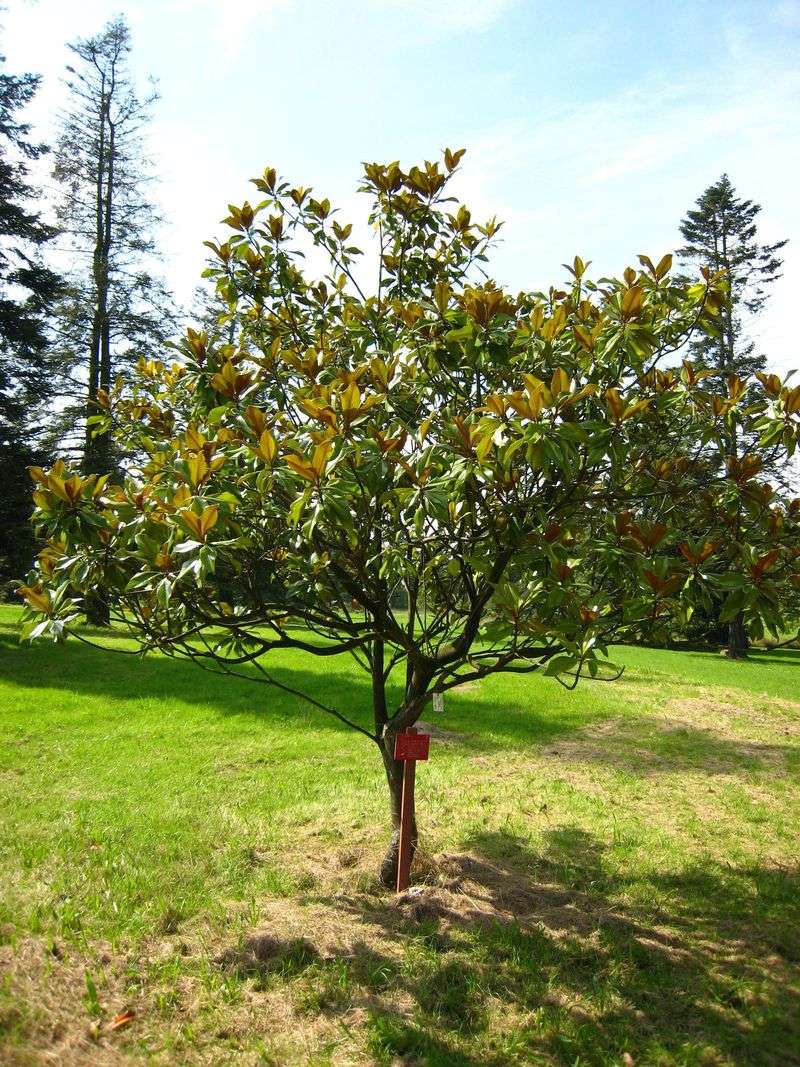
Blooms will not show up next summer, and that surprises some folks. Southern magnolias grown from seed often take around ten years to flower, and some take longer.
Nursery trees usually bloom sooner because many are grafted or grown from cuttings of mature plants.
Growth speed depends on sun, soil, water, and your local climate. A young tree in full sun with steady moisture may flower earlier than one stuck in deep shade.
Another quirk is that seedlings can look a bit different from their parent tree.
Leaf size, the brown fuzz under the leaves, and flower size may vary a little. That variety is part of the fun of starting trees the old-fashioned way.
Plan your final spot carefully, since these trees can reach 60 feet or more with a wide spread over time.
Fall and early winter are often good planting seasons in Georgia, giving roots time to settle before summer heat. Keep new trees watered during their first couple of dry summers.
Magnolia leaves drop year-round and cast dense shade, so grass may struggle underneath. Mulch or low shade plants can be an easier choice there.