Those Itchy Fall Bites Could Be Chiggers Hiding In Your Virginia Yard
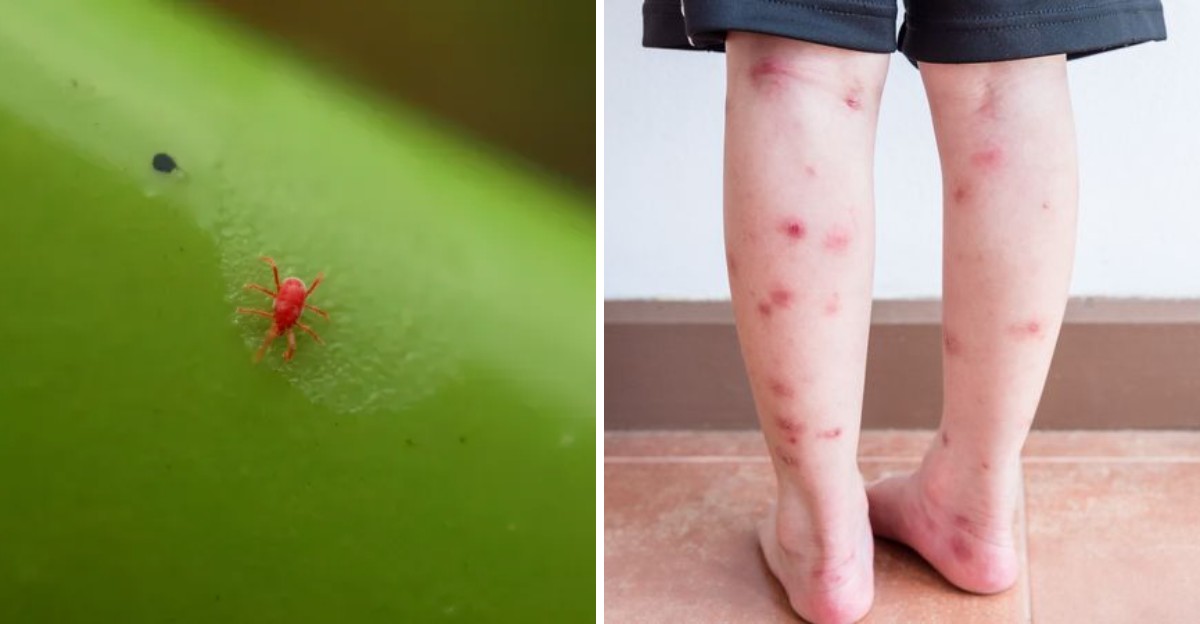
You raked a few leaves, sat on the lawn, and now your ankles are staging a full-blown protest. The itch creeps in slowly, then flares like tiny sparks under your socks.
If that sounds familiar, you may have met some uninvited guests you could barely see. Chiggers are almost too small to spot, yet they pack a surprisingly loud punch.
Plenty of people across Virginia assume these pests disappear with the summer heat. Warm autumn afternoons tell a different story.
Crunchy leaves and shady corners can still be crawling with hungry mites well into fall. Many stay active right up until the first hard frost.
The guide below reveals where chiggers hide and how their bites really work. Once you know, dodging them gets much easier.
Tall Grass And Weedy Edges Are Their Favorite Hangouts
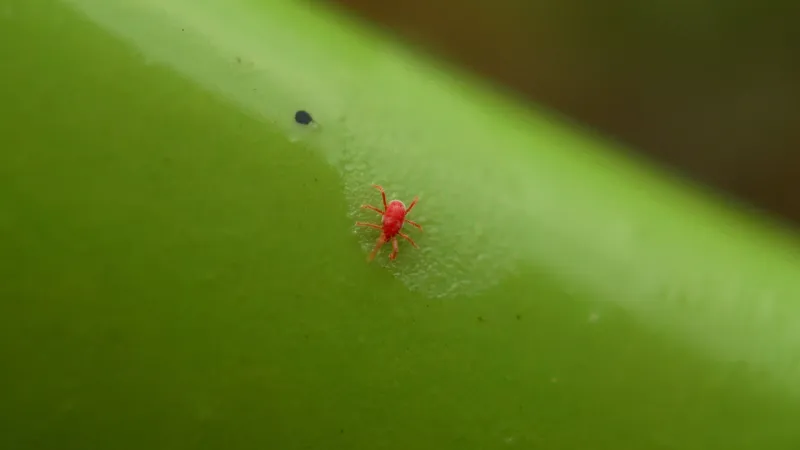
Picture a chigger as a tiny hitchhiker waiting by the road. Tall grass gives it the perfect spot to stand and wave for a ride.
Overgrown blades and weeds trap shade and moisture close to the ground. Chiggers love that humid pocket because their small bodies dry out quickly.
Most of them climb to the tips of grass and low plants. From there, they grab onto socks, shoes, or bare ankles brushing past.
Weedy edges are especially busy spots for these mites. Fence lines, ditches, and the strip behind the shed often go unmowed for weeks.
Walk your property with fresh eyes this week. Look for any patch where grass reaches above your ankles or weeds crowd together.
Kids and pets often find these zones first. A game of hide-and-seek in the back corner can end with a pile of itchy welts.
Many Virginia yards border fields or empty lots full of wild growth. Those rough margins can send a steady stream of mites toward your lawn.
Here is a simple test some people use. Place a dark piece of cardboard upright in the grass for a few minutes.
Tiny red or orange specks crawling on it may be chiggers. Their color stands out against the dark surface, so check closely.
Knowing their hangouts helps you plan your steps. Stick to mowed paths and short grass whenever you can this season.
Tucking pants into socks also blocks the easy climb. The mites struggle to reach skin when every gap is closed off tight.
Shady, Damp Spots Keep Them Active Longer
Sunshine is no friend to a chigger. Bright, dry ground makes these tiny mites shrivel up fast, so they flee for cover.
Shade and dampness act like a spa day for them. Moist air keeps their fragile bodies comfortable and ready to hunt for hosts.
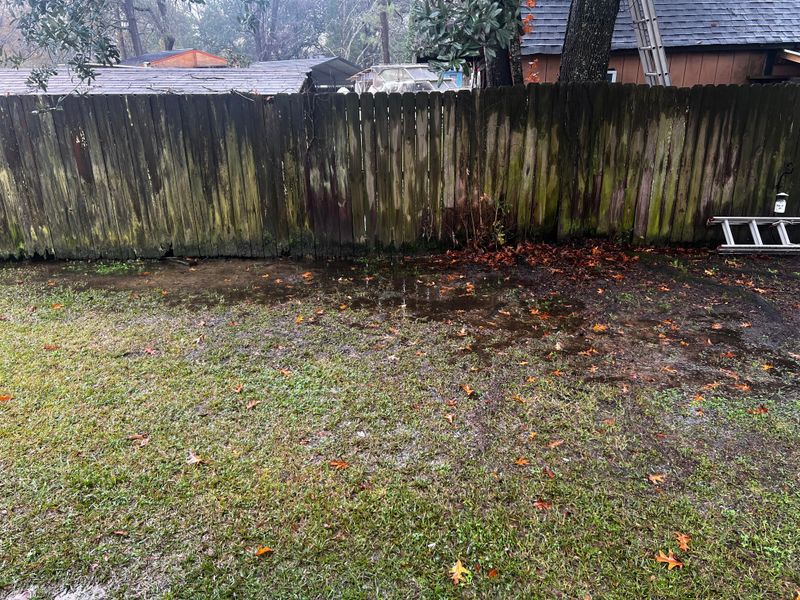
Think about the spots in your yard that stay soggy after rain. Low areas near downspouts, under decks, and beneath big trees top the list.
Virginia summers and falls often bring sticky humidity. That muggy air lets chiggers stay busy far longer than many people expect.
Morning dew adds even more moisture. Walking through wet, shaded grass early in the day can be a real risk.
Your Virginia Garden Changes Every Week. Your Plan Should Too.
Gardening in Virginia changes quickly throughout the season. Every Friday you’ll receive a simple weekly plan showing exactly what to plant, prune, fertilize, harvest, and protect so you never miss the right timing.
A few easy fixes can dry things out. Clean gutters so water drains away from the house instead of pooling nearby.
Thinning low tree branches lets more sunlight hit the ground. Even a few extra hours of sun can make a spot less inviting.
Fixing leaky hoses and faucets helps, too. Slow drips create damp patches that feel perfect to a moisture-loving mite.
Pay attention to where you sit outdoors. A shady picnic blanket under a maple feels lovely but might invite trouble.
Choose a sunny patch or a raised chair instead. Keeping your body off damp ground cuts your contact with hidden mites.
Small changes like these add up quickly. Drier, brighter yards simply give chiggers fewer places to thrive each season.
Leaf Litter And Brush Piles Give Them Cover

Fall leaves look charming on the lawn. Underneath that golden blanket, though, chiggers may be settling in for a comfy stay.
Leaf litter holds moisture like a sponge. It also blocks harsh sunlight, creating a snug hideout close to the soil.
Brush piles work in much the same way. Stacked branches and twigs keep the air cool and damp between each layer.
Rotten logs are another favorite shelter. Soft, decaying wood holds water and gives small critters plenty of cozy nooks.
Many hosts for chiggers live in these piles, too. Mice, lizards, and ground birds often hang around, offering easy meals for young mites.
Raking regularly can make a big difference. Try to clear leaves every week or two instead of letting them pile up deep.
Bag the leaves or move them to a compost bin far from play areas. Keeping debris away from patios reduces surprise bites.
Wear long sleeves and gloves while you work. Tuck pants into boots so mites cannot sneak up your legs.
Brush piles near the house deserve a new home. Move them to a far corner or haul them away with yard waste pickup.
Firewood stacks should sit off the ground on racks. Raised wood stays drier and gives chiggers fewer places to cling.
Plenty of neighborhoods offer curbside leaf collection in autumn. Check your local schedule and take advantage of it.
Berry Thickets And Woodland Borders Are Hot Spots

Blackberry picking ranks as a sweet Southern tradition. Sadly, the tangled canes also rank among the best chigger neighborhoods around.
Berry thickets offer shade, moisture, and plenty of passing animals. Birds, rabbits, and deer all visit, bringing meals right to the mites.
Woodland borders act as another busy zone. The spot where your lawn meets the trees often mixes tall weeds, shade, and damp soil.
Across rural and suburban Virginia, homes frequently back up to forests. Those leafy edges can feed a steady supply of mites into your yard.
Hiking trails pass through similar terrain. Stepping off the path into brushy areas raises your odds of picking up hitchhikers.
Before heading into these areas, dress with care. Long pants, tall socks, and closed shoes create a solid first barrier.
Light-colored clothing helps you spot tiny red specks. Brush off anything you notice before heading back inside.
Consider creating a buffer zone at the woods line. A strip of mulch or gravel a few feet wide discourages mites from crossing.
Keep swing sets and play areas away from these borders. Placing them in open, sunny space gives kids a safer spot to have fun.
Wild berry patches can stay, of course. Just visit them prepared and plan a quick change of clothes afterward.
Fun fact: chiggers go by other names like red bugs and harvest mites. Old-timers in the South still call them red bugs today.
Only The Tiny Larvae Bite

Here is a surprising twist in the chigger story. Grown-up chiggers leave people alone and snack on insect eggs instead.
Only the baby stage causes trouble. These larvae are so small that you would need a magnifying glass to see them well.
Each larva has six legs and a reddish or orange color. Adults have eight legs and look a bit like tiny velvet spiders.
After hatching, the larvae climb up plants and wait. They need one good meal from an animal before they can grow up.
People, pets, birds, and small mammals all work as hosts. The larva feeds for a few days, then drops off to continue growing.
Because they are so tiny, many people never notice them. The first clue is usually the itch that shows up later on.
Chiggers tend to crawl until they hit a tight spot. Sock lines, waistbands, and the backs of knees are common bite zones.
Try this simple trick after yard work. Run a damp washcloth firmly over your ankles and legs to wipe away any crawlers.
Using a magnifying glass makes a fun science lesson for kids. Letting them search a cardboard trap teaches caution without scary stories.
Knowing that only larvae bite explains the timing. Mite eggs hatch in warm weather, so bites cluster during mild seasons.
Once you understand their life cycle, prevention feels less mysterious. You are really just dodging hungry babies looking for lunch.
They Don’t Burrow Into Your Skin
Grandma may have told you to paint bites with nail polish. The idea was to smother the chigger hiding under your skin.
Turns out, that old trick misses the mark. Chiggers stay on the surface and never dig inside your body.
So how do they feed? A larva attaches to your skin and injects special digestive juices.
Those juices break down skin cells into a soupy meal. Your body reacts by hardening the tissue around the spot.
Scientists call that hardened tube a stylostome. It works like a drinking straw the chigger uses to slurp its food.
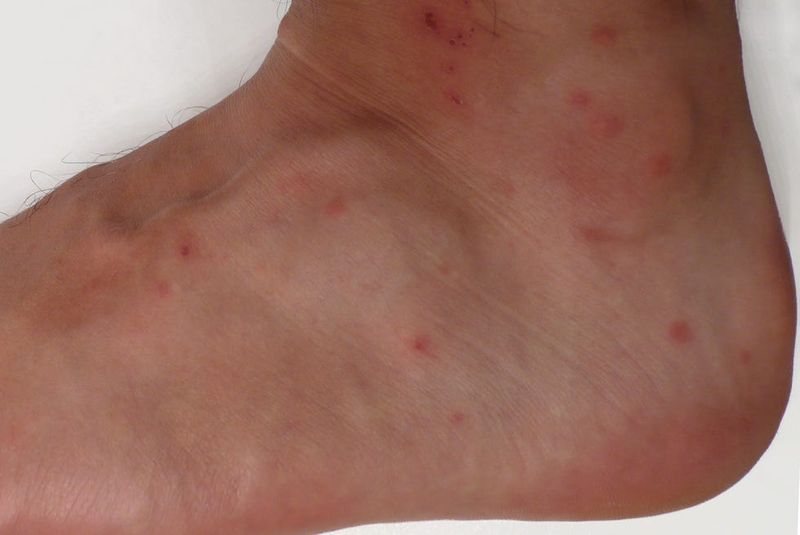
The red bump you see comes from your body’s reaction. Your skin is fighting the enzymes, which causes swelling and itching.
Nail polish, bleach, and alcohol will not solve anything. Most of the time, the chigger has already dropped off before you notice.
Instead, focus on soothing the skin. Wash with soap and water, then apply an anti-itch cream or calamine lotion.
Cool compresses can calm the burning feeling. An oral antihistamine may also help, especially at bedtime when itching feels worse.
Try your best to avoid scratching. Broken skin can get infected and take much longer to heal.
Trim fingernails short if you catch yourself scratching in your sleep. Kids may do better wearing light cotton gloves at night.
The Itch Peaks A Day Or Two Later
Sunday afternoon, you pull weeds and feel fine. By Monday night, your legs itch so badly you can barely sleep.
Delayed reactions are classic for chigger bites. Itching usually starts a few hours after contact, then slowly builds up.
The worst of it tends to hit around 24 to 48 hours later. That timing fools many people into blaming the wrong bug or plant.
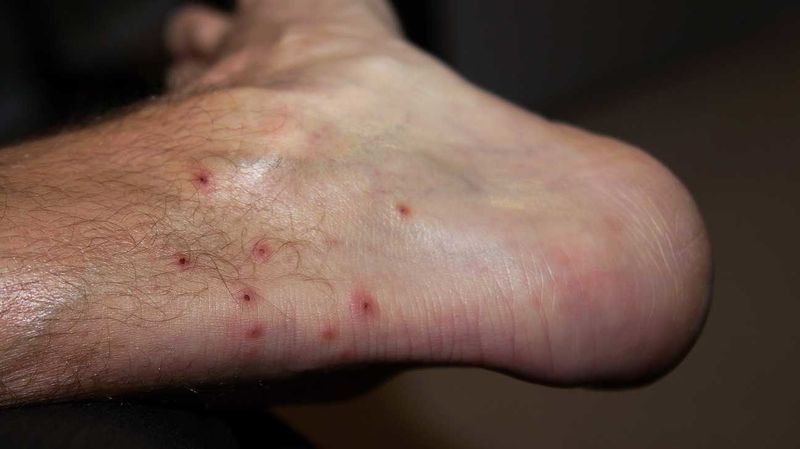
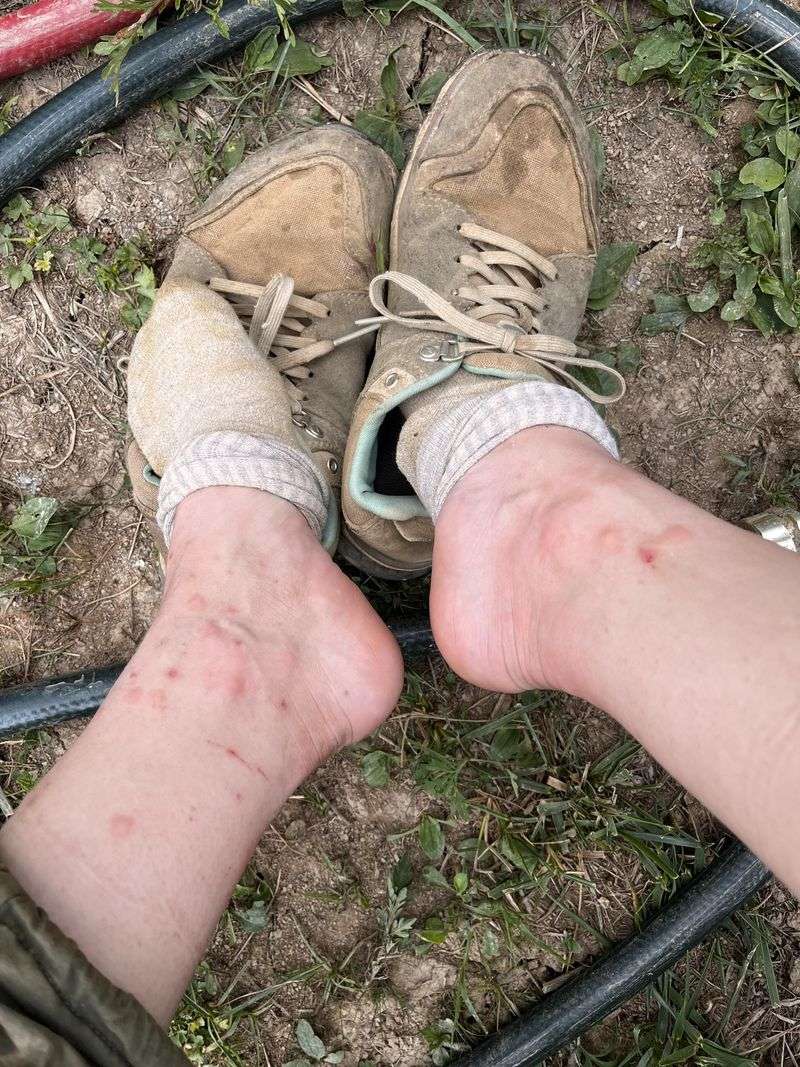
Bites often show up as red bumps in clusters. Some look like small pimples or blisters with a bright red center.
Symptoms can hang around for several days. In some cases, the itch lingers for up to two weeks.
Keep a small plan ready for rough nights. A cool shower, anti-itch cream, and loose cotton pajamas can bring welcome relief.
Oatmeal baths offer gentle comfort for sensitive skin. Many families find them helpful for kids who cannot stop scratching.
Watch for warning signs, though. Spreading redness, pus, fever, or bites that get worse may mean infection.
Call a doctor if those signs appear. A medical provider can suggest stronger creams or other treatment options.
Tracking your outdoor activities helps, too. Jot down where you worked in the yard to spot your personal trouble zones.
Over time, you will learn which corners cause problems. That knowledge makes future yard chores much more comfortable.
Warm Fall Days Keep Them Biting Until Frost
September sneaks up with sweater weather one day and shorts weather the next. Chiggers happily take advantage of those warm spells.
Across the state, these mites stay active from early spring until the first hard frost. Autumn does not end their season as early as many hope.
Activity slows down when temperatures stay below about 60 degrees. Warm, humid afternoons, however, can keep them biting well into fall.
Many families head outdoors more in autumn. Apple picking, football games, and leaf raking all bring people close to grassy areas.
Pumpkin patches and corn mazes can hide chiggers, too. Grassy paths and weedy field edges make easy homes for them.
Check the weather before planning outdoor chores. On a mild, muggy day, dress as carefully as you would in July.
Coastal and southern parts of the state often stay warmer longer. Mountain areas usually see frost earlier, which ends the season sooner.
Watch your local forecast for that first hard frost. Once it arrives, chigger bites drop off sharply in most yards.
Until then, keep your guard up. A sunny October afternoon can still send you home scratching.
Store repellent near your back door through fall. Having it within reach makes quick protection easy before any outdoor task.
Planning heavy yard work for cooler mornings may also help. Lower temperatures slow the mites down and reduce your exposure.
Mowing And Clearing Brush Shrinks Their Habitat
Your lawn mower might be the best chigger fighter in the garage. Short grass takes away the shade and moisture these mites crave.
Regular mowing helps sunlight reach the soil. Dry, sunny ground makes it hard for larvae to survive or wait for hosts.
Aim to keep grass at a healthy, moderate height. Mowing every week or so during warm months keeps things tidy and less inviting.
Trimming bushes matters, too. Cutting back lower branches opens up airflow and lets the ground dry faster after rain.
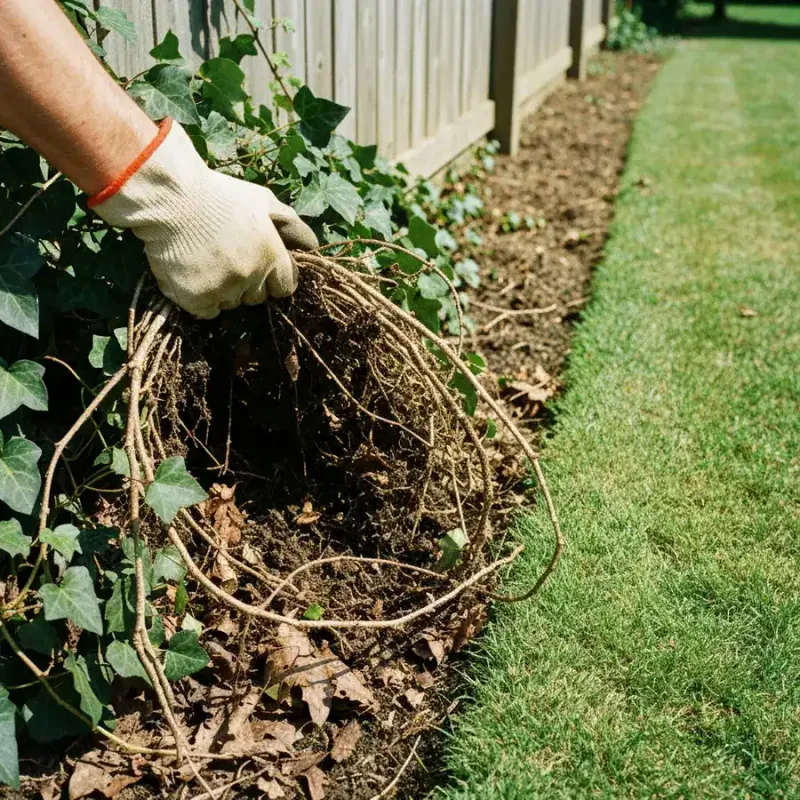
Pull weeds from flower beds and fence lines. Those overlooked strips often become hidden highways for mites.
Clearing brush around sheds and play areas creates a safer zone. Kids and pets get more room to roam without collecting bites.
Plenty of Virginia homeowners pair mowing with seasonal cleanup days. Setting a routine makes the work feel less overwhelming.
Wear protective clothing while doing these chores. Mowing stirs up grass, and you are right in the middle of chigger country.
Bag your clippings if the yard has heavy mite activity. Leaving thick piles of wet grass can create fresh damp hiding spots.
Pest control services can treat stubborn areas when needed. Ask about options that target trouble spots rather than spraying everywhere.
Habitat changes offer long-lasting results. A well-kept yard gives chiggers fewer reasons to stick around each season.
Repellent And A Quick Shower Stop Most Bites

A two-step routine can save your ankles from misery. Spray before you go out, and shower soon after you come back in.
Repellents with DEET work well on exposed skin. Focus on ankles, legs, and waistlines where chiggers love to settle.
Permethrin is another strong option. It belongs on clothing only, so spray pants, socks, and shoes and let them dry fully.
Treated clothes can stay protective through several washes. Check the product label for exact directions and safety tips.
Once your outdoor time ends, head straight for the shower. Warm, soapy water helps knock off mites before they settle in to feed.
Scrub firmly with a washcloth for best results. Pay extra attention to sock lines, behind knees, and around the waist.
Toss outdoor clothes in the washer right away. Hot, soapy water helps get rid of any mites still clinging to the fabric.
Avoid leaving worn clothes on the floor or bed. Hitchhiking larvae could crawl onto you later and start biting.
Pets can carry chiggers inside, too. Ask your vet about safe ways to protect dogs that roam grassy areas.
Following these habits turns yard time into a pleasant experience again. Your Virginia fall can be full of leaves and sunshine, not scratching.
Keep a basket by the door with repellent and a towel. Small reminders make good habits easy for the whole family.