Why Georgia Gardeners Should Never Top Crape Myrtles And What To Do Instead
Some gardening habits become so common that people stop asking whether they actually work.
You see neighbors doing the same thing every year, local landscapes filled with the same look, and before long it feels like the right way to care for the plant.
Sometimes, though, the most popular approach is not the one that delivers the best results.
That is especially true for crape myrtles. They are known for putting on a spectacular summer display, but the way they are pruned can shape how they grow for years to come.
One common practice may seem helpful at first, yet it often creates more problems than people expect.
Many Georgia gardeners are choosing a different approach once they understand how these trees naturally grow.
A few thoughtful cuts can do far more than aggressive pruning ever will, leaving crape myrtles healthier, stronger, and better looking season after season.
1. Topping Creates Weak New Branches That Break Easily
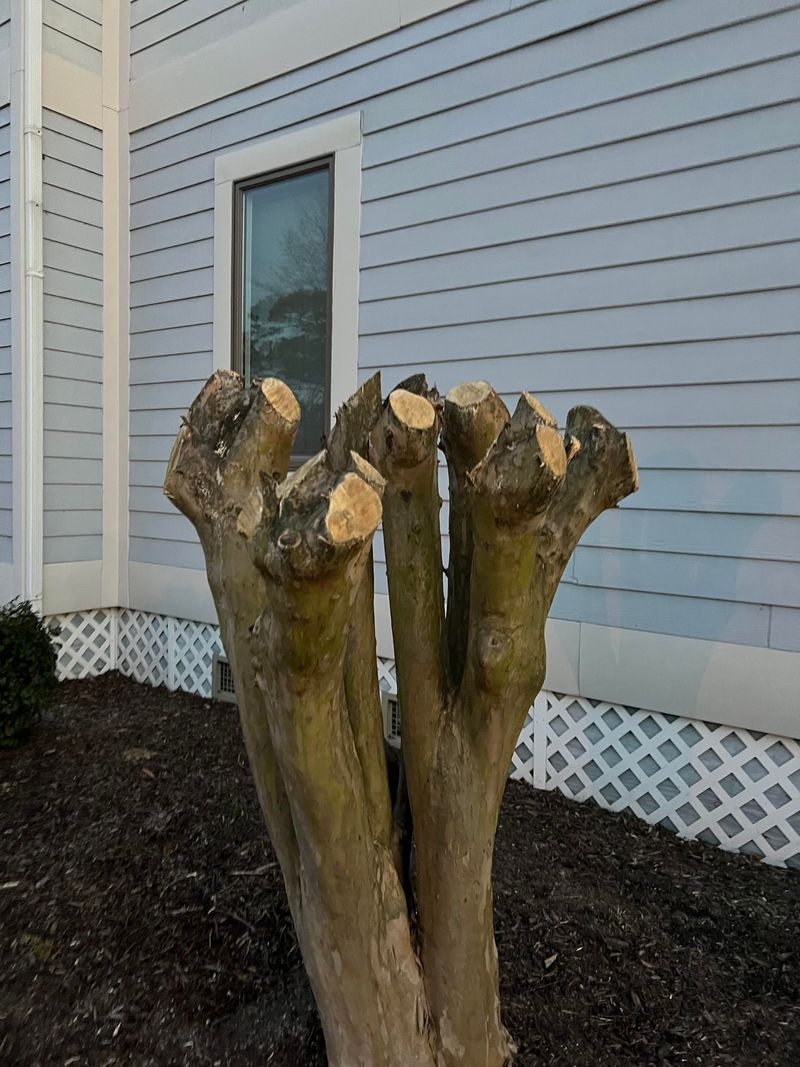
Weak branches are one of the biggest problems that come from topping crape myrtles. When you cut the main stems back hard, the tree responds by pushing out a rush of new shoots from just below each cut.
Those shoots grow fast and look full at first glance.
Fast growth is not always strong growth. Those new stems are attached to the surface of old wood rather than deeply embedded in the branch structure.
A heavy bloom load, a strong summer storm, or even just the weight of wet leaves can snap them right off.
Topped trees end up looking worse each year because the knobby stubs get bigger and the weak sprouts keep returning. You prune them, they come back just as fragile.
It becomes a cycle that never actually fixes anything.
Trees that are never topped grow branches that are structurally sound and deeply connected to the trunk. Those branches flex in wind rather than snap.
Crape myrtles are naturally tough trees when left to grow the way they want to grow.
Skipping the topping saw protects that structural integrity. Your tree stays safer during storms, holds its blooms better, and looks cleaner without all those brittle water sprouts crowding the canopy.
Strong trees start with smart pruning decisions made early on.
2. Large Pruning Cuts Can Lead To Wood Decay
Every cut you make on a tree is essentially a wound. Small cuts heal over quickly because the tree can seal them off with fresh tissue before pathogens move in.
Large cuts are a completely different story.
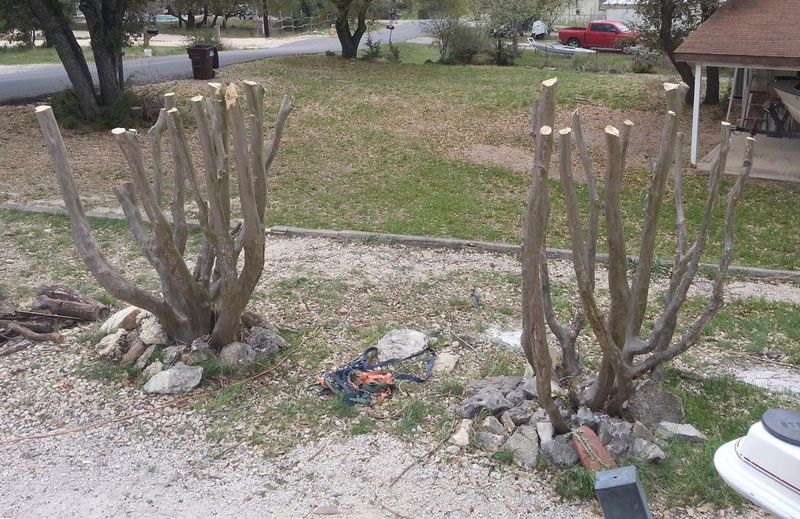
When you top a crape myrtle, you are often removing stems that are several inches thick. Cuts that large take years to close, and many never fully seal.
That exposed wood becomes an open door for wood-rotting fungi and boring insects.
Decay does not always show up right away. It can work its way into the heartwood slowly, hollowing out the interior of a branch or trunk section while the outside still looks okay.
By the time you notice something is wrong, the damage is already deep.
Your Georgia Garden Changes Every Week. Your Plan Should Too.
Gardening in Georgia changes quickly throughout the season. Every Friday you’ll receive a simple weekly plan showing exactly what to plant, prune, fertilize, harvest, and protect so you never miss the right timing.
Crape myrtles are not particularly prone to decay when pruned correctly, but large wounds change that picture. Proper cuts made just outside the branch collar allow the tree to wall off damage naturally.
Flush cuts and stub cuts disrupt that process entirely.
Keeping your cuts small and targeted is the simplest way to protect your tree from long-term wood problems. Aim for branches no thicker than your thumb when possible.
If a branch needs a larger cut, make sure it is done at the right location to give the tree its best shot at healing cleanly and staying sound.
3. Topping Destroys The Tree’s Natural Shape
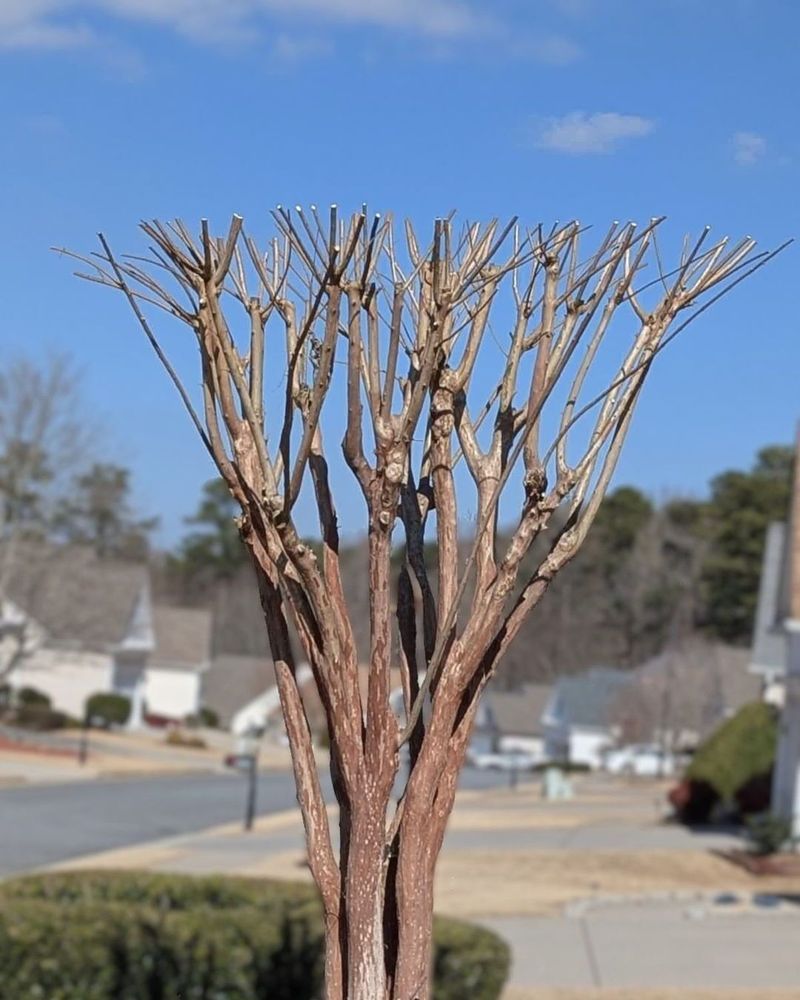
Natural crape myrtle shape is genuinely beautiful. Left alone, these trees develop a graceful vase-like form with arching branches that catch the light perfectly in summer.
That shape took years to develop, and one bad pruning session can erase it completely.
Topped trees do not grow back into that original form. Instead, they produce dense thickets of upright shoots from each stub.
The canopy becomes crowded, uneven, and honestly a little chaotic looking compared to what was there before.
Neighbors notice topped crape myrtles. The knobby stubs left behind are visible all winter long, and the regrowth that follows never quite recaptures the elegance of the original structure.
It changes the entire look of a yard in a way that is hard to undo.
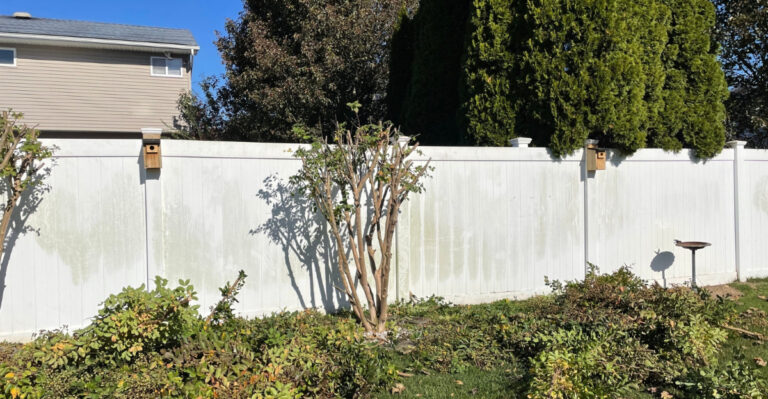
Across the Southeast, you can spot topped trees in almost every neighborhood. Once you know what to look for, those knuckled stubs become impossible to unsee.
The good news is that avoiding the problem is completely within your control.
Planting the right size crape myrtle for your space from the beginning removes most of the temptation to top. Varieties range from compact shrubs under four feet to large trees over twenty feet tall.
Matching the mature size to your available space means you rarely need to make any major cuts at all, and the natural form stays intact season after season.
4. Prune Back To A Side Branch Instead Of Topping
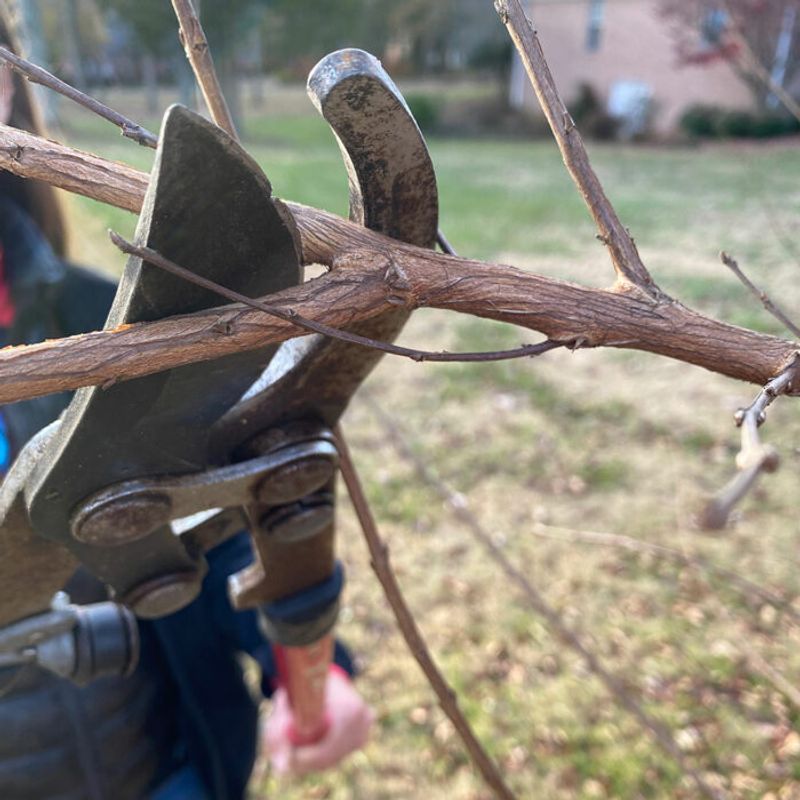
Cutting back to a side branch is one of the most practical skills a home gardener can develop. Rather than chopping a stem off at an arbitrary point, you find a smaller branch growing from the side and make your cut just above it.
That side branch then takes over and continues growing naturally.
Lateral pruning keeps the tree looking intentional. Cuts disappear into the canopy quickly because the remaining branches grow out and fill in around them.
No stubs, no knuckles, no awkward regrowth crowding the top of the tree.
Angle your cut slightly away from the bud or side branch you are cutting back to. That small detail helps water run off the wound rather than pooling near the cut surface.
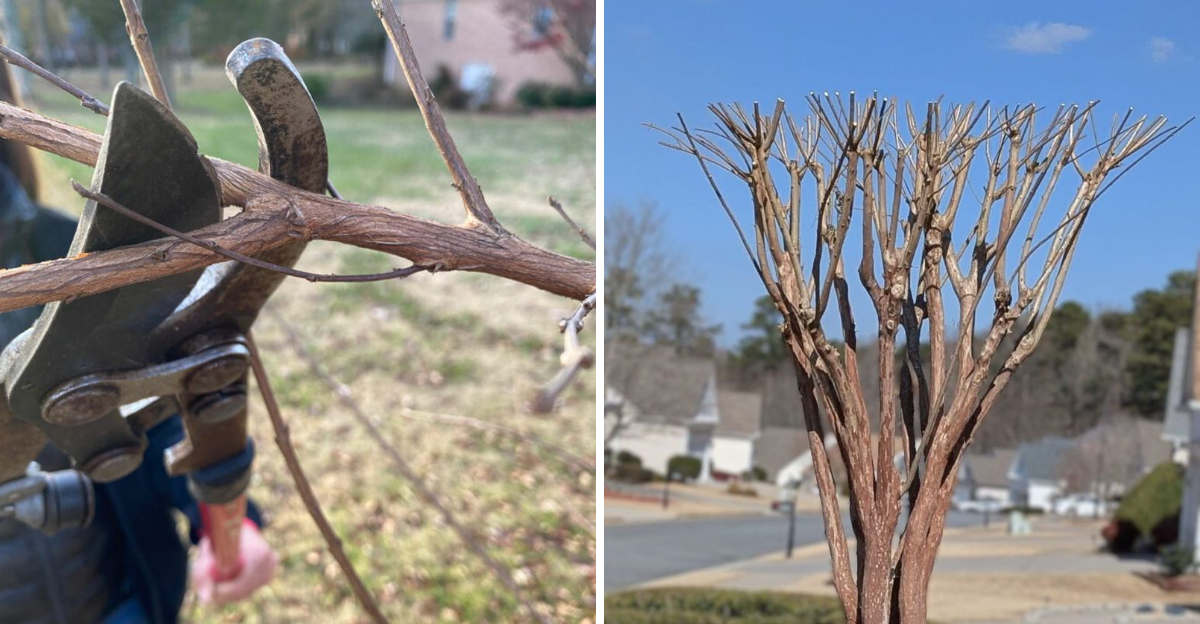
Clean bypass pruners make a cleaner cut than anvil-style tools, which can crush stem tissue instead of slicing through it.
Late winter is the best time to do this type of pruning in the Southeast. Trees are still dormant, so you can see the branch structure clearly without leaves blocking your view.
Cuts made before new growth pushes out in spring close faster and with less stress on the tree.
Practice this technique on smaller branches first to build confidence.
Once you get the hang of reading branch structure and finding good laterals, the whole process starts to feel much more natural and less intimidating than hauling out the pole saw every spring.
5. Thin Crowded Growth To Improve Structure
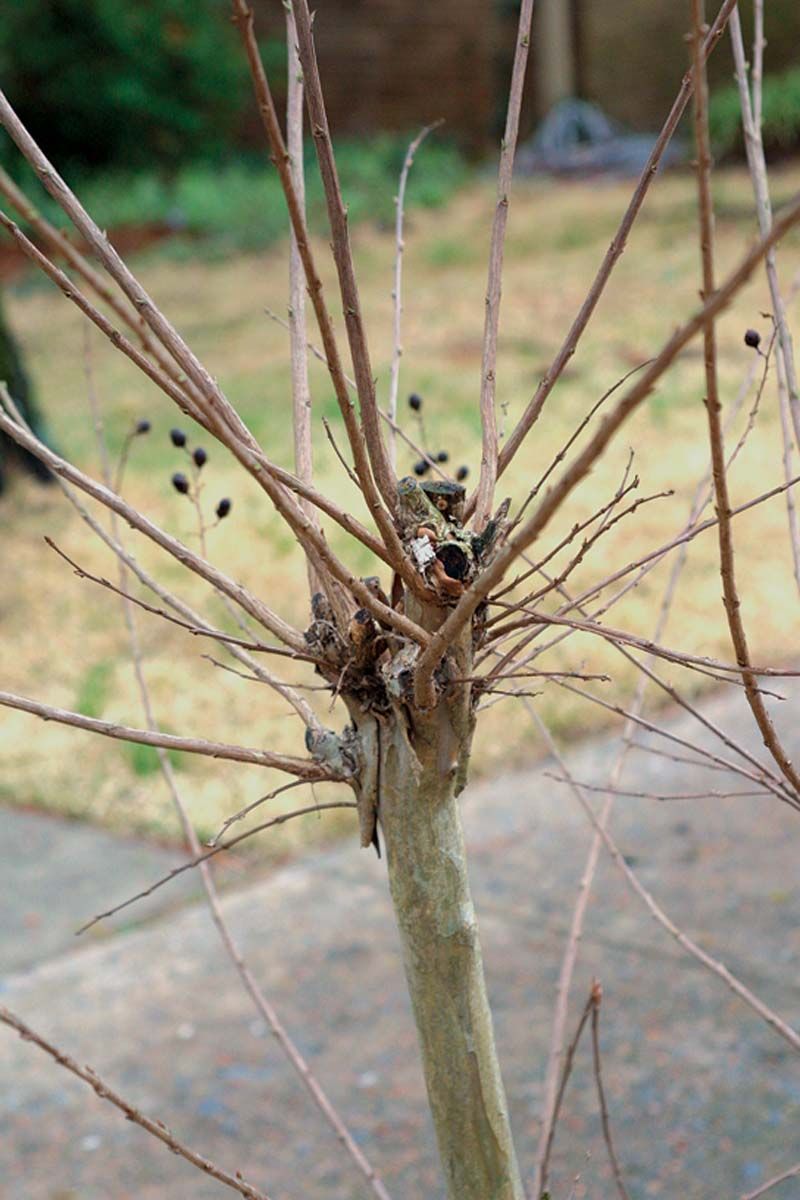
Crowded canopies cause more problems than most gardeners realize. When branches rub against each other, they create wounds that invite pests and pathogens.
Poor air circulation inside a dense canopy also encourages powdery mildew, which crape myrtles are already somewhat prone to in humid climates.
Thinning is different from topping. Instead of cutting stems short, you remove entire branches selectively to open up space inside the canopy.
Light and air can move through the tree more freely, which actually supports better bloom production over time.
Start by identifying branches that cross or grow inward toward the center of the tree. Those are your first candidates for removal.
Cut them cleanly back to their point of origin rather than leaving stubs behind.
Sucker growth at the base of the trunk is another common issue worth addressing during thinning sessions. Those thin shoots pull energy away from the upper canopy and rarely develop into anything useful.
Snap them off by hand when they are young for the cleanest removal.
Thinning does not have to be dramatic to be effective. Removing just a handful of poorly placed branches each year keeps the structure open and manageable without putting the tree under stress.
Spread the work out over a couple of seasons if the canopy is particularly dense, and always step back regularly to assess your progress from a distance before making additional cuts.
6. Remove Weak And Crossing Branches As Needed
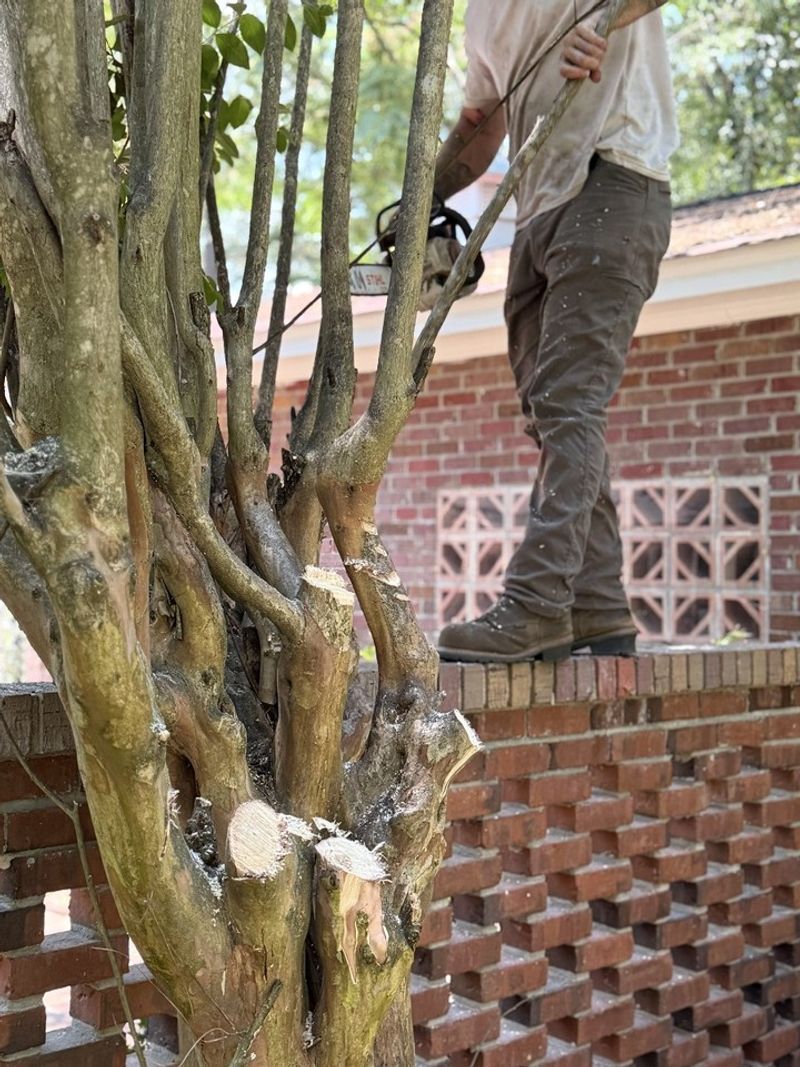
Crossing branches are easy to overlook until they cause real damage. When two branches constantly rub against each other, the bark at the contact point wears away.
That exposed wood becomes vulnerable, and the wound rarely heals cleanly because the friction never stops.
Weak branches are a separate concern but equally worth addressing.
Spindly stems that cannot support their own weight under bloom load are candidates for removal, especially if they are growing in awkward directions or competing with stronger, better-placed branches nearby.
You do not need to remove every crossing branch you find. Focus on the ones where actual rubbing is occurring or where one branch is clearly dominating and suppressing another.
Selective removal keeps the overall canopy balanced rather than sparse.
Sharp, clean tools matter a lot here. Dull blades tear wood fibers rather than cutting through them.
Torn cuts heal more slowly and leave rough edges where moisture and pathogens can get a foothold. Keeping your pruners sharp and clean is one of the simplest ways to protect your trees during any pruning session.
Timing matters too. Removing weak and crossing branches in late winter gives wounds the best conditions for sealing over quickly once spring growth kicks in.
Avoid heavy pruning during summer heat since stressed trees recover more slowly when temperatures are already pushing them hard. Short, targeted sessions during the dormant season keep crape myrtles looking their best year after year.
7. Reduce Size Gradually Over Several Growing Seasons
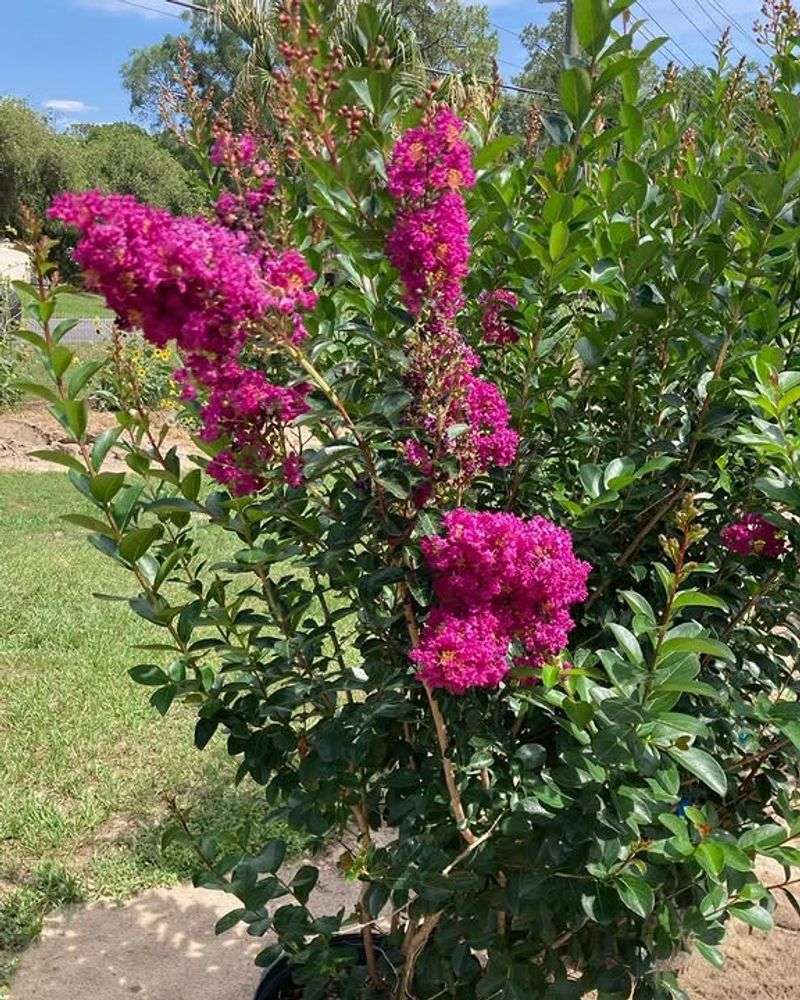
Patience pays off when it comes to resizing a crape myrtle. Trying to cut a large tree down to a small space in one session puts enormous stress on the plant and almost always leads to that explosion of weak regrowth that makes the problem worse.
Spreading size reduction over two or three growing seasons gives the tree time to adjust. Each year, you take a little more off rather than making drastic cuts all at once.
The tree stays healthier, the structure stays cleaner, and the results actually last longer.
Decide on a target size before you start. Knowing where you want the tree to end up helps you make smarter decisions about which branches to reduce each season.
Cutting without a clear plan often leads to uneven results that are harder to correct later.
Gradual reduction also gives you a chance to evaluate how the tree responds. Some crape myrtles push back harder than expected after pruning.
Others stay relatively compact. Watching how your specific tree behaves over a season gives you better information for the next round of cuts.
Homeowners across Georgia who have switched from aggressive annual topping to gradual reduction often notice a real difference within just a few years.
Bloom quality improves, branch structure strengthens, and the trees start looking the way crape myrtles are supposed to look. Slow and steady really does win when it comes to reshaping these trees responsibly over time.