The Best Time To Plant Garlic In Texas Gardens
Garlic is one of the most forgiving crops you can grow. It doesn’t need much space, it rarely gets bothered by pests, and it pretty much takes care of itself once it’s in the ground.
There’s just one thing it’s picky about. Timing. In Texas, that timing can be a little tricky. Plant too early, and warm soil can cause cloves to rot or sprout weak, leggy growth.
Plant too late, and the bulbs won’t have enough cool weather to size up before the heat returns. The sweet spot also shifts depending on where you live.
North Texas cools down much sooner than the Gulf Coast or the Rio Grande Valley. Get it right, and you’ll be pulling up plump, flavorful bulbs by late spring.
The calendar matters more than most gardeners realize, especially in a state as big as this one.
Mid-October Through November Is The Sweet Spot
Ask any seasoned Texas gardener when garlic goes in, and you will likely hear the same answer. Fall is the time.
Once the brutal summer heat finally breaks, the soil cools enough for garlic to wake up and grow.
Across most of the state, that window opens in mid-October. It stays open through November and sometimes a little longer.
In Central Texas, Texas A&M AgriLife’s Travis County office says you can plant any time from mid-October through early December.
Why not September? The ground is often still too warm. Hot soil can make cloves rot or sprout weakly before they build good roots. Waiting a few weeks gives them a much better start.
On the other side, planting too late cuts into the cool growing time garlic needs. If you wait until January, the plants have less time to grow leaves. Fewer leaves usually means smaller bulbs in late spring.
A simple trick is to watch the weather, not just the calendar. When nighttime temperatures start dipping into the 50s and stay there, your garlic is ready to go.
Many gardeners also check soil temperature with a cheap thermometer. Soil around 60 degrees or cooler is a good sign.
Mark your planting date on a calendar or in a garden notebook. Next year, you can compare results and fine tune your timing. Small notes like that turn a good gardener into a great one.
Fun fact: garlic has been grown by people for over 5,000 years. Ancient Egyptians even fed it to the workers who built the pyramids. Your fall planting connects you to a very long tradition.
Timing Varies By Region
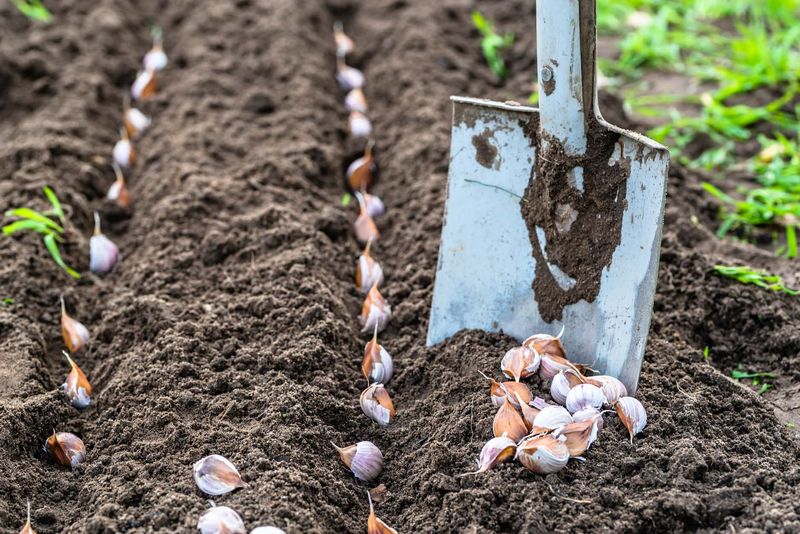
Texas stretches more than 800 miles from top to bottom. That means a winter in Amarillo looks nothing like a winter in Brownsville. Your garlic calendar should match your corner of the map.
North Texas gardeners should plan to plant a little earlier. Dallas County Master Gardeners recommend getting cloves in the ground from mid-October through early November.
Cold snaps arrive sooner up north, so roots need time to settle before hard freezes hit.
Your Texas Garden Changes Every Week. Your Plan Should Too.
Gardening in Texas changes quickly throughout the season. Every Friday you’ll receive a simple weekly plan showing exactly what to plant, prune, fertilize, harvest, and protect so you never miss the right timing.
Planting on time in North Texas helps garlic grow a strong root system before winter. Those roots act like an anchor. They help the plant survive cold nights and bounce back quickly when warm days return.
Head south, and things loosen up. Gardeners in warmer parts of the state usually have more freedom to plant later in fall.
In places like San Antonio, Houston, or the Valley, late November and even December plantings often work well.
Central Texas sits in the middle. Austin and Waco gardeners can usually plant from mid-October into early December. That gives plenty of room to work garlic in around other fall chores.
Not sure which zone you are in? Look up your county on the USDA Plant Hardiness Zone map. Your local county extension office is another great resource.
Many offices share free planting calendars made just for your area. Neighbors can help too. Chat with folks at a local garden club or farmers market.
Someone nearby has probably grown garlic for years and knows exactly when it thrives in your local weather. Local wisdom is often the best guide of all.
Why Fall Planting Works Best
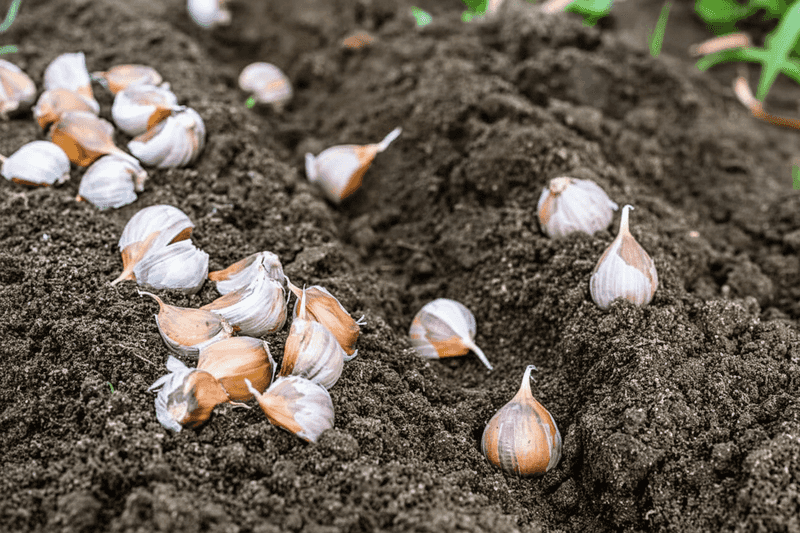
Think of garlic as a slow and steady worker. It does not rush. It spends the whole winter quietly building a strong base before it shows off in spring.
After fall planting, the clove sends roots down into the soil first. Then green leaves poke up and keep growing through the cool months. Each leaf matters, because every leaf above ground connects to a layer of the bulb below.
As spring arrives, the days get longer. Garlic notices that extra daylight. It takes the hint and switches gears, sending its energy into forming a bulb instead of making more leaves.
So what happens if you plant in spring? The garlic misses most of that cool growing season. It does not have time to build enough roots and leaves.
When long days show up, it starts making a bulb anyway, but that bulb is usually small. Sometimes you get just one round clove, or nothing useful at all.
Garlic also benefits from a chill. Many types need several weeks of cool weather to divide into separate cloves. Texas winters provide just enough cold for that in most areas.
If you live in a very warm spot and worry about chill, try this. Place your seed garlic in a paper bag in the refrigerator for a few weeks before planting. Keep it away from fruit like apples, which can cause problems.
The bottom line is simple. Fall planting gives garlic a long, comfy runway. Spring planting forces it to take off with half the runway missing. Patience pays off with bigger bulbs.
Choose Varieties Suited To Texas
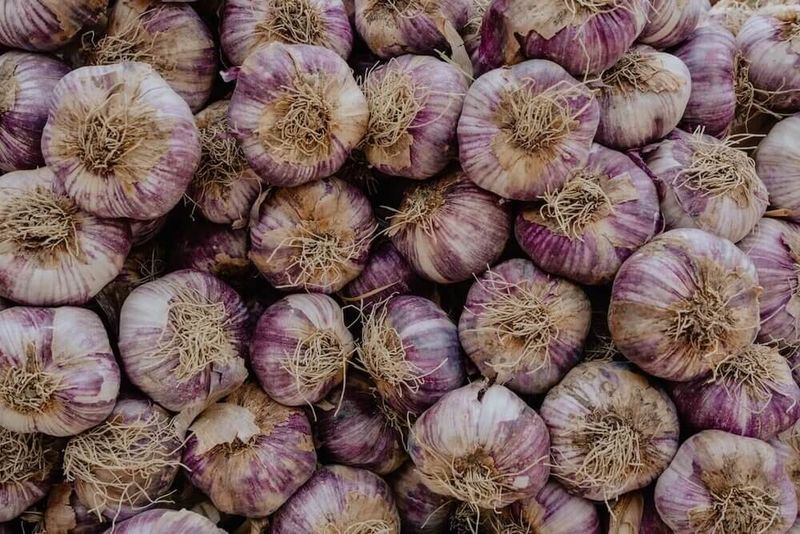
Not all garlic is created equal, especially under the Texas sun. Some types grow beautifully here. Others sulk and give you skinny bulbs no matter how hard you try.
Garlic comes in two main groups: softneck and hardneck. Hardneck types love cold northern winters. Softneck types usually handle warm climates much better, which makes them a smart pick for Texas.
California Early and Inchelium Red are two softneck favorites. They tend to do very well in warmer areas, including North Texas. They also store longer than many hardnecks, so you can enjoy your harvest for months.
Central Texas gardeners have even more choices. Lorz is a strong Italian type with a bold flavor. Creole Red brings pretty reddish cloves and loves heat. Cuban Purple offers a rich, spicy taste.
Texas Rose, sometimes called Mexican Purple, is a local legend that has been grown in the region for generations.
Here is a key tip. Skip the garlic from the grocery store if you can. Much of it is grown far away in different climates.
Some is even treated to slow sprouting. Buy seed garlic from a local nursery, a trusted seed company, or a nearby farmer.
Look for firm, plump bulbs with dry, papery skins. Avoid any that feel soft or show mold. Bigger cloves usually grow bigger bulbs, so save the small ones for cooking.
Want to have some fun? Try planting two or three varieties side by side. Compare flavor, size, and how long each one keeps. You might find a new family favorite.
How To Plant The Cloves
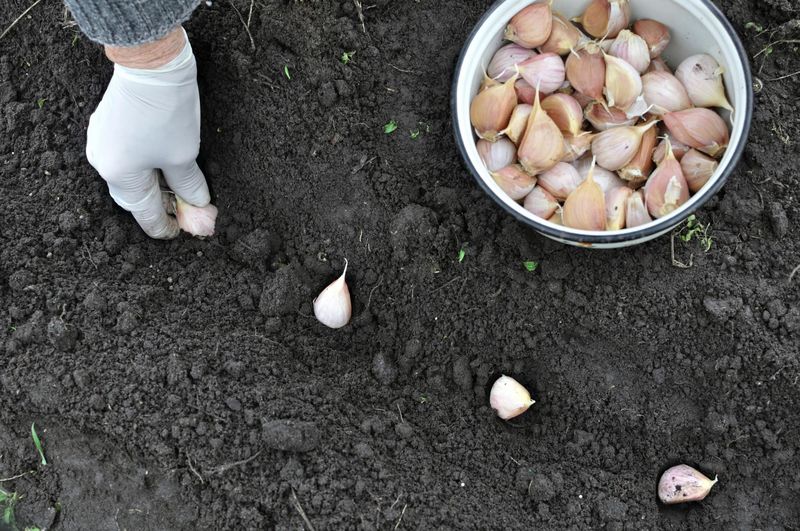
Here comes the fun, hands-in-the-dirt part. Planting garlic is quick and simple. A small bed can be finished in less than an hour.
Start by breaking your bulbs into single cloves. Do this a day or two before planting, not weeks ahead. Leave the papery skin on each clove, since it helps protect it in the soil.
Next, get your soil ready. Garlic hates soggy feet. North Texas is known for heavy clay that holds water like a sponge. Mix in a few inches of compost or other organic matter to loosen it and help water drain.
Raised beds are another great fix for clay. They warm up evenly and drain well. Even a simple mound of improved soil can make a big difference.
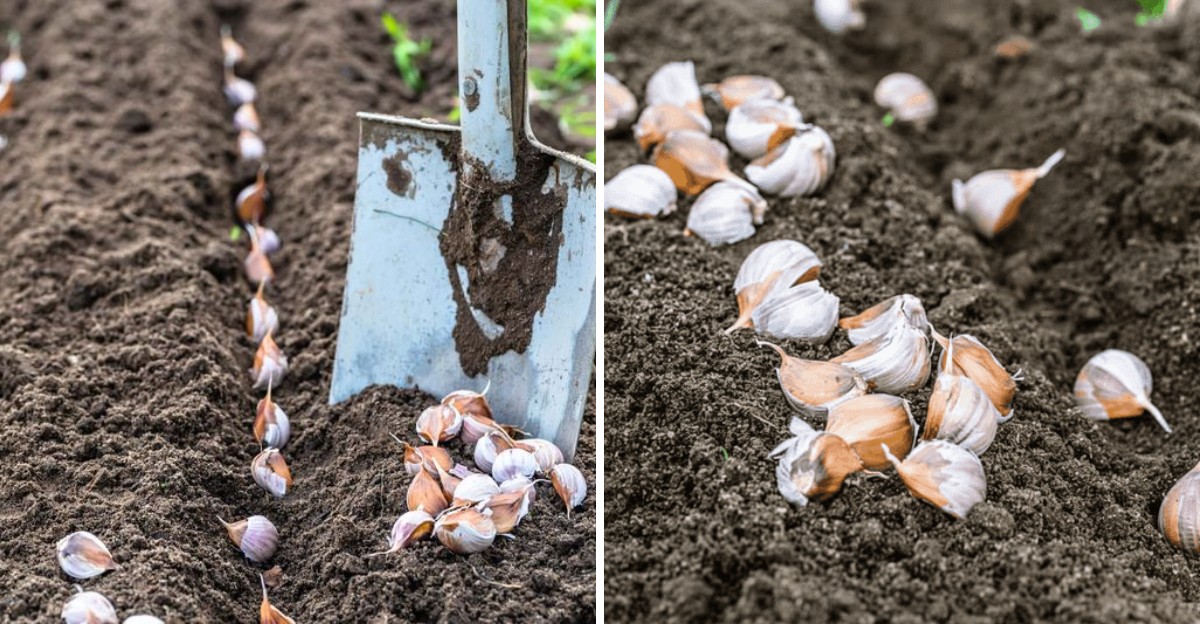
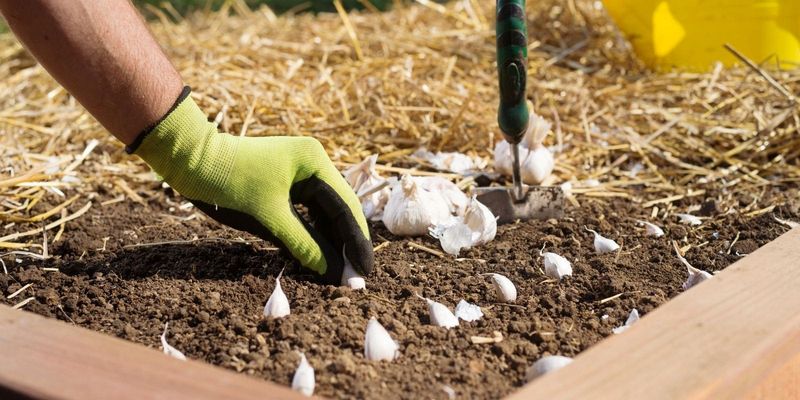
Now plant each clove about 2 inches deep. Space them roughly 6 inches apart. Always set them with the pointed end up and the flat root end down. Upside down cloves may still grow, but they waste energy turning around.
Cover the cloves with soil and water them well. Then spread a layer of mulch, like straw or shredded leaves, over the bed. Mulch keeps the soil moist, holds back weeds, and protects roots during cold snaps.
Through winter, water when the top inch of soil feels dry. Texas winters can be surprisingly dry, so check every week or so.
Feed your garlic with a nitrogen fertilizer once in winter and again in early spring. Pull weeds often. Garlic does not like to share space, and weeds steal its food and water.
What To Expect At Harvest
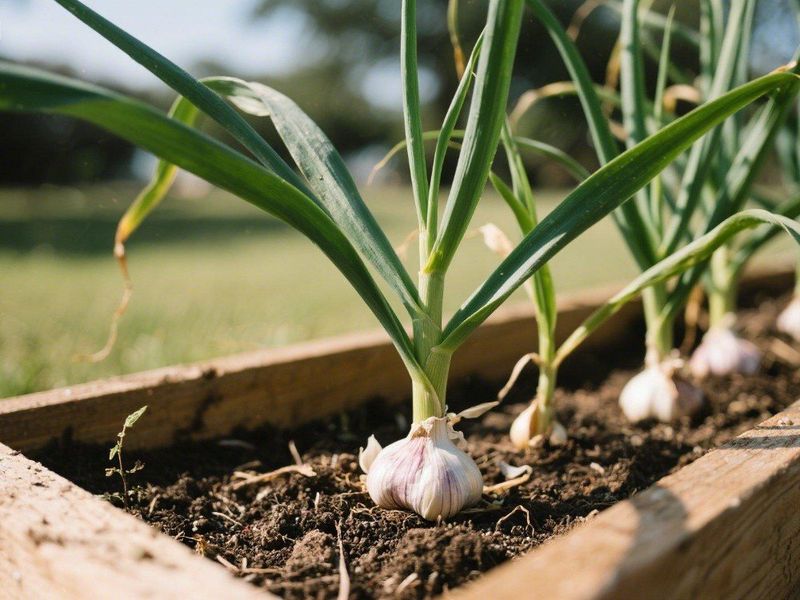
Late spring feels like opening a gift you wrapped months ago. You planted plain little cloves in fall. Now big, fragrant bulbs are waiting just under the soil.
So how do you know when it is time? Watch the leaves. When the lower leaves start turning brown while the top ones are still green, your garlic is ready. In Texas, that usually happens in late May or early June.
Stop watering about a week or two before harvest. Drier soil helps the bulbs firm up. When the day comes, loosen the soil with a garden fork and gently lift each plant. Pulling by the stem alone can snap it or bruise the bulb.
Next comes curing, which is a fancy word for drying. Brush off loose dirt, but do not wash the bulbs.
Hang them in bunches or lay them flat in a shady, airy spot for two to three weeks. A garage or covered porch works well.
Once the skins feel papery and the necks are dry, trim the roots and stems. Store your garlic somewhere cool, dry, and dark.
Properly cured garlic can last 6 to 9 months. Softnecks can even be braided into pretty strands to hang in the kitchen.
Here is a smart move many gardeners swear by. Save a few of your biggest, best bulbs to replant in fall. Over the years, that garlic slowly adapts to your soil and weather.
Keep that cycle going, and your garden will grow its own custom Texas garlic. Every season, the harvest gets a little better.