The Meaning Behind Seeing A Mockingbird In Your Texas Yard
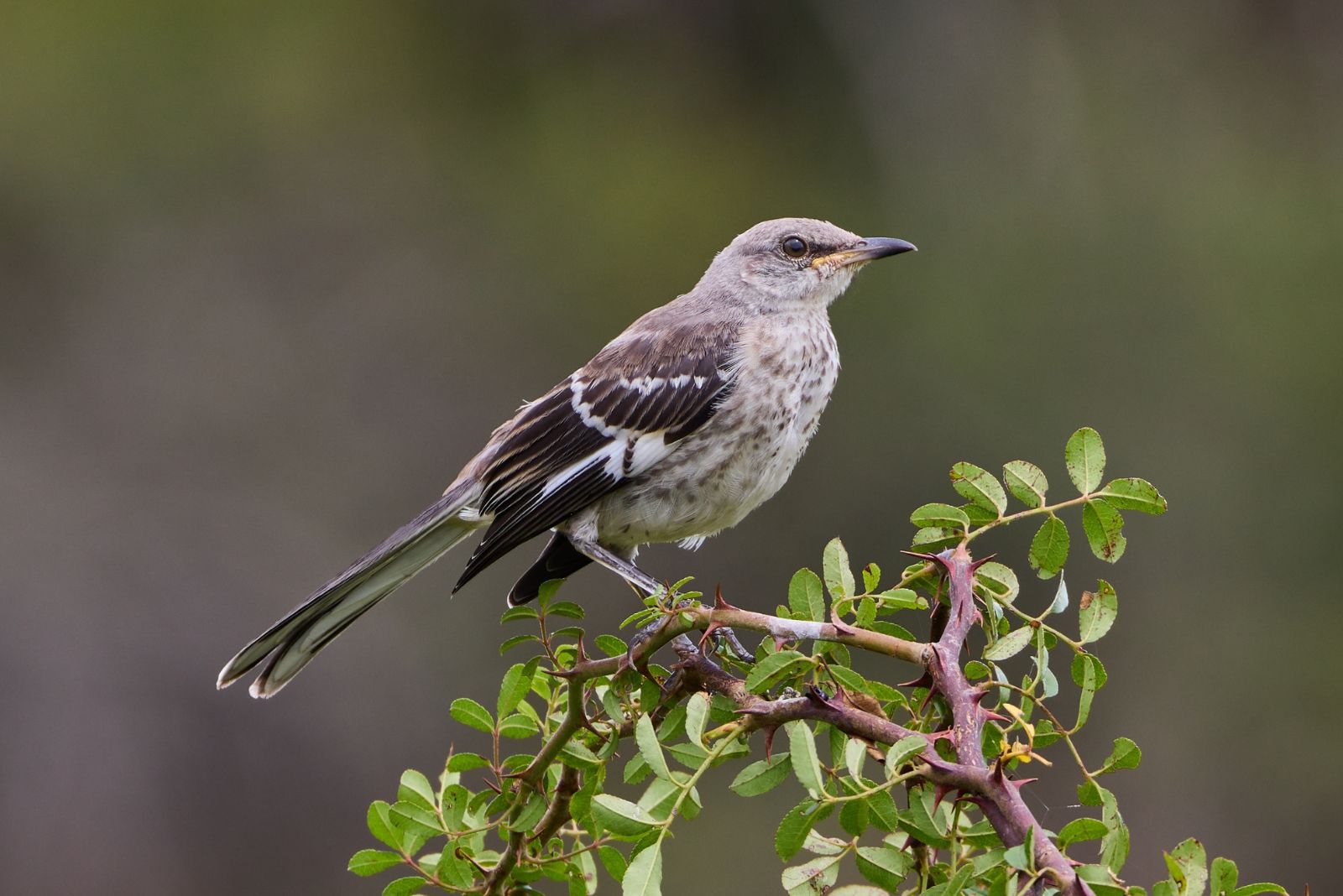
Few backyard birds are as present or as opinionated as the mockingbird. If you’ve spent any time in a Texas yard, you know this bird.
It perches in the open, sings at all hours including the middle of the night, and defends its territory with a confidence that makes it seem completely unbothered by anything sharing its space. Texas even made it the state bird, which feels exactly right.
But for many people, a mockingbird sighting or a persistent visitor carries a sense of meaning that goes beyond simply spotting a common bird. Mockingbirds have appeared in folklore, literature, and cultural tradition across generations and across many communities.
Their ability to mimic dozens of other birds, their fierce loyalty to their territory, and their seemingly endless voice have made them powerful symbols in ways that most people have never stopped to think about.
Here’s what people believe about seeing a mockingbird in your Texas yard and why this bird carries more meaning than most give it credit for.
1. Your Yard Has The Open Habitat They Like
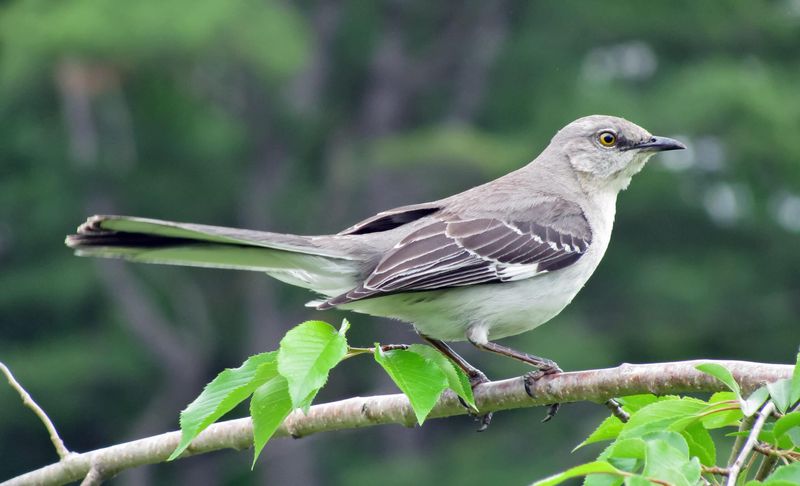
Walk outside on any bright Texas morning, and you might notice a gray bird with white wing patches standing boldly on your fence post. That bird is almost certainly a Northern mockingbird, and its presence says something interesting about your yard.
These birds thrive in open, mixed environments, and your lawn may be giving them exactly what they need.
Northern mockingbirds prefer habitats that combine open ground with scattered shrubs, low trees, fences, and clear sightlines. Unlike birds that stick to deep forests or thick brush, mockingbirds do best where they can move freely and spot activity from a high perch.
Texas neighborhoods, with their mix of grass, hedges, driveways, and garden beds, check every box on a mockingbird’s wish list.
Seeing one in your yard usually means your outdoor space has a healthy balance of open ground and structure. Mowed lawns give them room to hunt insects on the ground.
Shrubs and small trees offer shelter and singing spots. Fences and rooflines become natural stages for their famous vocal performances.
You do not need a wild or overgrown yard to attract them. Even a tidy suburban backyard with a few well-placed plants and some open grass can be a perfect mockingbird hangout.
The key is variety. A yard that offers both open space and some vertical structure is naturally more inviting to these birds than a plain, featureless lawn.
So if a mockingbird has found your yard, take it as a small compliment. Your outdoor space likely has the right mix of features that make it feel like home to one of Texas’s most spirited birds.
2. There Is Food Nearby
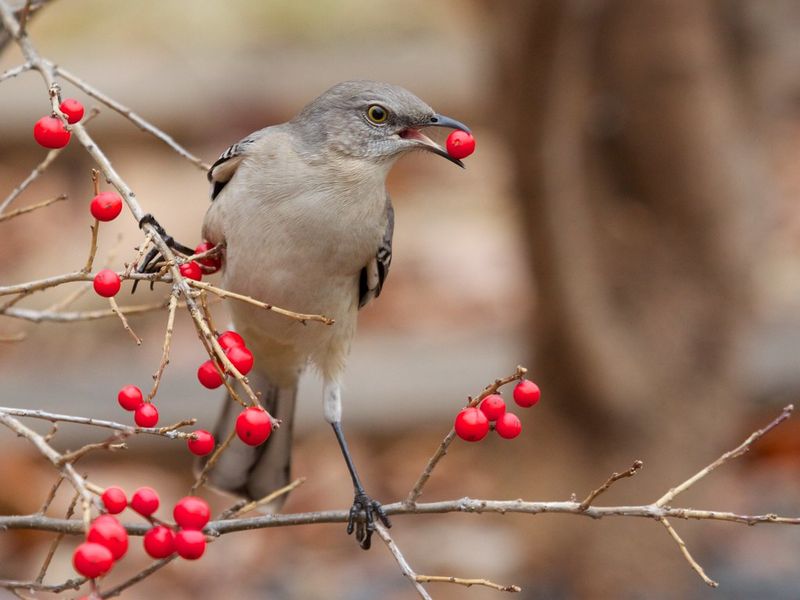
Mockingbirds are not picky eaters, and that is a big part of why they do so well in Texas neighborhoods. If one keeps showing up in your yard, there is a strong chance it has found a reliable food source.
These birds are opportunistic and will return again and again to spots where meals are easy to find.
Your Texas Garden Changes Every Week. Your Plan Should Too.
Gardening in Texas changes quickly throughout the season. Every Friday you’ll receive a simple weekly plan showing exactly what to plant, prune, fertilize, harvest, and protect so you never miss the right timing.
Insects make up a large part of a mockingbird’s diet, especially during the warmer months. Beetles, grasshoppers, caterpillars, ants, and earthworms are all fair game.
A yard with healthy soil and some leaf litter or mulch is likely crawling with exactly the kind of snacks a mockingbird enjoys. Even a small garden bed can attract enough insect activity to keep one coming back regularly.
During fall and winter, mockingbirds shift toward plant-based foods. Berries and small fruits become essential.
Native Texas shrubs like yaupon holly, possumhaw, beautyberry, and native hawthorn produce berries that mockingbirds love. If you have any of these plants in your yard, you may notice mockingbirds visiting more frequently once the fruit ripens.
Fruiting ornamental plants also attract them. Pyracantha, also called firethorn, is a popular garden shrub that produces clusters of bright berries and is a well-known favorite among mockingbirds.
Even non-native plants with small fruits can draw them in when natural food is less available.
Keeping your yard pesticide-free, or at least reducing heavy chemical use, helps maintain the insect population that feeds these birds. A yard full of life at the ground level is one of the best ways to make sure a mockingbird keeps choosing your space over the neighbor’s.
3. They May Be Claiming Territory
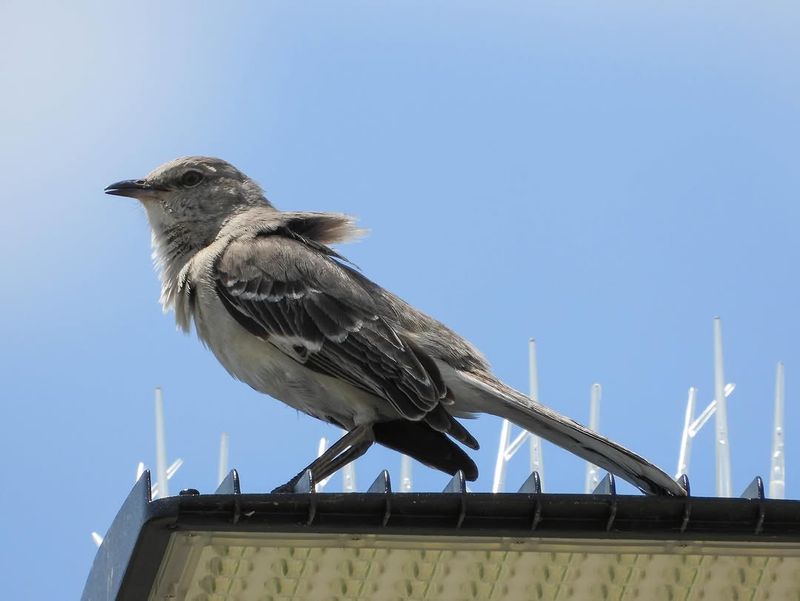
Few birds in North America are as boldly territorial as the Northern mockingbird. If you have noticed the same bird singing from the same fence post, roofline, or treetop every single day, you are witnessing one of nature’s most confident property claims.
That bird is not just making music. It is sending a clear message to every other mockingbird in the area.
Male mockingbirds are especially vocal when marking territory. They will sing from exposed perches at the highest points available, repeating songs for long stretches to make sure their presence is known.
What makes them truly remarkable is their ability to mimic other bird species. A single mockingbird can learn dozens of songs and chain them together in long, non-stop performances that can last for hours.
Singing is not the only way they claim space. You may also notice a mockingbird doing a slow, deliberate wing-spread display on the ground.
The bird spreads its wings in short bursts, flashing the white patches underneath. Researchers believe this behavior may startle insects into moving, making them easier to catch, but it also serves as a visual territorial signal to rivals nearby.
Territory size can vary depending on the season. During breeding season, males guard their space fiercely and will chase away other birds, squirrels, and even cats that wander too close.
Outside of breeding season, they may claim a separate winter territory around a food source like a berry bush.
Seeing a mockingbird sing from the same spot in your yard day after day means your property has become its home base. That is a pretty remarkable thing to observe up close.
4. A Nest Could Be Close
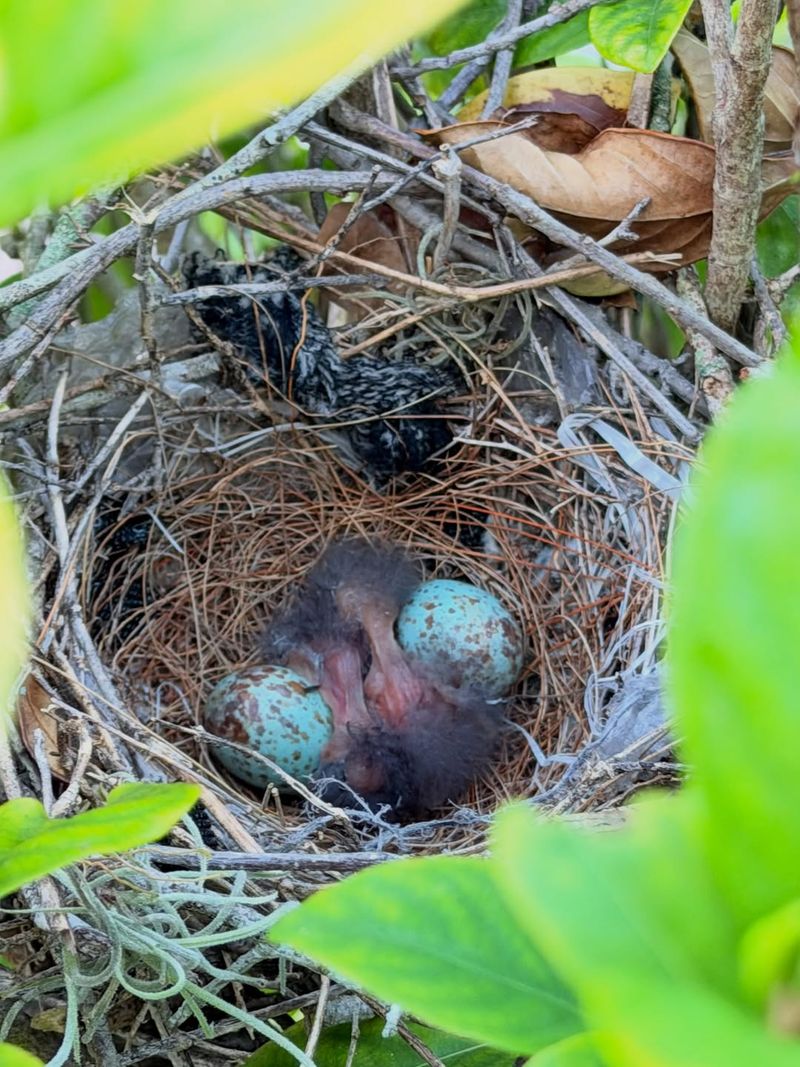
If a mockingbird in your yard seems unusually alert, follows your movements, or suddenly swoops toward your head when you walk past a certain shrub, there is a very good chance a nest is hidden somewhere nearby.
Mockingbirds are devoted parents, and they are not shy about defending their young from anything they see as a threat.
Nests are usually tucked into dense shrubs, small trees, thick hedges, or tangled vines. Mockingbirds prefer spots that offer good cover but still allow them to watch the area from above.
Common nesting plants in Texas yards include yaupon, juniper, rose bushes, and pyracantha. The thorny ones are especially popular because the spines help deter predators from reaching the nest.
A typical nest is a cup-shaped structure made from twigs, grass, leaves, and soft plant fibers. Both the male and female help build it, though the female does most of the work on the inside lining.
Eggs are usually a pale blue-green with brown spots, and a clutch typically contains three to five eggs. Mockingbirds can raise two or three broods in a single Texas breeding season, which runs roughly from March through August.
If you spot a nest, the best thing to do is give it space. Try to avoid pruning or disturbing the plant it is in until the chicks have grown and left on their own. Keep pets indoors or supervised when possible during this period.
The swooping behavior can feel alarming, but it almost never makes contact. It is simply a parent bird doing its job, and that level of dedication is actually quite admirable to witness.
5. Your Yard Has Useful Perches
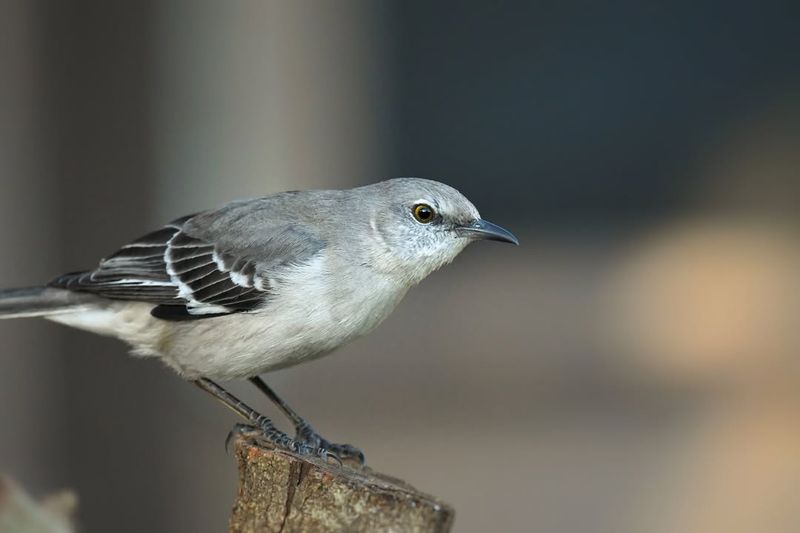
Mockingbirds are watchers. They like to be up high where they can see everything happening below them, and a yard that offers good elevated perches is a yard they will want to spend time in.
Fences, trellises, arbors, roof edges, utility lines, and the tops of small ornamental trees all serve as prime real estate for these birds.
From a high perch, a mockingbird can do several things at once. It can sing and broadcast its presence to rivals.
It can scan the ground below for insects moving through the grass or mulch. It can keep an eye on its territory and react quickly if another bird or animal enters the space. A good perch is basically a command center for a mockingbird’s daily routine.
Yards that lack vertical structure can feel less inviting to them. A flat, open lawn with no fences, no shrubs, and no trees gives a mockingbird nowhere comfortable to land and survey.
Adding even a small trellis, a wooden garden post, or a few medium-height ornamental trees can make a noticeable difference in how often these birds visit.
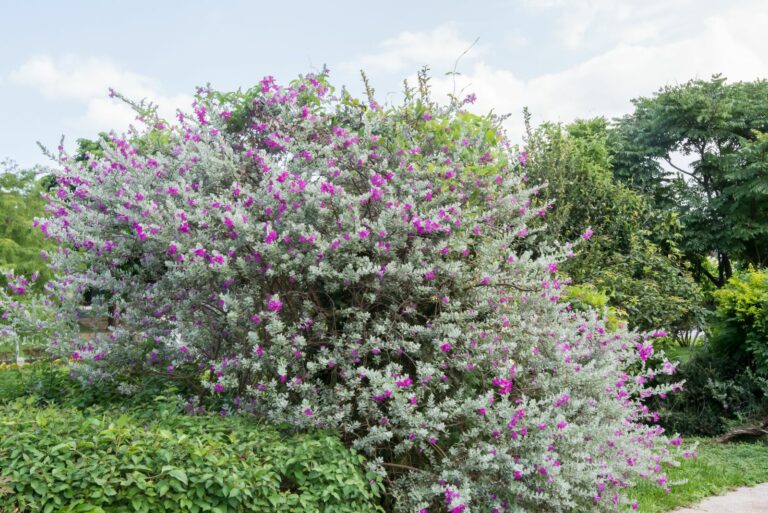
Native Texas plants like Mexican plum, Texas mountain laurel, and possumhaw holly grow to a comfortable height that works well as both a perch and a food source. Cedar elms and live oaks also provide great singing spots once they reach a moderate size.
You do not need to make big changes to your yard. Even one or two well-placed structures or plants can give a mockingbird the elevated lookout it is looking for. Once it finds that perfect spot, it tends to return to it consistently every single day.
6. It Is Usually A Good Sign For A Lively Garden
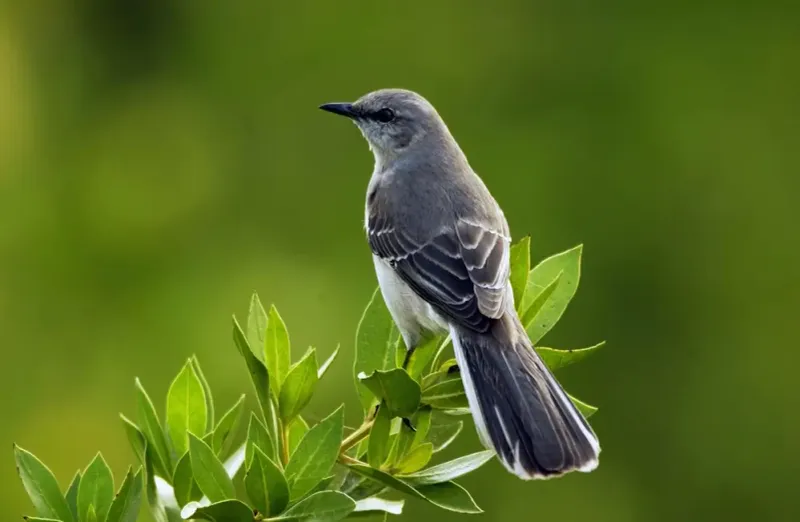
A mockingbird showing up in your yard is one of the best signs that your outdoor space is genuinely healthy and full of life. These birds are not drawn to bare, lifeless spaces.
They need insects, fruit, shelter, and open ground all in the same area, and when all of those things are present, mockingbirds move right in.
Think of a mockingbird as a small, feathered signal that your garden ecosystem is working. If the insects are thriving, the plants are producing fruit, and there is enough structure for shelter and singing, you have built something that supports real wildlife.
That is something worth feeling good about, especially in a state as large and ecologically diverse as Texas. Want to keep them around? A few simple steps can make a big difference.
Planting native shrubs like yaupon holly, beautyberry, or possumhaw gives mockingbirds both food and cover. Adding a shallow birdbath with clean, fresh water gives them a place to drink and bathe, which they do regularly.
Reducing or eliminating pesticide use protects the insect population they rely on for protein.
Leaving a small brush pile or some leaf litter in a corner of the yard also helps by encouraging the ground insects that mockingbirds hunt. You do not have to let your yard go wild. Just leave a few natural, untidy spots alongside your tidier garden areas.
Mockingbirds are loud, bold, and sometimes a little bossy, but they are wonderful neighbors to have.
They help keep insect populations balanced, add constant sound and energy to a quiet yard, and remind you that even a small backyard can be a thriving little piece of the natural world.