9 Arizona Native Vines That Cover a Fence in One Growing Season
A bare block wall in Phoenix or Tucson can soak up heat all afternoon and throw it right back at your house. A fast native vine can turn that wall or fence into a living green screen in just one season, using far less water than most ornamental climbers.
Many of these vines also feed hummingbirds, butterflies, and birds while shading the ground around them. Here are nine desert-tough vines that grow quickly and give your yard something useful in return.
1. Queen’s Wreath (Antigonon leptopus)
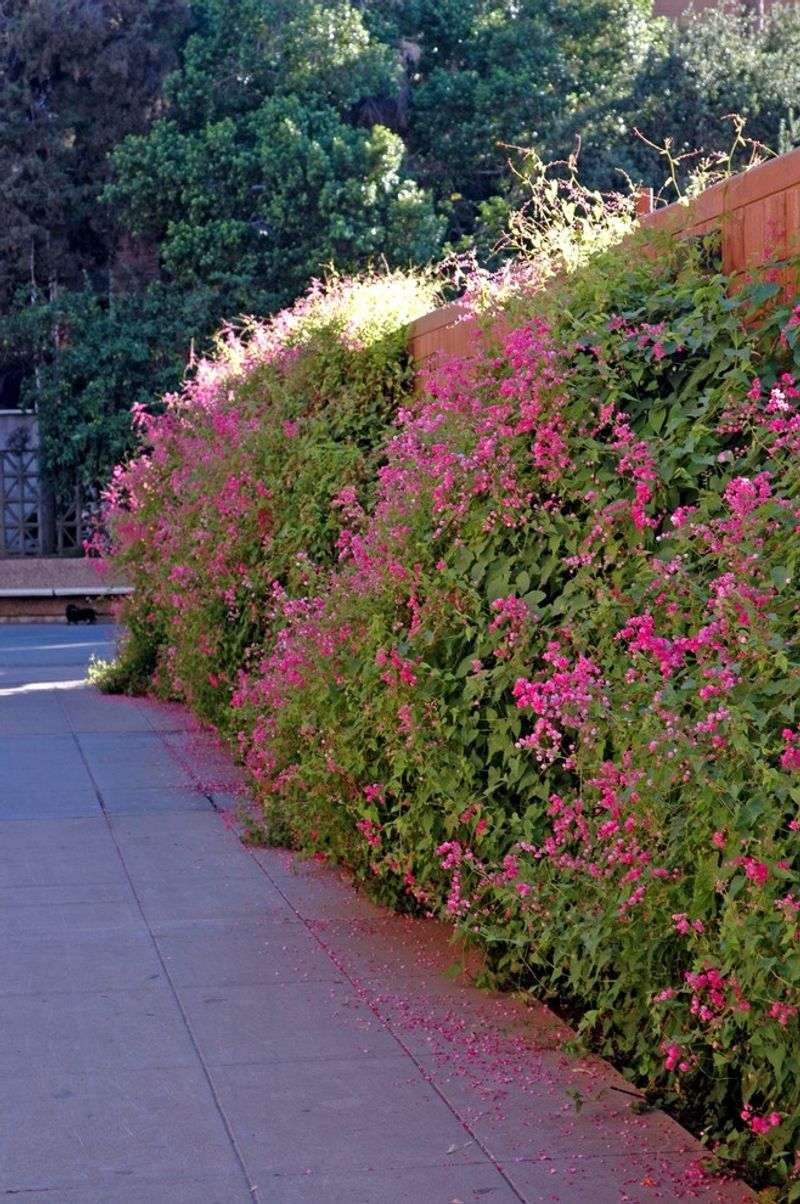
Picture a plain six-foot fence in May, then picture it in October buried under ropes of hot pink blossoms. That transformation is what makes Queen’s Wreath a legend in Phoenix yards.
Native to the Sonoran region of northern Mexico, it can stretch 10 to 15 feet in a single year.
Triple-digit heat and reflected glare from block walls barely slow it down. In fact, the vine seems to grow faster as summer heats up, flowering from late spring well into fall.
Bees, butterflies, and hummingbirds visit the lacy pink, white, or red flower sprays almost nonstop.
Winter frost usually knocks the top growth back, which surprises new growers. Don’t panic, because the tuberous roots stay safe underground and push out fresh shoots once spring warms up.
Simply trim the old brown stems down in February or March.
For the best start, plant in spring after frost danger passes, since this one loves warm soil more than most natives. Deep watering once or twice a week the first summer helps it establish, then you can stretch it out.
Give it a chain-link fence, wire panel, or trellis, and it will climb on its own using curly tendrils.
2. Arizona Grape Ivy (Cissus trifoliata)
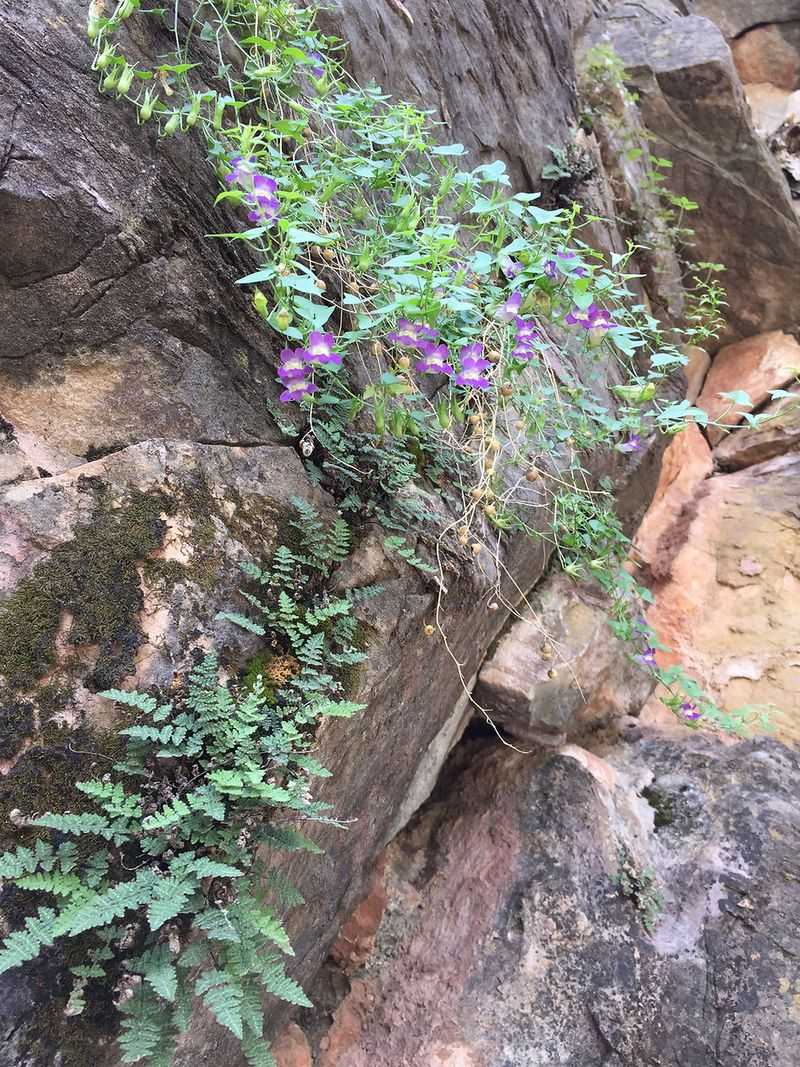
Shady side of the house got you stumped? Most desert vines sulk without full sun, but Arizona Grape Ivy happily climbs through partial and even full shade.
It is native right here, along with New Mexico, Texas, and northern Mexico.
Twining stems and grabby tendrils carry it 15 to 30 feet, so a short fence disappears quickly. The thick, slightly succulent leaves come in sets of three and stay surprisingly fresh-looking in summer heat.
Crush one and you will notice a sharp, earthy smell that some folks find odd.
The greenish flowers won’t win any beauty contests. Still, bees and small butterflies find them, and the dark grape-like fruit that follows feeds birds and small mammals.
Just know the berries are not for people.
Caliche, sand, or rocky soil all suit it fine, which is great news for anyone who has fought Arizona dirt with a shovel. Once roots settle in, it is drought tolerant and needs only occasional deep watering during the hottest stretch.
Plant in fall, October or November, so roots can grow through the mild winter before facing June. Wear gloves when handling, since the sap can irritate sensitive skin.
3. Canyon Grape (Vitis arizonica)
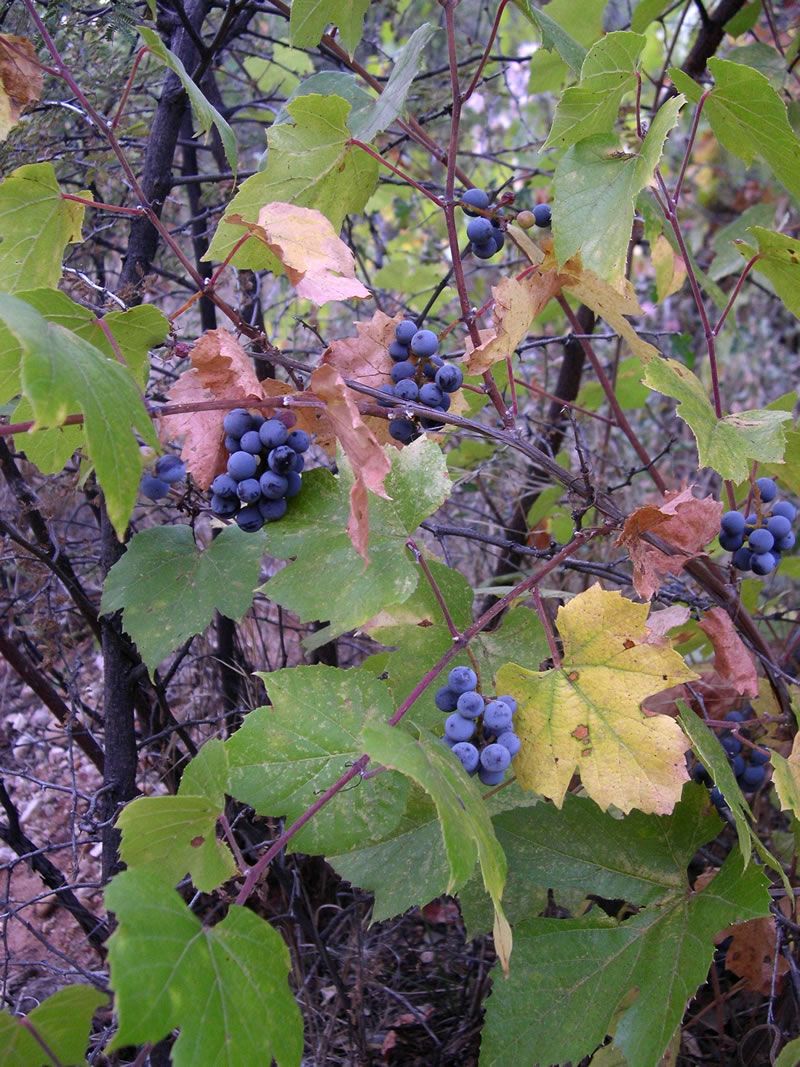
Hike almost any shady canyon in southern Arizona and you might spot wild grapes dangling over a creek bed. That is Canyon Grape, a true native that can sprawl up to 50 feet.
Your Arizona Garden Changes Every Week. Your Plan Should Too.
Gardening in Arizona changes quickly throughout the season. Every Friday you’ll receive a simple weekly plan showing exactly what to plant, prune, fertilize, harvest, and protect so you never miss the right timing.
Bring it home and it brings a slice of riparian cool with it.
Big, rounded leaves create real, dense shade, which makes it a strong choice for pergolas, ramadas, or a fence beside a patio. It drops its leaves in winter, letting low sun warm your space when you actually want it.
By late spring, fresh growth races back over the structure.
Small black berries ripen in summer and attract birds like mockingbirds, finches, and quail. Some people nibble them too, though they are tart and seedy.
Wildlife tends to win the race for the harvest anyway.
Canyon Grape prefers more water than some other picks on this list, so put it where a drip line already runs. Well-drained soil and regular deep soaks during summer will keep it lush and growing fast.
A little mulch at the base helps hold moisture against the brutal sun. Plant in fall or late winter, and expect strong coverage by the following summer.
4. Arizona Passionflower (Passiflora arizonica)
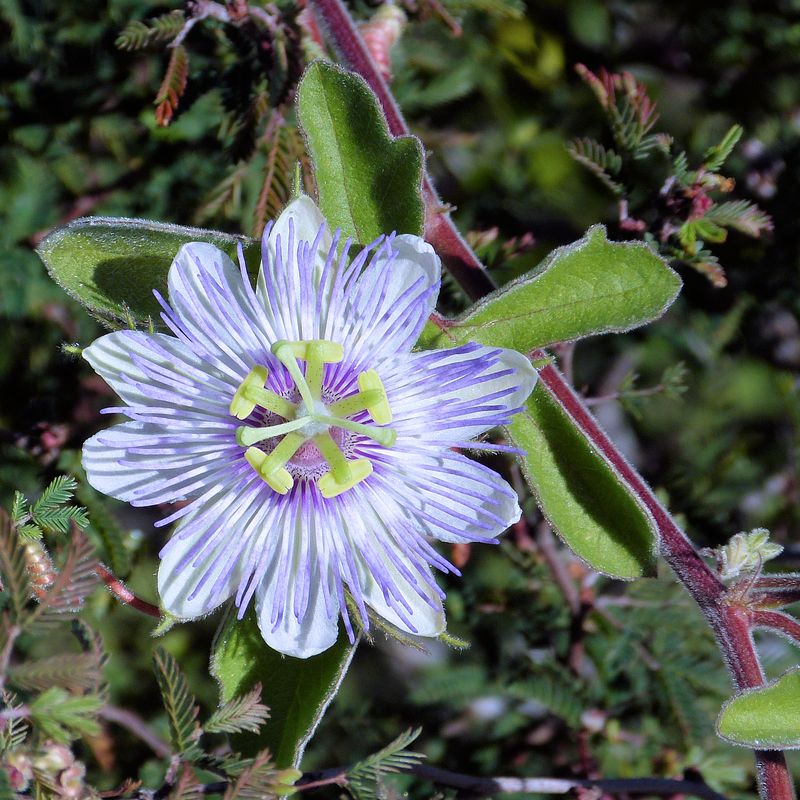
Few flowers look as wild as a passionflower. Each bloom has a fringed crown, curling filaments, and a center that looks almost like a tiny clock face.
Arizona’s own native type, Passiflora arizonica, packs that magic into a tough, compact vine.
Expect stems to climb roughly 12 to 15 feet in a good season when given support. It grabs wire, lattice, or chain-link with spiraling tendrils and needs little help from you.
Morning sun with some afternoon relief keeps it looking its best in the low desert.
Butterfly lovers, take note. Passionflowers are host plants for Gulf fritillary caterpillars, so chewed leaves are a sign that your yard is doing its job as habitat.
Those orange butterflies may soon become regular visitors.
Watering is moderate at first, then you can taper off once roots are established. A layer of mulch and a spot near other plants helps it handle July heat.
The vine may lose leaves in a cold snap but usually rebounds in spring. Plant from fall through early spring for the best results, and resist the urge to spray anything on those hungry caterpillars.
5. Climbing Milkweed (Funastrum cynanchoides)
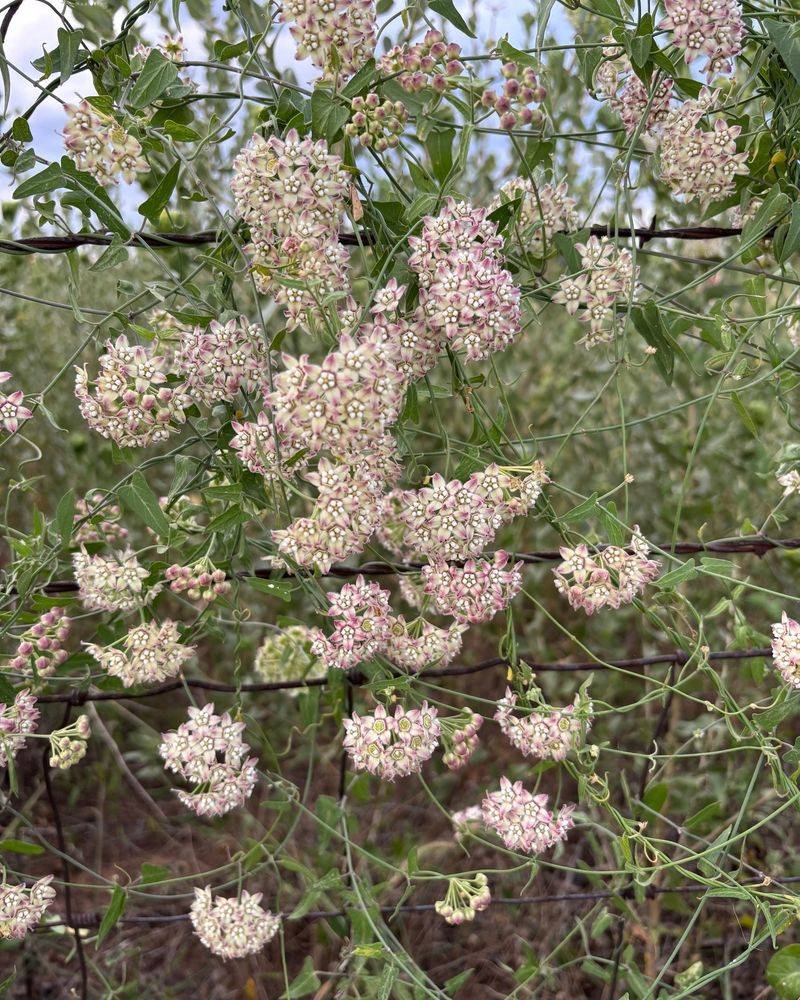
Monarch and queen butterflies don’t just like milkweed, they need it. Climbing Milkweed, sometimes called twinevine, is a native Sonoran Desert milkweed that grows as a vine instead of a bush.
That makes it a rare chance to grow butterfly habitat straight up a fence.
Slim, nearly leafless stems twist around anything they touch, often weaving 10 feet or more in a season. Round clusters of white to pinkish star flowers smell sweet and pull in bees, wasps, and butterflies.
Later, long seed pods split open and release silky floss on the wind.
Queen butterflies in particular lay eggs on this plant, and the striped caterpillars feed on the foliage. Watching them grow is a fun project for kids during warm months.
Your fence becomes a living nursery.
Very little water is needed once it settles in, which fits well with xeriscape yards. Full sun and lean, gritty soil suit it perfectly, so skip the fertilizer.
In the wild it often scrambles through mesquite and palo verde branches, so you can let it climb a tree as well as a fence. Sow seeds or plant starts in fall or early spring for strong growth before summer.
6. Texas Virgin’s Bower (Clematis drummondii)
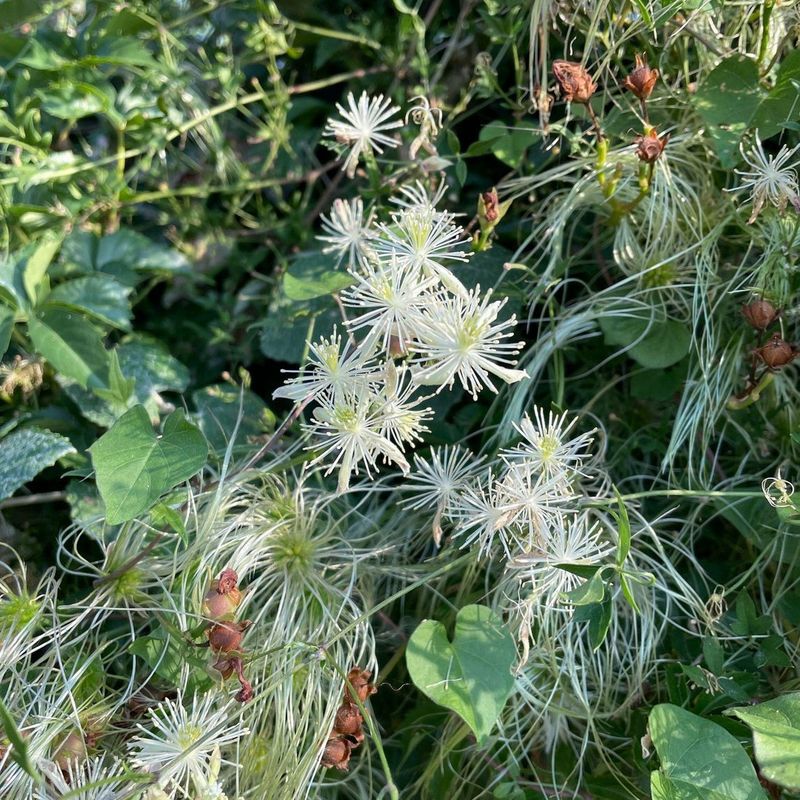
Old-timers in southern Arizona call it “old man’s beard,” and one look in late summer explains why. After flowering, Texas Virgin’s Bower covers itself in wispy, silver seed plumes that glow when the sun hits them.
It is a native clematis built for desert life.
Growth is quick, with vines easily clambering over a fence in one warm season. Small creamy-white flowers open after the monsoon rains start, giving bees and other pollinators a fresh food source when much of the desert is resting.
Birds sometimes use the fluffy seed fibers as nesting material.
Unlike garden clematis that need cool roots and rich soil, this one handles heat, rocks, and alkaline ground. It wraps leaf stalks around wire and thin branches to climb.
A chain-link fence is ideal.
Water deeply every week or two through the first summer, then rely on occasional soaks and monsoon storms. It can look a bit scraggly in winter, so a light trim in late winter tidies it up.
Fall planting gives roots a head start. If you want a vine that feels truly wild and local, this is a lovely, low-effort pick.
7. Snapdragon Vine (Maurandya antirrhiniflora)
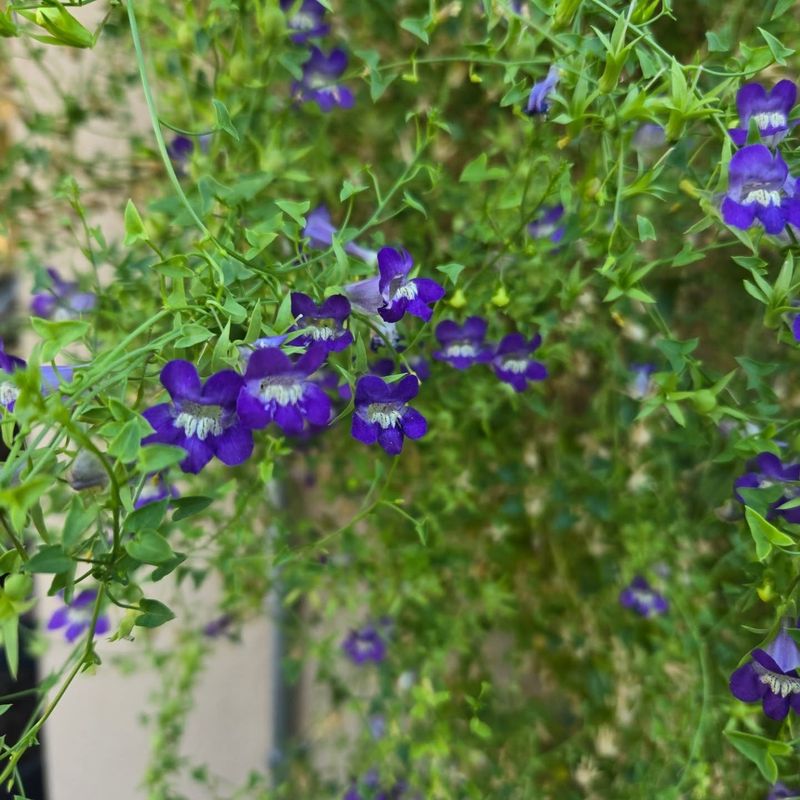
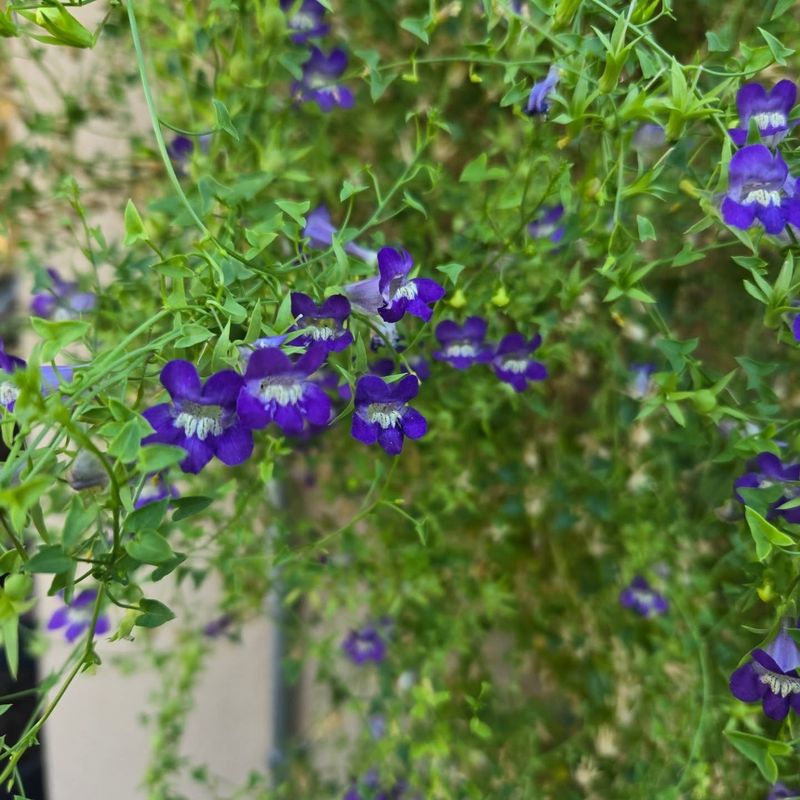
Small but mighty is the best way to describe Snapdragon Vine. The purple flowers look like tiny snapdragons, and the leaves resemble miniature ivy.
Despite its dainty look, it is a native desert climber tough enough for Arizona summers.
Thin, twining leaf stalks wrap around wire, string, or mesh, reaching about 6 to 8 feet in a season. That makes it perfect for shorter fences, mailbox posts, or a wire panel against a courtyard wall.
Pair it with a bigger vine if you need more height.
Bees love the flowers, and you may notice a steady buzz around it from spring through fall. Blooms come in waves, especially after a good rain or deep watering.
Hummingbirds sometimes check it out, too.
Here’s a fun bonus: it often reseeds itself, popping up in new spots along the fence each year. That makes it feel almost like a free gift that keeps giving.
Afternoon shade helps it stay greener in the hottest weeks. Moderate water keeps it blooming, though it can handle drier spells.
Start plants in fall or early spring, and enjoy a delicate living lace that softens hard desert edges.
8. Scarlet Creeper (Ipomoea cristulata)
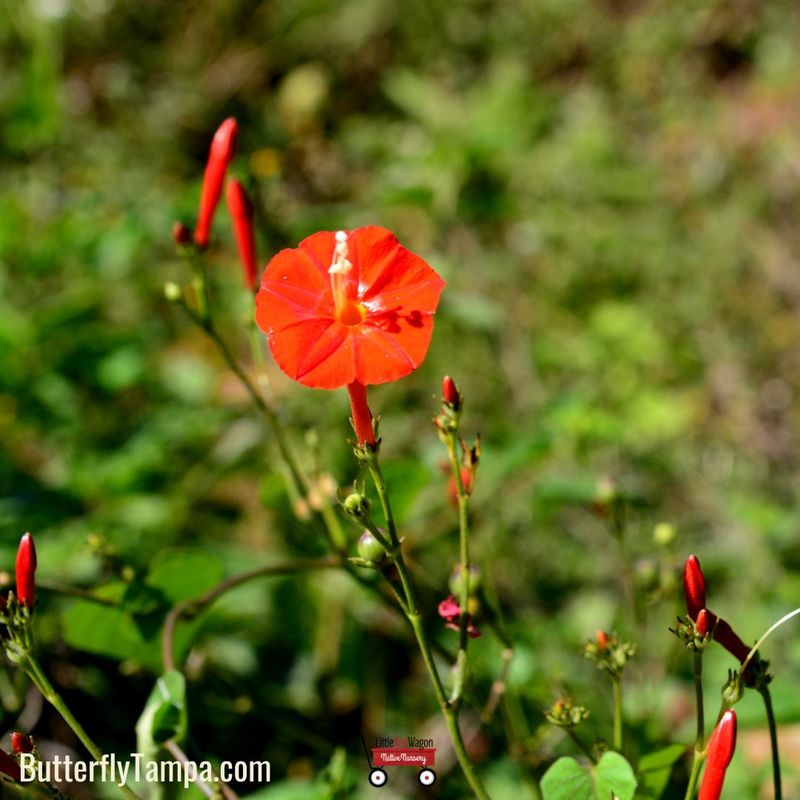
Hummingbirds treat Scarlet Creeper like a drive-through snack bar. Its little red trumpet flowers are shaped just right for their long beaks.
This native morning glory grows wild in Arizona’s mountains and grasslands, often sprouting with summer rains.
As an annual, it lives fast. Seeds sown at the start of monsoon season can twine up a fence 8 to 10 feet by fall, which is quick coverage for almost no cost.
Lobed leaves create a light, airy screen rather than a solid wall.
Planting is the easy part. Nick the hard seed coats with a nail file, soak them overnight, and press them into the soil at the base of a fence in late June or July.
Keep the soil moist until sprouts appear.
Once growing, it needs only moderate water, and monsoon storms do a lot of the work. Full sun to light shade works well.
When frost arrives, the vine fades, but it usually drops plenty of seeds for next summer’s show. Want a cheerful, budget-friendly way to test a fence spot before committing to a permanent vine?
This bright little climber is a smart experiment.
9. Coyote Gourd (Cucurbita digitata)
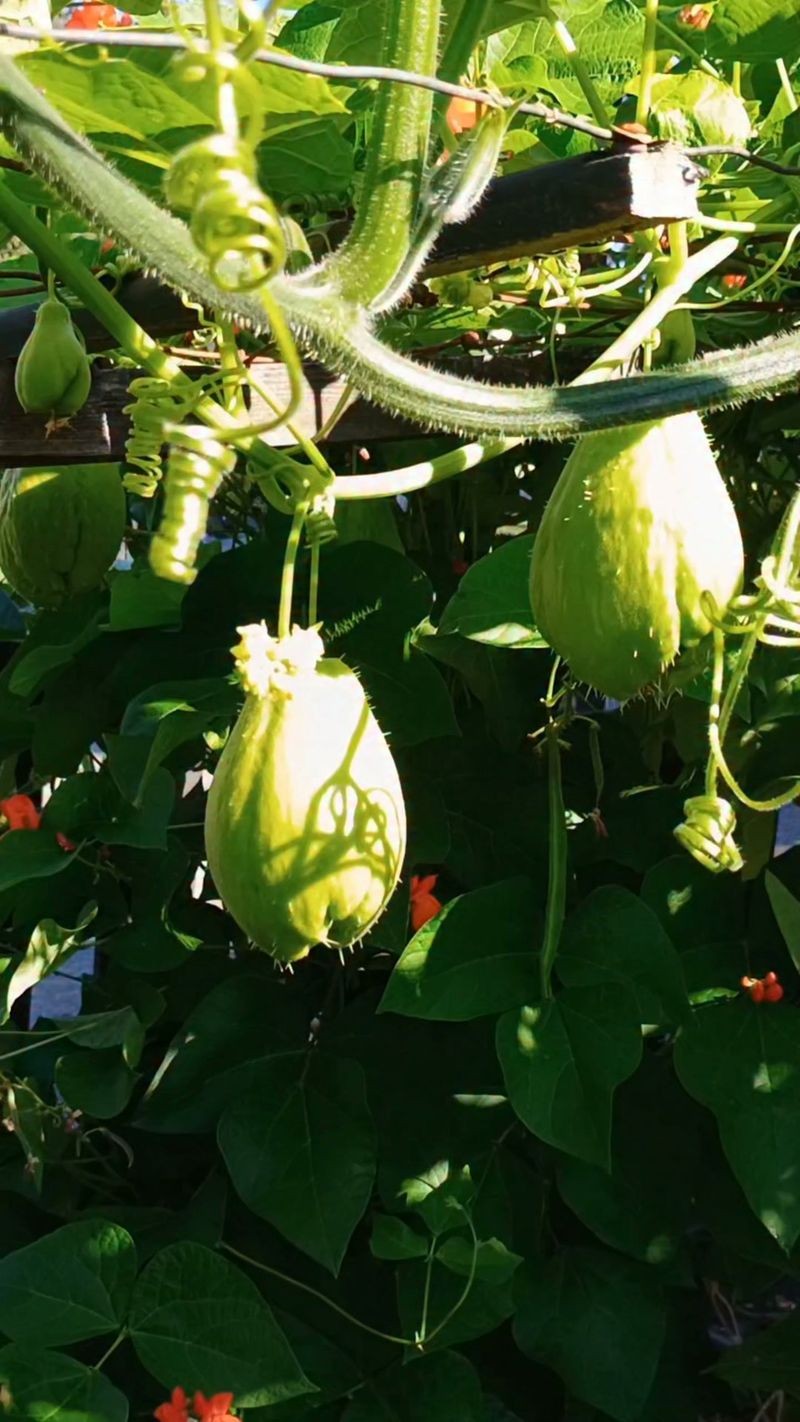
Believe it or not, one of the fastest native vines in the desert is a wild squash. Coyote Gourd sprouts from a giant underground root and can send runners 10 to 20 feet in a single summer.
Its leaves are split into long, slender fingers, giving it a bold desert look.
Bright yellow blossoms open early in the morning and attract native squash bees, which specialize in pollinating these flowers. Small round gourds with green stripes follow, later drying to tan.
Javelina, coyotes, and other critters may nibble them, which is how the plant earned its name.
It naturally sprawls on the ground, but with a little guidance it will scramble over a low fence or wire panel. Tie a few runners loosely at first, and the tendrils take over.
It is better for rustic, natural spaces than formal yards.
Water needs are low because that massive root stores moisture through dry spells. Growth bursts after monsoon rains, and the top goes dormant in winter.
Plant seeds in late spring or early summer in sandy, well-drained soil. For a tough, nearly hands-off vine that feeds native bees, this desert squash is hard to beat.