What It Means When You Find a Suspected Tarantula Burrow in Your Arizona Yard This Fall
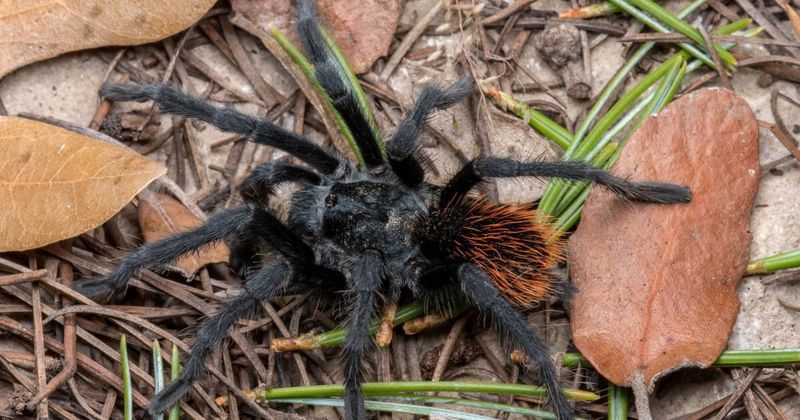
You spot a round hole near a rock or a garden bed, and your mind jumps to spiders. In Arizona, that hole might be a tarantula’s hideout, but a hole alone cannot tell you who lives there.
Fall is a time when people notice more wildlife on the move, so questions pop up fast. Here is how to read the clues, avoid common myths, and stay safe.
A suspected burrow may be a refuge, not an infestation
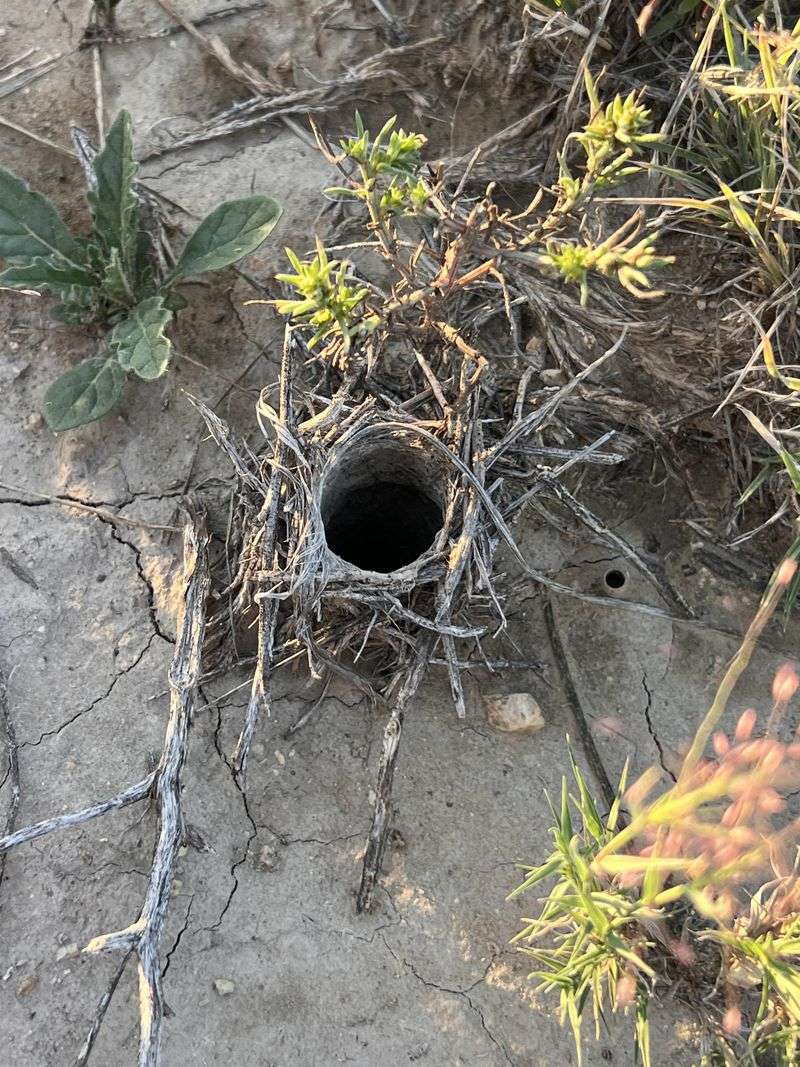
Picture a small shelter dug into the ground. That is how a tarantula treats a burrow, and Arizona extension guidance explains that Arizona tarantulas spend much of their lives in or near burrows and may use one for years.
They usually hunt close by at night and then head back to safety.
So a hole in your yard that could be a tarantula refuge is not a sign of an infestation. One spider using one hole over time is normal habitat use, not a swarm taking over your property.
Nothing about it means something must be removed.
Keep in mind the word suspected. Lots of animals dig holes in desert soil, and you may not know who made this one.
Treat it as a possible tarantula refuge, and avoid assuming that a spider is home right now. The best first move is simple: note where the hole is, and let it be.
A hole alone cannot identify its occupant
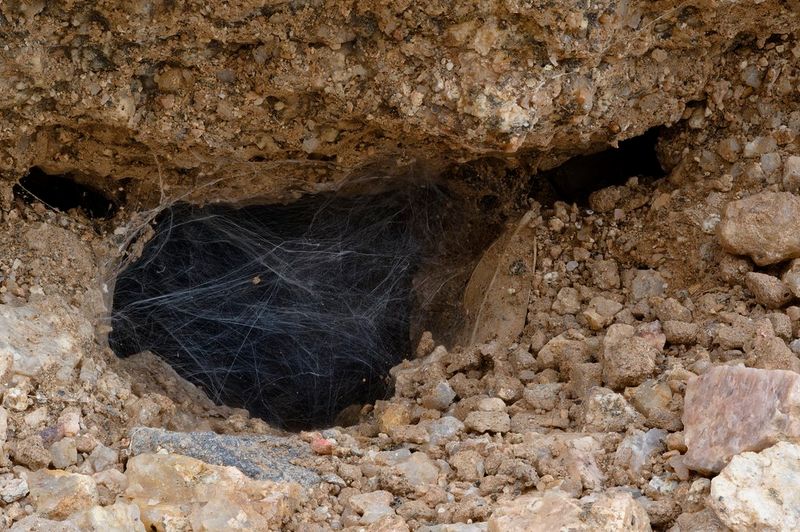
Lizards, rodents, insects, and other spiders can all leave openings in the ground. Looking at a hole will not confirm that a tarantula made it, and it will not tell you whether anyone is inside right now.
Tarantulas can stay hidden during the day, so an empty-looking entrance proves very little either way.
There are a few limited clues. Burrows of the Arizona blond tarantula, described by the
Arizona-Sonora Desert Museum, may be roughly 1 to 2 inches across, sometimes with silk strands at the entrance.Treat those details as hints tied to that one species, not as a checklist that settles the question.
Other Arizona tarantulas dig differently. A peer-reviewed study of Sky Island tarantulas covers species whose burrows may lack visible silk, so a plain entrance does not rule a tarantula out.
If you want certainty, photograph the hole from a distance and ask a local wildlife expert.
Fall activity varies across Arizona
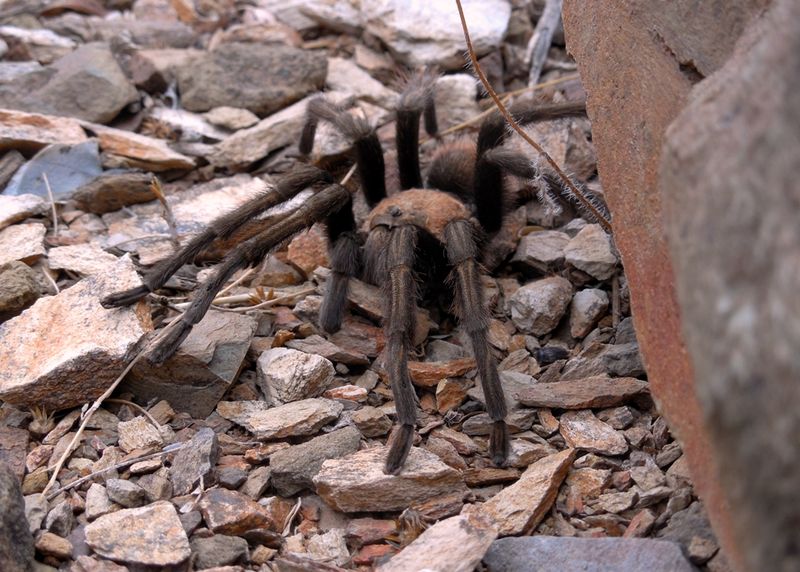
Many people hear that fall is tarantula mating season in Arizona. The real picture is messier.
The University of Arizona describes wandering males over a broad window, roughly June through October, rather than one tidy fall event.
Species and place change the timing. Accounts of the Arizona blond tarantula, such as the Desert Museum entry, say males are commonly seen during summer rains.
Meanwhile, research in southeastern Arizona documents some species that breed in October and November.
That means a tarantula sighting in your yard this fall does not prove mating is underway, and a nearby hole does not either. A wandering spider might be a male searching, or it might be something else.
Your Arizona Garden Changes Every Week. Your Plan Should Too.
Gardening in Arizona changes quickly throughout the season. Every Friday you’ll receive a simple weekly plan showing exactly what to plant, prune, fertilize, harvest, and protect so you never miss the right timing.
Elevation, location, and species all play a part, so the calendar is only a rough guide.
Nearby hunting does not guarantee pest control
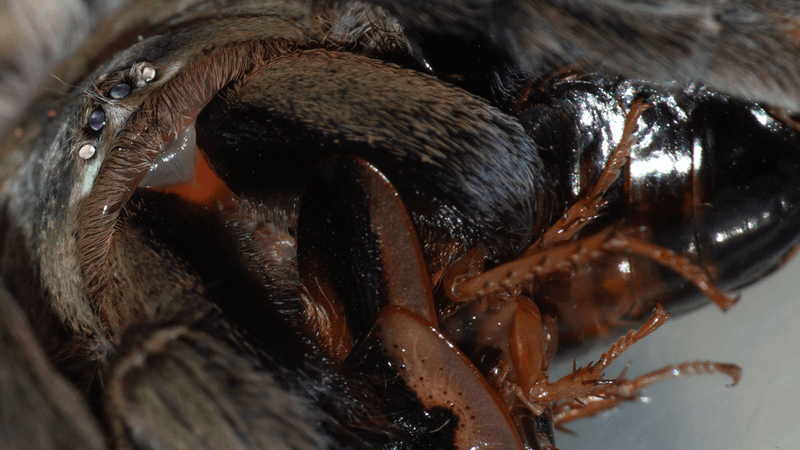
Tarantulas are mostly nocturnal, so whatever hunting happens takes place after dark. According to Arizona extension information, some eat prey such as cockroaches, crickets, and grasshoppers.
That is where the documented story stops. A short list of meals does not show that a tarantula can control household pests, and it says nothing solid about scorpions or mosquitoes.
One spider with one burrow is a small part of a very large yard ecosystem.
If you are fighting pests, rely on proven habits like sealing gaps around doors, clearing debris, and fixing standing water. A tarantula refuge may be interesting to have around, but a pest-free yard cannot be counted on because of it.
Enjoy it as part of the desert’s wildlife, not as a service plan.
Observe from a distance and leave the hole undisturbed
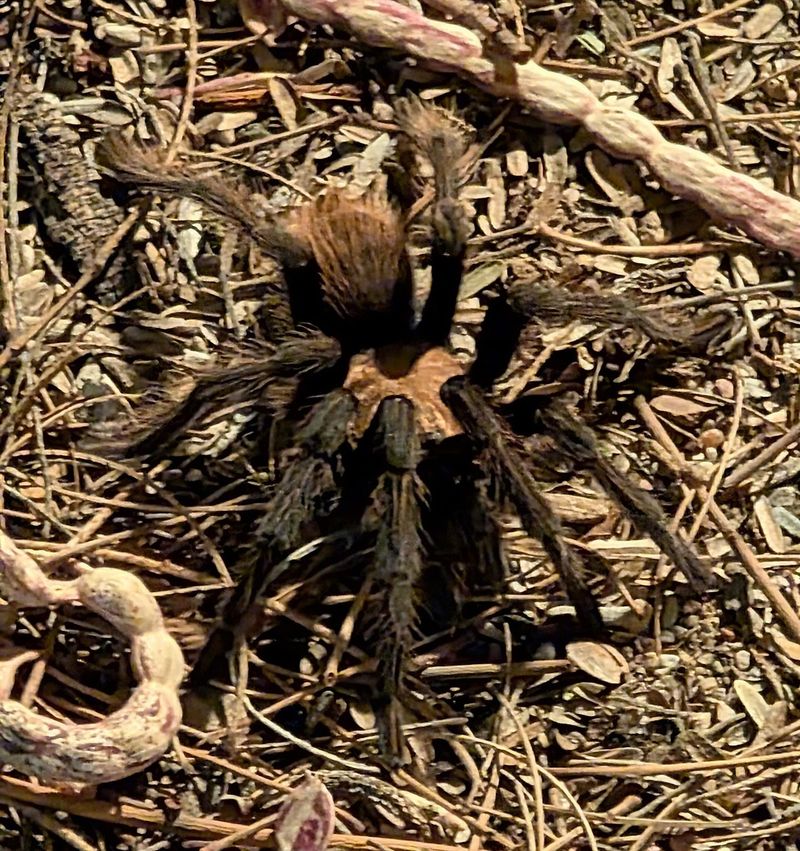
Curiosity is natural, but a low-key approach works best. Stand back, watch, and take a photo if you like.
A flashlight with a red filter can help at dusk, as long as you keep your distance.
Skip the temptation to poke around. Do not put fingers into the hole, handle a spider, probe or dig up the burrow, block it, flush it, or pour anything into it.
Each of those can disturb an animal that may be sheltering inside.
The reason is practical. Per Arizona extension guidance, tarantulas can bite when provoked, and their defensive hairs can irritate skin and more sensitive areas like eyes.
Contact is far from inevitable if you leave the spot alone. Keep pets and kids away from the area, and mow or trim around it with care.
Follow local guidance after a bite or hair exposure
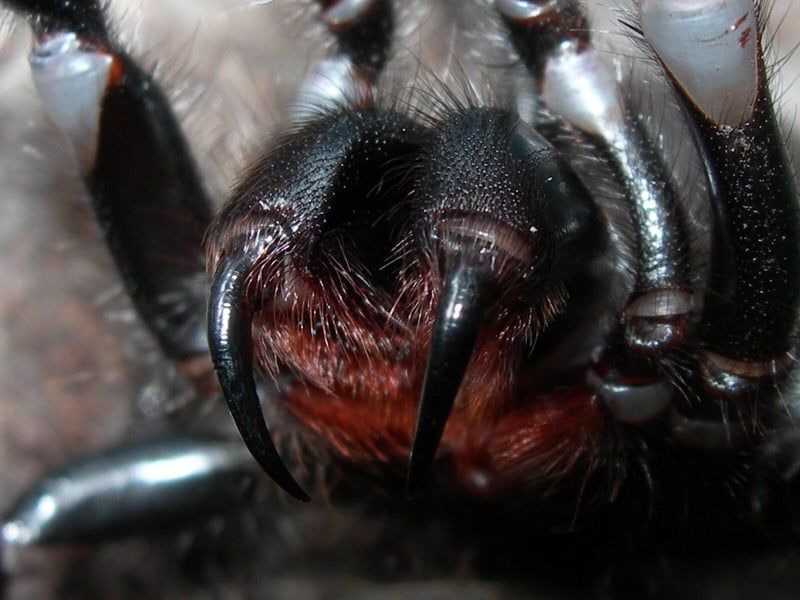
Sometimes contact happens despite good care. For a bite, the Arizona Poison and Drug Information Center advises washing the area with soap and water.
Bites can be painful, so do not treat them as nothing.
Hair exposure is a separate case. If defensive hairs land on skin, the center advises removing them with tape.
Those hairs can cause irritation, and they may bother more sensitive areas.
For anything else, call 1-800-222-1222 for additional guidance. The line is there for questions, so you do not have to guess at next steps.
Stick to what the center recommends and avoid adding home remedies.
A quiet hole in the ground is a small window into desert life, and it is best viewed from a few steps back.