How To Store Canna Rhizomes So They Make It Through A Michigan Winter
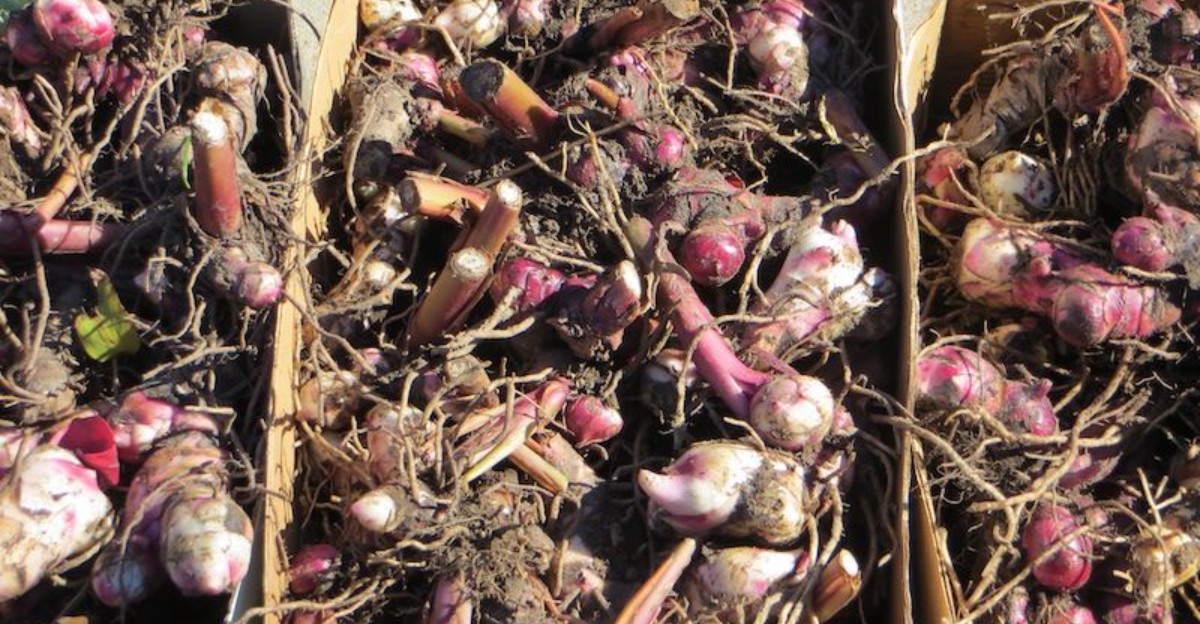
Canna rhizomes left in the ground won’t survive a Michigan winter, so digging them up each fall is a necessary step for keeping these plants year after year.
Timing matters here, since waiting until after the first light frost lets the rhizome finish storing energy before it’s lifted from the soil. Once dug up, the rhizomes need to dry out for a few days in a cool, shaded spot before storage begins.
Packing them in slightly damp peat moss or vermiculite helps prevent the rhizomes from drying out completely over winter.
Keeping them in a cool, dark space until spring gives Michigan gardeners the same vibrant cannas again next year, without having to start from scratch.
1. Why Cannas Need To Come Out Of The Ground
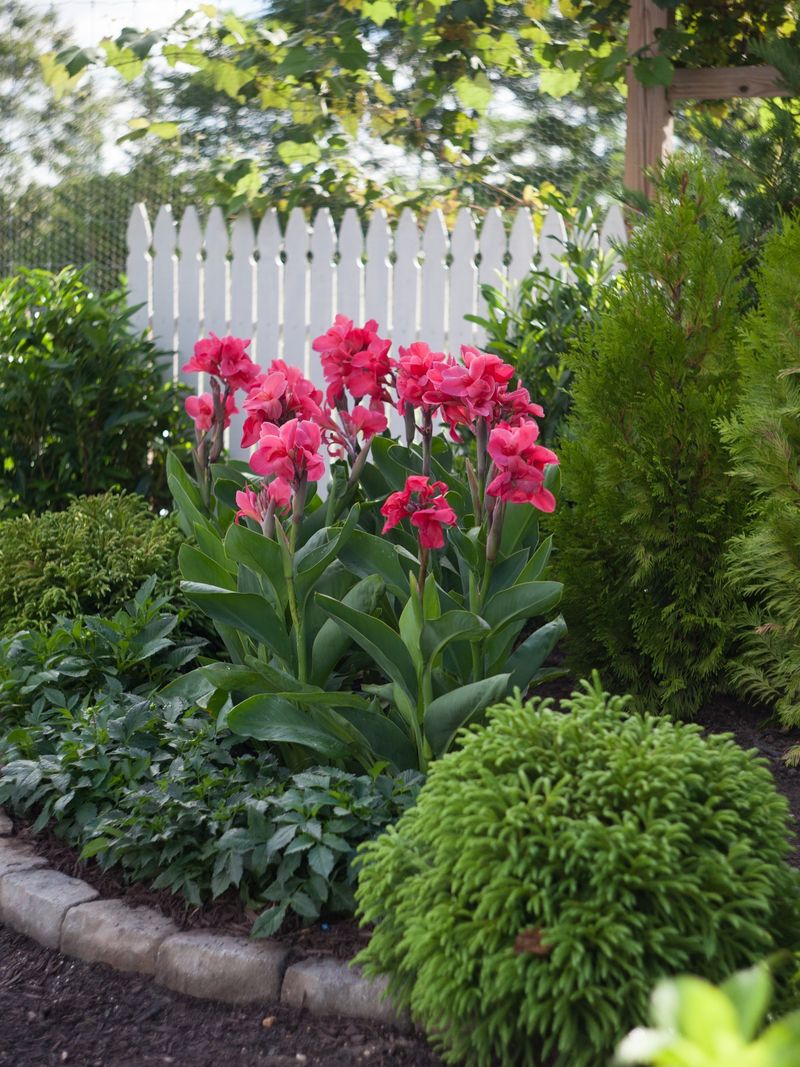
Those towering cannas in your garden come from warm places like Central and South America. Back home, they never face a January blizzard. Michigan winters are a whole different story.
Cannas are not hardy here, so the ground is no place for them once winter settles in. When the soil freezes deep, the rhizomes underground get damaged by the cold. By spring, most of them turn soft and mushy and will not sprout again.
Leaving them in the bed is a gamble you will almost always lose. Luckily, saving them is easy. The basic plan has just four steps. First, dig the rhizomes in fall.
Next, let them dry for a short time. Then store them in a cool spot that never freezes. Finally, replant them once the soil warms up in spring.
Why go to all this trouble? Over one summer, a single small rhizome can grow into a huge plant that reaches five feet tall or more. The clump underground also grows, often doubling or tripling in size.
That means each fall you dig up more than you planted. Think about the money, too. Buying new cannas every spring adds up fast, especially for fancy types with striped or bronze leaves.
Saving your own rhizomes lets you keep favorite colors, share extras with friends, and fill more garden space each year. A few hours of work in fall pays you back with a jungle of color all summer long.
2. Dig After Frost Blackens The Leaves
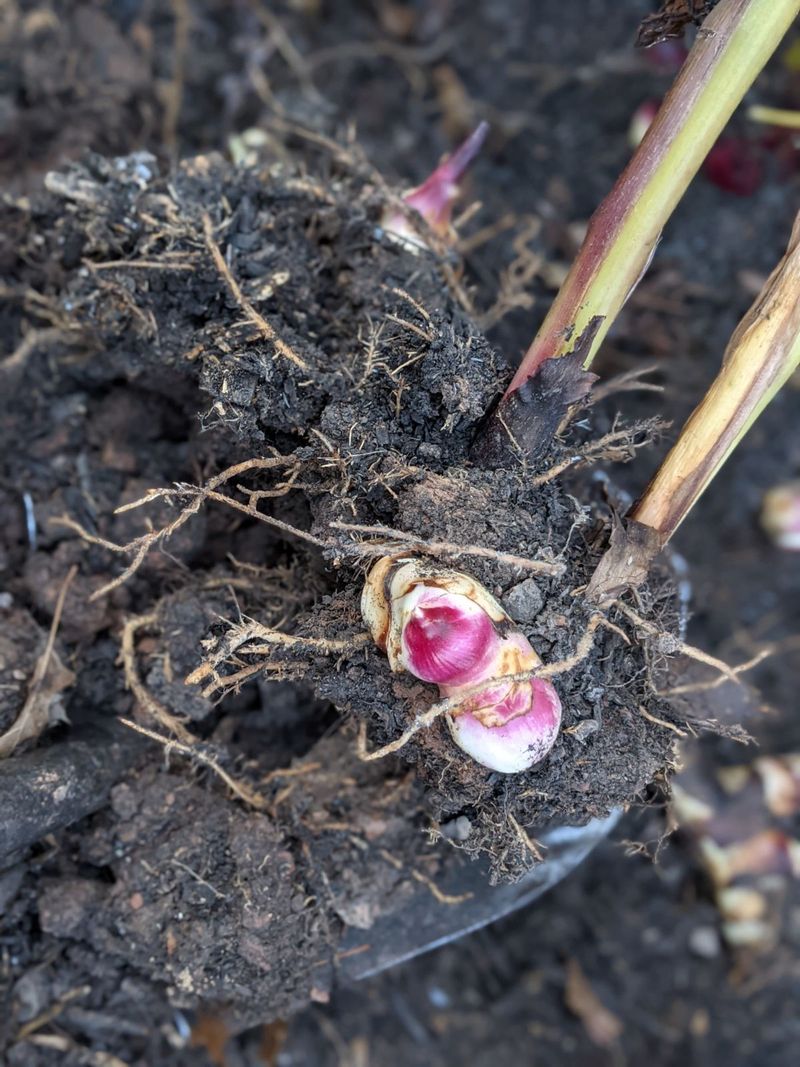
Nature gives you a clear signal when it is time to dig. One chilly morning, you will step outside and see your canna leaves turned dark and limp. That sad look is actually good news.
A light frost tells the plant to stop growing. It also helps the rhizomes start going dormant, which means they slow down and rest. Rhizomes that enter storage in this sleepy state tend to keep much better through winter.
Timing still matters, though. Wait too long, and a hard freeze can harm the rhizomes near the surface. Frozen soil also makes digging nearly impossible. The sweet spot is within a few days after that first frost darkens the foliage.
Some years, frost runs late. If the weather report warns of a hard freeze and your cannas still look green, go ahead and dig anyway. Either way, aim to finish the job before the ground freezes solid.
Your Michigan Garden Changes Every Week. Your Plan Should Too.
Gardening in Michigan changes quickly throughout the season. Every Friday you’ll receive a simple weekly plan showing exactly what to plant, prune, fertilize, harvest, and protect so you never miss the right timing.
Where you live in Michigan changes the calendar quite a bit. Gardeners in the Upper Peninsula often see their first frost in September. Folks in the northern Lower Peninsula usually get it from mid to late September into early October.
Southern Michigan and spots near the Lake Michigan shoreline often wait until October, because the big lake holds warmth and keeps fall mild a little longer.
A smart move is to look up your average first frost date and keep an eye on the forecast. That way, you are ready with your tools when the leaves finally give the signal.
3. Cut Back Stems And Lift The Clump Carefully

Patience is your best garden tool on digging day. Canna clumps can spread wide underground, and the rhizomes snap more easily than you might expect. A rushed job often leads to broken pieces and trouble later.
Every cut or bruise on a rhizome is an open door for rot. In storage, those wounds can turn soft and spoil the healthy parts nearby. So treat each clump gently, almost like a carton of eggs.
Start by cutting the stems down to about 4 to 6 inches above the soil. Those short stubs give you a handle to hold and help you spot where each clump sits. Next, grab a spading fork instead of a shovel.
A fork slips into the soil with less chance of slicing through rhizomes. Push the fork into the ground several inches out from the clump.
Work your way around in a circle, gently rocking the handle to loosen the soil. Once it feels loose, lift the whole clump from underneath. Then shake off loose dirt, but do not force the rhizomes apart. Dividing can wait until spring.
Michigan gardeners often face an extra challenge here. Many parts of the state have heavy clay soil that sticks like glue, especially after fall rain. Clay can cling tightly and make lifting the clump a real workout.
If your soil is wet and sticky, try digging on a drier day. You can also leave some clay attached for now. Once it dries, much of it will crumble right off.
4. Let The Rhizomes Dry For A Few Days
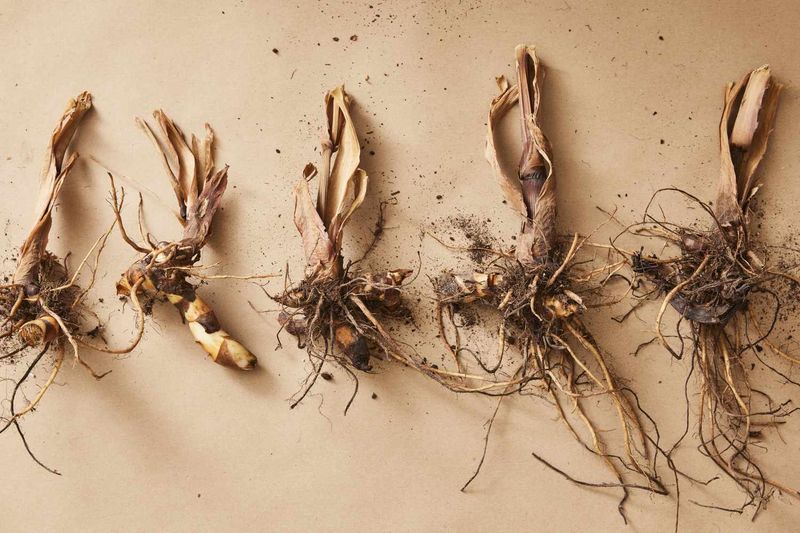
Fresh from the ground, canna rhizomes are damp and covered in soil. Packing them away right now would be like putting on wet socks and hoping for the best. A short rest helps a lot.
Drying the outer surface cuts down on moisture, and less moisture means less chance of mold and rot during storage. Still, you do not want to overdo it. Rhizomes left out too long can shrivel and lose the stored energy they need for spring growth.
Find a spot that stays above freezing, such as a garage, shed, or basement. Spread the clumps out on newspaper, cardboard, or a wire rack so air can move around them. Let them sit for a few days up to about a week.
Keep them out of direct sun and away from rain. Bright sun can dry them too fast, while rain undoes all your hard work. A sheltered, shady place with steady air is perfect.
Once the soil feels dry, brush it away with your hands or a soft brush. It should fall off much more easily now. Leave the rhizome skin alone, and do not scrub or wash them.
Fall weather in Michigan is the main reason to dry them indoors. October often brings cool, gray days, drizzle, and heavy morning dew. Outdoors, the rhizomes might stay damp for days and never dry properly.
Bringing them inside gives you control, and that steady control is what keeps your cannas healthy all winter.
5. Pack Them In A Breathable Material
Goldilocks would make a great canna keeper. Rhizomes need conditions that are not too wet and not too dry, but just right. Packing them the correct way helps you hit that balance.
Here is the tricky part. Rhizomes need a little moisture so they do not shrivel, yet they also need airflow so they do not rot. A loose, fluffy packing material holds just enough moisture while still letting air pass through.
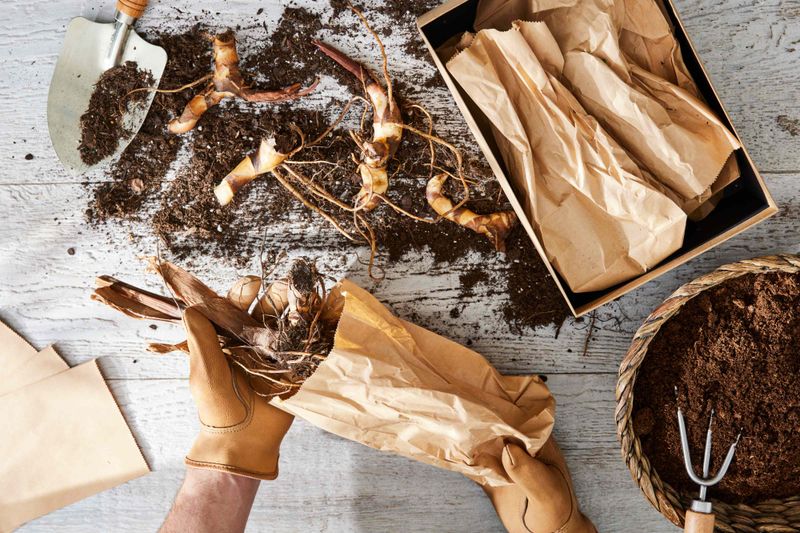
Start with a container that breathes. Wooden crates, cardboard boxes, and paper bags all work well. Lay the rhizomes inside, then cover them with slightly damp peat moss, vermiculite, wood shavings, or shredded newspaper.
The material should feel barely moist, never soggy. Skip sealed plastic bags and tight plastic tubs. They trap moisture like a tiny greenhouse, which invites mold to move in. If plastic bins are all you have, drill some holes in the sides and lid for air.
Do not forget the labels. Write each variety name on a tag or right on the box. Come spring, you will be glad to know which clump grows red flowers and which one has those striped orange leaves.
Storage time is long in Michigan. Since rhizomes often come out of the ground in October and stay inside until April or May, they may sit packed away for six months or more. A good packing job keeps them plump and healthy through that long wait.
6. Store Them Cool But Above Freezing
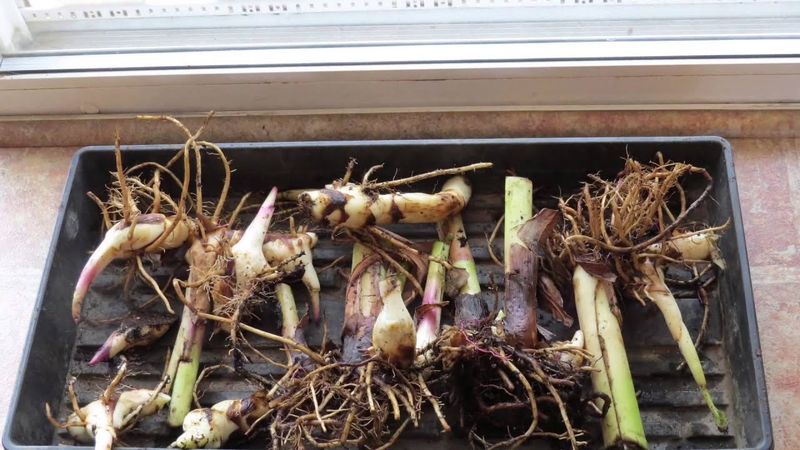
Temperature is the secret ingredient in winter storage. Get it right, and your cannas will snooze peacefully until spring. Get it wrong, and you may face shriveled, sprouting, or mushy rhizomes.
Cool air keeps rhizomes dormant, so they rest instead of trying to grow. Too much warmth can wake them up early, and they may send out pale sprouts in the middle of winter. On the other side, freezing temperatures damage the rhizomes beyond repair.
The target range is around 40 to 50 degrees Fahrenheit. Good spots include a cool basement, a root cellar, or an unheated room that never freezes. A closet along an outside wall can work, too, as long as it stays chilly.
Keep the boxes far from furnaces, water heaters, and heat vents. Even a few feet can make a big difference. Setting them on a shelf or pallet instead of a cold concrete floor also helps keep things steady.
Many people think of the garage first, and that makes sense. Yet Michigan cold snaps can be brutal. When temperatures drop below zero for days at a time, an unheated garage often dips below freezing. That one bad week could ruin your whole collection.
A basement is usually the safer bet in our state. Its walls are surrounded by soil, which keeps the air cool but stable. If you are not sure about a spot, place a cheap thermometer there for a few weeks and check the numbers.
7. Check On Them Every Month
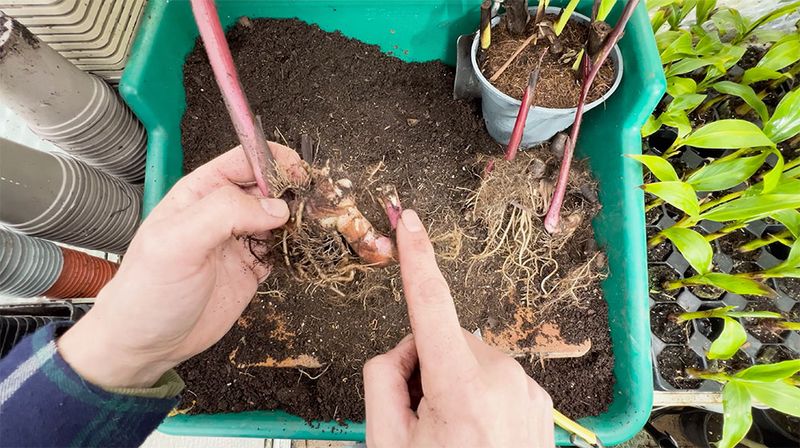
Out of sight should not mean out of mind. Stored cannas are a bit like houseguests who need a quick hello now and then. A short monthly visit can save your whole collection.
Conditions change during winter more than most people realize. Furnaces run more in January, basements get drier, and a damp spell can raise humidity. Rhizomes that get too dry start to shrivel, while ones that stay too wet can rot.
Worse, rot spreads from one rhizome to its neighbors. Set a reminder to check about once a month. Gently dig through the packing material and look at each rhizome. Healthy ones feel firm, much like a fresh potato.
If some look wrinkled, lightly mist the packing material with a spray bottle. Do not spray the rhizomes until they are dripping, since a little goes a long way. Check again in a couple of weeks to see if they firm up.
Toss out any that feel soft, mushy, or show fuzzy mold. Removing them right away protects the rest. If you catch a small moldy spot on an otherwise firm rhizome, you can trim it off and let the cut dry.
Wet packing material is another warning sign. Open the box, spread the material out, or swap in fresh, drier filler.
In Michigan, the storage season stretches six months or longer. That gives a tiny problem plenty of time to grow, so those quick checks really pay off.
8. Divide And Start Them Early In Spring
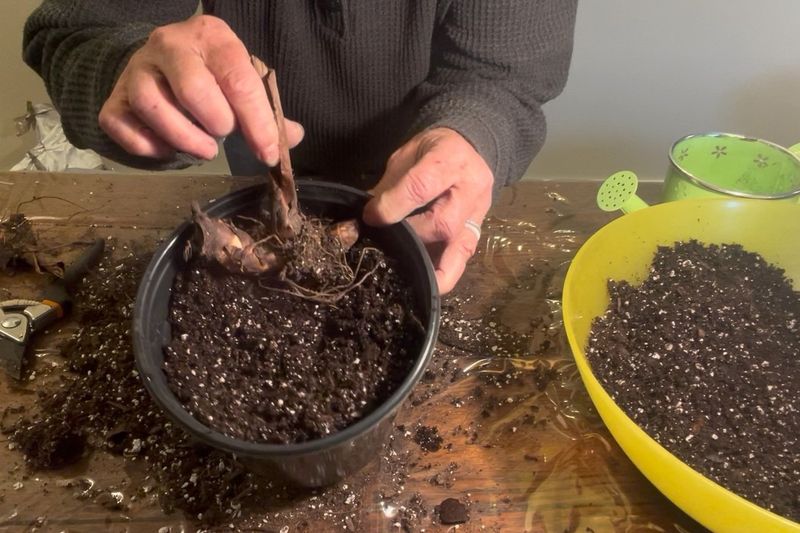
Spring fever hits Michigan gardeners hard, and cannas are a perfect cure. While snow may still linger outside, you can wake your rhizomes and get them growing indoors. Your reward is flowers weeks sooner.
Cannas love warm soil and will barely move in cold ground. Michigan summers are shorter than the tropical ones these plants are used to, so a late start can mean late blooms. Giving them an indoor head start helps them catch up.
About four to six weeks before your last frost date, bring out your stored clumps. Look for the small pointed buds called growing points, sometimes called eyes.
Using a clean, sharp knife, divide large clumps into sections with at least two or three growing points each.
Plant each section in a pot filled with fresh potting mix, covering it with about an inch or two of soil. Water lightly, then place the pots in a warm, bright spot, like a sunny window. Green shoots usually pop up within a few weeks.
Wait until the danger of frost has passed and the soil has warmed before moving them outside. Harden them off first by setting the pots outdoors for a few hours each day, adding more time as the week goes on.
Across most of Michigan, cannas go into the garden in late May or early June. Plants started indoors arrive already leafy and strong. Instead of waiting until late summer, you could enjoy bold blooms by July and a longer, brighter season overall.