Level A Bumpy Lawn Without Heavy Equipment Using Just A Rake And A Shovel
Your lawn looks lovely from the porch, like a soft green blanket stretched across the yard. Then you walk across it, and your ankle discovers every hidden lump, dip, and sneaky hollow.
The mower bounces like a carnival ride, cutting high spots down to brown dirt in seconds. Meanwhile, the low spots stay soggy after rain and squish under your sneakers with a gross sound.
Many people think fixing this mess requires a rented machine, a big truck, and a fat wallet. A rake, a shovel, and a little patience can handle most of it, though.
Early fall is a sweet window, with cool mornings, warm soil, and grass that still grows quickly. The air smells like crunchy leaves, and your yard is quietly begging for a little smoothing attention.
Your neighbors may wonder why you grin over a pile of dirt. Let them stare, because your ankles deserve a lawn that finally behaves.
Simple Hand Tools That Fill Low Spots
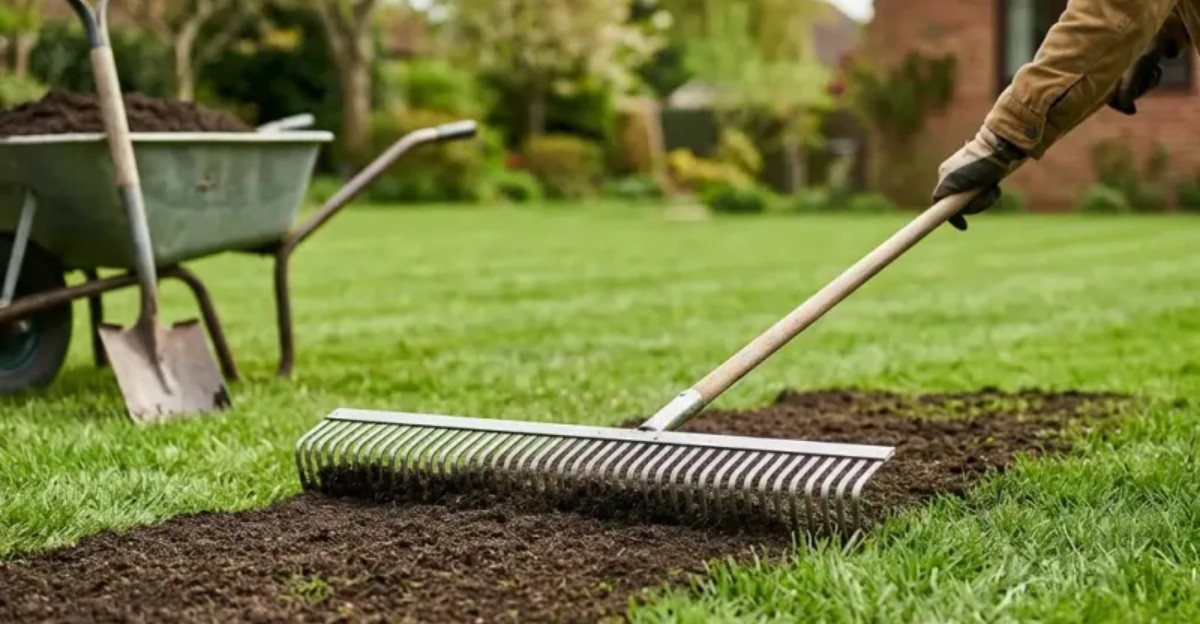
Many homeowners have smoothed whole backyards with a wheelbarrow, a garden rake, and a stubborn Saturday attitude. A simple blend of sand, topsoil, and compost spread thin across the bumpy spots does most of the work.
Gardeners call this method topdressing, and it works by filling low areas a little bit at a time. Grass blades poke up through the thin layer, so the lawn keeps growing while the ground slowly rises.
A good starting recipe uses about two parts sand, two parts screened topsoil, and one part fine compost. Stir with a shovel until the color looks even and the clumps break apart.
Mow the grass a little shorter than usual first, so the mix can reach the soil underneath easily. Then shovel small piles into each dip and spread them out using the back of a leaf rake.
A push broom helps work the mix down between the blades, kind of like brushing crumbs off a rug. You should still see green tips poking through when you finish, or the layer is too heavy.
Water the area gently afterward so the mix settles without washing into the nearby lawn. Most yards need two or three rounds, spaced a few weeks apart, to look smooth and feel level.
Fun fact, golf course crews have used this same trick for over a hundred years on their greens. If it works for putting surfaces, it can handle the lumpy patch beside your back porch steps.
Hidden Causes Behind Bumpy Ground
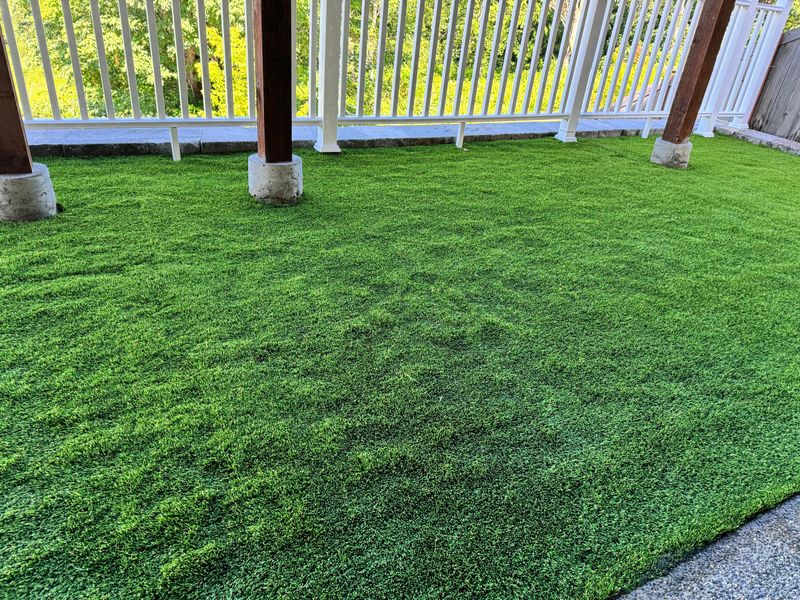
Think of yourself as a backyard detective, because every bump in the grass has a story behind it. Finding the real cause first saves you from smoothing the same spot again and again each year.
Burrowing critters like moles and voles are common causes, leaving raised ridges and soft tunnels under the turf. Press down on a ridge with your foot, and if it sinks easily, you probably have tunnel trouble.
Decomposing tree roots and old stumps below the surface can also cause dips as the wood breaks down over time. The soil above slowly sinks, creating a shallow bowl that collects water after heavy rainstorms.
Freezing and thawing during winter pushes soil upward, and the ground often settles back unevenly by fall. Heavy foot traffic, kids playing tag, and dogs racing along fences can pack down certain paths too.
Leaky sprinkler lines or broken drain pipes sometimes wash soil away underground, leaving a mushy hollow on top. Earthworms can create tiny bumpy castings, though those little lumps actually mean your soil is fairly healthy.
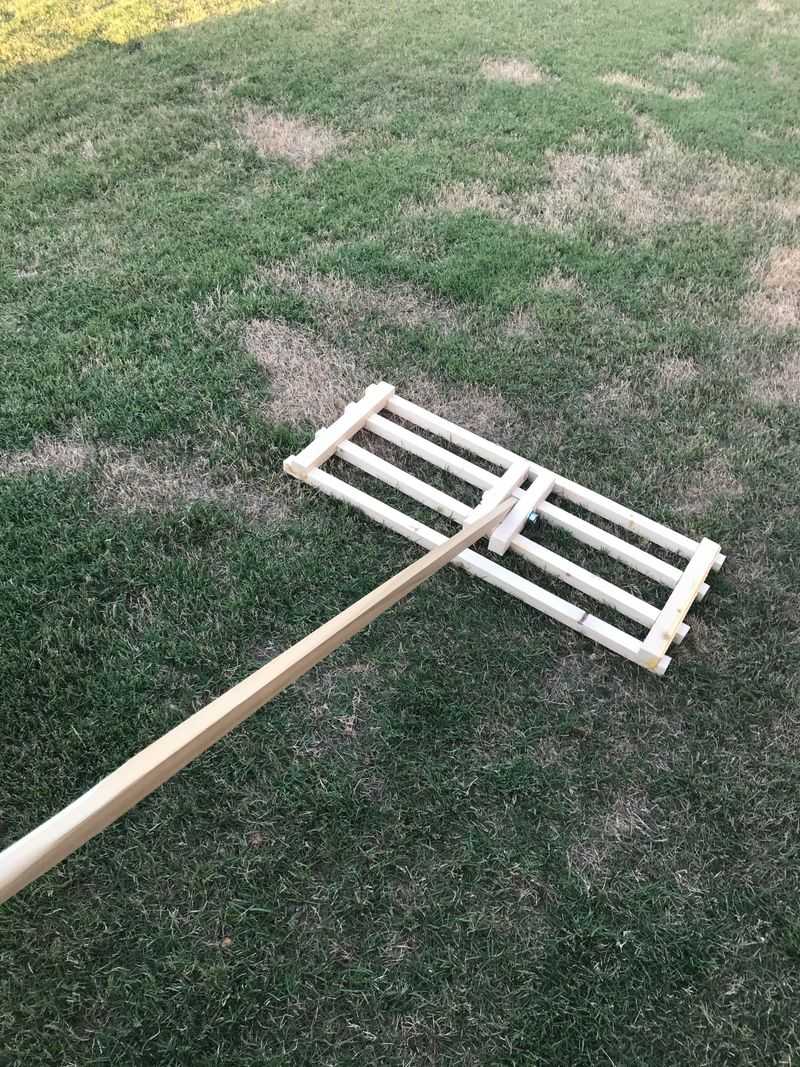
Walk your yard slowly with a long board or straight rake handle laid flat across the grass. Gaps under the board show low spots clearly, so mark them with small flags or golf tees.
Fix any pest, pipe, or drainage issue before adding new soil, or the bumps are likely to return. Solving the mystery first makes every shovel of mix count, and your detective badge feels well earned.
Early October Timing For Best Results
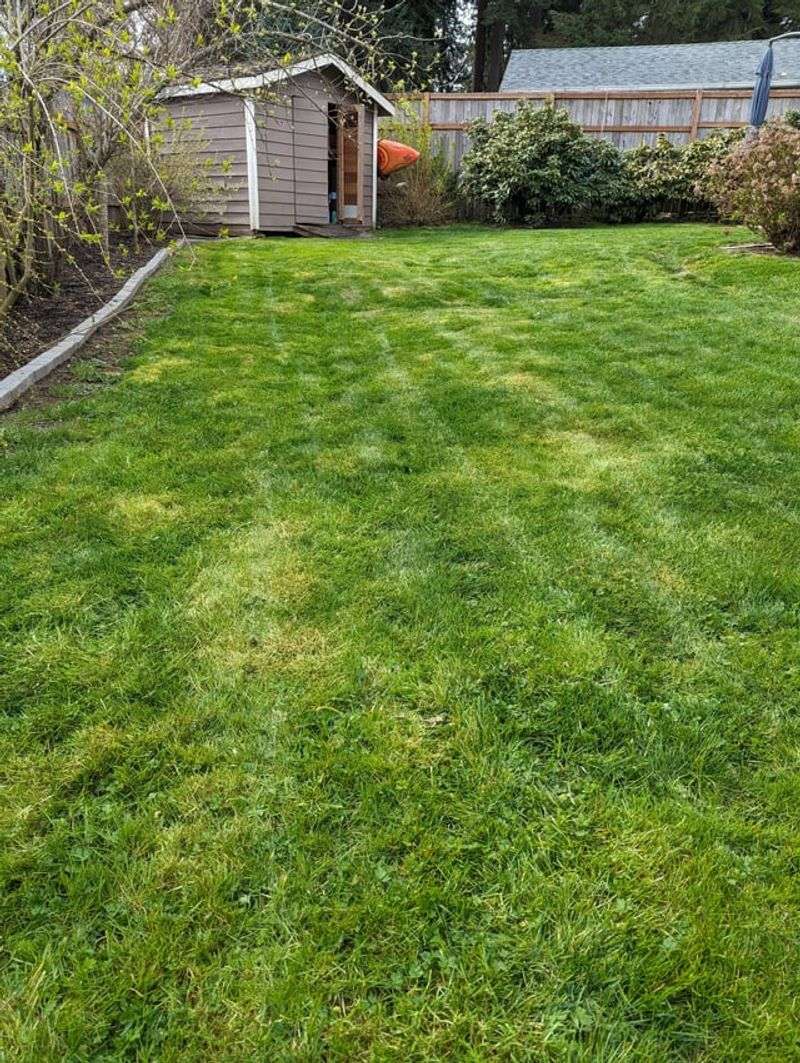
Crisp October mornings bring cool air and heavy dew, which suits the lawn well. Cool-season grasses like fescue and bluegrass love this weather and grow steadily without heat stress slowing them.
That steady growth matters, because grass needs to push through the new soil layer within a week or two. Warm soil from the past months still holds heat, which helps roots stay busy even when the air cools.
Aim to finish your leveling at least four to six weeks before the first hard frost arrives, which may mean starting in September in colder areas. Check a local frost chart online, since northern yards often run out of time sooner than southern ones.
Fallen leaves can block light from freshly spread soil, so rake them up before you start each round of work. A quick pass with a leaf blower each morning keeps the treated areas open to sunlight and air.
Fall rain also lends a helping hand, gently settling the mix without you dragging hoses around the yard. Skip the job during a heavy downpour, though, because soggy soil turns into sticky mud that clumps badly.
Warm-season grasses like Bermuda and zoysia are slowing down now, so treat them with a lighter touch. Fill only the deepest dips this month, then save bigger smoothing jobs for when they green up later.
Pairing your leveling with fall overseeding is a smart move, since the fresh soil makes a cozy seedbed. Sprinkle seed right after spreading, and you get thicker grass plus a smoother yard from one afternoon.
The Thick Layer Mistake To Avoid
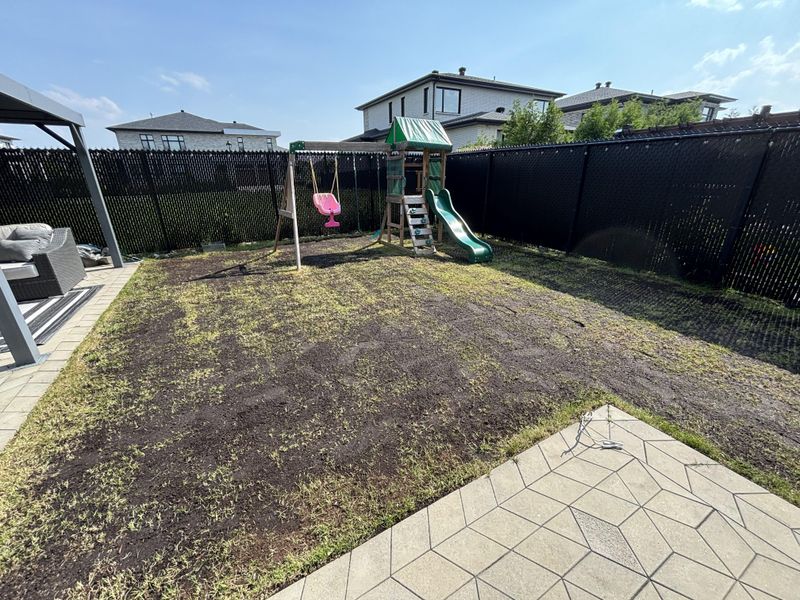
Picture dumping a whole bag of soil into a dip and patting it flat like a sandcastle. It feels satisfying for about ten minutes, until you realize the grass underneath is cut off from sunlight and air.
Piling on too much mix at once is a common error when smoothing lawns. Grass covered by more than half an inch of soil can turn yellow and thin out.
A safe rule is to keep each layer about a quarter inch thick, roughly the width of a standard pencil. If you can still see green blades peeking through after raking, you are right on track.
Another sneaky mistake is using pure sand on heavy clay soil, which can form a hard, crusty layer. Water struggles to drain through that mix, and the roots end up shallow and weak over time.
Cheap fill dirt can also bring along weed seeds, rocks, and chunks of old debris you do not want. Spend a few extra dollars on screened topsoil and quality compost from a trusted garden center nearby.
Rushing is a problem too, since people often try to fix a deep hollow in a single afternoon. Patience wins here, so add thin layers every few weeks and let the grass catch up between rounds.
Think of it like stacking pancakes, where thin ones cook through nicely while one giant one stays gooey. Your lawn prefers a short stack served slowly, and it will thank you with thick, healthy growth.
A Flat Spade Trick For Deeper Holes
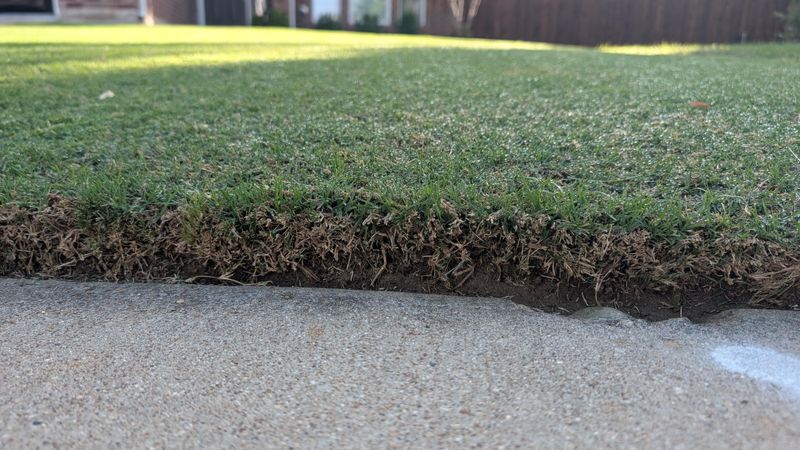
Some holes are too deep for thin layers, like a sunken spot where an old stump once stood. For dips deeper than an inch or so, a simple cut-and-lift trick saves weeks of waiting.
Grab a flat spade or a half-moon edger and slice an H shape right across the low area. Cut about two inches deep, which is enough to get under the roots without damaging them.
Slide the spade sideways under each flap and gently peel the grass back like opening the pages of a book. Go slowly, because torn sod takes longer to bounce back than a clean, careful peel does.
Now fill the bare hole with topsoil, pressing it down with your hands or the bottom of a bucket. Add a little extra above ground level, since fresh soil settles a bit after the first good watering.
Fold the flaps back into place, then step on them firmly to push out any trapped air pockets. Lay your straight board across the patch again to make sure it now matches the surrounding grass.
Water the repaired area every day or two for the next couple of weeks while the roots reconnect. Cool October weather makes this easier, because the sod is less likely to dry out quickly.
For a small dip, a spade, a bucket of soil, and about twenty minutes can fix the problem. Once the seams fade into the lawn, the repaired spot blends in with the grass around it.
Easy Habits For A Smoother Yard
A smooth lawn feels wonderful under bare feet, but keeping it that way takes a few easy habits. Small efforts each season stop new bumps from sneaking back in while you are busy with other chores.
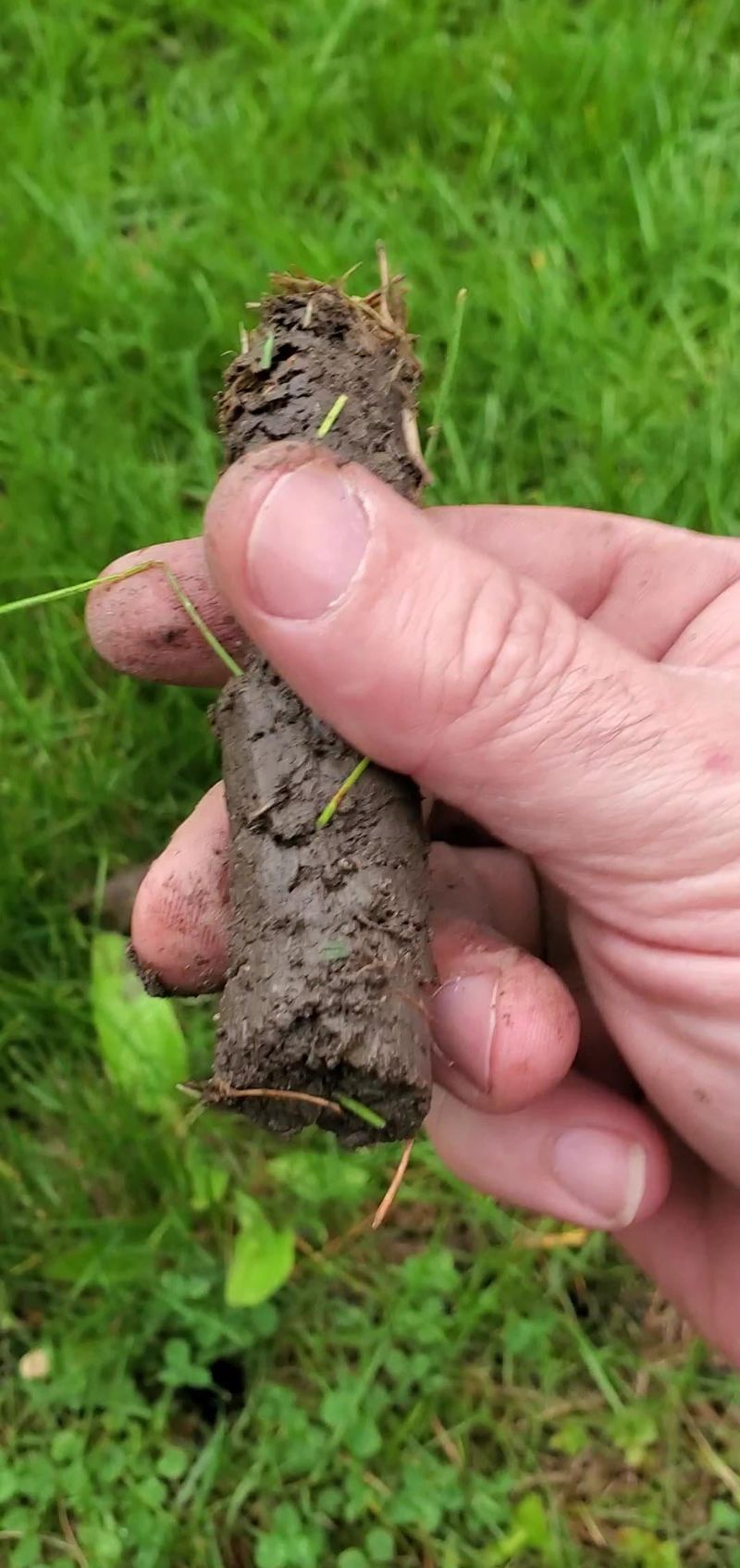
Core aeration once a year helps a lot, pulling out little plugs of soil that loosen packed ground. Manual aerators with foot pedals are cheap, and they turn the chore into a decent workout too.
Avoid walking or mowing on soggy grass after a heavy rain, since wet soil squishes and dents easily. Waiting a day or two for things to firm up saves you from making fresh ruts and footprints.
Change up your mowing pattern each week so the wheels do not wear grooves into the same paths. Diagonal stripes one week and straight rows the next also give the yard a sharp, tidy look.
Keep an eye out for fresh mole ridges, and press them down with your foot right away. Fixing tiny problems early takes only a moment, while ignoring them can mean another big smoothing project next year.
A light dusting of compost each fall feeds the soil and fills shallow dips before anyone notices them. Healthy, thick grass also holds soil in place better, so regular feeding and watering pay off nicely.
By next spring, you might catch yourself strolling across the yard just to enjoy how flat it feels. Your mower should glide more smoothly, your ankles can relax, and the whole family can play with far less tripping.