Fallen Leaves Left On Indiana Lawns This October Do More Good Than Most Homeowners Think
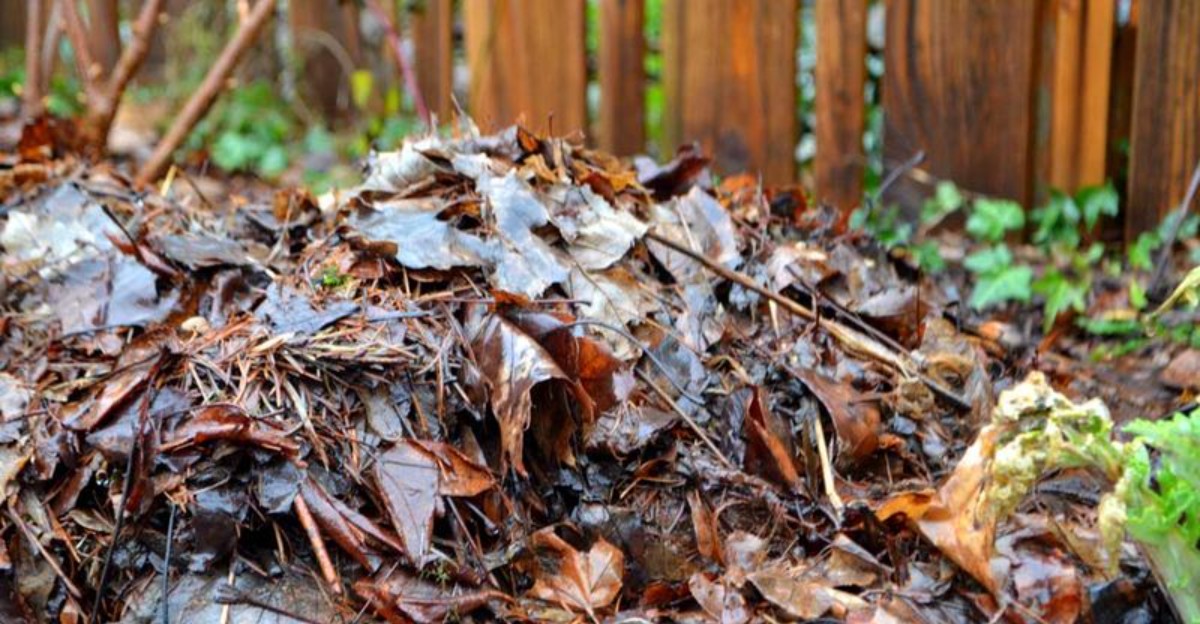
Every October, Indiana yards start crunching underfoot like someone spilled a giant bag of breakfast cornflakes. Maples blush red, oaks turn copper, and the whole neighborhood suddenly smells like cinnamon, woodsy air, and damp earth.
Then the rakes come out, and weekends disappear under a mountain of brown paper bags lined along the curb. Many homeowners feel the urge to clear every leaf off the grass as soon as it lands.
But what if that frantic weekend chore is quietly working against the very lawn you are trying to protect? Extension experts at universities like Purdue now encourage homeowners to rethink the autumn routine.
Nature has handled falling leaves for millions of years without a single rake, blower, or plastic bag in sight. Forests stay lush and healthy, even though no one bags their leaves.
So maybe your yard deserves a little of that same easygoing forest wisdom this fall season. Your back will thank you, though your neighbor with the leaf blower might need a moment to recover.
A Free Winter Blanket For Indiana Soil
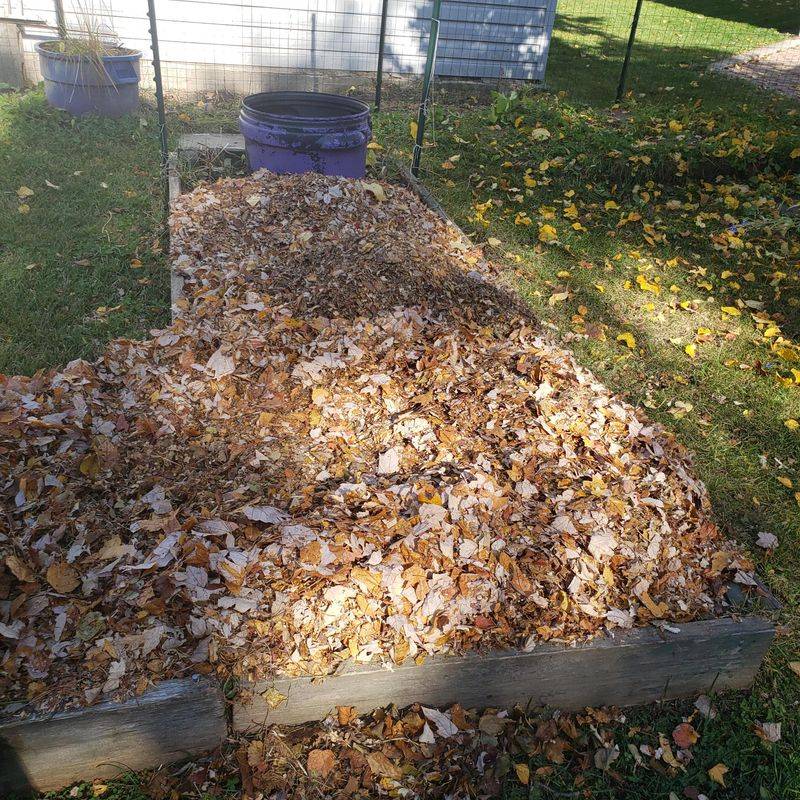
Picture a cozy quilt tossed over your lawn just as the first chilly Indiana nights roll in this month. That is basically what a light layer of shredded leaves does for the grass and the soil beneath it.
Leaves hold nutrients like nitrogen and potassium that trees took up during the growing season. As they break down, those nutrients and organic matter return to the soil.
Researchers at Michigan State University found that mulching leaves into turf helped reduce dandelions over several seasons. Purdue turf experts also encourage Hoosiers to mow leaves into small pieces rather than haul them away.
Shredded leaves also act like a sponge, helping the ground hold onto moisture during dry autumn stretches. Indiana Octobers can swing between wet and dry spells, so that extra buffer helps.
Earthworms love the buffet, too, and they pull leaf bits underground where the real magic happens. Their tunnels loosen packed clay, which helps anyone dealing with heavy soil across central Indiana.
You also save money on fertilizer, bags, and those weekend trips to drop yard waste at the facility. Less hauling means fewer trucks on the road and less yard waste for local collection sites to handle each fall.
The trick is keeping the layer thin enough that green grass blades still peek through after mowing. Get that balance right, and your lawn gets a steady supply of nutrients while you relax with a warm mug of cocoa.
The Sweet Spot On The Fall Calendar
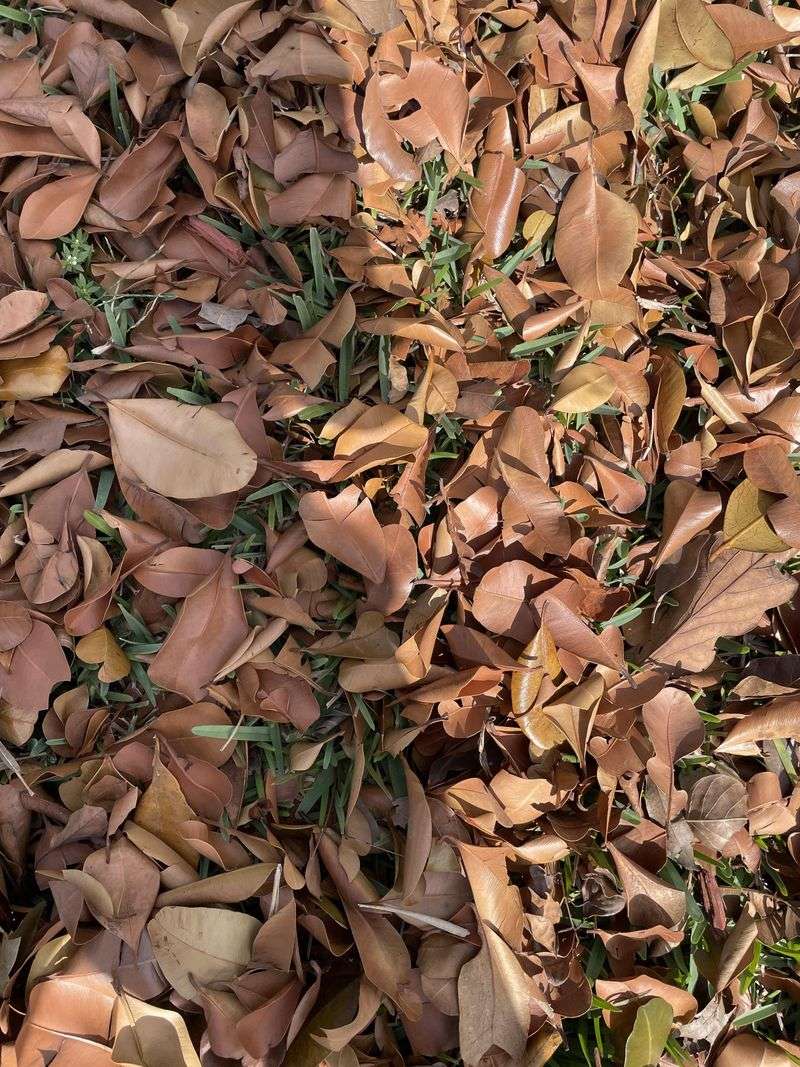
Timing matters more than most folks realize, because a pile left too long turns into a soggy problem. Across Indiana, leaves usually fall through October and into November.
The best plan is mowing over leaves once a week while they are still dry and crispy. Dry leaves shatter into tiny confetti pieces, while wet ones clump together and clog the mower deck.
Try to mow on a sunny afternoon after the morning dew has had a few hours to burn off. Your mower will run smoother, and the clippings will scatter evenly instead of forming lumpy little rows.
Your Indiana Garden Changes Every Week. Your Plan Should Too.
Gardening in Indiana changes quickly throughout the season. Every Friday you’ll receive a simple weekly plan showing exactly what to plant, prune, fertilize, harvest, and protect so you never miss the right timing.
Waiting until every tree is bare sounds efficient, but it often leaves you facing a much thicker layer. Smaller, frequent passes are easier on your back, your mower, and the grass trying to breathe underneath.
Grass in Indiana keeps storing energy into November, until the soil gets cold. Those cool, bright October days are prime time for roots, so sunlight still needs to reach the blades.
Set your mower a little higher than usual, around three inches, to chop leaves without cutting the grass too short. A sharp blade makes a big difference, so this is a smart month for a quick sharpening.
Keep an eye on the forecast, since a rainy stretch can turn a light layer into soggy paste. Squeezing in a quick mow before the storms roll through is one of the easiest wins of autumn.
The Soggy Leaf Mat Mistake
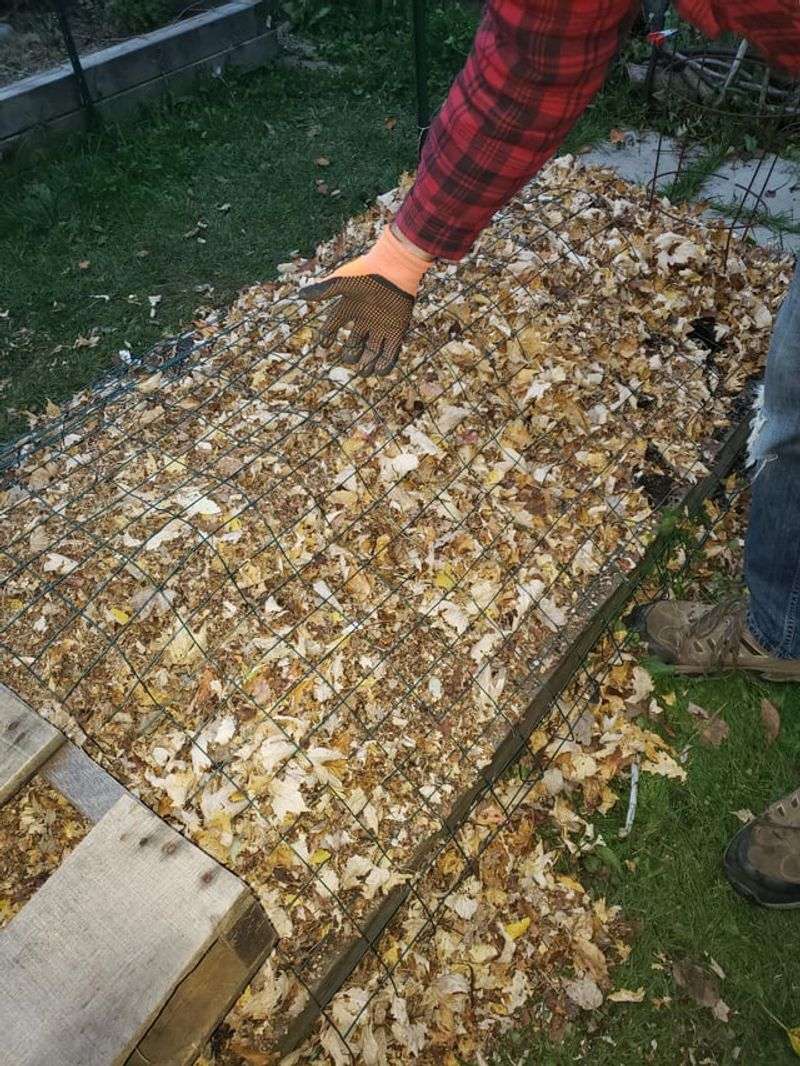
Here is the catch many people overlook: too many whole leaves can suppress your grass. Leaving a thick, untouched blanket of leaves all winter is a very different thing from leaving shredded bits.
Big flat leaves from maples and sycamores stack like wet paper plates once the autumn rain arrives. That heavy mat blocks sunlight and air, and the grass underneath slowly turns yellow and weak.
Trapped moisture also invites snow mold, a fuzzy gray or pink fungus that shows up after the snow melts. Indiana lawns with lingering leaf piles often display those matted circular patches by early March.
A good rule of thumb is simple, so look down and check whether you can still see grass. If more than half the lawn is hidden under leaves, the layer is too thick to leave alone.
Oak leaves deserve special attention because they are tough, waxy, and slow to break down on their own. They can stay mostly intact into spring if they are not chopped up.
Another common slip is letting leaves pile up against fences, foundations, and window wells for months. Those damp drifts can attract mice looking for a warm winter home right next to your house.
None of this means you must bag everything, but whole piles still need a little attention first. Think of leaves like pancake batter, since a thin layer cooks perfectly while a thick glob stays gooey.
A Simple Mower Fix For Heavy Leaf Years
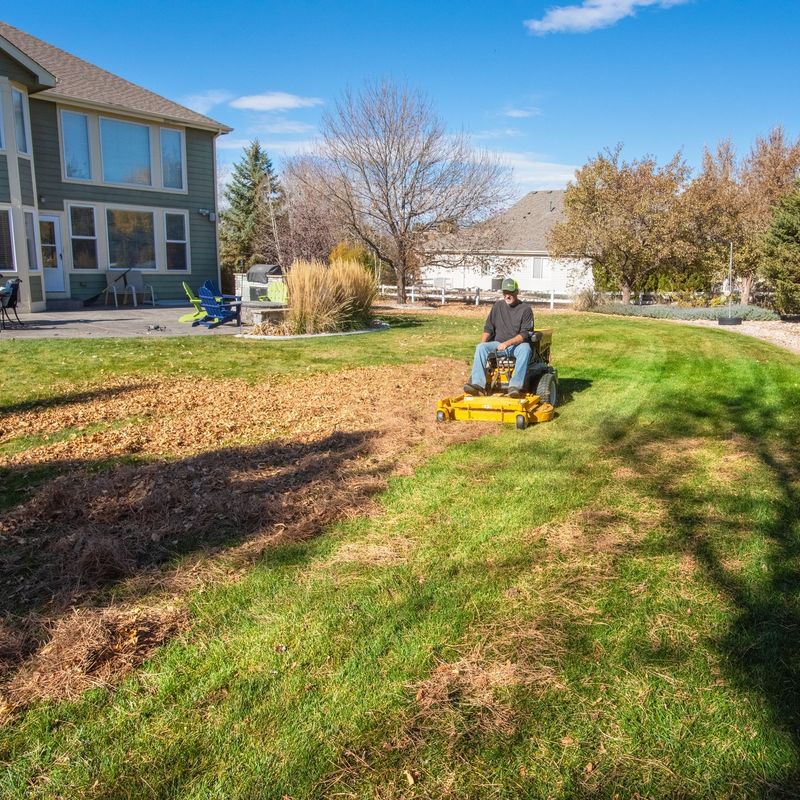
The tool that solves most leaf problems is probably already parked in your garage. A regular lawn mower can turn a crunchy brown carpet into fine crumbs in just a few passes.
Mulching blades work even better, since their curved edges chop leaves several times before dropping them back down. Many mowers come with a mulching plug that blocks the side chute.
Aim for pieces about the size of a dime, small enough to slip down between the grass blades. If big chunks are still sitting on top, simply make a second pass going the opposite direction.
Heavy leaf years, like those under giant silver maples, might need a slightly different game plan. Attach the bagger for one round, then spread those shredded leaves over garden beds as free mulch.
Vegetable gardens, flower borders, and young shrubs all appreciate a two or three inch layer for winter. That shredded mulch protects roots from harsh freeze and thaw cycles that heave plants out of the ground.
Extra leaves can also go straight into a compost pile mixed with green kitchen scraps and grass clippings. By next summer, that pile becomes dark, crumbly compost that smells like a fresh forest floor.
Leaf blowers still have a job, mostly for pushing leaves off patios, driveways, and flower beds onto the lawn. Once everything sits on the grass, a mowing session can take care of the cleanup.
A Thicker Lawn With A Livelier Backyard
Come next April, neighbors might start asking what secret fertilizer you used on that thick green lawn. The honest answer could be nothing more than last autumn’s leaves, quietly chopped up and left behind.
Shredded leaves slowly add organic matter, which helps soil stay loose, spongy, and full of helpful microbes. Healthier soil grows deeper roots, and deeper roots help grass handle the hot, dry weeks later on.
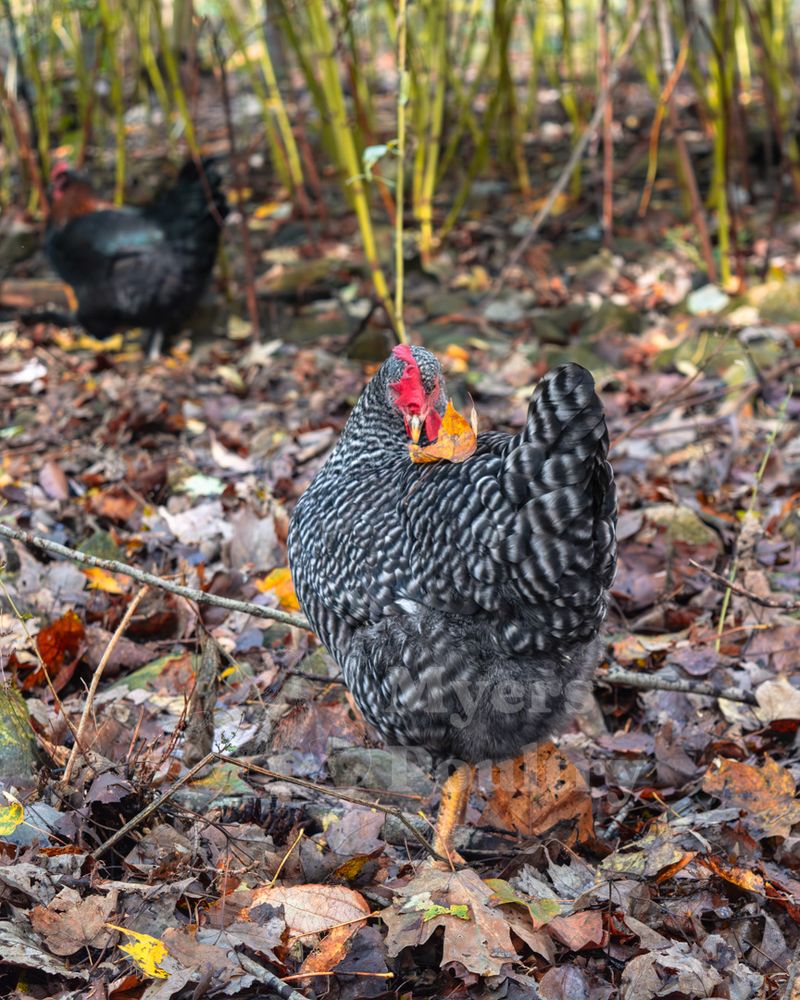
Your yard also becomes a winter hotel for some surprisingly important little guests you rarely notice. Many butterflies, moths, and fireflies spend the cold months tucked inside leaf litter as eggs or larvae.
Did you know that Indiana is home to many firefly species, and some of them rely on damp, leafy ground? Those glowing summer evenings can start with leaf litter left in place the previous fall.
Songbirds benefit too, since robins, juncos, and cardinals love to scratch through leaves hunting for tasty insects. A yard with a few leafy corners can feel like a busy bird cafe all winter long.
Over time, healthier soil can reduce the need for extra fertilizer and weed treatments. That adds up to real savings, plus a few more lazy Saturday mornings spent sipping coffee on the porch.
Results do not show up overnight, and improvement builds over several autumns. Patience pays off here, much like waiting for a slow cooker full of chili to finish its work.
A Smarter Leaf Plan For Next Autumn
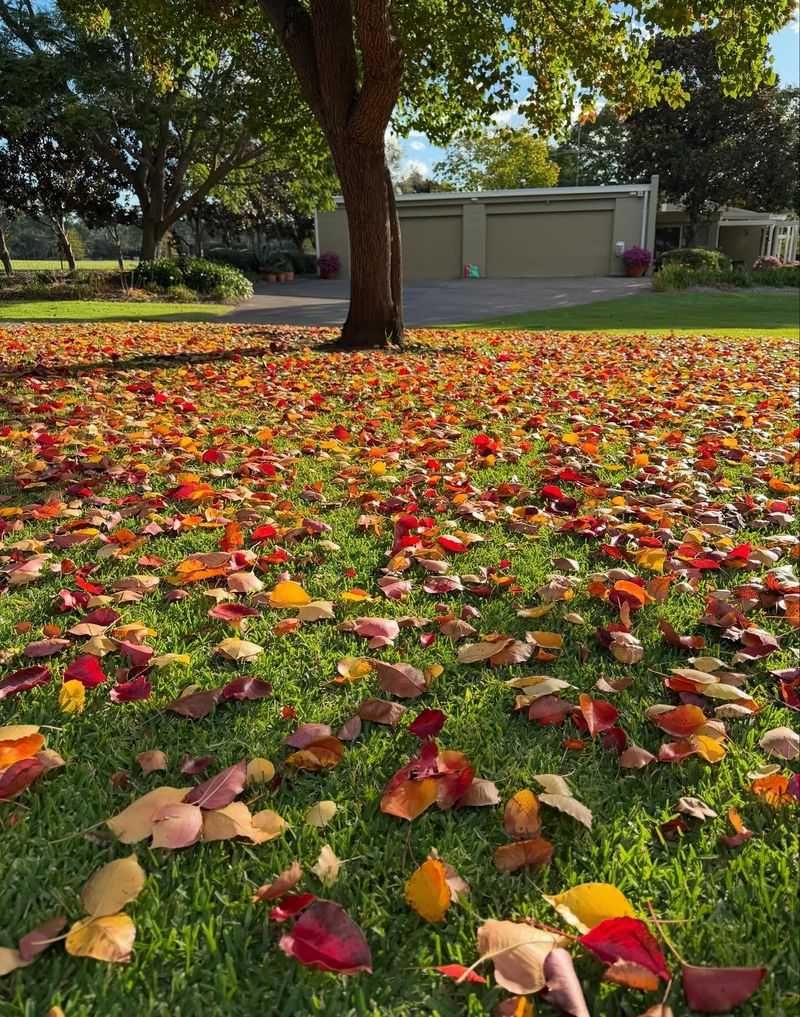
Planning ahead turns leaf season from a dreaded chore into something that feels almost relaxing each October. A few smart choices made now can prevent soggy mats, clogged mowers, and grumpy weekends down the road.
Start by walking your yard and noting which trees drop the most leaves and where they collect. Low spots, fence lines, and shady corners usually gather the deepest drifts after a windy Indiana night.
Those areas might need an extra mowing pass, or they could become permanent leafy beds instead of grass. Turning a stubborn shady patch into a woodland garden with ferns and hostas saves plenty of frustration.
Keep your mower ready by sharpening the blade, cleaning the deck, and checking the oil early this month. A well-tuned mower chews through leaves faster and is less likely to stall in thick, crunchy patches.
Some Indiana towns have rules about leaf burning or curbside piles, so check with your local office. Keeping leaves out of streets and storm drains also protects nearby creeks from extra nutrients and algae.
Talk with your neighbors, too, because shared ideas can turn a whole street into a leaf-friendly zone. Some folks happily trade extra leaves for compost bins, while others want more for their vegetable beds.
Most importantly, give yourself permission to leave a little mess, because a spotless lawn is not a requirement for a healthy one. Your grass, your garden, and those tiny backyard critters will happily return the favor by next spring.