Early October Routine Gives Missouri Lawns A Head Start On Thick Spring Growth
Walk across a Missouri yard in early October, and your sneakers might crunch over brown patches like stale crackers. Summer heat had its fun with the grass, and now the lawn looks tired, thin, and a little embarrassed.
Cooler mornings bring a fresh chance, with dewy grass sparkling under the rising sun. Fall in Missouri offers a short, sweet window when a single weekend of work pays off for months.
Neighbors who catch this window often end up with spring lawns so thick they feel like plush carpet. Neighbors who miss it usually spend April staring at bare spots and muttering at the stubborn dirt.
The trick is not fancy, expensive, or complicated, and it mostly needs a rake, a hose, and patience. Timing matters more than muscle here, because the soil is still warm while the air turns crisp.
Think of it as a quiet promise to your yard that something better is coming after winter. Your lawn may not say thank you, but the squirrels will certainly notice the upgrade first.
Fresh Seed Over Thinning Grass Is The Fall Fix Missouri Lawns Need
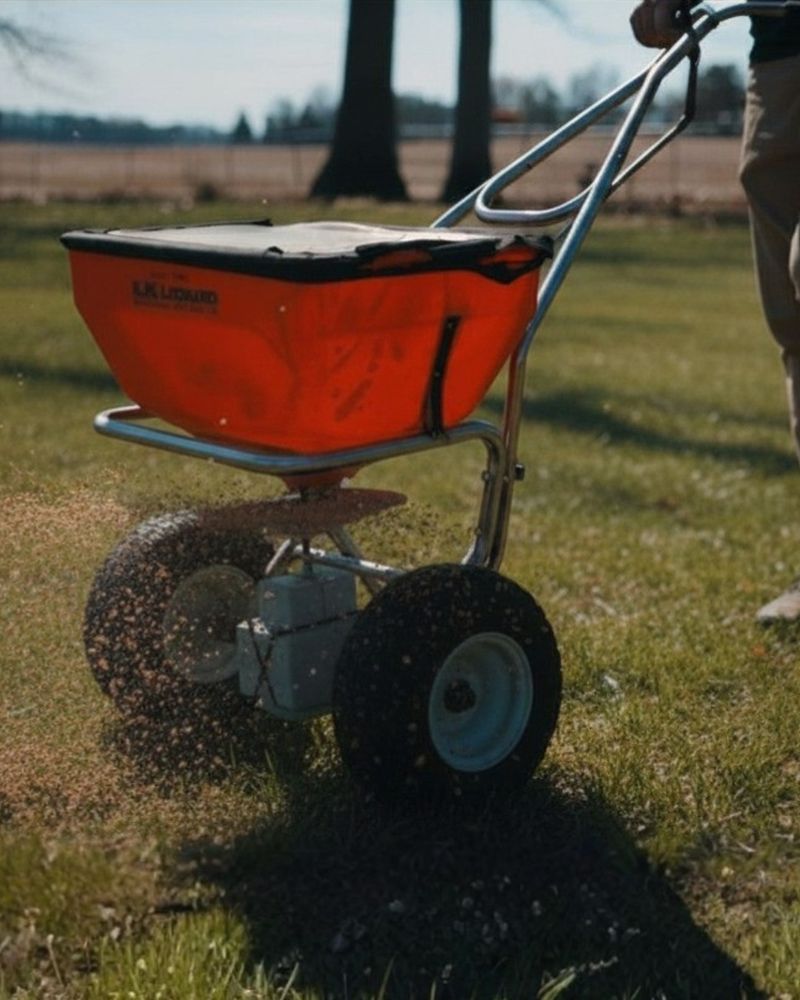
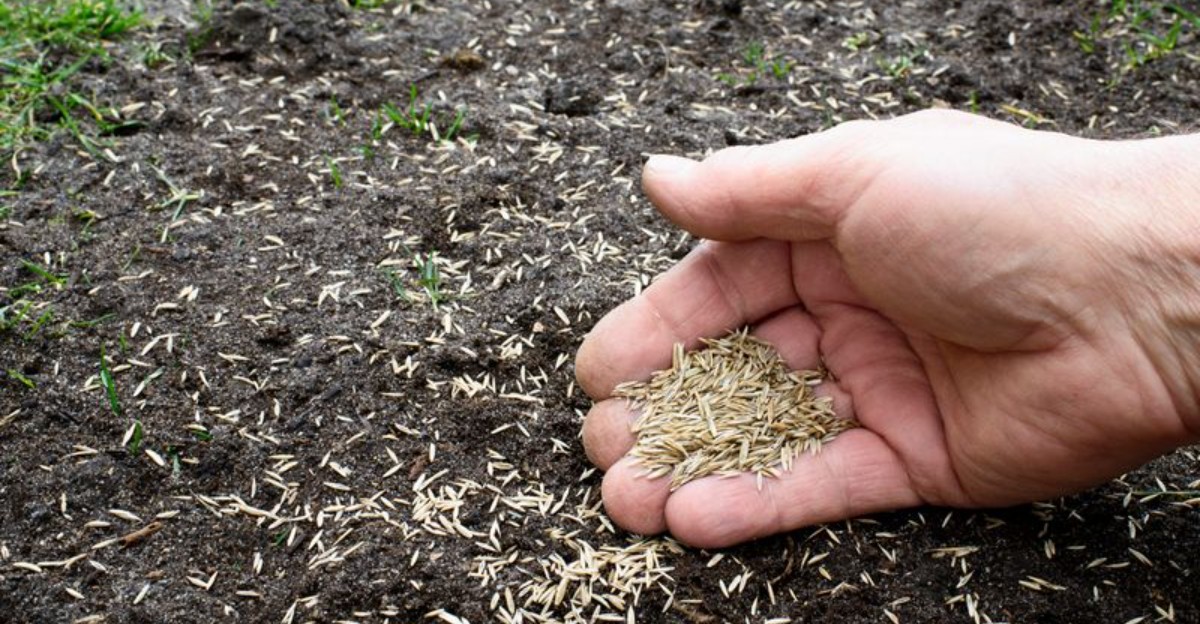
Spreading fresh tall fescue seed over your existing lawn in early October is one of the most effective moves for spring. Gardeners call it overseeding, and it fills gaps before weeds can sneak in and claim the empty ground.
Most Missouri lawns grow cool-season grasses like tall fescue or Kentucky bluegrass, which love chilly nights and mild days. Fall weather suits these grasses well, with cool nights and mild days that support steady growth.
Tall fescue is a clumping grass, so it rarely spreads sideways to cover bare spots on its own. Without occasional overseeding, a fescue lawn slowly grows thinner, like a sweater losing threads one by one.
Young seedlings planted now get roughly six to eight weeks of growth before the ground cools down for winter. That head start lets their roots dig deep, so they wake up strong once warmer weather returns next year.
Spring seeding sounds tempting, but those baby plants face crabgrass competition and blazing summer heat almost right away. Many of them struggle, wilt, and fade by July, leaving you right back where you started.
University of Missouri Extension experts often point to fall as the top time for seeding cool-season lawns. Fall seeding also means less weed competition and less summer heat stress for the young grass.
Think of this task as an investment that costs a bag of seed and one busy Saturday afternoon. The return shows up next spring as a lush green lawn that makes the whole street a bit jealous.
Summer Stress Behind Thin Missouri Turf
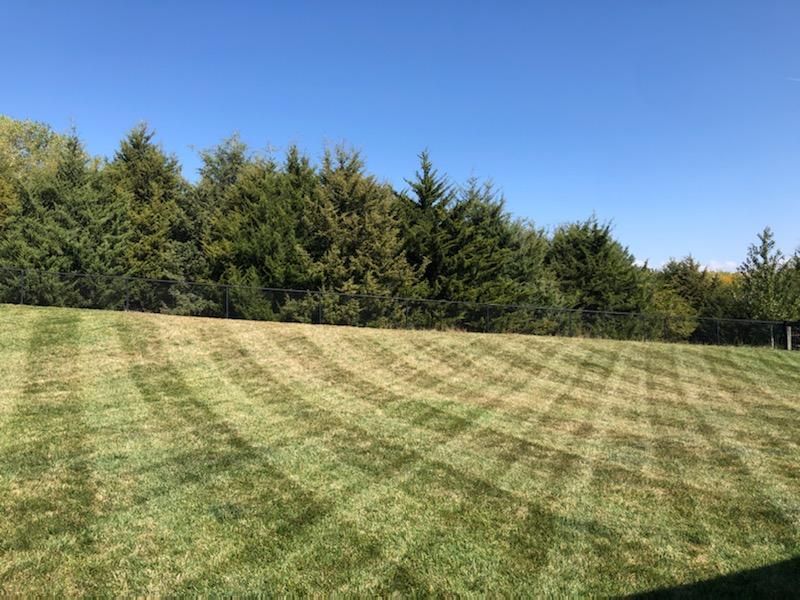
Picture a July afternoon in Columbia, with the thermometer at ninety-eight degrees and the air thick as soup. Cool-season grass hates that kind of weather, and it shows by slowing down and turning a dull tan.
Missouri sits in what experts call the transition zone, a tricky region between the cool North and hot South. Grass here gets winters cold enough to chill warm-season types and summers hot enough to stress cool-season ones.
Your Missouri Garden Changes Every Week. Your Plan Should Too.
Gardening in Missouri changes quickly throughout the season. Every Friday you’ll receive a simple weekly plan showing exactly what to plant, prune, fertilize, harvest, and protect so you never miss the right timing.
Heat is only part of the story, because summer also brings brown patch, a fungus that loves humid nights. Circular tan spots appear almost overnight, and some of those grass plants simply fail to bounce back afterward.
Kids playing tag, dogs racing along the fence, and backyard barbecues all add wear to tired turf. Packed soil under heavy feet makes it hard for roots to breathe, drink water, or spread out.
Grubs can add to the trouble, chewing grass roots underground while you wonder why the lawn looks sad. A quick tug test helps, since grass that lifts like loose carpet often points to hungry grubs below.
By late September, many yards across the state show thin patches, bare dirt, and weeds poking through. Those open spaces are an invitation, and if grass does not fill them, henbit and chickweed gladly will.
Knowing what thinned your lawn helps you choose the right fix instead of guessing at the garden store. Take a slow walk around the yard this week and note every patch that needs a little help.
The Early October Seeding Window

Grass seed is a bit like Goldilocks, because it wants soil that is not too hot or too cold. Early October in Missouri often hits that sweet spot, with soil still warm enough for quick sprouting.
Warm soil helps seeds sprout fast, usually within seven to fourteen days for tall fescue in good conditions. Meanwhile, cooler air keeps the young blades from wilting the way they would under a blazing August sun.
Northern Missouri cools off sooner, so folks near Kirksville or St. Joseph should aim for the first week. Southern areas around Springfield and the Bootheel have a little more wiggle room, sometimes into mid-October.
A simple soil thermometer from the hardware store takes the guesswork out of picking your planting day. Push it two to four inches into the ground in the morning, then read the number after a minute.
Waiting too long can backfire, since seedlings need several mowings worth of growth before the first hard freeze. Grass that sprouts in late November often stays tiny and fragile, and winter frost heave can lift it right out.
Fall leaves add another wrinkle, because a thick blanket of oak leaves can block light from sprouting seedlings quickly. Planting before the big leaf drop gives the grass a chance to toughen up before raking season begins.
Fun fact, the popular Kentucky 31 tall fescue was found growing on a Kentucky hillside farm in 1931. Farmers loved its toughness, and homeowners across the Midwest later adopted it for sturdy, hardworking lawns.
Seed Tossed Onto Hard Ground
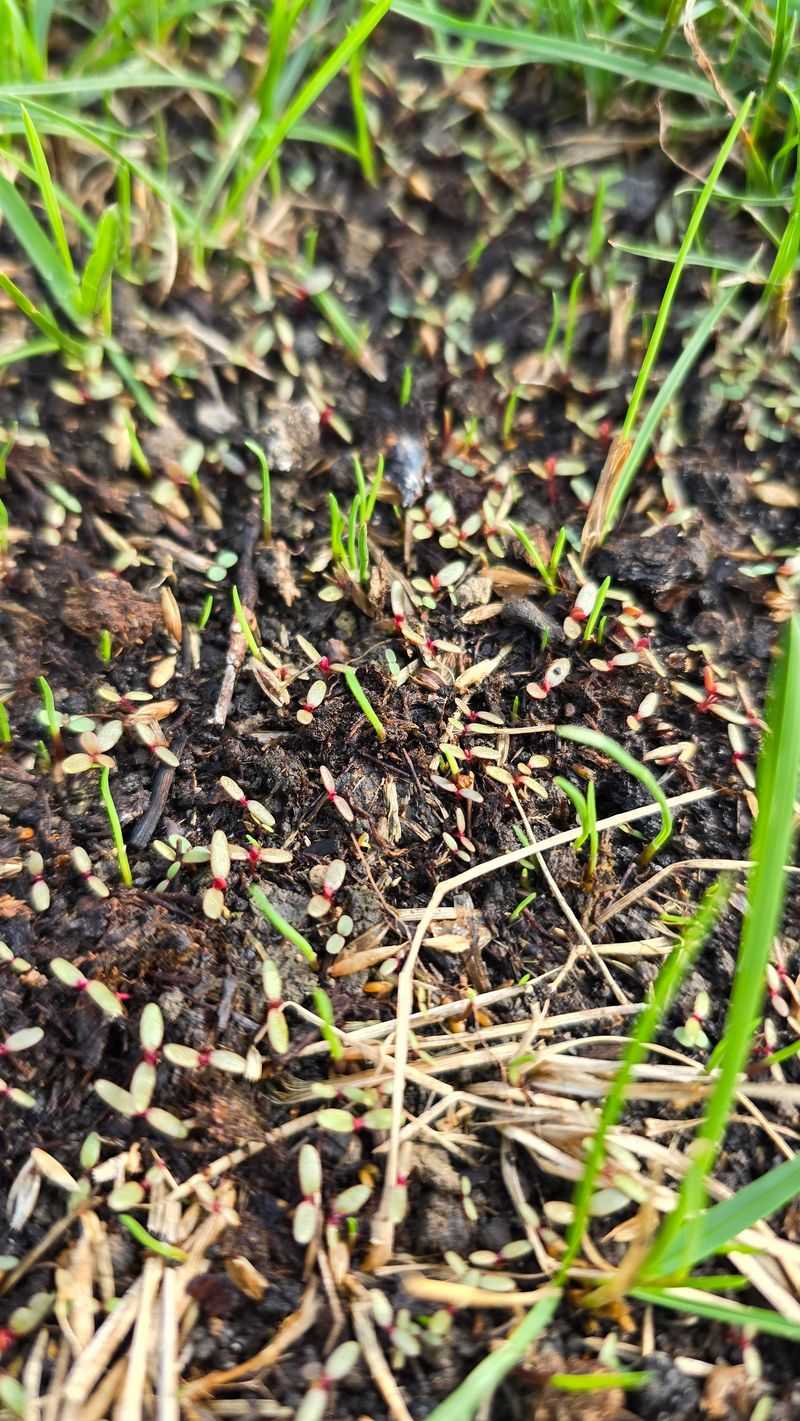
Here is a confession many homeowners share, they once scattered seed on a crusty lawn and hoped for magic. Birds threw a party, the rain washed half the seed away, and only a few blades sprouted.
Seed needs firm contact with soil to soak up moisture, swell, and send its first tiny root downward. Seeds resting on top of thatch or packed clay mostly dry out before they ever get a chance.
Missouri clay soil makes this problem worse, since it bakes hard as a brick after long dry spells. Even a strong rain may run right off that surface instead of sinking in where seeds need it.
Another common slip is mowing too high before seeding, which leaves tall grass blocking sunlight from the new sprouts. Cutting the lawn down to about two inches first gives seedlings room to stretch toward the light.
Some folks also spray weed control products the same week, not realizing many of them stop grass seed too. Read the label carefully, because pre-emergent products can block new grass from sprouting for several weeks.
Using cheap seed blends is another trap, since bargain bags may contain weed seeds and annual ryegrass. Check the tag for a high germination rate and the lowest weed seed percentage you can find.
Spreading too much seed in one spot can crowd seedlings, making them weak, spindly, and prone to disease. Follow the bag rate, usually around four to six pounds per thousand square feet for overseeding fescue.
Core Aeration With Steady Watering
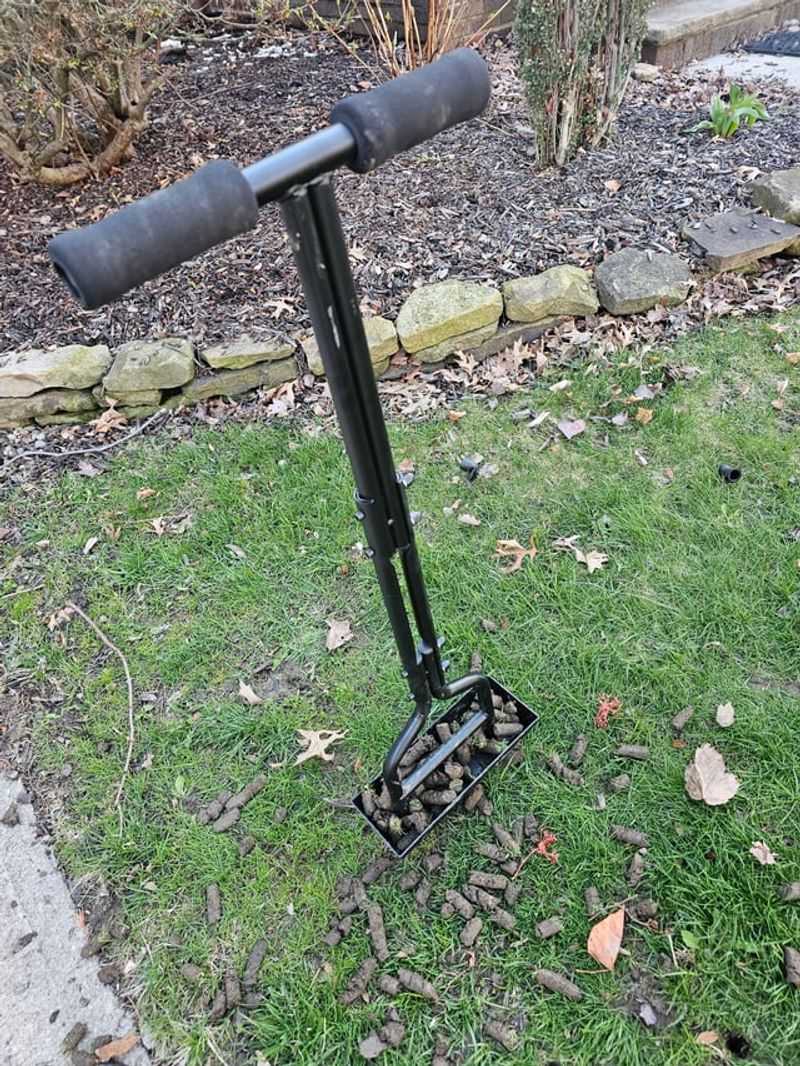
Imagine poking thousands of holes in your lawn, each one pulling up a plug of soil like a tiny cork. Core aeration does exactly that, and it creates perfect pockets where grass seed can settle in and sprout.
Many hardware and equipment rental stores in Missouri rent core aerators by the day, and splitting the cost with a neighbor helps. Water the lawn a day ahead, because moist soil lets the machine dig deeper without bouncing around.
After aerating, spread your seed with a broadcast spreader, making two passes in a crisscross pattern for even coverage. Lightly rake afterward so seeds tumble into the holes and snuggle against fresh, crumbly soil underneath.
A starter fertilizer, ideally chosen with the help of a soil test, gives baby roots an extra boost during their first few weeks of growth. Spread it the same day as the seed, following the bag directions so you do not overdo it.
Watering is where patience really counts, since seeds need the top inch of soil to stay damp. Plan on light sprinkles once or twice a day for about two weeks, until the green fuzz appears.
Once seedlings reach about an inch tall, switch to deeper watering a few times a week instead. Deep soaks train roots to chase moisture downward, which builds a tougher lawn for next summer’s heat.
Keep foot traffic light for a few weeks, and maybe tell the dog the backyard is closed briefly. Mow for the first time once the new grass hits about three and a half inches tall.
Thicker Spring Grass Through Yearly Habits

Come April, a well-seeded Missouri lawn feels soft under bare feet and glows a deep emerald green. Those fall seedlings spent the winter building roots, so they jump into growth as soon as soil warms.
Thick turf does more than look pretty, because crowded grass leaves little room for crabgrass to take hold. Thicker turf can also reduce the need for weed treatments over time.
Keeping that thickness takes a few yearly habits, and the first is mowing tall at about three inches. Taller blades shade the soil, keep roots cooler in July, and make it harder for weed seeds to sprout.
Feeding the lawn mainly in fall, rather than heavy spring doses, matches the natural rhythm of cool-season grass. A September and November feeding helps roots store energy, like a squirrel stashing acorns for cold months ahead.
Testing your soil every few years through the University of Missouri Extension costs little and reveals a lot. Results reveal if your lawn needs lime, extra nutrients, or simply a break from all that fertilizer.
Watering deeply but less often during summer droughts keeps grass from leaning on shallow, thirsty roots. Early morning watering works best, since leaves dry by afternoon and fungus has fewer chances to spread.
Plan to repeat the fall seeding routine every year or two, especially in shady corners and high-traffic paths. Little by little, your yard becomes the one neighbors stop to admire while walking their dogs past.