What To Leave Out Of Georgia Compost Piles So Rats Do Not Move In
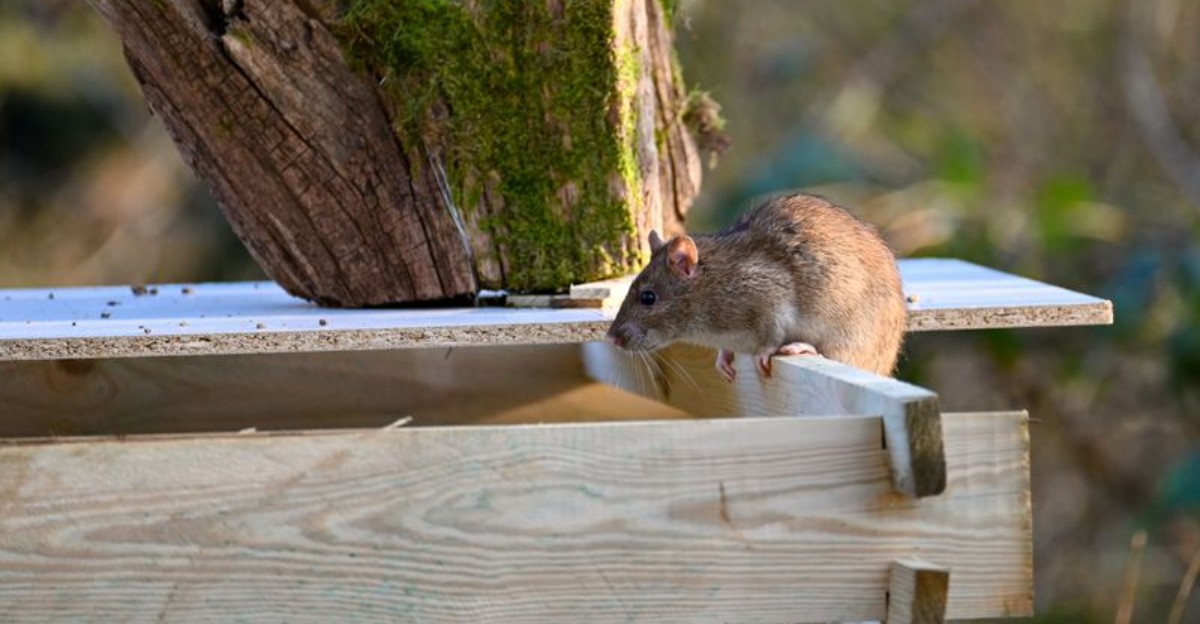
Finding a neat little tunnel at the base of your compost pile is not the kind of progress you were hoping for.
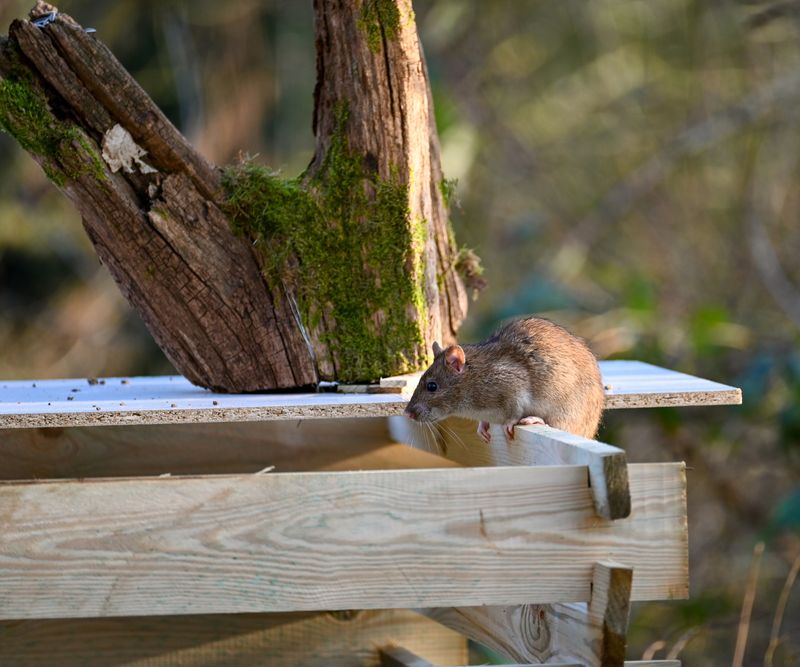
Rats are drawn to compost for the same reason you started one, since it is full of food scraps. A few items in particular give off smells that pull them in fast.
Once they find a steady meal, they tend to stay close and nest in the warmth of the pile. That puts them just a short trip from your shed or crawl space.
Plenty of homeowners in Georgia deal with this without realizing the pile itself is the draw.
The fix usually starts with what goes in, not with traps or poison.
Take a look at the last few things you tossed on the pile this week.
1. Not Everything From The Kitchen Belongs In Garden Compost
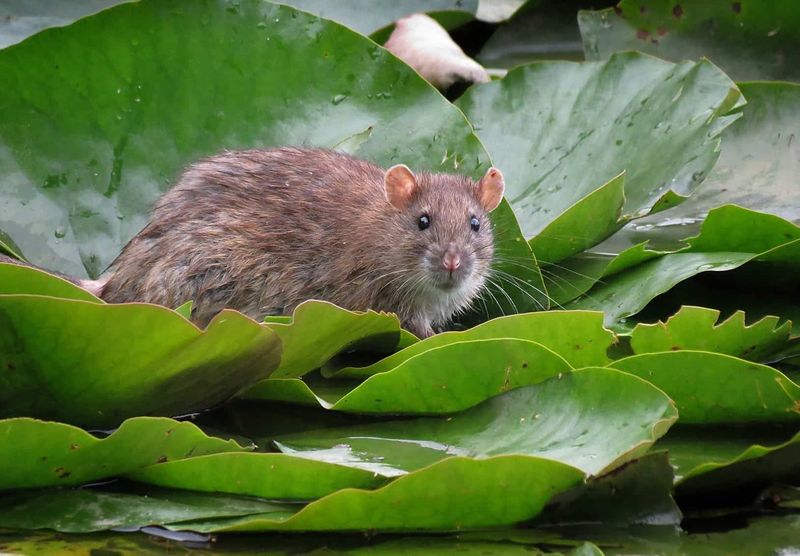
Your kitchen trash can is not a compost menu. It is easy to assume every food scrap will break down into soil, but some items bring more trouble than benefit.
Home compost piles work best with fruit peels, vegetable trimmings, coffee grounds, tea leaves, and crushed eggshells.
Other scraps are better sent to the trash or a city food waste program if your area has one. Rats tend to follow strong smells, and certain foods give off odors that travel a long way.
In Georgia, warm weather can speed up how fast those smells spread from an open bin.
A simple habit helps a lot here. Keep two small containers near the sink, one for compost scraps and one for everything else.
Sorting right away saves you from digging through a messy bucket later.
Some cities and counties offer drop-off spots or pickup service for food waste. Commercial facilities often run hotter than backyard piles, so they may accept items your home bin cannot handle safely.
Check your local rules before assuming that option exists near you.
Once you get used to sorting, it becomes second nature. Your compost stays cleaner, and the pile is less likely to draw visitors with long tails looking for an easy snack after dark.
2. Meat Fish And Dairy Can Make The Pile More Attractive To Rats
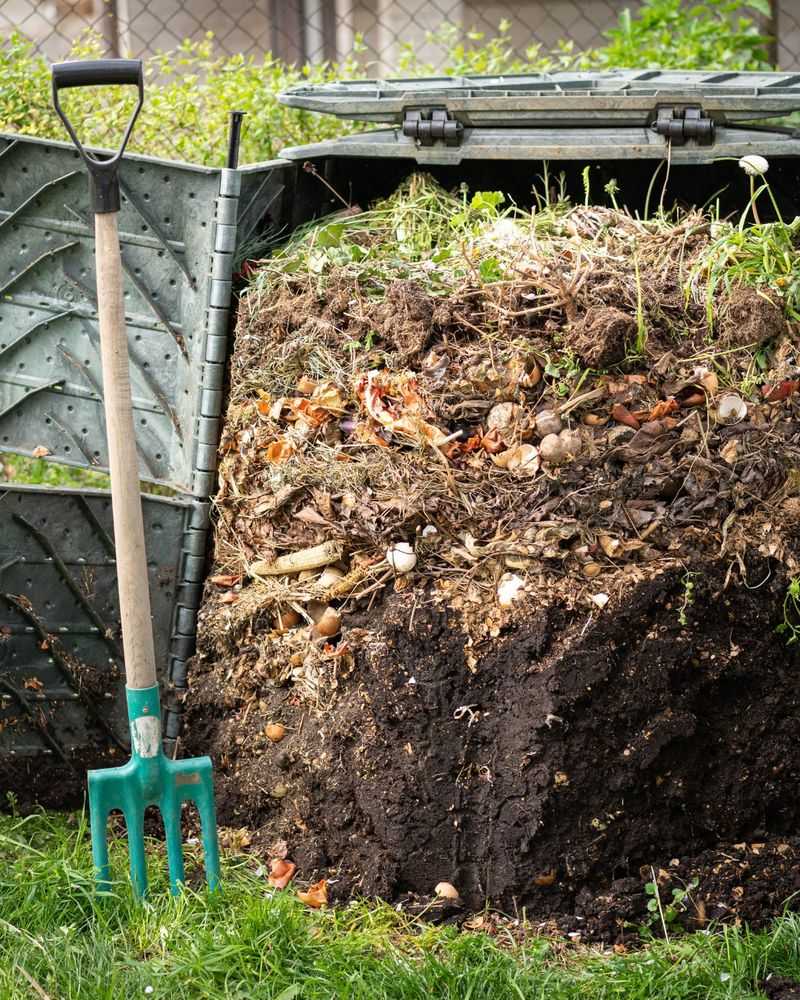
Bones and cheese rinds send out an open invitation. Few scraps smell as strong to a rodent as leftover chicken, shrimp shells, or old yogurt.
Backyard piles usually do not get hot enough to break these items down quickly or evenly.
Meat and fish can sit and rot for weeks in a cooler corner of the bin. That slow breakdown creates odors that rats, raccoons, and even neighborhood dogs may notice.
Dairy brings a similar problem, since milk, butter, and cheese can turn sour and draw pests.
Georgia gardeners who deal with summer heat may see flies show up first, followed by digging around the base of the bin. Those signs often mean something in the pile smells like dinner.
Tossing these foods in the regular trash is usually the safest move for a home setup.
Your Georgia Garden Changes Every Week. Your Plan Should Too.
Gardening in Georgia changes quickly throughout the season. Every Friday you’ll receive a simple weekly plan showing exactly what to plant, prune, fertilize, harvest, and protect so you never miss the right timing.
Wrapping bones or fish scraps in a bag and freezing them until trash day can cut down on odors in your kitchen can, too.
Some composting methods, like bokashi fermentation, are designed to handle meat and dairy. Even then, the finished material is often buried in a trench rather than left in an open pile.
If you try that route, follow the product directions carefully and keep the buried area covered with plenty of soil.
3. Cooked Foods And Greasy Scraps Create Problems In Backyard Bins
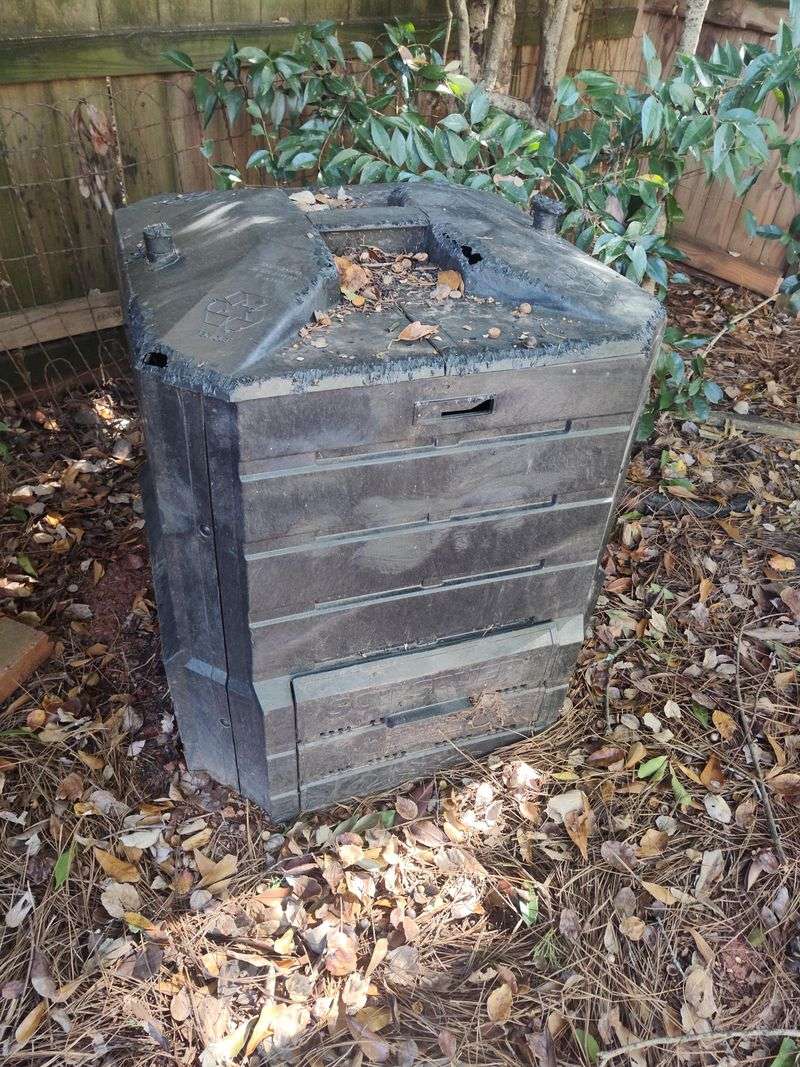
Grease does not just stick to pans. Once it lands in a compost pile, oil coats nearby scraps and slows the whole process down.
Fried chicken skins, buttered pasta, and gravy-soaked bread also carry rich smells that pests find hard to ignore.
Cooked foods often contain salt, sauces, and fats that make them far more tempting than raw peels. A rat can smell a leftover biscuit much faster than a pile of carrot tops.
Oily scraps can also create soggy clumps that block air from moving through the pile.
Without enough air, compost can turn slimy and start to smell sour. That odor adds one more reason for rodents to come poking around.
Across Georgia, where Southern cooking often involves plenty of butter and frying oil, these leftovers can pile up fast after family meals.
Cooled cooking grease should go in a sealed can or jar in the trash, not down the drain or into compost.
Plain cooked vegetables with no oil or butter are a gray area. Some gardeners add small amounts and bury them deeply, while others skip them to play it safe.
If rats have been a problem in your yard before, leaving out all cooked food is the simpler choice.
4. Even Plant Based Leftovers Need To Be Added With Care
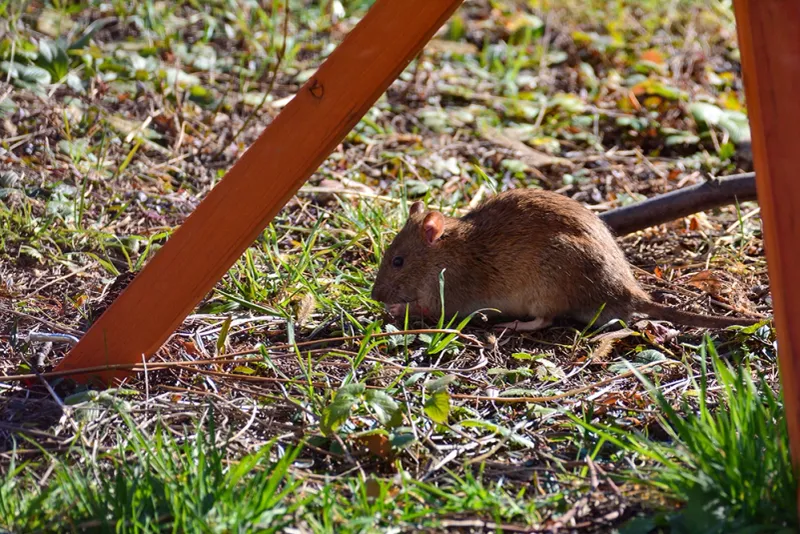
Plant scraps can still ring the dinner bell. Bread, cereal, corn, and grains are all plant-based, yet they are some of the foods rats seem to love most.
Rodents are drawn to starchy, high-calorie food because it gives them quick energy.
Leftover rice, crackers, tortillas, and stale cake fall into that same category. Adding them to an open pile is a bit like leaving snacks on the porch.
Fruit is another item to watch closely. Big loads of overripe peaches, melons, or figs can ferment and smell sweet, especially during a hot Georgia summer.
Chopping fruit into smaller pieces and mixing it deep into the pile may help it break down faster.
Birdseed and nuts deserve a mention, too. Spilled seed from feeders often ends up raked into compost, and those seeds are a favorite rat food.
Keeping feeder spills cleaned up and out of the bin is a smart habit.
Vegetable peels, leafy greens, and coffee grounds tend to cause fewer issues. They still need to be covered, but they are not as tempting as bread or seeds.
A little restraint with the starchy stuff can keep your pile working well without turning it into a rodent hangout.
5. Fresh Scraps Should Never Sit Exposed On Top Of The Pile
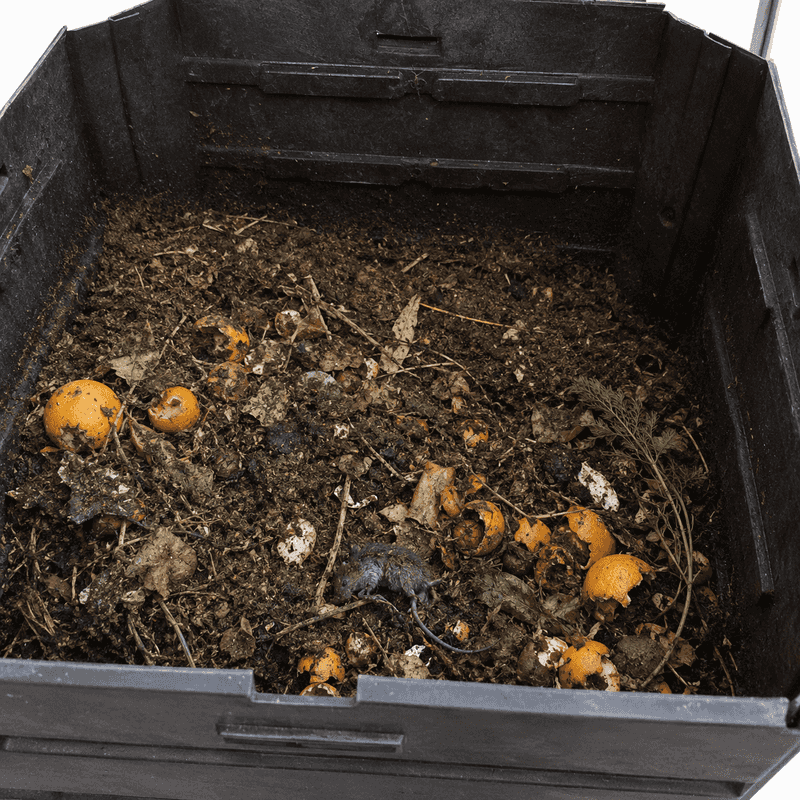
Picture a salad bowl left on the picnic table overnight. An open layer of fresh scraps on top of your compost looks about the same to a hungry rodent.
Uncovered food releases smell right into the air, and it is easy for animals to grab.
Burying scraps is one of the most helpful habits you can build. Dig a small hole in the center of the pile, drop the scraps in, and cover them with several inches of material.
A pitchfork or small garden shovel makes the job quick.
Warm nights in Georgia mean rats are active much of the year, not just in fall. Leaving food exposed even for one evening can give them a reason to return.
Once rodents find a reliable food source, they may keep checking back.
Covered bins with lids help, but a lid alone may not stop every problem. Rats can chew through thin plastic or squeeze through small gaps near the base.
Burying scraps inside the bin adds another layer of protection.
Try keeping a bucket of dry leaves or straw next to the pile so covering is easy. When the cover material is right there, you are far more likely to use it every single time you add scraps.
6. Brown Garden Material Helps Cover Food Scraps And Manage Odors
Dry leaves might be the most underrated tool in your yard. Compost needs a mix of greens, like food scraps, and browns, like leaves, straw, and cardboard.
Browns soak up extra moisture and help block smells that draw pests.
A common rule of thumb is to add more brown material than green by volume. Ratios vary by source, so watch how your pile looks and smells rather than measuring perfectly.
If it turns wet and stinky, it usually needs more browns.
Fall in Georgia brings plenty of oak, maple, and sweetgum leaves. Bagging some and storing them in a dry spot gives you a cover supply for spring and summer, when leaves are harder to find.
Pine straw can work too, though it breaks down more slowly than most leaves.
Shredded plain cardboard and newspaper are handy backups. Skip glossy paper, tape, and anything with plastic coatings.
Torn pieces break down faster than large sheets.
Wood chips and sawdust from untreated wood also count as browns. Use them in thinner layers since they can take a long time to break down.
Keeping a good layer of browns on top of every addition helps hide food smells and keeps the pile looking more like soil than a snack bar.
7. Good Compost Management Makes Garden Piles Less Inviting To Rats
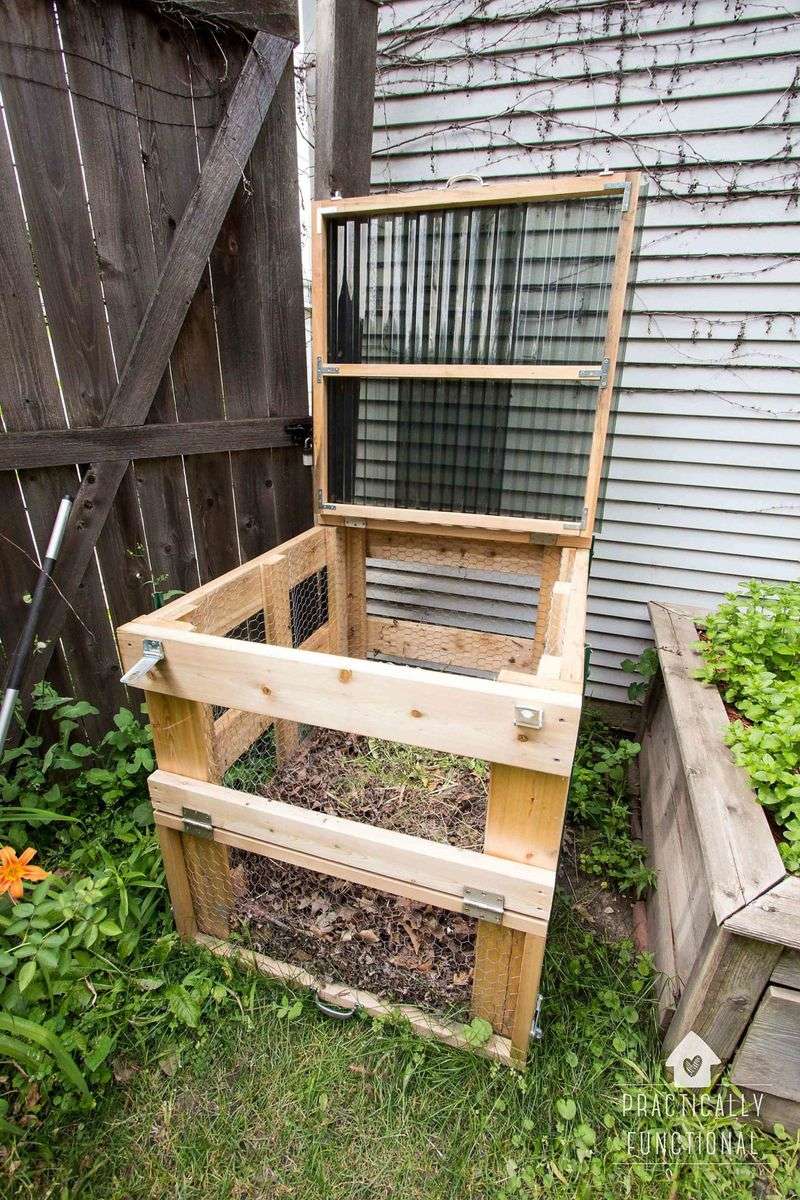
Rats love a quiet, undisturbed home. A pile that sits untouched for months can feel like safe shelter, even without much food inside.
Turning your compost every week or two disturbs any nesting spots and adds air that helps materials break down.
Placement matters as well. Setting the bin away from woodpiles, fences, and thick shrubs gives rodents fewer hiding places nearby.
Lining the bottom and sides with sturdy hardware cloth, often recommended at a quarter or half inch mesh, can help stop digging and chewing.
Moisture should feel like a damp, wrung-out sponge. A soggy pile smells worse, while a bone-dry one may attract rodents looking for a cozy spot during cooler Georgia months.
Compost tumblers are another option since they sit off the ground and close tightly. They cost more and hold less, but many gardeners find them easier to keep pest-free.
Watch for burrows, droppings, or chewed edges around the bin.
If you spot signs of rats, pause adding food scraps for a few weeks and add only browns. Persistent problems may need help from a local pest professional or your county extension office.
No method stops every rodent, but steady care lowers the odds quite a bit.