The Florida Herb Worth Planting In October That Practically Grows Itself
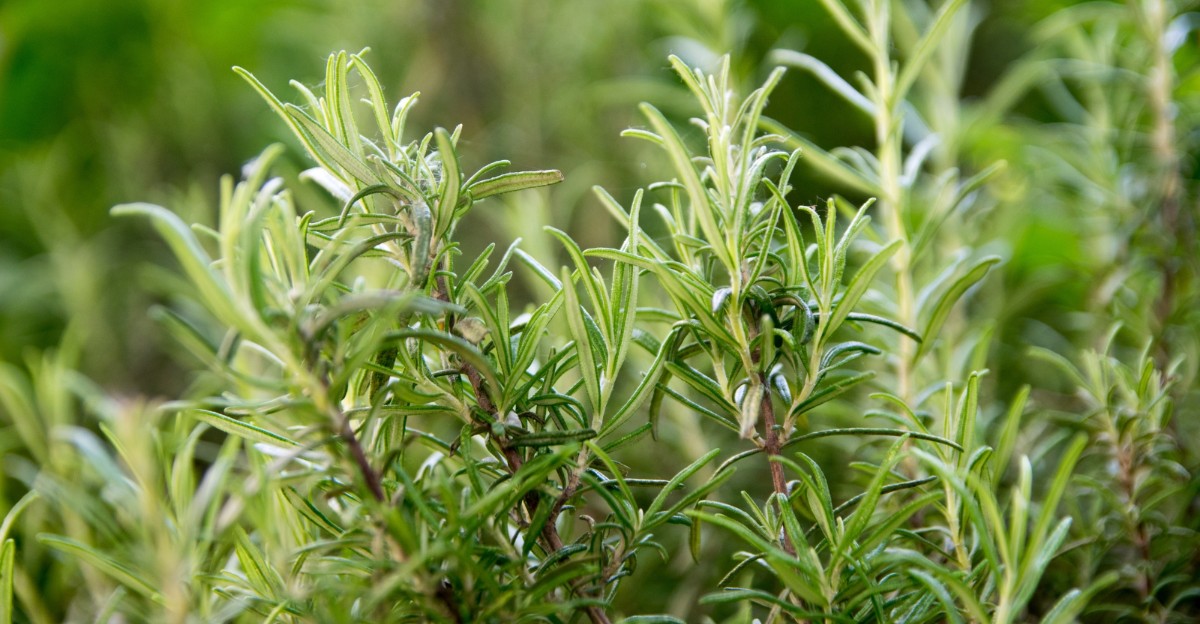
There are herbs that need constant attention, perfect conditions, and a fair amount of patience just to survive a Florida season. And then there is rosemary, which basically laughs at all of that.
This tough, fragrant little shrub smells like someone nearby is roasting something incredible, handles heat better than most plants have any right to, and asks for almost nothing in return for all that charm.
While other herbs were dramatically wilting through summer storms and fierce afternoon sun, rosemary was out there quietly doing its thing without complaint.
October is genuinely the sweet spot for getting it in the ground here. The air finally softens, the rain settles down, and roots have time to establish while you enjoy the cooler weather from the porch.
Your kitchen is about to smell significantly better, and your garden is about to get a very easy new resident.
1. Why Rosemary Loves Florida In October
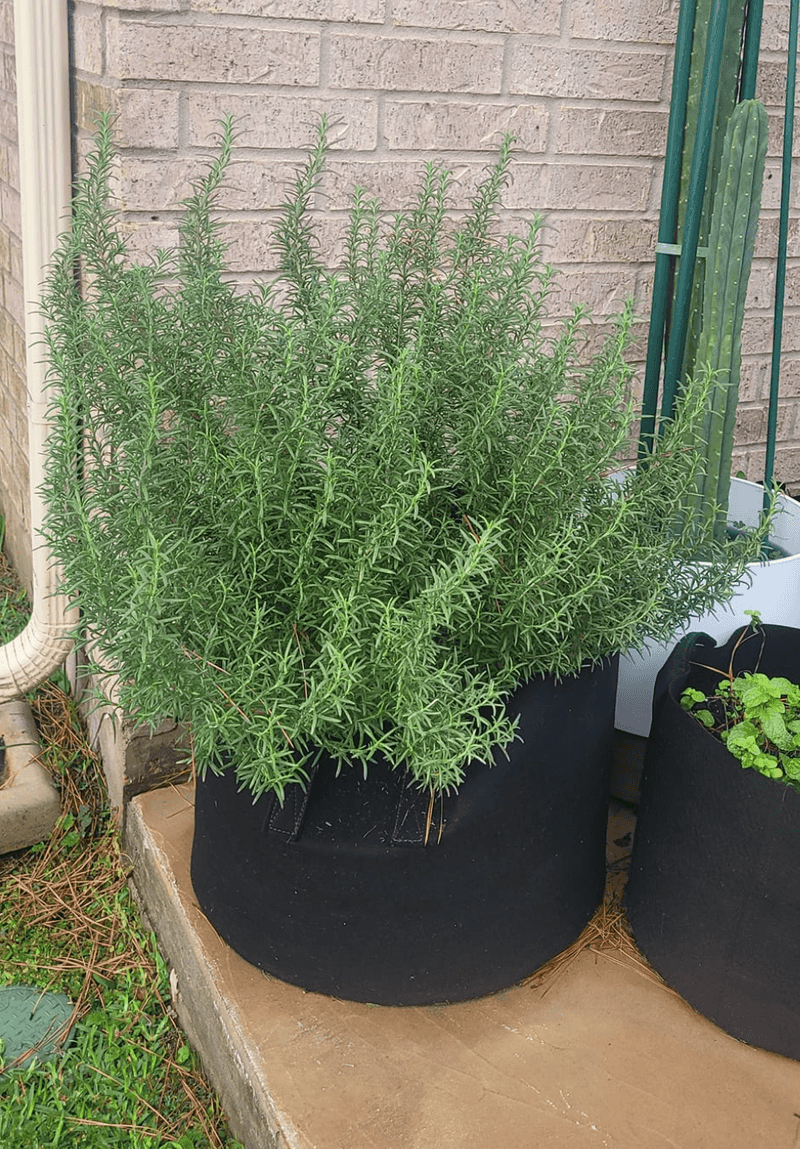
Timing is everything with this herb, and October hands you a gift. The brutal summer heat finally backs off, and the daily afternoon storms slow down.
Rosemary comes from the dry, sunny hills around the Mediterranean Sea. It enjoys warm days and cool nights, which is exactly what fall in Florida offers.
Planting now gives the roots several gentle months to spread out before next summer arrives. By the time June rolls around, your plant will be sturdy enough to handle the sticky weather.
Fall planting also means fewer bugs chewing on tender leaves. Many garden pests slow down as temperatures drop, so young plants get a peaceful start.
Another bonus is that you will water less often in cooler weather. Soil stays moist longer, so the plant settles in without much fuss from you.
Think of October as moving day with perfect weather. Your rosemary unpacks, gets comfortable, and grows stronger while you hardly lift a finger.
Gardeners in North and Central parts of the state tend to get the best long-term results with rosemary. Those in South Florida can still give it a try, though the combination of intense heat and persistent humidity can make it more challenging to maintain over time.
Checking with your local UF/IFAS extension office is a smart step if you are unsure how well it performs in your specific area.
So mark your calendar for mid to late October. A small plant from the garden center now can become a bushy, fragrant shrub by spring.
2. Picking The Best Rosemary Variety
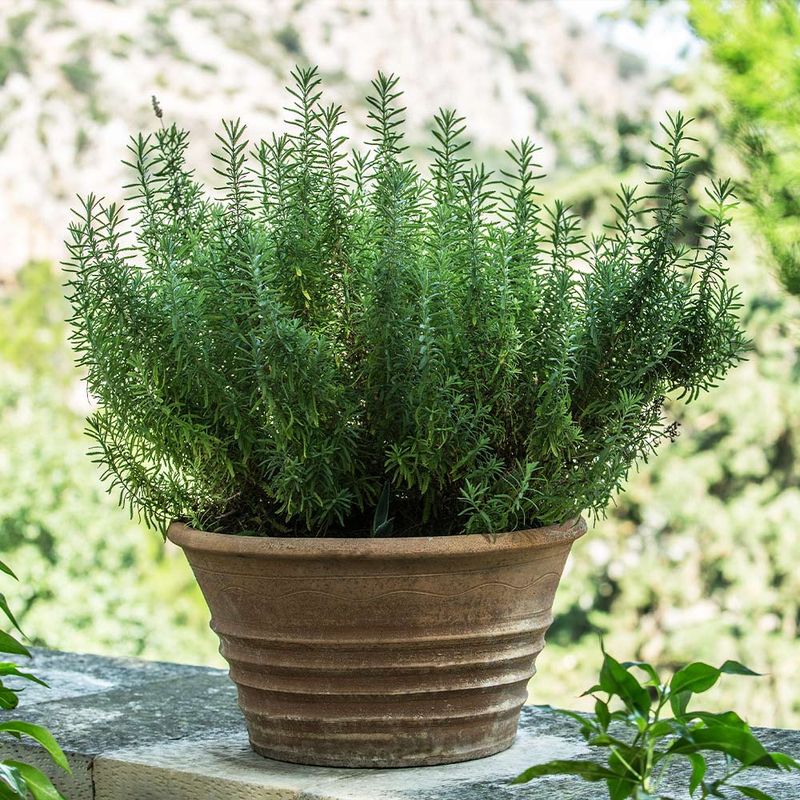
Walk into any nursery and you might spot five kinds of rosemary on one table. They all smell lovely, but some handle humid weather far better than others.
Tuscan Blue is a popular upright choice with thick stems and deep blue flowers. It grows tall and makes a handsome low hedge along a walkway.
Arp is famous for cold toughness, which helps folks in the Panhandle. It also has a slightly lighter, almost lemony scent that cooks enjoy.
Prostrate or trailing rosemary spills over walls and pot edges like a green waterfall. It looks wonderful in hanging baskets or tumbling down a sunny slope.
Your Florida Garden Changes Every Week. Your Plan Should Too.
Gardening in Florida changes quickly throughout the season. Every Friday you’ll receive a simple weekly plan showing exactly what to plant, prune, fertilize, harvest, and protect so you never miss the right timing.
Barbecue rosemary has long, straight stems that work as skewers for kabobs. Kids get a kick out of grilling veggies on a stick that came from the yard.
Here is a fun fact for you. Ancient Greek students wore rosemary wreaths while studying because they believed it helped their memory.
When shopping, look for plants with firm, green needles and no gray fuzz near the base. Skip any pot where the soil smells sour or soggy.
If you are unsure, try two types and see which one thrives. Gardening in Florida is part science and part friendly experiment, and that is half the fun.
3. Finding The Sunniest Spot In Your Garden
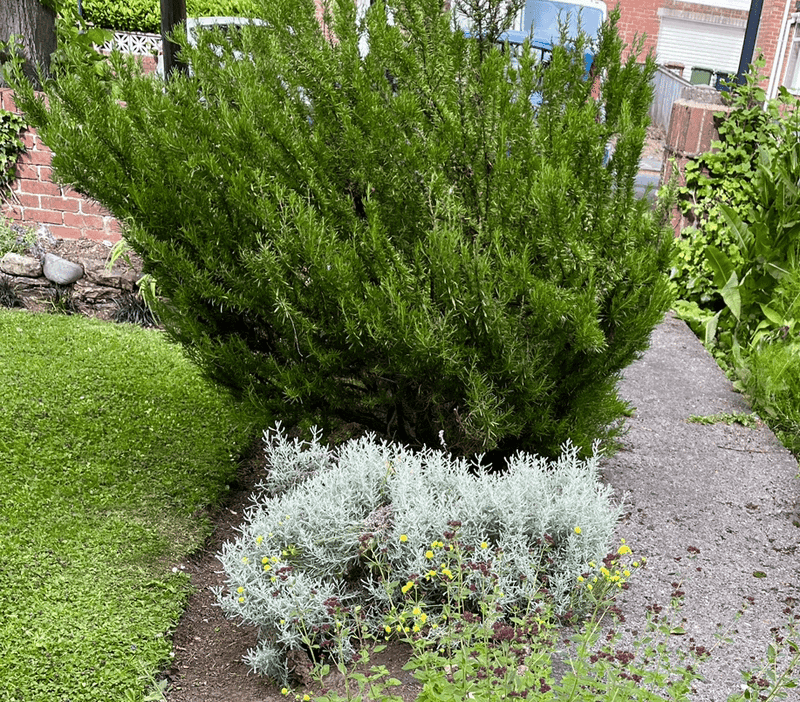
Sunshine is the fuel that powers rosemary. Give it at least six to eight hours of direct light each day, and it rewards you with thick, fragrant growth.
Spend a day watching your yard before you dig. Notice which corners stay bright from morning to late afternoon and which fall into shade.
A south-facing spot near a wall or fence works beautifully. The structure soaks up warmth and reflects extra light back onto the plant.
Shady places lead to thin, floppy stems with fewer leaves. The plant stretches toward the light and loses that tidy, bushy shape you want.
Air flow matters almost as much as sunlight here. Florida humidity can trap moisture around leaves, so pick a spot where breezes can pass through freely.
Avoid planting rosemary under dripping gutters or close to sprinkler heads. Constant splashing keeps the leaves wet and invites fungus to move in.
Leave about two to three feet between plants. That spacing gives each shrub elbow room and lets air move between the branches.
Here is a handy trick if your yard is short on sun. Place your rosemary in a container on wheels and roll it to wherever the light lands best that season.
4. Fixing Florida Sand So Rosemary Roots Stay Happy
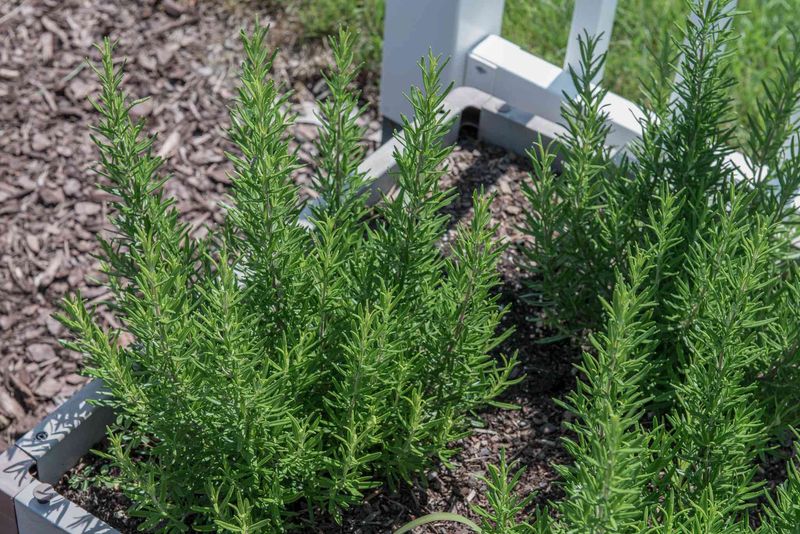
Good news first. Sandy soil, the kind found in so many yards around the state, is actually a decent match for rosemary.
Rosemary hates wet feet more than anything. Sand drains fast, so roots dry out between waterings, which keeps them healthy and breathing.
The trouble comes from heavy clay patches or low spots where puddles linger. Water that sits around the roots for days leads to rot.
Raised beds are a smart fix for soggy areas. Build them eight to twelve inches high and fill them with a gritty, fast-draining mix.
Try blending native sand with a little compost and a scoop of small gravel or perlite. You want soil that feels loose and crumbly, not sticky.
Go light on rich compost, though. Rosemary actually tastes stronger when it grows in lean soil, a bit like a tough little shrub on a rocky hill.
Plant the crown slightly above the surrounding ground level. A small mound helps rain roll away from the stem instead of pooling around it.
For mulch, skip thick wood chips that hold moisture. Light gravel or crushed shell looks tidy, reflects heat, and keeps the base nice and dry through rainy weeks.
5. Watering Rosemary The Easy Way
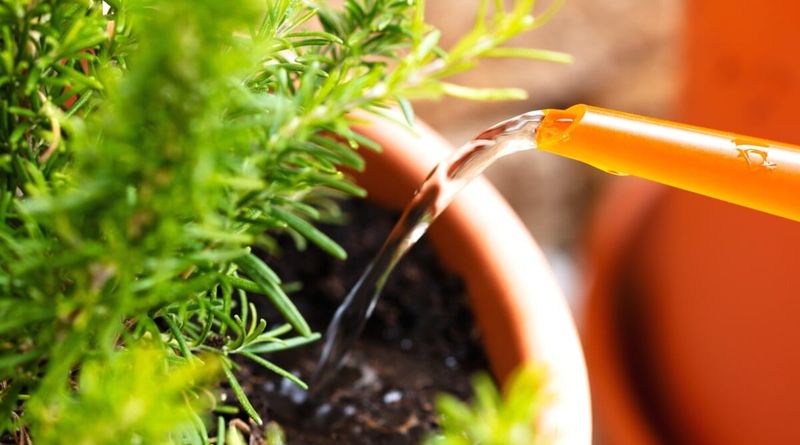
Ask an experienced gardener about watering rosemary and you might hear a chuckle. The biggest mistake most people make is loving it with too much water.
During the first few weeks after planting, water every two or three days. New roots need steady moisture while they settle into their new home.
After about a month, back off quite a bit. Let the top inch or two of soil dry out before you water again.
A quick test works great. Push your finger into the dirt, and if it feels damp, wait another day or two.
Once established, rosemary in Florida often survives on rainfall alone for much of the year. You may only need to water during long dry spells in spring.
Water at the base of the plant rather than over the leaves. Morning watering is best because the sun dries any splashes quickly.
Watch for clues from the plant itself. Yellowing lower leaves often mean too much water, while crispy brown tips can signal it needs a drink.
Potted rosemary dries faster than plants in the ground. Check containers more often, especially on windy days, and make sure each pot has drainage holes in the bottom.
6. Growing Rosemary In Pots On Patio
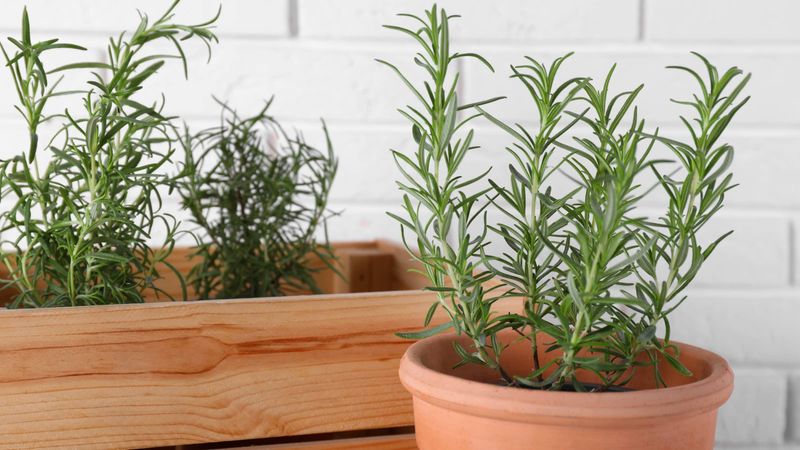
No yard? No problem at all.
Rosemary is a champion container plant and looks charming on a balcony, lanai, or front step.
Choose a pot at least twelve inches wide with holes in the bottom. Terracotta is a great pick because the clay breathes and lets extra moisture escape.
Fill it with a cactus or succulent mix blended with a bit of regular potting soil. That combo drains quickly while still holding a few nutrients.
Set the pot where it soaks up plenty of sun. A screened lanai can cut light a little, so the sunniest edge works best.
One cool perk of containers is mobility. During a summer tropical storm, you can scoot the pot under cover to protect it from heavy rain.
Feed potted rosemary lightly every couple of months with a balanced, gentle fertilizer. Too much food makes soft growth with weaker flavor.
Every year or two, check if roots are circling the inside of the pot. If so, move the plant to a container one size bigger.
Keep a pair of kitchen scissors nearby. Snipping a few sprigs on your way to the stove feels like having a tiny herb shop right outside the door.
7. Trimming Tricks For Bushier Rosemary
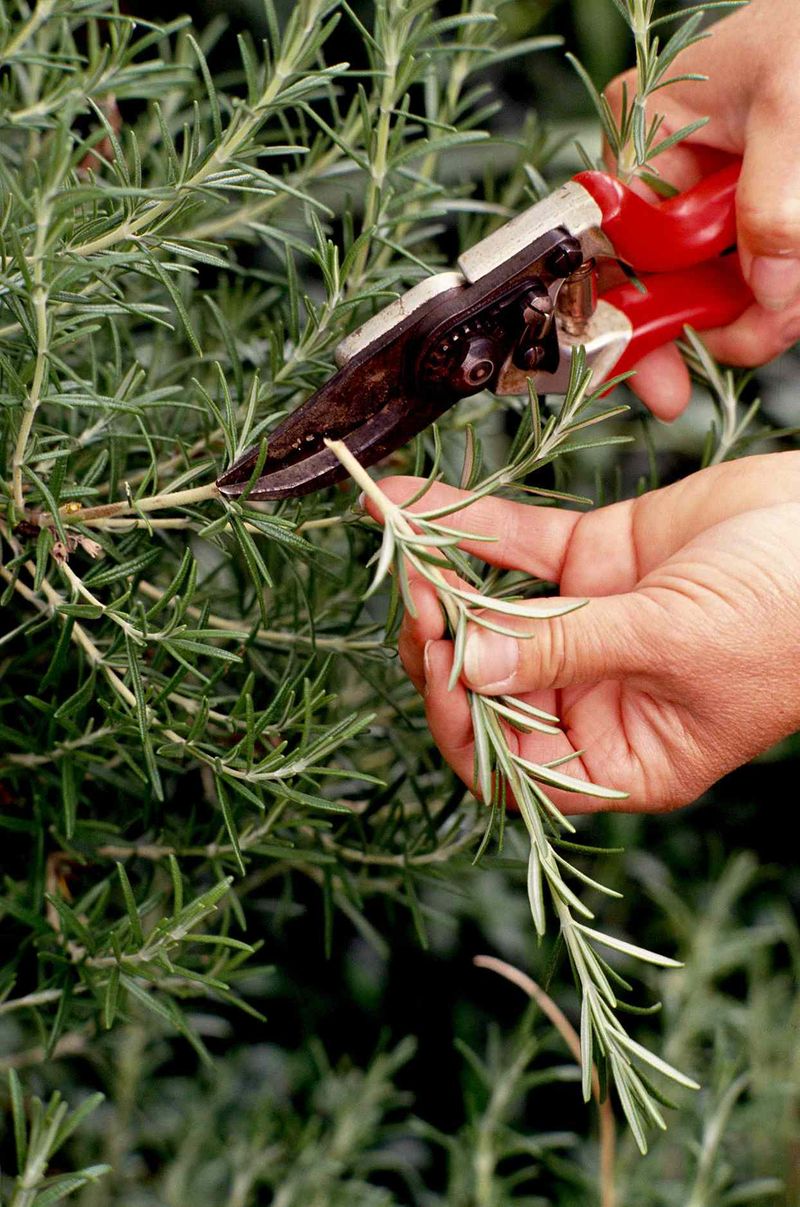
Here is a secret that surprises new gardeners. The more you snip rosemary, the bushier and happier it tends to grow.
Cutting the tips encourages the plant to send out new side shoots. Over time, one skinny stem can turn into a full, rounded shrub.
Wait until your plant is about six to eight inches tall before your first trim. Then pinch or clip the top inch or two from each main stem.
Use clean, sharp scissors or pruners. Clean cuts heal fast and lower the chance of disease sneaking in.
Try not to remove more than one third of the plant at one time. Leaving plenty of green helps it keep making energy from sunlight.
Avoid cutting deep into the old, woody stems. Rosemary often struggles to sprout fresh leaves from bare wood.
Late winter and early spring are great times for a bigger shaping session in Florida. The plant bounces back quickly as warm weather returns.
Thinning out a few inner branches also helps air flow through the middle. That small step can prevent the moldy patches that humid weather sometimes brings.
Best of all, every trim gives you a fresh bundle for cooking. Your pruning chore doubles as a free trip to the herb aisle.
8. Keeping Rosemary Healthy Without Much Fuss
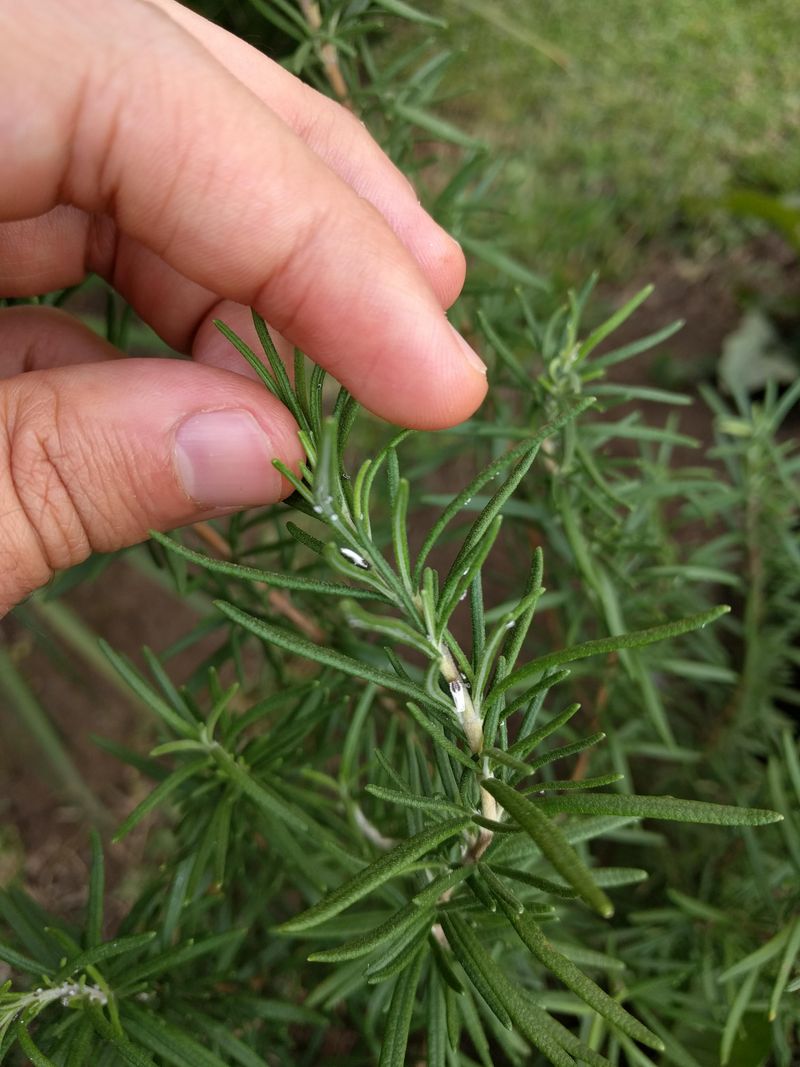
Bugs generally give rosemary a wide berth. Those strong scented oils that we love in cooking actually push away many common garden pests.
That said, a few troublemakers can show up now and then. Spider mites and whiteflies sometimes appear during hot, dry stretches.
A strong spray of water from the hose knocks most of them off. For stubborn cases, insecticidal soap works well and is gentle on the plant.
Root rot is the biggest worry in our state, and it usually comes from soggy soil. Good drainage and careful watering prevent most problems before they start.
Powdery mildew may pop up as a white dusty coating on leaves. More sun, better spacing, and thinning branches help clear it up.
Look over your plant once a week while you water or harvest. Catching small issues early keeps them from becoming big headaches.
Here is a cheerful bonus. Rosemary flowers draw bees and butterflies, which helps pollinate nearby veggies and fruit trees.
Some gardeners choose to plant rosemary near tomatoes, beans, or cabbage, believing it may help deter certain pests. It is worth noting that this is based largely on anecdotal gardening tradition rather than firmly established science, and UF/IFAS does not currently endorse companion planting as a reliable pest management strategy.
That said, having fragrant herbs nearby certainly does not hurt, and the pollinators rosemary attracts are always a welcome addition to any vegetable patch.
With a little attention, your shrub can keep growing for many years. Some rosemary plants live well over a decade with simple care.
9. Harvesting And Enjoying Your Rosemary
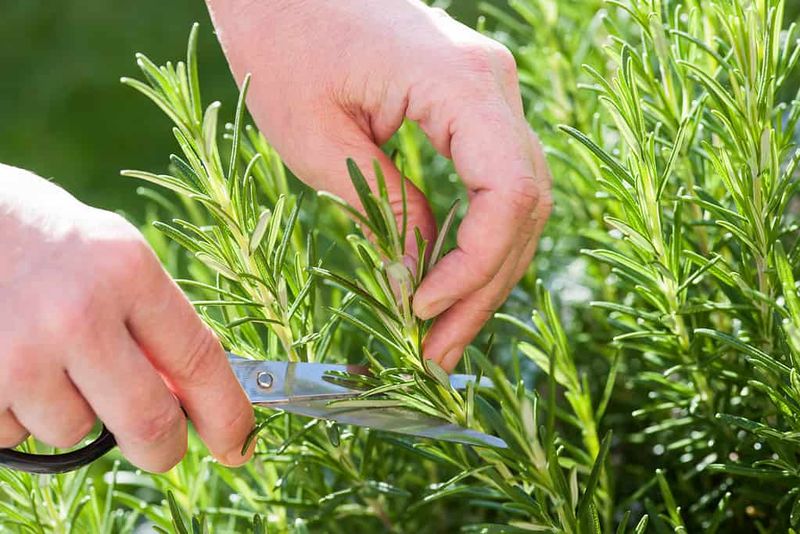
Imagine roasted potatoes crackling in the oven with fresh rosemary you picked five minutes earlier. That smell alone is reason enough to grow this herb.
Start harvesting once your plant looks full and leafy. Snip sprigs about four to six inches long, cutting just above a set of leaves.
Morning is the best time to pick, right after the dew dries. Oils in the leaves are strongest then, so flavor really pops.
Fresh sprigs go great with chicken, fish, bread, and grilled veggies. A small amount goes a long way because the taste is bold.
Want to save some for later? Tie small bundles with string and hang them upside down in a cool, dry room for about two weeks.
Once crisp, strip the needles off and store them in a glass jar. Dried rosemary keeps its flavor for months when sealed tight.
You can also freeze chopped leaves in ice cube trays with olive oil. Pop a cube into a hot pan for instant flavor.
Rosemary makes a thoughtful homemade gift too. Fill small jars with herb salt or infused oil for neighbors and friends.
Even a single plant planted this October can keep your kitchen stocked all year. Not bad for an herb that mostly takes care of itself.