The One Pruning Mistake That Ruins Your Florida Walter’s Viburnum Every August
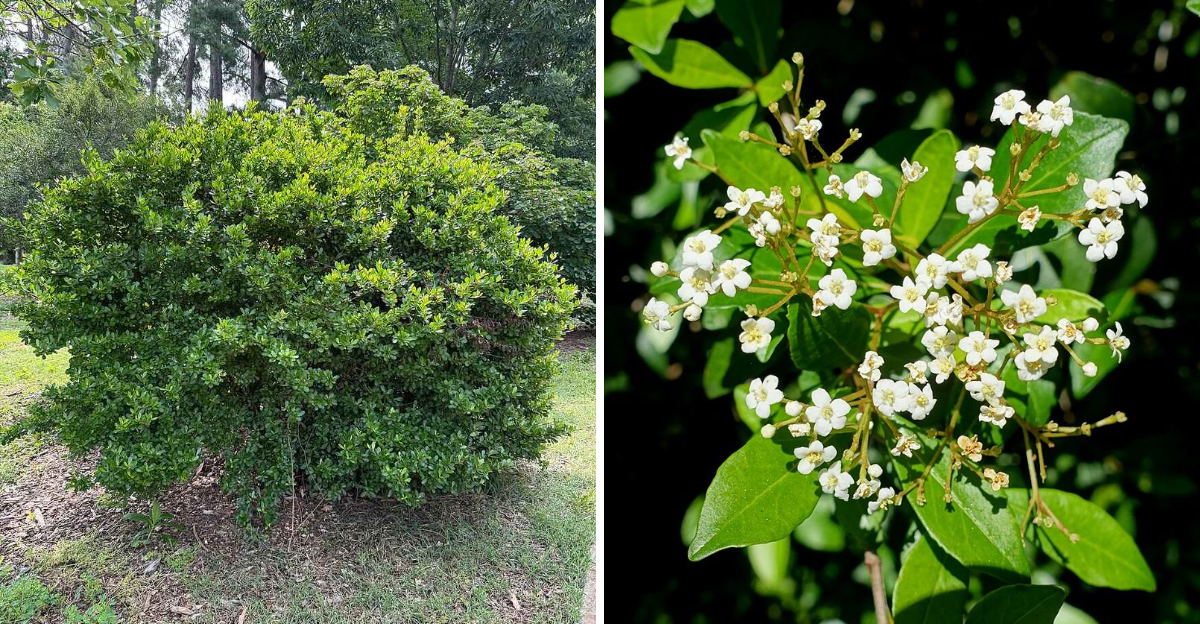
Walter’s viburnum in Florida is about as forgiving as native shrubs get. It handles heat, handles drought, handles neglect through stretches of summer that would stress less adapted plants into decline.
That toughness creates a false confidence around August pruning that costs the shrub something it cannot easily get back before the season closes out.
One pruning mistake made in August sends Walter’s viburnum in the wrong direction at exactly the wrong time.
Not dramatically, not immediately. The consequences show up in the months that follow, in a shrub that looks fine and performs well below what it was capable of delivering.
August has a specific window for pruning Walter’s viburnum and a specific way that window needs to be approached. Outside of it, the pruners should stay down.
Most Florida yards get this wrong not from carelessness but from applying general shrub advice to a plant that operates on its own timeline.
1. Step Away From The Shears In August
That familiar buzz of hedge shears on a hot August morning feels productive, but stopping to think before the first pass can save a lot of trouble later.
Aggressive shearing, heavy size reduction, or stripping large sections of foliage during peak summer heat places real strain on an already-working plant.
Warm, humid conditions across much of the region mean the plant is already managing heat, moisture fluctuation, and active growth simultaneously.
Removing too much healthy foliage at once reduces the plant’s ability to produce the energy it needs to sustain itself. Signs that a pruning session is going too far include cutting deeply into bare interior wood or shaving large sections of the canopy flat.
Another sign is reducing the overall size simply to force a smaller shape. A shrub that has outgrown its location needs a thoughtful long-term plan, not repeated emergency shearing every season.
Light corrective cuts are a different matter entirely. A broken stem, a branch rubbing against a fence, or a limb creating a hazard near a walkway may warrant prompt attention regardless of the calendar.
August conditions vary across the state, and recent rainfall, current plant health, irrigation consistency, and local heat intensity should all factor into the decision.
The key is knowing the difference between a purposeful corrective cut and an aggressive reshape that the plant must work hard to recover from.
2. Save The Buds That Power Next Season’s Flowers
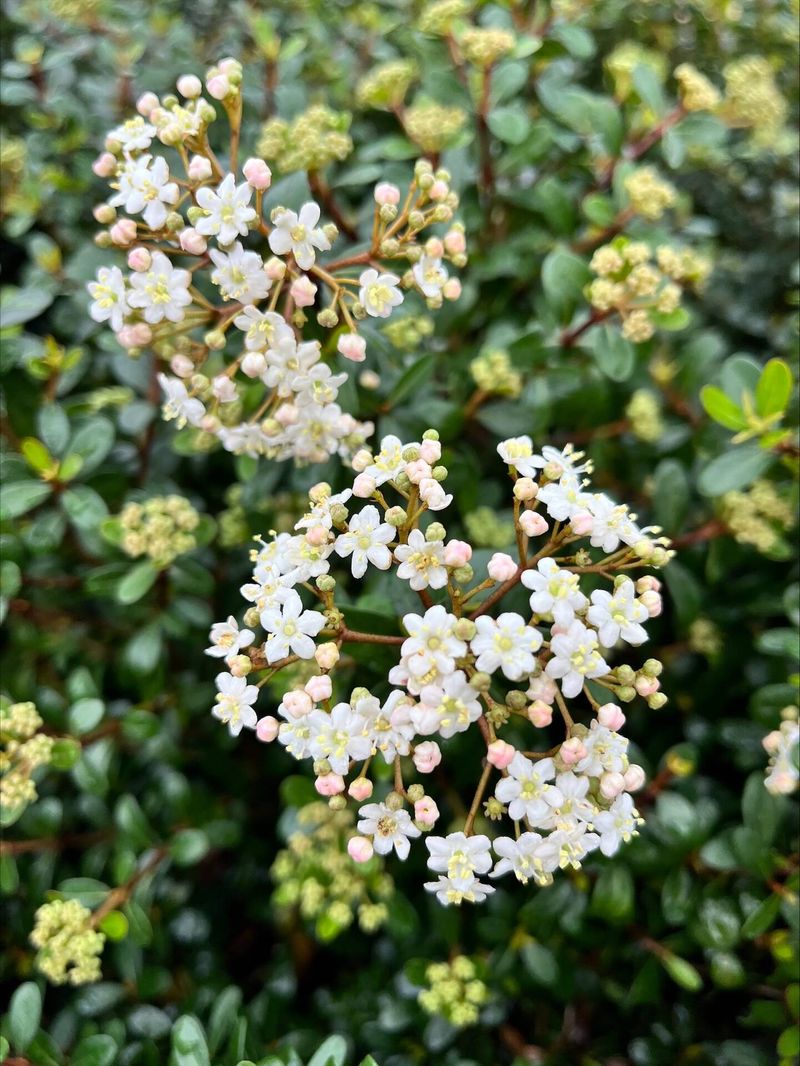
Look closely at the tips of a Walter’s viburnum branch after flowering. You may start to notice small buds organizing along the wood that carried this season’s blooms.
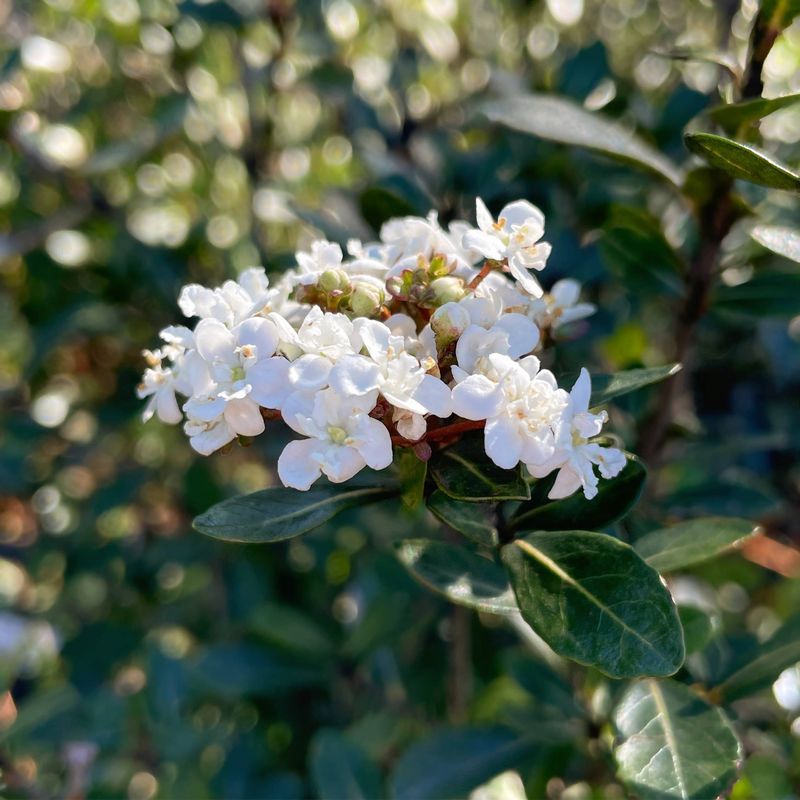
Walter’s viburnum typically flowers in late winter to early spring, producing clusters of small white blossoms. Those blossoms attract pollinators and provide early-season wildlife interest.
According to UF/IFAS resources, this species generally blooms on wood that matured during the previous growing season.
That detail matters a great deal when choosing a pruning date. Heavy shearing in late summer or early fall may remove the very stems that are preparing to carry next spring’s flower display.
Your Florida Garden Changes Every Week. Your Plan Should Too.
Gardening in Florida changes quickly throughout the season. Every Friday you’ll receive a simple weekly plan showing exactly what to plant, prune, fertilize, harvest, and protect so you never miss the right timing.
The effect depends on pruning severity, plant maturity, cultivar, and local climate, so not every cut will eliminate every flower.
However, repeated aggressive trimming during the months when bud development is underway raises the likelihood of a noticeably reduced bloom the following year.
Observing the plant’s bloom cycle before scheduling any major pruning session is a practical habit worth developing.
Noting when flowering begins, peaks, and winds down gives a clearer picture of when the wood is ready to be shaped without sacrificing buds.
Birds and Florida native pollinators also benefit from the fruit that follows flowering, so preserving the flower cycle has value beyond aesthetics.
Lighter pruning right after the bloom period is often the most bloom-friendly approach for spring-flowering shrubs like this one.
3. Stop Turning A Natural Shrub Into A Box
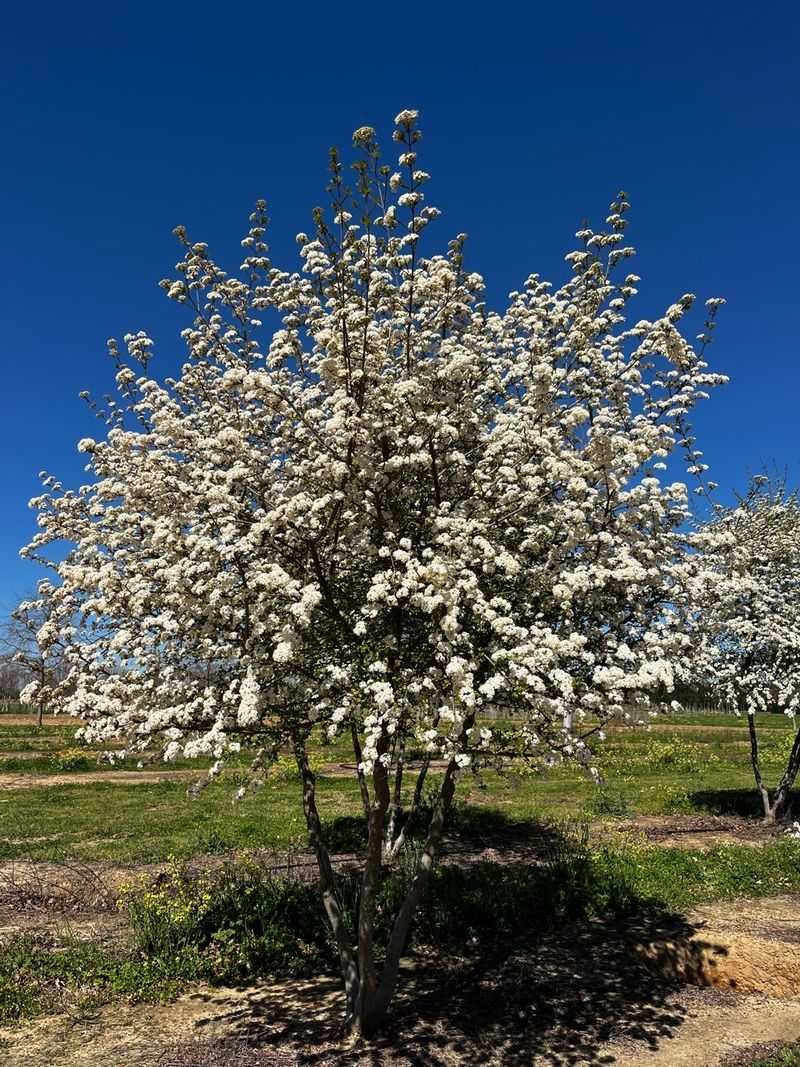
Watching a naturally layered, multi-stemmed shrub get forced into a rigid green rectangle is a little like watching someone try to fold a quilt into a cube.
Walter’s viburnum has a naturally rounded to arching growth habit, with stems that fan outward and produce foliage along their length.
Repeatedly clipping every shoot to the same flat line creates a dense outer shell while the interior becomes progressively shaded, bare, and congested.
That outer shell looks tidy from the curb, but it hides a structural problem underneath. Interior branches receive less light over time, foliage drops away from the center, and the plant becomes increasingly dependent on the thin outer layer of active growth.
If that outer layer is ever cut back hard, the interior may struggle to push new growth because the branching inside has weakened from years of low light exposure.
Selective cuts that shorten individual stems to a healthy lateral branch preserve a fuller, more layered appearance. Some cultivars are naturally compact and work well in formal hedging situations.
The right approach depends on which selection is growing in the Florida yard and how it is being used. Choosing a cultivar whose natural mature size fits the available space reduces the pressure to constantly clip and reshape.
Working with the plant’s natural branching tendency, rather than against it, produces a more resilient and visually interesting result over time.
4. Tell Light Shaping From A Damaging Cutback
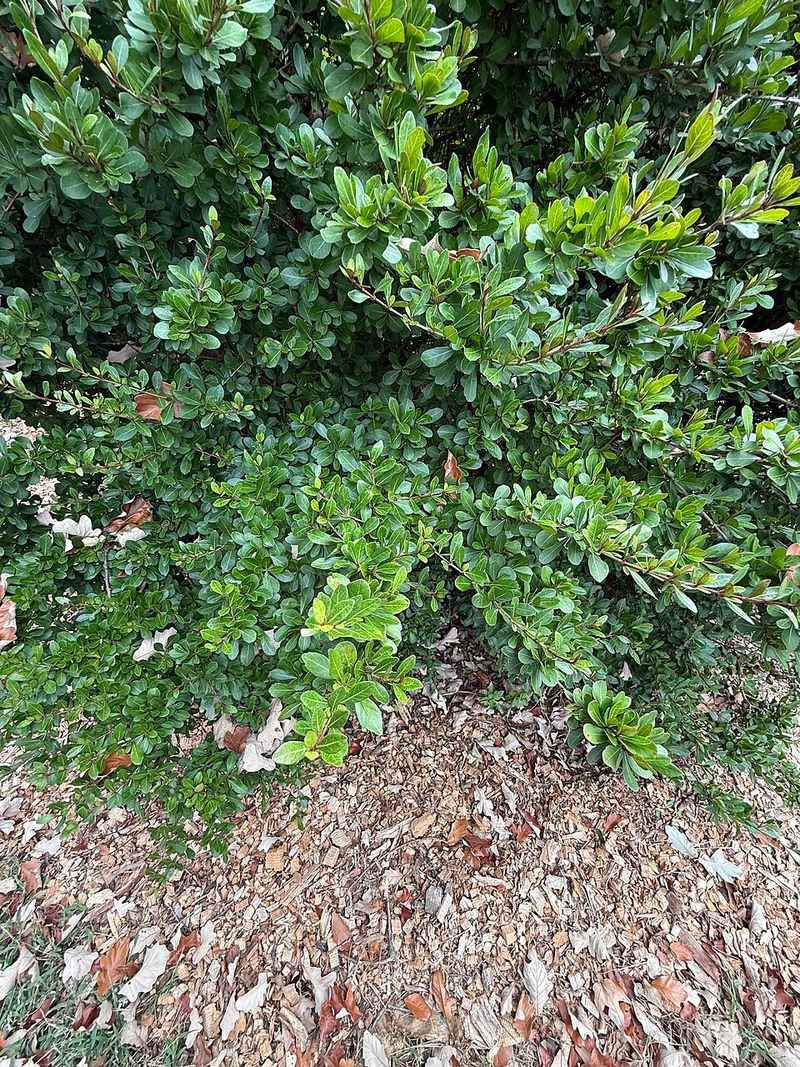
Stepping back from the shrub every few cuts is one of the most useful habits a Florida gardener can build. From a distance, it becomes easier to see how much foliage has already been removed and whether the remaining canopy still looks balanced.
Up close, it is easy to keep cutting without realizing how much has come off.
Light shaping involves shortening a few stray shoots, correcting uneven growth along one side, or clearing a branch that has grown across a pathway. Those actions address a specific issue without dramatically changing the plant’s overall structure.
A damaging cutback looks quite different: it involves reducing height or width by a large margin, or cutting into thick bare stems throughout the canopy.
It can also mean running hedge shears across the entire surface repeatedly until the plant is a fraction of its former size.
A plant’s starting condition matters more than any rigid formula. A shrub that is already stressed from drought, recent flooding, pest pressure, or a recent transplant has fewer resources available for recovery.
Adding a heavy cutback to an already-strained plant compounds the difficulty. Making a small number of deliberate selective cuts, then pausing to reassess, produces better outcomes than completing the job in one long uninterrupted session.
Avoid the temptation to even out the shape immediately after noticing a problem; sometimes the most helpful action is to put the shears away and wait for a better moment.
5. Remove Problem Branches Without Stripping The Canopy
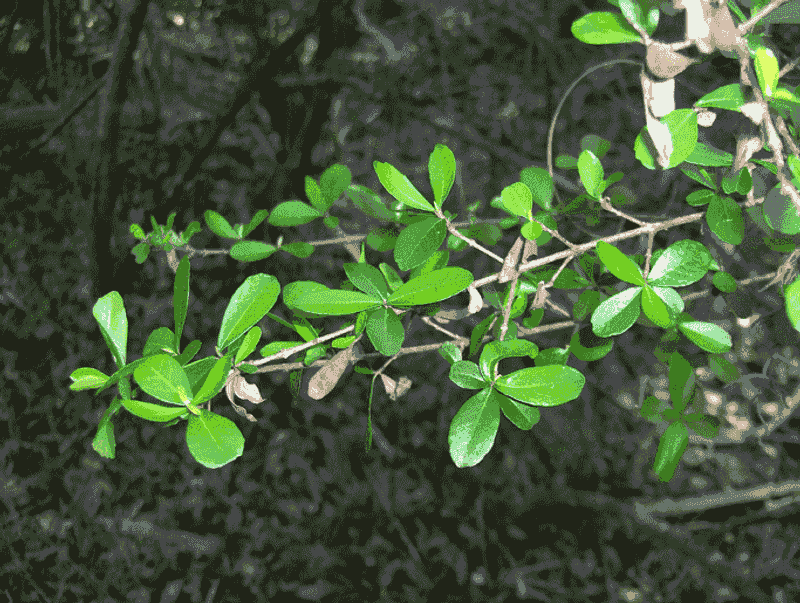
One crossing branch that rubs against a stronger stem every time the wind blows is worth addressing promptly, and doing so correctly makes all the difference.
Identifying branches that are broken, rubbing, weakly attached, growing toward a structure, or clearly compromised gives each cut a clear purpose.
Purposeful selective removal is fundamentally different from opening large voids throughout the canopy.
Clean, sharp tools matter more than most Florida gardeners realize. A dull blade crushes and tears tissue rather than making a smooth cut, and ragged wounds take longer to close.
Each cut should be placed just outside the branch collar, the slightly swollen area where the branch meets the parent stem. Don’t leave a long stub, since that may become an entry point for pathogens.
When disease is suspected or when moving between multiple plants, wipe blade surfaces with a diluted disinfectant solution between cuts. This reduces the chance of spreading problems.
Wound sealants and pruning paints are generally not recommended for routine cuts on healthy wood. Current horticultural guidance from sources including UF/IFAS does not support routine application.
Excessive interior thinning is another mistake to avoid. Removing too many interior branches at once exposes foliage and stems that have been shaded for months to stronger direct sunlight, which can cause stress.
Large, hazardous branches near structures, power lines, or areas with heavy foot traffic are best handled by a qualified arborist who can assess the situation safely.
6. Rescue An Overpruned Shrub Without Adding More Stress
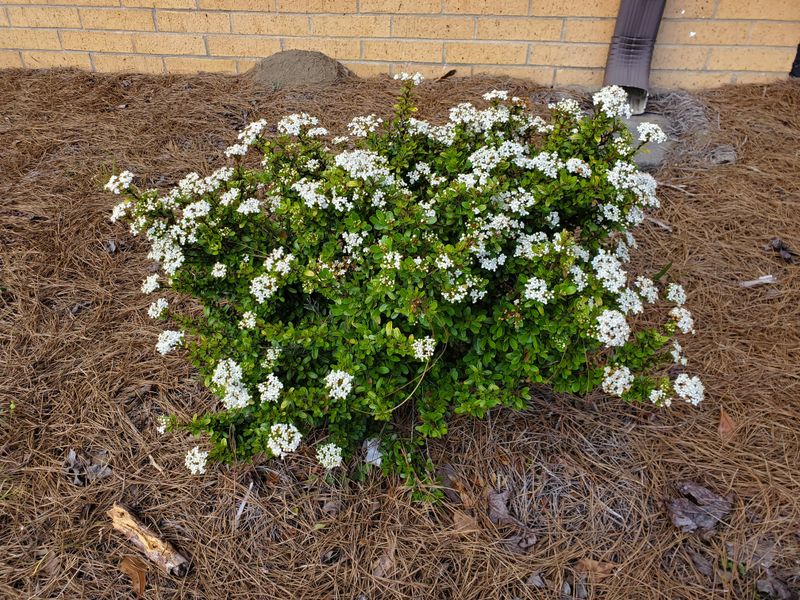
Fresh clippings on the ground and a canopy that suddenly looks far too sparse is a signal to stop, set the shears down, and assess before doing anything else.
Trying to even out the shape by making additional cuts removes more healthy tissue from a plant that is already working hard to stabilize.
The most productive first step after over-pruning is simply to leave the plant alone and observe.
Checking soil moisture is a sensible next move. Consistent, appropriate irrigation supports recovery without saturating the root zone, which creates its own set of problems.
A two-to-three inch layer of organic mulch spread over the root zone helps moderate soil temperature and retain moisture during warm weather. Keep it a few inches away from the base of the stems.
Avoid piling mulch directly against the trunk or main stems, as that can encourage moisture-related problems at the crown.
Heavy fertilizer applications are not a reliable shortcut to recovery. Pushing rapid new growth with excess nutrients can produce weak, soft stems that are more vulnerable to pests and weather.
Watch for new growth emerging from remaining stems, which is a positive sign. Wilting, leaf discoloration, or branch decline may have several causes, so observe carefully before assuming the pruning is the only factor.
Recovery time depends on pruning severity, plant age, cultivar, current weather, and overall root health. Realistic expectations serve the Florida gardener better than impatience.
7. Time The Next Trim Around Its Bloom Cycle
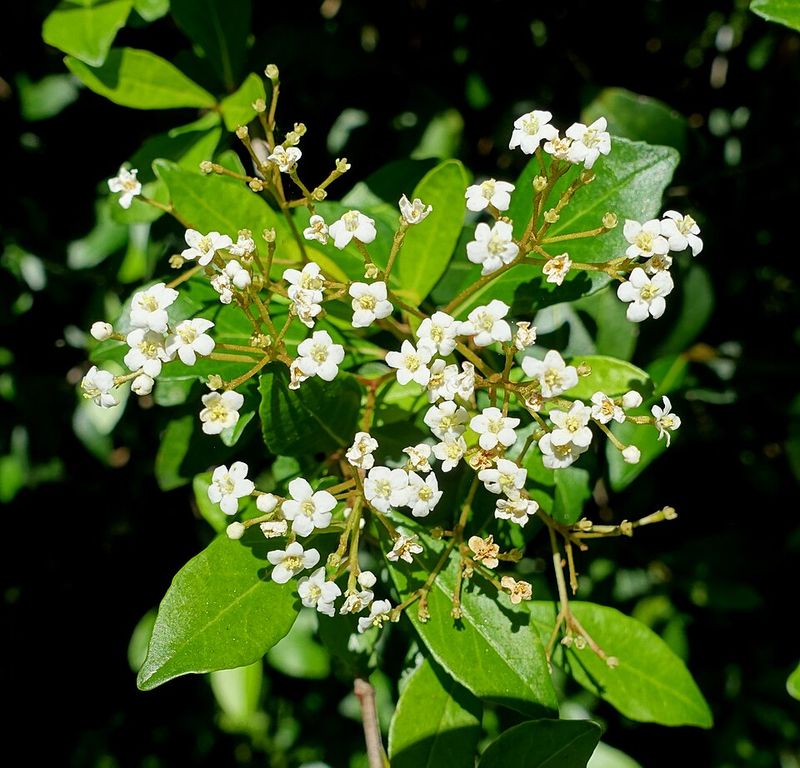
Right after the last flowers fade and before the summer heat intensifies is generally considered a favorable window. It’s a good time for shaping spring-flowering shrubs like Walter’s viburnum.
UF/IFAS guidance on flowering shrubs broadly supports pruning soon after bloom to reduce the chance of removing developing buds for the following season.
Keeping a simple journal entry of when flowering starts and ends makes it much easier to plan the next trim with confidence.
Timing also depends on what type of work is needed. Routine light shaping, rejuvenation of an overgrown specimen, and emergency removal of a hazardous branch are three different tasks with different urgency levels.
An emergency cut can happen whenever the situation requires it. Planned shaping and rejuvenation benefit from more deliberate scheduling around the bloom cycle and seasonal stress periods.
Regional variation across the state means that bloom timing can shift by several weeks depending on location, microclimate, and seasonal weather patterns.
Compact cultivars naturally require less frequent attention than large-growing selections because they tend to stay within their allotted space longer.
Scheduling a maintenance session before the plant becomes severely overgrown avoids the temptation to make drastic cuts later. Selecting a cultivar whose mature size fits the available space from the start is the most effective way to reduce future pruning frequency.
It also keeps the plant in good condition year after year.
8. Build A Smarter Routine For Fuller Growth
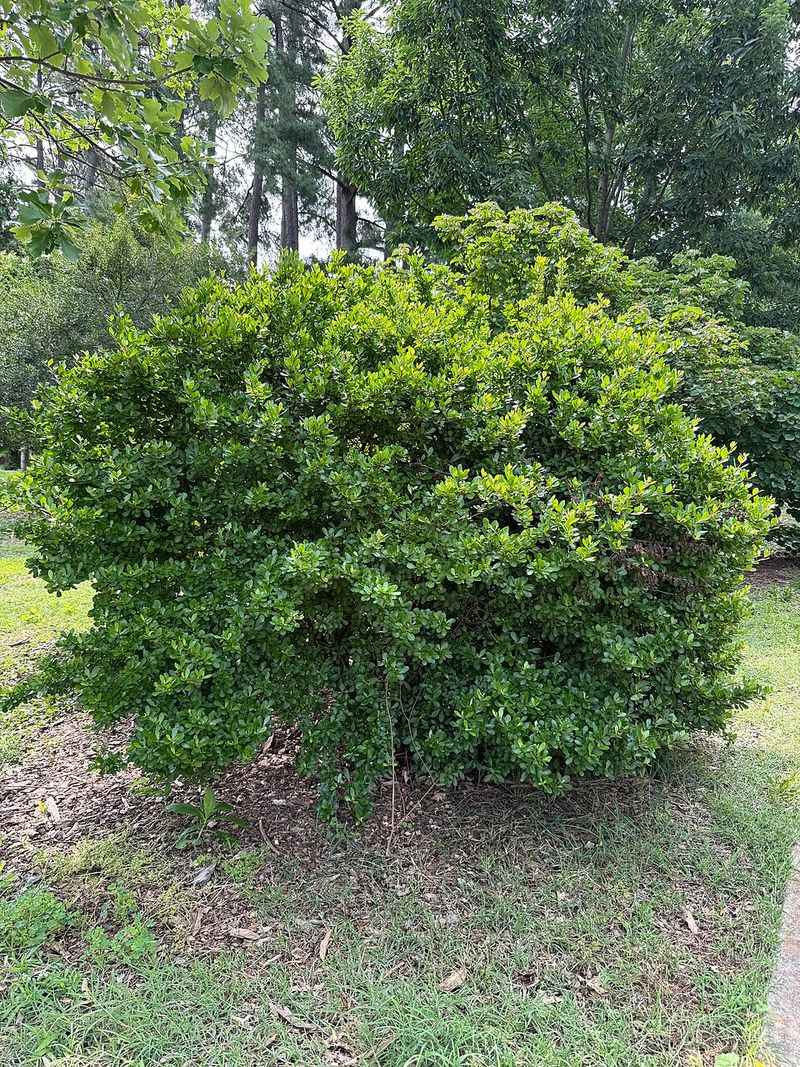
A well-sited shrub with room to grow naturally is one of the easiest plants to maintain in a Florida warm-climate yard.
Correct placement at the time of installation, matched to the cultivar’s expected mature size, reduces the need for repeated intervention down the road.
Spacing plants appropriately from structures, walkways, and neighboring shrubs gives the canopy room to develop its natural form without constant correction.
Inspecting the plant several times a year, rather than waiting until it has clearly outgrown its space, makes each maintenance session shorter and less disruptive.
Early attention to crossing stems, wayward shoots, or uneven growth keeps the structure open and balanced.
Preserving lower foliage and interior branching supports more uniform light distribution throughout the canopy, which tends to produce a fuller appearance over time.
Mulching the root zone correctly, maintaining consistent irrigation during dry stretches, and avoiding excess fertilizer all contribute to steady, manageable growth.
A compact cultivar in a narrow planting bed is a far more sustainable choice than a large-growing selection that must be repeatedly forced into a smaller shape.
The wildlife value of Walter’s viburnum includes its flowers for pollinators and its fruit for birds. That value is best preserved when the plant retains enough canopy to complete its natural cycle.
Working with the plant’s growth habit, rather than repeatedly overriding it, is what makes long-term maintenance feel manageable rather than like a recurring battle.