Why Artificial Turf Is Quietly Hurting Pennsylvania Yard Wildlife
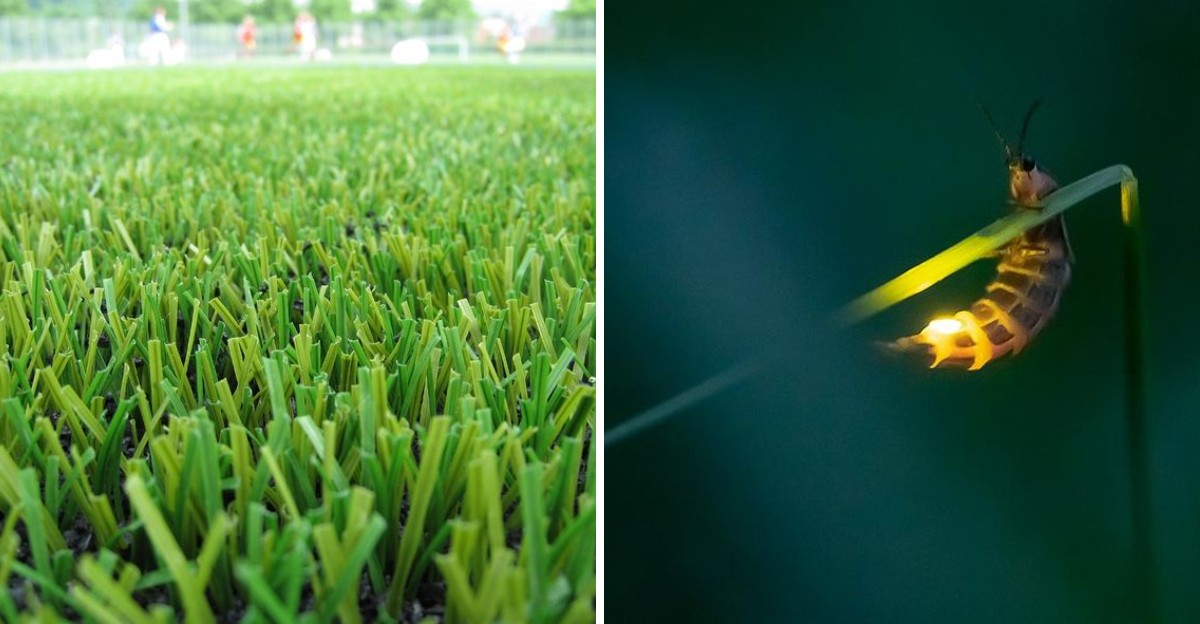
Pennsylvania’s official state insect is the firefly. On warm summer nights, those blinking lights are one of the simplest joys of living here.
But fireflies don’t just appear out of thin air. They spend most of their lives as tiny larvae, hidden in damp soil and leaf litter, feeding on slugs and snails. A natural lawn gives them a place to grow.
Artificial turf takes that away. Under the plastic blades, there’s no living soil, no moisture, and no food.
Earthworms, beetles, and caterpillars that robins and other songbirds count on lose their home, too. Toads, salamanders, and ground-nesting bees lose valuable space as well. The result is a yard that stays green but goes quiet.
Before you swap real grass for a synthetic version, it helps to know what disappears along with it.
1. It Removes The Base Of The Food Chain
Every meal in nature starts with a plant. A caterpillar munches a leaf, a bird snaps up the caterpillar, and a hawk might later catch that bird. Pull the plants away, and the whole chain starts to wobble.
Artificial turf has no living plants at all. There are no seeds to eat, no leaves to chew, and no flowers full of nectar. Insects simply have nothing to feed on, so they move away or never show up in the first place.
Losing bugs might sound like a win. Nobody wants more mosquitoes, right? But most insects are harmless helpers, and they are food for many animals you probably enjoy seeing. Birds, toads, salamanders, bats, and even box turtles depend on them.
Here is a surprising fact. Scientists say a single pair of chickadees needs thousands of caterpillars to raise one batch of babies.
That is a huge grocery list! Parents search nearby yards for soft, protein-rich insects to feed their hungry chicks.
A plastic yard offers those parents an empty pantry. They have to fly farther, use more energy, and may raise fewer young. Toads and salamanders, which cannot fly, have an even harder time finding food.
So what can you do? Start small. Let a corner of your lawn grow some clover, violets, or dandelions. Plant a native shrub like spicebush or serviceberry, which feed dozens of insect species.
Native oak trees are superstars in Pennsylvania. They support hundreds of kinds of caterpillars, more than almost any other plant. Even one small tree can turn your yard into a busy buffet for wildlife.
2. It Takes Away Homes For Ground-Nesting Bees
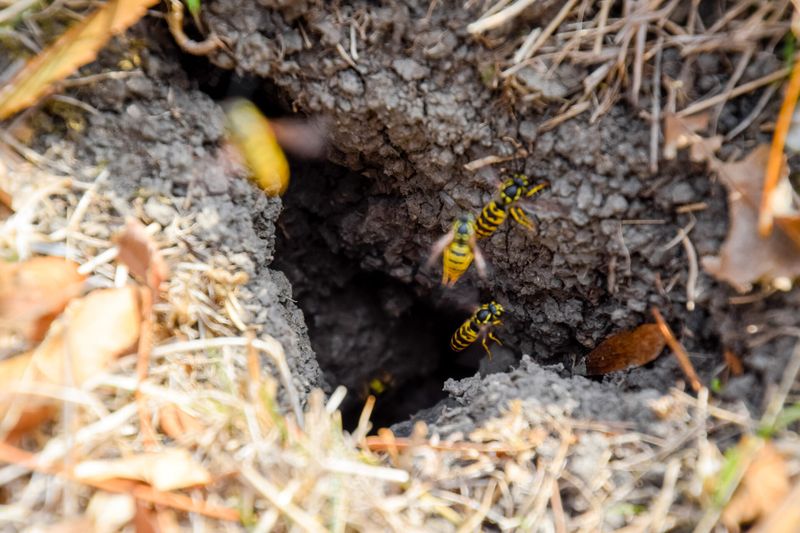
Quick question. Where do bees live? If you said a hive, you are only partly right. Honeybees use hives, but they are not even native to North America.
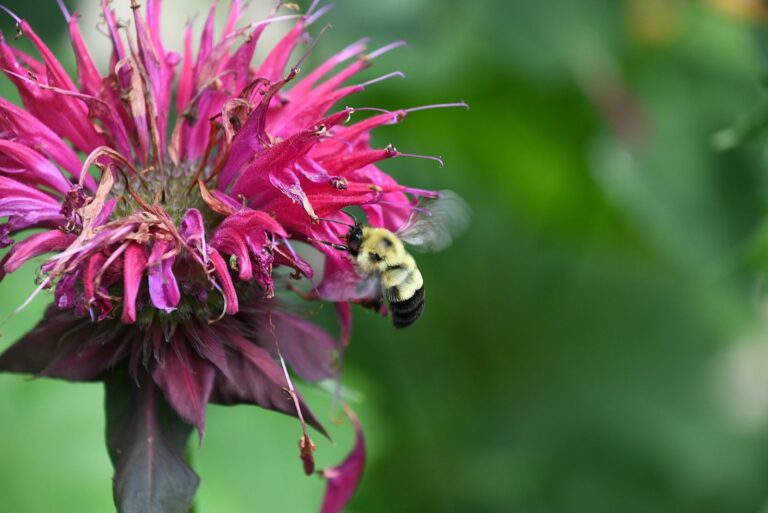
Pennsylvania is home to more than 400 kinds of native bees. Around 70 percent of them nest underground. Mining bees, sweat bees, and many others dig small tunnels in loose, sunny soil.
Inside those tunnels, a mother bee builds little rooms. She packs each one with pollen and lays a single egg. The baby bee grows safely in the dirt and climbs out the next spring.
Your Pennsylvania Garden Changes Every Week. Your Plan Should Too.
Gardening in Pennsylvania changes quickly throughout the season. Every Friday you’ll receive a simple weekly plan showing exactly what to plant, prune, fertilize, harvest, and protect so you never miss the right timing.
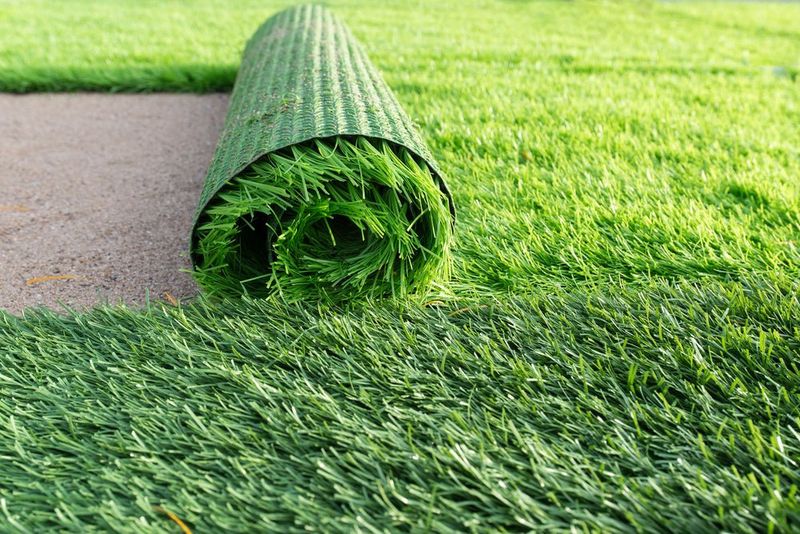
Now think about what happens when turf goes down. Installers usually scrape away the soil, add gravel, and lay a thick plastic backing on top. Some also add weed barrier fabric underneath.
To a ground bee, that surface is like a locked door made of concrete. She cannot dig through it. Any nests already in the ground may be crushed or sealed in, and new bees have nowhere to settle.
Those tiny bees matter more than you might guess. They pollinate tomatoes, squash, blueberries, apples, and wildflowers. Some native bees are even better at pollinating certain crops than honeybees.
Fun fact: ground-nesting bees are gentle. Most rarely sting, and the males cannot sting at all. Kids can safely watch them zip in and out of their holes.
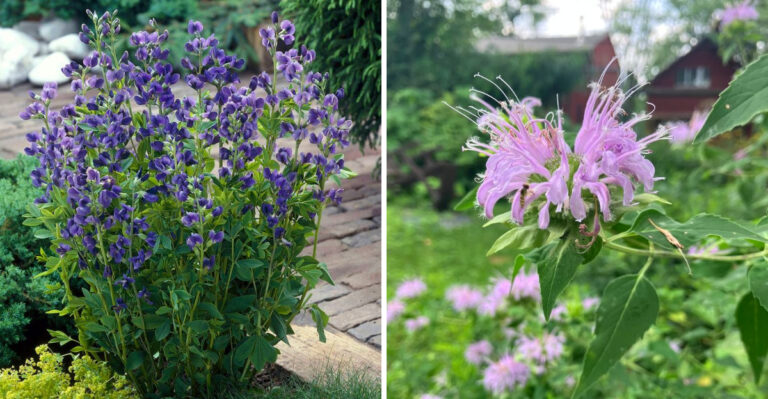
Want to help? Leave a few small patches of bare, sunny soil in your yard. Skip thick mulch in those spots. Plant native flowers like goldenrod, asters, and wild bergamot close by so the bees have food right next to home.
3. It Wipes Out Fireflies And Soil Life
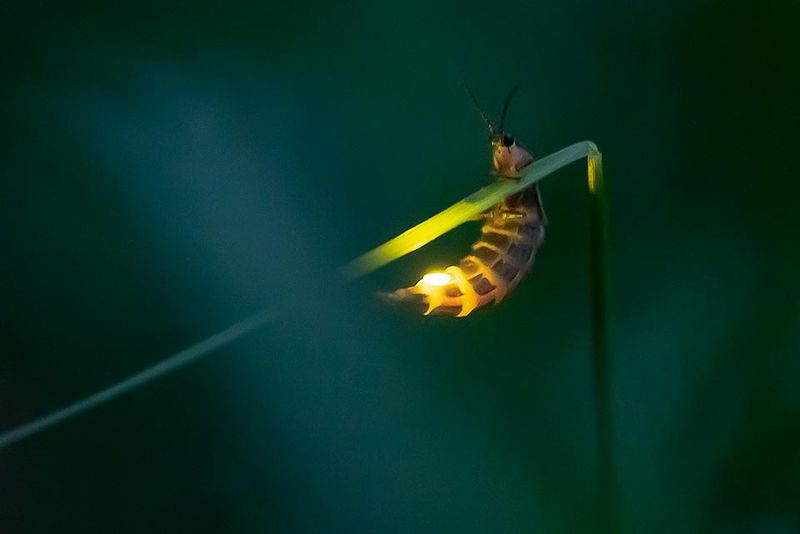
Remember chasing fireflies on warm July nights? For many Pennsylvania kids, those blinking lights are the official start of summer. Sadly, fake grass can make those magical evenings harder to find.
Pennsylvania even has its own state insect, the Pennsylvania firefly. It was chosen in 1974 after a group of students pushed for it. Pretty cool, right?
Most people only see adult fireflies. The young ones, called larvae, spend up to two years hidden in moist soil and leaf litter. They hunt slugs, snails, and worms down there, and some larvae even glow a little.
Artificial turf takes away all of that. The soil underneath gets packed down, dried out, and covered. Leaf litter has no place to gather. Without damp ground and soft cover, firefly larvae cannot survive.
Fireflies are not the only ones affected. Earthworms, beetles, grubs, and many tiny soil critters vanish too. Those creatures keep dirt healthy by mixing it, breaking down old leaves, and letting rain soak in.
They are also dinner for robins. Ever watch a robin hop, tilt its head, and tug a worm from the grass? That is a hard trick to pull off on plastic. Robins, flickers, and thrushes all forage on the ground for soil life.
You can invite fireflies back with a few easy steps. Leave fallen leaves under shrubs instead of bagging them. Let some grass grow a bit taller. Turn off bright porch lights at night so fireflies can see each other’s signals.
Skipping lawn chemicals helps a lot, too. Healthy soil means more worms, more beetles, and more glowing summer nights.
4. It Gets Much Hotter Than Grass
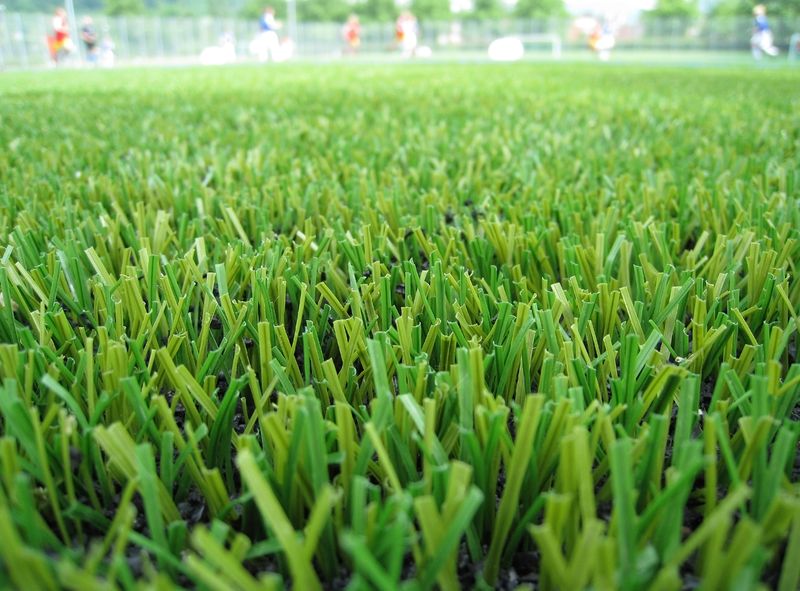
Try this on a sunny August afternoon. Take off your shoes and step onto real grass, then onto fake turf. Ouch! You will feel the difference in about one second.
Natural grass stays fairly cool because plants release water through their leaves. It works a lot like sweating. Plastic cannot do that, so it soaks up sunlight and holds the heat.
Studies have measured turf surfaces at well over 150 degrees Fahrenheit on hot days. Some readings have topped 170 degrees. That is hot enough to cause burns on bare skin in a short time.
Pets feel it first. Dogs have sensitive paw pads, and they cannot tell you their feet hurt until it is too late. Cats, rabbits, and even small kids can get blisters from a sunbaked turf yard.
Wildlife suffers, too. Toads, turtles, and snakes move slowly, and a scorching surface can trap or harm them. Birds that usually hop around looking for food will simply avoid the area. The yard becomes a no-go zone for months.
The heat also spreads. A big patch of turf warms the air around it, which can make your patio and home feel hotter. That might even raise your air conditioning bill.
Some owners spray turf with water to cool it. That works for only a few minutes and wastes the water turf was supposed to save.
A smarter idea is shade and real plants. Trees, native shrubs, and groundcovers keep yards cooler for everyone. If you already have turf, give pets a shaded grassy or mulched spot to rest during summer.
5. It Can Shed Microplastics And Chemicals
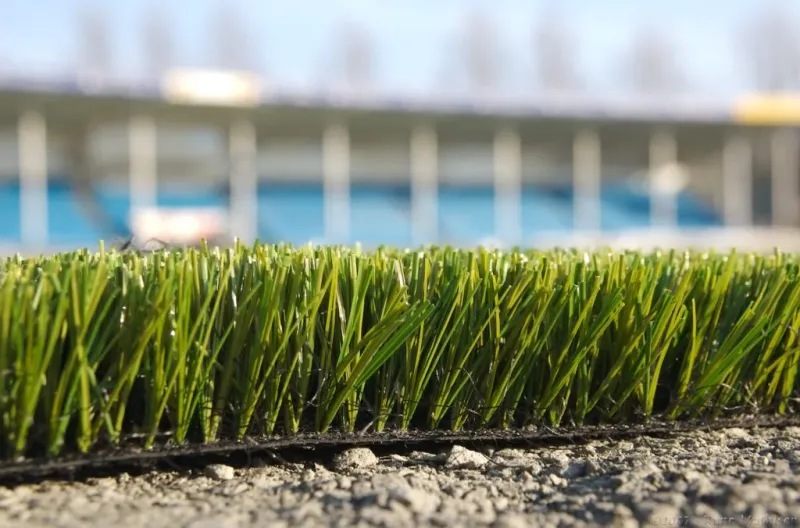
Plastic does not last forever, even when it looks tough. Sun, foot traffic, and winter freezes slowly wear down every blade of fake grass. Bit by bit, it crumbles into tiny pieces you can barely see.
Those tiny pieces are called microplastics. Many turf yards also use rubber crumb infill, which looks like little black pellets. Heavy rain can wash both of them right out of the yard.
Where do they go next? Usually straight into storm drains. From there, the water flows into local creeks and rivers without being cleaned.
Here is something many Pennsylvanians do not realize. About half of the state drains into the Chesapeake Bay through rivers like the Susquehanna. So a turf yard in Harrisburg or Lancaster can send plastic bits all the way to Maryland.
Fish, frogs, and mussels may swallow microplastics by mistake. The particles can build up in their bodies and move up the food chain. Birds that eat those fish can be affected too.
There is another worry. Tests have found PFAS in some turf products. People call them forever chemicals because they break down extremely slowly in nature. Scientists are still studying them, but they have been linked to environmental and health concerns.
If you are thinking about turf, ask the seller for testing info on PFAS and infill materials. Better yet, consider a rain garden instead. Rain gardens catch runoff, filter it through soil and roots, and give pollinators a home.
Already have turf? Sweep stray infill back onto the surface and keep it out of gutters. Every handful you catch is one less mess in a stream.
6. It Breaks Up Wildlife Habitat
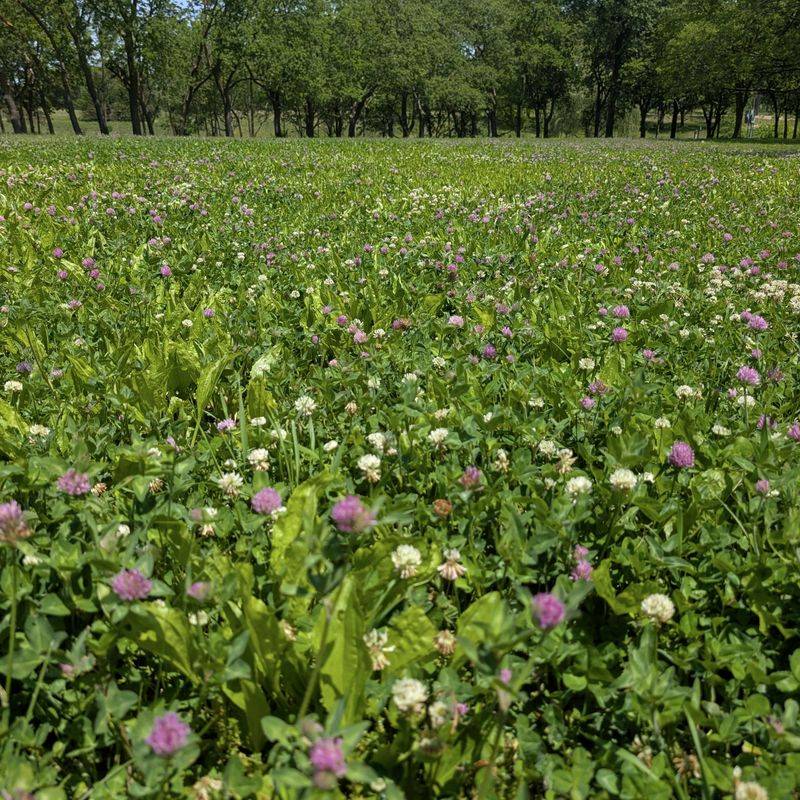
Wildlife travels more than you might think. A box turtle may wander across several backyards in one summer. Butterflies, bees, and songbirds hop from garden to garden looking for food and shelter.
Connected yards work like stepping stones across a creek. Each patch of grass, shrubs, or flowers gives animals a safe place to pause, eat, and rest. When enough yards link together, a whole neighborhood becomes a friendly corridor.
Turf breaks those links. One plastic yard might not seem like much. But when several neighbors make the same switch, gaps appear. Animals hit lifeless zones with no food or cover, and many will not cross them.
Small creatures get stuck the most. Salamanders, toads, and caterpillars cannot fly over a gap. Groups of animals become cut off, which makes them weaker over time.
Luckily, you do not have to choose between a messy yard and an easy one. Pennsylvania has native plants that need very little care. Pennsylvania sedge is a great example. It forms a soft, grassy carpet in shade and rarely needs mowing.
Other low-fuss options include wild strawberry, golden ragwort, and creeping phlox. They spread on their own and stay green with little water once settled in.
Wildflower beds are another fun choice. Black-eyed Susans, purple coneflowers, and milkweed bring color and butterflies. Monarchs actually need milkweed to raise their young.
Talk with your neighbors, too. When a few families plant natives along shared edges, the stepping stones grow stronger. Groups like Penn State Extension offer free tips and plant lists to help you get started.