St. Louis Gardens Often Hold Off Frost Longer Than Farm Towns An Hour Away
Early October in Missouri brings crisp mornings, pumpkin stands, and a nervous feeling gardeners know well. You check the forecast twice, stare at your tomatoes, and wonder if tonight brings the cold.
Oddly enough, a backyard in the middle of St. Louis often stays greener than nearby farm fields. Drive an hour out of town, and you might spot frosty pumpkins while city basil looks cheerful.
Country neighbors sometimes scrape icy windshields while city folks sip coffee on porches that feel mild. Nobody handed out a secret weather permit, yet the difference shows up every year across Missouri.
The reason hides in plain sight, tucked into sidewalks, rooftops, alleys, and streets you drive daily. With a little planning, you can stretch your harvest and prepare before a cold snap.
City Warmth Buys Extra Growing Days
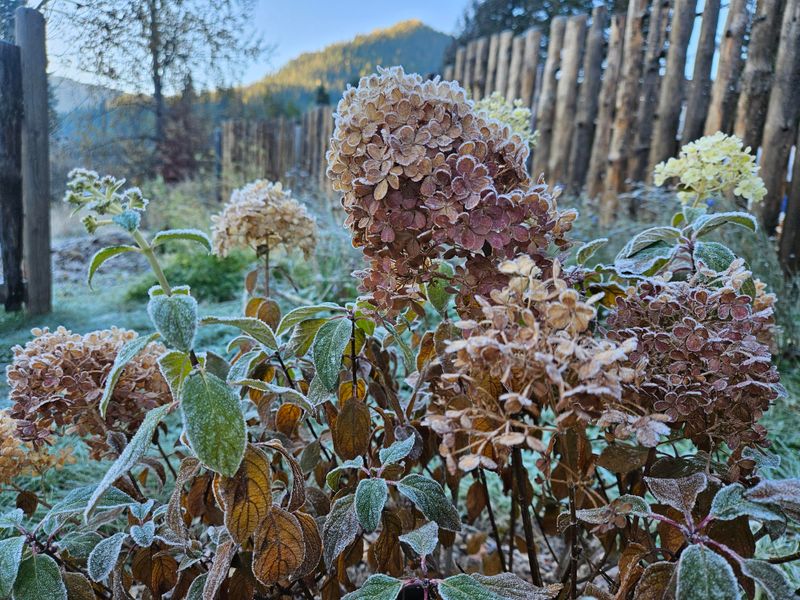
Picture two thermometers on the same October night, one in Tower Grove and one in a Lincoln County field. By sunrise, the city reading often sits several degrees warmer, which can mean frost in one spot only.
Scientists call this effect an urban heat island, and St. Louis shows it clearly when compared with the surrounding Missouri countryside. Pavement, buildings, and traffic all add warmth that lingers long after the sun slips behind the Arch.
That small difference matters more than you might think when temperatures hover near the freezing mark in fall. A rural garden might hit 31 degrees while a city yard stays at a safer 35 degrees.
Those few degrees can make the difference between tender leaves turning black and mushy and staying green through autumn. Peppers, basil, beans, and late tomatoes are often the first plants to show the difference clearly.
Over a whole season, the warm edge can add several extra days to a couple of weeks of growing time in some years. Gardeners in dense, paved neighborhoods near the city center tend to notice it the most.
Missouri farm towns an hour away, such as Troy or Union, rarely get that same cozy cushion of warmth. Open fields let heat escape quickly into clear night skies, so frost settles in sooner there.
So if your city tomatoes are still blushing in mid October, give the concrete a little credit. Keep watering lightly, pick ripe fruit often, and enjoy the bonus weeks your neighborhood quietly provides each fall.
The Science Of Stored Heat
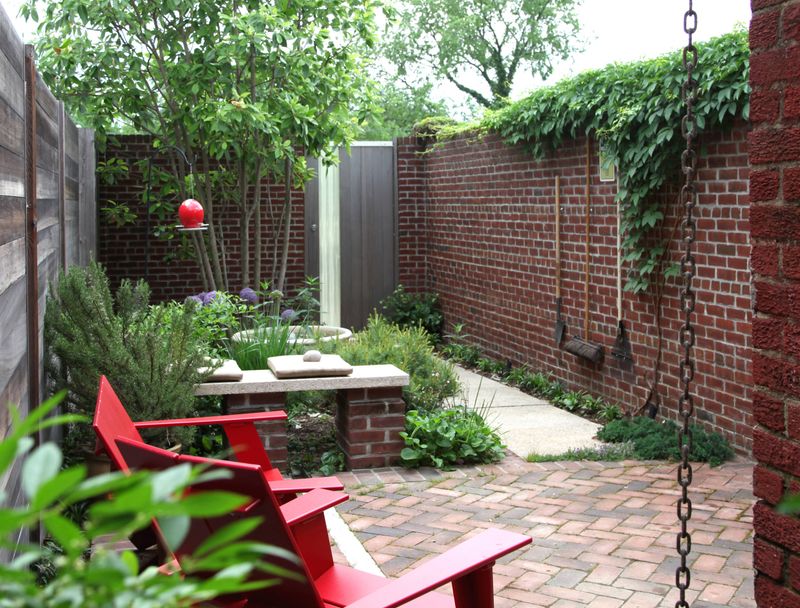
Think of a brick wall as a giant battery that charges up all afternoon in the bright sunshine. After dark, it slowly releases that stored warmth back into the air around your garden beds.
Asphalt, stone, and concrete soak up heat much better than grass, soil, or a field of soybeans. Dark surfaces work especially well, which is why a black driveway can feel warm well past sunset.
Tall buildings add another trick by blocking the open sky and trapping warm air in narrow streets. On clear nights, heat tries to escape upward, but walls and rooftops bounce some of it back down.
People and machines chip in too, since furnaces, cars, and air vents leak warmth all night. A busy city block is basically a crowded room, and crowded rooms rarely feel chilly for very long.
Your Missouri Garden Changes Every Week. Your Plan Should Too.
Gardening in Missouri changes quickly throughout the season. Every Friday you’ll receive a simple weekly plan showing exactly what to plant, prune, fertilize, harvest, and protect so you never miss the right timing.
Fun fact for your next dinner table chat: researchers first described city warmth in London over 200 years ago. A scientist named Luke Howard noticed the city stayed warmer than the countryside, especially at night.
Rural fields work the opposite way, with soft soil and plants losing heat fast after sundown in autumn. Cold air also pools in wide open spaces, settling like an invisible puddle across low ground.
You can borrow this science at home by planting tender crops near a south-facing brick wall. Even a stone path or a few dark pavers nearby can give chilly roots a gentle evening boost.
Frost Dates That Shift By Weeks

Ask an old farmer about first frost, and you might hear a date that sounds carved in stone. Around St. Louis, Missouri, the average first fall frost lands somewhere between late October and early November.
Inside the city core, that date often slides later, sometimes into the second week of November in mild years. Farm towns an hour away may see their first frost in mid October, well ahead of downtown.
Remember that an average date is only a middle point, not a promise stamped on the calendar. Some years bring a surprise chill in early October, while other years stay mild until Thanksgiving.
A smarter approach is to check frost dates by zip code instead of using one regional guess. Tools from NOAA and University of Missouri Extension can show your neighborhood’s likely frost range.
Keep a simple garden journal, too, since your own notes can be more useful than a general chart found online. Write down the date of first frost each year, plus which plants showed damage and which held up.
After three or four seasons, a clear pattern usually appears for your exact yard and street. You may find your city lot sees frost a week or two later than the farms your grandparents talked about at supper.
In early October, watch for nights forecast below 38 degrees, especially when skies are clear and winds are calm. Those are the evenings when frost can sneak in, even inside the slightly warmer city limits.
The Low Spot Mistake Many Gardeners Make
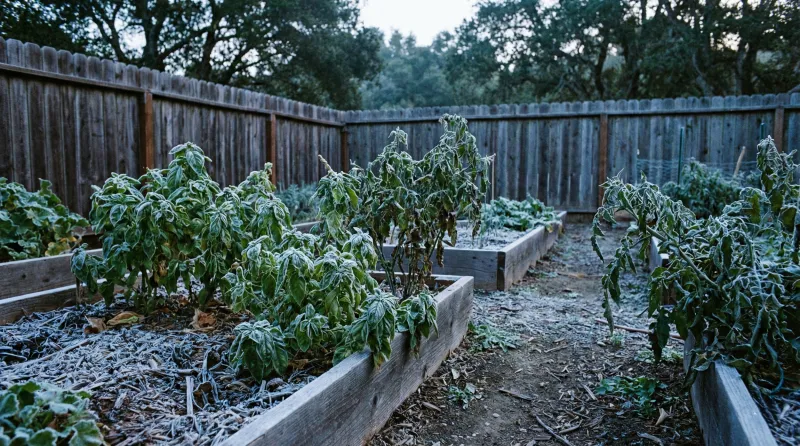
A pepper row at the bottom of a sloping backyard can get hit by frost while a neighbor’s plants on higher ground look perfectly fine. The culprit is not bad luck, but a gentle dip in the yard.
Cold air is heavier than warm air, so it slides downhill and collects in low, quiet places. Gardeners call these spots frost pockets, and they can show up even in warm, cozy city neighborhoods.
Many people assume living in St. Louis means they can relax about frost until November arrives each year. That confidence can backfire when a garden sits near a creek, a ravine, or a sunken lawn.
Fences and hedges can make the problem worse by blocking cold air from draining away downhill at night. The chilly air gets stuck like water behind a dam, and tender plants sit right in it.
To find your own low spots, step outside early on a cool, clear October morning with coffee in hand. Look for patches where frost or heavy dew lingers longest, since those areas run noticeably colder.
Move potted herbs and late crops uphill or closer to the house before chilly nights arrive. If a fence traps cold air, try trimming a small gap at the bottom to let it flow.
City warmth is a helpful head start, but it cannot fix a poorly chosen or shady planting spot. Paying attention to slope and airflow can save your Missouri fall harvest from an early, unwelcome frosty visit.
Simple Covers For Surprise Cold Nights

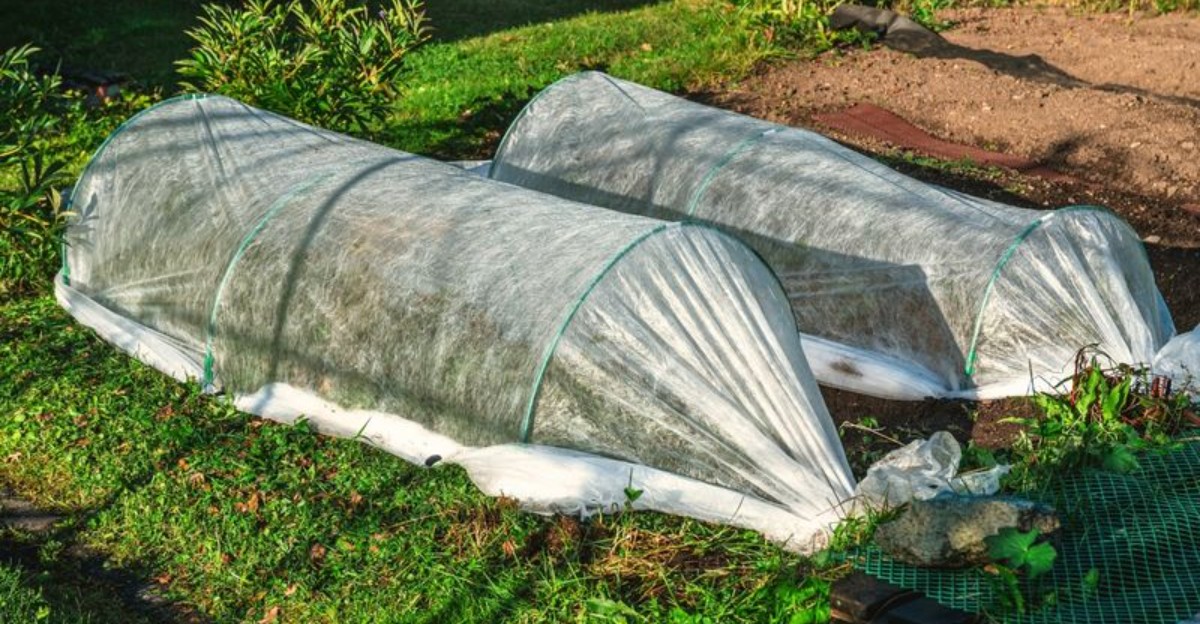
An old bedsheet can be one of the most useful garden tools during an early October cold snap. Even city gardens get surprise frosty nights, and a simple cover can protect your plants through a light frost.
Covers work by trapping the warmth rising from the soil, much like a blanket holds your body heat. They often add a few degrees of protection, which is usually enough on a light frost night.
Old sheets, burlap, cardboard boxes, and store-bought frost cloth all do the job nicely in a pinch. Skip thin plastic touching the leaves, since cold passes right through it and can damage tender foliage.
Drape the cover all the way to the ground so the soil’s warmth stays trapped underneath all night. Weigh down the edges with bricks or rocks, because a sneaky breeze can lift them overnight.
Timing matters a lot, so cover plants in the late afternoon while the ground still holds heat. Remove covers the next morning once temperatures climb, or your plants may overheat under the heavy fabric.
Watering the soil a day before a cold night is another clever trick many gardeners overlook. Moist ground holds more heat than dry ground, so it releases extra warmth as evening temperatures drop.
Gallon jugs filled with water and set between plants can act like tiny heaters after dark. Paired with the extra warmth of the city, these simple tricks can help extend your harvest a little longer.
A Fall Garden Plan Built Around City Warmth
Smart city gardeners treat their extra warm weeks like a gift card that expires sometime in November. Spending it wisely means choosing crops and timing that fit the warmth your neighborhood actually provides each autumn.
Early October is still a fine time in Missouri to sow quick crops like radishes, spinach, and baby lettuce. In a warm St. Louis yard, these speedy growers often mature before hard freezes settle in for winter.
Garlic cloves can go into the ground from mid October through early November for next year’s harvest. City gardeners can usually plant toward the later end, while farm town growers should aim a bit earlier.
Kale, collards, and carrots also love cool weather, and a light frost can even sweeten their flavor. Plants turn some starch into sugar when nights turn chilly, which works like a natural antifreeze inside leaves.
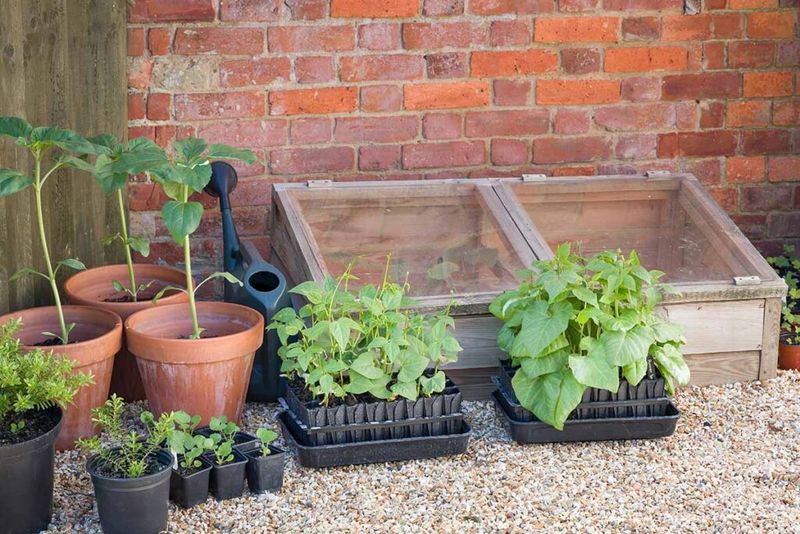
Place your most tender crops in the warmest corners, such as beside a brick wall or patio. Save open, breezy spots for tough greens that shrug off cold mornings without much fuss at all.
Raised beds warm up faster than flat ground, and dark mulch around plants helps hold extra heat. A simple cold frame made from old windows can keep salad greens growing well into early winter.
Over time, matching your plans to your own microclimate turns frost from a worry into a scheduling detail. Your city garden may not beat every farm field, but it often wins the late season race.