A Native Giant That Once Numbered In The Billions Is Dropping Its Spiny Fruit Again In Parts Of New Jersey This Month
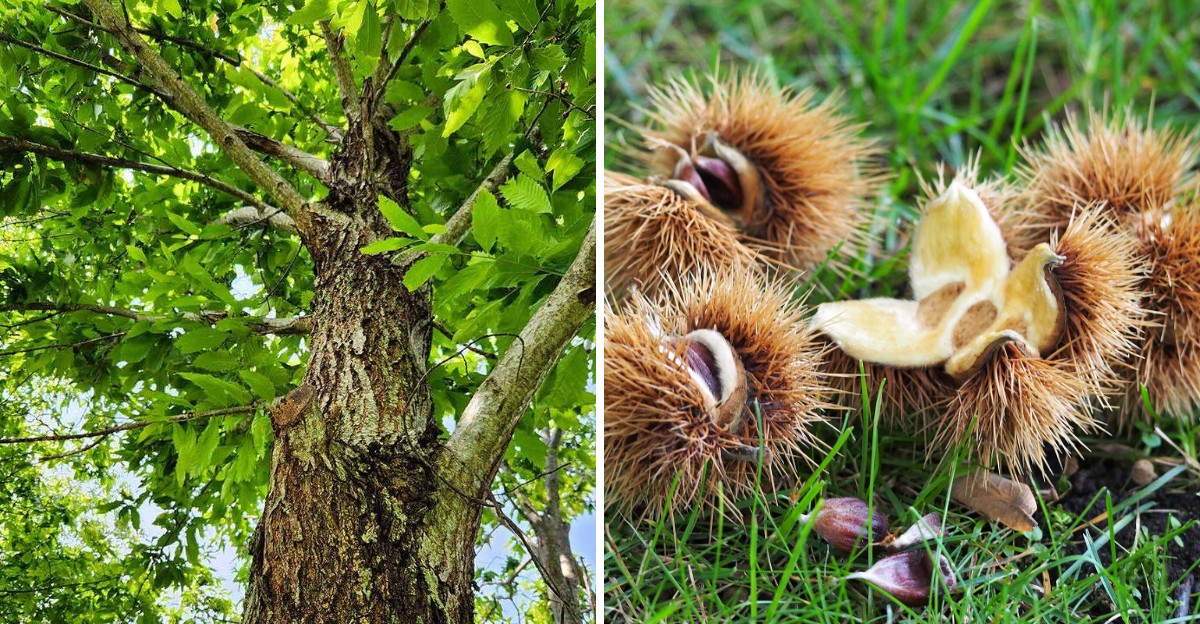
Watch your step, because a prickly green burr waits beneath your sneakers. You are walking through a forest once dominated by chestnuts.
American chestnuts were a dominant tree in these woods, numbering in the billions and towering above the canopy. Your ancestors roasted the nuts, fattened pigs on them, and framed barns from the timber.
Then a fungus sailed in from overseas. Within decades, it removed a major forest tree from most of its range.
Stubborn trees held on, though, and some now fruit again in New Jersey. Imagine the sweet, nutty aroma that drifted through city streets each autumn.
Perhaps your grandparents still describe that smell with misty eyes. Squirrels love the nuts too.
They wait by the trunks, tiny forks ready. Claim the prize sooner by scanning the leaf litter in New Jersey.
Look for burrs parted wide, with glossy brown nuts gleaming inside. Soon your pockets may fill with nuts.
American Chestnut Burs Reappear In Some New Jersey Woods
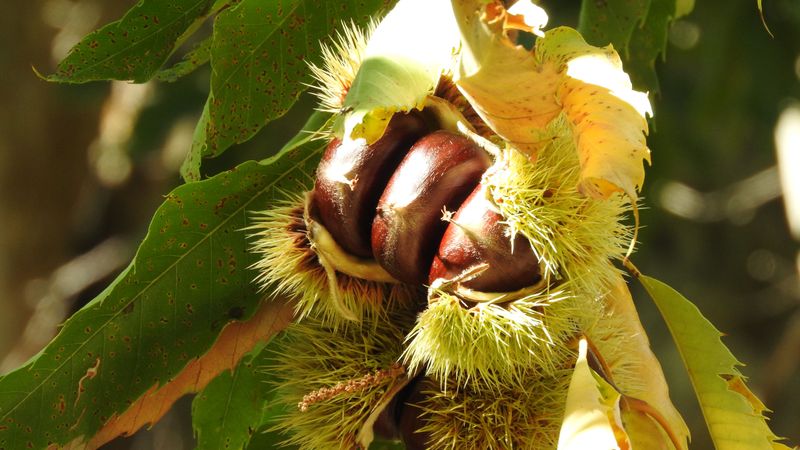
Picture a trail in a New Jersey park with a spiky green ball sitting right on the path. You may have just met a chestnut bur, though it could come from a native, hybrid, or Chinese chestnut.
Scattered survivors and planted trees in parts of New Jersey may be producing nuts again this October. Most are young trees sprouting from old roots, but a lucky few grow tall enough to fruit.
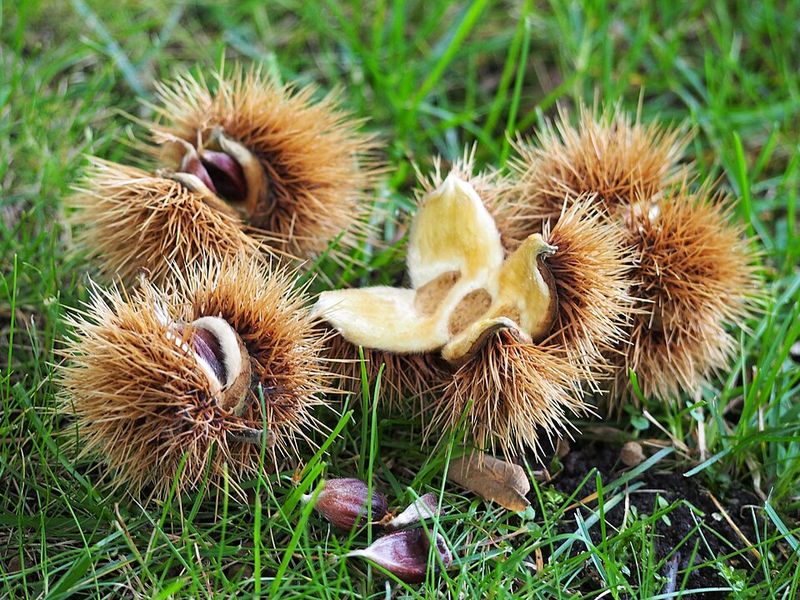
The burs split open in four sections as they ripen and fall. Inside, you will usually find two or three shiny brown nuts with a fuzzy tip.
American chestnuts are smaller than the grocery store kind, often about the size of a thumbnail. Their flavor is sweeter, though, and some people compare it to a mix of corn and candy.
Spotting a fruiting tree is a bigger deal than it sounds. Wild American chestnuts that make nuts are rare because most get sick before they mature.
Some of the best places to look include old woodlots, hillside parks, and state forests in North Jersey. Conservation groups and research programs also maintain test orchards in the region.
Wear sturdy shoes and bring gloves if you plan to pick up burs. The spines are sharp enough to poke through thin cloth, so thick leather works best.
Check park rules before you collect anything, since some parks and state forests prohibit removing plants or nuts.
If you find a tree, snap a photo of the leaves and burs. Experts welcome reports like yours because each surviving tree helps the larger recovery effort.
Leave a few nuts behind for wildlife too. Deer, turkeys, and squirrels count on this fall feast just as much as we do.
A Fungus From Asia And The Great Collapse
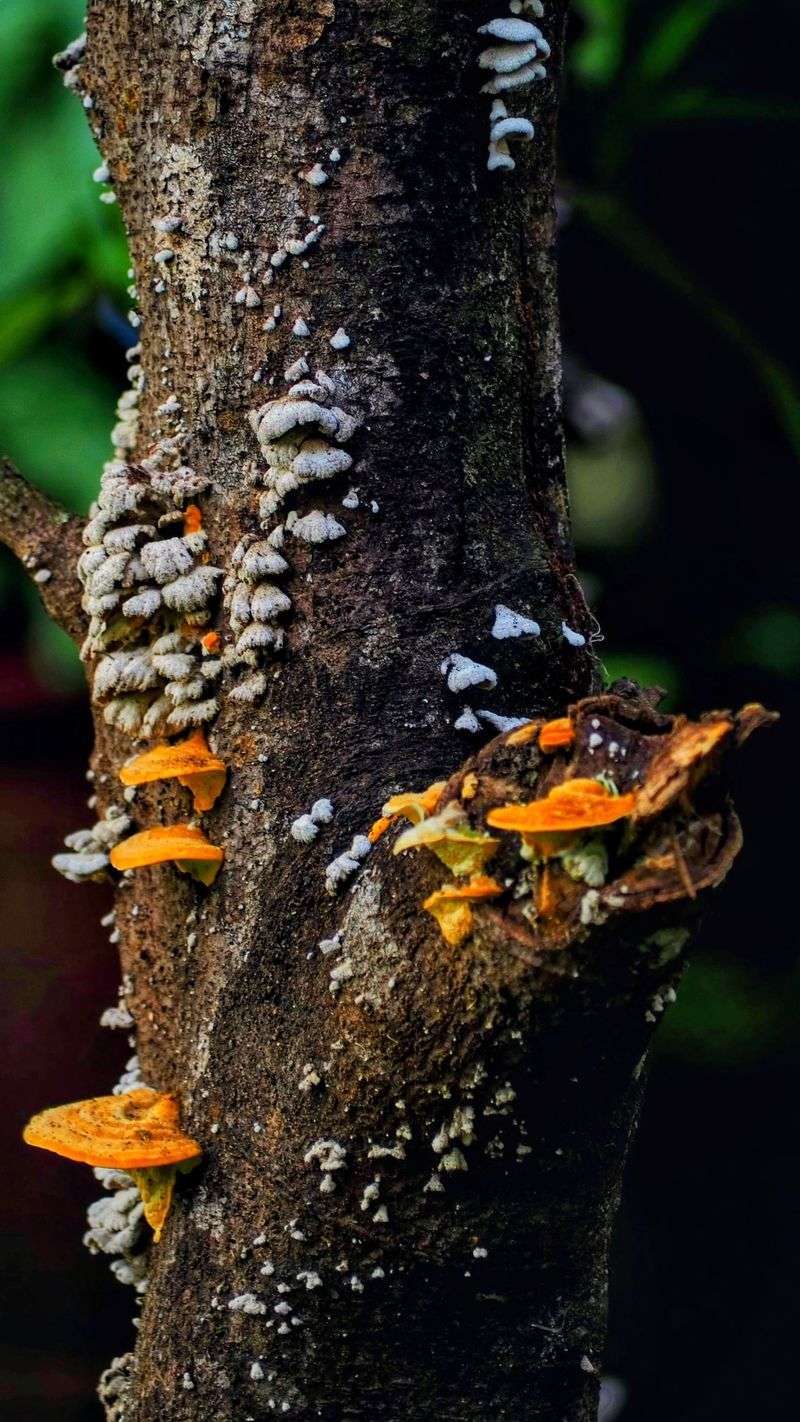
Back in 1904, a forester at the Bronx Zoo noticed odd orange spots on a chestnut tree. Few guessed that tiny patch would change forests across the eastern United States.
The culprit was chestnut blight, a fungus that likely arrived on nursery trees imported from Asia. Asian chestnuts had grown up alongside it, so they could handle the infection.
Your New Jersey Garden Changes Every Week. Your Plan Should Too.
Gardening in New Jersey changes quickly throughout the season. Every Friday you’ll receive a simple weekly plan showing exactly what to plant, prune, fertilize, harvest, and protect so you never miss the right timing.
American chestnuts had no such defense. The fungus slipped into bark cracks and formed cankers, sunken wounds that girdle the tree.
Spores spread on wind, rain, birds, and even insects crawling from branch to branch. Within about forty years, an estimated three to four billion trees had been lost across their native range.
New Jersey’s chestnuts declined early, likely because the state sits close to where the blight was first found. By the 1920s, blight had spread widely through the region.
Notably, the blight harms only the parts above ground, so the roots often survive and keep sending up sprouts.
Those sprouts can grow for ten or twenty years before the fungus finds them again. That is why you may spot chestnut leaves in the woods but rarely see a big trunk.
Learning this history helps you understand what a fruiting tree really means. Each one is a hopeful sign of recovery after a fungus reshaped the American landscape.
Look for orange dots or split bark on any chestnut you find. Those clues tell scientists the blight is present and help them track its spread.
October Timing For Burs And Nuts
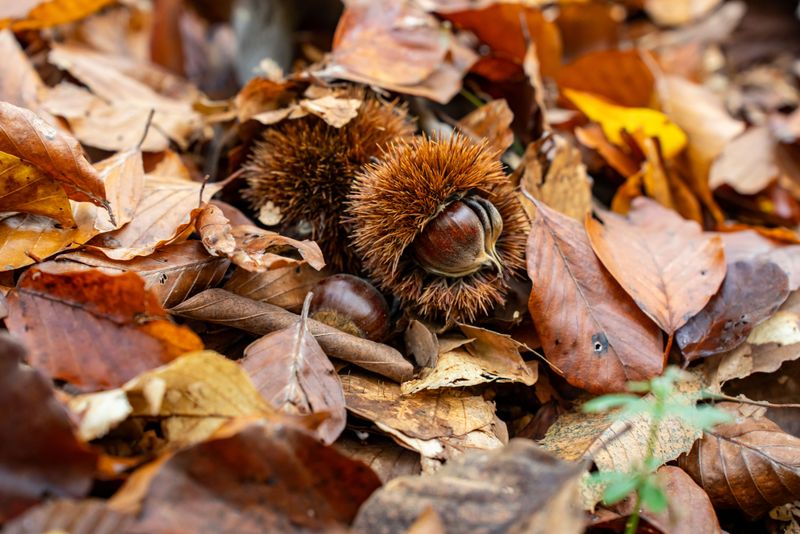
Fall foragers in New Jersey have a short window, and October is the sweet spot. American chestnut burs usually ripen from late September through the middle of October.
The process starts back in June, when the trees bloom with long, creamy flower spikes. Those blossoms have a strong smell that some people compare to old gym socks.
Over the summer, pollinated flowers swell into green burs covered in needle-like spines. By early fall, the burs turn yellowish brown and start to crack open.
A good frost or a windy night often sends them tumbling down. Walk under a fruiting tree after a storm, and the ground can look like a pincushion.
Speed matters once nuts hit the ground. Squirrels, blue jays, and chipmunks gather them quickly.
Check trees every day or two during peak season for the freshest finds. Collect nuts that feel firm and heavy, and skip any with tiny holes from weevils.
Fresh chestnuts dry out quickly, so store them in a bag in the refrigerator. Kept cool and slightly moist, they stay good for several weeks.
Planning to plant one? Keep the nut chilled until spring, which mimics a winter on the forest floor.
Roasting is the classic choice for eating them. Cut a small X in each shell first, or the nuts may burst in the oven.
Mark your calendar for next year once you find a good tree. Most chestnuts fruit on a similar schedule each fall.
The Lookalike Mistake With Horse Chestnuts
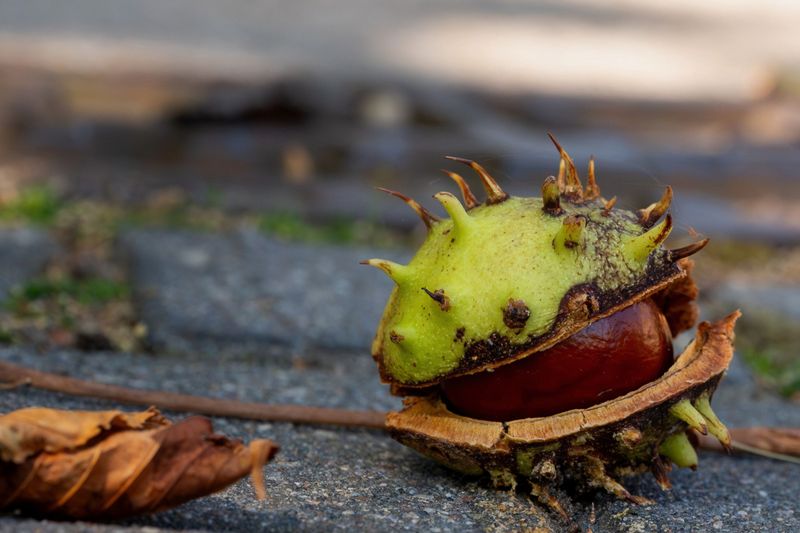
Not every spiky ball on a New Jersey sidewalk belongs to an American chestnut. Plenty of folks have picked up the wrong nut by mistake.
Horse chestnuts are the most common lookalike. Planted in many towns, they drop shiny brown nuts that look tasty but are toxic.
Eating one can cause stomach pain, vomiting, and other serious problems. Pets can get sick from them too, so keep curious dogs away.
The easiest way to tell them apart is the husk. Horse chestnut husks have short, stubby bumps, while American chestnut burs bristle with long, sharp needles.
Look at the nut itself next. Real chestnuts have a pointed tip with a little tassel, and horse chestnuts are round and smooth.
Leaves give another strong clue, since horse chestnut leaves look like an open hand. American chestnut leaves are long single blades with saw-tooth edges.
Chinese chestnuts can also fool you, though they are safe to eat. Their leaves are wider and fuzzy underneath, while the American kind has smooth, hairless leaf backs.
Hybrid trees mix traits from both species, which makes sorting them tricky even for experts. Taking clear photos of leaves, twigs, and burs makes identification much easier.
When in doubt, do not eat it. Ask a county extension office or a local nature center to confirm what you found before tasting anything.
Spending two minutes checking your find beats spending the evening with an upset stomach.
Science And Volunteers Behind The Comeback
Restoring a tree species takes teamwork. Scientists, farmers, and backyard gardeners across the country are teaming up to bring chestnuts back.
The American Chestnut Foundation has spent decades crossing American trees with blight-resistant Chinese chestnuts. Each generation is bred back toward the American side to keep its tall, straight shape.
Another team at SUNY in New York added a wheat gene that helps trees neutralize the fungus. That research hit a setback in 2023, when the main line was found to be misidentified.
A third approach uses tiny viruses that weaken the blight itself. Treated cankers sometimes heal over, letting a tree keep growing for many more years.
Volunteers across several states hunt for surviving wild trees. When they find one that flowers, they hand-pollinate it to make new seeds with local genes.
Pollination days look a little silly, with people on ladders tying paper bags over flowers. Those bags keep stray pollen out so scientists know exactly which parents made each nut.
You can help even without a lab coat. Report wild trees through the foundation website, or join a local orchard planting day this fall.
Students can get involved too. Some schools grow chestnut seedlings in classrooms and later plant them at parks and nature preserves.
Every report adds a dot to the map. Together, those dots show researchers where recovery is progressing best across the state.
A Future Forest Worth Planting For
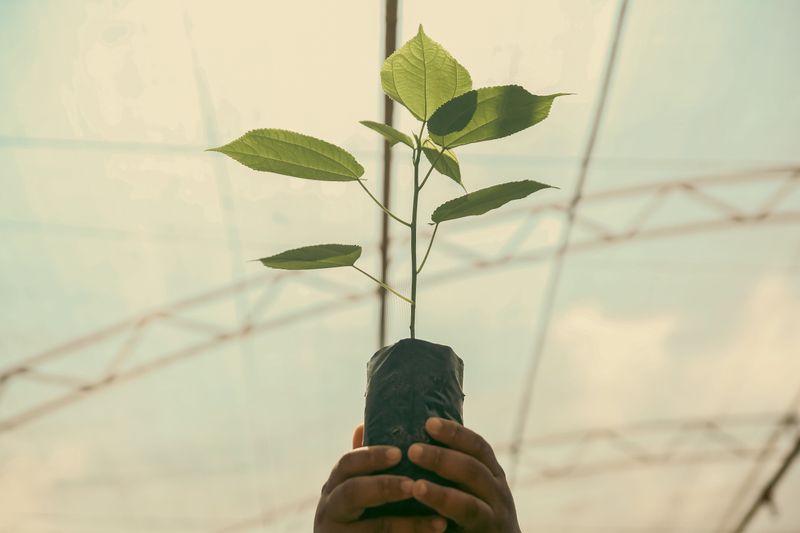
Imagine walking a New Jersey trail in fifty years and finding chestnuts along the path. That dream is the whole reason people plant these trees today.
Planting your own American chestnut is a fun October project. Pick a sunny spot with well-drained, slightly acidic soil, since soggy ground causes root rot.
Plant two or more trees close enough to cross-pollinate, and check the foundation’s spacing guidance. Choose blight-tolerant stock from groups like the American Chestnut Foundation, since pure American trees usually become infected.
Chestnuts need a partner for pollination, so a single tree will rarely make nuts. Protect young seedlings with a wire cage or tree tube. Deer and rabbits often browse tender chestnut bark, and mice often dig up planted nuts.
Keep tools clean when pruning to avoid spreading blight spores. Avoid nicking the trunk with a lawn mower too, because any wound gives the fungus a doorway.
Watch for cankers each spring and summer. Swollen, split, or orange-spotted bark is a sign to contact a chestnut expert for advice.
The rewards reach far beyond your yard. Chestnuts once fed bears, deer, turkeys, and many insects, and their return could benefit wildlife and forest health.
The wood also resists rot and grows fast, which made it a favorite for fences and cabins. Future generations may get to build with it again.
Patience is part of the deal. Many trees need several years, sometimes longer than eight, to make their first burs, so plant and enjoy the wait.
Someday a kid may find a spiky bur under a tree you planted. That little moment could be your best gift to New Jersey.