The Safe Window For Removing Attic Bats In New Jersey Closes On October 15
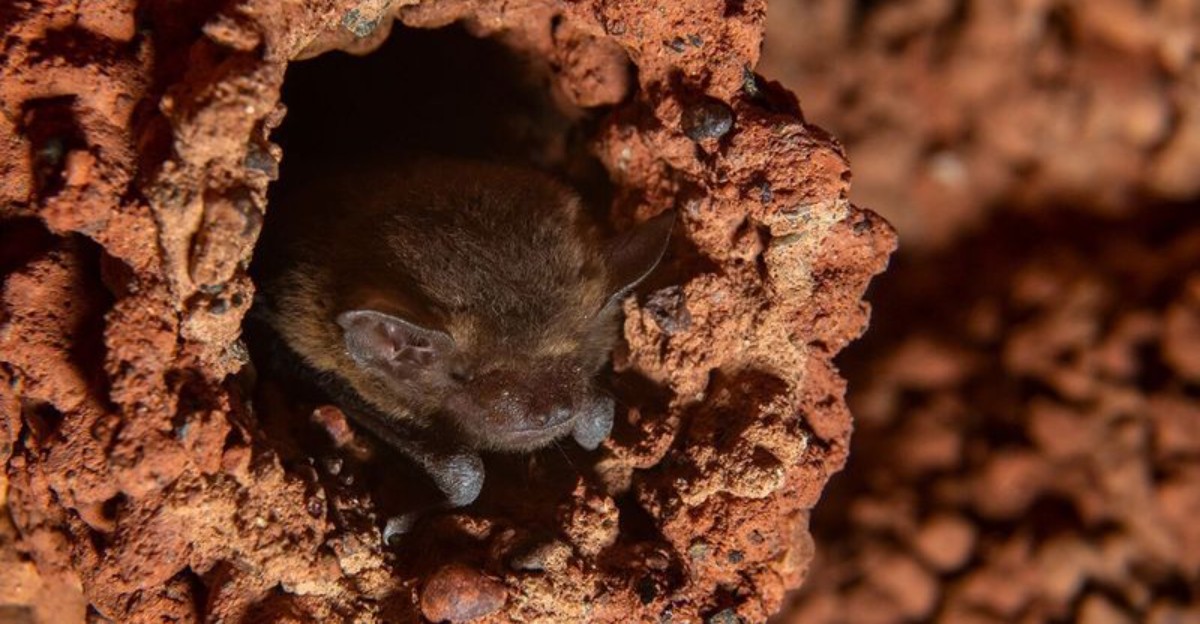
Your ceiling just squeaked back at you. Houses settle quietly, so that rustle above your bedroom deserves suspicion.
Then a sharp, musty smell creeps through your vents. At dusk, you spot small shadows streaming from beneath your roof edge.
Those shadows are bats, and they squeeze through gaps narrower than your thumb. Neighbors may call them lucky, while your cousin phones a priest.
Ignore both opinions and check your calendar instead. Female bats gather in New Jersey attics each spring to raise pups.
Pups stay grounded until midsummer, so sealing the holes before then traps them inside. New Jersey wildlife officials warn against that mistake during maternity season.
Book professional removal before June arrives, or your guests stay until late summer. They pay no rent, ignore the electric bill, and leave guano that stains your insulation. Circle late May now.
The October 15 Cutoff Before Winter
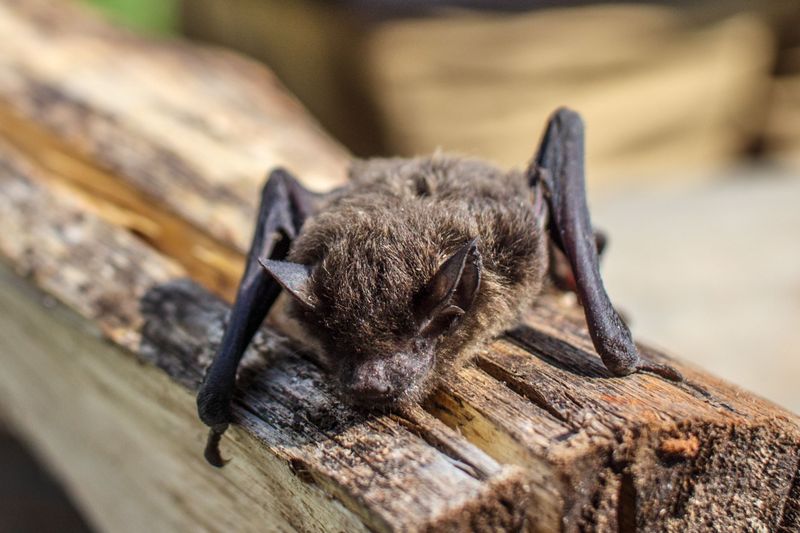
Note October 15 on your calendar, because the safe window for removing attic bats closes that day. New Jersey wildlife officials allow exclusions only outside the summer maternity season.
Plan to finish before that date, since state guidelines allow exclusions only in April and from August 1 to October 15. After October 15, the job waits until spring, and your guests settle in for winter.
The reason is simple and a little sweet. Mother bats gather in warm attics to give birth and raise their babies.
From May through July, those babies cannot fly or feed themselves. Removing the adults during this stretch would trap flightless pups inside your walls.
Nobody wants that outcome, and neither does the state. Trapped pups can perish, which causes odor and attracts insects like flies and beetles.
So finishing inside the safe window protects the bats and spares you a much bigger cleanup. Start by watching your roof at sunset to see where bats slip out. Count them if you can, since numbers help a pro plan the work.
Next, call a licensed wildlife control company this week, not next month. Good companies book up fast in autumn, so early calls win the best dates.
Waiting even a few days can push your project past October 15. Then you will spend the winter listening to squeaks above the ceiling.
Act early, and your attic could be quiet by November. That sounds like a far better winter soundtrack.
Summer Pups That Cannot Fly Yet
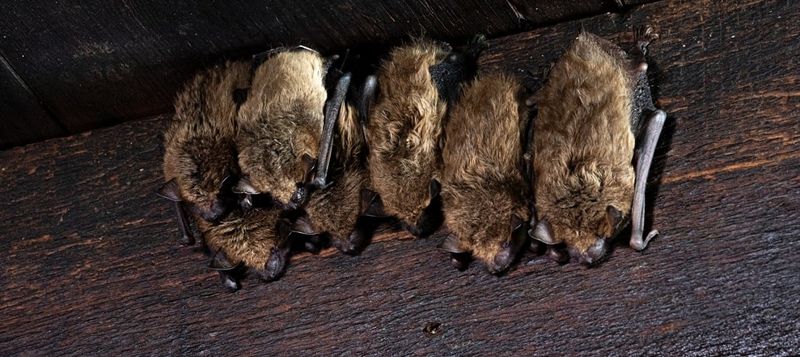
Imagine a baby that weighs about as much as a penny clinging to a rafter in pitch darkness. That is a newborn little brown bat, and its mom leaves it alone each night to hunt.
Most New Jersey attic bats are big brown bats or little brown bats. Females usually have just one pup each year, sometimes two.
Pups are born hairless, pink, and blind, weighing about as much as a penny. They drink milk and grow fast, but flight takes time.
Around three to five weeks old, pups finally start flapping and testing short flights. By late July, most can hunt insects on their own.
Your New Jersey Garden Changes Every Week. Your Plan Should Too.
Gardening in New Jersey changes quickly throughout the season. Every Friday you’ll receive a simple weekly plan showing exactly what to plant, prune, fertilize, harvest, and protect so you never miss the right timing.
Until then, they depend on mom for every single meal. If she cannot get back inside, the pup has no backup plan.
Colonies in one attic can hold dozens or even hundreds of mothers. That means a single sealed hole could strand a whole nursery.
Bats also matter more than many people realize. One bat can eat hundreds of insects, including moths and beetles, in a single night.
Farmers and gardeners in the Garden State benefit from that natural insect control. Several bat species here have also lost huge numbers to white-nose syndrome.
Protecting pups helps these struggling populations bounce back. Each healthy baby is a small win for local wildlife.
So if you hear faint chirping in early summer, that is the nursery at work. Patience now means a cleaner, safer exit later.
Grab some earplugs, lower your expectations for quiet, and remember the noise will not last forever. By August, the kids will be ready to move out.
Guidance From New Jersey Wildlife Officials
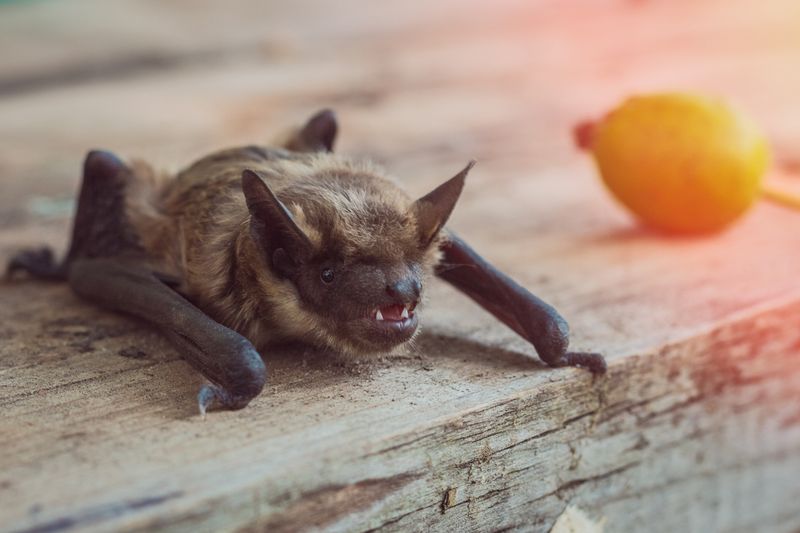
Bats in New Jersey are protected wildlife, even when they live in your house.
The NJ Division of Fish and Wildlife sets guidelines for safe bat removal. Their advice says exclusions should not happen during the summer maternity season.
That season runs from May through July, and the safe window for exclusion is August 1 through October 15. Some species, like the endangered Indiana bat, get even stronger federal protection.
Harming protected bats can bring fines and serious legal trouble. Poison and sticky traps are not permitted for bats, either.
Qualified wildlife control operators know these rules inside and out. Hiring one keeps you on the right side of the law.
Ask any company you call whether they follow state bat guidelines. A good pro will mention the maternity season without being asked.
Paperwork matters as well, so request a written plan and price. Clear notes protect you if questions come up later with neighbors or insurance.
Local health departments get involved too, mostly because of rabies concerns. Only a small share of bats carry rabies, but caution is smart.
If anyone in your home wakes up with a bat in the room, call your health department. They can guide you on testing and next steps.
Following the rules may feel like extra hassle. In reality, it keeps your family safe and your wallet happy.
Think of the state guidelines as a referee who keeps the game fair for everyone. Bats get their nursery time, and you get a clear legal path.
The Big Mistake Of Sealing Every Hole
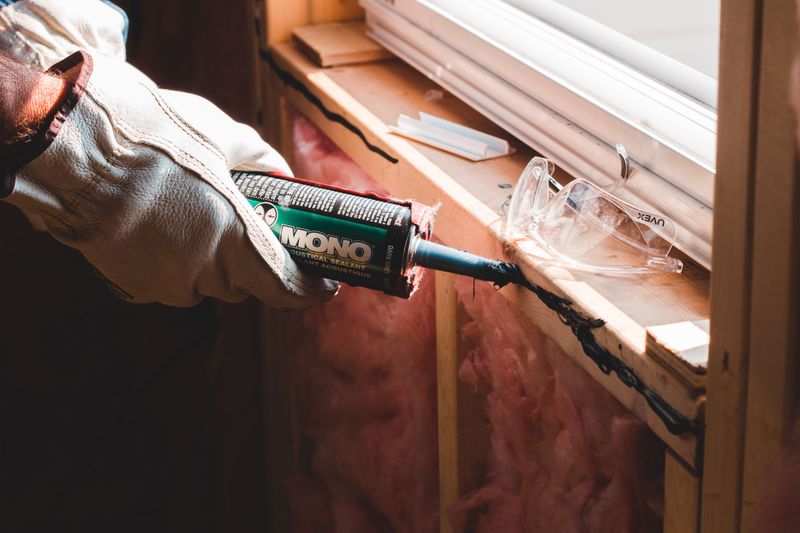
Imagine a well-meaning homeowner who grabs a caulk gun and seals every crack on the roof. Within days, the house develops a strong odor.
Sealing holes while bats are still inside is a common mistake among homeowners. Trapped bats search for any other way out.
Some squeeze into your living space through vents, light fixtures, or gaps around pipes. Others become trapped in walls, which causes a strong odor.
Cleanup then means cutting into drywall, which costs far more than proper removal. Flies and beetles show up next, drawn to the smell.
A second error is trying to scare bats away with bright lights or loud noises. Bats usually just shift to a darker corner and stay put.
Mothballs and ultrasonic gadgets sound clever, but research shows they do little. Mothball fumes can also bother people and pets in the home.
Avoid handling bats bare-handed. Even a tiny bite can be hard to spot and may need medical care.
The smart move is to leave entry points open until bats are safely out. Find them, mark them, and let a pro handle the next step.
A rushed job in early summer can cause problems. A planned job, done in the safe fall window, works far better.
Wildlife pros often report repairing DIY mistakes. Learning from those stories can save you time and money.
Set the caulk gun aside until the bats are out and exclusion is complete. Your nose, your walls, and your budget will thank you.
One-Way Doors That Let Bats Leave
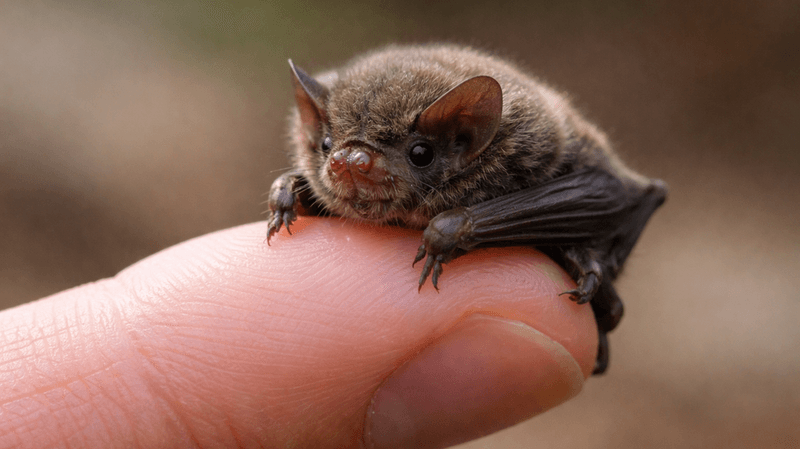
Picture a turnstile at a subway station that only spins one direction. That simple idea is the secret behind safe bat removal.
Pros call it exclusion, and it uses devices often called one-way doors or valves. Bats crawl out at night to hunt, but they cannot crawl back in.
Some devices are mesh tubes, while others are netting draped over the entry gap. Each one lets bats drop out and fly away safely.
First, the pro seals every small gap except the main exit points. Bats can squeeze through a gap as small as three-eighths of an inch.
Next, the one-way doors go over those main exits. Most installers leave them in place for about a week.
That gives every bat a few nights to head out and find a new roost. Watching at sunset helps confirm the attic is empty.
Once the colony is gone, the doors come down and the last holes get sealed. Strong materials like metal flashing or hardware cloth work best.
Costs in New Jersey vary based on house size and the number of entry points. Costs vary widely, so request written quotes from licensed companies.
Ask whether the price includes a warranty in case bats return. A solid warranty shows the company trusts its own work.
Timing matters most of all with this method. Doors must go up early enough that every bat leaves before October 15.
Setting a bat house nearby gives your former tenants a cozy new address. They keep eating nearby insects, just from a respectful distance.
A Quiet Attic And Smart Prevention For Next Year
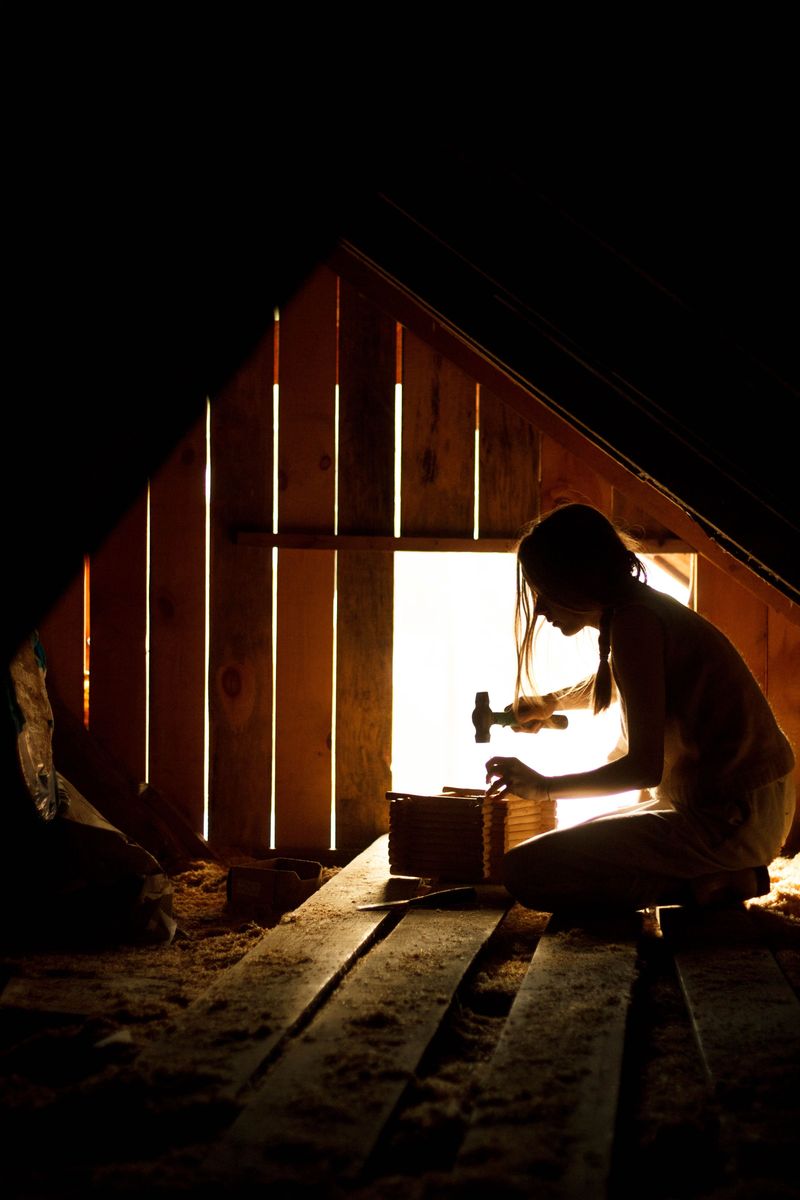
A quiet attic is the sign that exclusion worked. Once the bats are gone, a little cleanup and care keep it that way.
Bat droppings, called guano, can pile up and carry a fungus linked to lung illness. Hire a cleanup crew with masks and gear instead of sweeping it yourself.
Soiled insulation often needs replacing, and the new layer can even lower energy bills. Deodorizing sprays help clear out any leftover musty smell.
Next comes prevention, which is cheaper than any repeat removal. Walk around your home each fall and look for loose shingles or gaps.
Check spots where the roof meets the walls, plus chimneys, vents, and soffits. Screens on attic vents and caps on chimneys block easy entry. Fall is the best time for these fixes, from August 1 to October 15, after pups can fly.
A bat house mounted on a pole or shed gives local bats another option. Hang it at least twelve feet high in a sunny spot. Bats keep helping your yard by eating insects, just not from your ceiling.
Share what you learned with neighbors, since bats can use several buildings in the same area. A block that seals up together stays quieter together.
Next year, you will know the plan and finish well inside the safe window. Your attic stays yours, and the bats stay happily outdoors.