What It Means When A Praying Mantis Settles In Your New Jersey Garden
Stillness on a leaf just revealed a watcher observing your every move. Green eyes track motion with a precision few insects can match. Gardens across New Jersey host these visitors far more often than people realize.
Chance rarely explains why a mantis chose your tomato plant. Ecosystems reveal themselves through the creatures willing to settle there. Insects like this only appear where other insects already thrive.
Balance in your soil and pest population drew it in. Folklore paints mantises as omens, messengers, spiritual guardians. Science paints a sharper picture rooted in opportunity and instinct.
New Jersey’s climate happens to suit these insects perfectly. Backyards become proving grounds most homeowners never notice. Curiosity now demands answers about what this sighting truly signals.
Questions multiply the longer you watch it stare back. Everything about this encounter points toward something larger unfolding. You will not look at your garden the same way again.
Why Praying Mantises Are Showing Up In New Jersey Gardens
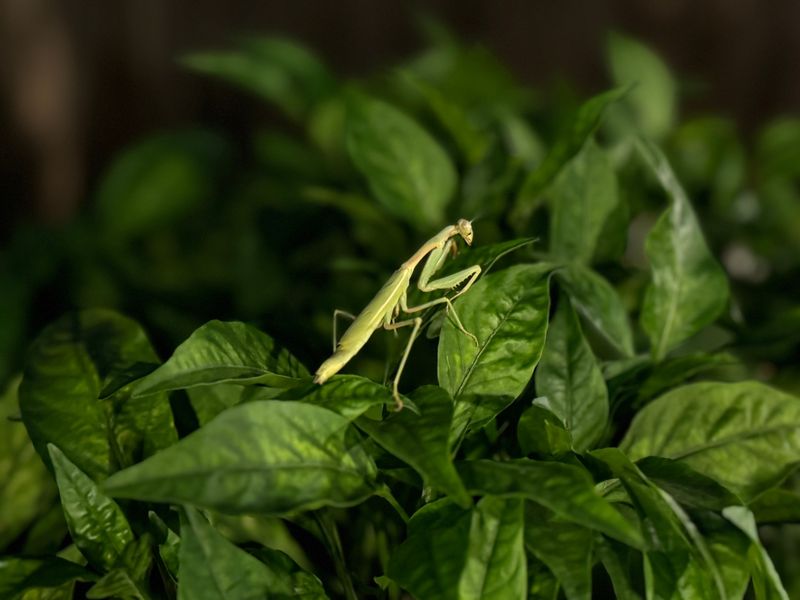
One day your garden is just a garden. The next, there is an unfamiliar-looking insect perched among your pepper plants.
Praying mantises are showing up in New Jersey gardens more often than people realize. Mild summers and dense suburban plantings create ideal conditions for them to thrive.
New Jersey sits in a sweet spot for two main mantis species. The Chinese mantis and the European mantis both call this region home, and both are thriving in backyard gardens across the state.
The Chinese mantis was actually introduced to the U.S. in the late 1800s as a natural pest controller. It arrived in Pennsylvania and quickly spread through the mid-Atlantic, including every corner of the Garden State.
Spotting one on your property is not a coincidence. Mantises choose locations with dense foliage, plenty of sunlight, and a steady supply of insects to hunt.
If your garden checks those boxes, you have created a well-suited habitat for these insects. They are not wandering in by accident.
Gardens with flowering plants, tall grasses, or vegetable beds are especially attractive to them. The more layered your planting style, the more likely a mantis will settle in.
A praying mantis in your New Jersey garden is a sign that your outdoor space is thriving. Your yard has become a full ecosystem, not just a patch of grass with some flowers.
What Their Presence Reveals About Local Insect Populations
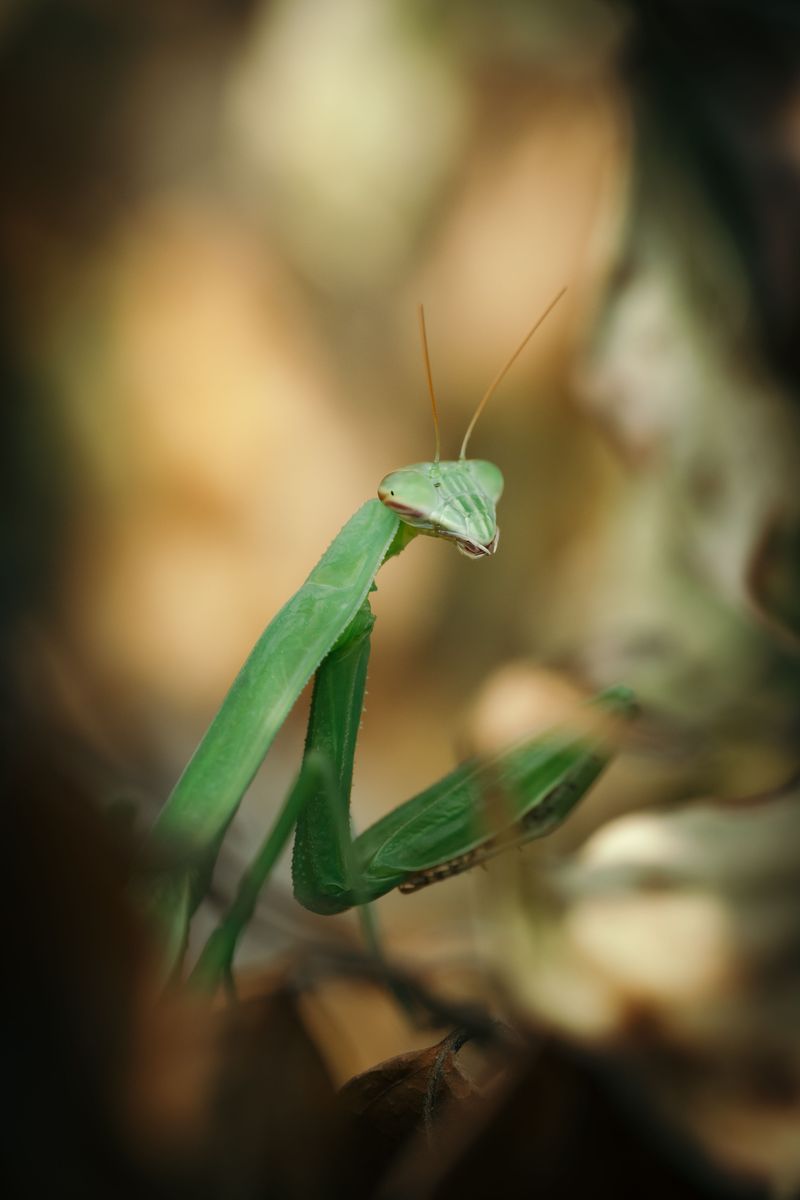
A mantis does not show up where there is nothing to eat. Their presence is a live report on your local insect population.
Mantises are one of the more effective insect predators in your garden. When one takes up residence in your yard, it confirms that a rich and varied bug community already exists beneath your notice.
They feed on grasshoppers, beetles, moths, flies, and caterpillars. A garden with enough of those insects to sustain a mantis is a garden buzzing with biological activity.
This is actually great news for gardeners. A healthy insect population means your plants are being pollinated and your soil food web is functioning well.
Your New Jersey Garden Changes Every Week. Your Plan Should Too.
Gardening in New Jersey changes quickly throughout the season. Every Friday you’ll receive a simple weekly plan showing exactly what to plant, prune, fertilize, harvest, and protect so you never miss the right timing.
Mantises act as a natural check on pest populations. Aphids, whiteflies, and other plant-damaging bugs become part of the menu when a mantis moves in.
Some entomologists consider generalist predators like mantises loose indicators of ecological balance. Their presence or absence tells researchers whether a local environment is ecologically balanced or stressed.
In suburban New Jersey, where pesticide use is common, seeing a mantis is especially meaningful. It often signals that your yard has lower chemical exposure than surrounding properties.
Neighbors who spray heavily are less likely to see mantises, largely due to a reduced prey base.
Your sighting is a quiet confirmation that your garden supports a layered food chain. That is something worth protecting and celebrating in equal measure.
How Garden Plants And Habitat Attract Them
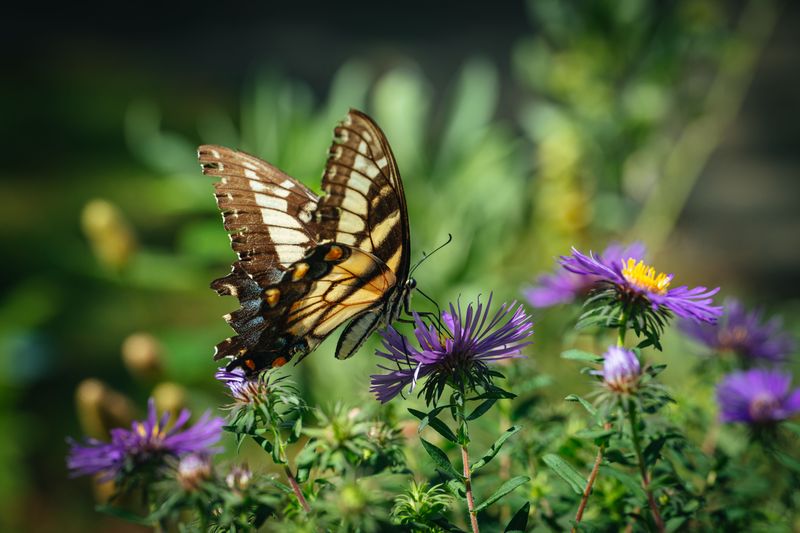
Your garden is either a mantis magnet or a mantis desert. The difference comes down to a few smart planting choices.
Mantises need two things above all else: cover and prey. Dense, layered plantings provide both, and certain plants are especially effective at pulling them in.
Tall flowering plants like marigolds, cosmos, and dill attract the insects mantises love to eat. More prey equals more reason for a mantis to stick around your yard.
Shrubs and ornamental grasses offer the structural cover mantises use for hunting. They are ambush predators, so thick vegetation gives them the perfect place to wait unseen.
Raised garden beds are particularly attractive to them. The combination of warm soil, dense foliage, and high insect activity makes raised beds feel like prime real estate.
Avoiding broad-spectrum pesticides is one of the most powerful things you can do. Chemicals wipe out the prey base and can harm mantises directly through contact or contaminated food.
Water features like small birdbaths or garden ponds also help. Moisture attracts the soft-bodied insects that mantises target, especially in dry summer stretches.
Leaving some areas of your yard a little wild and unmowed creates habitat corridors. Mantises move through these patches to find new hunting grounds.
Building a mantis-friendly garden is really just building a healthier garden overall. Every choice that supports biodiversity makes your outdoor space stronger, more resilient, and far more interesting to watch.
Seasonal Patterns Behind Praying Mantis Sightings
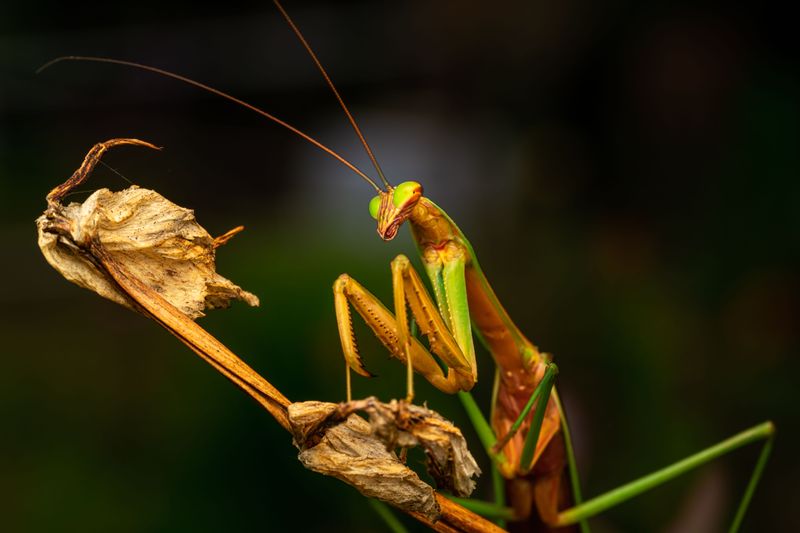
There is a reason you never spot a mantis in March. Their entire life cycle is timed to the warmth and abundance of the growing season.
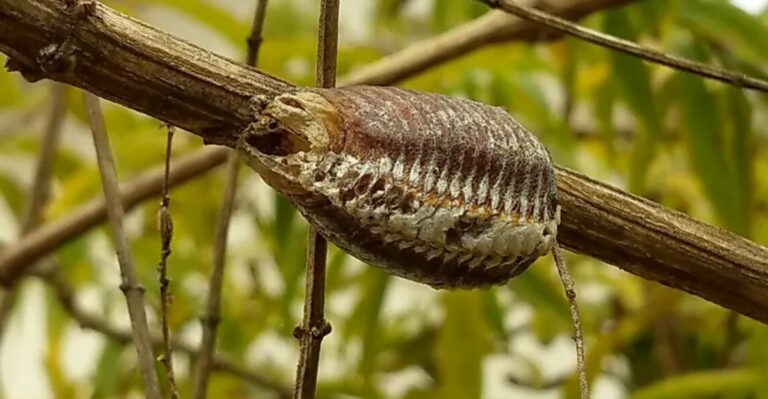
Mantis eggs overwinter inside a papery foam case called an ootheca. These cases are attached to plant stems, fence posts, and garden structures throughout New Jersey.
Nymphs hatch in late spring once temperatures warm consistently, generally above 50 degrees. They emerge tiny and translucent, and they start hunting almost immediately.
Through June and July, young mantises are hard to spot. They blend into green foliage almost perfectly, and they grow quickly with each meal they catch.
By August, mantises reach their full adult size. This is when most New Jersey gardeners have their first dramatic face-to-face encounter with one.
September is peak sighting season. Adults are large, bold, and actively searching for mates, which makes them far more visible than at any other point in their lives.
Female mantises lay their egg cases in September and October. After depositing eggs, adults do not survive the winter, and the cycle resets entirely with the next spring.
Knowing this pattern helps you protect them. Avoid cutting back spent plant stems in fall because ootheca cases are often hidden right where you plan to prune.
A praying mantis sighting in late summer is not just a fun surprise. It is the high point of a full-season story unfolding quietly in your New Jersey garden.
Their Hunting Behavior And What It Signals
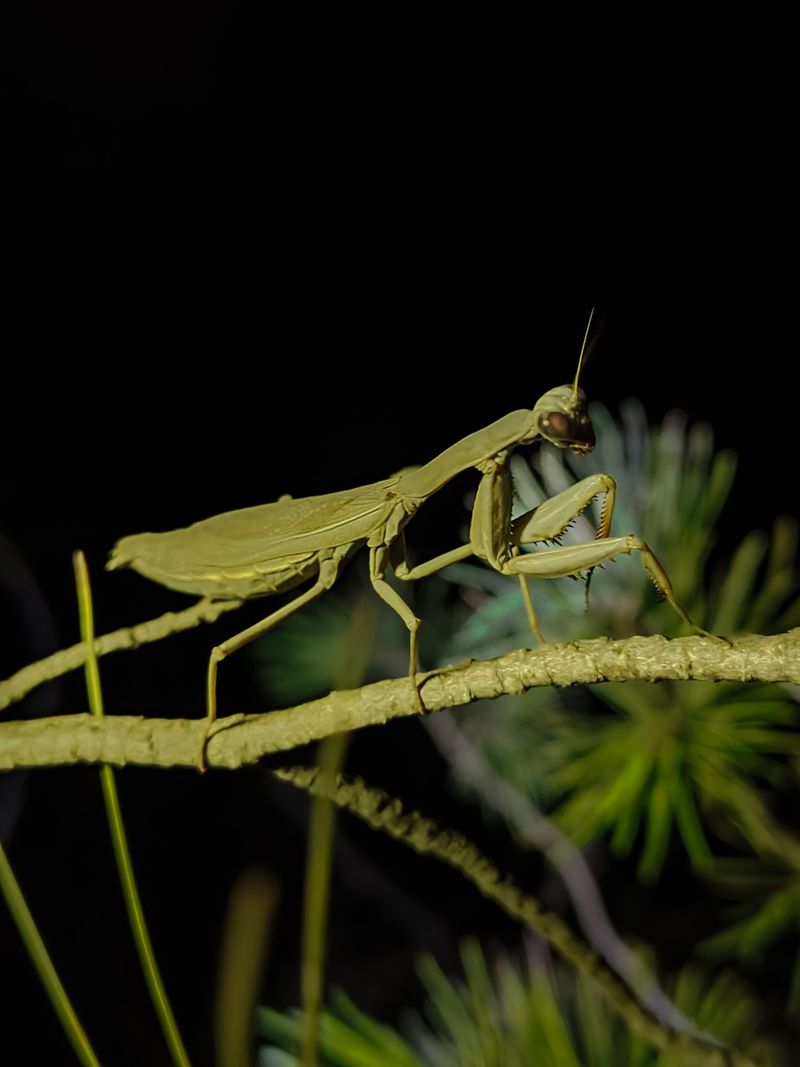
Watching a mantis hunt reveals calculated, deliberate movement. They are precision hunters operating in slow motion.
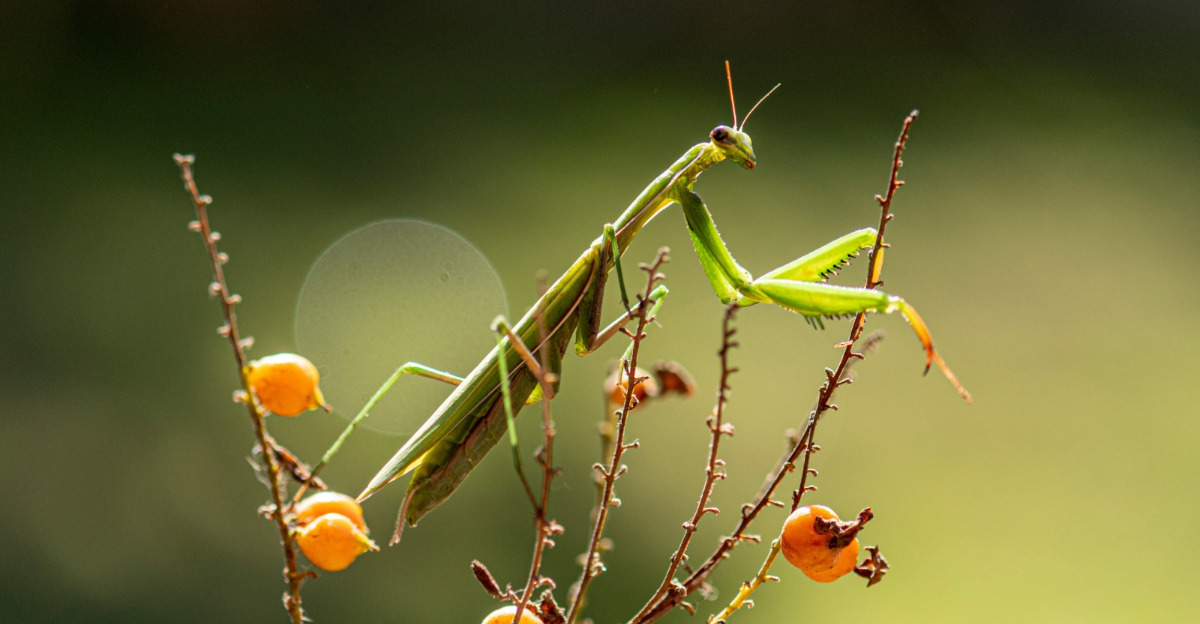
Mantises use a technique called sit-and-wait predation. They hold perfectly still for long stretches, then strike with front legs that move faster than the human eye can track.
That iconic prayer pose is not spiritual. Those folded front legs are specialized grasping limbs, armed with sharp spines designed to grip and hold struggling prey.
Their triangular heads can rotate up to 180 degrees, a trait rarely seen elsewhere in the insect world.
When you see a mantis locked onto something in your garden, pay attention to what it is targeting. The prey it chooses tells you which pest populations are peaking at that moment.
A mantis focused on the undersides of leaves is likely hunting aphids or small moths. One perched near your porch light at night is there for the beetles and flies the light attracts.
Their hunting behavior signals that your garden has reached a functional predator-prey balance. That balance is the mark of a mature, self-regulating ecosystem.
Gardeners who understand this stop reaching for the spray bottle at the first sign of bugs. They let the system work and trust the predators already on patrol.
Watching a mantis hunt is a notable natural behavior to observe. Your garden earned that performance by becoming a place worth hunting in.
What A Mantis Sighting Says About Your Garden’s Ecosystem
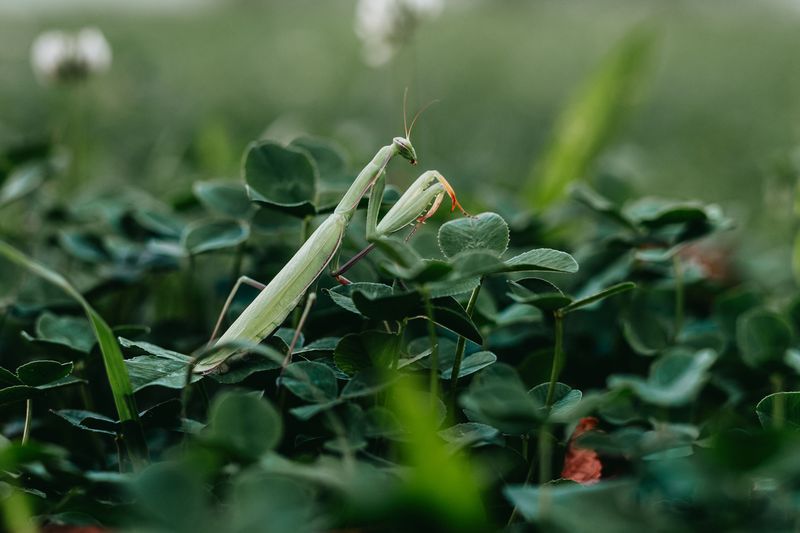
Not every yard attracts a mantis, which reflects favorable habitat conditions. A praying mantis in your New Jersey garden is a living report card. It says your soil, your plants, and your pest management choices are working together beautifully.
Ecosystems function in layers. Decomposers work the soil, pollinators move between flowers, herbivores feed on plants, and predators like mantises keep everything in check from the top.
When that top layer is present and active, the whole system runs more smoothly. Pest outbreaks are shorter, plant stress is lower, and chemical intervention becomes less necessary.
Mantises also attract other beneficial wildlife. Birds that feed on large insects will follow mantis activity, adding yet another layer of natural pest management to your space.
A yard that supports a mantis is also likely supporting beneficial wasps, ground beetles, and spiders. All of those creatures work together without any help from a spray can.
Gardeners who see mantises regularly tend to share one habit: they leave the garden a little messy. Leaf litter, hollow stems, and wild edges create the habitat complexity these insects need.
Resisting the urge to over-tidy is one of the most powerful ecological moves a gardener can make. A slightly wild yard is a deeply alive yard.
The meaning behind a praying mantis in your New Jersey garden is simple. Your garden has met the conditions mantises look for.