What Actually Makes A Georgia Yard Less Inviting To Snakes This Fall
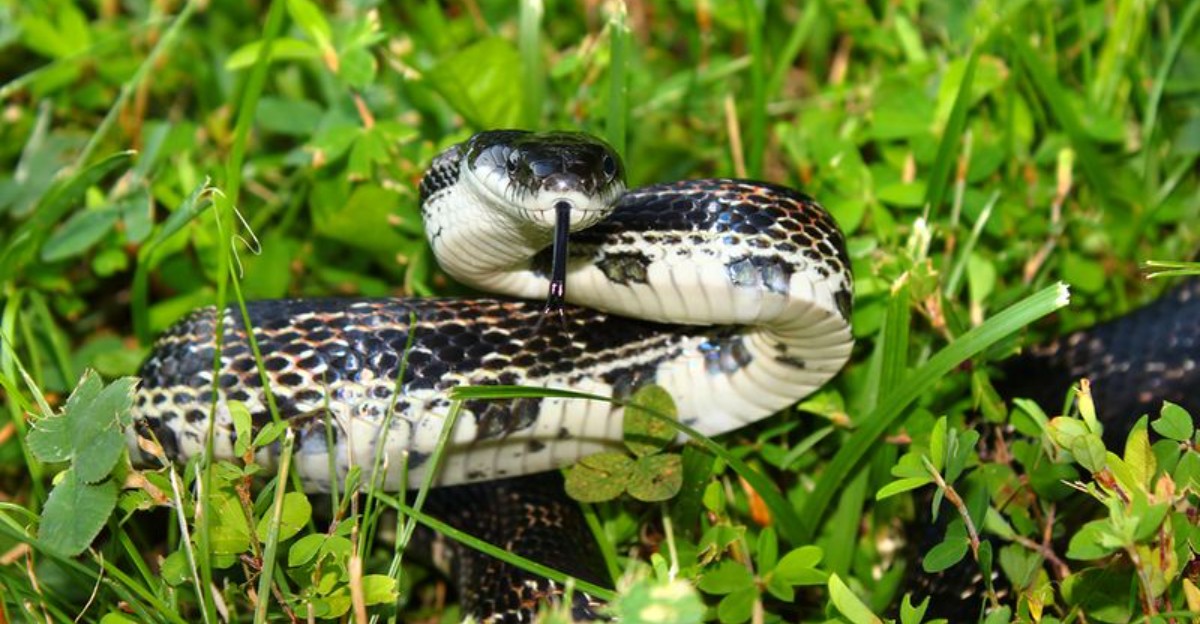
Spotting a snake near the garden shed can send you straight to the hardware store looking for a quick fix.
The shelves there hold plenty of products that promise to keep snakes away for good.
Many of those products have little solid evidence behind them, though. Snakes tend to show up for simpler reasons that repellent will not change.
Most of those reasons come down to food and shelter, and your yard may be offering both without you realizing it.
Fall can make that more noticeable in Georgia, since many snakes are searching for a place to spend the winter. A cluttered corner that went unnoticed in summer can start to look appealing.
Walk your property with that in mind, and pay attention to spots that stay dark and undisturbed.
1. Repellent Granules And Mothballs Are Not A Reliable Solution
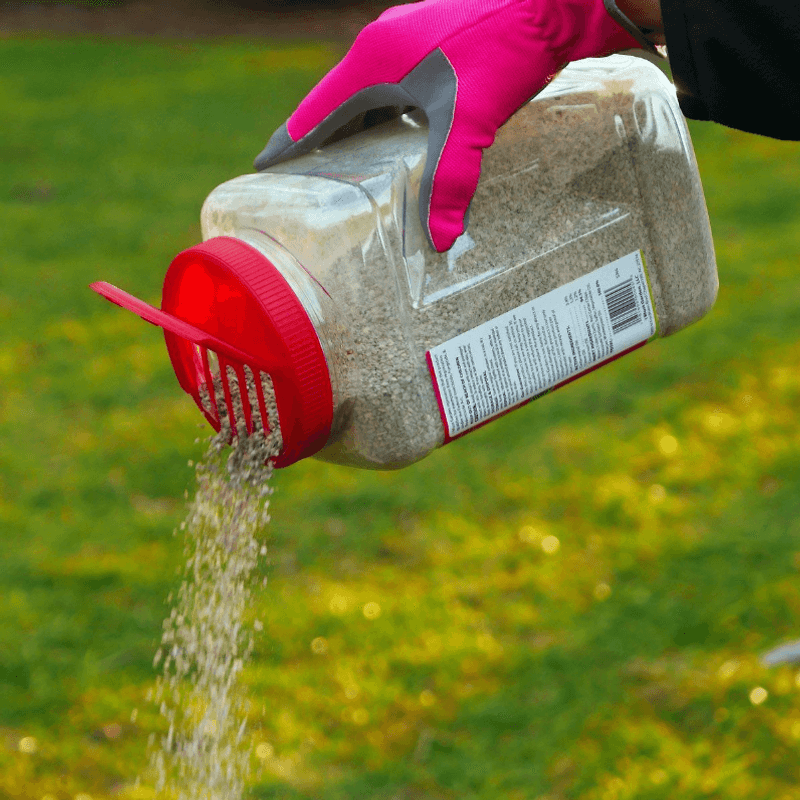
Shaking granules around the yard feels like progress, but snakes rarely seem to care. Products sold as snake repellents have a weak track record in real backyard conditions.
Snakes sense their world mostly through smell and vibration, yet strong odors do not reliably push them away.
Mothballs are a bigger concern. They contain chemicals like naphthalene or paradichlorobenzene, and their labels only allow use in sealed containers for clothing.
Scattering them outdoors breaks those label directions and can harm pets, children, and soil.
Rain also washes granules away quickly. Georgia gets plenty of fall showers, so any scent barrier fades long before you might expect it to.
Some homeowners say a product worked for them, and that may be true in their situation. A snake might have simply moved on because food ran out or the weather changed.
Spending money on repeat bags can also distract from steps that make a real difference.
A better plan starts with looking at what draws snakes in to begin with. Shelter, food, and easy access points matter much more than any smell you sprinkle on the ground.
If you still want to try a product, read the label carefully and keep expectations modest. Treat it as a small extra, not your main line of defense.
2. Cooler Weather Makes Protected Shelter Increasingly Important
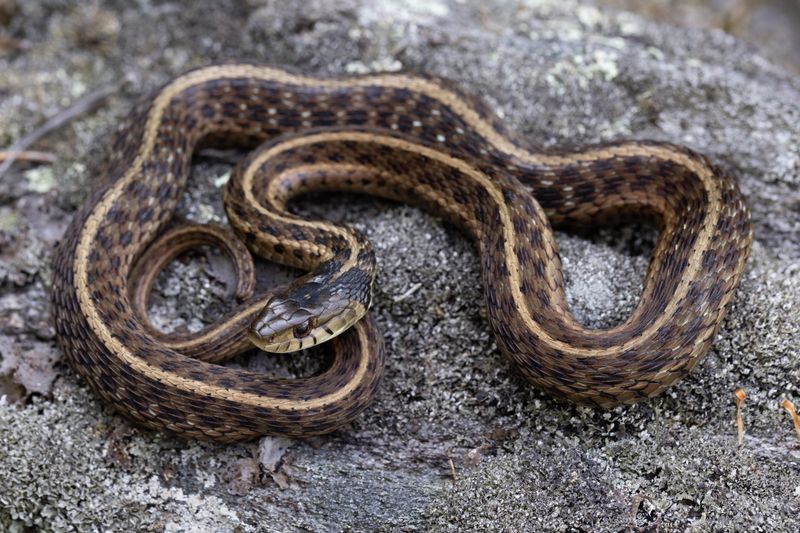
Cold-blooded animals feel every chilly night. Snakes cannot make their own body heat, so falling temperatures push them toward spots that hold warmth.
Rock piles, firewood stacks, and old stumps soak up afternoon sun and stay warmer after dark.
In Georgia, fall days can still feel warm while nights get noticeably cooler. Snakes often bask in sunny spots during the day, then slip into cover as the air chills.
As fall moves along, many snakes start searching for a place to spend the winter.
Those winter sites might include rodent burrows, root holes, stone walls, or gaps under concrete slabs. A snake that finds a cozy spot near your house may stay close for months.
Keep firewood stacked on a rack, at least a foot off the ground and away from the house.
Fill holes near patios and walkways with soil or gravel when you spot them. Check under sheds and decks where cool air rarely reaches the ground.
Your Georgia Garden Changes Every Week. Your Plan Should Too.
Gardening in Georgia changes quickly throughout the season. Every Friday you’ll receive a simple weekly plan showing exactly what to plant, prune, fertilize, harvest, and protect so you never miss the right timing.
Timing matters too, since cleanup in early fall can be easier than later. Working before the coldest weeks gives snakes less reason to settle in your yard for the season.
Wear gloves and sturdy boots while moving piles, and lift items toward you so anything underneath moves away.
3. Low Clutter Gives Snakes More Places To Stay Concealed
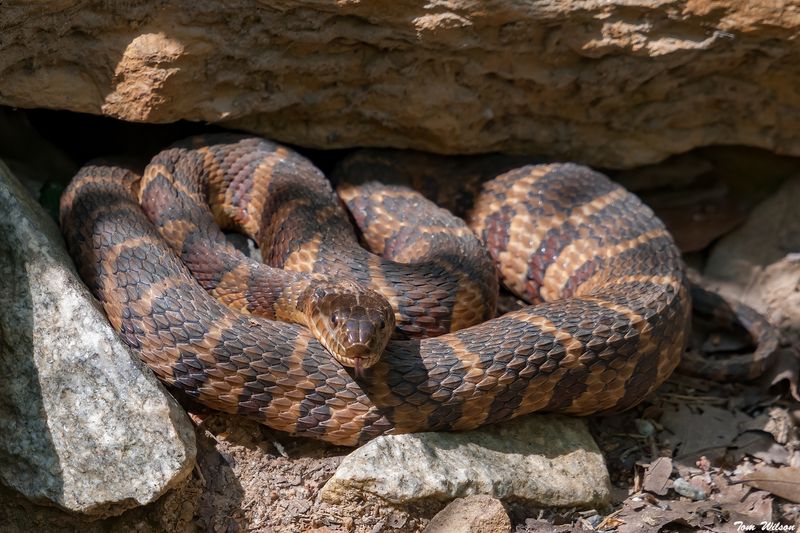
Look along your fence line and count the hiding spots. Old boards, stacked pots, tarps, and leaf heaps all create shady cover that snakes appreciate.
Low clutter close to the ground matters most, since snakes prefer to move while staying hidden.
Tall grass works like a hallway for them. Keeping the lawn mowed to a reasonable height lets you see what is moving around and leaves fewer protected paths.
Fallen leaves pile up quickly once October arrives.
You do not need a bare yard, though. Rake leaves away from walkways and the house, then compost them in a contained bin instead of loose mounds near steps.
Thick shrubs touching the ground can also shelter snakes, so trimming lower branches up a few inches helps open things up.
Unused materials tend to sit for years once they land in a corner. Haul away scrap lumber, broken equipment, and old tires, or store them on shelves off the ground.
Even small changes add up. A yard in Georgia with clear edges and open sightlines simply gives a snake fewer reasons to linger as it passes through.
Pick one area each weekend, and the job will feel much more manageable.
4. Spilled Seed And Pet Food Can Attract Rodents Snakes Feed On
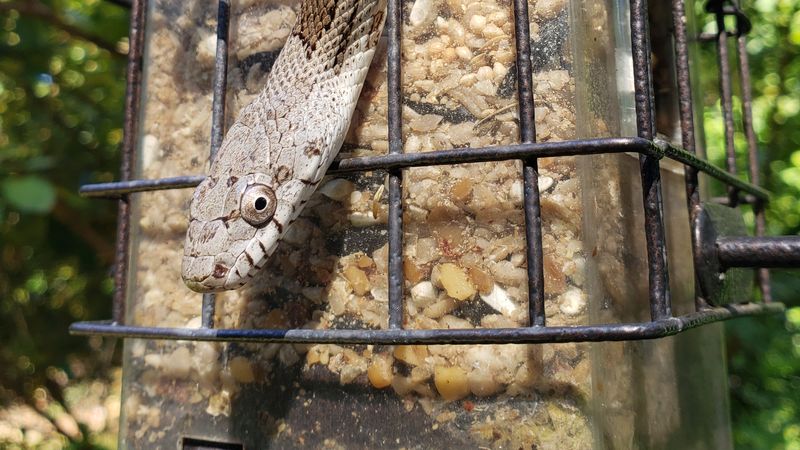
Snakes do not eat birdseed, but mice certainly do. That spilled pile under your feeder can start a food chain right outside your window.
Rats, mice, and chipmunks follow easy meals, and rodent-eating snakes often follow them.
Fall is a busy time for feeders across Georgia as birds stock up for colder months. More birds usually means more seed scattered on the ground below.
Try using a tray under the feeder to catch hulls and dropped seed.
Hulled seed mixes leave less waste behind, and sweeping up below the feeder every few days helps too. If rodents keep showing up, moving the feeder farther from the house is a smart move.
Pet food creates the same problem.
Bowls left outside overnight invite rodents to visit after dark. Feed pets indoors when you can, or bring bowls in once your dog or cat finishes eating.
Storage counts as well. Keep seed and kibble in metal or heavy plastic bins with tight lids, since rodents can chew through bags in a garage or shed.
Fewer rodents will not always mean zero snakes, but it does remove one major reason for them to hang around your home.
5. Sealing Foundation Gaps Removes Potential Routes Into Buildings
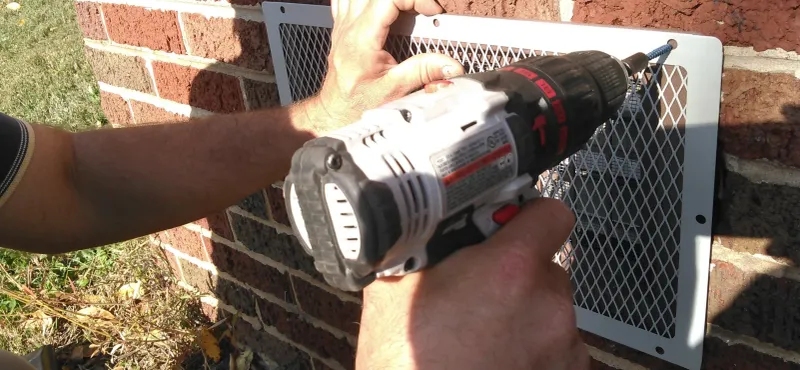
Small gaps can matter more than you think. Some snakes can squeeze through openings around a quarter inch wide, depending on their size.
Walk around your home slowly and look low along the foundation, where most entry points hide.
Common trouble spots include gaps around pipes, dryer vents, air conditioning lines, and crawl space doors. Cracks in older brick or block foundations can also open up over time.
Seal smaller cracks with caulk or expanding foam that is rated for outdoor use.
Larger openings usually need sturdier materials. Hardware cloth with a quarter inch mesh works well for vents, and it still allows air to flow where it should.
Garage doors deserve a close look. Replacing a worn bottom seal can block a surprising amount of space that rodents and snakes might use.
Sheds and detached garages count too, especially if you store seed or pet food inside.
Many homes in Georgia have crawl spaces, and those areas stay sheltered through the cooler months. Making sure crawl space vents and doors close properly is worth a weekend afternoon.
If you find signs of rodents inside, deal with them as well. Sealing gaps works best when nothing inside keeps drawing animals back.
6. Properly Installed Snake Fencing Can Protect Smaller Areas
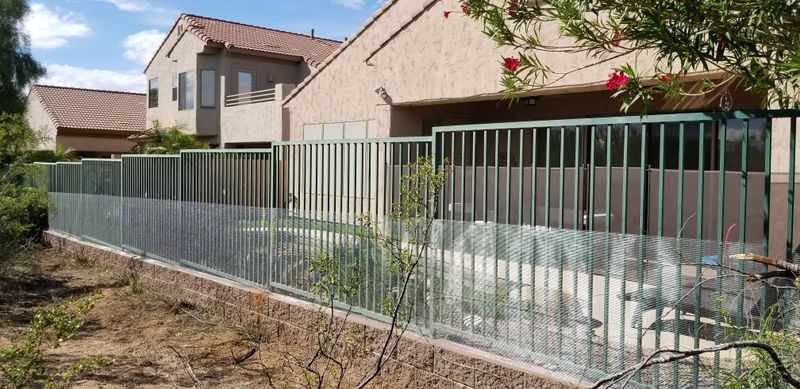
Fencing a whole property against snakes is rarely realistic. A smaller zone, like a play area, garden bed, or patio, is a different story.
Snake fencing usually uses fine mesh or solid material with openings around a quarter inch or smaller.
Height and depth both matter. Fences are often built about 24 to 36 inches tall, with the bottom edge buried several inches so snakes cannot slip underneath.
Angling the top outward can make climbing harder for many species.
Gates are the weak spot in most setups. Any gap under or beside a gate can undo the entire project, so check them carefully after installing.
Plants and debris can also act like bridges over the fence.
Keep the area along both sides trimmed and clear. Overhanging branches or leaning boards give climbing snakes a way across that you might not notice right away.
Results depend on your soil, the snakes in your area, and how well the fence is maintained. Rocky or hard clay ground, which is common in parts of Georgia, can make burying mesh tougher.
Fencing works best alongside cleanup and rodent control, not as a replacement for them.
7. Less Shelter And Fewer Food Sources Make The Biggest Difference
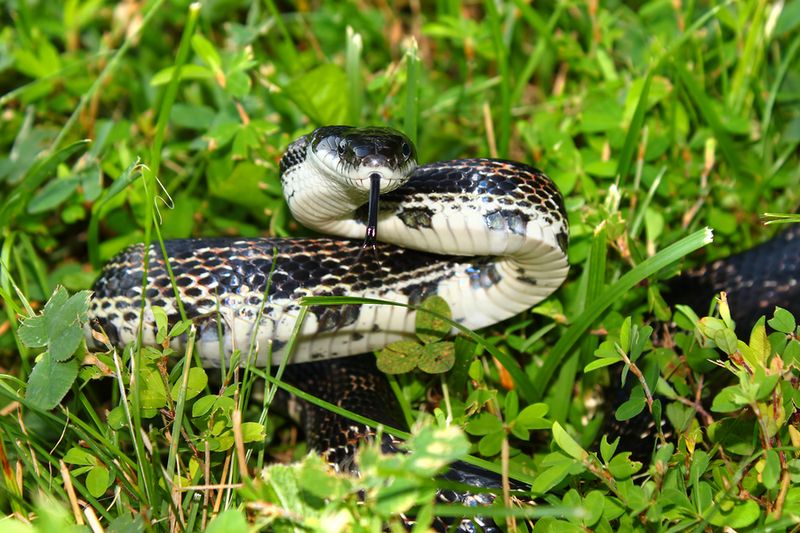
Strip away the gimmicks, and two things remain. Snakes stay where they can hide and where they can eat.
Remove both, and your yard becomes a place they are more likely to pass through rather than call home.
Shelter control means keeping grass trimmed, moving piles off the ground, and clearing junk from corners. Food control means cutting off the seed, pet food, and trash that feed rodents.
Neither step works as well alone.
A clean yard with a rodent problem can still draw snakes looking for a meal. Meanwhile, a yard with no food but plenty of cover may still offer a cozy winter hideout.
Wildlife experts in Georgia generally point homeowners toward these habitat changes first. They cost little, and they also help reduce rodents and other pests around the house.
Keep in mind that snakes play a useful role outdoors, and most species in the state are harmless.
If you spot one, give it space and let it move along. When you are unsure about a snake or one ends up indoors, a licensed wildlife removal professional can handle it safely.
Steady habits through fall usually do more than any single quick fix you could buy at the store.