Why Raised Beds Cool Faster Than In Ground Beds On Clear Fall Nights In North Carolina
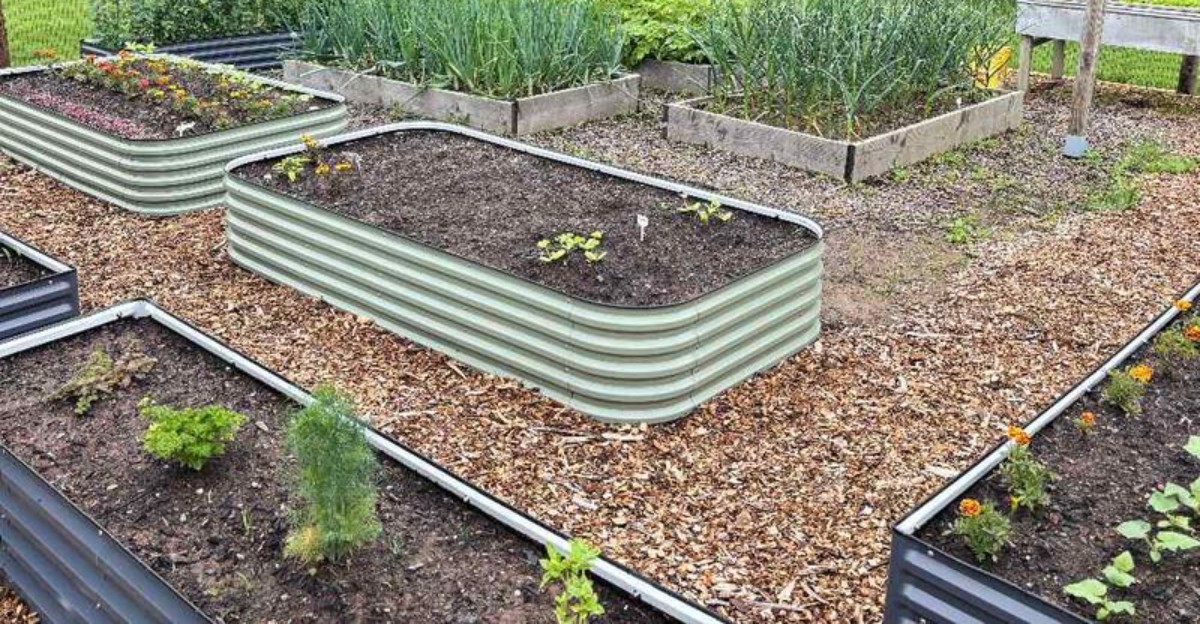
Raised garden beds often feel noticeably colder than in-ground beds on clear fall nights, and there’s a real reason behind that difference.
Because raised beds sit above ground level and are surrounded by air on multiple sides, they lose heat more quickly than soil that stays connected to the larger, more temperature-stable ground below.
Clear nights make this effect even stronger, since there are no clouds trapping heat near the surface the way there would be on an overcast night.
This faster cooling means raised beds can experience frost or cold damage before an in-ground bed just a few feet away shows any effect at all.
Understanding this difference helps North Carolina gardeners decide which beds need extra frost protection first as fall nights turn colder.
1. Open Sides Let Warmth Slip Away
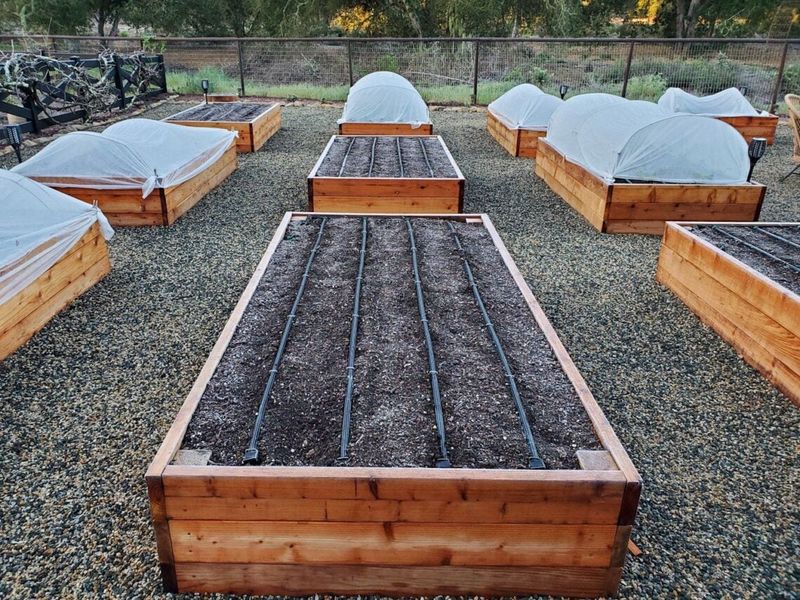
Think of a raised bed like a cake sitting on a plate. Air touches the top and every side, so warmth can sneak out in many directions at once. An in-ground bed is more like a slice still tucked inside the pan, snug and surrounded.
Soil in the ground has neighbors. The dirt beside it and below it holds heat from the day and shares it back through the night. A raised bed has walls that face open air, so heat leaves through the top and the sides together.
The result is simple: the soil cools faster after sunset. Edges and corners feel the chill first. Corners are the worst spots because they lose heat on two sides at once.
You may notice basil, peppers, or young beans along the border looking droopy or dark after a cold night, while the plants in the middle still look happy.
A smart trick is to keep an eye on those outer rows. Walk your beds on chilly mornings and check the corner plants first, since they act like early warning signs. If they show damage, the rest of the bed may be next.
North Carolina makes this extra important. Fall days here can feel warm and sunny, with afternoons in the 70s, and then the temperature drops sharply once the sun goes down. Gardeners get fooled because the day felt so pleasant.
Knowing that the sides of your bed are the weak spot helps you plan where to plant and what to cover first when a cool night rolls in.
2. Cut Off From The Warm Ground Below
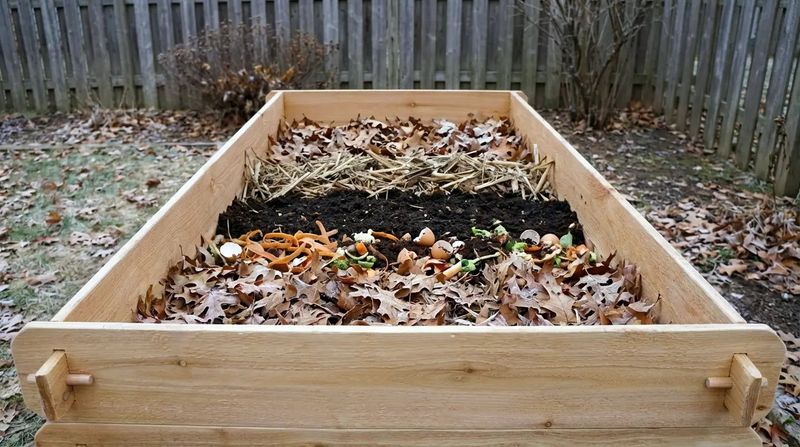
Deep underground, the earth acts like a giant battery. All summer long, it soaks up heat from the sun, and it slowly lets that warmth drift upward when nights turn cool. Gardens planted right in the ground get to tap into that steady supply.
Raised beds sit a step removed from it. Because the soil rests above ground level, it gets less of that stored heat. Tall beds lose even more of the link, and so do beds built on patios, gravel, or a layer of hardware cloth or landscape fabric underneath.
So what does that mean for your plants? Raised bed soil swings more between day and night. Afternoons can feel toasty for roots, which helps growth, but nights get colder than they would in the ground nearby.
Your North Carolina Garden Changes Every Week. Your Plan Should Too.
Gardening in North Carolina changes quickly throughout the season. Every Friday you’ll receive a simple weekly plan showing exactly what to plant, prune, fertilize, harvest, and protect so you never miss the right timing.
The soil basically rides a temperature roller coaster. A soil thermometer can show you this in action.
Push one into your raised bed and another into an in-ground spot, then check both in the early morning and again in mid-afternoon. The gap is often eye-opening, and it teaches you a lot about your own yard.
Here in North Carolina, these swings stand out in fall. A bright October day might warm the soil nicely, then a clear night can drop air temperatures by 30 degrees or more. Crops like lettuce, spinach, and kale handle these ups and downs well.
Tender summer plants such as tomatoes and squash do not, so move your raised beds toward hardy fall crops as the season shifts.
3. Fluffy Soil Mixes Store Less Warmth
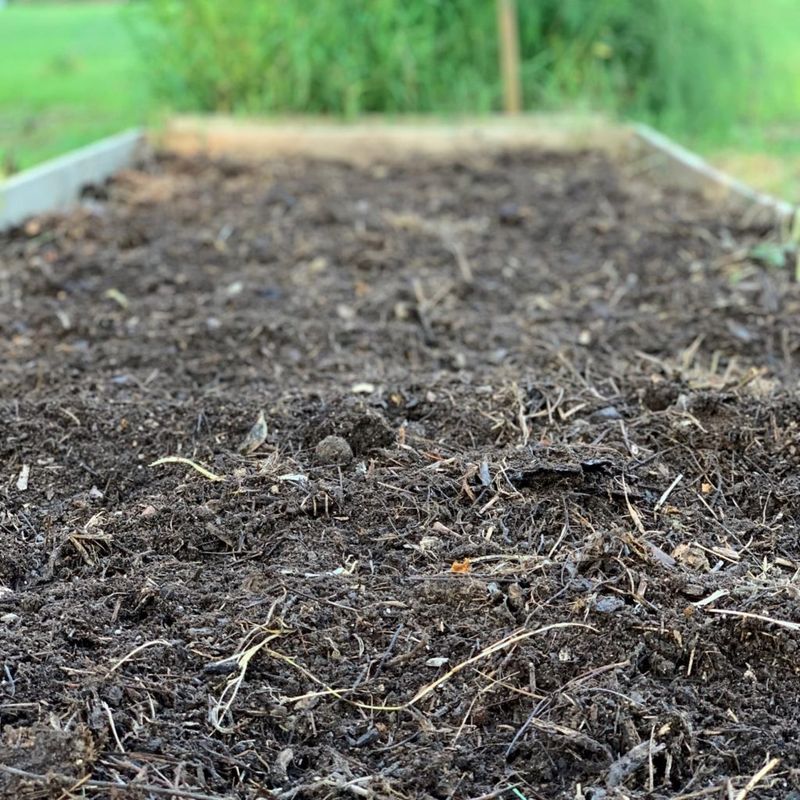
Scoop up a handful of raised bed soil and it probably feels light and crumbly. That fluffy texture is a big reason people love raised beds. Roots spread easily, and water drains away instead of pooling.
Still, that airy mix has a downside when nights get cold. Most raised bed blends are packed with compost, bark, and other organic matter, which leaves lots of tiny air pockets. Air holds very little heat, and dry soil moves warmth poorly compared to damp, dense soil.
Water changes the story. Moist soil can store much more heat during the day and release it slowly after dark. When your raised bed dries out, it loses much of that ability, so it cools off quicker overnight.
Keeping the soil evenly moist is one of the easiest fixes around. Poke a finger about two inches down, and if it feels dry, give the bed a slow, deep drink. A soaker hose or drip line makes the job simple and puts water right where roots need it.
Adding compost each season helps too. Well-rotted compost acts like a sponge, holding moisture longer between waterings. Mix a few inches into the top layer in spring and fall.
North Carolina gardeners should pay special attention in autumn. October is often one of the driest months of the year across much of the state.
Many folks stop watering once summer ends, thinking plants need less, but dry fall soil can leave raised beds cold and thirsty at the same time.
4. Starry Skies Bring The Deepest Chill
A sky full of stars looks lovely, but your garden may not agree. Clear, calm nights are the chilliest nights of fall, and they hit raised beds especially hard.
Clouds work like a blanket. They catch heat rising from the ground and send some of it back down. Without them, warmth from soil and leaves radiates straight up into space, and plants can end up colder than the air around them.
Wind matters as well. On breezy nights, moving air mixes warmer and cooler layers together. On still nights, though, cold air is heavy and settles low, pooling around short plants and in dips in your yard.
Frost can form even when the forecast says it will not freeze. Weather stations measure temperature about five or six feet off the ground, but the air right at leaf level can be several degrees colder.
That is why a forecast low of 36 degrees can still leave frost on your lettuce. Watch for three clues together: clear skies, light winds, and lows in the mid 30s.
When you see all three, treat the night like a frost night and get your plants ready before dark. Checking the forecast each evening in October and November becomes a helpful habit.
North Carolina often gets its first frosts on exactly these kinds of nights. A cold front sweeps through, dry air follows, the clouds clear away, and the wind stops by evening. Those crisp, beautiful nights are when your raised beds need you most.
5. Metal, Wood, And Stone Each Behave Differently
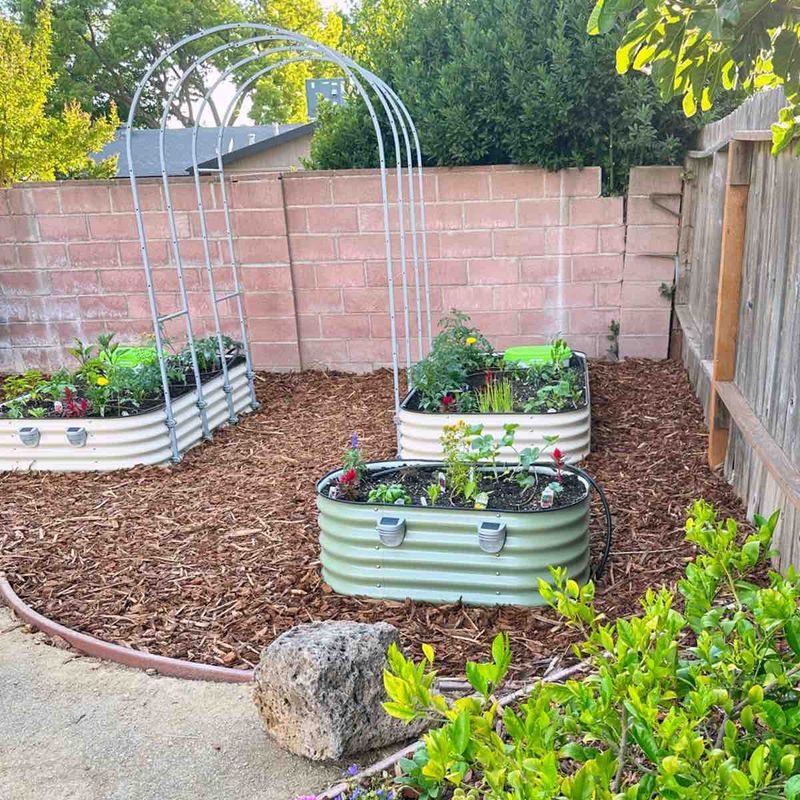
Walk down any garden center aisle in North Carolina and you will spot rows of shiny galvanized metal raised beds. They look sleek, last for years, and go together in an afternoon. Their walls, however, play a role in how warm your soil stays.
Metal moves heat quickly. On a sunny day, the walls warm up fast and pass that heat into the soil. When night falls, they give it up just as fast, pulling warmth away from the dirt pressed against them.
Thick wood and stone act differently. Wood is a natural insulator, so it slows the flow of heat in both directions. Stone and block walls soak up warmth during the day and release it gradually, which softens the drop in temperature after sunset.
None of this means metal beds are a bad choice. You just plant with the walls in mind. Soil right beside metal sides may run colder on chilly nights than soil in the middle, so a little planning pays off.
Put your toughest crops along the edges. Kale, collards, garlic, and onions shrug off cold far better than most plants. Save the middle for tender choices like young lettuce or late herbs that appreciate a cozier spot.
Many gardeners in Raleigh, Charlotte, and beyond have switched to metal beds in recent years.
If you have them, consider adding a layer of mulch or bales along the outside in late fall. That small step helps even out the temperature and keeps the edges friendlier to your plants.
6. Spring Brings A Welcome Payoff

Good news for anyone feeling frustrated with chilly fall beds. The very traits that make raised beds cool fast in autumn turn into perks once spring arrives.
Soil that loses heat quickly also gains it quickly. As the sun climbs higher in March, raised beds warm up days or even weeks ahead of the ground nearby. Seeds sprout faster in warm soil, and young roots grow stronger.
Drainage is the other big win. After a heavy spring rain, water runs through a raised bed instead of sitting around the roots. Soggy soil can lead to root rot and slow growth, so a bed that drains well keeps plants healthier.
Planning around these strengths makes your garden more productive. Use raised beds for early crops like peas, radishes, spinach, lettuce, and carrots that love an early start. You might plant a couple of weeks sooner than neighbors growing in the ground.
Then flip your thinking in fall. The same beds that raced ahead in spring will need a little extra help once cold nights return. Keep frost cloth and hoops handy, and your raised beds can shine at both ends of the year.
This balance matters a lot in North Carolina, especially in the Piedmont. Much of the region sits on thick red clay that holds water and drains slowly. Planting straight into that heavy soil can mean mud, puddles, and unhappy roots.
Raised beds lift crops above the problem, which is why so many gardeners across the state count them as a smart choice.
7. Water By Day, Tuck In By Night
My neighbor has a simple fall routine. Whenever the forecast calls for a clear, cold night, she waters her beds at lunchtime and tucks them in before supper. Her greens often keep going well into winter.
Her method works because of basic science. Moist soil stores more warmth during the sunny part of the day and lets it out slowly after dark. A cover then traps that rising heat around the plants, much like a blanket holds your body heat in bed.
Start by watering dry beds during the day. Morning or early afternoon is best, so the sun has time to warm the damp soil before evening.
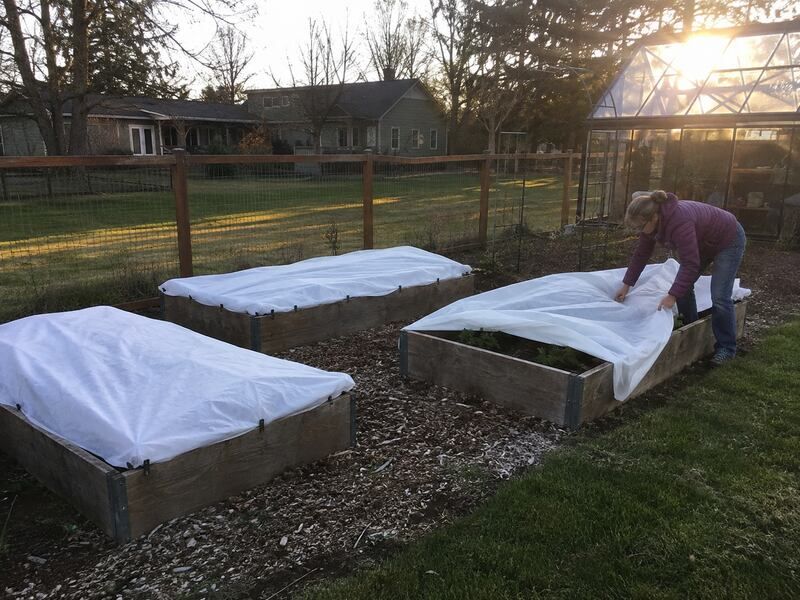
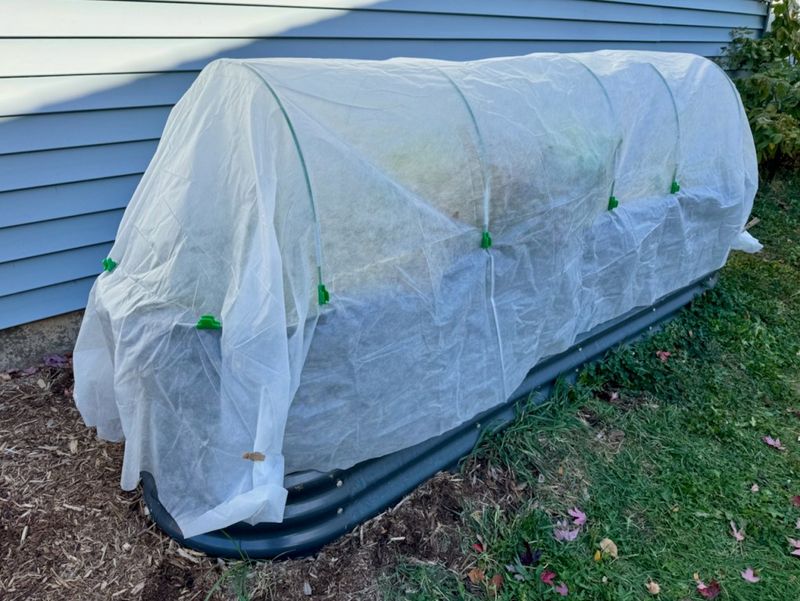
Next, cover your plants in the evening with frost cloth or a row cover. Let the fabric hang all the way down over the sides of the bed, not just across the top. Remember, the walls lose heat too, and covering them catches that escaping warmth.
Hoops make a big difference. Bend PVC pipe or wire into arches over the bed to keep the fabric from resting on leaves, since cold can pass through where cloth touches foliage. Weigh down the edges with bricks or clips so a breeze cannot lift them.
Pull the covers off the next morning once temperatures climb. Plants need sunlight and fresh air during the day.
In North Carolina, this effort really pays off. The first frost is often followed by weeks of mild, sunny weather, and protected plants can keep growing and producing right through that bonus stretch.
8. Bundle Up Your Beds For Winter

Straw bales stacked around a garden bed might look like a scene from a farm stand, but they do real work. Adding insulation helps raised beds hold heat longer, stretching your harvest deep into winter.
Remember those exposed sides and that open top? Blocking heat loss from both keeps soil temperatures steadier. Steady soil means cool season crops keep growing instead of stalling every time a cold night passes through.
Begin with the outside walls. Pile straw bales, bags of fallen leaves, or thick mounds of mulch against the sides of your beds. Bagged leaves are free and easy to find in autumn, and they break down into great compost later.
Next, work on the surface. Spread 2 to 3 inches of straw or shredded leaves over the soil around established plants. Keep the mulch a little away from stems so air can move, and you will find the soil stays moister and warmer underneath.
For even more protection, set a cold frame or low tunnel over the bed. A cold frame is a bottomless box with a clear lid, while a low tunnel uses hoops covered with clear plastic or heavy row cover. Both trap daytime sun and hold it overnight.
Open them on warm days so plants do not overheat. North Carolina winters are mild enough that this extra effort goes a long way.
With a bit of cover, raised beds can grow spinach, kale, collards, carrots, beets, and turnips through much of the season. Fresh salads in January feel pretty great.