This Fragrant California Herb Outperforms Mulch Near The Foundation
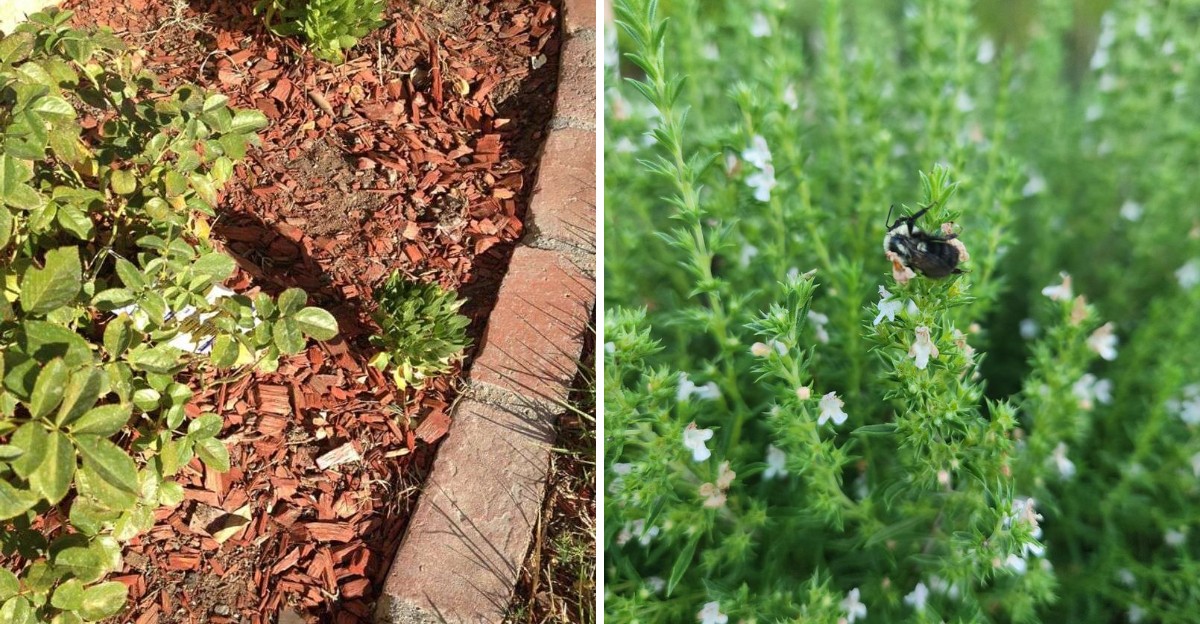
Foundation beds in California often get a fresh layer of bark mulch every spring. A growing number of gardeners are trying something more fragrant instead.
Low, trailing rosemary can cover that same strip of soil with a thick, evergreen mat. It shades the ground and crowds out weeds in much the same way mulch does.
The herb also feeds bees in late winter and releases a piney scent every time someone brushes past.
Rosemary still has its limits, though, and mulch handles a few jobs that no plant can fully match.
Knowing where each one shines makes it much easier to build a healthy, low-maintenance bed along the house.
1. Rosemary Forms A Dense Living Ground Cover
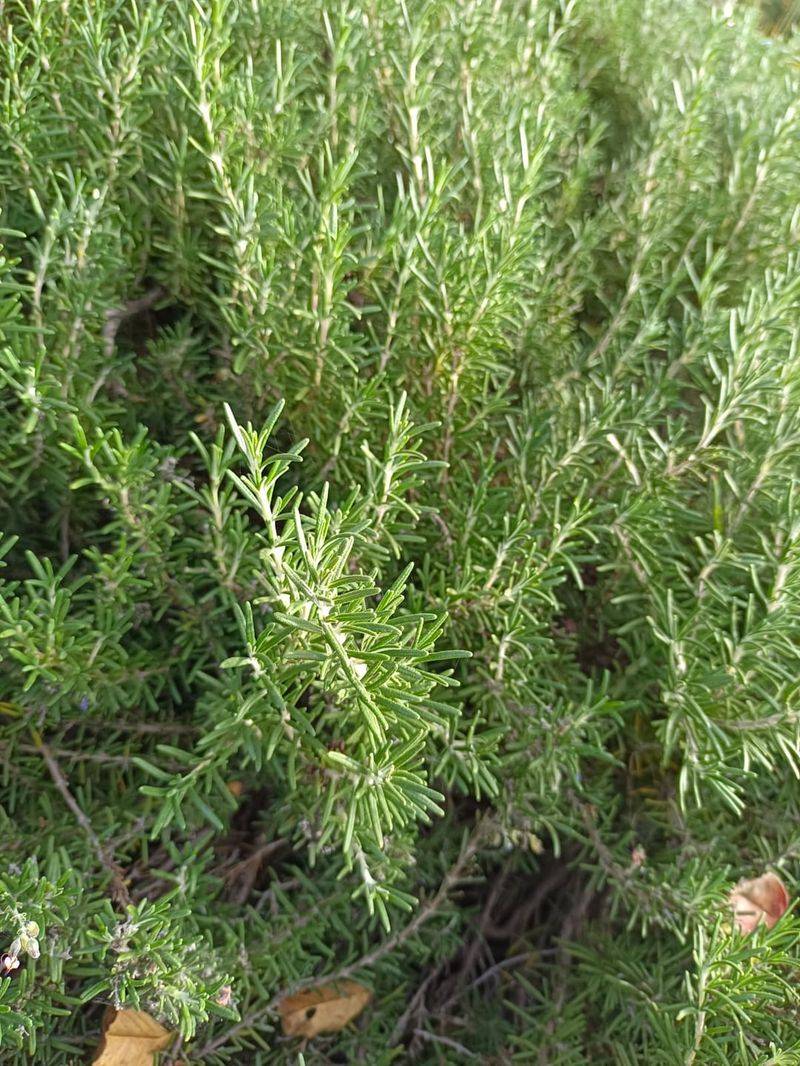
A low mat of gray-green needles spilling over the edge of a sunny bed is a common late-winter sight in California yards. That plant is often trailing rosemary, a woody Mediterranean herb that loves hot, dry summers.
UC Master Gardener programs commonly list it as a tough, drought-tolerant choice for warm parts of the state. Variety makes a big difference, though.
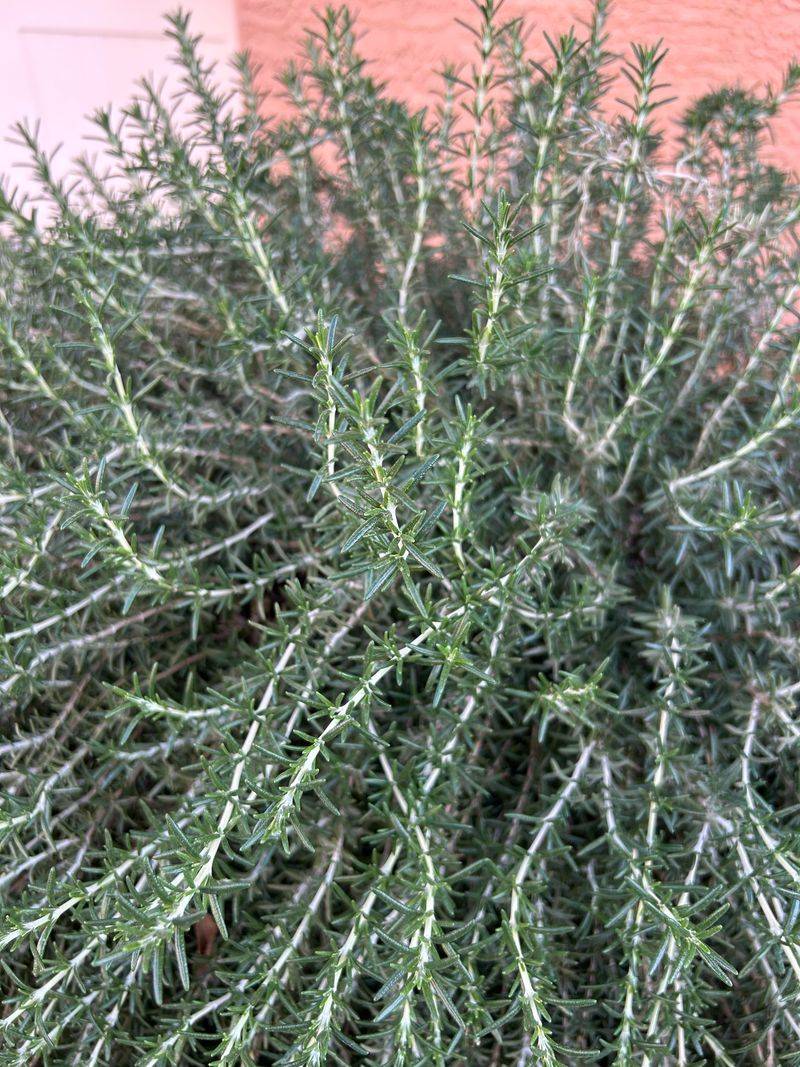
Upright types can reach four to six feet tall, which is too big for most spots near a wall. Prostrate or trailing varieties, such as ‘Huntington Carpet’ or ‘Irene’, stay low and spread wide, often two to eight feet across.
As those stems creep outward, they knit together into a thick, evergreen cover. After a season or two, very little bare soil peeks through.
That steady coverage is what lets rosemary act like a living blanket instead of a single shrub. Spacing plays a key role in getting there.
Plants set about three to four feet apart have room to spread. Keeping main stems a foot or more away from siding lets air move freely and stops woody growth from rubbing against the house.
The name rosemary comes from the Latin ros marinus, meaning dew of the sea. The plant grows naturally on rocky coastal hills, which explains its comfort with salty breezes and poor soil.
Exact spread varies by variety and climate. Nursery tags offer the best guide for any specific plant.
2. It Shades Soil Much Like Mulch Does
Weeds thrive on two things above all else: light and open space. Take away the light, and most of them settle down surprisingly fast.
That’s exactly how mulch works, as UC ANR guidance explains. A layer of mulch blocks sunlight from reaching the soil surface, so many weed seeds never sprout.
Young weeds that do pop up without light often struggle to grow. A mature rosemary planting does something similar from above.
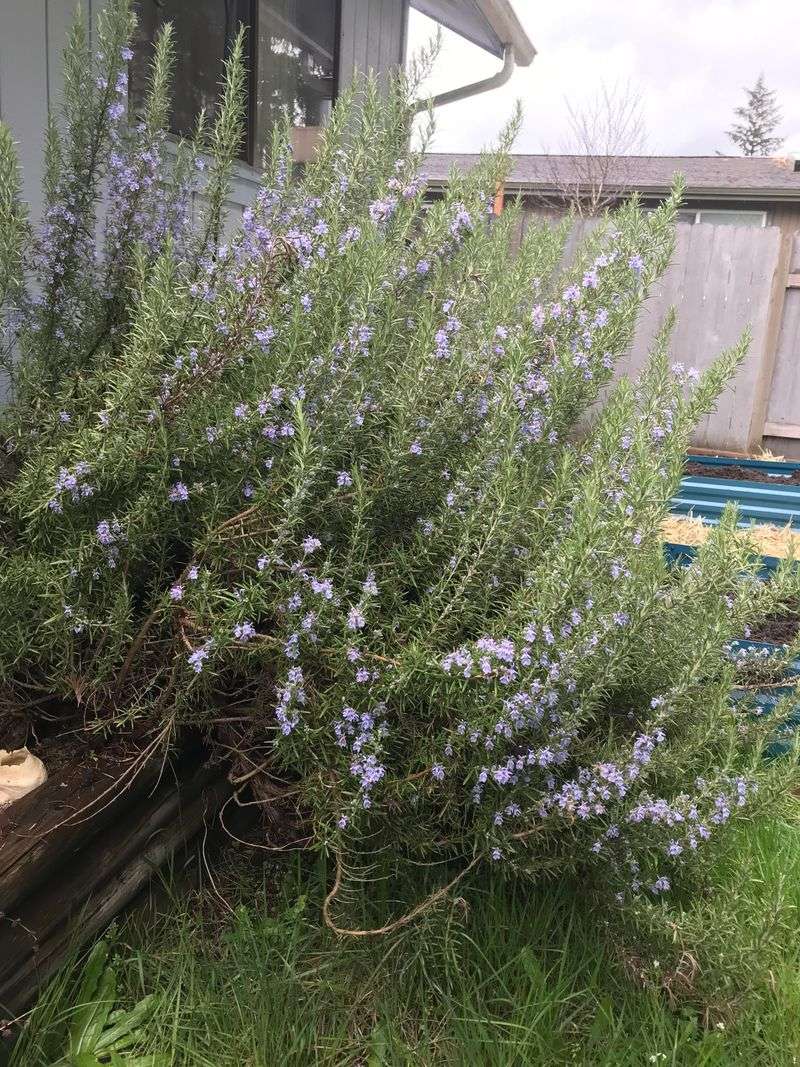
Its dense branches and needle-like leaves form a canopy that casts shade over the ground. Once plants fill in, weed seeds underneath have a much harder time getting started.
The early months come with a catch, though. Young rosemary leaves lots of open soil between plants, and weeds love those gaps.
Until the canopy closes, hand weeding or a layer of mulch in the open spaces is still needed. That temporary step protects the bed while the plants grow and spread.
Your California Garden Changes Every Week. Your Plan Should Too.
Gardening in California changes quickly throughout the season. Every Friday you’ll receive a simple weekly plan showing exactly what to plant, prune, fertilize, harvest, and protect so you never miss the right timing.
Shade also keeps the soil surface from baking as harshly in afternoon sun. The effect is real but smaller than what a thick mulch layer offers, and exact cooling amounts haven’t been widely measured for rosemary.
The takeaway is encouraging. Thick, established rosemary can mean far less time battling weeds along the foundation.
Good coverage usually arrives within one to two growing seasons. Patience during that first stretch pays off nicely.
3. Roots Still Need Real Drainage Nearby
Soggy roots often cause more trouble for rosemary than drought, heat, or pests combined. UC ANR sources note that it needs well-drained soil and can develop root rot when soil stays wet.
Foundation beds can be tricky in this way. Rain often runs off the roof, splashes from downspouts, or collects in low spots right beside the walls.
Clay soil, common in many California neighborhoods, holds water even longer. That combination can spell trouble for a Mediterranean herb that prefers dry feet.
A simple drainage test before planting helps. A hole about a foot deep, filled with water, should empty within a few hours. Water still sitting there after that suggests rosemary will struggle in the spot.
Fortunately, the fixes are easy. Planting on a gentle mound or in a slightly raised bed keeps roots above wet ground.
Downspout extensions that carry roof water a few feet away help both the plants and the home. Grading matters too, since soil next to a house should slope away from the foundation.
That slope protects the building from moisture problems. Rosemary happens to love the same setup, so good grading works out well for everyone.
Established plants need only occasional deep watering in summer. Nearby lawn sprinklers on a timer are a common, sneaky cause of trouble.
A quick check of where spray heads aim is well worth the effort.
4. It Does Not Replace Mulchs Moisture Function
Many garden articles go a little too far on this point. Rosemary is wonderful, but it can’t do everything a good layer of mulch does.
According to UC ANR, mulch handles several separate jobs. It slows evaporation so soil stays moist longer after watering.
It also works as insulation. Mulch keeps soil cooler in summer heat and buffers it against sudden temperature swings.
A living plant works in a different way. Rosemary shades the ground, but its roots also pull water out of the soil, and its leaves release that moisture into the air.
In simple terms, mulch saves water while a plant uses it. That difference matters along a sunny foundation in mid-July.
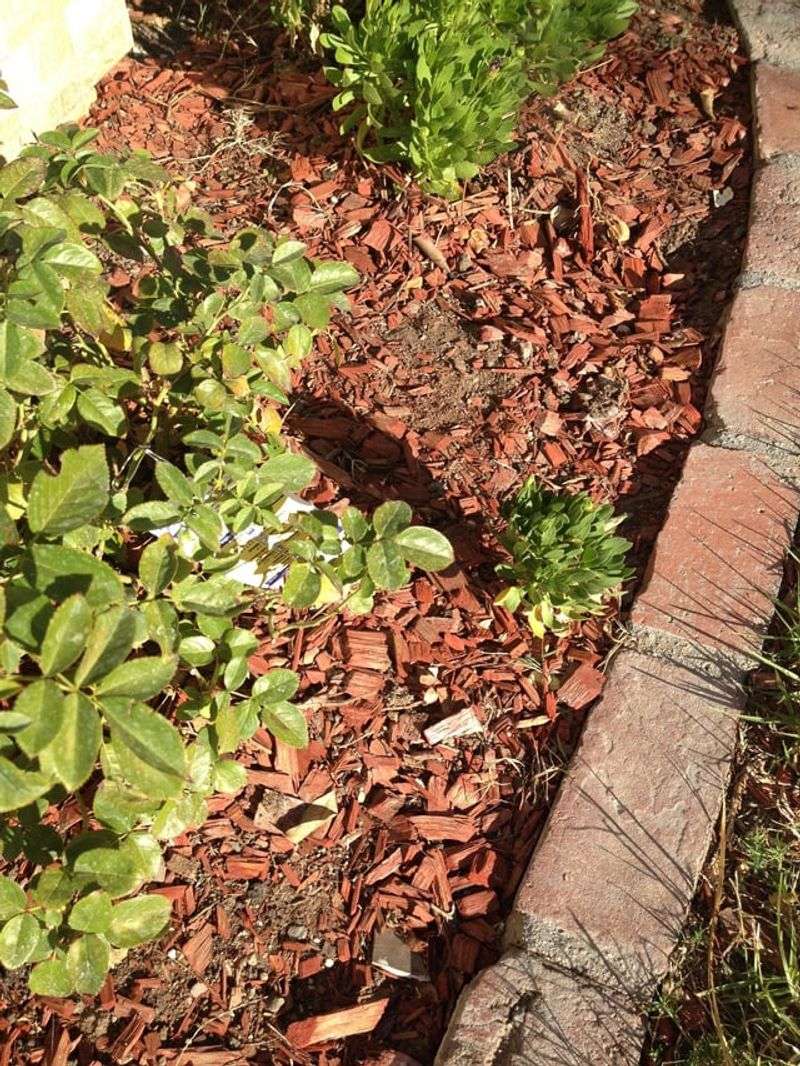
Bare spots between stems also let sun and wind reach the soil. A two to four inch layer of wood chips, which UC sources often recommend, covers every inch evenly in a way rosemary can’t match.
Temperature control follows the same pattern. Mulch provides an even layer of insulation right at the soil surface, while a rosemary canopy offers patchy, partial shade. That’s helpful, but it isn’t equal.
The claim that rosemary outperforms mulch holds true only in certain ways. It wins on fragrance, flowers, and long-term weed shading once mature.
Mulch still holds the crown for moisture retention and temperature moderation. No specific research suggests rosemary closes that gap.
5. Pairing Both Gives The Best Results
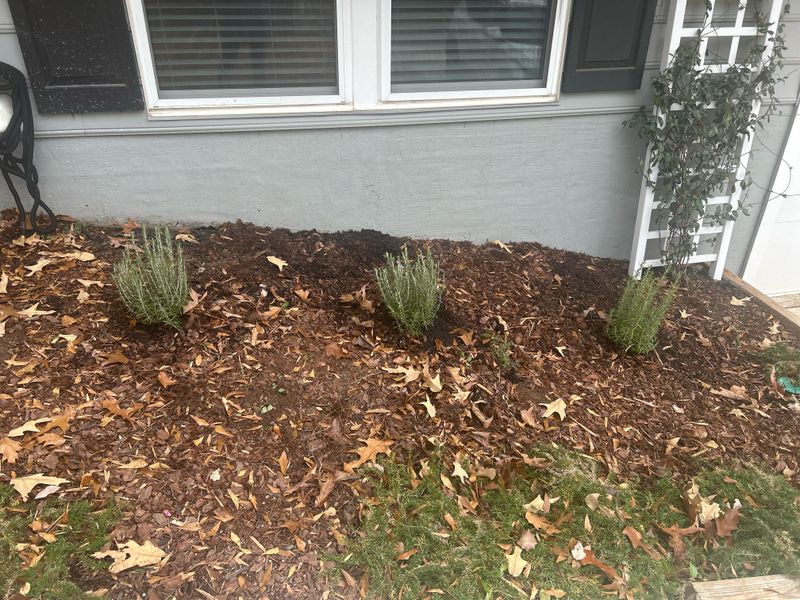
A team approach works better than choosing sides. Rosemary and mulch each cover the other’s weak spots, and together they create a foundation bed that looks good and stays healthy for years.
The setup is refreshingly simple. Rosemary goes in first, and wood chips or another coarse mulch fill the open soil between plants.
As the rosemary spreads, it gradually takes over more open ground. Less mulch is needed each year as a result.
A few details make a big difference. Mulch should stay a few inches away from the base of each rosemary stem, since piling it against woody trunks can trap moisture and invite rot.
UC ANR also advises keeping mulch from piling up against house siding. That gap helps protect both the plants and the building over time.
Some gardeners prefer gravel or decomposed granite as mulch for dry-loving herbs. These mineral mulches drain quickly, still block weeds, and fit a Mediterranean look while keeping rosemary roots happy.
Mulch handles moisture and temperature in the open gaps. Meanwhile, the rosemary shades its own patch, smells great, and feeds bees, giving the bed steady protection and real personality all year.
Cost stays low, too. Many cities and tree services give away free wood chips.
Rosemary costs only a few dollars per plant at a local nursery, so the pairing saves money over time.
6. Pollinators Benefit More Than From Mulch Alone
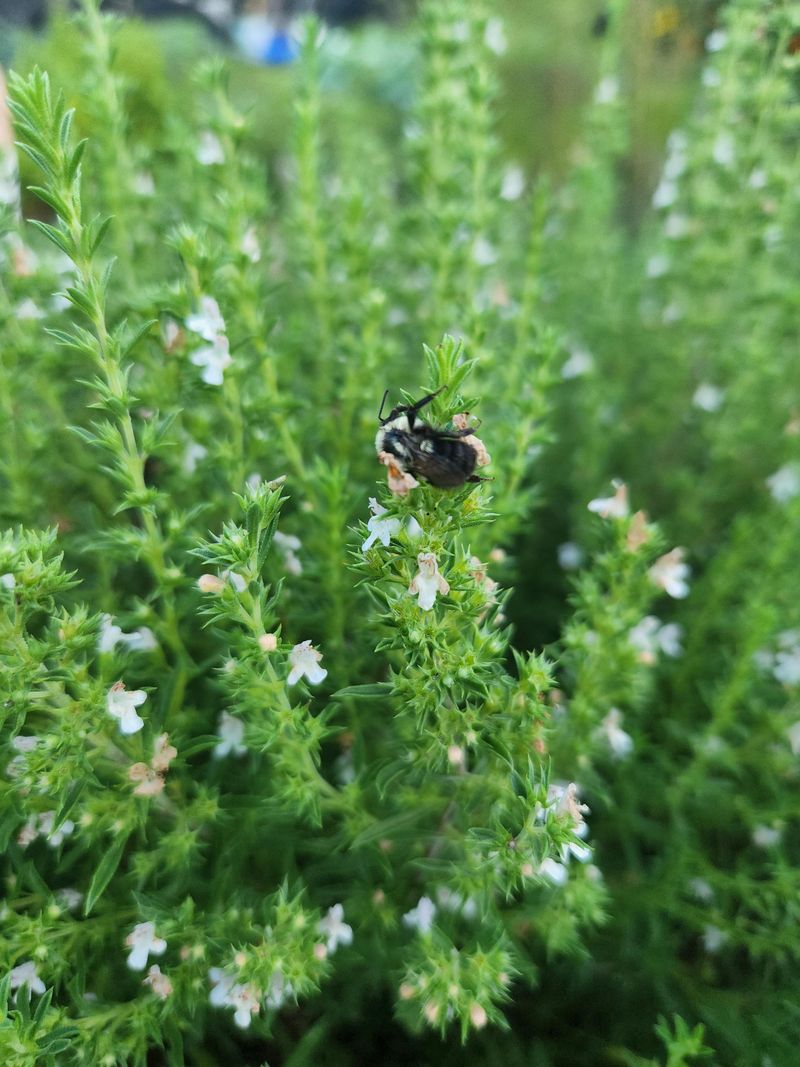
On a cool January morning, while most of the garden looks sleepy, a rosemary plant can be humming with bees. Its small blue, purple, or white flowers often open in late winter and early spring, when food for pollinators is scarce.
Plain mulch, however tidy, offers nothing at all for a hungry bee. Wood chips don’t bloom or make nectar.
That’s one area where rosemary truly outperforms a bare mulched bed. The difference is easy to see and hear on a sunny day.
UC research, including work connected to the UC Berkeley Urban Bee Lab, highlights rosemary as a plant that attracts honeybees and many native bees. Some hummingbirds and butterflies may visit too.
Each plant becomes a small snack bar right outside the window. A few simple choices make it even more valuable.
Pesticide sprays on and around rosemary are best avoided, especially during bloom. Even products labeled safe can harm bees when they land on flowers.
Other low-water bloomers nearby can stretch the flower season. California natives like salvia, ceanothus, or buckwheat pair nicely with rosemary and bloom at different times, creating a steady food source from winter into summer.
Snipping a few sprigs for dinner won’t bother the plant or the bees, as long as plenty of flowers remain. The foundation bed becomes a garden, a pantry, and a pollinator habitat all at once.
7. Treat It As A Complement, Not A Swap
Pulling out all the mulch after reading that rosemary can replace it often backfires. By August, open soil between young plants can turn cracked, dry, and full of eager weeds.
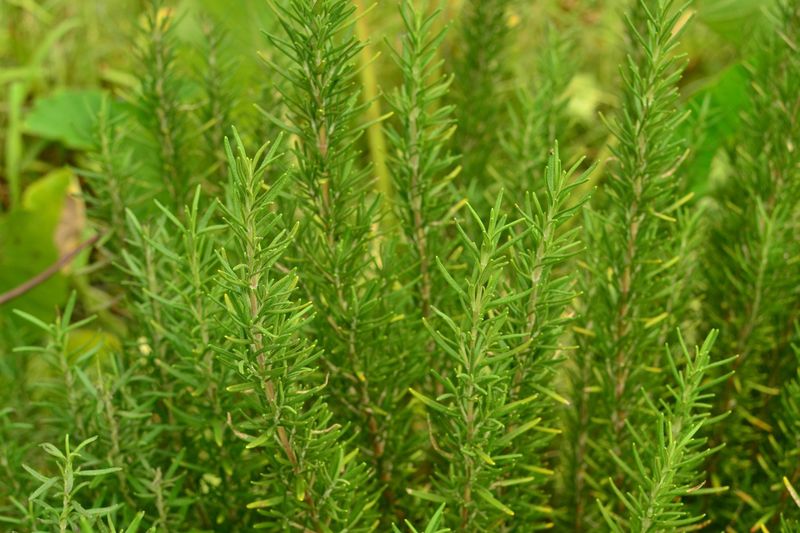
Rosemary earns its place near the foundation for very real reasons. It grows into a dense, evergreen cover, shades soil to slow weeds, and smells amazing.
It also feeds bees during months when few other plants bloom. Those strengths are genuine and worth celebrating in any California yard.
UC ANR guidance remains clear about mulch, though. Its ability to hold moisture and steady soil temperature is something a living plant can’t fully copy, however healthy it looks.
Those benefits matter even more during long, hot California summers. Skipping them can leave a foundation bed struggling by midsummer.
The smart approach treats rosemary as a teammate. Sunny, well-drained spots suit it best, while mulch covers the gaps, the shady corners, and areas where rosemary wouldn’t thrive on its own.
A quick check once or twice a year keeps everything on track. Refreshing mulch where soil shows through, trimming rosemary that creeps too close to walls, and watching for soggy spots after storms all help.
The result offers the best of both worlds. The foundation stays protected, the garden smells like a Mediterranean hillside, and bees stop by for breakfast.
That’s a pairing well worth planting this fall.