Why Is Your Florida Hibiscus Blooming Again After The Rains
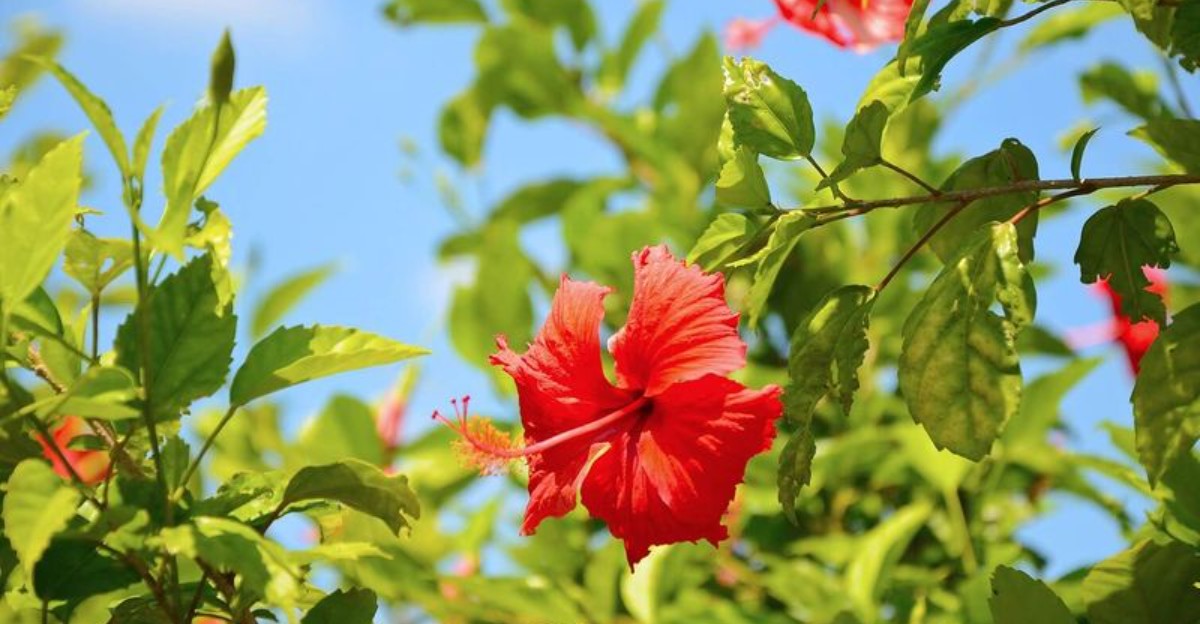
Three weeks of nothing, not a single bloom, and then one good Florida downpour later your hibiscus looks like it’s showing off for the neighbors.
Gardeners usually chalk this up to coincidence, maybe the plant “just felt like it.” There’s an actual reason behind the timing. Hibiscus blooms on new growth, and steady moisture after a dry stretch is exactly what pushes that new growth out.
Not every storm triggers the same response either. A single downpour followed by another dry spell does little, while a stretch of regular rain can set off a full flush within a few weeks.
Next downpour, keep an eye on your plant instead of assuming the bloom’s random. There’s a reason behind the timing, and it’s more interesting than luck.
1. Hibiscus Flowers On New Growth
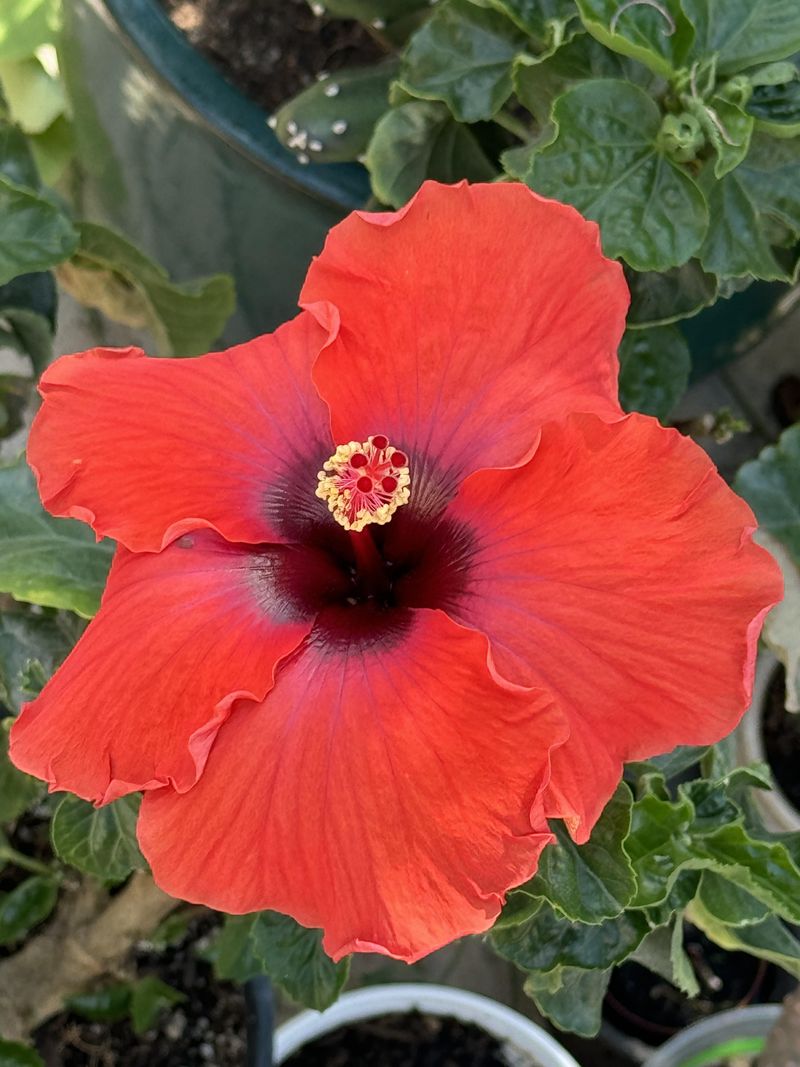
Picture a branch tip as a tiny flower factory. Each time your shrub pushes out fresh stems, it builds new spots where buds can form.
Hibiscus makes its flowers on new growth, not on old woody stems. That is the biggest reason a good soaking rain can set off a fresh round of color.
Rain gives the roots a long, deep drink they can actually use. With plenty of water, the plant sends energy upward and starts stretching out soft green shoots.
Look closely at the ends of the branches about a week after a storm. You may spot bright, tender leaves and little round knobs tucked between them.
Those knobs are future flowers getting ready for their big moment. In warm weather, they can swell and open within a few weeks.
Here is a helpful tip for keeping the show going. Light trimming can wake up even more branch tips, which means more places for blooms.
Heavy pruning is a different story, though. Cutting off too much removes the very shoots that were about to flower, so the plant has to start over.
Think of it like saving your homework before closing the laptop. Trim gently, protect those new tips, and let the rain do much of the hard work for you.
2. South Florida Hibiscus Can Bloom Nearly Year-Round
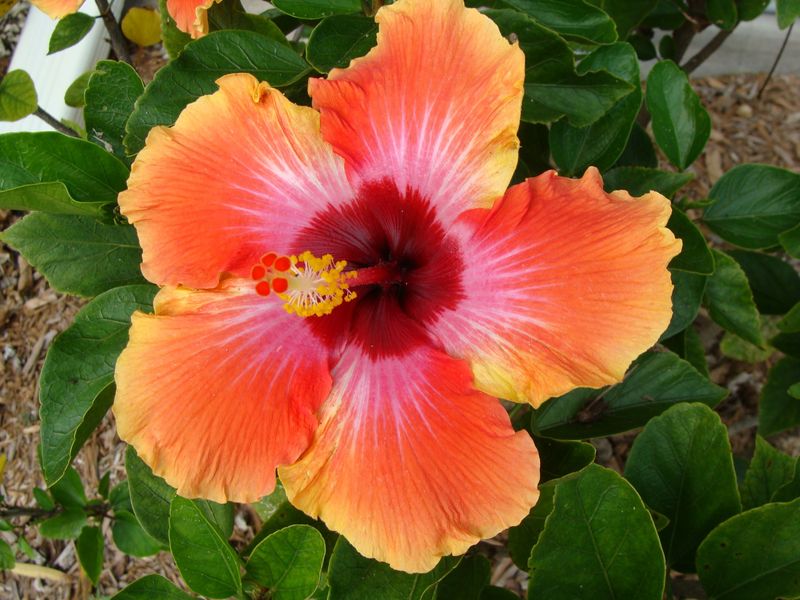
Friends up north might pack away their gardens in October. Meanwhile, many South Florida yards are still bursting with pink, orange, and red flowers.
Tropical hibiscus loves warm air, bright sun, and long days. In the southern part of the state, it can bloom for most months of the year.
Drive through almost any neighborhood near Miami or Naples and you will see it. Hedges, front walks, and pool decks glow with these big, friendly flowers.
So why does the plant seem to slow down at times? Cooler months bring shorter days and lower temperatures, and both make it take a little break.
When the rainy season arrives in late spring, everything shifts again. Warmth plus steady moisture is like flipping the plant back to full speed.
That timing explains why many people notice a burst of blossoms after the first big storms. The shrub was waiting for the right mix, and the rain delivered it.
Your Florida Garden Changes Every Week. Your Plan Should Too.
Gardening in Florida changes quickly throughout the season. Every Friday you’ll receive a simple weekly plan showing exactly what to plant, prune, fertilize, harvest, and protect so you never miss the right timing.
Fun fact for your next family cookout. Hibiscus is the state flower of Hawaii, yet Florida gardeners grow it so well that it feels like a local hero.
If you live farther north in the state, expect a shorter season. A cold winter may pause the color, but warm, wet months usually bring it right back.
3. Each Flower Usually Lasts Just A Day
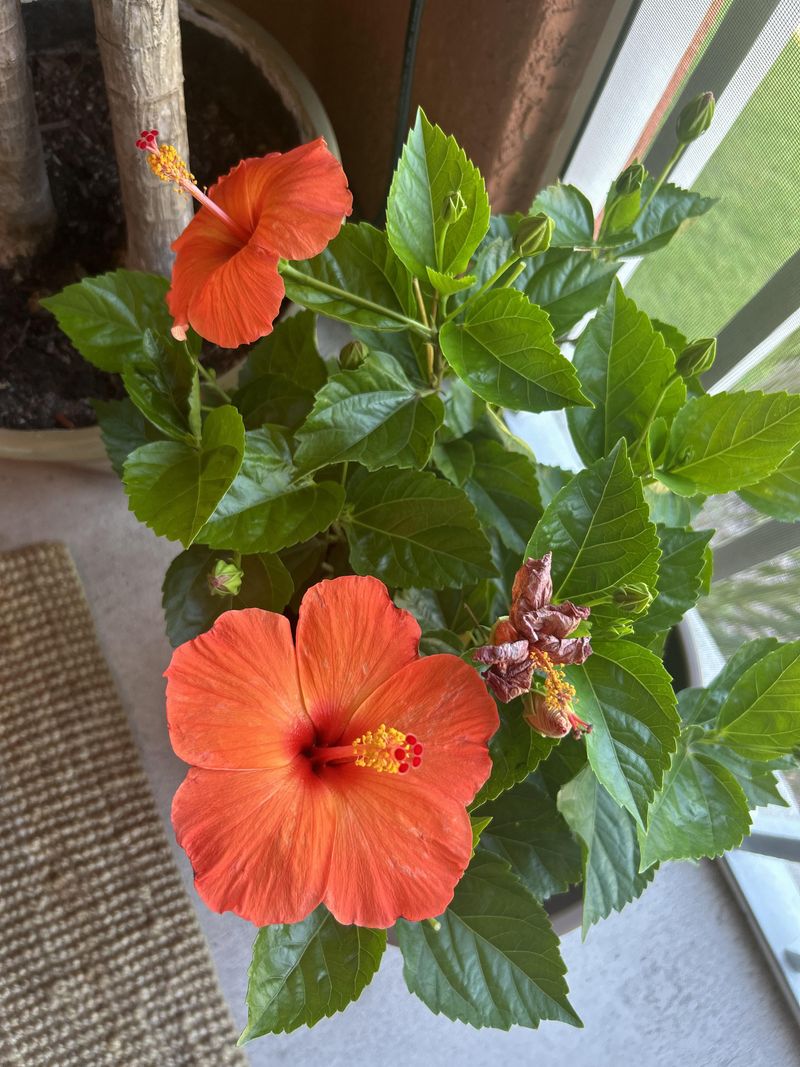
Blink and you might miss it. A hibiscus flower often opens in the morning and folds up by the next evening.
Most blooms last only one or two days, and that is perfectly normal. Some fancy hybrids can hang on for three days, but that is less common.
New gardeners sometimes panic when they see wilted petals on the ground. Relax, because your plant is fine and simply making room for the next flower in line.
The trick is that a healthy shrub opens blooms one after another. While today’s flower fades, tomorrow’s bud is already getting plump and ready.
After a good rain, you may see many buds lined up at once. That is why the yard can suddenly look like a fireworks show for days or weeks.
Want to enjoy them more? Step outside early with your coffee or cereal, since many flowers look their freshest in the morning light.
You can also snip a bloom and float it in a bowl of water on the table. It will not last long, yet it makes a sweet, simple decoration for dinner.
Picking up fallen flowers keeps walkways tidy and helps prevent slippery spots. Toss them in your compost pile so they can feed the garden later.
4. Hibiscus Likes Moist Soil, Not Soggy Soil
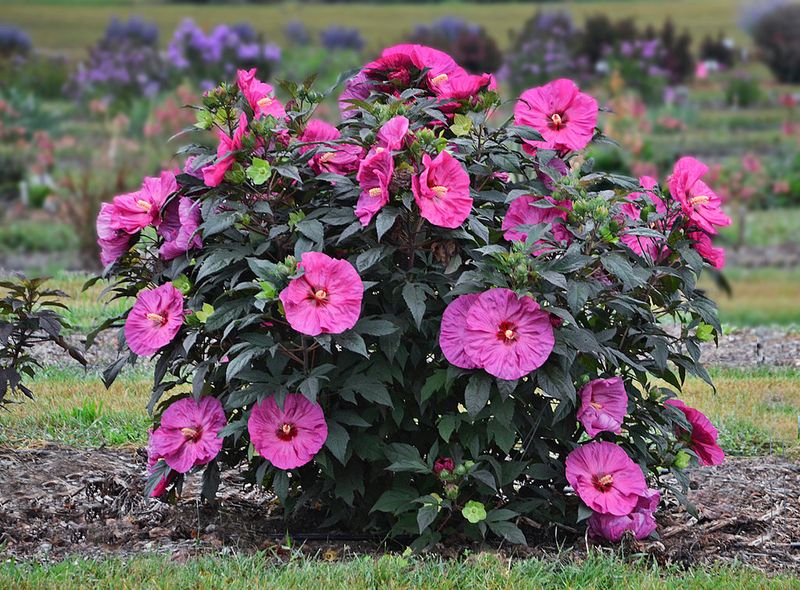
Think of soil like a sponge you just squeezed out. It should feel damp and cool, not dripping like a wet towel.
Hibiscus is a thirsty plant that enjoys steady moisture. Still, its roots need air too, and waterlogged ground pushes that air out.
When soil stays soggy for days, roots get stressed. You may notice yellow leaves, dropped buds, or a shrub that just looks tired.
Here is a quick test anyone can do. Poke your finger about an inch into the dirt, and if it feels damp, skip the hose today.
Florida rain usually drains fast through sandy soil, which works in your favor. That is part of why storms help rather than hurt most in-ground plants.
Potted hibiscus is another matter. Check that the container has drainage holes, and empty any saucer that fills with rainwater.
A layer of mulch about two or three inches deep helps a lot. It holds moisture during sunny stretches and keeps roots from baking in the heat.
Keep mulch a few inches away from the trunk, though. Piling it against the stem can trap too much dampness and invite trouble you do not want.
5. Swings Between Wet And Dry Can Drop Buds
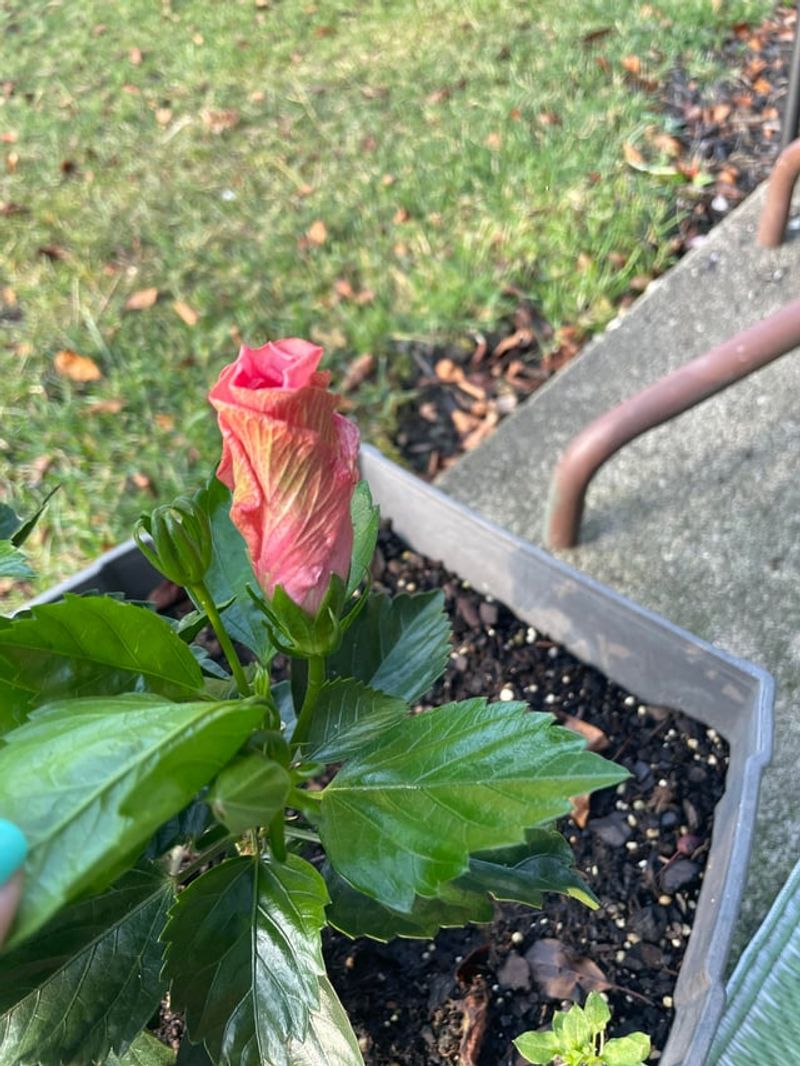
Ever found perfectly good buds lying under your plant, unopened? It feels a little like a party getting canceled at the last minute.
Bud drop often happens when watering jumps from soaked to bone dry. Tropical hibiscus does not handle those wild moisture swings very well.
Imagine drinking a gallon of water one day and nothing for three days. Your body would complain, and a shrub reacts in a similar way by tossing buds.
Letting the soil dry out too much is one of the most common causes. Too much water can do it as well, so balance is the real goal.
The rainy season actually helps here. Frequent afternoon showers keep moisture steady, so buds stay put and finally open.
During dry spells, try to water on a regular schedule. A drip line or soaker hose on a timer makes this easy, even on busy school weeks.
Potted plants dry faster than garden beds, especially on hot patios. Check them every day or two when the weather stays sunny and breezy.
Keep a simple notebook or phone note of when you water. Spotting patterns makes it much easier to figure out why buds are falling.
6. Temperatures Between 50 And 90 Degrees Suit It Best
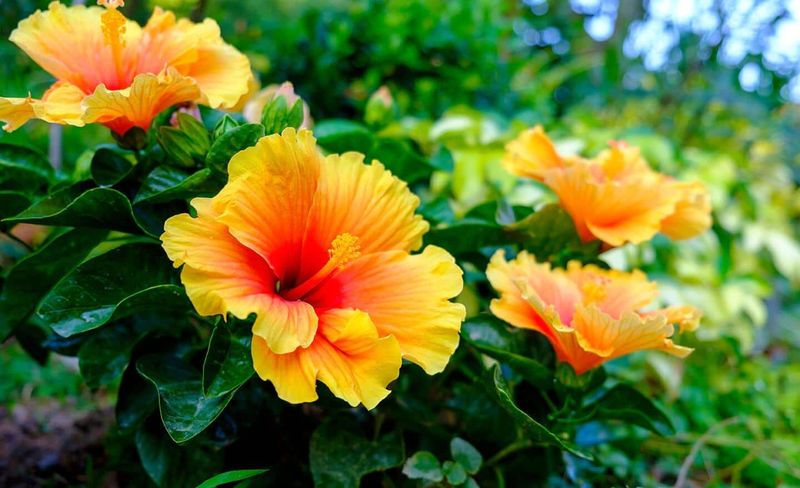
Goldilocks would make a great hibiscus gardener. This plant wants weather that is not too hot and not too cold, just pleasantly warm.
Tropical hibiscus does well when temperatures stay roughly between 50 and 90 degrees. Many experts say the happiest range sits around 60 to 85 degrees.
Below 50 degrees, growth and blooming slow down or pause. Lower leaves may turn yellow and fall off, which is the plant’s way of conserving energy.
On the other end, long stretches above 95 degrees can cause trouble too. Buds may drop, and fewer new buds may form until things cool off.
Summer rain does a sneaky job of cooling the air and the ground. After a storm, temperatures often slip back into that sweet spot, and flowers return.
During heat waves, a bit of afternoon shade can help. Potted plants can be moved under a porch roof or near a taller tree.
When a cold front is coming, cover in-ground plants with a light sheet overnight. Remove it in the morning so the plant does not overheat.
Short dips outside the ideal range are usually tolerated well. It is the long, stubborn stretches that make the shrub hit the pause button.
7. Too Much Fertilizer Trades Flowers For Leaves
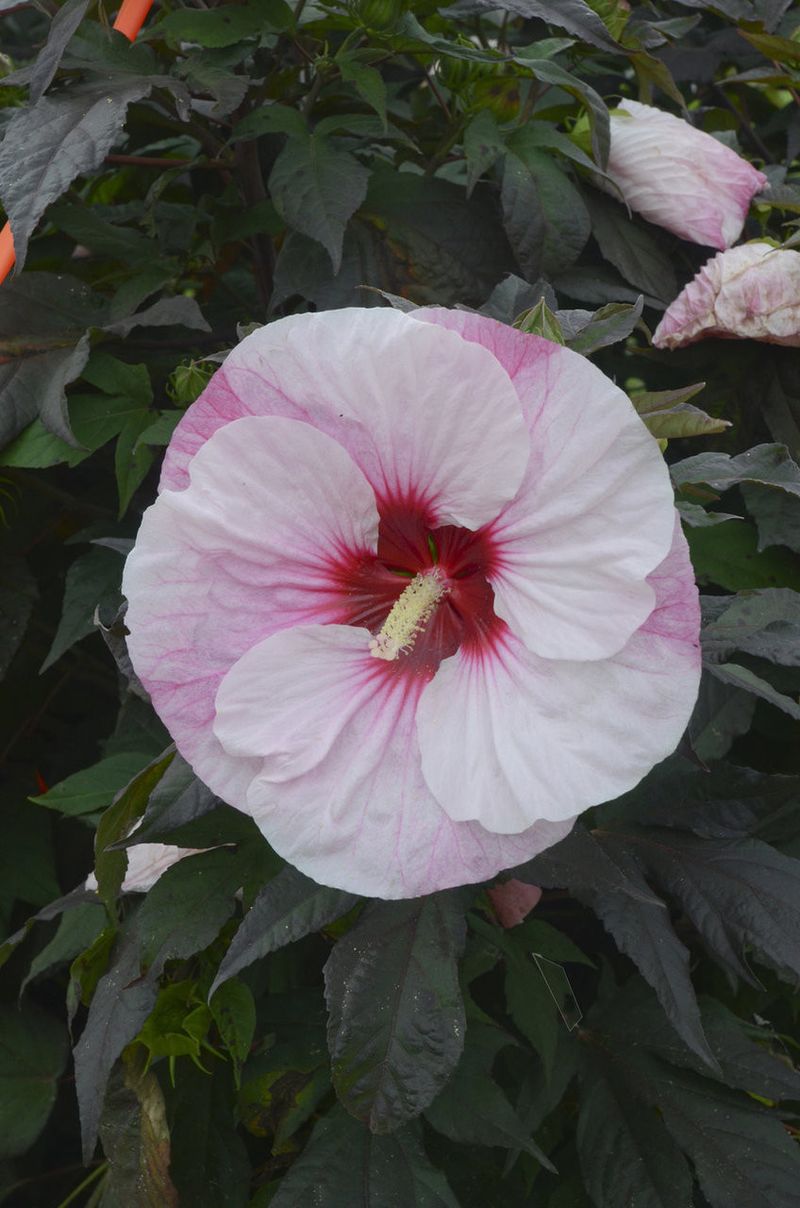
Your shrub looks gorgeous, glossy, and deep green. There is just one problem, because there is hardly a flower in sight.
That usually points to too much nitrogen. Nitrogen fuels leafy growth, so the plant spends its energy on foliage instead of blooms.
Rain can make this clearer than ever. Heavy showers wash some extra fertilizer deeper into the soil, and suddenly the plant shifts back toward flowering.
For better blooms, pick a balanced fertilizer or one lower in nitrogen. Many hibiscus growers like formulas with more potassium, which supports flowers.
Watch out for phosphorus as well. Hibiscus does not handle high levels well, and too much can hurt the plant and reduce its blooms.
Overfeeding can also burn leaf edges and stress roots. Brown, crispy tips are often a clue that the plant got more food than it could handle.
Read the label and follow the amounts listed, then hold back a little. Feeding lightly every few weeks in the growing season works better than one giant dose.
Water before and after you fertilize to protect the roots. Treat it like a snack schedule, not an all-you-can-eat buffet.
8. Pinching The Tips Pauses Blooms For A While
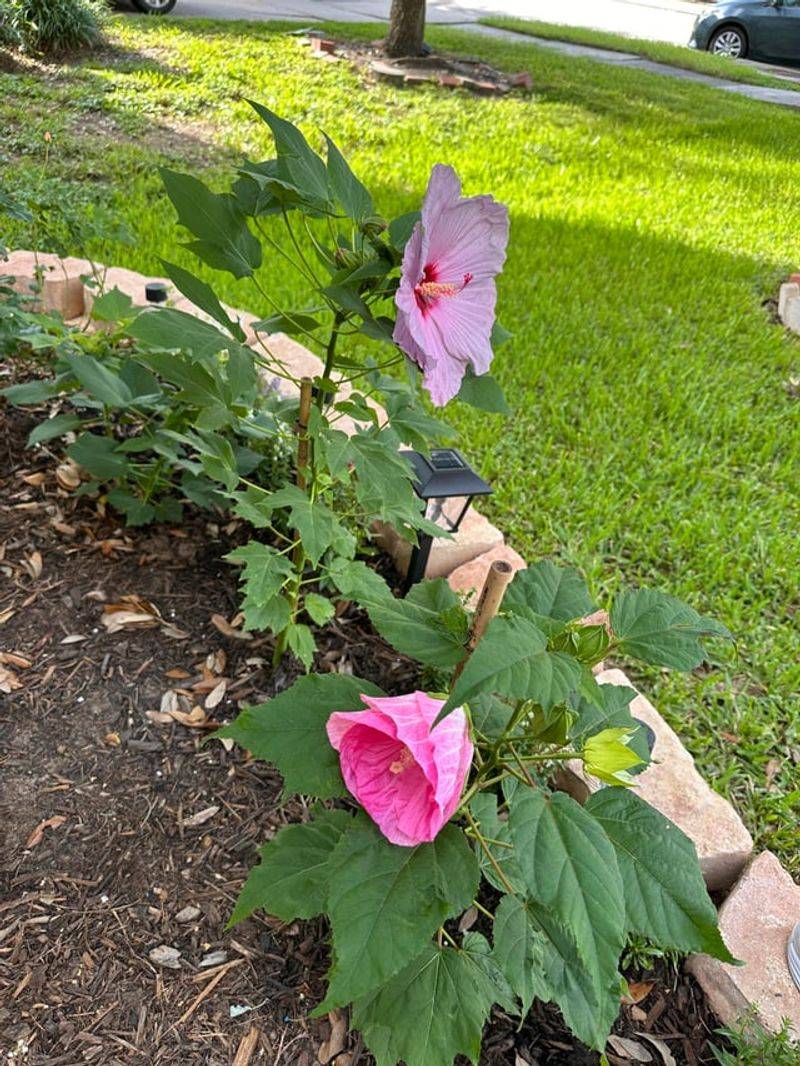
A little patience can pay off in a big way. Pinching your hibiscus might cost you a few flowers now, yet it sets up a bigger show later.
Pinching means snapping off the soft tip of a branch with your fingers. The plant responds by growing two or more new shoots below that spot.
More branches mean more tips, and more tips mean more blooms. Since hibiscus flowers on new growth, this simple trick can fill out a skinny shrub.
Here is the catch, though. Right after pinching, the plant needs time to grow those new shoots before buds appear.
Expect a short pause in flowering, usually a few weeks in warm weather. Rainy summer months speed things up, so the wait often feels shorter.
Young plants respond best to this method. Pinching during the active growing season gives them plenty of time to bounce back.
In warm parts of Florida, light pinching can continue for much of the year. Just avoid doing it late in the season, when cooler days slow regrowth.
Fun tip for kids who love helping outside. Pinching is easy, needs no tools, and makes a great first gardening job.
9. Cool Snaps Can Yellow The Lower Leaves
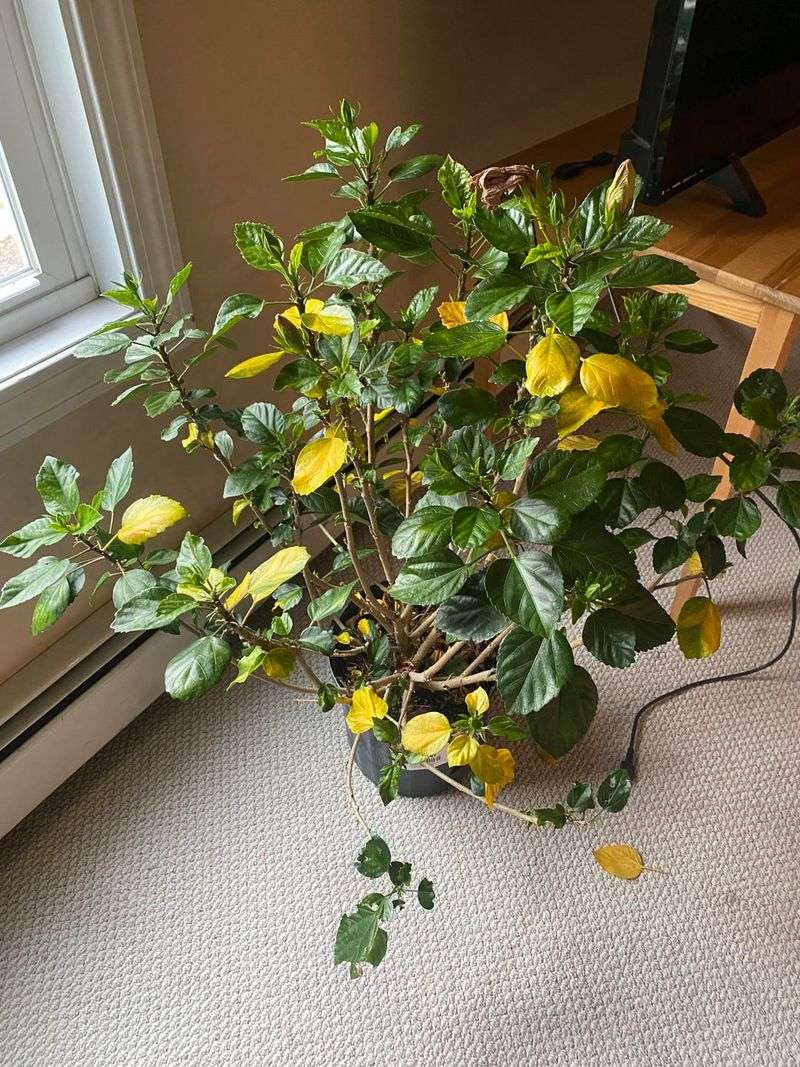
Floridians grab sweaters the moment it hits 60 degrees. Your hibiscus has a similar reaction, just in leaf form.
Even a mild cool snap can turn lower leaves yellow. Soon after, those leaves often drop to the ground, which can look alarming.
Temperatures below 50 degrees put stress on this tropical plant. Chilly drafts or a breezy, shaded corner can cause the same yellowing.
In autumn, a few yellow bottom leaves may simply mean the plant is slowing down. It is resting a bit, much like you on a lazy Sunday.
Fast weather swings also play a role. A warm week followed by a sudden cold front can trigger leaf drop almost overnight.
The good news is that most plants recover nicely. Once warm, wet weather returns, fresh leaves and new buds usually follow.
To help during cool spells, move potted plants near a sunny wall or into a garage overnight. Bring them back outside once the chill passes.
Skip heavy fertilizing and big pruning jobs during cold stretches. Let the shrub rest, rake up fallen leaves, and wait for spring rains to wake it up.