The Underused Florida Shade Plant Hummingbirds Keep Visiting Through Fall
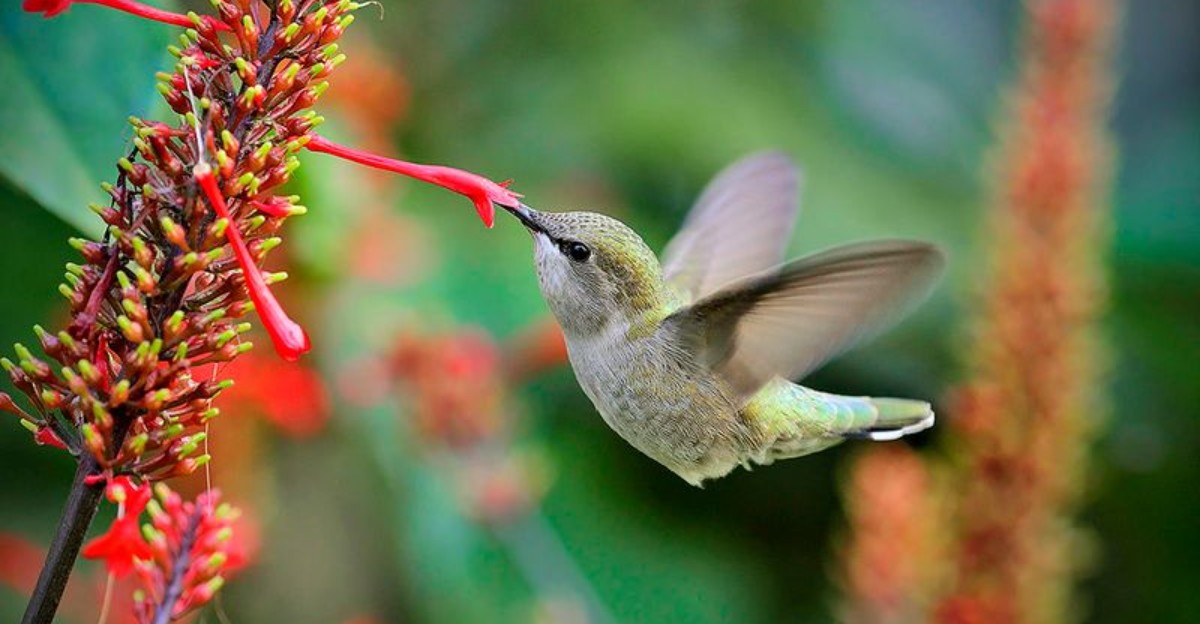
Most hummingbird plants demand full sun, and that’s exactly why so many shaded Florida yards go all season without a single visitor.
There’s one plant working around that problem entirely, thriving in the shade nearly everything else avoids, and somehow it’s still stacked up on nursery shelves that most gardeners skip walking past.
It flowers late into fall too, well past the point most hummingbird favorites have already quit for the season.
Spikes of tubular red blooms keep coming even as the light gets shorter and cooler, right when hummingbirds are packing on fuel before heading south and searching hard for anything still offering a reliable meal.
Somehow this plant still flies under the radar in most yards, tucked into deep shade where almost nothing else pulls in this much traffic.
1. Meet Firespike, The Florida Shade Standout Hummingbirds Notice Fast
Ask a gardener about cardinal guard or scarlet flame and you may get a blank look. Mention firespike, and the ones who grow it grin like they are sharing a secret.
Botanically it goes by Odontonema cuspidatum, sometimes listed as Odontonema strictum. The plant carries deep green, glossy leaves that look tropical even before a single bud opens.
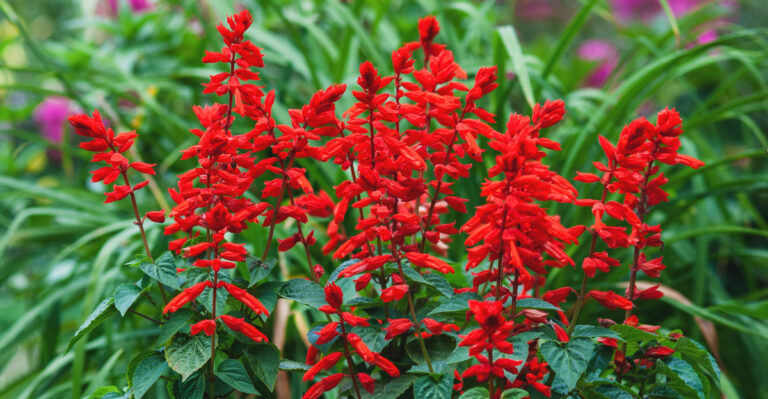
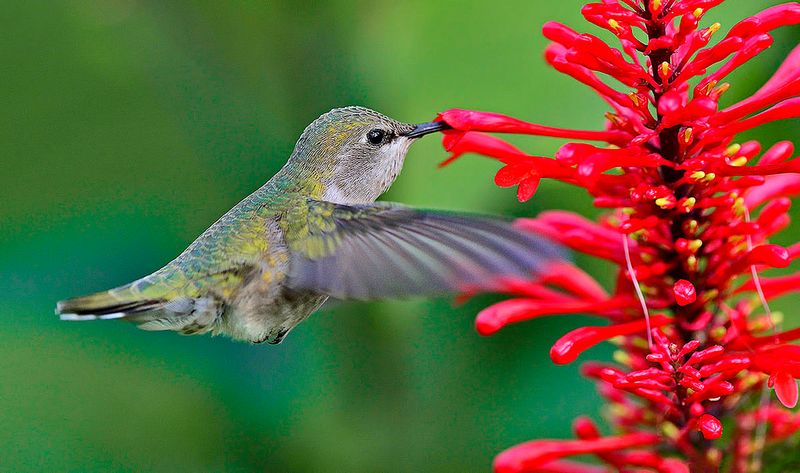
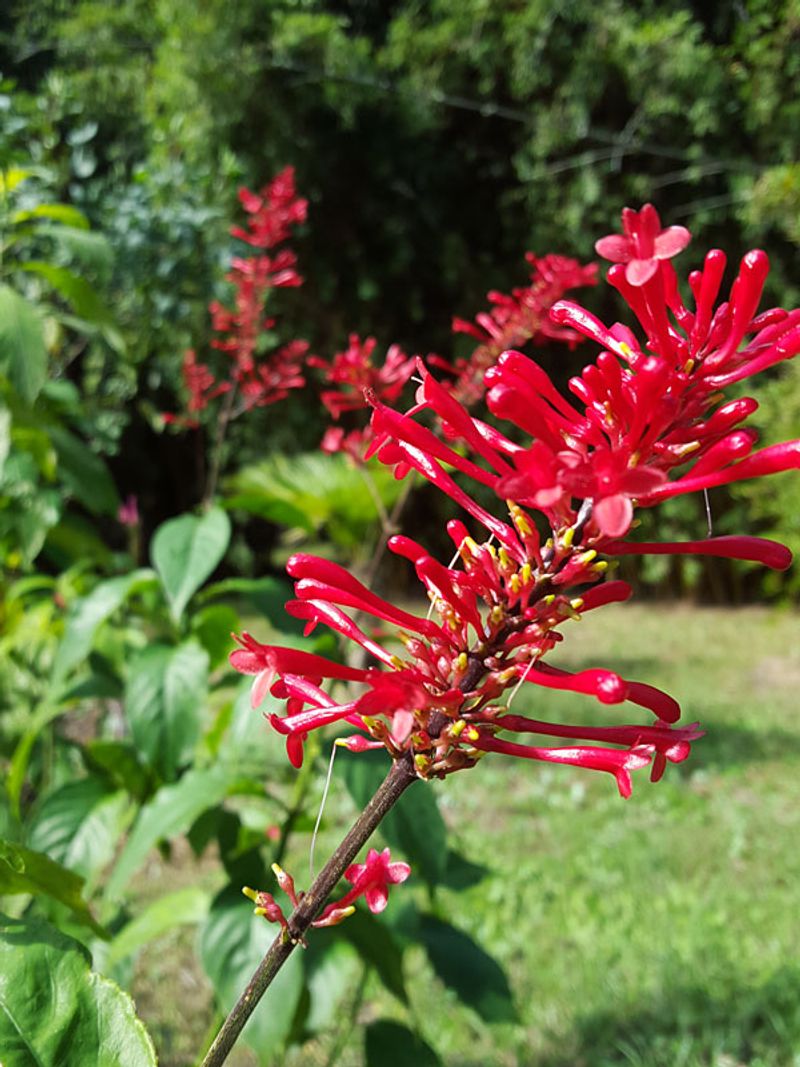
What makes it worth hunting down is the flower. Slender red tubes cluster along upright spikes that can stretch nearly a foot long, standing above the foliage like torches.
The bright red, tubular flowers are well suited to hummingbird feeding, and a productive clump can become a regular nectar stop when other flowers are less abundant.
Butterflies join the party too, especially swallowtails and zebra longwings drifting through in the warmer hours. The nectar supply stays steady, so the plant becomes a regular stop rather than a one-time visit.
Location shapes the bloom calendar quite a bit. In warmer parts of South Florida, flowering can extend for much of the year, while gardeners farther north often see the strongest display from late summer into fall and winter.
That timing is the real gift. When most of the garden has wound down, firespike is just getting started and giving pollinators a reason to stick around.
2. Let Its Red Flower Spikes Carry The Garden Into Fall
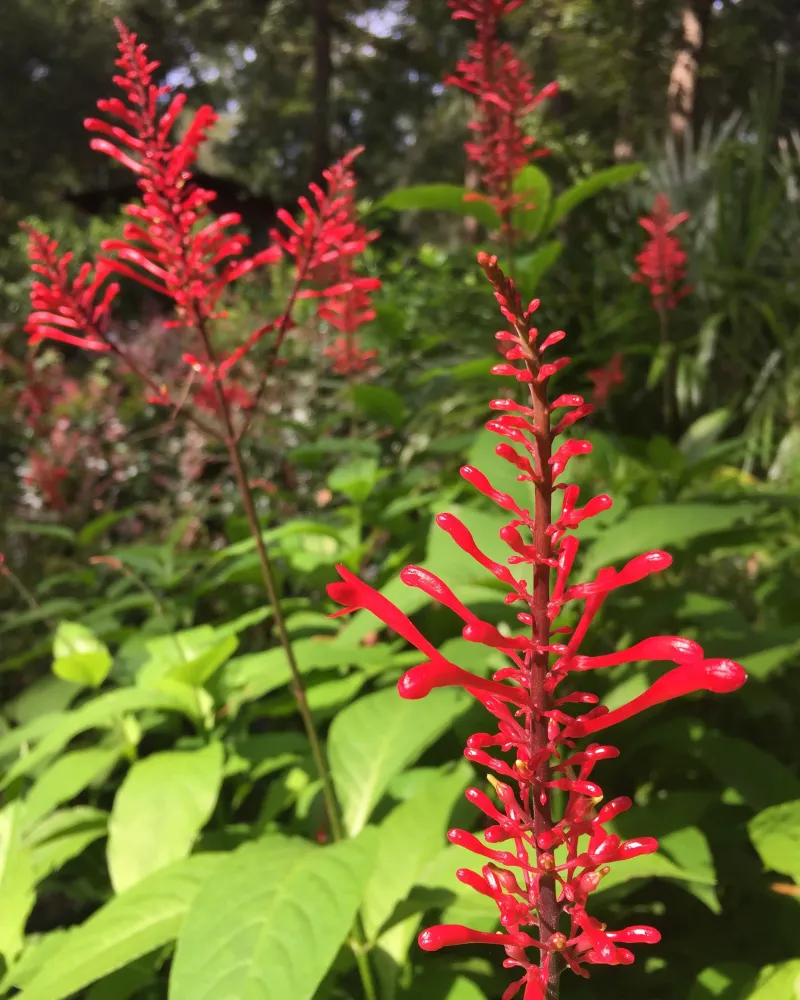
October in Florida can feel like the garden hit pause. Summer annuals look ragged, and the cool-season plants have not hit their stride yet.
Firespike steps into that gap without asking for much. Showy clusters of red blossoms push up on straight stems, creating a vertical splash that reads from across the yard.
The color is genuinely bold, closer to fire engine red than the softer pinks and corals filling most beds. Against dark, waxy leaves, it looks even brighter.
In frost-free parts of the state, the plant behaves like an evergreen shrub. Foliage stays glossy through the cool months, so the bed does not turn into bare sticks.
Farther north, it acts as a herbaceous perennial instead. Above-ground growth may recede after a cold snap, then the clump returns from the base once spring warmth arrives.
Your Florida Garden Changes Every Week. Your Plan Should Too.
Gardening in Florida changes quickly throughout the season. Every Friday you’ll receive a simple weekly plan showing exactly what to plant, prune, fertilize, harvest, and protect so you never miss the right timing.
Either way, you get seasonal interest at the exact time most landscapes go quiet. Gardeners who plan for year-round color often lean on firespike as their late-season anchor.
One small tip worth trying: plant it where low autumn sunlight can hit the flowers sideways. The backlit spikes practically glow, and photographs of that moment tend to convince skeptical neighbors faster than any description ever could.
3. Give Firespike Bright Shade For The Best Balance Of Growth And Flowers
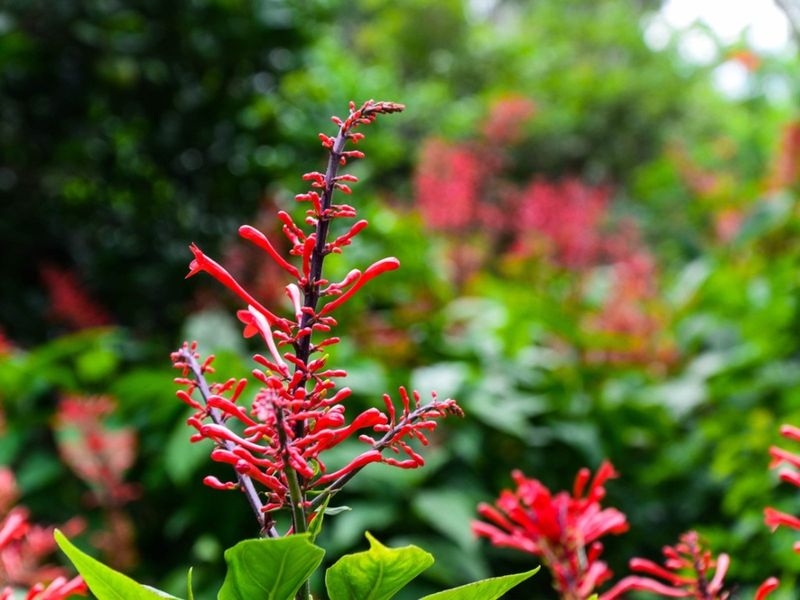
Here is where plenty of gardeners get tripped up. Firespike gets labeled a shade plant, so it ends up shoved into the darkest corner of the yard and then disappoints everyone.
The truth is more flexible. Firespike can grow in full sun through partial shade, but bright filtered light or morning sun with afternoon shade is often a useful balance in Florida’s heat.
More light generally produces more flowers, while some shade can help protect the foliage during the hottest part of the day.
Partial shade still works nicely and often keeps the leaves looking lush during brutal summer heat. You may see slightly fewer spikes, but the plant stays handsome.
Deep shade is the setting that causes trouble. Stems stretch, spacing between leaves widens, and the whole plant takes on a leggy, thin look with sparse blooms.
Think bright shade rather than dim shade. Filtered light under a high oak canopy, or a spot that catches direct morning sun then rests in the afternoon, tends to hit the sweet spot.
South Florida gardeners can experiment with more shade, but flowering generally becomes less impressive as available light decreases. For the best combination of foliage and flowers, bright shade or filtered light is a better target than deep shade.
If your existing plant looks tall and sparse, do not assume it is a lost cause. Moving it a few feet toward better light, or thinning an overhead branch or two, frequently turns the whole thing around by the following fall.
4. Use Moist Well-Drained Soil To Keep Growth Strong
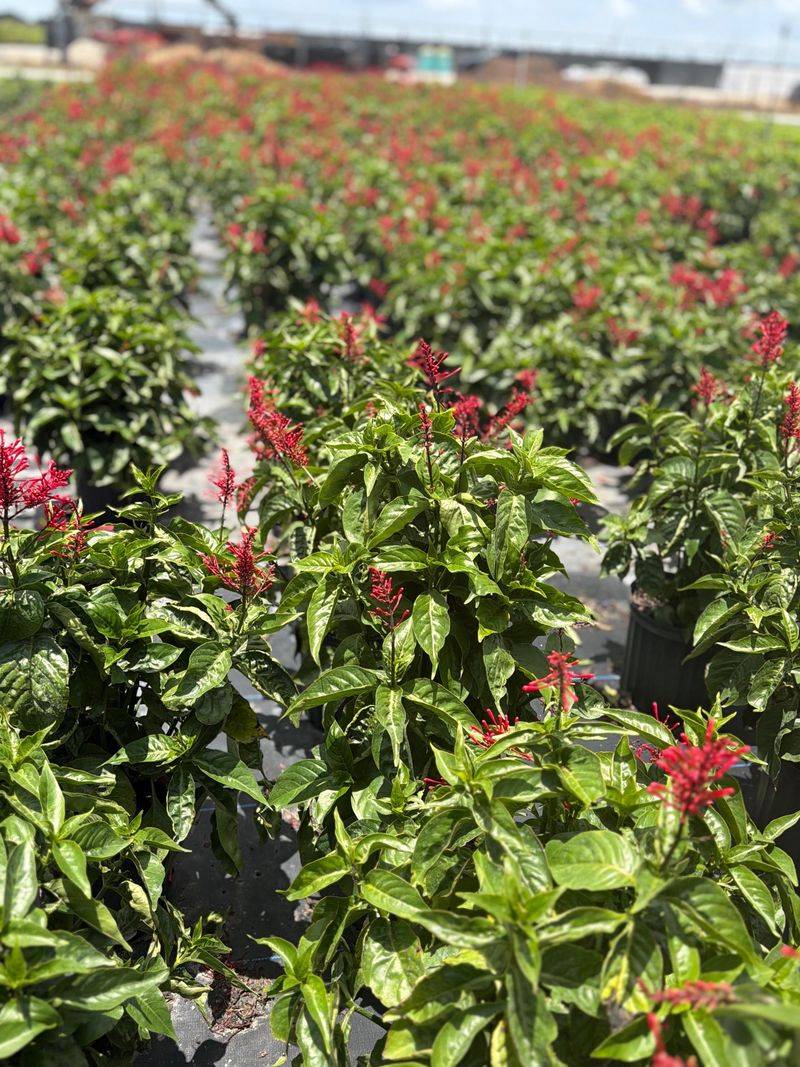
Soil snobbery is not firespike’s style. Slightly acidic, mildly alkaline, sandy, loamy, it adapts to a wide range of conditions found across Florida yards.
That said, adaptable and thriving are two different things. Well-drained soil with reasonable organic matter supports vigorous growth, while constantly saturated soil can cause problems with the roots.
Before planting, work compost or aged manure into the bed. Sandy Florida soil drains fast, and organic matter gives it something to hold onto besides water.
Established plants show moderate drought tolerance, which is reassuring during a dry spring. Still, regular watering during hot or rainless stretches keeps foliage from wilting and flowering on track.
Soggy roots are the flip side of that coin. Firespike wants moisture, not standing water, so skip low spots where puddles linger after storms.
Mulch does a lot of quiet work here. A two to three inch layer of pine bark or leaves around the base holds moisture in, moderates soil temperature, and keeps weeds from crowding the crown.
Leave a small gap between mulch and stems so air can move freely. A light application of balanced fertilizer in spring can support new growth, but avoid repeatedly pushing the plant with heavy fertilizer when it is already growing vigorously.
5. Give This Tropical Perennial Room To Fill Out
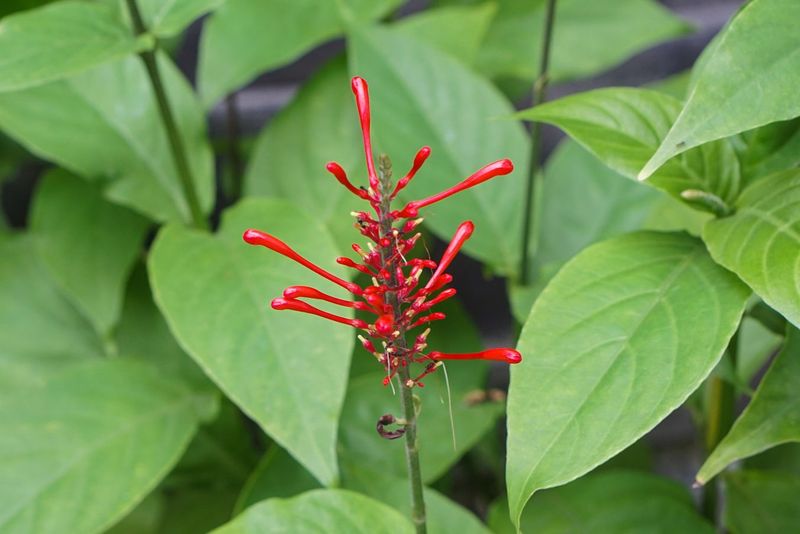
Buy one small firespike in a three gallon pot and it looks almost shy. Give it a season or two and you will understand why spacing matters.
Growth happens fast. Firespike can become a substantial shrub-like perennial, often reaching several feet tall and wide when growing conditions are favorable.
Its tendency to produce new shoots from the base can make an established clump considerably broader than the original plant.
Those suckers are the secret behind the plant’s full, shrubby look. They also mean a single specimen slowly becomes a colony, which is wonderful in a mass planting and annoying in a tight border.
Give individual plants enough room to reach their mature spread without crowding one another. For a mass planting, wider spacing creates room for the clumps to fill in while still allowing good air circulation.
Air circulation improves with proper spacing too, which helps leaves stay clean through humid Florida summers. Crowded plants tend to hold moisture and attract problems.
If a clump wanders farther than you want, dig the outer suckers in spring and replant them elsewhere. Free plants for the side yard, a gift for a neighbor, or a trade at the next plant swap, all from a shovel and ten minutes of work.
6. Skip Constant Pruning If You Want More Fall Flowers
Pruners can be a gardener’s best friend or a flower’s worst enemy. With firespike, timing decides which one you are.
Late winter or early spring is the ideal window. Cutting back then encourages bushier growth and sets the plant up for a fuller bloom season later in the year.
After a hard freeze damages the above-ground growth, wait until the extent of the damage is clear before cutting it back.
In areas where the plant withers to the ground, remove damaged stems and allow the crown to produce new growth when temperatures warm. The mistake is snipping constantly through summer and early fall.
Every cut removes stems that would have carried flower spikes, so enthusiastic trimming trades blooms for tidiness.
Light shaping is fine if a stem flops or crosses awkwardly. Just keep it minimal once late summer arrives and buds begin forming.
Plants that grow too tall or unruly can handle a few trims during the growing season. If shaping is needed, doing it earlier in the growing season gives the plant more time to produce new flowering growth before fall.
Avoid heavy pruning once flower buds are developing.
Think of it this way: shape early, then step back and let the plant build. The reward for that patience arrives in October, when foot-long red spikes appear and hummingbirds start treating your yard like a favorite roadside diner.
7. Plant Firespike Where Hummingbirds Can Find It Easily
What good is a hummingbird magnet tucked behind the shed? Placement turns a nice plant into daily entertainment.
Firespike can be an excellent nectar plant for hummingbirds and butterflies in a Florida landscape, particularly when it is flowering while fewer other nectar sources are available.
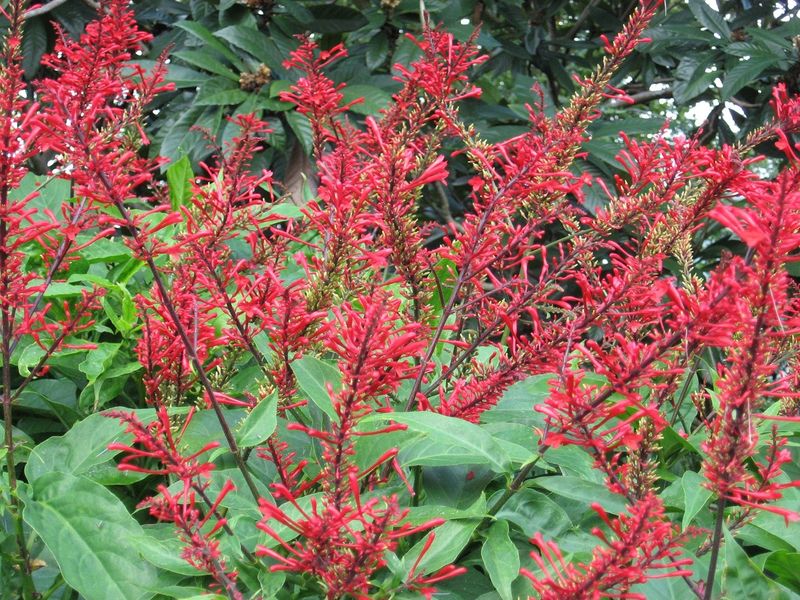
Mass plantings create the biggest visual punch and the loudest signal to passing birds. A drift of five or seven plants along a fence reads far better than one lonely specimen.
Backdrop duty suits it well in larger beds. Tall stems rise behind mid-height plants, giving structure while smaller bloomers fill the front.
Containers are an option many gardeners overlook. The upright habit works in a big pot, which lets you park the plant right beside a patio chair or porch rail.
Set it within view of a window where you drink coffee. A spot visible from a patio or window lets you enjoy the hummingbirds when they visit the flowers throughout the day.
One more thought on placement: give the birds an open approach rather than a wall of shrubs. They like clear flight paths and a nearby twig to perch on between sips, so leave a small branch or trellis close by.
8. Expect Cold Weather To Change The Show In North Florida
Tropical roots come with a tropical temperament. Firespike is generally suited to USDA Zones 8 through 11, which covers most of Florida, although winter performance varies considerably from north to south.
The experience differs a lot depending on where you garden. Down in Zones 10 and 11, the plant often sails through winter as an evergreen shrub without missing a beat.
North and Central Florida gardeners in Zones 8 and 9 see a different story. A hard cold snap causes above-ground growth to brown and recede, sometimes overnight.
That sight alarms first-time growers. The crown and roots below the soil usually hold on fine, and new shoots emerge in spring as temperatures climb.
A layer of mulch over the root zone can provide some insulation during a freeze, particularly for plants growing in the northern part of the state. Keep the mulch away from the stems and crown rather than piling it directly against the plant.
Wait until spring to clean up the damaged stems. Leaving them standing through winter adds a bit of extra protection for what is underneath.
In Zone 8, expect a later start and a shorter bloom window than gardeners farther south enjoy. In colder parts of North Florida, container-grown firespike can be easier to protect during an occasional freeze because the plant can be moved to a sheltered location.
9. Pair Firespike With Other Shade Plants For A Longer Seasonal Display
Gardens feel finished when plants work as a team. Firespike happens to be a generous teammate thanks to its size and its late-season timing.
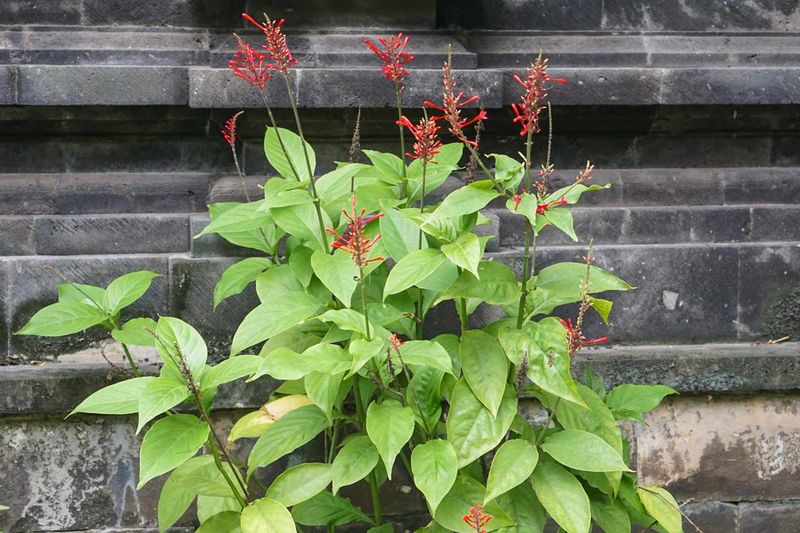
Height is its main contribution. Standing four to six feet or more, it anchors the back of a bed while shorter companions handle the middle and front layers.
Shade-tolerant partners make natural neighbors. Ferns, coontie, cast iron plant, caladiums, and low-growing groundcovers all appreciate similar light and bring texture that contrasts nicely with those glossy leaves.
Color planning is where the fun begins. Green foliage neighbors let the red spikes dominate, while silvery or chartreuse leaves create a striking backdrop that makes the flowers pop even harder.
Stagger your bloom calendar on purpose. Pair firespike with spring and summer performers so the bed carries interest from March straight through the holidays.
Pollinator gardens benefit the most from that arrangement. When earlier nectar sources finish up, firespike takes over and keeps hummingbirds and butterflies fed during a lean stretch.
Mass plantings look especially good when a lower border softens the base of the stems. Firespike can get a bit bare down low as it matures, and a skirt of leafy companions hides that while making the whole planting look intentional.