Why Some California Weeds Return No Matter How Often You Pull Them
Many California gardeners know the routine well. A bed gets weeded thoroughly, looks spotless for a week or two, and then fills with the same scraggly sprouts all over again.
That cycle isn’t a sign of poor technique or wasted effort.
Plenty of common weeds come equipped with clever survival tricks hidden in the soil. Long-lasting seeds, deep roots, and underground energy reserves all help them bounce back after every pull.
UC IPM research explains how these strategies work and why some weeds prove so persistent.
Understanding those tricks makes a big difference. It shifts the goal from fighting harder to fighting smarter, with far better results over time.
Seed Banks Wait Years In The Soil
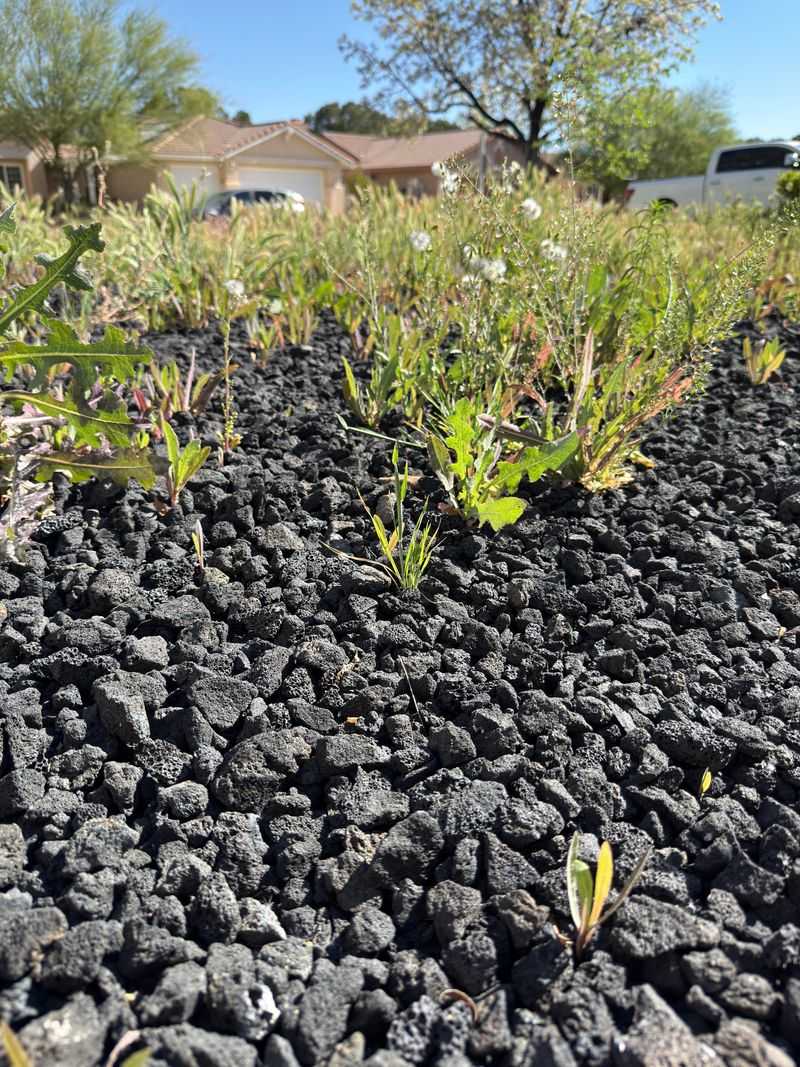
Nearly every garden in California holds a hidden reserve of weed seeds just below the surface. Scientists call this a seed bank.
Every weed that went to seed in past years added to it, often long before the current owners moved in.
According to the UC Statewide IPM Program, many weed seeds can stay viable in soil for years without sprouting. Some species last a short time, while others can wait much longer.
Field bindweed seeds are known to persist for decades. Common purslane seeds can also hang on for many years.
Seeds often stay dormant until conditions line up just right. The right temperature, moisture, or a bit of light can all trigger sprouting.
Only a small share of the seed bank germinates in any one season. The rest stays in reserve, ready for next year and the year after that.
That explains a lot. Pulling every visible weed this week does nothing to the thousands of seeds still resting underground. That’s why a bed can look spotless in May and fuzzy with seedlings by June.
The best long-term strategy is keeping weeds from flowering and dropping seed. Each plant removed before it blooms means one less deposit in that underground account.
Over time, fewer new seeds go in, and the bank slowly shrinks. Gardeners who stay consistent often see the difference within a few seasons.
One Missed Root Fragment Regrows Fully
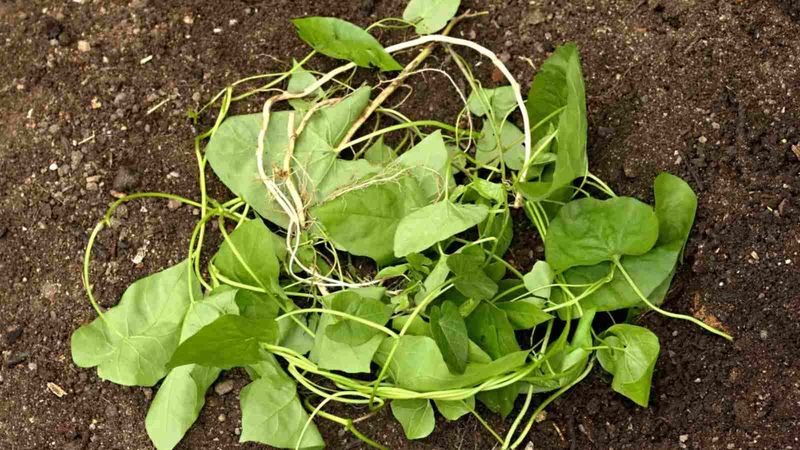
A satisfying snap often comes with a pulled weed, and it feels like a small victory. That snap, however, may have left part of the root behind in the ground.
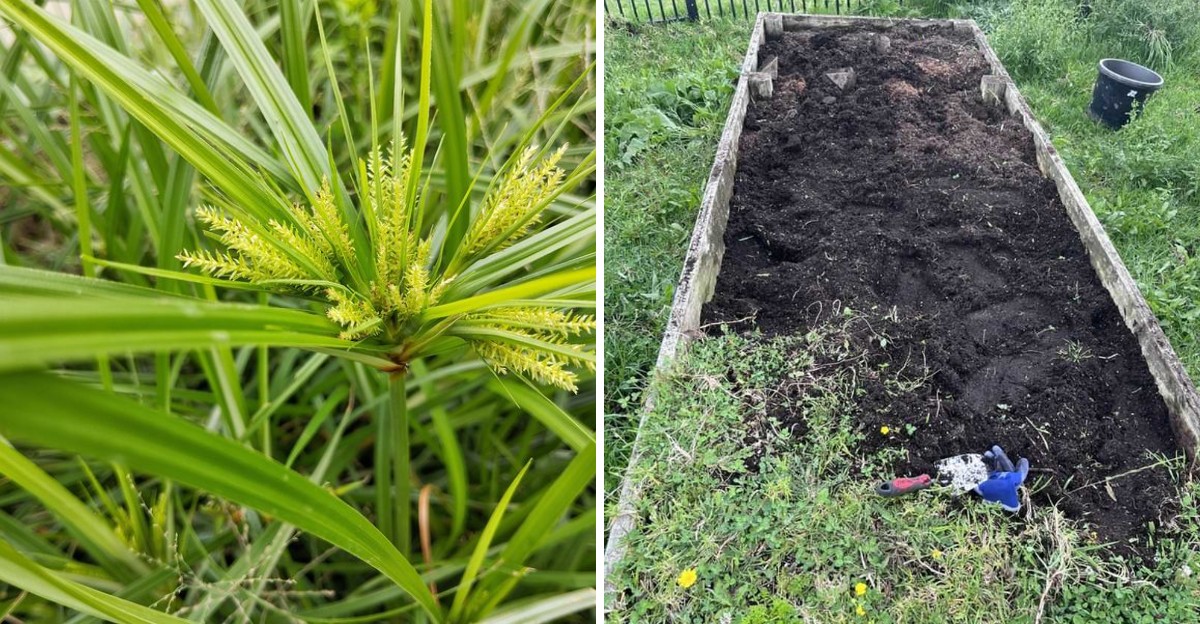
Certain perennial weeds can grow an entire new plant from a small leftover piece of root or underground stem. UC IPM points to field bindweed, Bermudagrass, and nutsedge as classic troublemakers in California yards.
Bindweed roots can reach many feet deep into California soil. That’s far deeper than any hand pull will ever go.
Each root piece holds buds that can wake up and send new shoots toward the sunlight. Breaking a root into chunks while digging can accidentally turn one weed into several.
Tilling a bindweed patch spreads the problem the same way. The blades chop roots into fresh starter pieces, each ready to sprout.
Pulling still has value, but technique matters a great deal. Moist soil lets roots slide out far more completely than hard, dry dirt does.
Your California Garden Changes Every Week. Your Plan Should Too.
Gardening in California changes quickly throughout the season. Every Friday you’ll receive a simple weekly plan showing exactly what to plant, prune, fertilize, harvest, and protect so you never miss the right timing.
A digging fork or a long, narrow weeding tool loosens soil around the root instead of yanking from the top. That small change brings up more of the root system intact.
Tough perennials usually need repeated removal of new growth. Each round of fresh shoots drains a little more of the root’s stored strength.
That leads straight into the next secret these weeds keep hidden.
Perennial Weeds Store Energy Underground
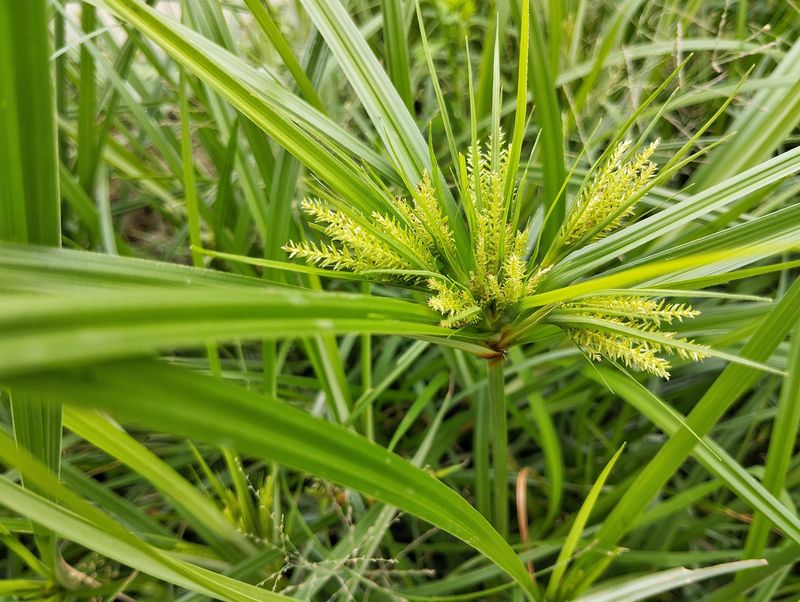
A packed lunchbox buried below ground is a fair way to describe a perennial weed. The leaves on display are only part of the story.
Underneath, it may have thick roots, creeping rhizomes, or little tubers stuffed with stored food. Those reserves keep it going long after the top disappears.
Yellow nutsedge offers a great example. UC IPM explains that it spreads mainly through small underground tubers, often called nutlets, and a single plant can produce a huge number of them in one season.
Bermudagrass relies on spreading rhizomes and stolons. Field bindweed keeps its energy in long, deep roots, and each type stores energy a little differently.
That stored food powers regrowth. Pulling off the top simply sends the plant to its underground pantry for fresh shoots.
It’s a bit like trimming a carrot top and expecting the carrot to vanish.
Fortunately, the pantry isn’t bottomless. Every new set of leaves costs energy, and the plant needs those leaves to make more.
Removing shoots before they mature slowly drains the underground storage. Each round tips the balance a little further in the gardener’s favor, even when progress feels slow.
Nutsedge comes with a handy timing tip. UC IPM notes that tubers tend to form around the five- or six-leaf stage.
Removing young plants before then stops new tubers from forming. Steady, repeated effort weakens the rest over time.
Disturbing Soil Can Trigger New Germination
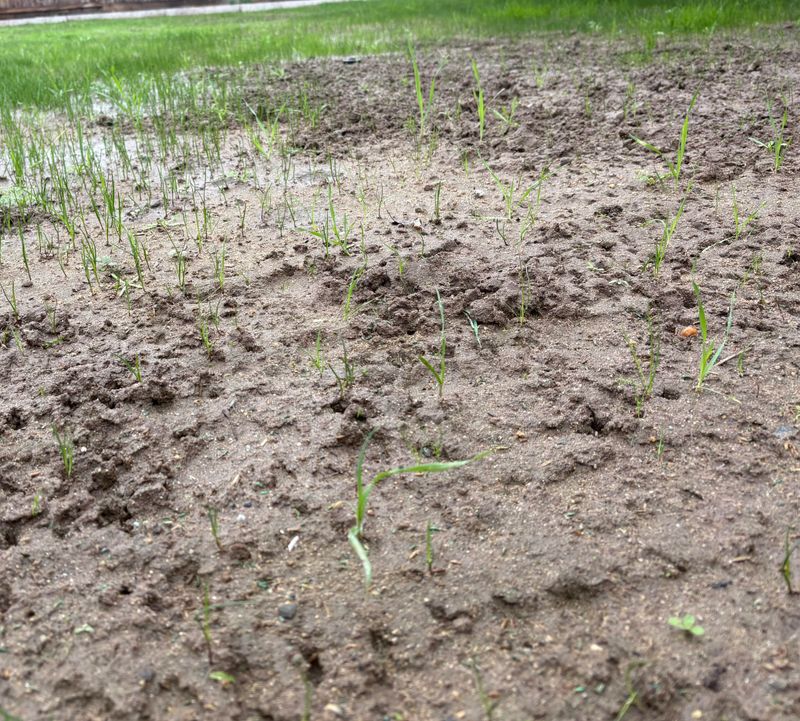
One frustrating twist rarely gets mentioned in gardening guides. Sometimes the very act of pulling weeds helps plant the next batch.
A yanked weed drags soil upward and leaves a small crater of loose earth. That digging brings buried seeds from the seed bank closer to the surface.
UC IPM notes that many small weed seeds need light, or the changes that come with being near the surface, to break dormancy and sprout. A little disturbance can be all the invitation they need.
Tilling and heavy hoeing do the same thing on a larger scale. A freshly worked bed is basically a welcome mat for seeds that have been resting for years.
Within a week or two, a fresh carpet of seedlings can appear exactly where the cleanup happened. It’s a classic case of good intentions backfiring.
Minimal soil disturbance works far better. A sharp hoe that slices young weeds just below the surface beats deep digging. Tamping loosened soil back down after removing larger plants helps too.
Timing offers another advantage. Some gardeners water a bare bed, wait for the first flush of weeds to sprout, then shallowly remove them before planting.
UC IPM describes this approach as a way to reduce the seed bank near the surface. Afterward, leaving the soil undisturbed and covered keeps the next layer of seeds buried and in the dark.
Mulch Interrupts The Cycle Better Than Pulling
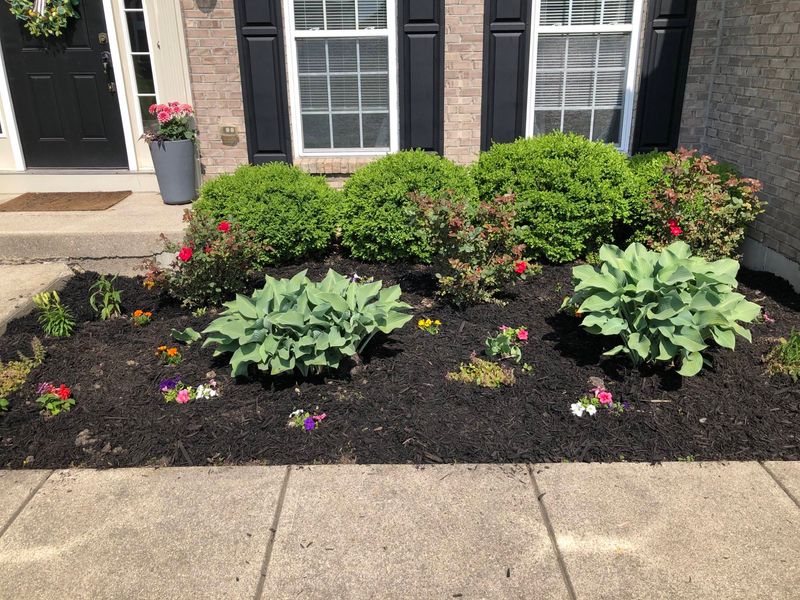
Forest floors covered in fallen leaves rarely sprout many weeds, even after rain. Nature figured out mulching long before gardeners did.
Mulch works by blocking sunlight from reaching the soil surface. Since many weed seeds need light to sprout, a good layer keeps a large share of them dormant in the seed bank.
UC IPM generally suggests about 2 to 4 inches of organic mulch like wood chips or bark. Coarser material works best toward the thicker end of that range.
Hand removal handles weeds already growing, while mulch handles the ones that haven’t shown up yet. Together, they make a much stronger team than pulling alone could ever be.
A few limits are worth knowing. Mulch does a good job against new seedlings, but tough perennials like bindweed and nutsedge can push right through it using their stored energy.
Nutsedge can even poke through some landscape fabrics. No cover solves every weed problem on its own, however thick.
Clearing existing weeds first gives mulch the best start. An even layer, kept a few inches away from plant stems and tree trunks, works best. A refresh about once a year keeps it effective as it breaks down.
Weeds that sneak through often sit loosely in the mulch, making them much easier to pull. Mulch also holds moisture, a real perk during long California dry spells.
Consistency Matters More Than Any Single Effort
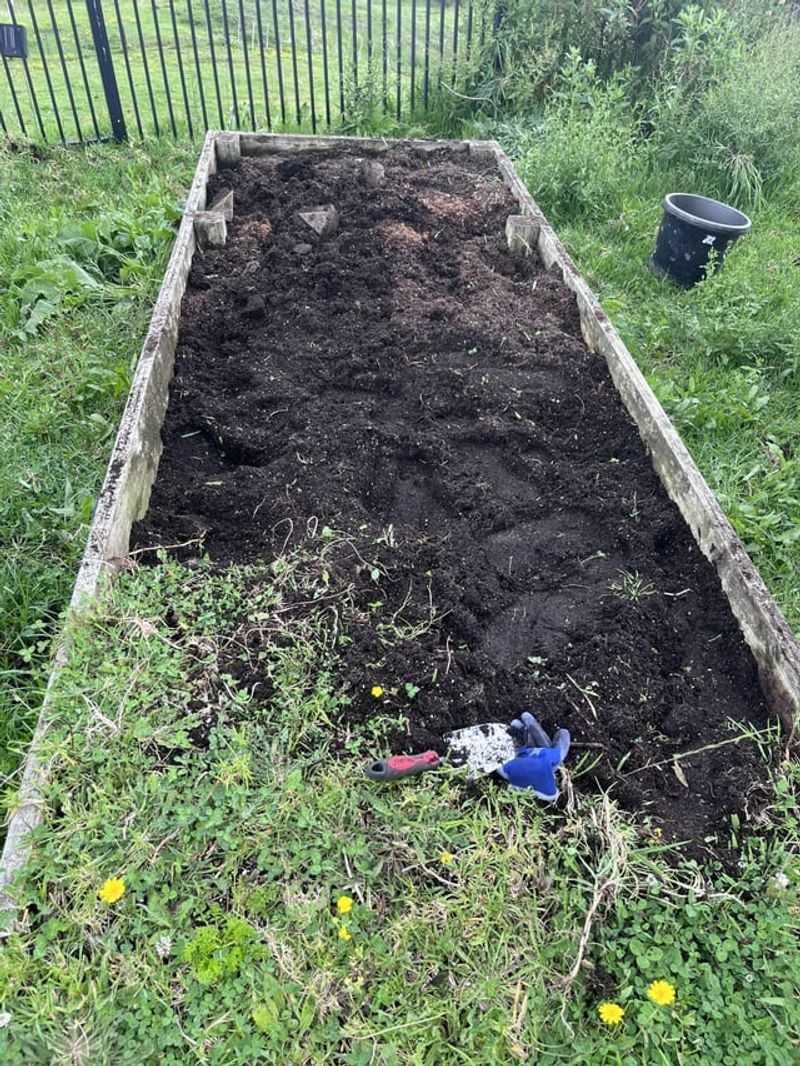
One exhausting six-hour weekend of weeding sounds productive. Ten easy minutes every few days usually works far better in the long run.
A huge cleanup feels heroic, but weeds don’t follow a single schedule. New seedlings sprout over many weeks, and perennials send up fresh shoots whenever they can.
One big effort only catches what happens to be visible on that particular day. Frequent, small visits change the game in three important ways.
First, tiny seedlings come out easily, often with just a quick scrape of a hoe. Second, plants get removed before they flower and drop more seeds into the soil.
Third, regular removal keeps perennial weeds from rebuilding their underground energy. UC IPM stresses that repeated removal is key to weakening plants like bindweed over time and across seasons.
Skipping a few weeks gives roots a chance to recharge. That can undo some of the progress already made in the bed.
Weeding fits best when tied to an existing routine. A quick walk through the garden while morning coffee cools, or a few pulls during each watering session, adds up surprisingly fast.
A hand tool and bucket kept near the door make starting effortless.
Small habits, done steadily, work a lot like brushing teeth. Nobody brushes for an hour once a month and calls it good, and steady attention is what truly keeps weeds under control.
Some Weeds Need Years, Not Days
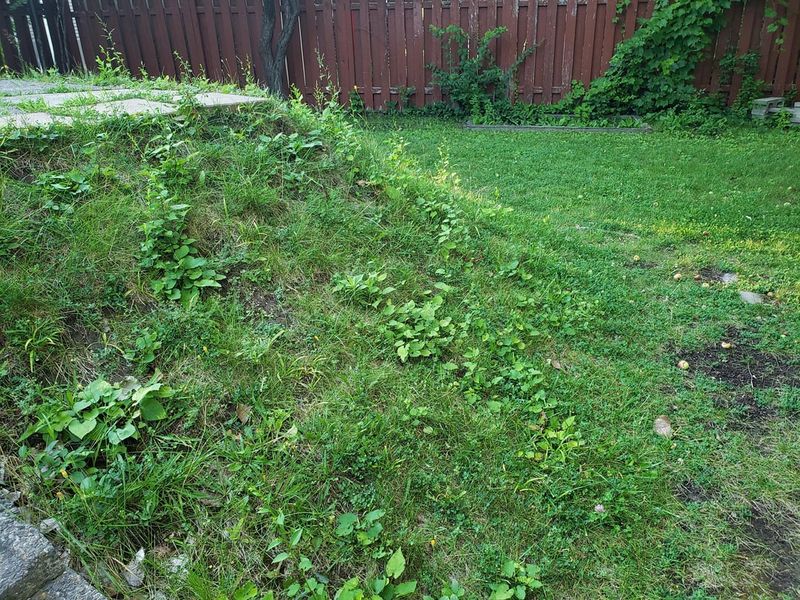
Gardening magazines love a quick before-and-after photo. Real life with stubborn California weeds looks more like a slow, steady time-lapse.
The seed bank plays a big role here. Even with every weed stopped from making new seeds, older seeds already in the soil keep sprouting for several seasons.
Long-lived species can take years to run that reserve down. Deep-rooted perennials like field bindweed behave similarly, often needing repeated removal across more than one growing season before they truly weaken.
That might sound discouraging, but there’s real reason for hope. Progress usually shows up as fewer weeds each year rather than zero weeds overnight.
Many gardeners notice a clear difference by the second or third season of steady care. Those gains tend to build on each other year after year.
A photo of the same bed each spring makes progress easy to track. Notes on which weeds appeared, and roughly how many, add even more detail.
Watching the numbers drop offers great motivation on days when the job feels endless.
Correct identification also matters, since the best plan for nutsedge differs from the plan for crabgrass. UC IPM Pest Notes offer helpful photos for sorting them out.
Patience and steady effort make the biggest difference. Over time, the work starts paying off, and the garden finally begins working with the gardener instead of against them.