Why Mulberry Trees Make Such A Mess In California Yards And How To Manage It
Mulberry trees can be charming right up until your yard starts looking like it hosted a very messy fruit festival.
One day everything seems fine, and the next you are noticing stains, squishy surprises underfoot, and a growing collection of little outdoor annoyances that definitely were not part of the landscaping plan.
California’s long growing season can make mulberries feel especially enthusiastic, which is great when you love the tree and slightly less great when cleanup becomes part of your routine.
Patios, walkways, lawns, cars, and anything else nearby may suddenly seem involved in the drama. Apparently, the tree believes in sharing.
The frustrating part is that mulberries can be beautiful, useful, and downright enjoyable while still creating a backyard headache that is hard to ignore.
That leaves many homeowners wondering how much mess is normal and what can realistically be done about it.
Before you start considering drastic measures, it helps to understand what makes these trees so untidy in the first place. A few practical choices may make living with a mulberry much easier.
Ripe Berries Drop Faster Than Most People Can Pick Them
Most fruit trees give you a little warning before things get out of hand. Mulberry trees are not like that.
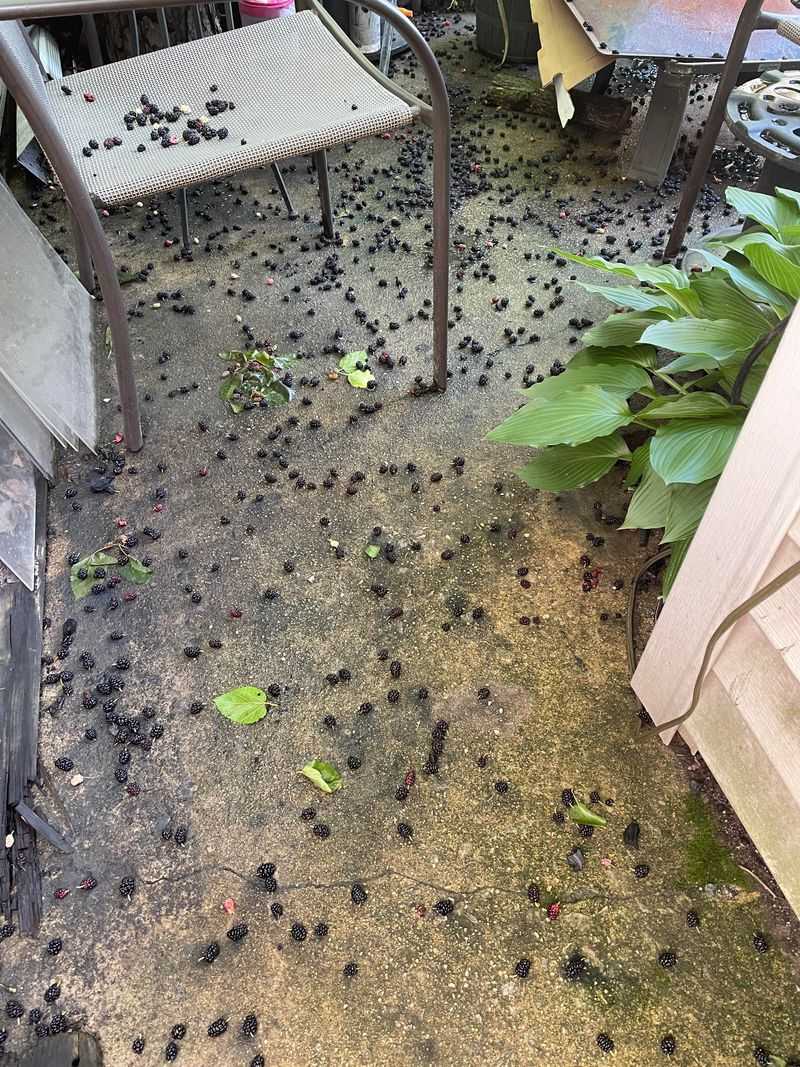
Once the berries start to ripen, they come down fast and in huge numbers. You might check your tree in the morning and find the ground mostly clear. By afternoon, it looks like a purple carpet.
The reason this happens is simple. Mulberry berries are soft and do not hold onto the branch very well once they reach full ripeness.
A light breeze, a passing bird, or even just the weight of the fruit is enough to send them falling. Unlike apples or pears, you cannot leave them on the tree for long.
They go from ripe to overripe in just a day or two. Keeping up with the drop takes real effort. Checking the tree every day during peak season is the most effective way to stay ahead of the mess.
A long-handled fruit picker can help you grab berries before they fall on their own. Some people shake the branches gently over a tarp to collect berries in bulk.
The key is to act early and act often. Letting even two or three days pass without collecting can lead to a sticky, stained mess that takes much longer to clean up than the harvest itself would have taken.
Purple Fruit Stains Patios, Sidewalks, And Driveways
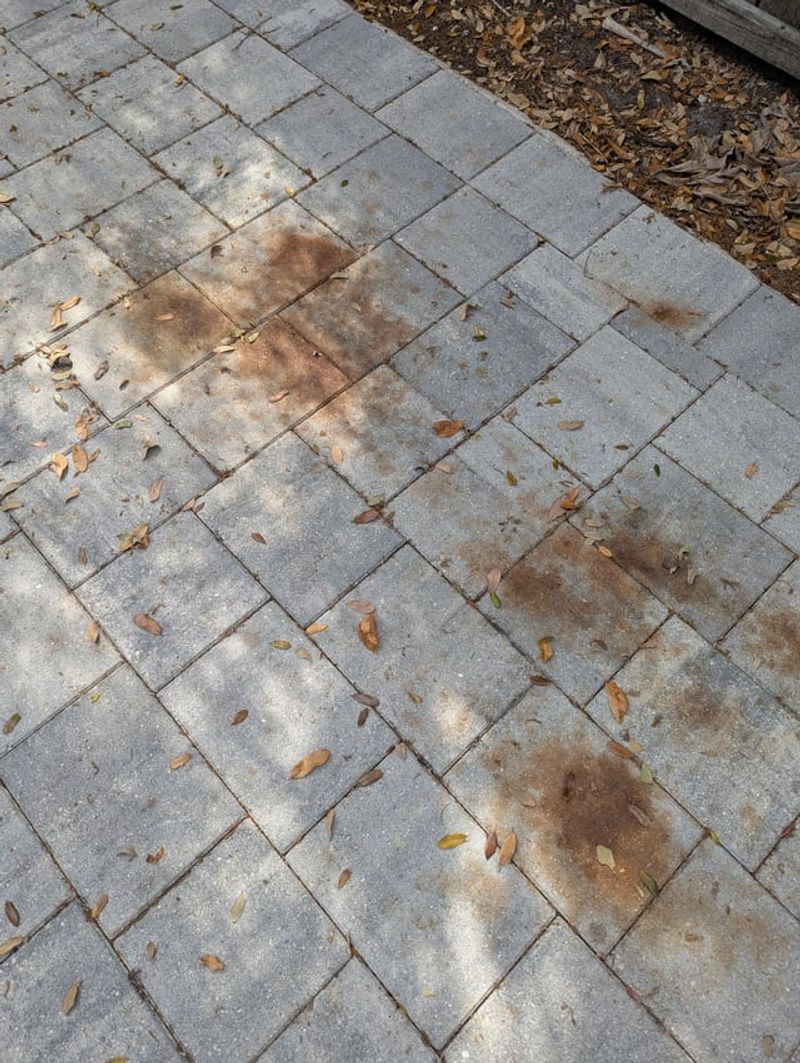
Few things are harder to remove from outdoor surfaces than mulberry juice. The deep purple color comes from natural pigments called anthocyanins.
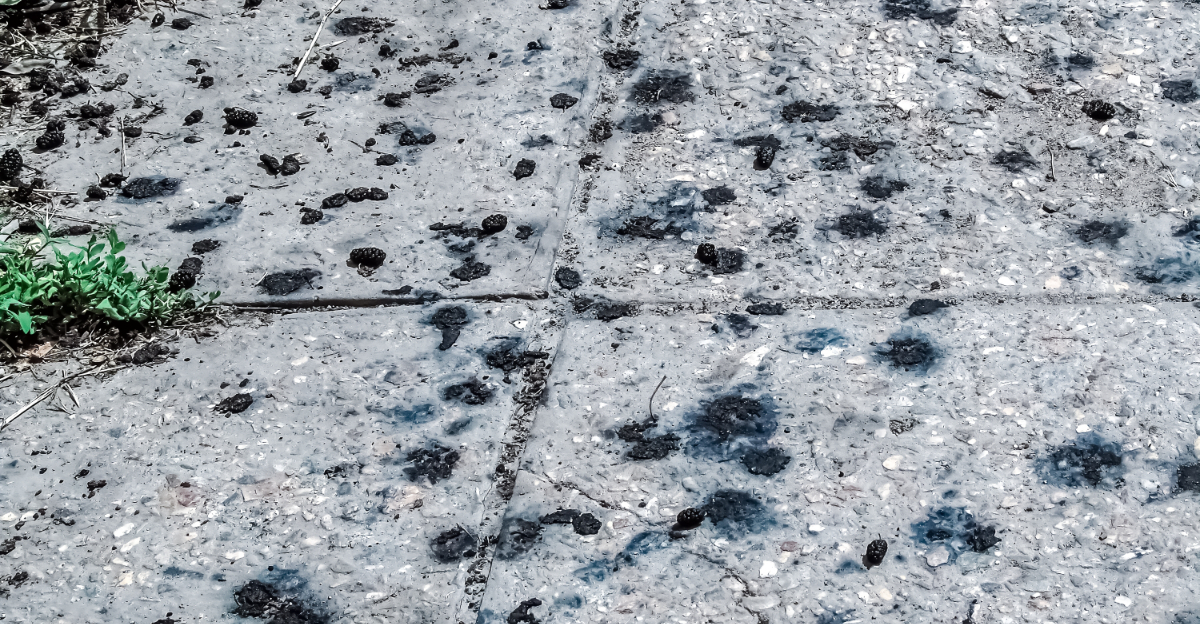
These same pigments that make the fruit so vibrant also make the stains incredibly stubborn. Once a berry gets stepped on or sits in the sun for a few hours, the juice soaks into concrete, brick, and pavers quickly.
Patios are especially vulnerable because they tend to be close to the tree and get a lot of foot traffic. People walk through the fallen berries, then track the juice across a wider area.
Your California Garden Changes Every Week. Your Plan Should Too.
Gardening in California changes quickly throughout the season. Every Friday you’ll receive a simple weekly plan showing exactly what to plant, prune, fertilize, harvest, and protect so you never miss the right timing.
The stains spread, dry, and darken. On light-colored concrete, the marks can look almost permanent if left too long without treatment.
Acting fast is the best defense. Rinsing the surface with water as soon as berries fall can prevent the juice from setting.
For stains that have already dried, a mixture of dish soap, white vinegar, and warm water applied with a stiff brush works well on most surfaces. Pressure washing is another effective option for driveways and sidewalks.
Some homeowners also apply a concrete sealer before berry season begins. The sealer creates a protective layer that makes future stains easier to rinse away.
Staying consistent with cleanup throughout the season is the most reliable way to keep surfaces looking clean.
Birds Spread The Mess Well Beyond The Tree
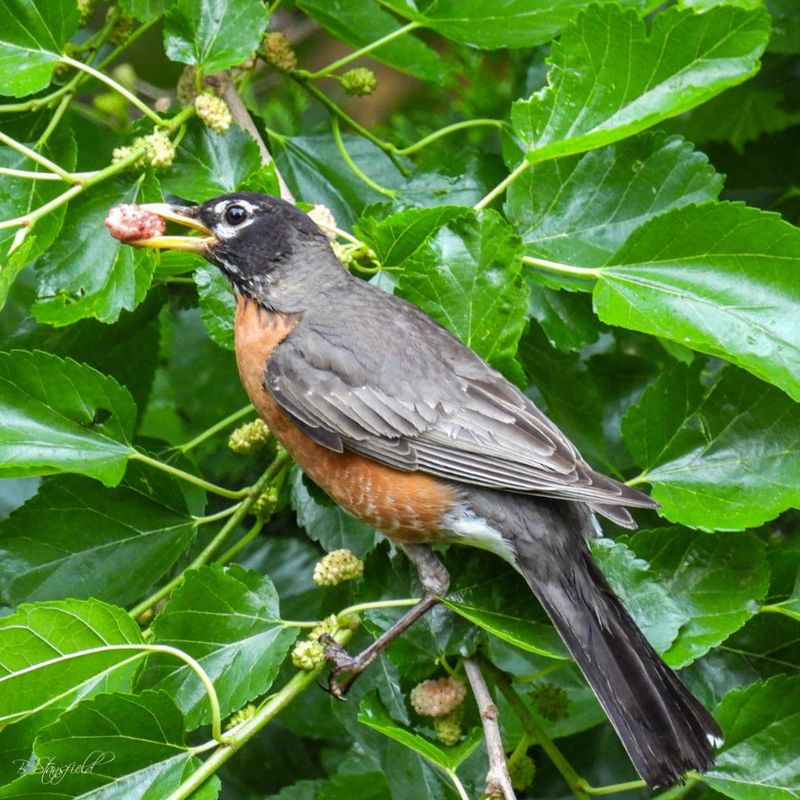
One mulberry tree can attract dozens of birds in California every single day during fruit season. Robins, starlings, mockingbirds, and cedar waxwings are just a few of the species that love these berries.
Birds are great for the environment, but they do create a secondary mess that extends far beyond the tree itself.
When birds eat mulberries, the pigment passes through their digestive system quickly. The droppings land on cars, rooftops, fences, patio furniture, and walkways.
Because the birds fly while digesting, the stains can appear surprisingly far from the tree. Neighbors who do not even have a mulberry tree sometimes end up with purple bird droppings on their property.
Reducing bird traffic is tricky because birds are protected and you cannot chase them away permanently. However, there are some helpful strategies.
Reflective tape or pinwheels hung near the tree can discourage birds from landing. Bird netting placed over smaller trees can physically block access to the fruit.
For larger trees, this is harder to do but still possible with the right equipment. Harvesting berries frequently also helps because fewer ripe berries on the tree means less reason for birds to visit.
Accepting some level of bird activity is realistic, but combining a few deterrent methods can noticeably reduce the volume of droppings landing outside the tree zone.
Overripe Fruit Can Turn Slick Underfoot
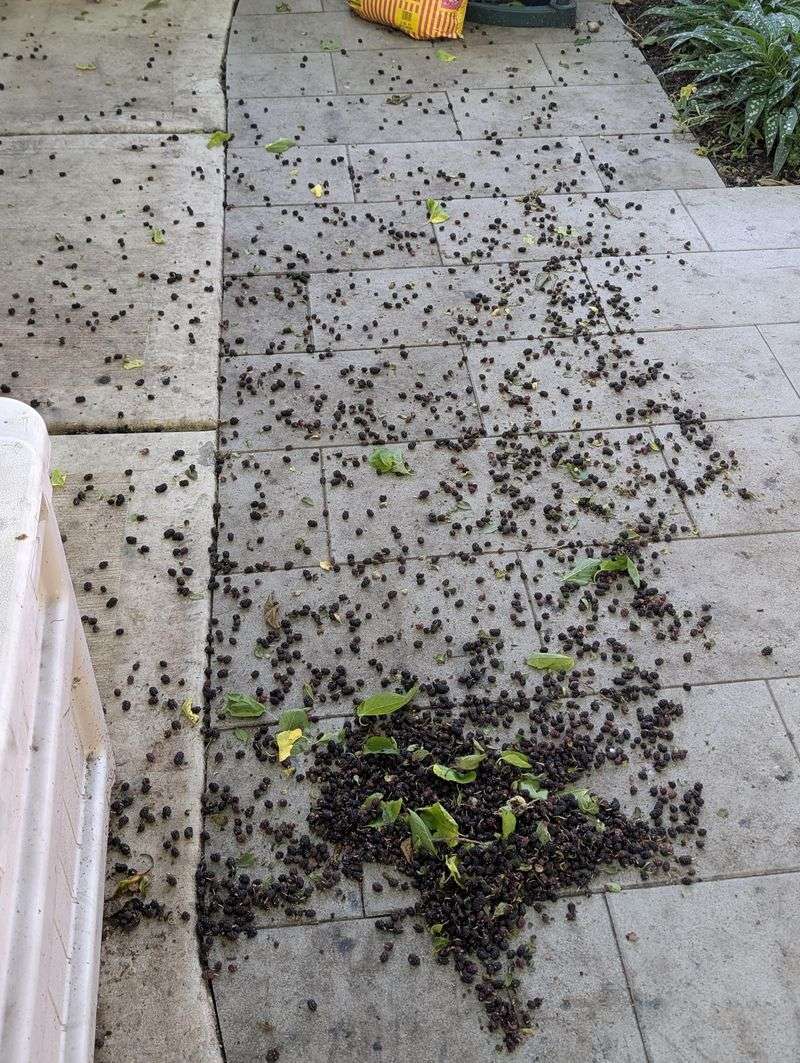
A berry that has been sitting on the ground for a day or two becomes more than just a stain problem. Overripe mulberries break down into a soft, wet pulp that can be genuinely slippery.
Walkways, steps, and garden paths near the tree can become hazardous if fruit is allowed to accumulate.
Children and older adults are especially at risk on these surfaces. The pulp has a similar effect to wet leaves on pavement.
You might not notice it until your foot slides. Shaded areas under the tree tend to dry out more slowly, which means the crushed berries stay slick for longer than they would in direct sunlight.
Staying on top of ground cleanup is the most straightforward solution. Sweeping or raking fallen fruit every day during peak drop season keeps walkways safer and prevents buildup.
A leaf blower set on low can move lighter berries off hard surfaces quickly. For paths that see heavy foot traffic, laying down a rubber mat or outdoor rug during berry season adds a layer of grip and catches some of the fallen fruit before it gets stepped on.
Rinsing paths with a hose after sweeping removes the remaining juice and reduces the slick film. A little daily attention makes a big difference in keeping outdoor areas safe and usable throughout the entire fruiting period.
Heavy Crops Can Cover The Ground In Days
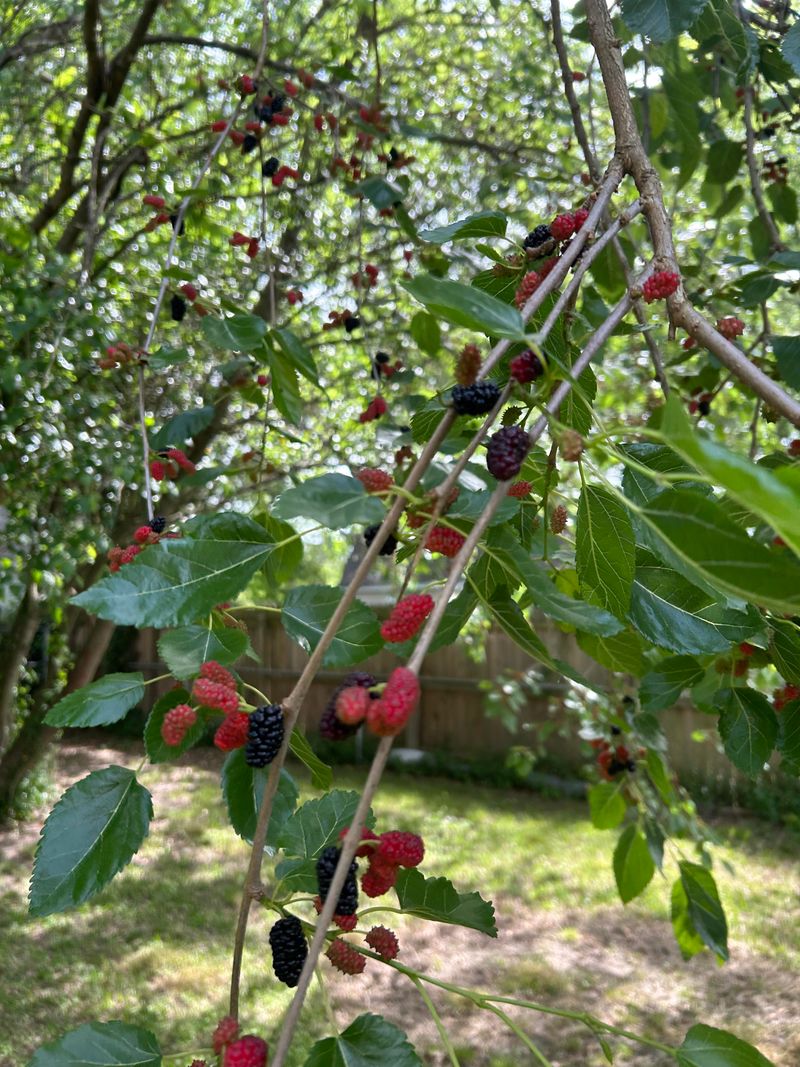
A mature mulberry tree can produce an enormous amount of fruit. Some trees drop hundreds of pounds of berries in a single season.
During peak fruiting, the ground beneath the tree can go from bare to fully covered in just two or three days. The sheer volume of fruit is one of the biggest reasons the cleanup feels so overwhelming.
What makes this especially challenging is that the fruit does not all ripen at once. Berries continue to fall over several weeks, which means the mess keeps returning even after a thorough cleanup.
You clean one day, and by the next morning there is a fresh layer waiting. For homeowners who are not prepared, this cycle can feel exhausting.
Planning ahead helps a lot. Knowing that peak drop season typically runs for three to five weeks gives you a chance to build a routine before it starts.
Setting aside a short time each day for ground cleanup prevents the buildup from getting out of control. Using a garden rake or a wide broom makes the job faster.
Some people find that a lightweight tarp placed under the canopy catches a large portion of the falling fruit before it reaches the ground.
Collecting and composting the berries is a good way to put the excess fruit to use instead of just sending it to the trash. A steady routine is your best tool during this period.
Regular Harvesting Keeps The Worst Of The Mess Down
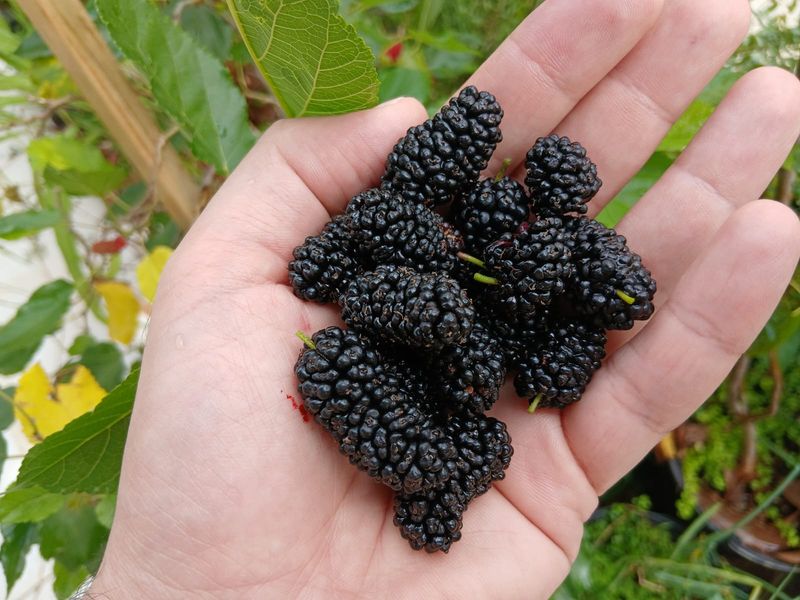
Harvesting your mulberries regularly is one of the most effective ways to cut down on the chaos. Every berry you pick before it falls is one less stain on the patio and one less reason for birds to visit.
It sounds simple, but consistent harvesting really does make a noticeable difference in how much cleanup you face each week.
The best time to harvest is in the early morning when the berries are still cool and firm. They hold together better at that temperature and are easier to collect without squishing.
A wide, shallow container works well for catching the fruit as you pick. Shaking branches gently over a bucket or tarp is a fast method that collects large quantities in minutes.
Harvested mulberries do not last long at room temperature, but they freeze beautifully. Spreading them in a single layer on a baking sheet to freeze first, then transferring them to bags, keeps them from clumping together.
Frozen mulberries are excellent in smoothies, jams, baked goods, and sauces. Sharing extras with neighbors, friends, or local community groups is another great option.
Many people are happy to take free fresh fruit. Turning the harvest into something useful makes the effort feel worthwhile and gives you a positive reason to stay on top of the tree throughout the season.
Tarps Can Make Fallen Fruit Easier To Collect
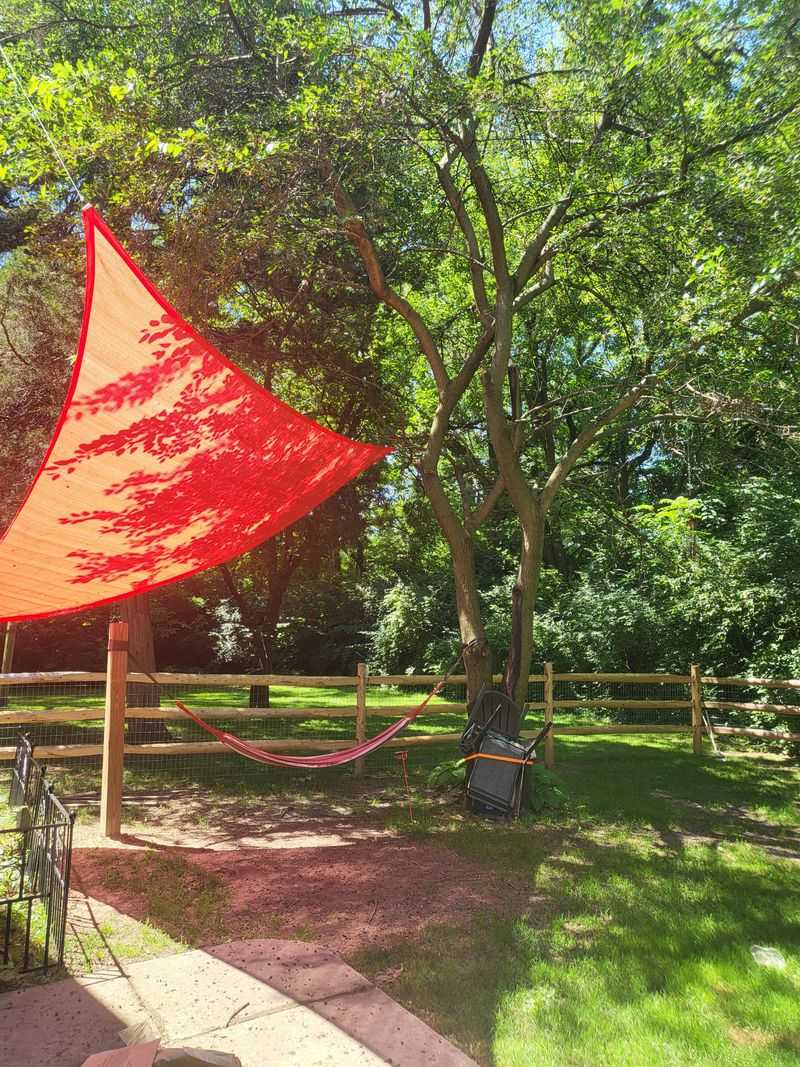
One of the most practical tools for managing mulberry mess is something most people already have in their garage.
A simple tarp placed under the canopy of the tree catches falling berries before they hit the patio or grass.
It does not stop the fruit from dropping, but it makes the cleanup dramatically faster and easier.
Lightweight plastic tarps work well for this purpose. They are easy to spread out, hold up to the weight of the fruit, and can be folded up quickly to dump the collected berries into a bin or compost pile.
For smaller trees, one tarp may be enough to cover most of the drop zone. Larger trees may need two or three overlapping tarps to get good coverage.
Securing the edges of the tarp is important so it does not blow away or bunch up in the wind. Rocks, bricks, or garden stakes work fine for holding the corners down.
Some people use a tarp with grommets and tie it to low branches or fence posts for better stability. Checking and emptying the tarp every day or two keeps it from becoming overloaded.
A tarp that is too full can be heavy and difficult to move without spilling. Pairing a tarp system with daily sweeping of any berries that land outside the covered area gives you a very manageable cleanup routine throughout the season.
Pruning Can Help Keep Fruit Within Reach
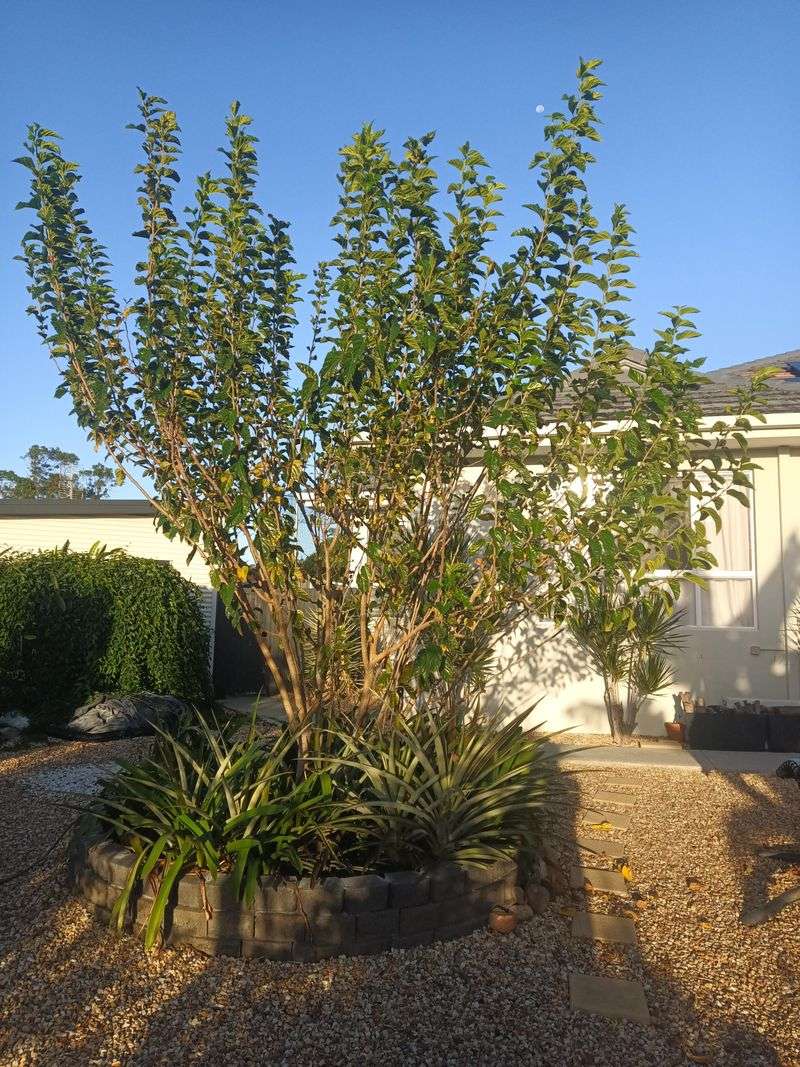
Tall, unpruned mulberry trees are beautiful but nearly impossible to harvest from. When fruit grows twenty or thirty feet above the ground, there is no realistic way to pick it before it falls.
Pruning the tree to a more manageable size and shape is one of the best long-term strategies for reducing mess and improving your ability to harvest the fruit.
Regular pruning keeps the canopy lower and more open. Lower branches mean easier access to the fruit.
An open canopy also means better airflow, which helps fruit dry faster after rain and reduces the chance of mold forming on fallen berries below. Pruning is best done in late winter or early spring before the tree starts its new growth cycle.
You do not need to be a professional to prune a mulberry tree. A good pair of bypass loppers handles branches up to an inch thick.
For larger limbs, a pruning saw is the right tool. Cutting back long, arching branches that hang over patios or walkways reduces the area where berries fall directly onto hard surfaces.
Removing crossing branches and thinning out dense sections of the canopy also makes the tree easier to work with overall.
In California and other warm regions, mulberry trees grow quickly, so annual pruning is usually necessary to maintain a manageable size.
Keeping up with it each year is much easier than trying to reshape a tree that has been left alone for many seasons.