Texas Fruit Trees That Need Less Water Once Fall Begins
Your water bill might finally get a break. During summer, Texas fruit trees drink like they’re running a marathon.
Long, hot days pull moisture out of the soil fast. Many homeowners end up watering every few days just to keep their trees from struggling.
Fall changes the game. As temperatures drop and the days get shorter, many fruit trees start slowing down.
They stop pushing out new growth, begin storing energy for winter, and simply don’t need as much water as before. Cooler air also means the soil holds moisture longer.
Here’s the catch. Keep watering on a summer schedule, and you could end up with soggy roots, fungal problems, and weaker trees by spring.
Some fruit trees adjust especially well to this seasonal shift. Knowing which ones they are can save you water, money, and a lot of guesswork in the months ahead.
1. Pomegranate
Ancient travelers carried pomegranates across hot deserts because the fruit stayed fresh for weeks.
That same toughness makes the tree a star in Texas yards. It shrugs off blazing heat and handles the alkaline, chalky soil found in so many parts of the state.
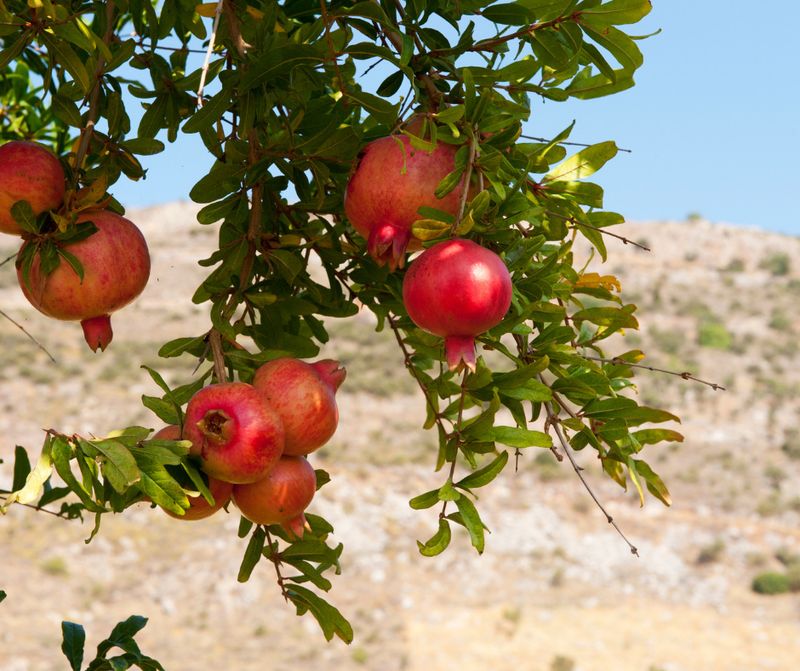
Most pomegranates ripen from September into October. You will know they are ready when the skin turns deep red and makes a metallic sound when you tap it. Once you pick the last fruit, the tree starts slowing down for winter.
After harvest, you can relax on the watering schedule. A deep soak every two to four weeks during dry spells is usually plenty.
Let the hose trickle slowly at the base for about an hour so water reaches deep roots. Skip watering completely if fall rains come through.
Watering too much in fall can actually cause trouble. Soggy soil invites root rot, and it can push out tender new growth that gets hurt by early freezes. A little dryness tells the tree it is time to rest.
Fun fact: one pomegranate can hold more than 600 seeds, called arils. Each one is a tiny juice-filled jewel. They taste great on salads, yogurt, or straight from the fruit.
For best results, add a three-inch layer of mulch around the base. Keep it a few inches away from the trunk. Mulch holds moisture, keeps roots cozy, and cuts down on weeds.
Good varieties for Texas include Wonderful, Salavatski, and Al-Sirin-Nar. Salavatski is known for handling colder winters in North Texas.
With so little fuss once fall arrives, a pomegranate might just become your easiest tree to care for.
2. Fig
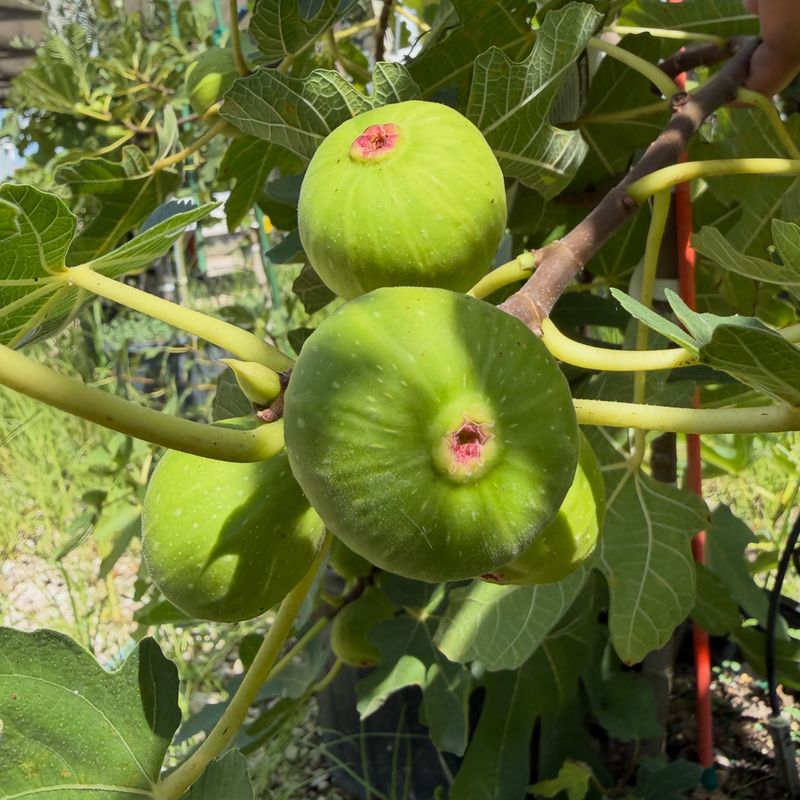
Grandma’s fig tree by the back fence is a classic Texas memory for many families. Those sweet, sticky fruits have been loved here for generations. And once summer ends, the tree becomes much easier to care for.
During summer, figs are big drinkers. Their roots stay fairly shallow, so they dry out fast while fruit is forming. Skip water in July and the figs may shrivel or drop before they ripen.
Fall changes everything. After the main harvest, the tree’s thirst drops a lot. When the big leaves start turning yellow and falling, you can cut back to a deep soak only during long dry stretches.
Your Texas Garden Changes Every Week. Your Plan Should Too.
Gardening in Texas changes quickly throughout the season. Every Friday you’ll receive a simple weekly plan showing exactly what to plant, prune, fertilize, harvest, and protect so you never miss the right timing.
A good rule is to check the soil first. Push your finger about two inches down near the drip line. If it feels dry, give the tree a slow, deep drink. If it feels damp, wait a few more days.
One fall chore matters a lot. Water your fig well a day or two before a hard freeze is forecast. Moist soil holds heat better than dry soil, so it helps protect the roots during cold snaps.
Figs are a little tender in colder parts of Texas. Varieties like Celeste, Brown Turkey, and Texas Everbearing handle our winters better than most. In North Texas, a thick blanket of mulch or leaves around the base adds extra protection.
Here is a fun bit of trivia. A fig is not really a fruit in the usual sense. It is a hollow flower cluster turned inside out, with tiny blooms hidden inside. Nature sure has a sense of humor.
3. Jujube
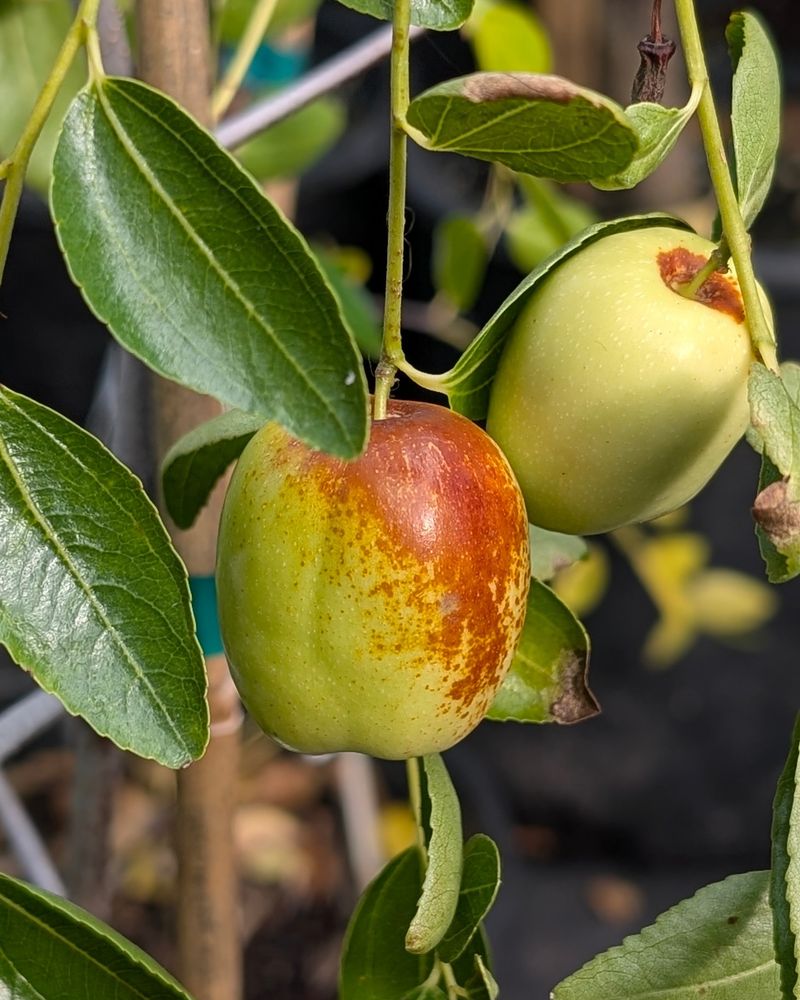
Ever heard of a fruit that tastes like an apple when fresh and a date when dried? Meet the jujube, also called the Chinese date. People in China have grown it for over 4,000 years, and it fits Texas like a cowboy boot.
Few fruit trees can match its toughness. Jujubes handle heat, wind, poor soil, and long dry spells without much complaint. Some old trees in West Texas survive on rainfall alone.
The fruit ripens from late summer into early fall. Green fruits slowly turn brown or reddish, and they are sweetest when about half brown. Pick them crisp for snacking, or let them wrinkle on the tree for a chewy treat.
Once the harvest wraps up, your watering job gets super easy. A mature jujube needs very little extra water in fall. If it has not rained in a month or more, give it one deep soak, and that is about it.
Young trees are a bit different. During their first two years, water them every couple of weeks in dry fall weather. Strong roots now mean a self-reliant tree later.
Watch out for thorns when you work around some varieties. Many have sharp spines along their zigzag branches. A good pair of gloves will save your fingers.
Popular picks for Texas include Li, Lang, and Sugar Cane. Li produces large, round fruits, while Sugar Cane is famous for its super sweet flavor.
Jujubes also rarely have pest problems, which makes them a dream for busy gardeners. If you want a fruit tree that almost takes care of itself, put this one at the top of your list.
4. Japanese Persimmon
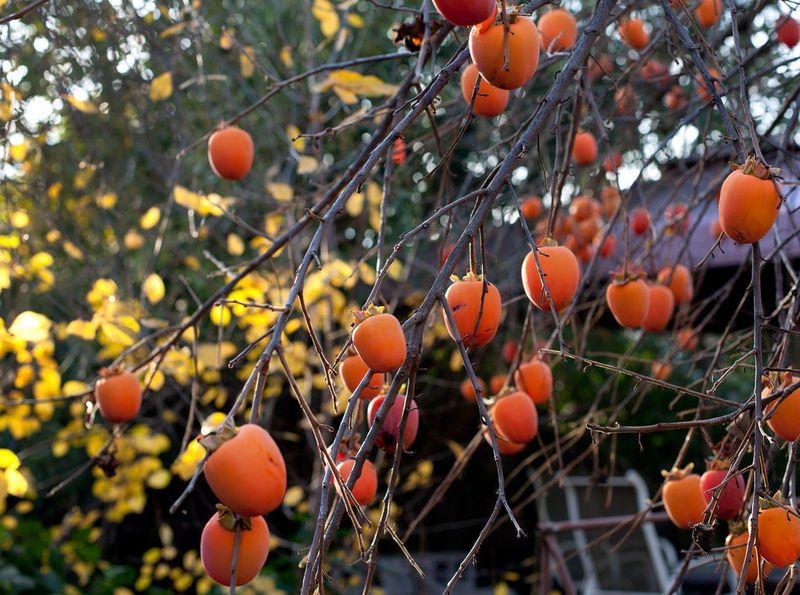
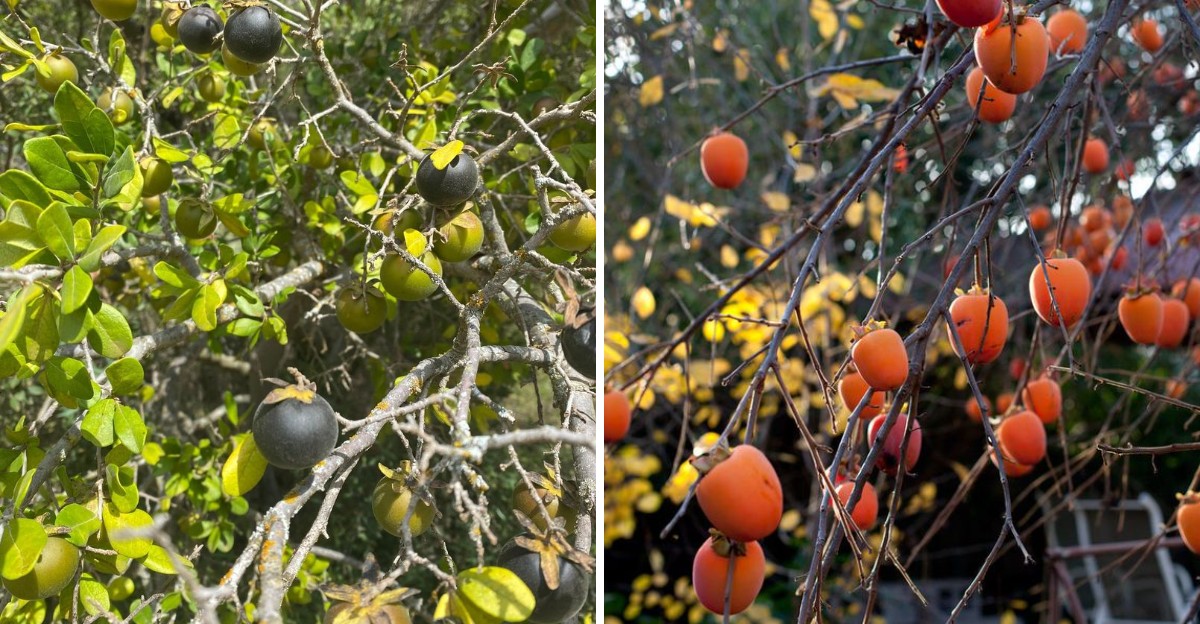
Few sights in a fall yard are as striking as bright orange persimmons glowing on bare branches. It looks like someone hung ornaments on the tree. Japanese persimmons are pretty, tasty, and a great fit for much of Texas.
Timing matters with this tree. Unlike some others on this list, it needs steady water right up until harvest. Dry soil in late summer or early fall can make the tree drop its fruit too soon.
So keep the hose handy through September and October. Water deeply about once a week if rain is scarce. The goal is moist soil, not a swamp.
Harvest usually happens from October into November. Fuyu types can be eaten while still firm, like an apple. Hachiya types must be soft and squishy before eating, or they taste chalky and bitter.
After the fruit is picked and the leaves fall, you can ease up. Switch to a deep soaking only during long dry periods, maybe once a month. The tree is resting now and does not need much.
A handy tip is to leave a few fruits on the tree after leaf drop. They look lovely, and birds will thank you for the snack. Just pick most of them before a hard freeze.
Japanese persimmons do best in well-drained soil. Heavy clay that stays wet can hurt the roots during winter. If your yard has clay, plant on a slight mound to help water drain away.
Good varieties for Texas include Fuyu, Hachiya, and Tam Kam. Pick one, and you will enjoy sweet fall fruit for many years.
5. Texas Persimmon
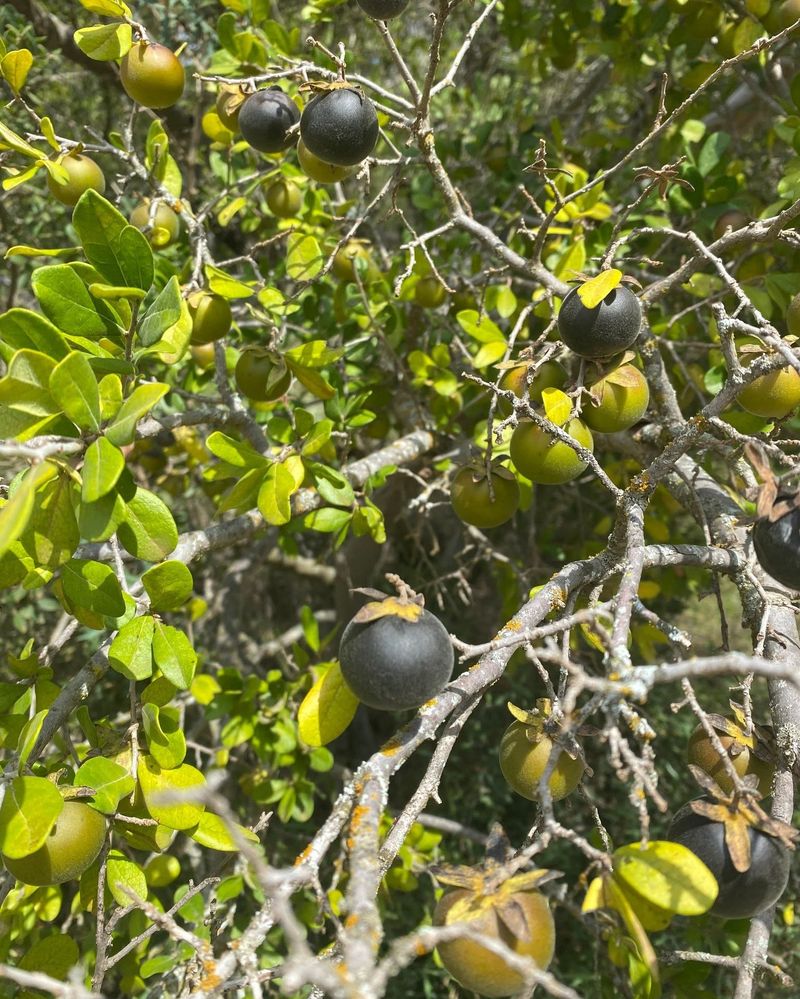
Hike through the Hill Country and you might spot a small tree with smooth, silvery bark that peels like a sycamore.
That is the Texas persimmon, a true local hero. It has been growing in our rocky soils long before anyone planted a garden here.
Native to Central, South, and West Texas, it laughs at drought. Thin soil, hot sun, and weeks without rain do not bother it much. Its roots know how to find water deep in limestone cracks.
Once established, it rarely needs any extra water in fall. Rainfall is usually enough. The only time to step in is during an extreme drought, when one slow, deep soak can help.
New trees need a little more love. For the first year or two, water every few weeks when the weather is dry. After that, you can mostly let nature take over.
The fruit is small, round, and turns black when ripe in late summer. It is sweet but full of seeds, and it can stain your hands purple. Some people make jelly from it, but most folks leave it for wildlife.
And wildlife loves it. Mockingbirds, cardinals, raccoons, foxes, and even deer snack on the fruit. Planting one is like opening a little cafe for backyard critters.
Fun fact: the black juice was once used to dye animal hides. That is where the Spanish name chapote comes from, linked to the dark color.
The tree stays small, usually under 20 feet, so it works in tight spaces. Its twisting trunk and pale bark make it a lovely feature year round.
6. Mexican Plum
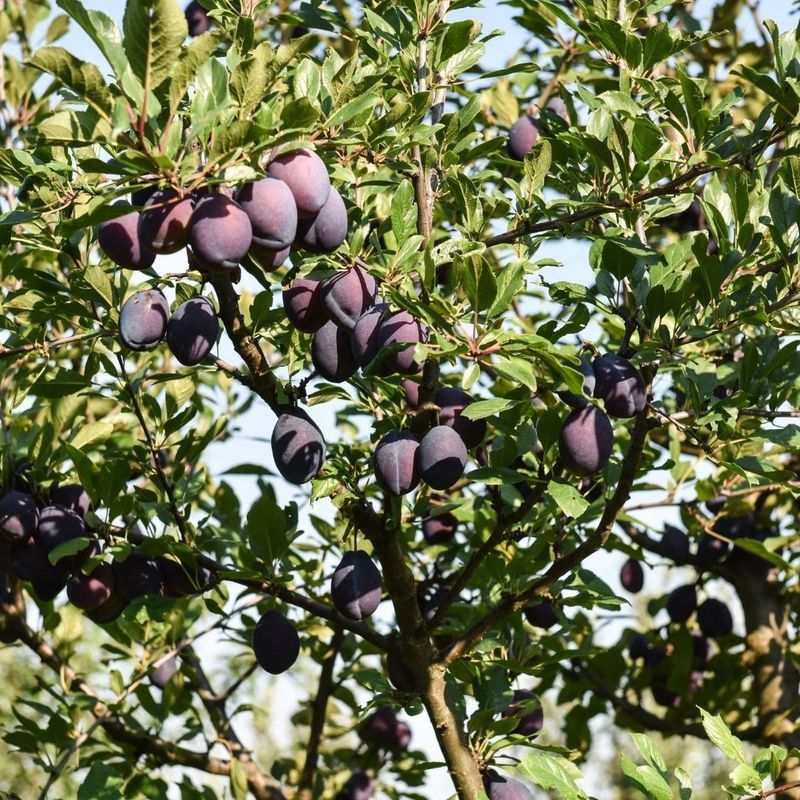
Spring gets most of the attention with this tree. Clouds of white, sweet-smelling blossoms appear before the leaves, and bees go wild. But fall is when the Mexican plum quietly shows how easy it can be.
Native to much of Texas, it is built for our weather. It handles heat, clay soil, and dry spells once its roots settle in. Unlike its cousin the Chickasaw plum, it grows as a single trunk instead of a thicket.
Small purple-red plums ripen in late summer. They are a bit tart but make tasty jams and jellies. Birds, squirrels, and foxes also love to gobble them up.
As fall arrives, the leaves turn soft yellow and orange before dropping. The tree then heads into its winter nap. Established trees usually do just fine with rainfall alone during this season.
Young trees are another story. If yours was planted in the last year or two, give it a deep drink every two to three weeks in dry weather. Water slowly at the base so the moisture sinks down deep.
Fall is actually a great time to plant a new Mexican plum. Cooler air and warm soil help roots grow strong before summer heat returns. Many Texas experts say autumn planting beats spring planting for natives.
Here is a cool detail. The bark becomes dark and striped with age, giving the tree lots of character.
It usually tops out around 15 to 25 feet, making it a nice size for front yards. Low water needs, pretty blooms, and wildlife value make it a smart pick for almost any Texas home.
7. Chickasaw Plum
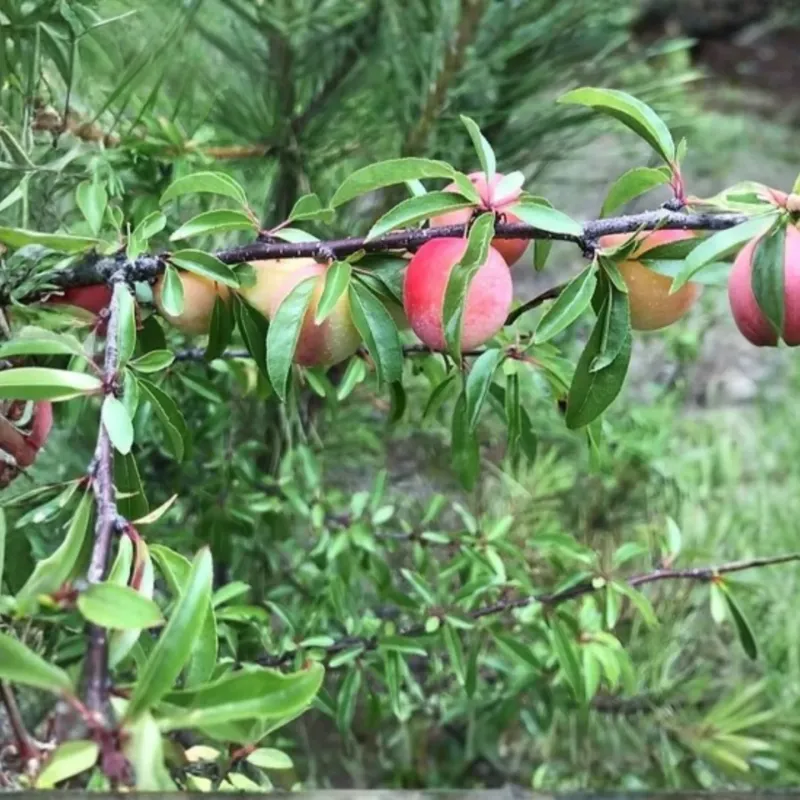
Drive down a country road in Texas and you have probably passed a Chickasaw plum without knowing it.
These scrappy little trees grow in thick clumps along fence lines and field edges. They have been feeding people and wildlife here for centuries.
The name comes from the Chickasaw Nation. Native peoples likely helped spread the plant long ago by carrying the fruit as they traveled. Today, it grows across most of the state.
Toughness is its middle name. It handles blazing heat, sandy soil, and dry summers like a champ. Once it gets going, it spreads by root suckers to form dense thickets.
The fruit ripens early, usually in late spring or summer. Small red or yellow plums are tart and juicy, perfect for jelly. By the time fall rolls around, the fruit is long gone and the plant is ready to rest.
So how much water does it need in fall? For established plants, very little or none at all. Natural rainfall is enough in most years.
Brand new plantings deserve a bit more care. Water them deeply once every few weeks during dry fall weather in their first year. After that, you can step back and let them be.
Thickets make great shelter for quail, rabbits, and songbirds. If you want a natural hedge or privacy screen, this plant does the job well. Just give it room to spread, or pull suckers to keep it in check.
For a tidier look, prune it into a small tree with one main trunk. Either way, it asks for almost nothing and gives back plenty.