Purple Henbit In Missouri Lawns Next Spring Is Already Taking Root This November
Picture a quiet Missouri lawn in early November, with bare branches overhead, crisp leaves underfoot, and pale sunshine settling over the grass. Everything looks calm, but tiny troublemakers are already stirring beneath the grass like guests arriving hours early.
They are tiny seeds, and the seedlings that follow are easy to miss at a glance. Yet when cool rain soaks the soil, they quietly push out roots and start making plans.
Those plans usually involve your yard, your flower beds, and every bare patch you meant to reseed last month. By the time spring rolls around, they will have spent the winter quietly settling in.
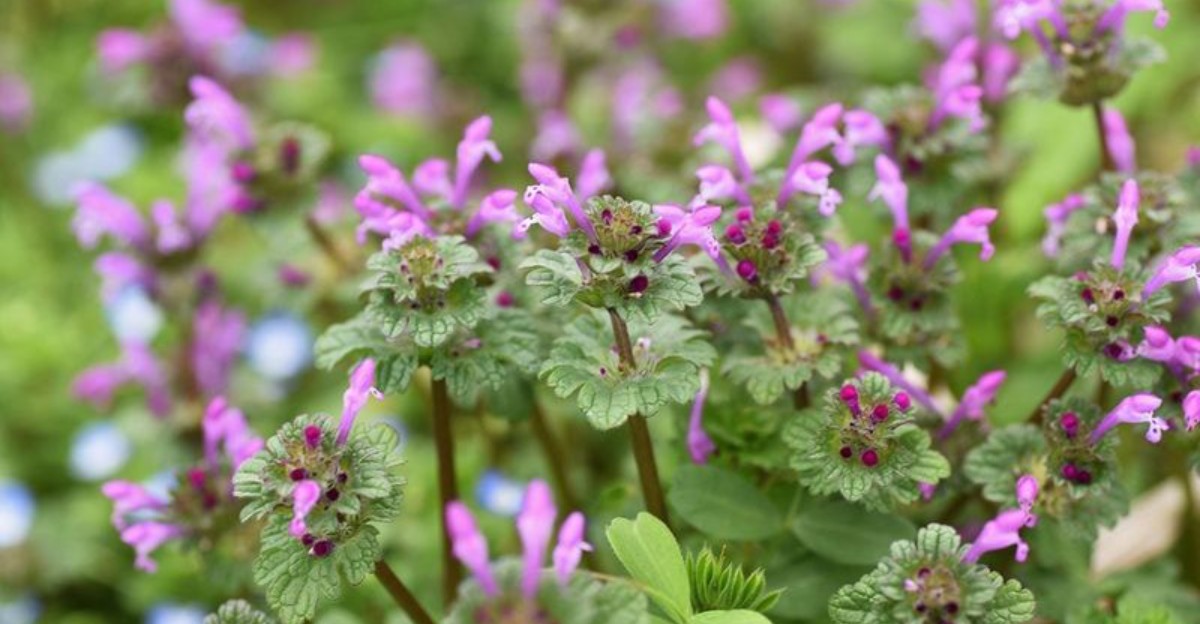
Many Missouri homeowners wake up one spring morning to find a purple carpet they did not order. It looks pretty from the porch, but up close it is crowding out the grass you paid good money for.
Bees visit it, neighbors notice it, and your lawn mower seems to groan whenever it rolls across it. Some patches grow so thick that even a curious cat might think twice about crossing.
Cool Fall Soil Wakes Up Hidden Seeds
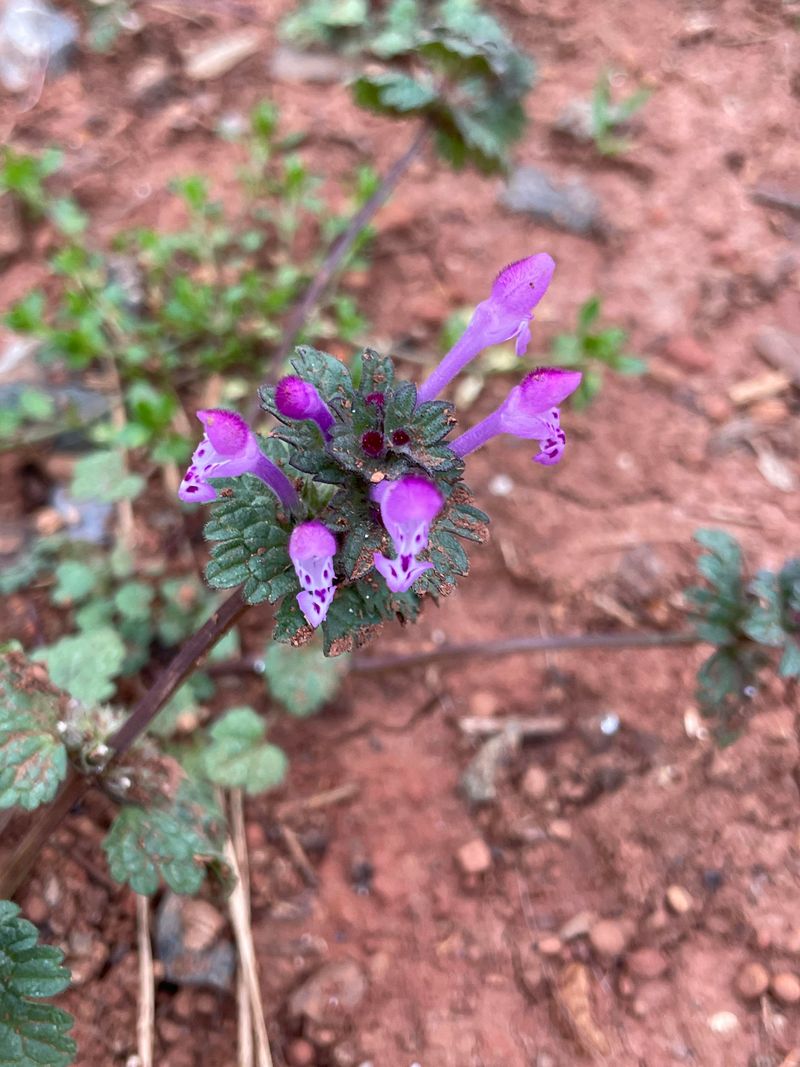
Henbit is a winter annual, which means it sprouts in fall, rests through winter, and blooms when spring arrives. That purple flush you see in April actually began as a tiny green seedling back in early fall.
Seeds from last spring have been sitting in your soil all summer, waiting for the right signal to grow. That signal arrives as soil temperatures cool and fall rains keep the ground moist.
Across Missouri, those conditions often line up between September and October. Once the seeds crack open, the young plants grow slowly but steadily, staying low and easy to miss.
Their small, rounded leaves hug the ground, tucked beneath taller grass blades where most people rarely look closely. By December, a single plant may already have a sturdy root system ready to handle freezing nights.
Fun fact: henbit belongs to the mint family, so its stems are square if you roll one between your fingers. Its name likely comes from poultry eating the plant, which was noted in old farm lore.
A single henbit plant can drop hundreds of seeds, and some of those seeds can stay viable in soil for a few years. That patience is the main reason one spring outbreak can turn into a yearly problem without fall attention.
This hidden fall start changes how you approach the purple patches in your yard. Spring is merely when the problem becomes visible, while fall is when the real story quietly begins underground.
November Timing Of The Late Sprouts
Grab a cup of coffee and your reading glasses, because the best henbit scouting happens on cool November mornings. Dew or light frost makes the tiny seedlings stand out against the duller grass blades.
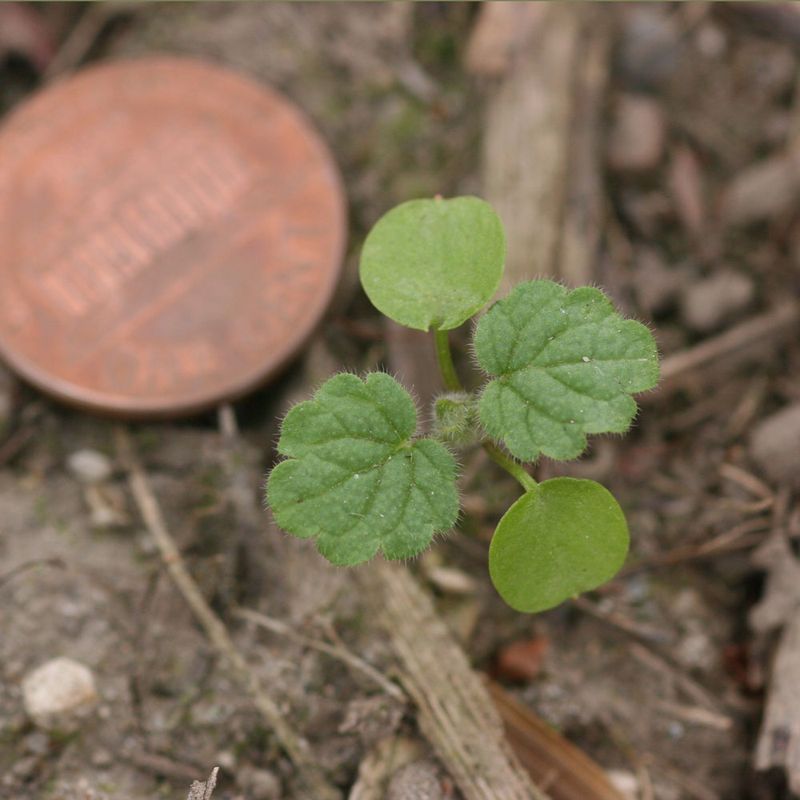
Newly sprouted henbit starts with two smooth, oval seed leaves, followed by scalloped leaves that look slightly fuzzy. At this stage, most seedlings are smaller than a dime and grow flat against the soil surface.
Bare spots, thin areas near sidewalks, and freshly mulched garden edges are favorite places for early sprouts. Henbit loves loose, moist soil with plenty of sunlight reaching the ground, especially after summer heat thins turf.
In northern Missouri, germination usually starts a week or two sooner than in the warmer Bootheel region, so seedlings there are often further along by now. Kansas City and St. Louis yards often fall somewhere in the middle, depending on rainfall and shade.
A cheap soil thermometer from the garden center can take much of the guesswork out of your timing. By November, soil readings have usually dropped into the 40s and 50s, and the seedlings that sprouted earlier are already settled in.
Germination does not happen all at once, since new seedlings can keep appearing through the rest of November during mild spells. Some even pop up on warm winter days, which explains why one fall treatment sometimes misses a few.
Jot down the date you first spot sprouts, and keep that note handy on your calendar or phone. After a couple of seasons, you will know your own yard’s schedule better than any general calendar.
The Spring Weed Pulling Mistake
Each spring, many homeowners head to garden centers for sprays to tackle the purple patches in their yards. Unfortunately, waiting until spring is a common mistake with this sneaky little weed.
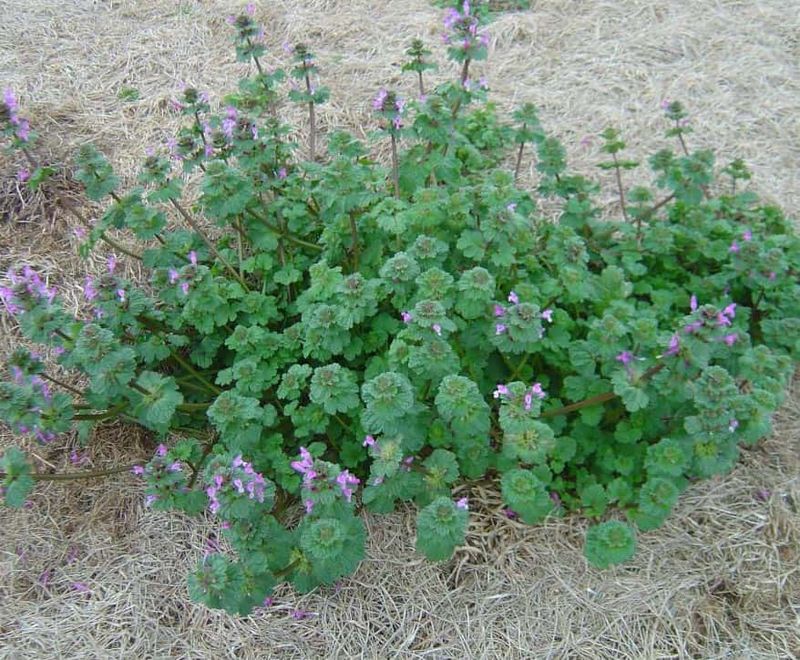
By the time henbit blooms, it has usually finished most of its growing and is already setting seeds. Spraying at that point may brown the leaves, but plenty of new seeds have dropped into the soil.
Henbit also fades on its own as Missouri temperatures climb in late spring, so spring sprays may add little. Many homeowners think their treatment worked, when the weather simply finished the job for them instead.
Another slip is ignoring the lawn in fall because everything looks fine from the kitchen window in November. Those tiny seedlings hide well, and skipping a close look lets them settle in for the long winter.
Hand pulling feels satisfying, but yanking mature plants in spring can scatter ripe seeds across nearby soil. If you do pull blooming henbit, bag it right away instead of tossing it onto the compost pile.
Mowing low in late summer is another habit that quietly helps this weed by opening up the turf. Short grass lets sunlight hit bare soil, which is exactly what henbit seeds need to wake up in fall.
Think of spring henbit as the final scene of a movie that started months earlier without you. Catching the opening act this fall gives you far more control over how the story ends next year.
Fall Herbicide Timing For Missouri Yards
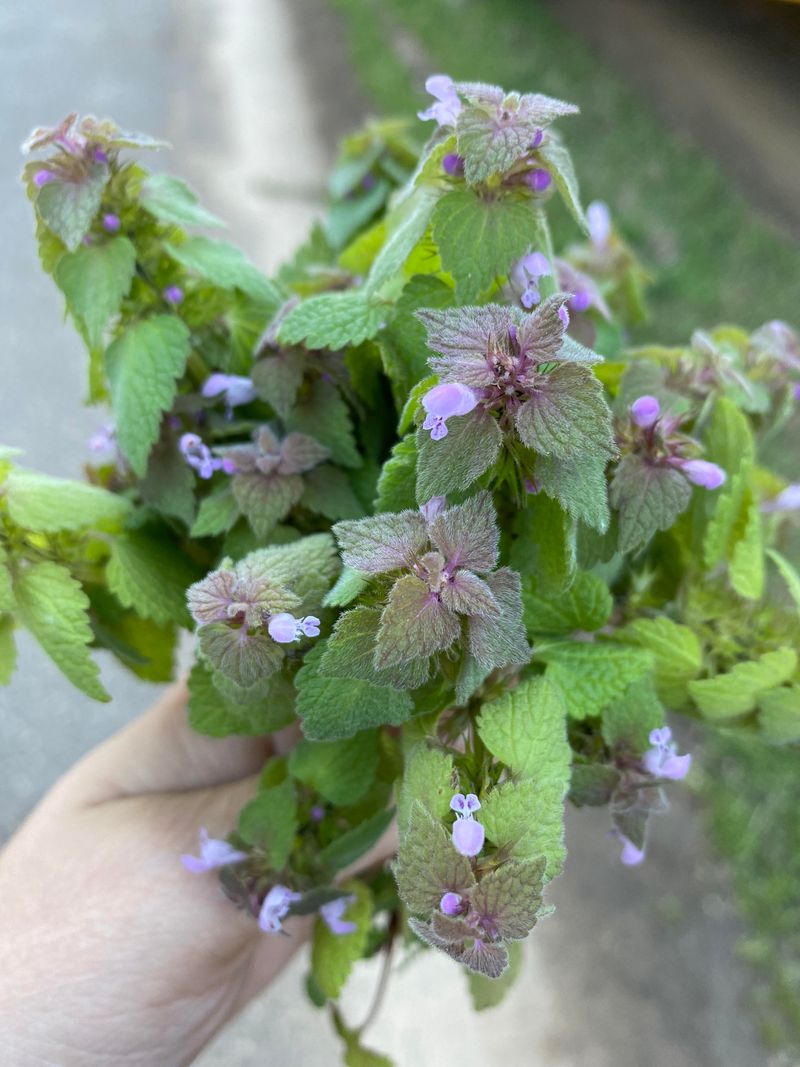
Fall weed control works best as a two-step plan, with a barrier first and a cleanup spray second. Both steps fit within the fall season, giving you a solid head start before winter settles in.
A preemergent herbicide forms a thin barrier in the soil that keeps germinating seeds from developing roots and shoots. In most Missouri yards, it works best when applied in early to mid-September, so by November that window has mostly passed.
Be careful if you plan to overseed next fall, because many preemergent products also block new grass seed from growing. Read the label closely, and choose one or the other for any single section of your lawn.
For seedlings that already sprouted, a broadleaf weed spray works well through mid-November, while the weather is still mild. Young henbit plants are tender and actively growing then, so they absorb the treatment much more easily.
Look for products containing ingredients like 2,4-D, dicamba, or triclopyr, which are labeled for henbit control. Spray on a calm, sunny afternoon when temperatures sit above 50 degrees for the best results.
Garden beds need a different approach, since lawn sprays can harm your perennials, shrubs, and young trees. A fresh layer of shredded mulch, about two inches deep, helps block light from reaching many seedlings.
Whatever method you choose, keep kids and pets off treated areas until the spray has fully dried. Following label directions protects your family, your lawn, and the helpful pollinators buzzing around nearby flowers in fall.
Thick Spring Turf After Fall Control

Imagine stepping outside next April and seeing mostly rich green grass stretching from the porch to the curb. That picture is realistic for many Missouri homeowners who take a little time to handle henbit this November.
When fall seedlings are controlled early, your grass faces far less competition for water, nutrients, and sunlight. Cool-season grasses like tall fescue use that extra breathing room to grow thicker roots during the cool months.
Results rarely look perfect, since a few stubborn sprouts may slip through even the most careful fall plan. Still, a handful of scattered plants is much easier to pull by hand than a solid purple blanket.
Fewer spring blooms also mean fewer new seeds dropping into the soil, which slowly shrinks the hidden seed bank. After two or three years of steady fall care, many yards see noticeably fewer henbit plants.
Pollinators still matter, of course, and early bees do visit henbit flowers when little else is blooming. Planting crocuses, creeping phlox, or native spring wildflowers in garden beds gives them a tidier food source.
A cleaner lawn also makes spring chores easier, from mowing in straight lines to spreading fertilizer evenly. Your neighbors might even start asking for tips, which is a pretty fun compliment to receive over the fence.
The payoff comes slowly, much like the weed itself, building quietly underground before showing up in spring. Patience in November turns into pride in April, and that trade feels worth every minute spent outdoors.
Dense Grass As Long Term Protection
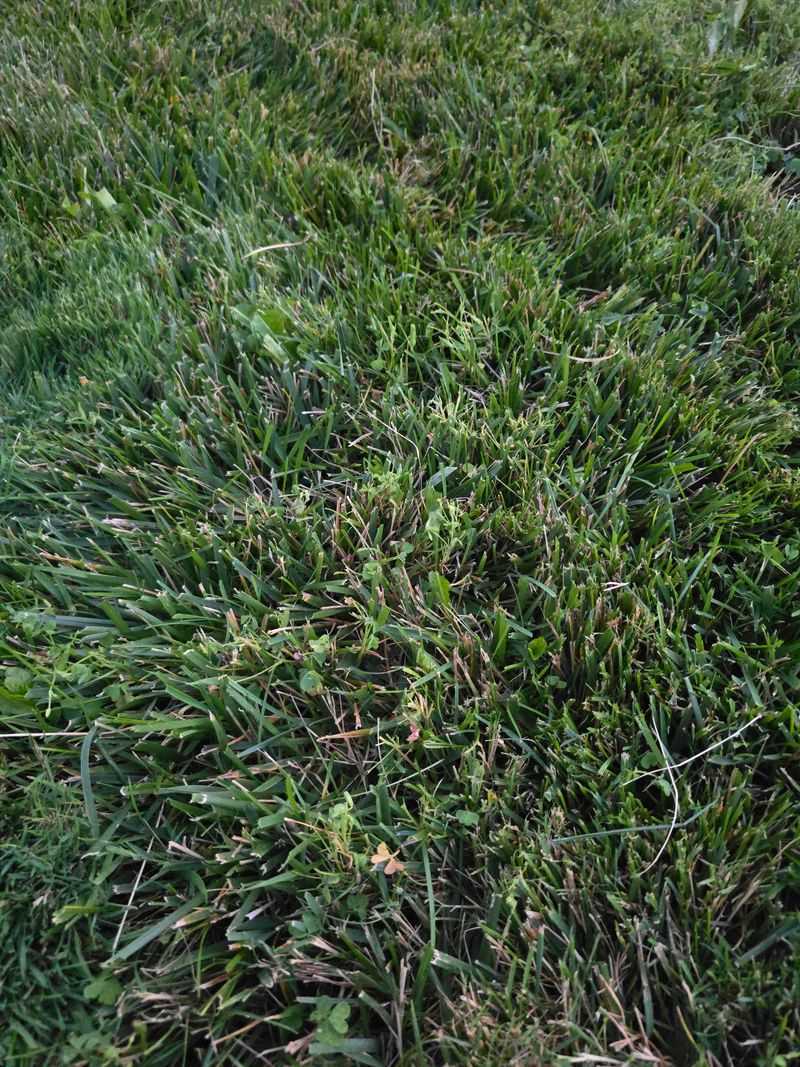
Many lawn care pros say the best weed control is grass that refuses to share its space. That advice fits henbit perfectly, because thick turf leaves very little room for seeds to find sunlight.
Early fall is the ideal season to overseed tall fescue or bluegrass in Missouri, and by November that window has closed. Plan to seed again next September, while the soil still holds warmth, so young grass can establish roots before the first hard freeze.
Mowing height matters more than most people expect, so set your mower to about three or four inches. Taller grass shades the soil, keeping it cooler and making life much harder for sprouting weed seeds.
Fertilizing in late fall feeds cool-season grass while it is still growing, and a September feeding next year gives it a strong start. A simple soil test from your local University of Missouri Extension office can show exactly what your lawn needs.
Core aeration helps too, especially in heavy clay soils that are common across much of the state. Loosened soil lets roots spread deeper, which builds a sturdier lawn that bounces back after dry spells.
Watering deeply but less often encourages strong roots, while light daily sprinkles mostly help shallow weeds thrive. Fall rains usually cover much of this, but a dry November may call for an occasional soaking.
Over time, a healthy lawn becomes its own umbrella, crowding out henbit before it gets a chance to settle. Sprays and mulch help along the way, but strong grass does the heavy lifting year after year.