Dark-Eyed Juncos Are Returning To Georgia Yards And Fallen Leaves Play A Surprising Role
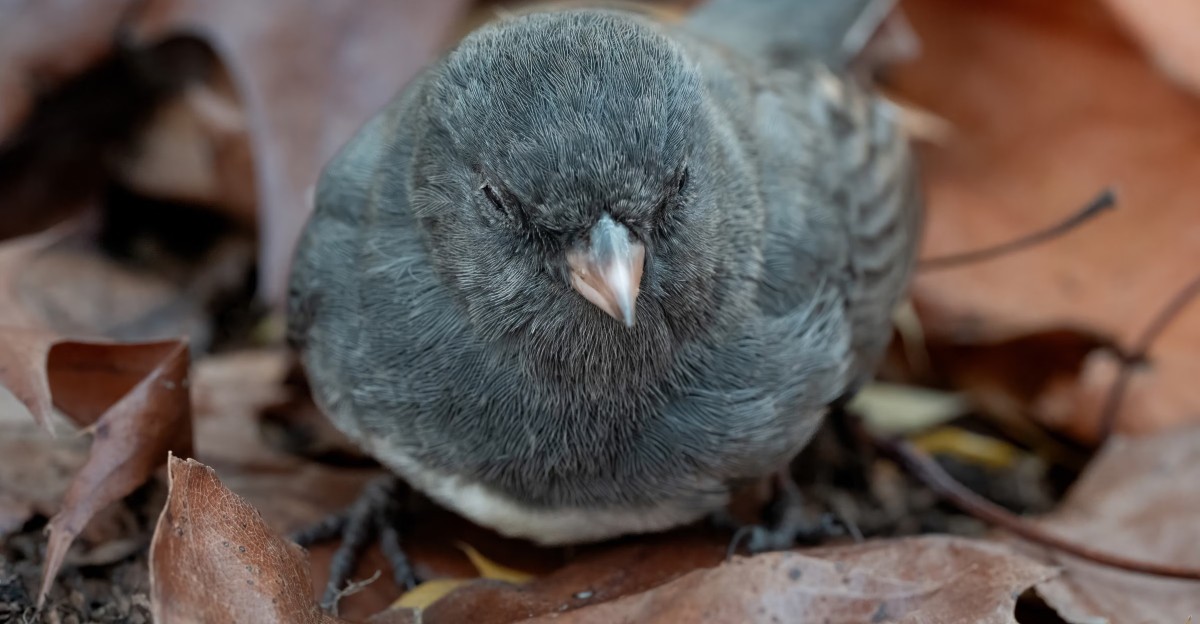
Some of the small gray birds hopping under your shrubs right now may have spent the summer in Canada. They flew hundreds of miles south, and they picked your yard on purpose.
In Georgia, these tidy winter guests show up as the air turns crisp. Folks have called them snowbirds for generations, because they seem to arrive with the cold.
I like how they flash bright white tail feathers every time they flutter off.
You’re in for a big surprise about what draws them in. It has nothing to do with fancy feeders or expensive seed blends.
I think the real secret is sitting on your lawn right now, waiting for a rake.
So before you bag up another pile this weekend, ask yourself a simple question. Could that messy corner of your yard be the best bird welcome mat you own?
1. Those Little Gray Snowbirds Under Your Shrubs Have Traveled Farther Than You Think
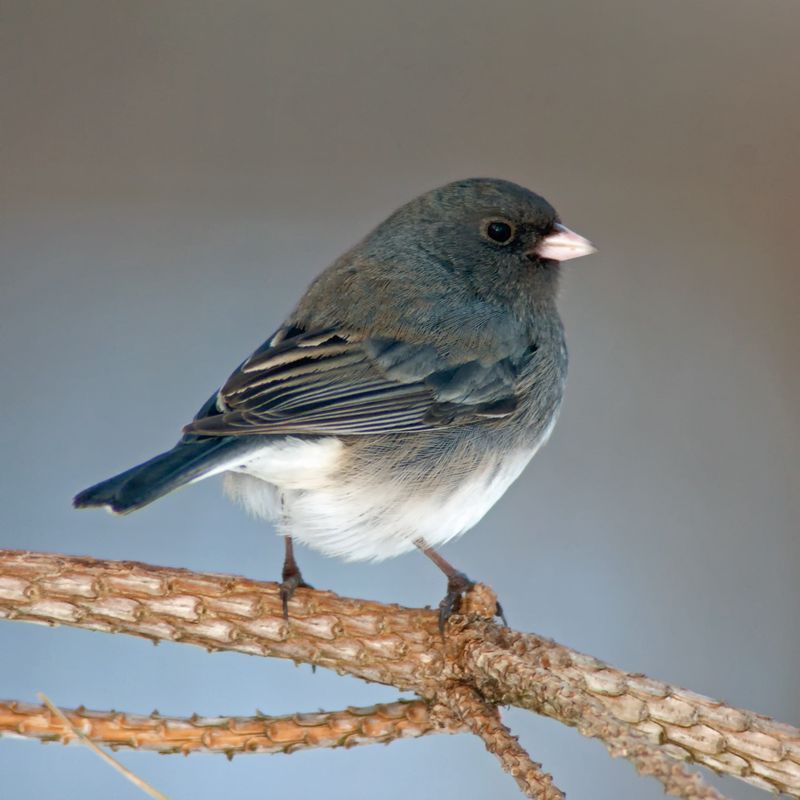
Those tiny birds with pale pink bills and slate gray coats are Dark-Eyed Juncos. Most of the ones visiting Georgia nest far to the north, in forests of Canada and the northern United States.
A small number do breed in the high Appalachian mountains, including parts of north Georgia.
For most of the state, though, juncos are winter visitors. They often appear in late October or November and stick around until about March or early April.
North Georgia and the Piedmont usually see more of them than the coast, where they are less common.
You probably notice them suddenly because they travel in small flocks. One day the yard seems quiet, and the next day a dozen gray birds are scratching around under your azaleas.
Cornell Lab of Ornithology notes they are among the most common feeder birds in North America.
Look for a white belly that looks a bit like a gray hood was pulled down over the head. Females and young birds tend to be browner than adult males.
When they fly, those white outer tail feathers flash like a quick signal.
Fun fact, a junco migrating at night can cover many miles in one push. Your yard might be their first real rest stop.
2. Fallen Leaves Turn Into A Junco Buffet On The Ground
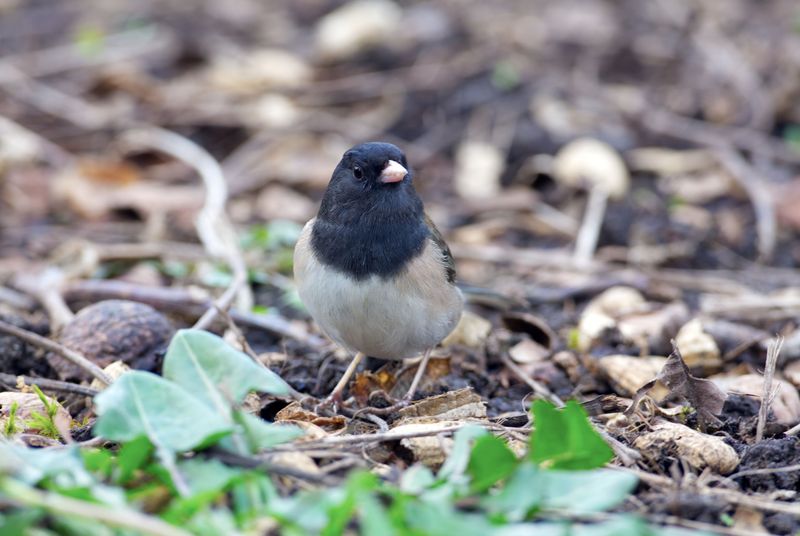
Watch a junco for a minute and you will see a funny little hop-and-kick dance. The bird jumps forward, then scratches backward with both feet to flip leaves aside.
That move uncovers seeds and tiny insects hiding underneath.
Juncos are ground feeders through and through. Cornell Lab reports that seeds make up roughly three-quarters of their diet across the year.
In winter they lean heavily on fallen seeds from weeds, grasses, and wildflowers, plus small bugs and spiders they find in the litter.
A loose layer of leaves holds onto those seeds instead of letting them blow away or wash off. It also gives the birds something to dig through, which is exactly how they like to eat.
Bare, raked turf offers far less to work with.
I leave a leafy strip along my fence line every fall. The juncos spend more time there than anywhere else in the yard, flipping leaves like busy little gardeners.
You do not need to give up your whole lawn. Try raking leaves off the grass and spreading them under shrubs and in flower beds instead.
Your plants get a natural mulch, and the birds get a pantry right where they want it.
3. A Pile Of Oak Leaves Shelters The Insects Your Birds Count On
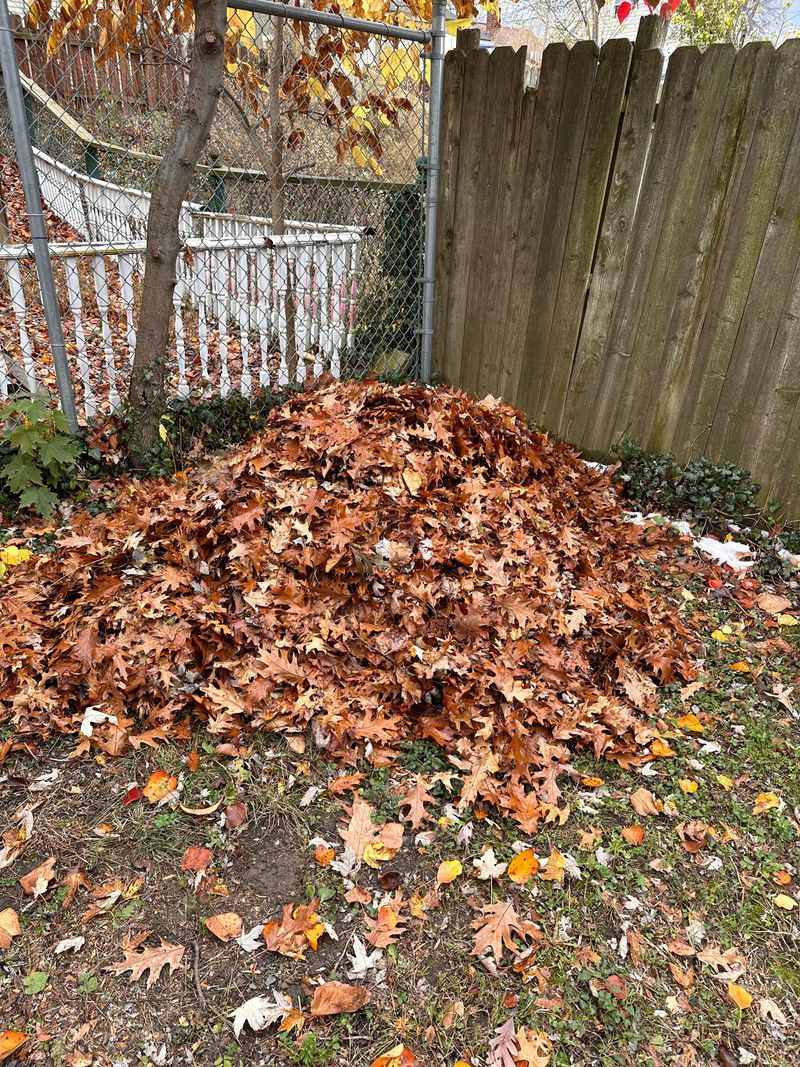
Lift a damp oak leaf in January and you might find a whole hidden neighborhood. Beetles, spiders, moth cocoons, and caterpillars often spend the cold months tucked inside leaf litter.
Many butterflies and moths pass the winter right there on the ground.
Groups like the National Wildlife Federation and the Xerces Society encourage gardeners to leave the leaves for this reason. That layer works like a blanket, keeping insects protected from harsh freezes and drying winds.
Why should a bird lover care? Insects are packed with protein and fat.
Juncos snack on them when they can find them, and many other backyard birds rely on caterpillars to feed their babies in spring.
Raking and bagging every leaf sends those insects to the curb or the landfill. Leaving some in place means more bugs survive to spring, which helps the whole food chain in your yard.
One more tip makes a big difference. Go easy on insecticides, especially broad sprays across lawns and beds.
Those products often reduce the very insects birds depend on. A slightly buggy garden is usually a sign of a healthy one, not a problem to fix.
4. Scatter White Millet Low And Watch Juncos Come Running
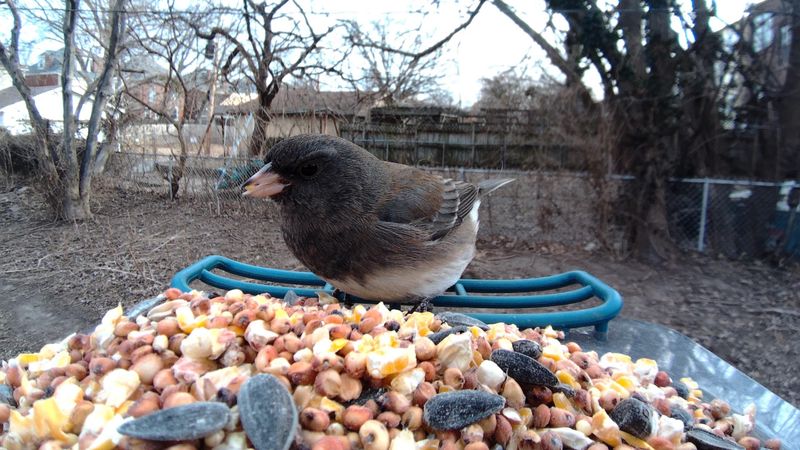
Hanging a tube feeder high in a tree and wondering why juncos ignore it? These birds simply prefer to eat on the ground.
They will sometimes visit a feeder, but they are happiest picking seeds from the dirt or a low tray.
White proso millet is a junco favorite. Hulled sunflower chips and cracked corn also go over well.
Sprinkle a small handful on the ground or use a low platform feeder a few inches off the soil.
Placement matters more than people expect. Put food within about ten feet of shrubs or a brush pile so the birds can dash for cover if a hawk shows up.
Wide open spaces make them nervous.
Keep things clean to protect your flock. Rake up old, moldy seed and move the feeding spot now and then so waste does not build up.
Scrub platform feeders every couple of weeks with a mild bleach solution, then rinse and dry them well.
Offer only what the birds will finish in a day or so. Leftover seed can draw rats and mice, which nobody wants near the house.
A little seed paired with that leafy ground layer makes a winter menu juncos find hard to resist.
5. Dense Shrubs And Brush Piles Give Juncos A Safe Hiding Spot
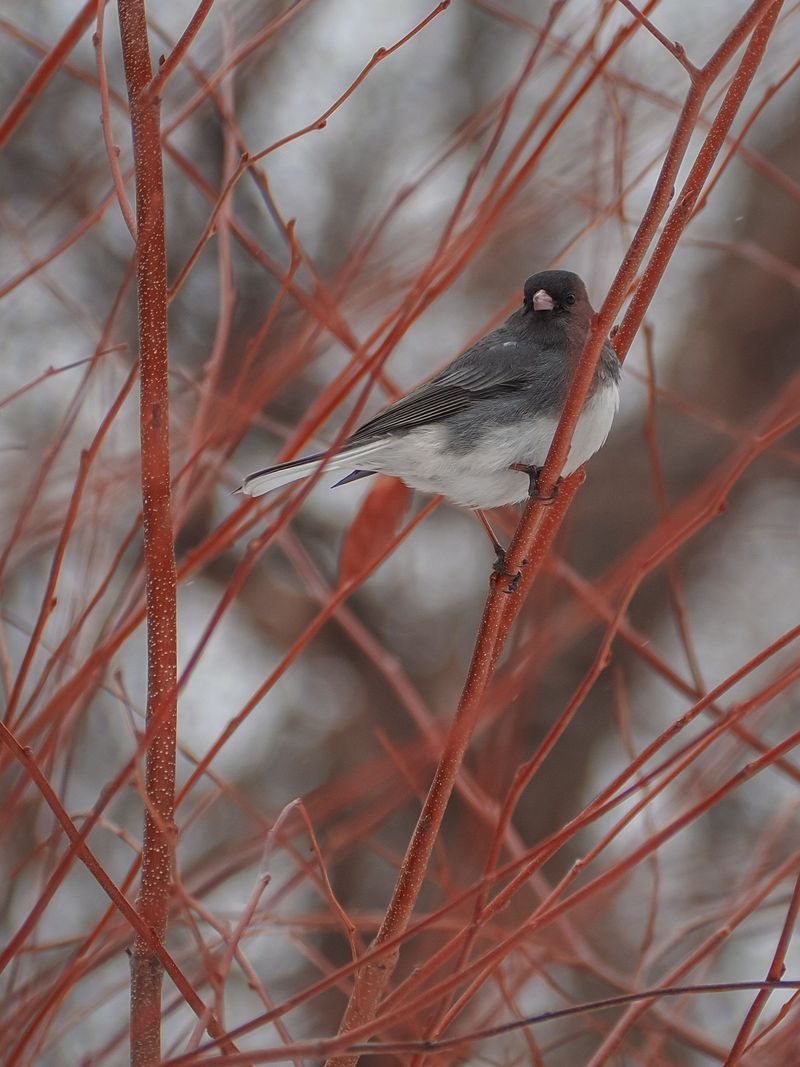
Juncos are small and tasty, and they know it. Sharp-shinned hawks, Cooper’s hawks, and outdoor cats all keep an eye on ground-feeding birds.
So juncos rarely wander far from a quick escape route.
Thick shrubs make excellent hideouts. Native evergreens like American holly, wax myrtle, and eastern red cedar keep their leaves all winter, giving birds cover from wind and predators.
Clusters of shrubs work better than single plants in the middle of a lawn.
A brush pile might be the easiest habitat project you ever build. Stack larger branches on the bottom in a loose crisscross, then add smaller twigs on top.
The gaps inside become cozy shelters on frosty Georgia mornings.
Hold off on heavy pruning in late fall when possible. Shrubs trimmed hard right before winter lose much of the dense growth birds rely on.
Most flowering shrubs are better pruned at their proper time anyway, often right after blooming.
Keeping cats indoors is a kind choice too. The American Bird Conservancy notes that free-roaming cats take a large toll on birds every year.
A safe yard lets juncos relax, and relaxed birds stay longer.
6. Native Seed Heads And Grasses Keep Feeding Juncos All Winter
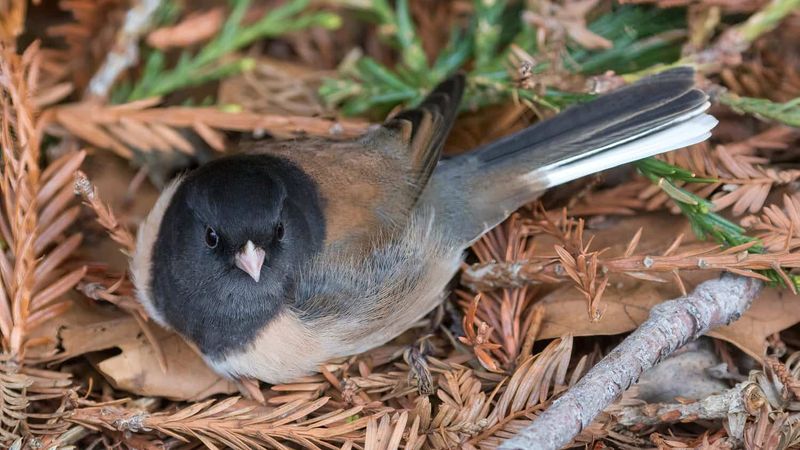
Here is a lazy gardener’s dream come true. Leaving spent flowers standing through winter gives juncos a free seed supply.
That means less cutting back in fall and more birds on view.
Native plants are the best choice because local wildlife evolved alongside them. Purple coneflower, black-eyed Susan, asters, and goldenrods produce small seeds birds happily eat.
When the seed heads drop or the plants bend over, juncos glean seeds from the ground below.
Native grasses pull double duty. Little bluestem and switchgrass offer seeds plus clumps of cover where birds can tuck in.
Broomsedge, a common Georgia native, also drops plenty of tiny seeds in old fields and sunny edges.
Avoid invasive plants like Chinese privet and nandina, even though birds may visit them. Privet spreads aggressively into Georgia woodlands, and nandina berries can harm some birds.
The University of Georgia Extension offers helpful native plant lists for each region.
Fall is a great time to plant many natives in Georgia, since cooler weather and winter rain help roots settle in. Add a few this season, and in a year or two your beds could feed juncos without much extra effort from you.
7. Many Juncos Return To The Same Yard Year After Year
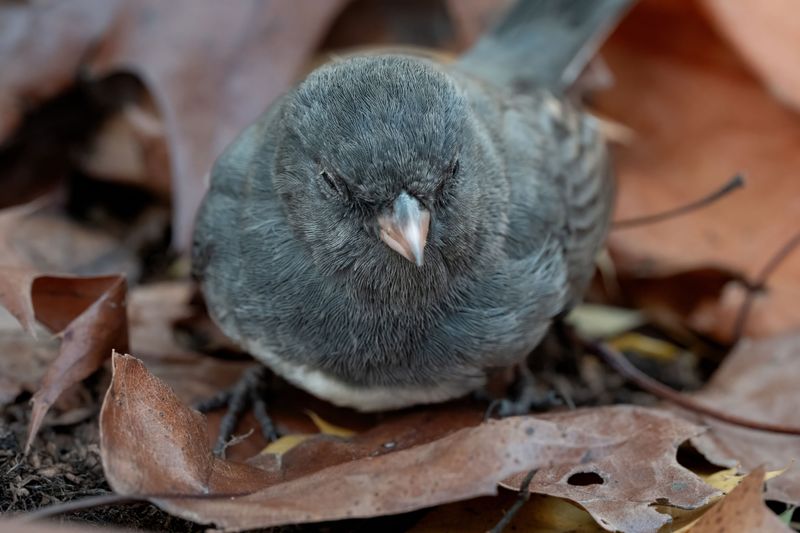
Somebody might be coming back to your yard on purpose. Banding studies show many Dark-Eyed Juncos return to the same wintering areas season after season.
The bird hopping under your holly this year could be an old friend.
Juncos also form flocks with a pecking order. Older birds often claim the best feeding spots, while younger ones hang around the edges.
Watching those small squabbles over millet can be surprisingly entertaining.
Fresh water helps seal the deal. A shallow dish or ground-level birdbath, about an inch or two deep, suits these small birds perfectly.
Change the water every few days and break up ice on rare frozen mornings in north Georgia.
The best plan is simple and steady. Leave leaves in beds, let seed heads stand, keep a brush pile going, and offer a little millet on the ground.
Consistency matters more than fancy gear.
Want to help science too? Count your juncos during the Great Backyard Bird Count each February or join Project FeederWatch.
Your sightings help researchers track how these snowbirds are doing. Your leafy, slightly wild yard might just become their favorite winter address.