Top Small Pennsylvania Evergreens For Color That Never Disappears
Pennsylvania’s fall foliage is breathtaking, but it never sticks around for long. One strong windstorm, and those brilliant reds and golds end up scattered across the lawn.
By November, most trees and shrubs are bare, and they’ll stay that way for months. That’s where small evergreens earn their keep.
These compact plants hold their color through every season, from the first spring warm-up to the deepest snow of January. Some stay a rich, classic green.
Others bring blue, gold, or even bronze tones that seem to glow against a winter backdrop. Because they stay small, they fit neatly into foundation beds, containers, and tight corners without taking over.
The best choices also stand up to icy winds, heavy snow, and cold snaps that send temperatures plunging.
Plant a few, and your yard will have something beautiful to look at long after the leaves have fallen.
1. Dwarf Mountain Laurel Brings The State Flower Home
Pennsylvania picked mountain laurel as its state flower back in 1933, and it is easy to see why. Wild plants can grow taller than a person, though. Dwarf types like ‘Minuet’ and ‘Elf’ give you the same beauty in a much smaller package.
Most of these compact forms stay around three feet tall and wide. That makes them a great fit for small yards, front beds, and spots near the house. Their leaves are thick, shiny, and dark green all year. Even in January, they look fresh and polished.
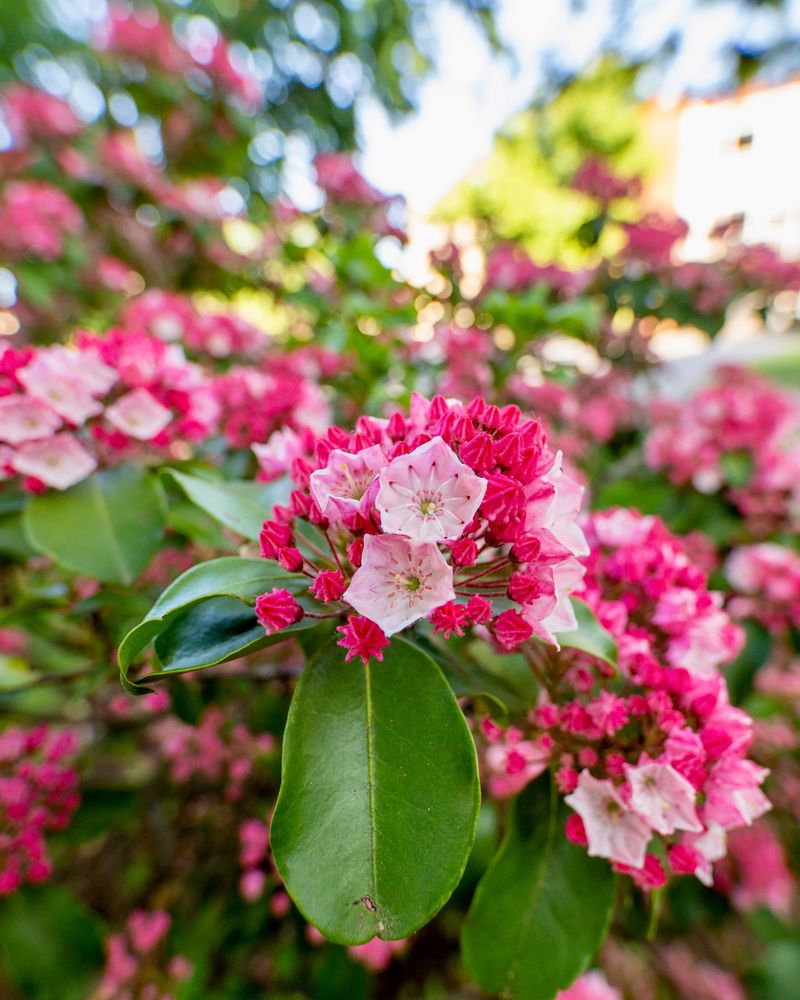
Late spring is when the real show begins. Clusters of tiny, cup-shaped blooms cover the plant in pink and white.
‘Minuet’ has a bold cinnamon-red band inside each flower. ‘Elf’ has soft white blooms with a light pink blush. Up close, the buds look like little frosting swirls on a cake.
Getting the growing spot right matters a lot. Mountain laurel loves part shade, like the dappled light under tall oaks or pines. It also needs acidic soil that drains well. Heavy clay or soggy ground can cause root trouble.
Planting tips are simple. Mix in some compost or pine bark when you dig the hole. Add a two-inch layer of mulch to keep roots cool and moist. Water deeply during dry spells, especially in the first two years.
Pruning is rarely needed. If you want more blooms next year, snap off the old flower heads after they fade.
One quick warning is worth sharing. All parts of mountain laurel are toxic if eaten, so keep pets and small kids from snacking on it.
2. Wintergreen Adds A Minty Surprise
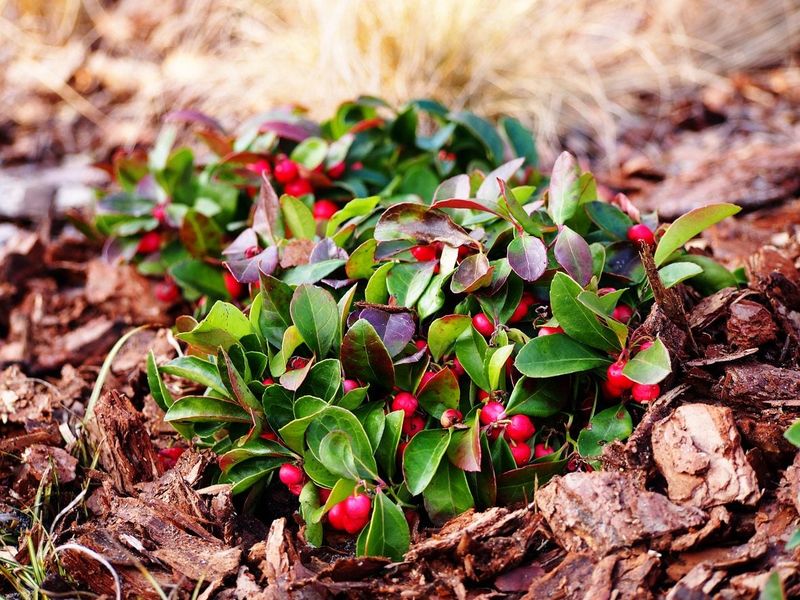
Crush a single leaf, take a sniff, and you will smell something familiar. Wintergreen is the plant that once gave its flavor to gum, candy, and toothpaste. That cool, minty scent comes from an oil hiding right inside the leaves.
Out in the woods of Pennsylvania, wintergreen grows low to the ground. Most plants reach only three to six inches tall.
They spread slowly through underground stems, forming small patches over time. You might also hear it called teaberry, a name that many old-time Pennsylvanians still use.
Your Pennsylvania Garden Changes Every Week. Your Plan Should Too.
Gardening in Pennsylvania changes quickly throughout the season. Every Friday you’ll receive a simple weekly plan showing exactly what to plant, prune, fertilize, harvest, and protect so you never miss the right timing.
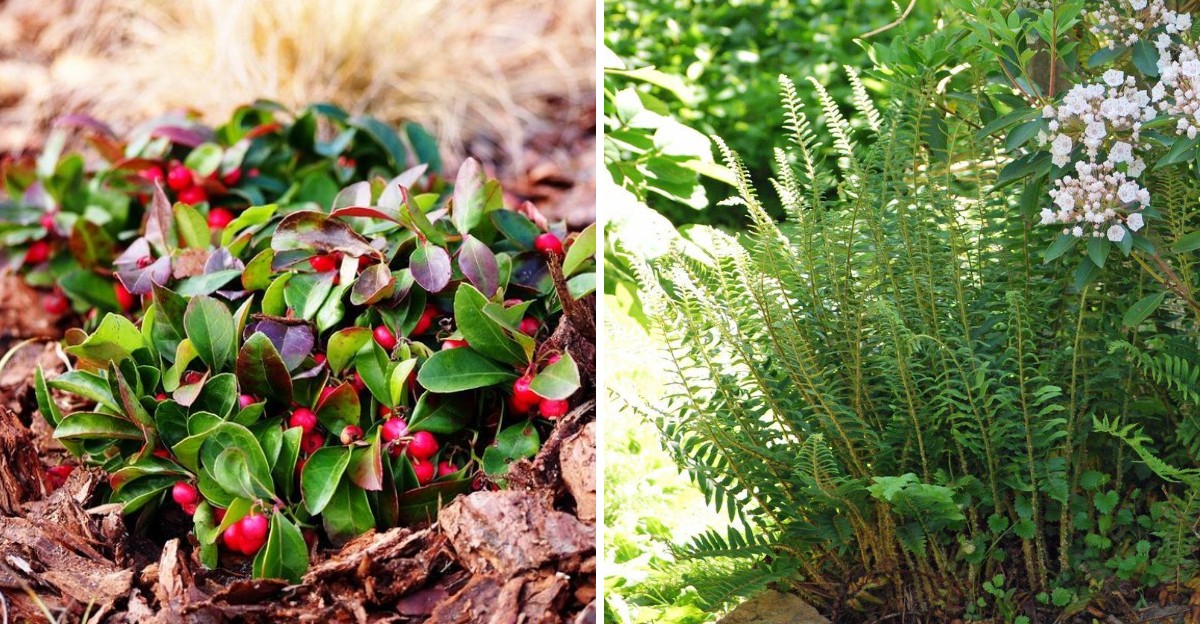
Color is where this little plant really shines. In summer, the leaves are glossy and deep green.
Once cold weather arrives, many of them turn a rich reddish-purple. Bright red berries hang below the leaves and often stick around all winter long.
Here is a fun bit of history. Pennsylvania even had a famous Teaberry gum, flavored with this very plant. Wild animals like the berries too, including grouse, deer, and chipmunks.
Growing wintergreen takes a little patience. It likes part to full shade and moist, acidic soil full of leaf litter.
A spot under pine trees or oaks is often perfect. Try tucking it near rhododendrons or mountain laurel, since they enjoy the same conditions.
Start with small potted plants from a native nursery. Never dig plants from the wild, because they rarely survive the move. Keep the soil damp during the first season while roots settle in.
Once established, wintergreen needs almost no care. Skip the fertilizer and let fallen leaves stay around it as natural mulch. Your reward will be a carpet of shiny color that lasts through every season.
3. Common Juniper Laughs At Dry, Rocky Ground
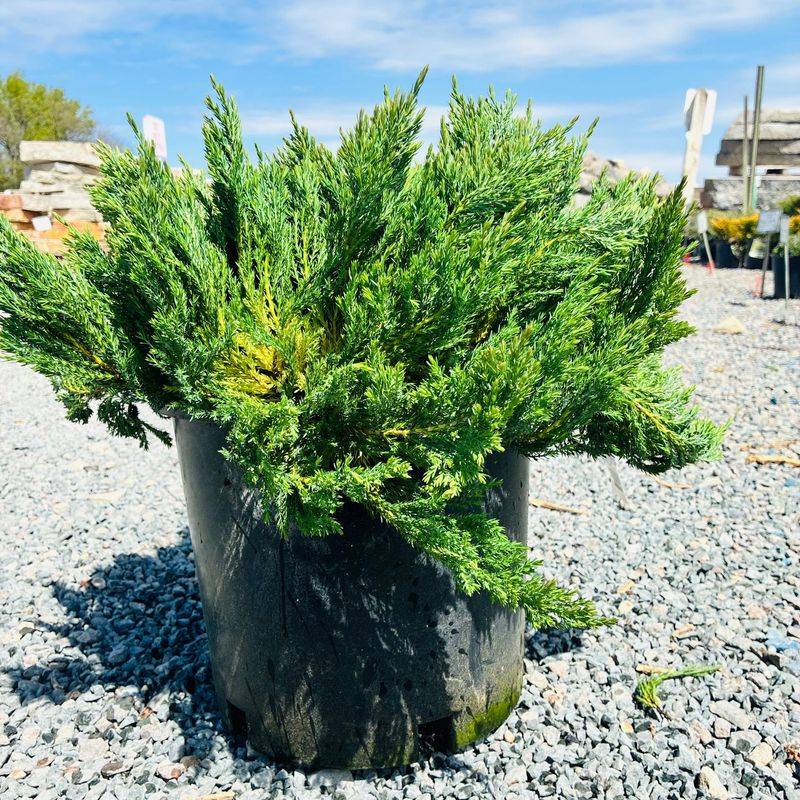
Some plants sulk when the soil turns dry and rocky. Common juniper does the opposite. It seems happiest in the tough spots where grass gives up and other evergreens turn brown.
Fun fact time. Common juniper grows naturally in more parts of the world than any other conifer.
You can find it in North America, Europe, and Asia. Here in Pennsylvania, it pops up on old fields, rocky ridges, and sunny hillsides.
The needles are short, sharp, and a bit prickly. Each one has a silvery-white stripe along its top side.
From a few steps away, the whole plant looks lightly frosted, even in the middle of July. In winter, some forms pick up a soft bronze or purplish tint.
Low-growing types are the best choice for small yards. Many stay under two or three feet tall while spreading wider. They work well on slopes, along driveways, and in rock gardens. They also help hold soil in place on hillsides.
Full sun is a must. Give it at least six hours of direct light each day. Shade makes it thin and weak. Soil should drain fast, and sandy or gravelly ground is just fine.
Water new plants once a week during their first summer. After that, rain usually handles the job. Too much water is actually a bigger problem than too little.
Female plants grow small, waxy, blue berries. Birds love them, and they are the same berries used to flavor gin. Wear gloves when you plant or trim, since those needles can poke. Deer usually leave it alone, which is a nice bonus.
4. Bearberry Hugs Sunny Slopes
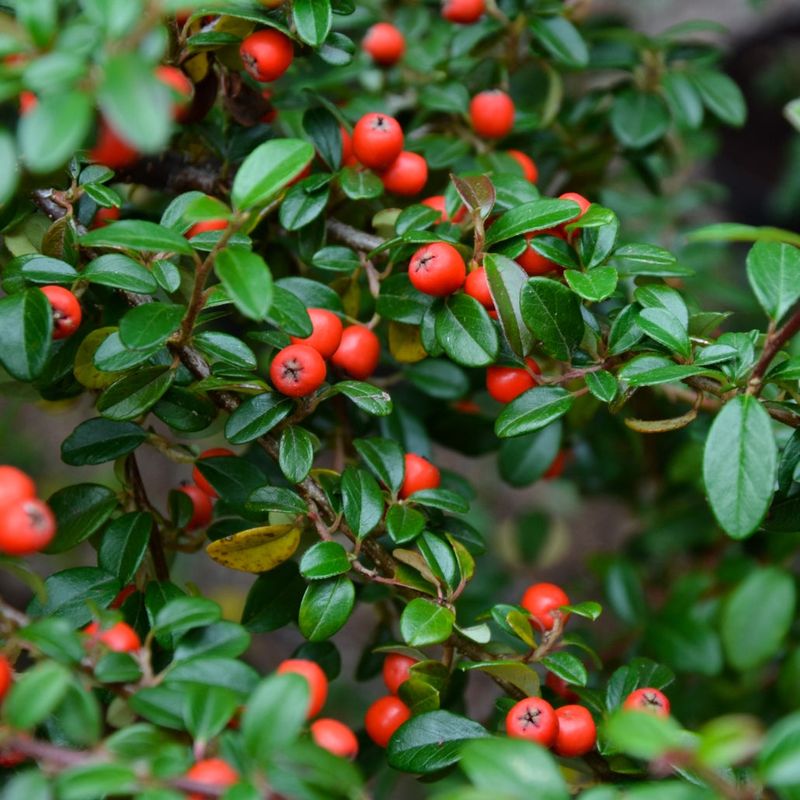
Yes, bears really do eat the berries. That is how this tough little shrub earned its name. Its scientific name, Arctostaphylos uva-ursi, even means bear grape in both Greek and Latin.
Bearberry grows as a low, trailing mat. It usually stays under a foot tall but can creep several feet wide.
The long stems root as they travel, which helps them cover bare ground. Think of it as a living blanket for hard-to-plant areas.
The leaves are small, round, and shiny like they were polished. They stay green in warm months. When cold weather hits, they shift to warm bronze and reddish shades. Against white snow, the color really pops.
Tiny pink and white bell-shaped flowers open in spring. Bees love them. Later, bright red berries appear and can hang on into winter. Birds and small animals gobble them up when other food runs low.
Where should you plant it? Pick a sunny spot with sandy, rocky, or gravelly soil. Slopes and banks are ideal, since bearberry helps stop erosion. Rich, wet garden soil is not its style.
Bearberry has a reputation for being slow and a little fussy at first. Buy young potted plants instead of bare roots for better success. Plant them in spring, and water regularly during the first year.
After that, step back and let it do its thing. Skip the fertilizer, because poor soil suits it just fine. Pull weeds by hand until the mat fills in. Within a few years, you will have a glossy carpet that looks good every single month.
5. Partridgeberry Paints A Tiny Woodland Carpet
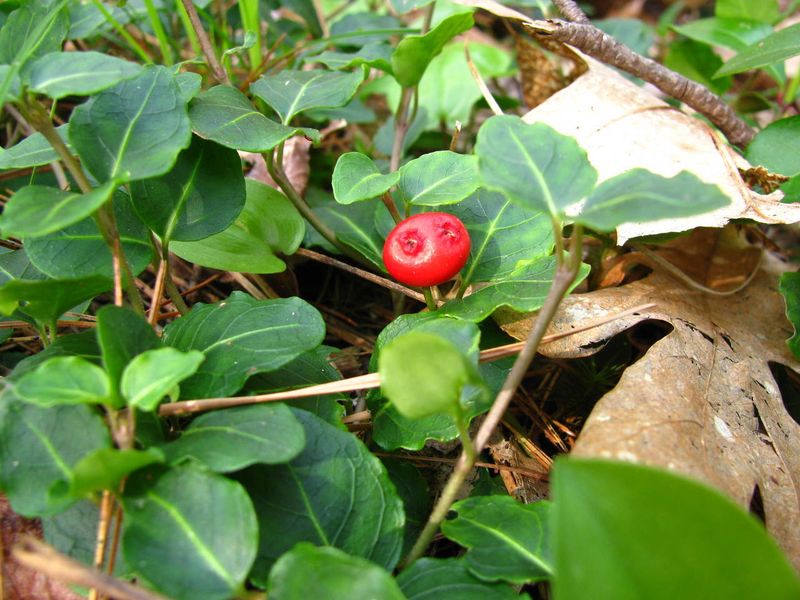
Kneel down on a quiet forest path in Pennsylvania, and you might spot it. A tangle of tiny round leaves runs over the ground like green lace. Bright red berries peek out here and there, almost like dropped beads.
Partridgeberry is small in every way. It grows only one or two inches tall. Its leaves are about the size of your pinky fingernail. Yet it can slowly spread into a soft, wide mat across shady soil.
Each leaf is dark green with a thin, pale line down the middle. That detail gives the plant a sweet, delicate look. The leaves stay green all year, even under snow.
Now for the cool part. In early summer, partridgeberry makes pairs of white, fuzzy flowers that grow side by side.
The two flowers join together to make just one berry. Look closely, and you can see two little dots on every berry, marks left by the twin flowers.
Those berries often last all winter long. Grouse, turkeys, and foxes nibble on them. People can eat them too, though they taste pretty bland.
Shade is a must for this plant. It thrives under trees where soil stays moist and rich with fallen leaves. Acidic soil works best. It looks lovely along a shady path, around tree roots, or tucked between stepping stones.
Start with a few plants spaced about a foot apart. Keep them watered until they spread. Avoid heavy mulch, since thin stems need to touch the soil to root. With a little time, you will have a cozy woodland rug.
6. Christmas Fern Keeps Shade Gardens Green
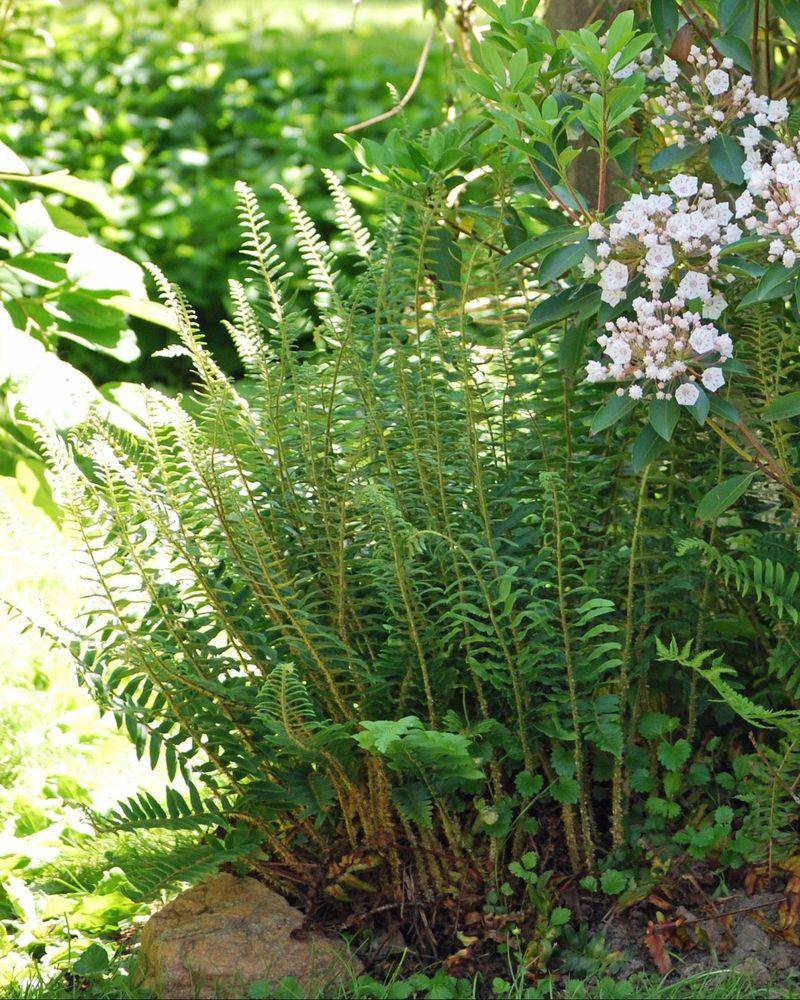
Most ferns turn brown and flop over at the first frost. Christmas fern simply shrugs off the cold. While its cousins vanish, it keeps glossy green fronds right through the holidays.
That is how it got its name, at least partly. Early settlers gathered the fronds to decorate their homes in December.
Some people also say each small leaflet looks like a tiny Christmas stocking. Look closely, and you will see a little bump near the base that looks like a toe.
Christmas fern grows in neat clumps instead of spreading all over. Most plants reach one to two feet tall and wide. In spring, new fronds unroll as fuzzy silver fiddleheads. Watching them uncurl is a treat for kids and grownups alike.
The fronds stand upright through summer and fall. When winter comes, they bend over and lie closer to the ground. They still hold their color, adding life to shady corners when little else is green.
Planting is easy. Choose a spot with part to full shade. Moist soil is ideal, but this fern can handle some dryness once settled. Slopes, woodland edges, and the north side of a house all work well.
Deer usually skip it, which is a huge plus in Pennsylvania. Rabbits tend to leave it alone, too. Pests and diseases are rare.
Care is very simple. In early spring, snip off the old, tired fronds before new ones appear. Add a layer of shredded leaves around the base. Pair it with wintergreen or partridgeberry for a shady bed that stays colorful all year.