This Fall Pruning Rule Keeps Georgia Forsythia Blooming Next Year
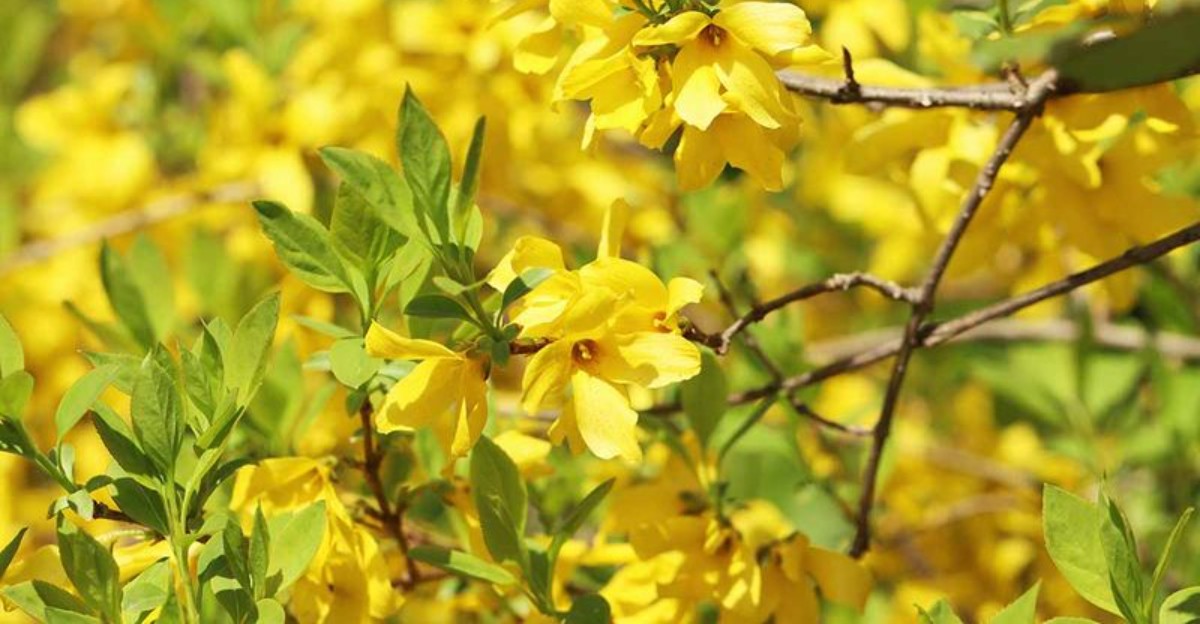
Forsythia can look untidy by October, especially when long branches stretch beyond the shape you wanted earlier in the year.
Trimming those stems might seem like a quick cleanup job. Unfortunately, many of the buds for next spring’s yellow flowers are already on the branches.
Cutting them now could leave you with fewer blooms when warmer weather returns.
Before making another pass with the pruners, think about when your shrub last flowered. In Georgia, established forsythia generally benefits from shaping shortly after its spring display ends.
Fall is better for checking the plant’s condition than giving it a major haircut.
Leave healthy flowering stems in place unless a branch genuinely needs attention. A little restraint this October can protect the colorful display you have been waiting to enjoy next year.
1. Forsythia Sets Its Flower Buds On Old Wood
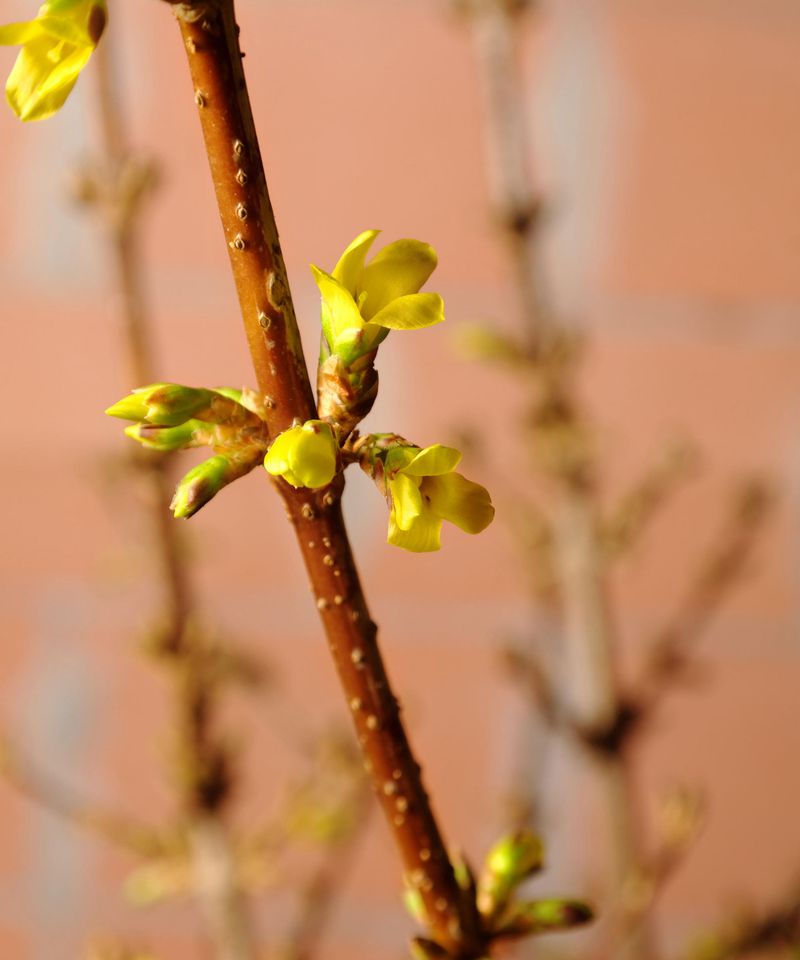
Next spring’s flowers are already hiding on your forsythia right now. They sit inside small buds that form along the stems during summer and early fall.
Gardeners call this blooming on old wood, which means the flowers open on growth from the previous season.
After forsythia finishes flowering in spring, it pushes out fresh shoots. Those shoots grow through the warm months and then begin setting buds for the following year.
By the time cooler weather reaches Georgia, many of those buds are well formed and waiting for winter to pass.
Look closely at a stem in late fall and you may spot them. Flower buds tend to look a bit plumper than the slimmer leaf buds nearby.
Knowing this pattern changes how you think about pruning.
Any stem you remove after summer likely carries some of next year’s blooms. Cutting it off means those flowers go with it.
Plants that bloom on new wood work differently, since they form buds on growth made in the same season. Crape myrtle and butterfly bush fit that group, so their timing rules do not carry over to forsythia.
Keeping the two groups straight helps you avoid a common mistake.
When in doubt, remember that early spring bloomers usually set buds the year before, and forsythia follows that habit.
2. Fall Pruning Can Remove Next Spring’s Flowers
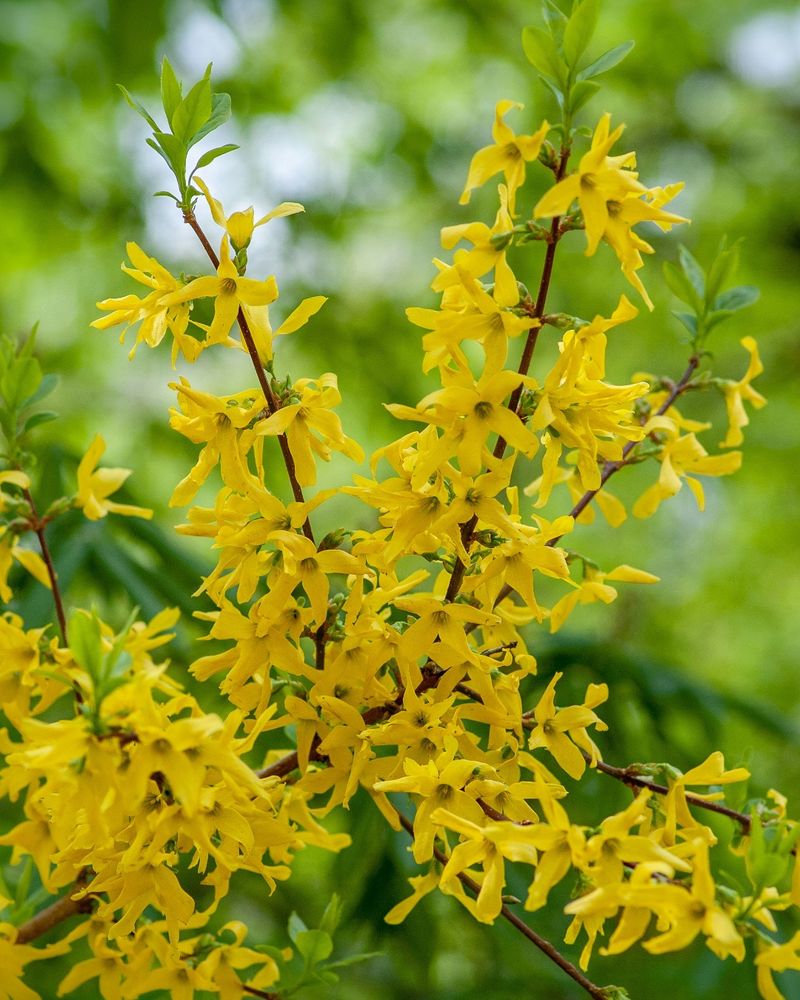
A tidy shrub in October can turn into a disappointing one in March. That surprise catches plenty of homeowners off guard each year.
Fall feels like a natural time to clean up the yard, so pruning forsythia then seems logical.
Unfortunately, the shrub has already done its planning by that point. Snipping stem tips or cutting the whole plant back removes buds that would have opened in spring.
How much bloom you lose depends on how much you cut.
A light trim of a few wayward branches may only take a small share of flowers. A heavy fall shearing, on the other hand, can leave the shrub mostly green and leafy when it should be yellow.
Gardeners across Georgia often blame cold snaps or poor soil when blooms go missing. Those can play a role, yet pruning at the wrong time is one of the most common causes.
Your Georgia Garden Changes Every Week. Your Plan Should Too.
Gardening in Georgia changes quickly throughout the season. Every Friday you’ll receive a simple weekly plan showing exactly what to plant, prune, fertilize, harvest, and protect so you never miss the right timing.
Other factors can also reduce flowering, like heavy shade or a late freeze hitting open blossoms.
Still, fall pruning is the easiest problem to fix because it is completely within your control.
If a branch truly needs attention in fall, such as one that is broken or blocking a path, go ahead and remove it. Just save the bigger shaping work for later.
3. Wait Until Flowering Ends Before Reaching For Pruners
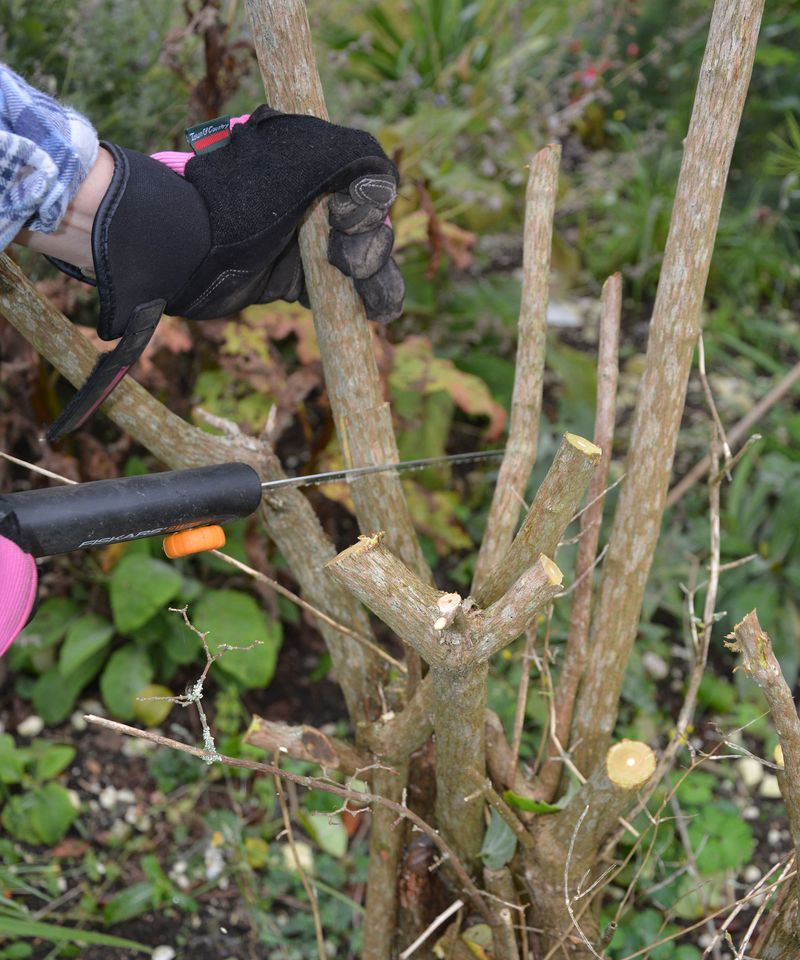
Patience pays off with forsythia. The best window for pruning opens right after the last yellow flowers fade.
In much of Georgia, forsythia often blooms sometime between late winter and early spring, though exact timing shifts with weather and location.
South Georgia shrubs may flower earlier, while plants in the northern mountains tend to bloom a bit later. Watch your own shrub instead of following a fixed calendar date.
Once most blossoms drop and green leaves start appearing, you are ready to prune.
Cutting at that point gives the shrub a full growing season to recover. New shoots have time to grow, mature, and set buds for the following spring.
Try not to wait too long into summer.
Pruning in late summer can remove fresh growth before it has a chance to form flower buds. Most gardeners find that finishing within a few weeks after bloom works well.
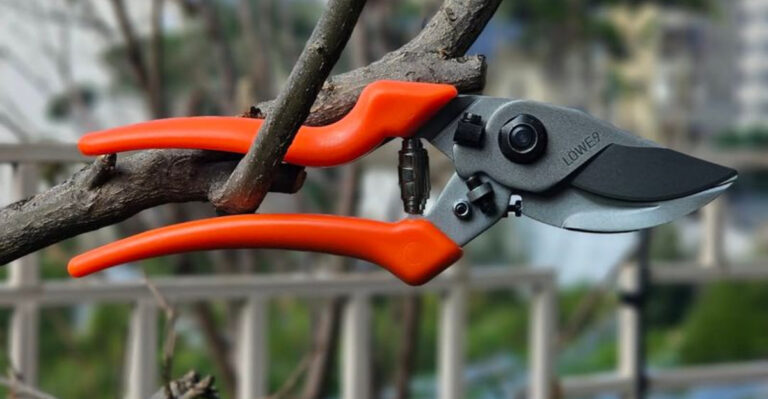
Clean, sharp bypass pruners and loppers make the job easier. A small pruning saw helps with thick, older stems near the base.
If you enjoy forsythia indoors, you can also cut a few branches in late winter and bring them inside. Placed in water, they may open early and add a cheerful touch to your table.
4. Cut The Oldest Stems Back At Ground Level
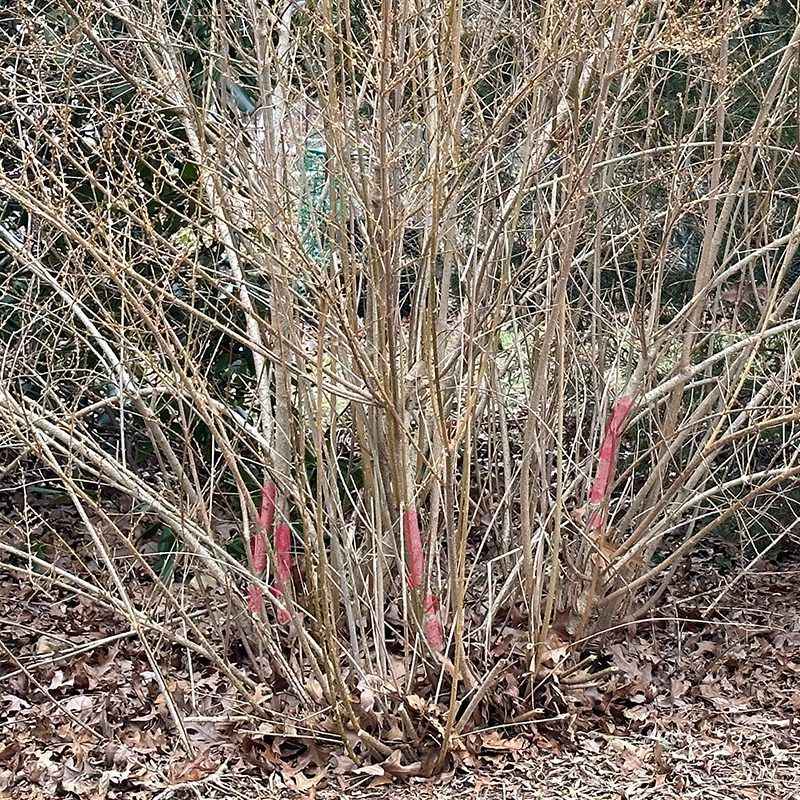
Think of thinning as making room instead of making it smaller. Removing a few of the oldest canes lets light and air reach the center of the shrub.
Older forsythia stems tend to be thicker, darker, and rougher than younger ones.
Over time, those older canes often produce fewer flowers. Younger stems usually bloom more heavily, so making space for them can improve the display.
A common guideline is to remove roughly one-third of the oldest stems each year after flowering. You can adjust that amount based on how crowded the shrub looks.
Cut each chosen stem as close to the ground as you comfortably can.
Leaving short stubs can lead to a cluster of weak shoots. A clean cut near the base encourages strong new canes to rise from the crown instead.
Loppers handle medium stems well, while a pruning saw works better on thick ones. Wear gloves, since the inside of an older shrub can be tangled.
Gardeners in Georgia often find forsythia grows quickly in the long warm season, so regular thinning helps keep it under control.
Repeating this process every year or two keeps the shrub fresh without sacrificing many blooms at once.
5. Avoid Shearing The Shrub Into A Tight Shape
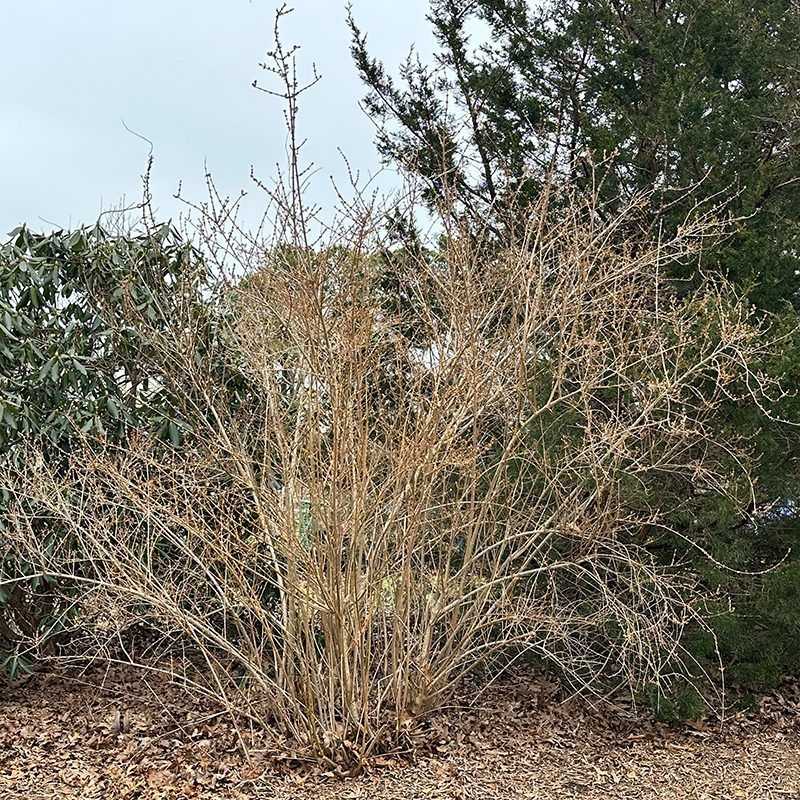
Boxy forsythia is a common sight, and it rarely shows the shrub at its best. Hedge trimmers create a neat outline but can cause problems over time.
Shearing cuts every stem tip at the same height.
Each cut often triggers several new shoots just below it. After a few rounds, the outside becomes a dense shell of short twigs while the inside grows thin and shaded.
That thick outer layer can block light from reaching the center.
Repeated shearing may also reduce flowering, especially if it happens after buds form. Some sheared forsythia still blooms, yet the color often appears only on the outer surface.
Hand pruning gives better results for most home landscapes. Reach into the shrub and remove whole stems instead of trimming the tips.
If you need a formal hedge, consider whether forsythia is the right fit for that spot. Shrubs that naturally stay compact may need far less cutting.
Plenty of Georgia homeowners inherit sheared forsythia when they buy a house.
You can gradually shift it back toward a looser form by thinning old stems over a few seasons. Results vary with the plant’s age and health, so expect a little patience.
6. Overgrown Forsythia Can Handle A Harder Renewal Pruning
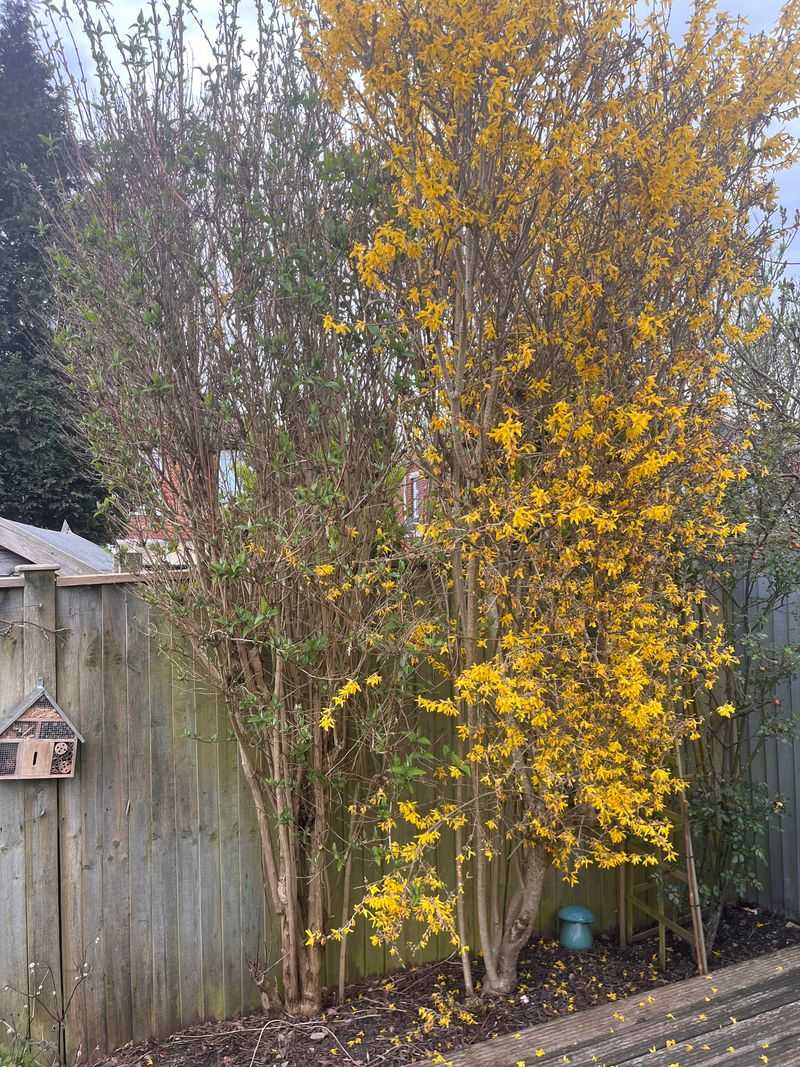
Some forsythia shrubs get so wild that thinning alone will not fix them. When that happens, a harder approach may be worth considering.
Renewal pruning means cutting the entire shrub back to a few inches above the ground.
It sounds drastic, but healthy, established forsythia often responds by sending up plenty of new shoots. The plant has strong roots that can support quick regrowth.
Timing still matters here. Doing it right after spring bloom gives the shrub the most time to recover during the growing season.
Expect few or no flowers the following spring.
New canes need time to mature, so blooms may take a year or more to return in full. Recovery speed depends on the shrub’s age, health, and growing conditions.
After new shoots appear, you can thin them out a bit. Keeping the strongest, best-spaced canes helps build a better framework.
Water during dry spells in the first summer, which can be important during hot Georgia stretches.
If you prefer to keep some blooms, try a gradual method instead. Removing about a third of the old stems each year over three years can renew the shrub more gently.
7. Good Timing Keeps The Natural Arching Shape Full Of Blooms
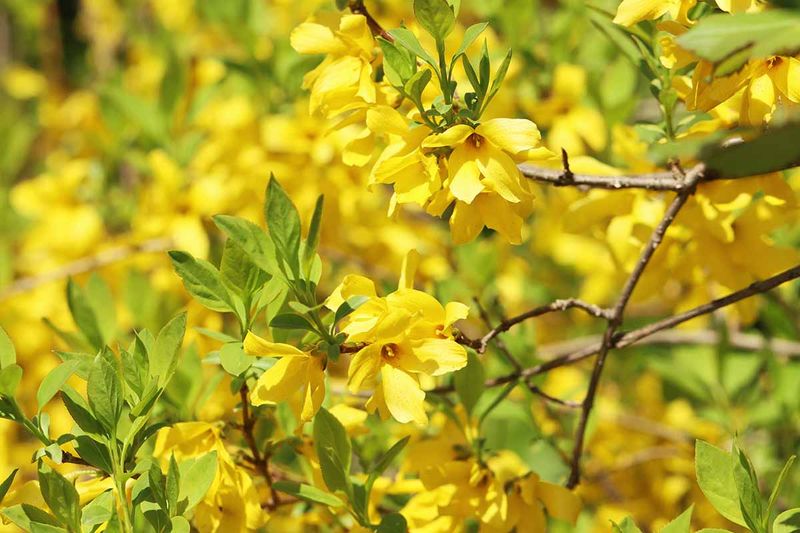
Graceful, fountain-like branches are what make forsythia so charming. Long stems arch outward and spill over with yellow flowers when they are left room to grow.
Pruning at the right time protects that look.
Thinning right after bloom keeps the shrub open while leaving most new growth in place. Those fresh stems can then set buds and arch naturally by the next spring.
Give the plant enough space when deciding where it grows. Many forsythia varieties can spread wide, so a cramped spot often leads to constant cutting.
Sunlight helps too, since forsythia generally flowers best in full sun or light shade.
Across Georgia, gardeners can expect bloom quality to vary from year to year. Weather, rainfall, and late freezes can all affect how many flowers open.
A simple yearly routine works well for most yards.
Wait for flowers to fade, remove a few old canes at the base, and skip heavy fall trimming. Clean up only broken or problem branches later in the season.
Following that rhythm keeps your shrub healthy and relaxed in shape. With a little restraint, it can greet each spring with a bright burst of gold.