Divide These Pennsylvania Perennials In June Before Summer Heat Closes The Window
June feels like summer in Pennsylvania, but for perennial division it is actually one of the last comfortable windows you have before the heat makes the whole process harder on both you and your plants.
Once temperatures climb and stay up, dividing perennials puts serious stress on root systems that need time to settle in before they face the full weight of a Pennsylvania summer.
Getting it done now means your divisions have a real chance to establish, fill in, and come back stronger next season. The tricky part is that not every perennial plays by the same rules.
Some divide beautifully in June and reward you quickly. Others have already moved past their ideal division window, and pushing it will cost you more than you gain.
Knowing which plants to act on right now, and which ones to leave alone until fall, makes the difference between a garden that expands on your schedule and one that sets you back.
1. Hosta
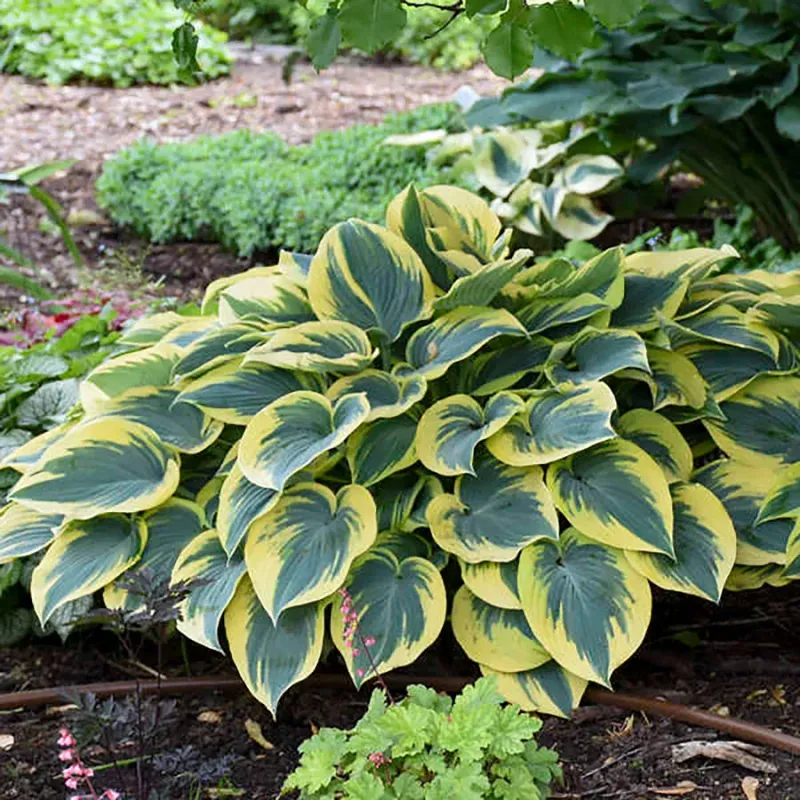
Few plants earn their place in a shady Pennsylvania garden quite like the hosta. With their bold, layered leaves and low-maintenance personality, hostas have been a garden staple for generations.
But here is something many gardeners overlook: hostas that have been growing in the same spot for three or more years start to get crowded, and that crowding quietly chips away at their health and appearance.
June is actually a great time to divide hostas, even though many guides suggest doing it only in spring. As long as you water them consistently after the split, hostas bounce back quickly.
The key is to act before the real summer heat arrives, which in Pennsylvania usually means staying ahead of late July temperatures.
To divide a hosta, use a sharp spade or garden fork to lift the entire clump out of the ground. Then slice through the root mass, making sure each section has at least two or three healthy shoots attached.
Replant the divisions at the same depth they were growing before, and water them deeply right away. Newly divided hostas will look a little rough for the first week or two. Do not panic.
Keep the soil moist and give them some afternoon shade if possible. Within two to three weeks, you will see fresh growth pushing up and the plant looking healthier than ever.
Dividing hostas also gives you free plants to fill other shady spots in your yard. It is one of the easiest ways to expand your garden without spending a single dollar at the nursery.
2. Daylily
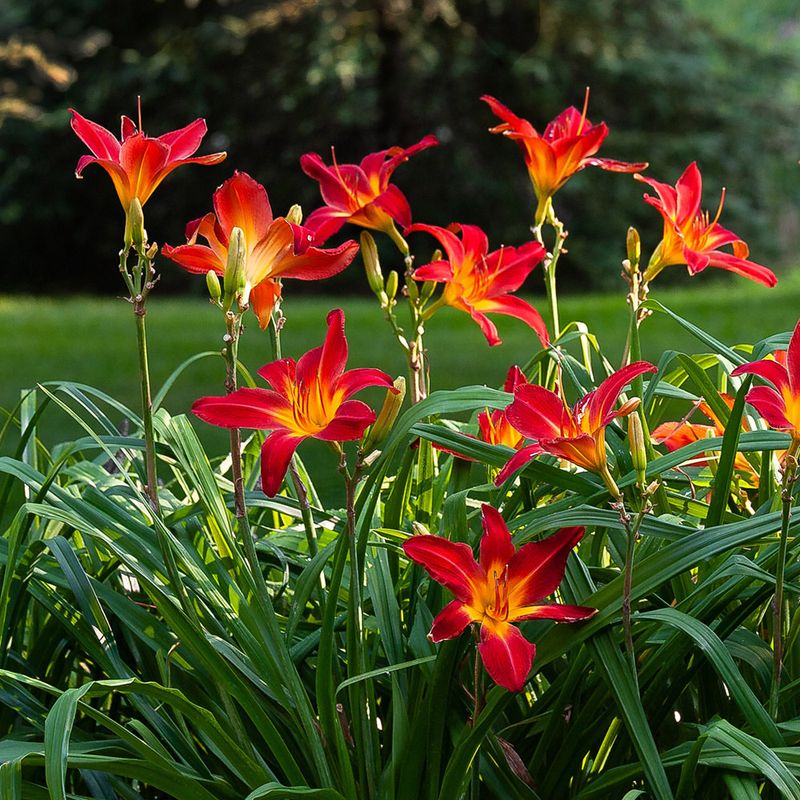
Daylilies are some of the toughest plants you can grow in Pennsylvania, and they reward almost zero effort with waves of colorful blooms every summer.
But here is the catch: when daylilies get too crowded, the flowers get smaller, the center of the clump starts looking bare, and the whole plant loses that full, lush look you fell in love with.
Dividing daylilies in June, right before or just after they finish their first flush of blooms, is a smart move. At this point, the plants are strong and actively growing, which means they recover fast.
Your Pennsylvania Garden Changes Every Week. Your Plan Should Too.
Gardening in Pennsylvania changes quickly throughout the season. Every Friday you’ll receive a simple weekly plan showing exactly what to plant, prune, fertilize, harvest, and protect so you never miss the right timing.
Crowded clumps also trap moisture and block airflow, which can lead to fungal issues during Pennsylvania’s humid summers.
Start by digging up the entire clump with a garden fork. Daylily roots are fibrous and can be surprisingly dense, so work slowly around the edges before lifting.
Once the clump is out, you can pull individual fans apart by hand or use two garden forks placed back to back to pry sections apart. Each division should have several healthy fans and a good chunk of roots.
Replant the divisions right away so the roots do not dry out. Water them in well and keep the soil consistently moist for the first two weeks.
You can also add a thin layer of mulch around each plant to help hold moisture and keep the roots cool during the summer heat that follows.
The reward for all this effort shows up fast. Divided daylilies typically produce stronger, more abundant blooms within the same season or the very next one.
3. Bee Balm
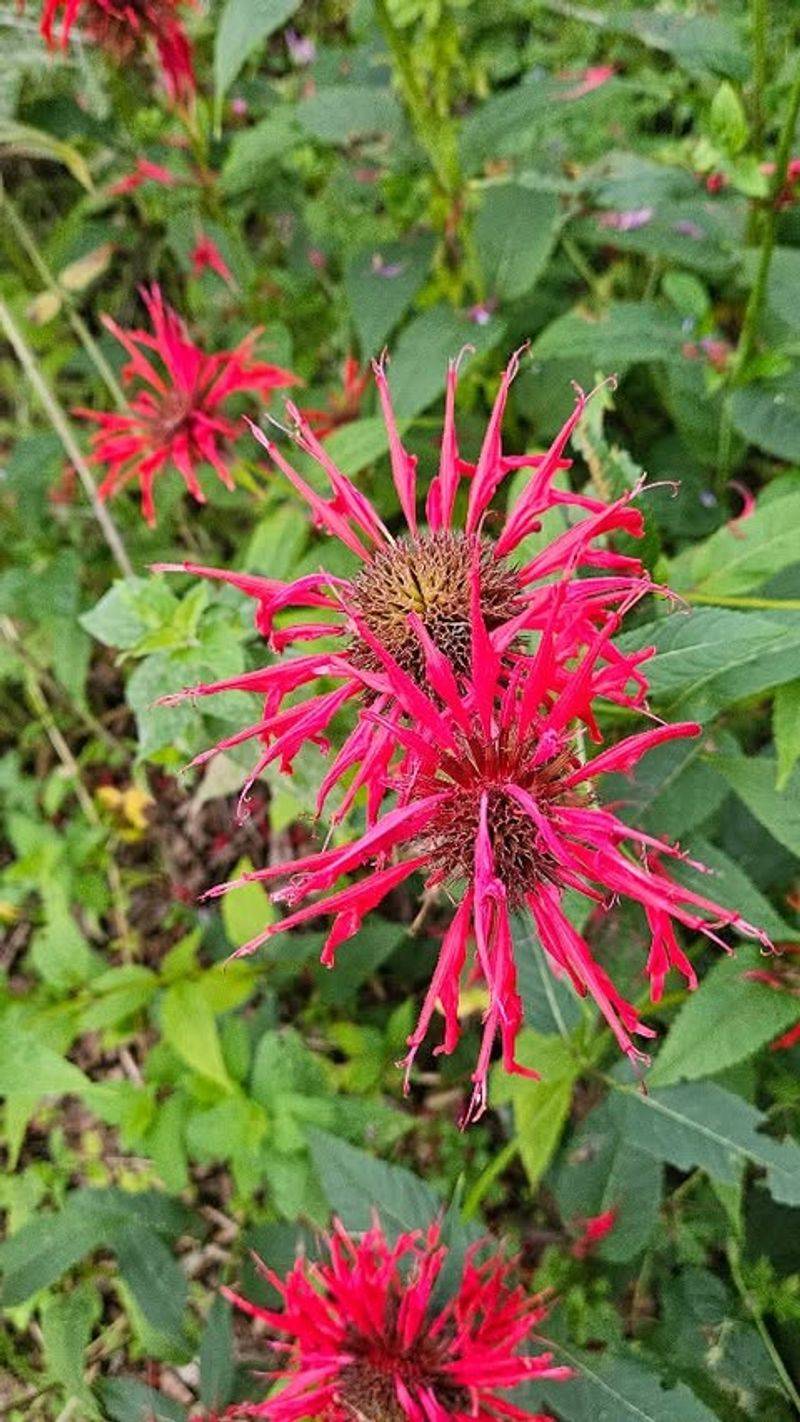
Bee balm is one of those plants that starts out charming and gradually takes over if you let it. Native to North America and beloved by hummingbirds, butterflies, and bees, it spreads through underground runners that push outward in every direction each year.
By the time June rolls around in Pennsylvania, an unmanaged clump can easily double in size from what it was just two summers ago.
Beyond the space issue, overcrowded bee balm is a magnet for powdery mildew. That white, dusty coating on the leaves is a common problem in humid Pennsylvania summers, and it spreads fast when plants are packed too tightly together.
Dividing bee balm improves air circulation around each plant, which is one of the most effective ways to reduce mildew problems without reaching for a spray bottle.
To divide bee balm, dig around the outer edges of the clump and lift sections with a spade or garden fork. The center of an older clump often looks woody and worn out, so focus on saving the younger, more vigorous growth from the outside edges.
Discard the tired center sections and replant the healthy outer divisions in freshly amended soil.
Space the new divisions at least 18 to 24 inches apart. This spacing might seem generous, but it makes a real difference in airflow and plant health. Water the transplants well and keep them moist until they are clearly settled in.
Bee balm divided in June will often still bloom that same summer. Watching those bright, shaggy flowers attract pollinators just weeks after a division makes the effort completely worth it.
4. Shasta Daisy
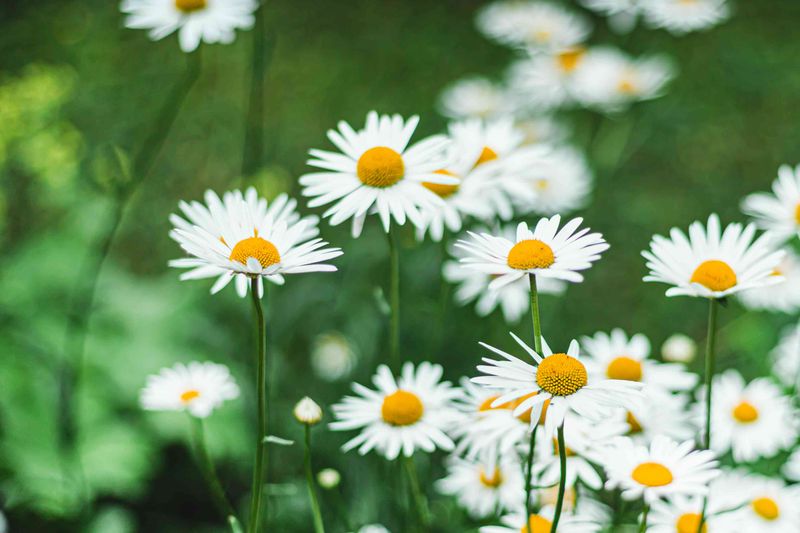
There is something cheerful and timeless about a Shasta daisy in full bloom. Those crisp white petals surrounding a bright yellow center look like summer itself.
But after a few years in the same spot, Shasta daisies start showing their age. The clumps get woody in the center, blooming slows down, and the whole plant looks more ragged than refreshed.
Dividing Shasta daisies in June is one of the best ways to bring them back to life. Older clumps that have not been divided in three or more years often have a dry or declining center surrounded by healthy outer growth.
Splitting them up removes that tired core and gives the vigorous parts of the plant room to thrive again. The result is noticeably better blooming the following season.
Use a sharp spade to dig up the clump, then cut it into sections that each include several healthy stems and a solid chunk of roots. Toss out any sections that look brown, mushy, or weak.
Replant the best divisions in soil that has been loosened and enriched with a little compost if you have it on hand.
After replanting, water the divisions thoroughly and keep the soil evenly moist for the first couple of weeks.
Shasta daisies are not overly fussy, but they do appreciate consistent moisture while they are getting reestablished. A thin layer of mulch around each plant helps hold that moisture in during warm June days.
One extra tip: cut the foliage back by about one-third after dividing. This reduces stress on the plant and helps it focus energy on growing new roots instead of supporting a full head of leaves.
5. Coreopsis
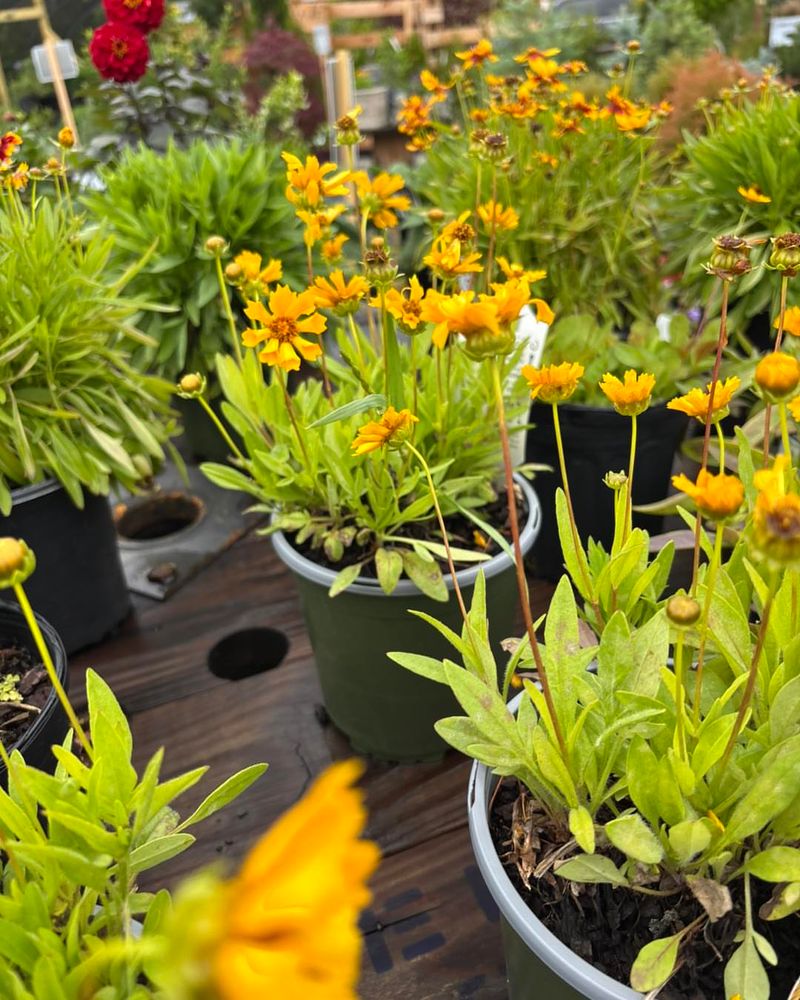
Coreopsis, sometimes called tickseed, is a sun-loving powerhouse that practically glows in a Pennsylvania summer garden. The cheerful yellow flowers bloom for weeks on end, and the plant asks for very little in return.
Still, even the most easygoing perennial benefits from a little attention now and then, and coreopsis is no exception.
After three or four years, coreopsis clumps can become dense and slightly woody at the center. When that happens, flowering tends to slow down and the plant loses some of its tidy, compact shape.
Dividing in June, before the hottest part of summer arrives, gives the plant a chance to reestablish roots while conditions are still favorable. The result is a more vigorous plant with a stronger flush of blooms.
Dig up the clump carefully and use a sharp knife or spade to cut it into sections. Each division should have healthy roots and several stems with good green growth.
Avoid sections that look dried out or that have very little root attached. Replant the best pieces at the same depth they were originally growing, and firm the soil gently around each one.
Water the new divisions well right after planting and continue watering every few days until you see signs of fresh growth.
Coreopsis is naturally drought-tolerant once established, but freshly divided plants need consistent moisture to get settled. Avoid letting the soil dry out completely during those first two weeks.
Coreopsis also makes a wonderful gift for neighbors or friends who want to add easy color to their own gardens. Sharing divisions is a great way to spread a little sunshine around the neighborhood without spending anything at all.
6. Black-Eyed Susan
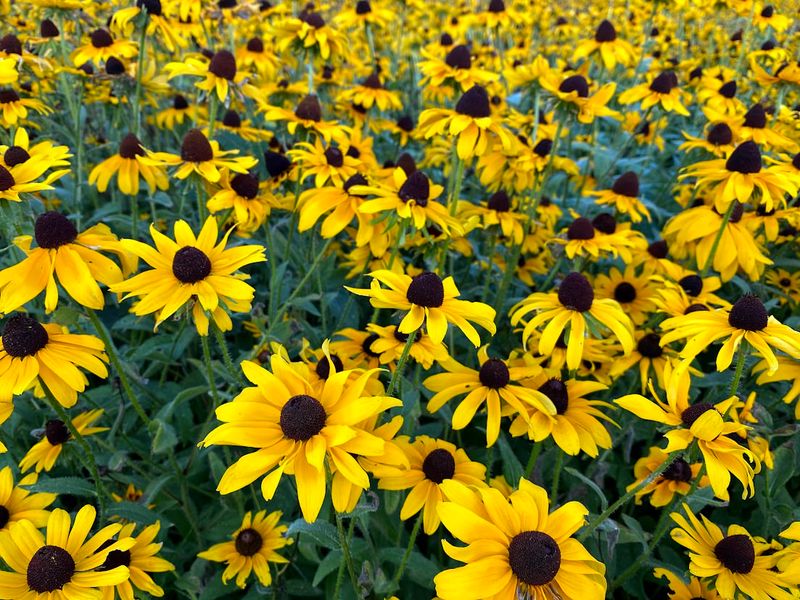
Black-Eyed Susans are Pennsylvania garden royalty. These tough, cheerful natives have been brightening roadsides and backyard gardens for centuries, and their golden yellow blooms with dark chocolate centers are instantly recognizable.
They are also enthusiastic spreaders, and that enthusiasm is exactly why June division is such a smart habit to build.
Left on their own, Black-Eyed Susan clumps grow outward steadily each year. Within a few seasons, a single plant can turn into a wide, tangled mass that crowds out neighboring perennials and starts to look more like a weed patch than a garden feature.
Regular division keeps them tidy, encourages stronger blooming, and gives you more plants to use elsewhere in your landscape.
June is a good time to tackle this job because the plants are actively growing but have not yet been hit by the stress of peak summer heat. Dig up the clump and pull it apart into smaller sections, each with a healthy set of roots and several leafy stems.
The outer sections of the clump are usually the most vigorous, so prioritize those when choosing what to replant.
Replant divisions at the same depth and water them in well. Black-Eyed Susans are not fussy, but they do need consistent moisture for the first week or two after being moved.
Once they are settled, they are remarkably self-sufficient and can handle dry spells without much fuss.
If you have more divisions than you need, consider planting them along a fence line or in a naturalized area of your yard.
Black-Eyed Susans are excellent for attracting butterflies and goldfinches, making them one of the most wildlife-friendly choices you can make for your Pennsylvania garden.