The Last Trees To Plant In Virginia Before Mid-October Frost
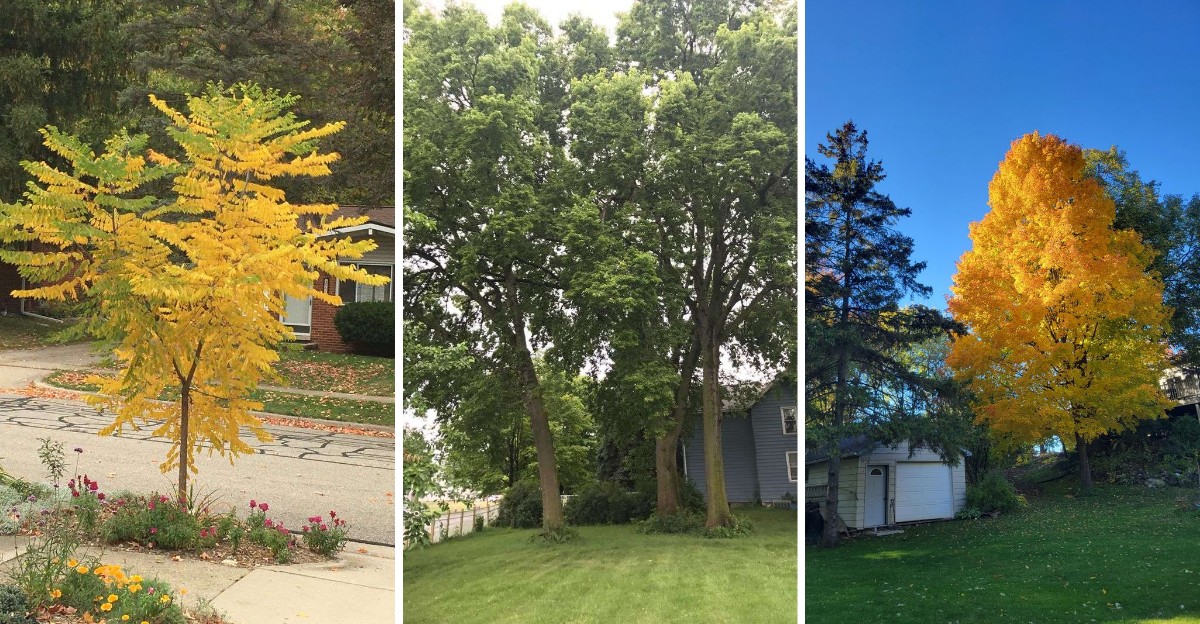
Crunchy leaves underfoot and cool morning air make fall the perfect time to plant a tree. Across Virginia, though, there’s no single frost date that fits every yard.
Mountain towns may see a hard frost by mid-October, while coastal areas often stay mild for weeks longer. Even so, frost on the grass doesn’t end planting season, because the soil below stays warm enough for roots to keep growing.
That hidden root growth gives fall-planted trees a valuable head start on spring. Choose the right tree, plant it in the right spot, and water it well, and a weekend project can deliver years of shade, flowers, or bright color.
1. Red Maple For Fast Shade And Fiery Fall Color
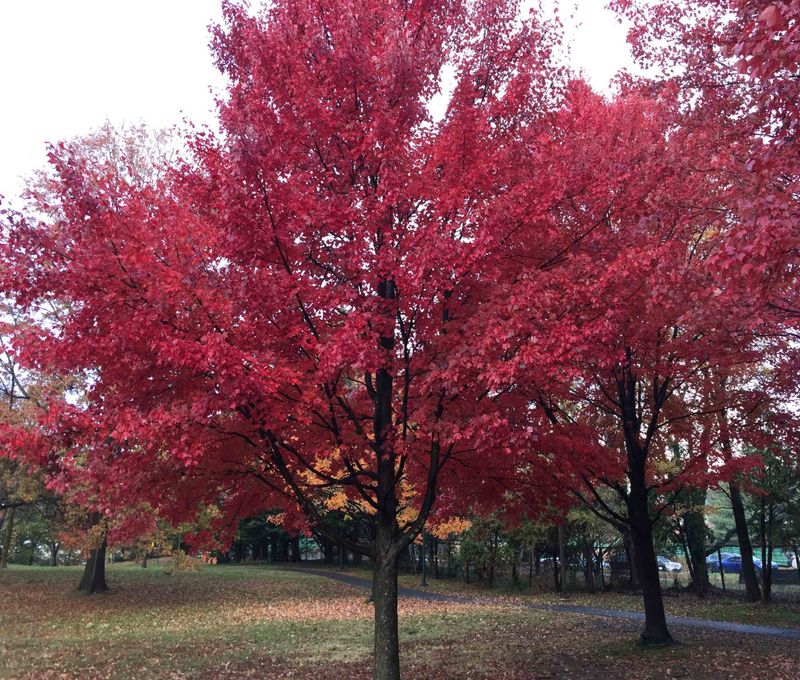
A red maple can make an ordinary yard look lit from within on a cool October afternoon. Its leaves often glow scarlet or orange, while its spreading branches promise shade as the tree grows.
Across Virginia, red maple handles many soils and tolerates wetter ground better than sugar maple. Still, a spot that stays underwater for long stretches needs more careful planning than a damp lawn.
Give this fast grower room to spread away from sidewalks, driveways, and buried pipes. Shallow roots can crowd pavement, and a mature crown may stretch farther than a small nursery tree suggests.
Look for a healthy container tree with evenly spaced branches and roots that have not circled tightly. If roots wrap around the pot, gently loosen them before setting the tree into its hole.
Dig the hole wide, but keep it no deeper than the root ball. Set the root flare, where the trunk widens, at or slightly above the surrounding soil.
Red maple is fussier about fall planting than most trees, so wait until its leaves drop or plant in spring. Several extension services list it among trees that do better with a later start.
Water slowly after planting, then check the soil beneath the mulch during dry weeks. A two to three inch mulch layer helps hold moisture, but leave bare space around the trunk.
For dependable color, ask local nurseries about Red Sunset, October Glory, or Autumn Flame. Their shades can vary with weather, sunlight, and soil, which makes each autumn display a little different.
2. Sugar Maple For Long-Lived Beauty
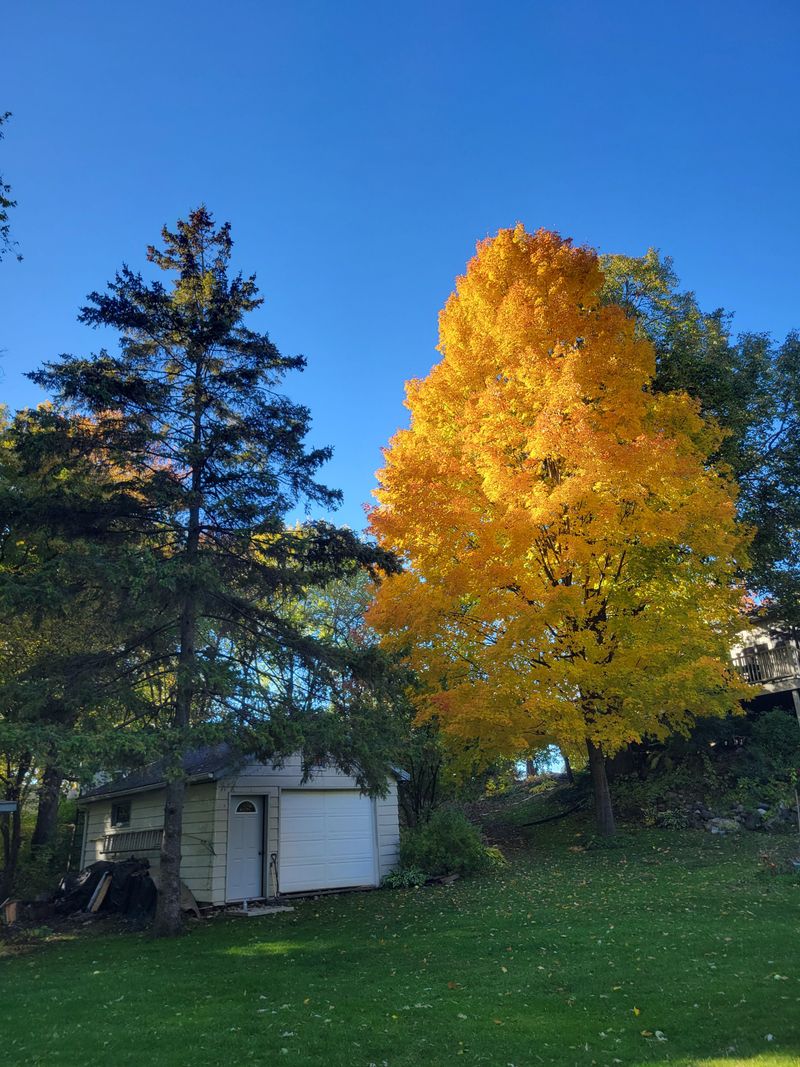
Picture a wide crown painting the lawn yellow, orange, and red each fall. Sugar maple offers that familiar woodland look, but it asks for a better planting site than some tougher trees.
Choose a roomy place with moist, well-drained soil, preferably away from hot pavement. In Virginia, cooler upland sites often suit sugar maple better than exposed streets in hotter areas.
Check the mature size before buying a small tree that looks harmless beside a porch. A sugar maple can reach more than 70 feet tall and develop a broad crown over time.
Fall planting works best when the ground remains workable and roots have weeks to establish. If an early hard frost is forecast, focus on careful watering rather than rushing a poor planting job.
Your Virginia Garden Changes Every Week. Your Plan Should Too.
Gardening in Virginia changes quickly throughout the season. Every Friday you’ll receive a simple weekly plan showing exactly what to plant, prune, fertilize, harvest, and protect so you never miss the right timing.
Start with a hole wider than the root ball and leave its bottom firm. The top of the root ball should sit level with, or slightly above, nearby ground.
Backfill with the soil you removed instead of packing the hole with rich compost. Roots need to move into the surrounding ground, and a heavily changed planting hole can hold too much water.
After planting, soak the root area slowly and check moisture each week. Spread mulch over the root zone, keeping it a few inches away from the bark.
Sugar maples also appreciate protection from lawn mowers and weed trimmers. Give yours a clear mulch ring, plenty of space, and patience, and its colorful fall show can last for generations.
3. American Linden For Fragrant Summer Blooms
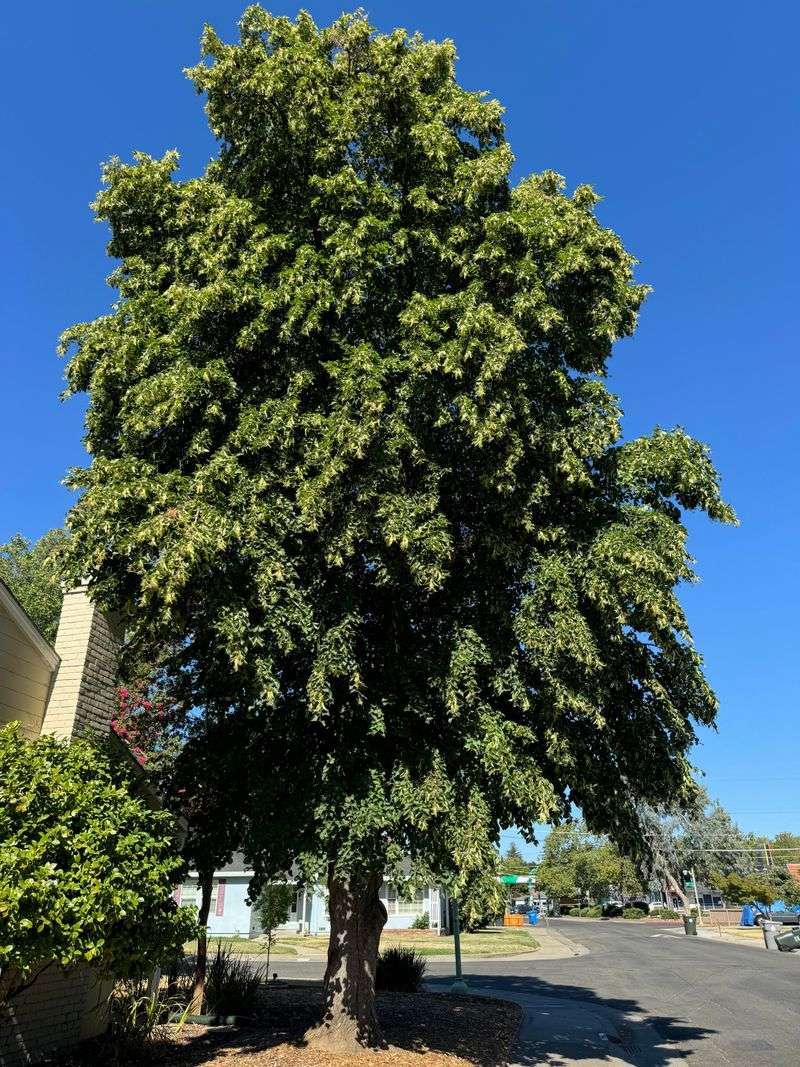
On a warm summer afternoon, an American linden can perfume the air without looking flashy. Its small, pale flowers draw bees, earning this native tree the cheerful nickname bee tree.
Also called basswood, it grows into a substantial shade tree with large, heart-shaped leaves. Many reach 60 to 80 feet, so a tiny courtyard is not the place for one.
Pick a site with room above and below ground, away from overhead wires. Moist, well-drained soil offers a strong start, although established trees can handle some tougher conditions.
Early fall is a helpful planting window because warm soil supports root growth. Check your local frost outlook and plant when you can still water and work the ground comfortably.
Before digging, call 811 to have buried utility lines marked. Make the hole wide enough for roots to spread, but avoid burying the trunk flare under soil.
A fresh linden needs steady moisture while it settles into its new home. Test the soil a few inches down, then water deeply when it feels dry rather than sprinkling daily.
Keep mulch off the trunk, and skip fertilizer unless a soil test points to a need. Extra feeding can push leafy growth when the tree should focus on building roots.
Expect soft yellow fall leaves instead of a fiery maple display. The real reward arrives later, when fragrant flowers buzz with visitors and the broad crown cools a favorite outdoor spot.
4. Hackberry For Tough, Easygoing Shade
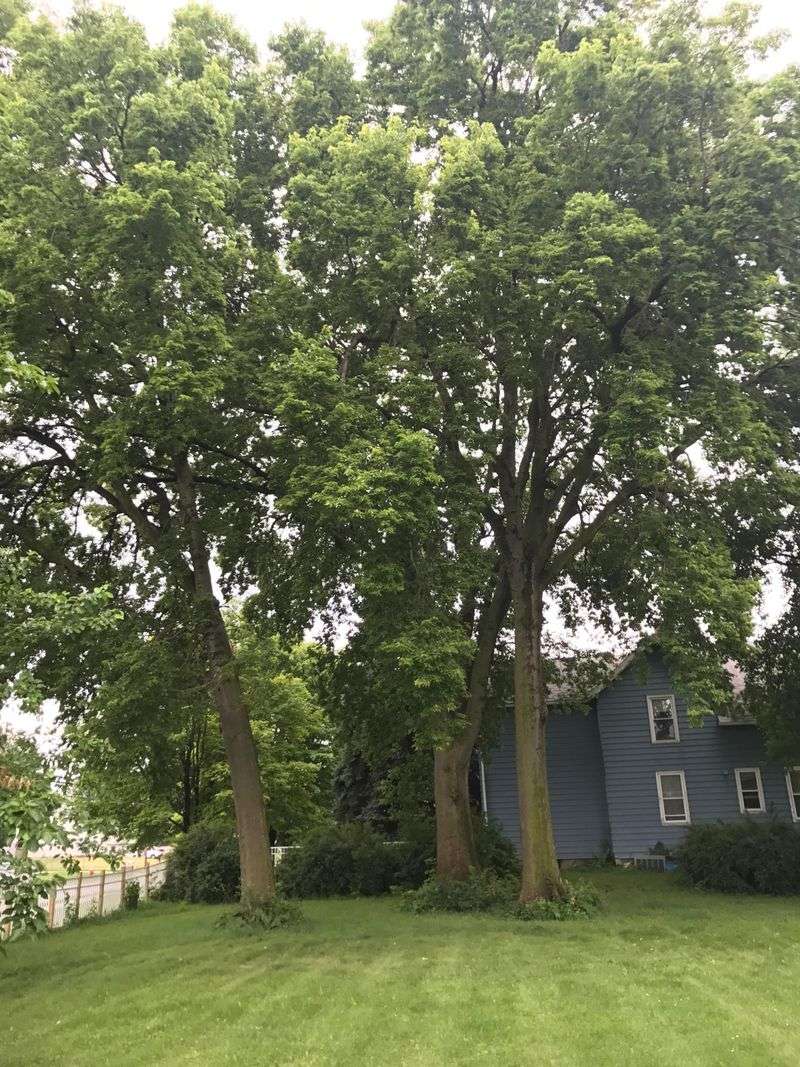
Some yards need a tree with fewer complaints and more grit. Hackberry fits that role, bringing useful shade to places where soil, pavement, or dry spells cause trouble.
Its gray bark develops corky ridges that look interesting even after the leaves fall. Small fruits darken in autumn and can feed birds well into colder months.
Hackberry is native to Virginia and tolerates many soils, including spots with high or low pH. It also handles city air and occasional flooding better than many familiar shade trees.
Even a tough tree needs a sensible location and enough room to grow. Many hackberries reach 40 to 60 feet tall, so check nearby wires and rooflines first.
Fall offers comfortable planting weather for both gardeners and young trees. If your area faces an early frost, a container-grown tree may be easier to plant promptly.
Slide the root ball from its pot and inspect the outer roots before digging further. Loosen circling roots gently, then place the tree with its root flare visible above the soil.
Water the planting area slowly to settle loose soil around the roots. During dry autumn weeks, check moisture under the mulch and give another deep watering when needed.
Birds may appreciate the fruit more than homeowners appreciate fallen berries near a patio. Place hackberry where its shade and wildlife value can shine without creating extra cleanup beside seating.
5. Kentucky Coffeetree For A Bold, Low-Maintenance Look
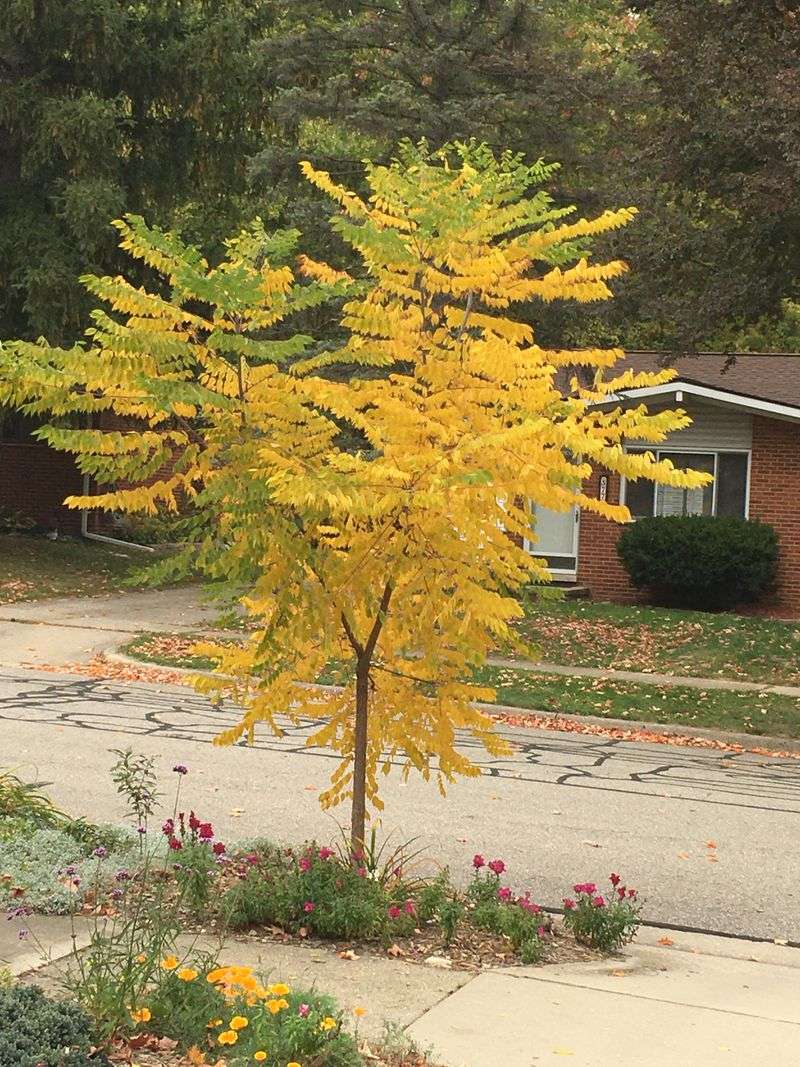
Kentucky coffeetree looks as though someone designed it with a little extra imagination. Its huge, feathery leaves and twisting winter branches make it stand out from ordinary shade trees.
The open crown lets patches of sunlight reach the ground, which helps nearby plants. Give this bold tree space, since mature examples can grow roughly 60 to 80 feet tall.
Poor soil, drought, and city conditions are less troubling once a coffeetree becomes established. A newly planted tree still needs attention, especially when autumn turns dry.
Choose a container-grown tree for fall planting and inspect its roots before purchase. Pass over specimens with damaged trunks or roots packed into tight circles at the container edge.
Plant in a wide hole with the trunk flare visible, using the original soil for backfill. Press gently to close large air gaps, then water slowly across the whole root ball.
Female trees can produce large, dark seed pods that hang through winter. If fallen pods would bother you, ask for a male cultivar such as Espresso.
Check local weather instead of treating mid-October as a firm planting cutoff. Cooler mountain gardens may need earlier attention, while warmer sites can keep workable soil much longer.
Spread mulch across a broad circle, leaving breathing room beside the trunk. As the tree settles in, its unusual outline becomes a winter feature, not merely a support for summer leaves.
6. Disease-Resistant American Elm For Classic Shade
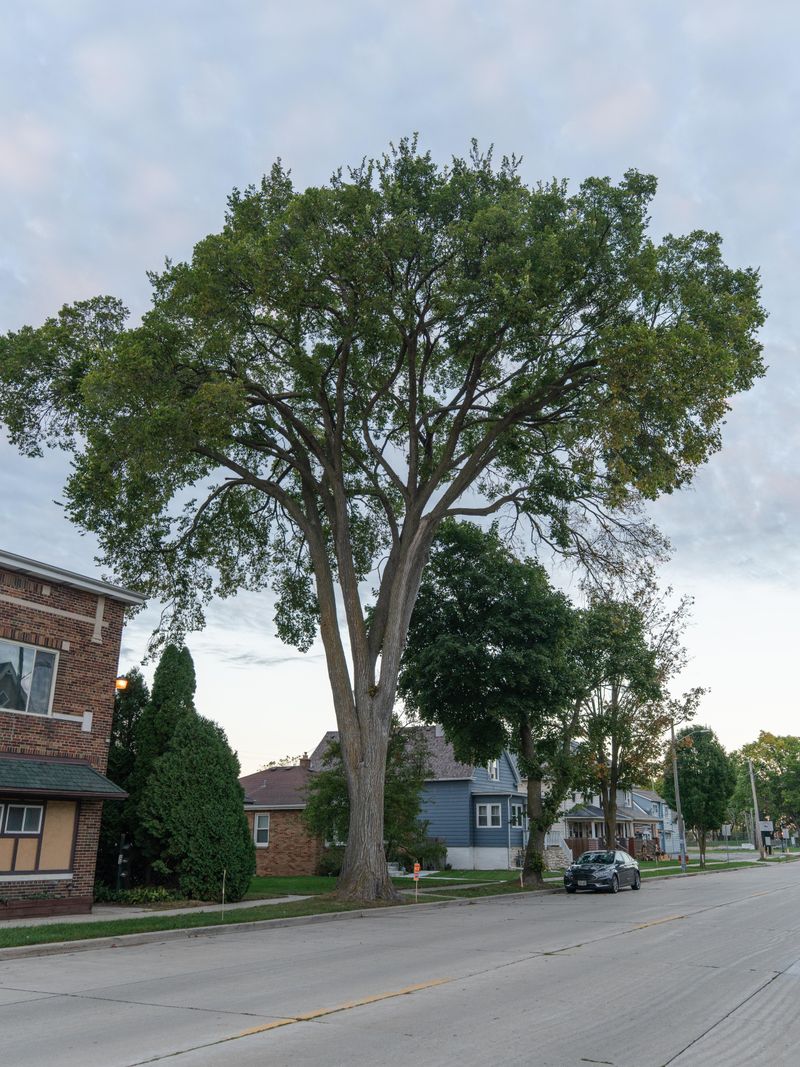
Old photographs of leafy streets often feature the graceful arch of American elms. Modern disease-resistant selections offer a chance to bring that classic shape into a roomy yard.
Ask the nursery for a named American elm cultivar with strong Dutch elm disease resistance. Princeton, Valley Forge, New Harmony, and Jefferson are among the names worth researching locally.
Resistance lowers risk, but it does not mean a tree needs no care. Buy from a reliable grower, inspect the branches, and choose a site with space for a broad crown.
A healthy elm can make generous shade as its branches rise and spread. Keep it clear of overhead lines, buildings, and places where roots could crowd paving.
Fall planting can work well for deciduous elms, particularly as leaves drop and growth slows. Planting does not need to stop at the first light frost if the ground remains workable.
Dig a hole wider than the root ball, then set the flare at ground level. Remove ties or wrapping that might press against the trunk, following the nursery’s planting guidance.
Water thoroughly after backfilling and keep the root area moist during rainless weeks. A wide mulch ring limits grass competition and protects the young trunk from mowing equipment.
Do not expect the full vase shape right away; it develops as branches mature. With the right cultivar and room to stretch, this elm can become a striking neighborhood landmark.
7. Honeylocust For Light, Filtered Shade
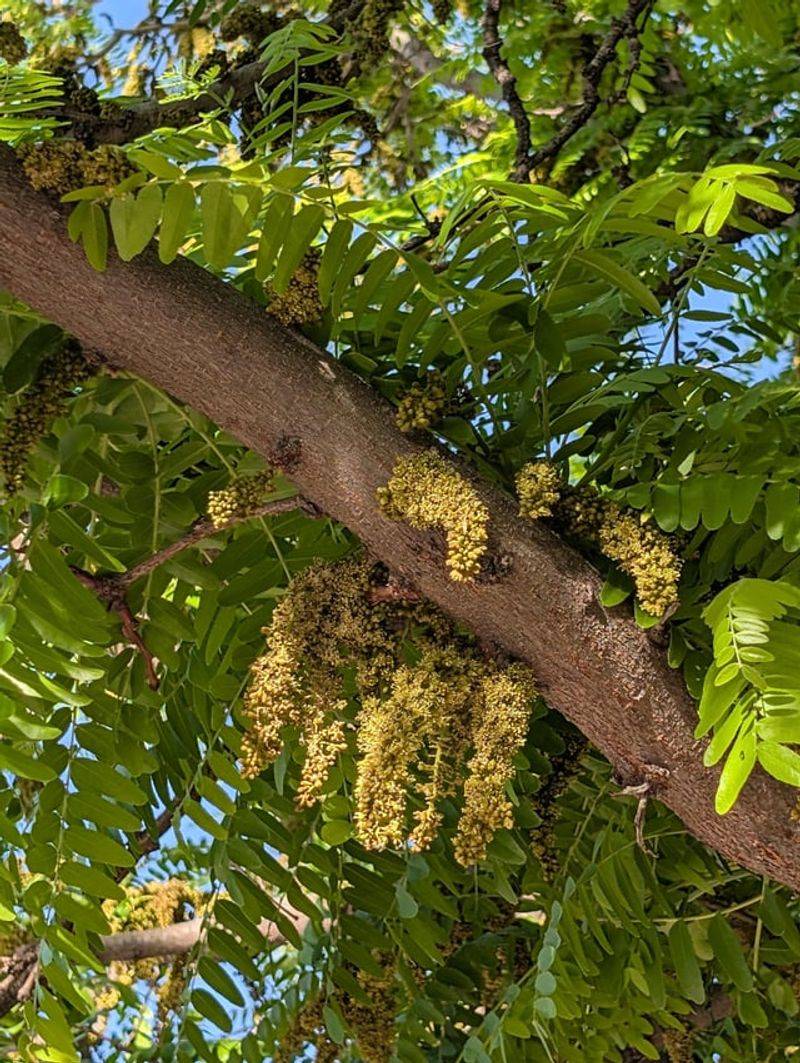
Not every shade tree turns a lawn into a dark room. Honeylocust filters sunlight through fine leaves, creating moving patches of light that feel welcome on warm days.
Those small leaves turn clear yellow in fall and often break down quickly on the ground. Beneath the airy crown, many gardeners find room for grass or plants suited to partial shade.
Choose a thornless cultivar for areas where children, pets, or visitors walk. Shademaster is a familiar option, and some nursery selections produce few or no messy seed pods.
Honeylocust tolerates dry conditions, compacted soil, and pollution once established. Give a new tree steady water anyway, since its roots must grow into the surrounding ground.
A generous planting site helps its branches spread without crowding a driveway or house. Check the cultivar’s expected size rather than judging by the slender tree in its nursery pot.
Fall planting is useful while the soil still holds warmth from summer. Aim for enough time before deep freezes to settle the tree, but follow local forecasts over calendar rules.
Find the root flare before placing the tree and avoid piling soil against its trunk. Water slowly after planting, then add mulch in a wide ring with a clear gap around the bark.
Watch young trunks for mower bumps and protect them with distance, not a tight wrap. In return, honeylocust offers an easygoing canopy that shares the sunlight instead of taking it all.
8. Serviceberry For Spring Flowers And Berries
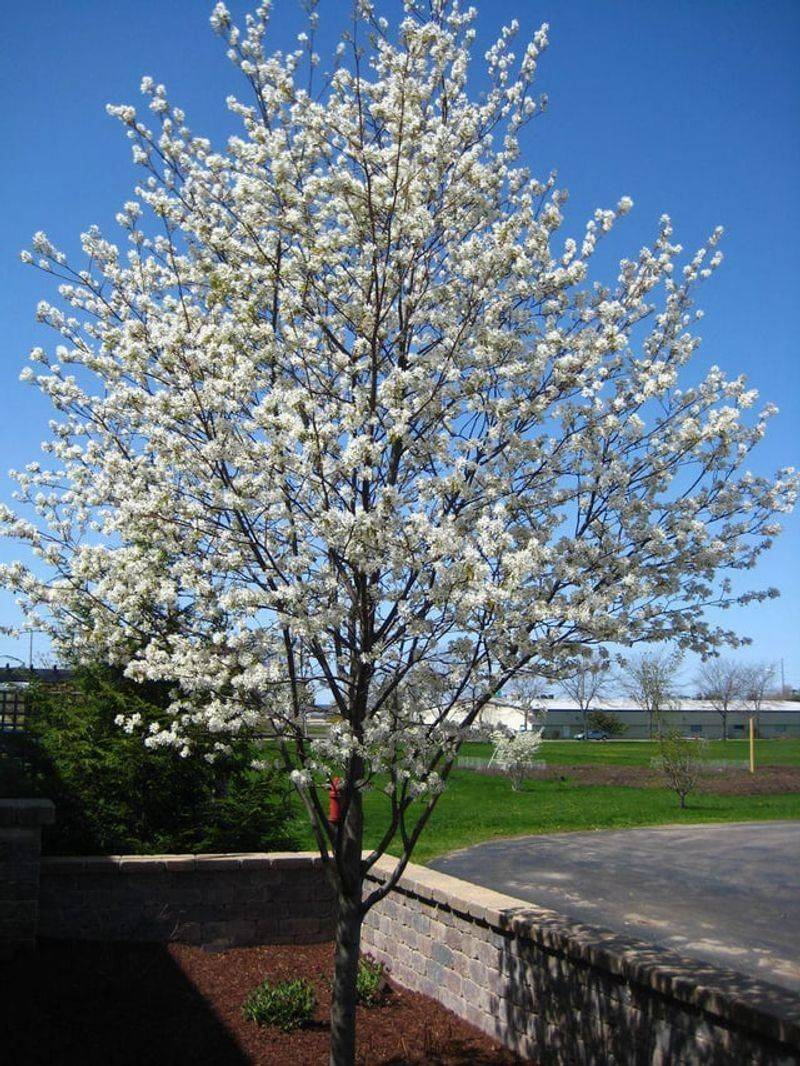
Serviceberry keeps a small garden busy through several seasons without demanding a giant patch of lawn. White spring flowers arrive early, followed by berries that songbirds spot quickly.
Depending on the species, fall leaves may glow orange, yellow, or deep red. Smooth gray bark keeps the tree appealing when branches stand bare in winter.
Canadian serviceberry and Allegheny serviceberry are two options to ask about at a local nursery. Check each tree’s mature width, since some grow as several stems rather than one trunk.
Pick a site with well-drained soil and enough light for good flowering. Some afternoon shade can help in hotter locations, while crowded, poorly aired spots may invite leaf problems.
In Virginia, fall planting gives many serviceberries a quiet season to establish roots. A small container tree is manageable to plant before cold weather without rushing heavy digging.
Set the tree at the same depth it grew in its container, with its flare uncovered. Fill the hole with native soil and water until the entire root ball is damp.
Mulch helps protect shallow roots from swings between wet and dry weather. Leave a bare circle beside the stems, and check soil moisture rather than watering by a fixed schedule.
The berries are edible when ripe, though birds may arrive before you do. Plant near a window for a close view of spring blossoms and the lively visitors that follow.
9. Crabapple For Blossoms And Winter Fruit
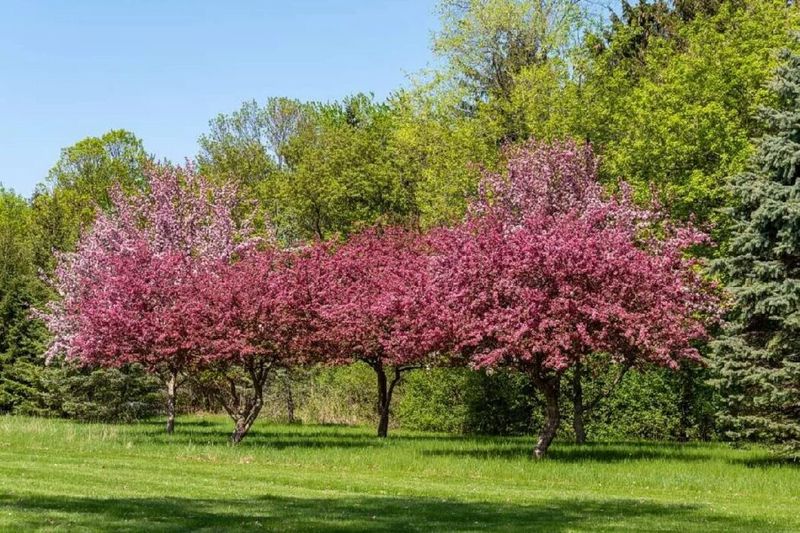
A crabapple can turn a sunny yard into a brief spring festival. Pink, white, or red blossoms cover its branches, and colorful little fruits may linger into winter.
Many varieties stay smaller than large shade trees, often fitting gardens with limited space. Read the plant tag carefully, though, because mature height and width vary widely.
Full sun encourages a strong flower show and helps leaves dry after rain. That airflow matters in the Mid-Atlantic, where damp weather can favor common crabapple diseases.
Ask for a cultivar bred for resistance to apple scab and other leaf troubles. Your local extension office or nursery can suggest choices suited to your part of the state.
Check whether the fruit tends to remain on the branches or drop near walkways. Birds enjoy persistent fruit, while a patio below a heavy fruiting tree may need frequent sweeping.
Fall is a workable planting season for healthy container-grown crabapples. Choose a day when soil is moist but not soggy, and avoid digging during a hard freeze.
Make the planting hole wide, keep the root flare visible, and water deeply after backfilling. Add mulch around the base without pressing it against the trunk or covering low branches.
Continue checking moisture during dry spells, even after the flowers and leaves are gone. A well-sited crabapple rewards that early care with spring color and a winter snack stop for birds.