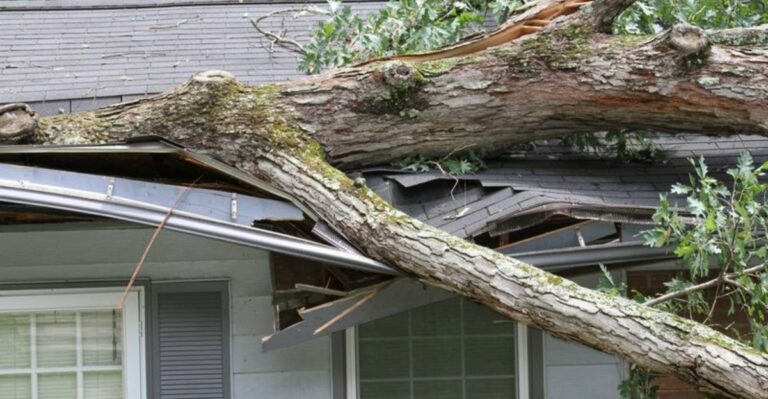
Your Neighbor’s Fruit Tree Is Over Your Yard, Here Is What Virginia Law Says
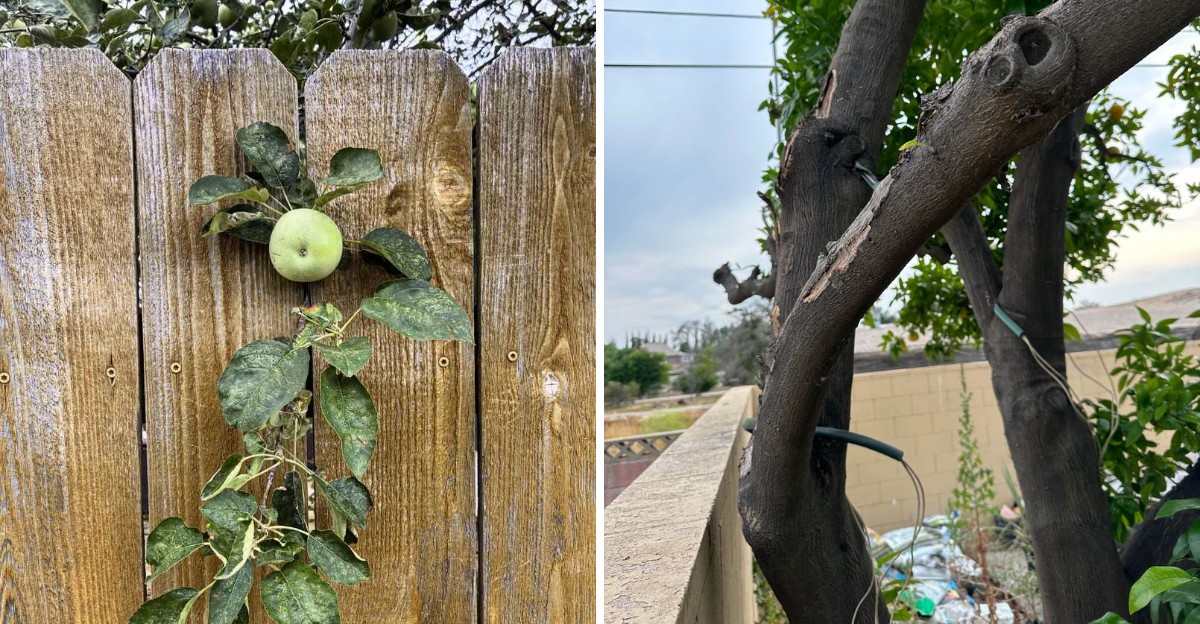
Nothing says summer like a ripe peach thumping onto your lawn at six in the morning. The problem is that it fell from your neighbor’s tree, and now wasps are circling your sneakers.
Maybe a heavy branch leans over your deck, dropping sticky figs where the kids play. You reach for the loppers, then wonder if one snip could start a backyard feud.
Virginia law offers some clear answers, plus a few surprises that trip up plenty of homeowners. Knowing the rules protects your yard, your wallet, and that friendly wave across the fence.
Some fixes are easy weekend jobs you can handle yourself. Others call for a property survey, a polite conversation, or a certified arborist.
The guide below covers what you can trim, what you should leave alone, and who pays when things go wrong. The answers might surprise you.
You Can Usually Trim Back Branches Up To Your Property Line
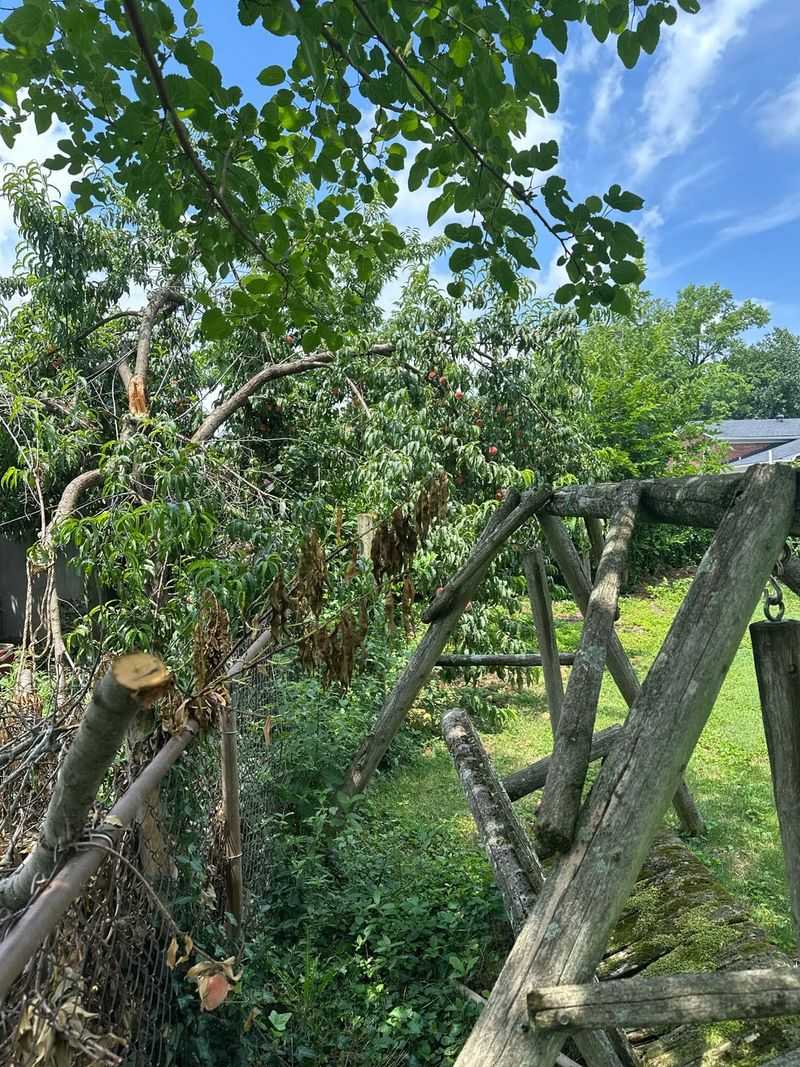
Picture a fig branch dangling over your patio chair, dripping sticky fruit onto your cushions. Good news: Virginia law generally lets you trim that branch back to the line.
Lawyers call it the self-help rule, and it has been around for many decades. You handle the trimming yourself, on your side, and you usually pay for it too.
Permission from your neighbor is not required before you make those cuts. Still, a quick friendly heads-up over the fence can save you from an awkward chat later.
Imagine the property line as an invisible wall rising straight up into the sky. Anything crossing that wall on your side is generally fair game for pruning.
Branches that simply block sunlight from your vegetable garden count too, as long as they cross over. Trimming them may give your tomatoes the sunshine they crave.
Hand pruners and loppers work well for small, low branches you can reach from the ground. Pole saws help with higher limbs without climbing a wobbly ladder.
Timing matters with fruit trees, since late winter is often the best season to prune. Cuts made then heal faster and cause less stress than summer hacking.
Snap a few clear photos before and after you trim. Pictures give you a simple record if your neighbor ever questions what you did.
Keep the goal modest and focused on the overhang alone. You are clearing your own airspace, not reshaping the whole tree to suit your taste.
You Cannot Just Cut Into The Neighbor’s Side Of The Tree
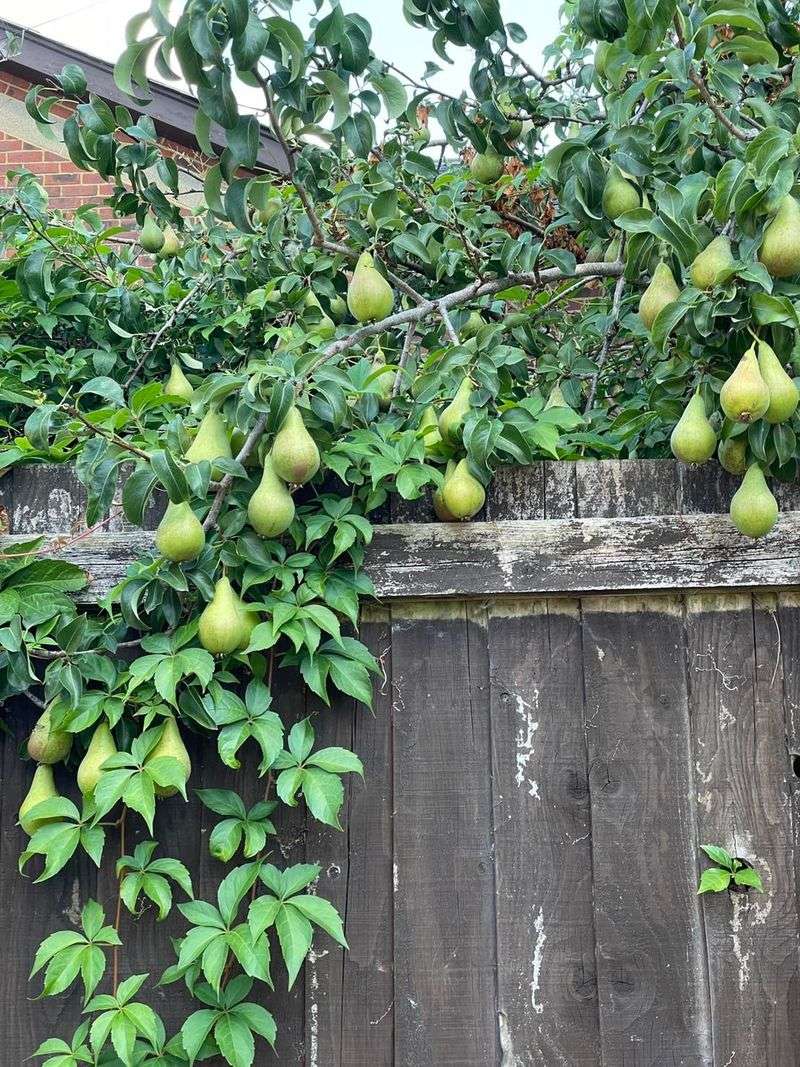
Here is where good intentions sometimes land folks in hot water. Your trimming rights stop right at the boundary, and not one inch farther.
Leaning over the fence to lop off branches on the neighbor’s side crosses a legal line. Walking onto their yard without permission to prune counts as trespassing in Virginia.
Money becomes part of the picture fast. Damaging a tree beyond your line could make you responsible for paying to repair or replace it.
Mature fruit trees can be worth more than you might guess. An old apple or cherry tree may carry a value in the thousands of dollars.
Your Virginia Garden Changes Every Week. Your Plan Should Too.
Gardening in Virginia changes quickly throughout the season. Every Friday you’ll receive a simple weekly plan showing exactly what to plant, prune, fertilize, harvest, and protect so you never miss the right timing.
Heavy cuts on your side can also cause trouble if they harm the whole tree. Removing too much canopy or hacking deep into big limbs may weaken it badly.
Arborists often suggest removing no more than about 25 percent of a tree’s leaves at once. Going past that can shock the tree and invite pests or disease.
Roots deserve the same respect as branches. Digging or chopping big roots near the trunk can topple a tree onto someone’s house.
Want to reach something on their side? Ask first, and get a clear yes before your ladder touches their lawn.
A written text or email works even better than a spoken okay. Having that note saved on your phone can settle any confusion down the road.
Offering to split the cost of a pro can sweeten the request. Many neighbors happily agree when the job helps both yards look tidier.
The Neighbor Still Owns And Cares For The Tree
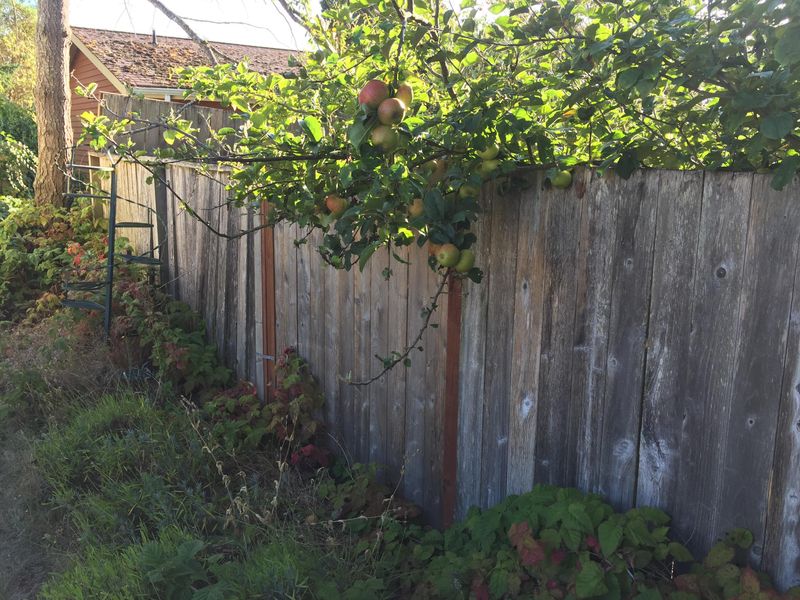
Think of it like a neighbor’s car parked near your driveway. Even if it sits close to you, the car still belongs to them.
Trees work much the same way in the eyes of the law. Ownership depends on where the trunk grows, not where the branches wander.
If the whole trunk sits on your neighbor’s land, the tree belongs to them alone. Branches drifting over your fence do not change who holds the title.
Things get trickier when the trunk straddles the line. In that case, courts usually treat it as a boundary tree shared by both owners.
Boundary trees come with a special catch. Neither neighbor should remove or seriously harm one without the other person agreeing first.
Owning the tree also means owning the chores. Your neighbor handles watering, feeding, spraying for pests, and removing it if it ever becomes a hazard.
Fruit trees tend to need more attention than shade trees. Peach and plum trees, for example, often need yearly pruning to stay healthy and productive.
Fun fact: Virginia grows plenty of apples, especially in the Shenandoah Valley. Backyard growers across the state inherit that same love for homegrown fruit.
Spotting a problem, like black knot on a plum or a cracked limb? Letting the owner know kindly is a neighborly move that can prevent bigger headaches.
Keep in mind that trimming your side does not shift their duties onto you. You are simply managing the overhang, while the big-picture care stays with them.
Fruit Hanging Over Your Yard Can Be A Separate Question
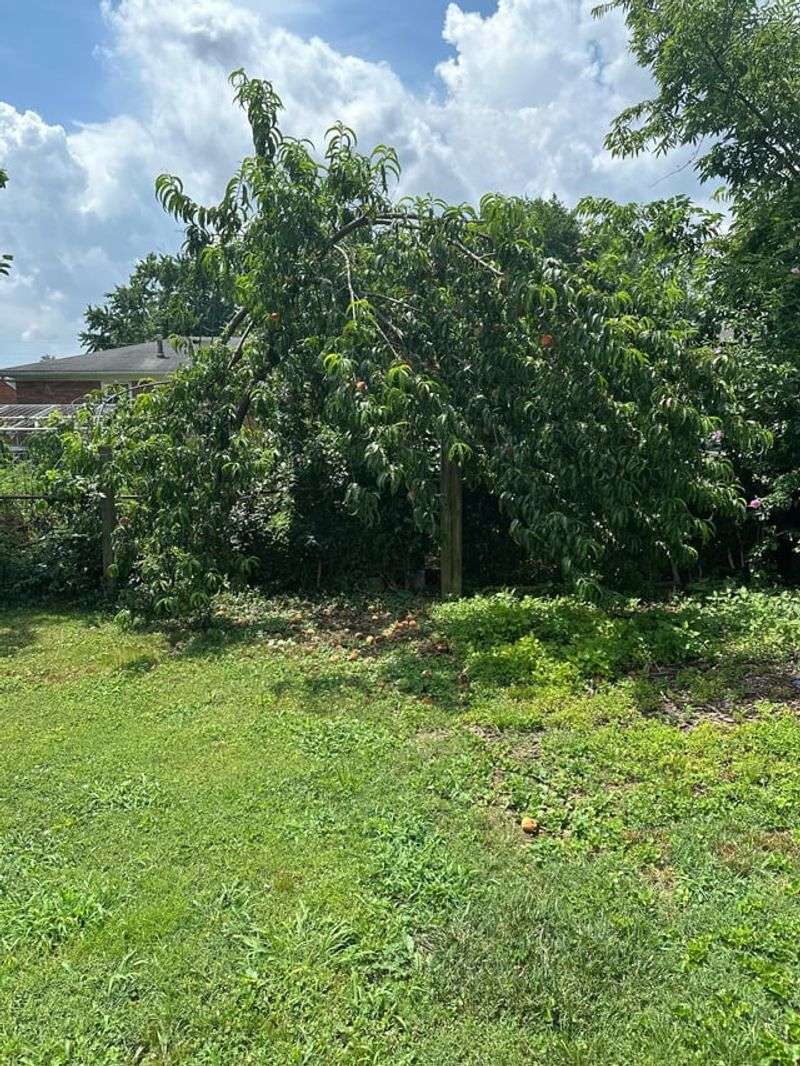
Ah, the great fallen-apple debate that has sparked backyard squabbles for generations. Who actually gets the juicy peaches dangling above your lawn?
Generally speaking, fruit still on the branch belongs to the tree’s owner. Picking it without asking can rub your neighbor the wrong way, even if it hangs over.
Fallen fruit sits in a grayer area, and rules can vary from place to place. The kindest path is to simply ask whether they mind you keeping it.
Messy drops are another story entirely. Virginia courts usually see falling leaves, flowers, and fruit as a normal part of living near trees.
In other words, squishy figs on your sidewalk are not usually a legal nuisance. You likely cannot force your neighbor to trim just because of the mess.
Your main tool remains trimming the branches back to your line. Fewer branches overhead means fewer rotten pears drawing yellow jackets to your patio.
Rotting fruit does attract wasps, ants, and even raccoons after dark. Raking up drops every few days keeps the buzzing crowd much smaller.
Selling their fruit at a roadside stand without asking, though, is a clear no. Treat the harvest as theirs unless they say otherwise.
Plenty of fruit tree owners happily share, especially during a bumper crop year. Offer to pick some for them, and you may walk away with a free pie.
Swapping goods works nicely too. Trade a basket of your garden tomatoes for a bag of their plums, and everyone wins.
Bigger Or Damaged Branches May Need A Little More Care
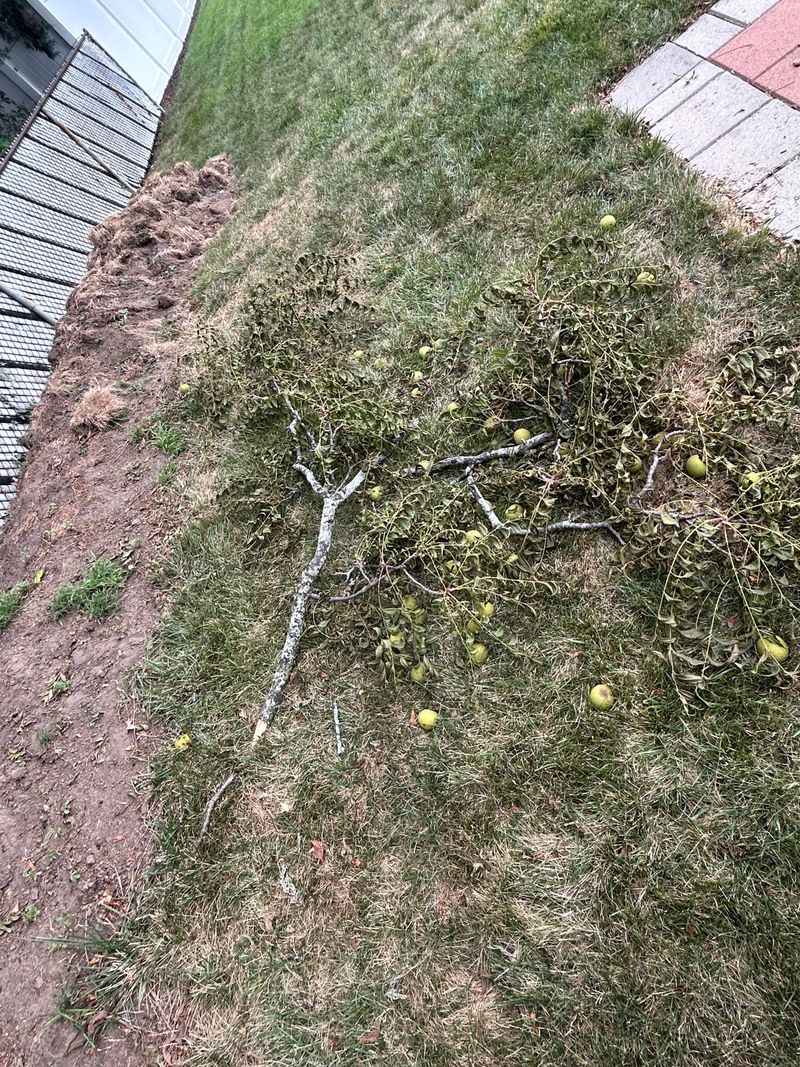
A cracked limb the size of a telephone pole hanging over your roof is no small thing. The law treats real damage very differently from simple annoyance.
Back in 2007, the Supreme Court of Virginia decided a case called Fancher v. Fagella.
The court ruled that encroaching trees can become a nuisance when they cause actual harm.
Actual harm can mean cracked foundations, crushed fences, clogged pipes, or a punctured roof. Imminent danger to your property can count too, not just damage already done.
When that happens, you may have options beyond grabbing your own saw. A court might order the owner to fix the problem or pay for repairs.
Heavy, sagging limbs are no job for a weekend warrior with a chainsaw. A falling branch can swing unpredictably and injure you or wreck property below.
Warning signs worth watching include deep cracks, hollow spots, fungus on the bark, and leafless sections. Fruit trees loaded with heavy crops can also split during summer storms.
Put your concerns in writing whenever a limb looks risky or rotten. A dated letter or email shows your neighbor knew about the danger ahead of time.
Your homeowners insurance company may also want details after a storm. Photos of the branch before it fell can help your claim go more smoothly.
Legal action is usually a last resort, not a first step. A calm conversation often gets a hazardous limb removed faster than any courtroom battle.
A Tree Professional Can Help You Avoid Causing Damage
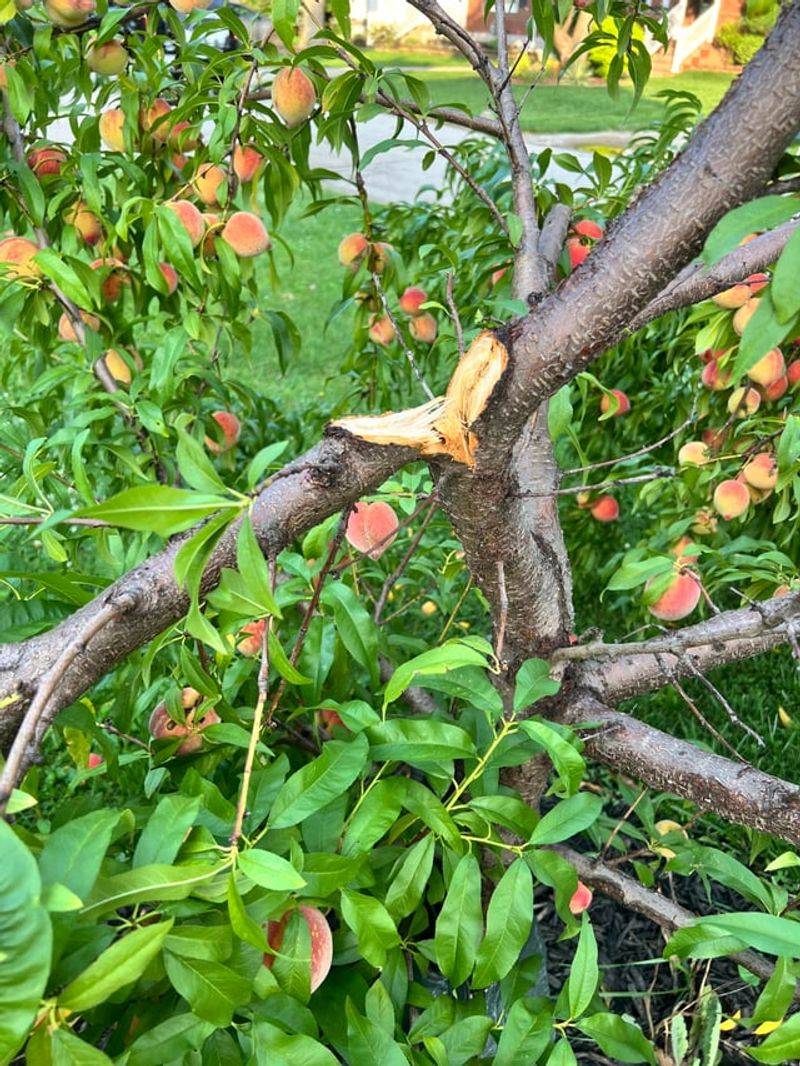
Ever seen a tree butchered into a sad, lopsided stump of its former self? Poor cuts like those are exactly what a trained arborist knows how to avoid.
Arborists study how trees grow, heal, and respond to pruning. They know where to cut so wounds seal over cleanly instead of rotting.
A key trick involves the branch collar, the slightly swollen ring where a limb meets the trunk. Cutting just outside that collar helps the tree close the wound naturally.
Bad pruning can weaken a fruit tree or even cause it to decline over time. If that happens because of your cuts, you could be held responsible.
The Commonwealth does not issue its own state arborist license, so credentials matter. Look for an ISA Certified Arborist, a title earned through testing and ongoing education.
The ISA, or International Society of Arboriculture, keeps a searchable online directory. Typing in your zip code shows certified pros near you.
Ask any company for proof of liability insurance and workers’ compensation coverage. Without it, an accident on your property could land on your shoulders.
Skip anyone who suggests topping the tree, which means chopping the crown flat. Topping stresses fruit trees and usually triggers messy, weak regrowth.
Getting two or three written quotes helps you compare prices fairly. Trimming a single overhanging fruit tree often costs a few hundred dollars, depending on size.
A pro can also talk with your neighbor directly about the plan. Hearing the details from an expert tends to calm nerves on both sides.
Make Sure You Know Exactly Where The Property Line Is
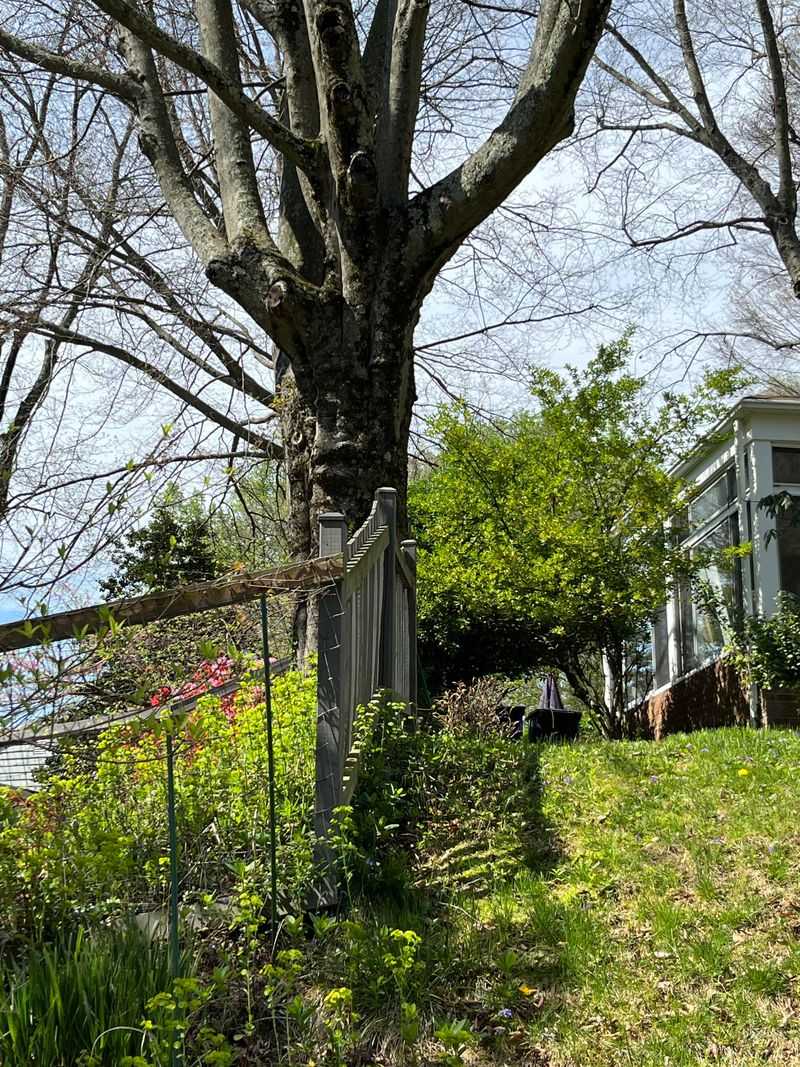
Brace yourself for a surprise that catches many homeowners off guard. Your fence might not sit on the true property line at all.
Builders often set fences a few inches or even feet inside the boundary. Some do it on purpose to avoid arguments, while others simply guess.
Trimming by the fence alone could put your saw on your neighbor’s side by mistake. Honest errors can still lead to angry words or even a damage claim.
Start by digging out the plat that came with your closing papers. A plat is a drawing that shows your lot’s shape, size, and measurements.
Many counties also offer free online GIS maps with parcel lines. Those maps are handy for a rough idea but are not precise enough for exact cuts.
Walk the yard looking for metal pins or markers buried at the corners. A cheap metal detector can help you find pins hiding under grass.
Still unsure? A licensed land surveyor can mark the exact line, usually costing several hundred dollars depending on your lot.
Surveyors must hold a state license, which adds a layer of trust. Their stakes and flags give you a clear guide before any branch comes down.
Consider splitting the survey cost with your neighbor. Both of you walk away knowing exactly where your yards begin and end.
Tie bright ribbon to the stakes so they stay visible during trimming day. Leaving them up a few weeks also helps any hired crew stay on track.
Local Rules May Add More Restrictions To What You Can Cut
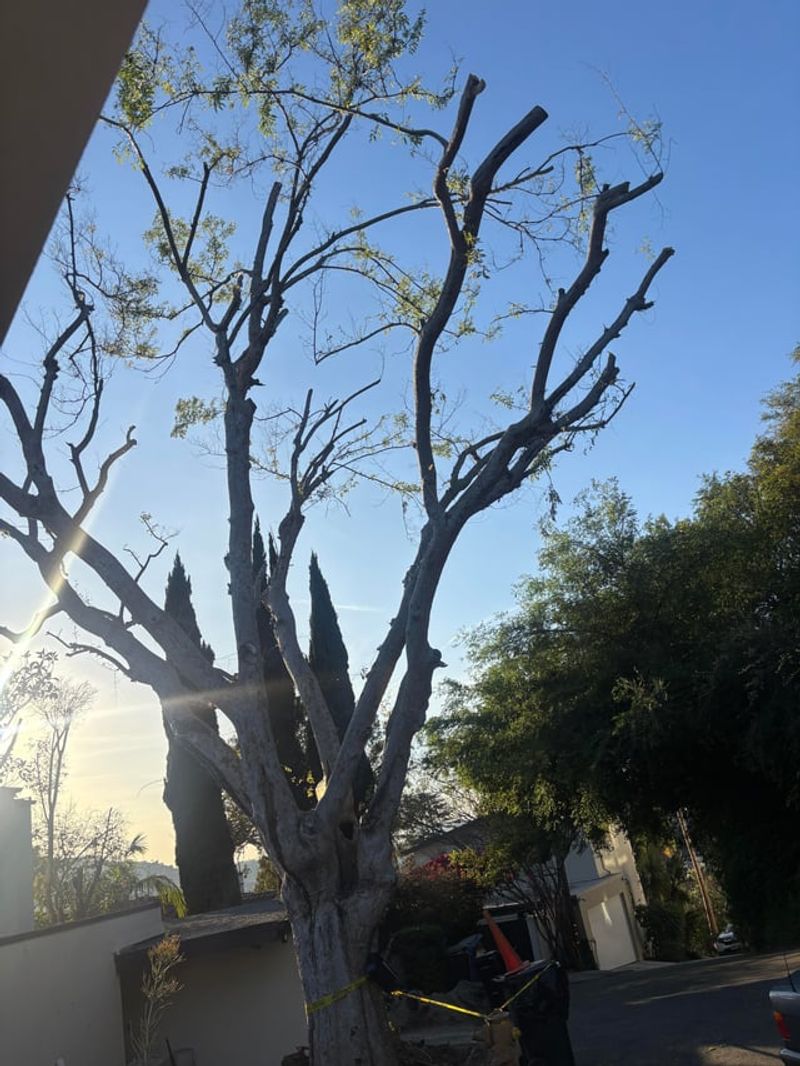
State law sets the basic rules, but your city or county can add its own twists. It works like a recipe where local cooks toss in extra ingredients.
Some localities protect certain large, old, or historic trees. Cutting them improperly could lead to fines, even when the branches hang over your yard.
Northern Virginia areas like Fairfax and Arlington tend to have more detailed tree rules. Coastal spots may add Chesapeake Bay protections for trees near water.
Historic districts can be strict as well. Places like Old Town Alexandria or parts of Richmond may review major tree work.
Homeowners associations bring yet another layer of rules. Your HOA covenants might spell out who can trim, when, and even which companies to use.
Skipping HOA approval can mean warning letters, fines, or forced repairs. Reading your community documents takes a little time but can save real money.
Power lines add one more wrinkle to the story. Trained crews should handle branches near utility wires, and your power company may trim them free.
A quick phone call to your county planning or zoning office clears up most questions. Staff members can tell you whether any permits apply to your situation.
Neighbors in the Old Dominion have shared fences and fruit for centuries. Knowing your local rules helps you carry on that friendly tradition with confidence.
Once you know the rules, trimming that overhanging fruit tree gets much less stressful. A little homework now keeps peace over the fence for years to come.